This Is Why Your Ohio Lantana Looks Healthy But Won’t Bloom
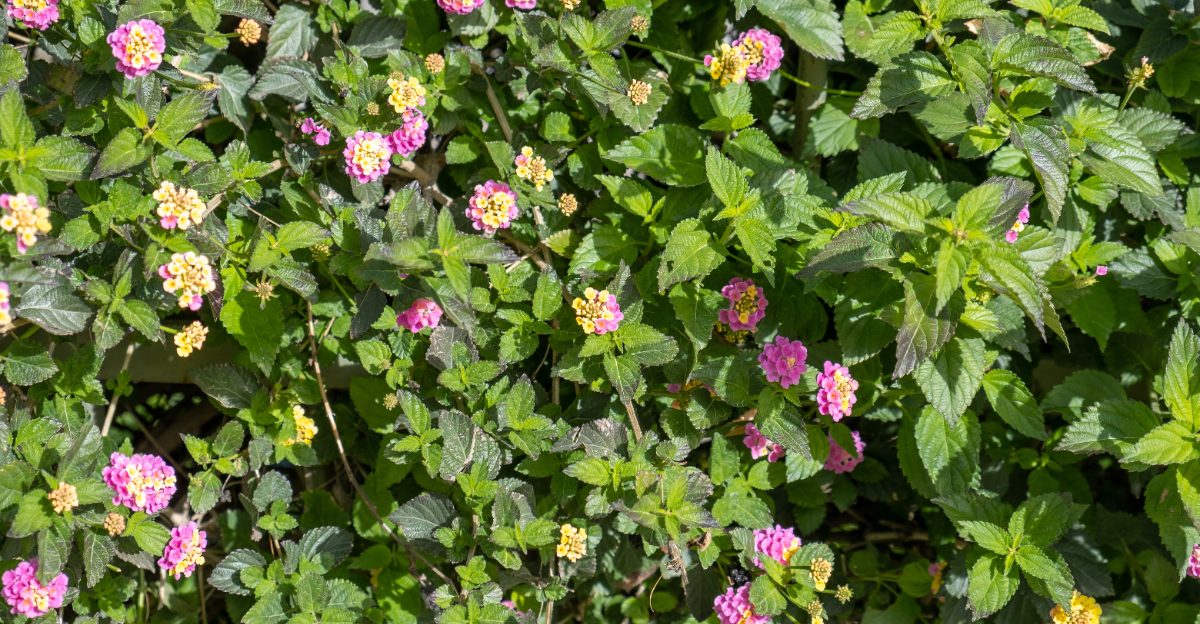
Lantana that refuses to bloom is one of the most frustrating puzzles in the Ohio garden. The foliage looks full, the stems are strong, the plant is clearly alive and growing.
By every visible measure, things look fine. And yet, nothing.
Week after week of green leaves and zero flowers while every photo you see online shows lantana absolutely smothered in color. Something is off, but it is not obvious from the outside.
Ohio gardeners run through the usual suspects first. Not enough sun, wrong soil, underwatering, overwatering.
Most of the time none of those are the actual problem. The real reason lantana sits there looking perfectly healthy while refusing to bloom tends to come down to something far more specific.
It is also far more fixable than most troubleshooting guides bother to address. Your lantana is not broken.
It is just waiting on you to figure out what it actually needs.
1. Too Much Shade Can Leave Lantana Green But Flowerless
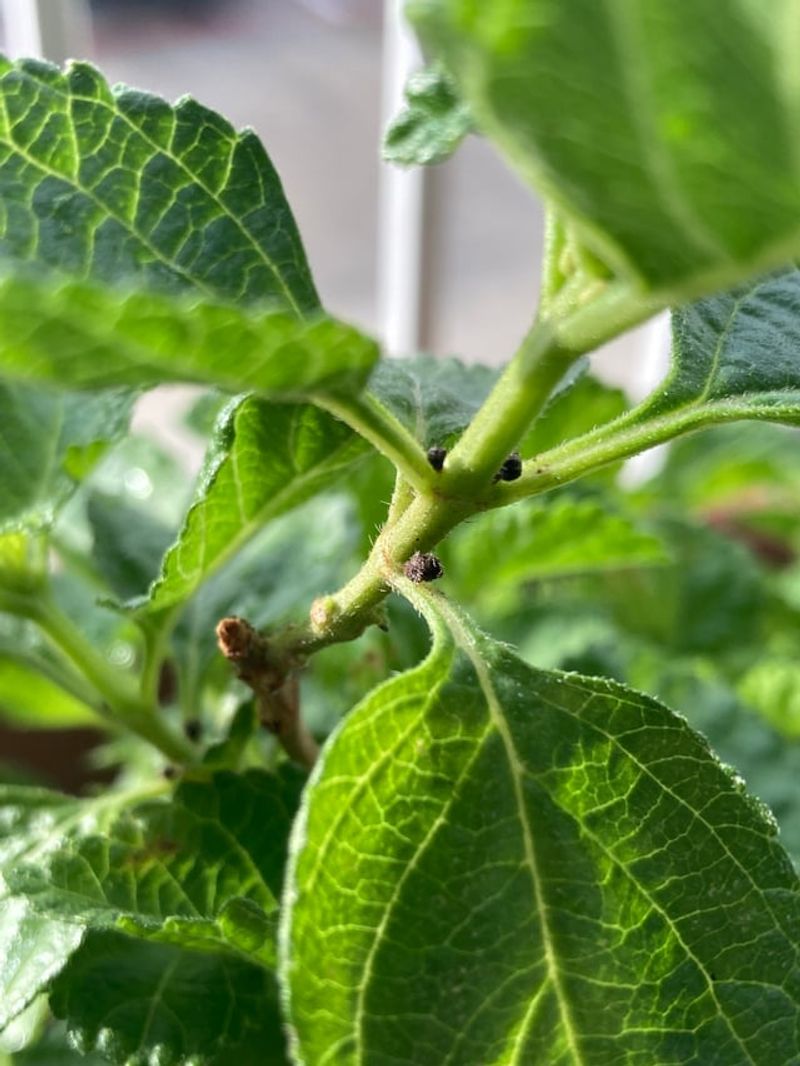
A pot can look bright enough from the porch until you notice the sun only reaches it for an hour each afternoon. Lantana is a heat-loving, sun-hungry plant that needs at least six hours of direct sunlight daily to produce strong, steady blooms.
Without that consistent sun exposure, the plant will happily keep growing leaves because leaf production does not require as much energy as flowering does.
Shaded patios, overhanging tree branches, tall fences, and nearby structures are common culprits in local home landscapes. The plant is not struggling in an obvious way, so gardeners often overlook the light problem entirely.
It just sits there, full and green, never quite getting around to flowering.
If your lantana is in a container, moving it to a sunnier spot is the most straightforward fix you can make. Even shifting a pot a few feet can dramatically change how much direct light it receives throughout the day.
For in-ground plants, trimming back overhanging branches or relocating the plant to a brighter bed can help. Observe your planting spot at different times of day before choosing a permanent home for this plant next season.
2. Extra Fertilizer Can Push Leaves Instead Of Blooms
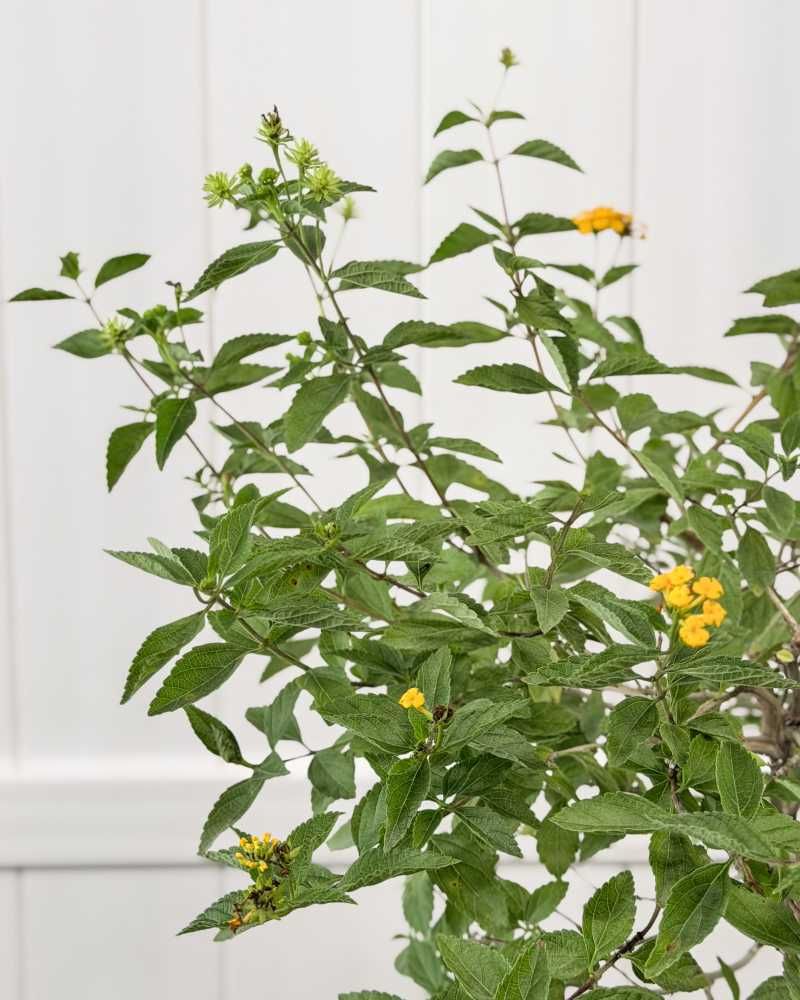
Some gardeners feed their plants on a regular schedule without checking whether the plant actually needs it. With lantana, that habit can backfire quickly.
High-nitrogen fertilizers are designed to encourage leafy, vegetative growth. Lantana will take full advantage of that, producing a thick canopy of green while putting flowering on hold.
Rich garden beds amended heavily with compost or fertilizer can have the same effect. The plant is not being harmed, it is just prioritizing stems and leaves over blooms because the nutrients are pushing it in that direction.
This is especially common when gardeners treat lantana the same way they treat heavy feeders like roses or vegetables.
The fix is not to starve the plant but to be more selective. Lantana generally does fine in average soil without heavy supplemental feeding.
If you do want to fertilize, choose a balanced formula with lower nitrogen content and apply it sparingly. A light feeding early in the season is usually plenty.
Your Ohio Garden Changes Every Week. Your Plan Should Too.
Gardening in Ohio changes quickly throughout the season. Every Friday you’ll receive a simple weekly plan showing exactly what to plant, prune, fertilize, harvest, and protect so you never miss the right timing.
Once you ease back on nitrogen-heavy products, the plant often redirects its energy toward flowering within a few weeks. That happens especially when sun and warmth are also on its side.
3. Overwatering Can Slow The Flower Show
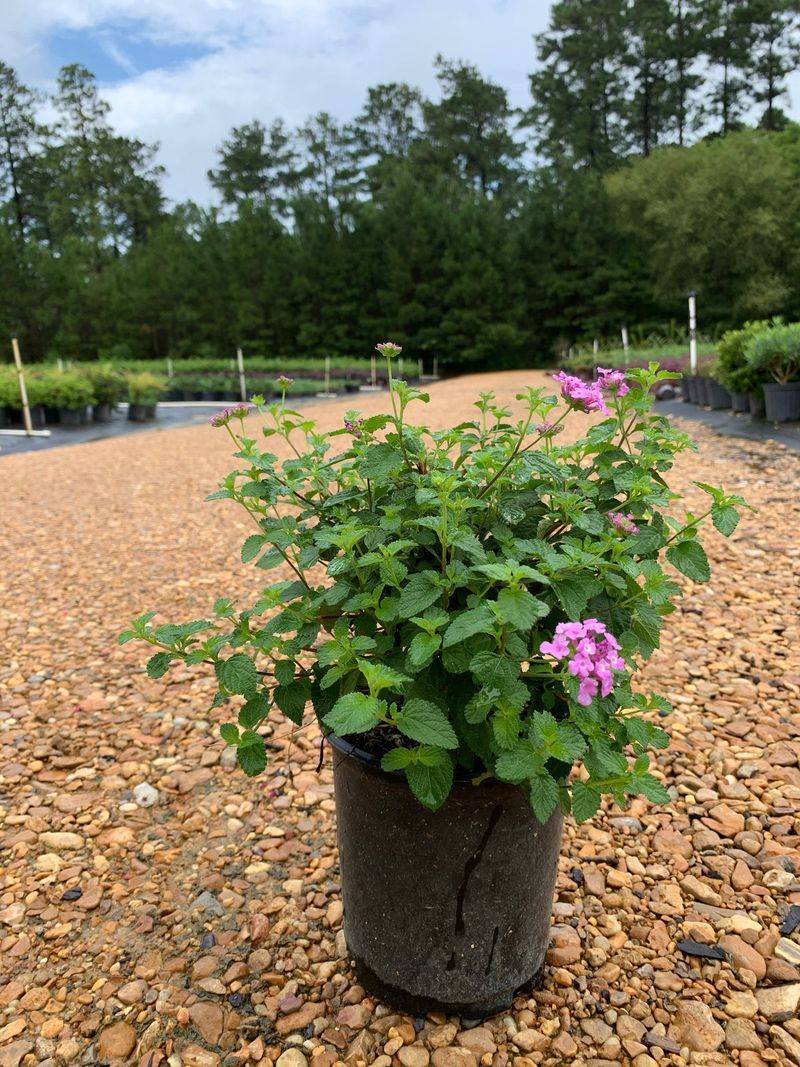
Watering on a fixed schedule feels responsible, but lantana does not always want water on your schedule. This plant comes from warm, dry climates and is built to handle short dry spells between waterings.
When the soil or potting mix stays consistently moist, the plant can keep producing leaves. It may never build up the stress signal that often triggers flowering in drought-tolerant plants.
Overwatered lantana can look surprisingly healthy on the surface. The leaves stay green, the stems stay upright, and there is no obvious sign of trouble until you realize weeks have passed without a single bud.
The roots, however, may be sitting in conditions that are wetter than they prefer, which slows overall plant performance including bloom production.
A simple habit change can make a real difference here. Before you water, push your finger about an inch into the potting mix or garden soil.
If it still feels moist, wait another day or two. Lantana generally does better when allowed to dry out slightly between waterings rather than staying consistently wet.
This does not mean letting it wilt completely, just giving it a chance to dry down before the next drink. Consistent but not excessive moisture is the target.
4. Poor Drainage Can Keep Roots Too Wet
Even when you water carefully, poor drainage can undo all of that effort. A container with blocked drainage holes, a saucer that collects standing water beneath the pot, or compacted potting mix can keep roots too wet.
That can happen regardless of how disciplined you are at the hose.
In garden beds, the same issue shows up when lantana is planted in low spots, Ohio heavy clay soil, or areas where water pools after rain. The plant may look fine above the soil line for weeks.
But waterlogged roots struggle to absorb nutrients efficiently, and the plant often responds by slowing down its bloom cycle. Drainage is not a glamorous topic, but it matters more than most gardeners expect.
Checking your container regularly is a smart habit. Clear any debris from drainage holes, empty saucers after heavy rain or watering, and consider refreshing old compacted potting mix with a lighter, well-draining blend.
For in-ground plants, raised beds or mounded planting sites can improve drainage significantly. Adding coarse material like perlite to the planting hole also helps in heavy soil.
Lantana rewards gardeners who pay attention to what is happening below the surface, not just above it.
5. Old Flower Clusters Can Hold Back New Buds
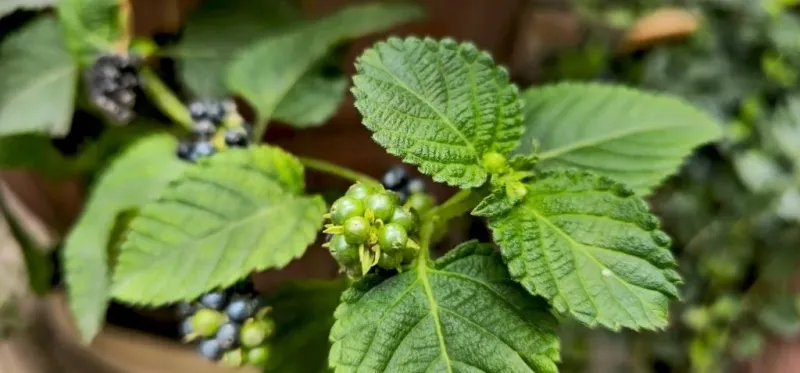
Spent flower clusters on lantana do not always drop off cleanly on their own. Some varieties will hold onto those old clusters as they transition into small, round berries, and that process can quietly slow down the production of new flower buds.
The plant has essentially decided it has done its reproductive job for that cycle and shifts some of its energy accordingly.
Not every lantana variety needs heavy trimming, and not every gardener notices the berries forming because they are small and easy to miss among the foliage.
But if your plant produced a nice flush of blooms earlier in the season and then seemed to stall, checking for old spent clusters is a worthwhile first step.
A few minutes of light trimming can sometimes restart the bloom cycle fairly quickly.
Snipping off spent clusters with clean garden scissors encourages the plant to redirect energy toward producing fresh buds rather than maturing seeds. You do not need to do a dramatic cutback, just remove the faded flower heads along with a bit of stem.
Some gardeners also do a light trim mid-season to refresh the overall shape. That can encourage a stronger second round of flowering before the season winds down in late summer or early fall.
6. Cool Weather Can Pause Lantana Blooms
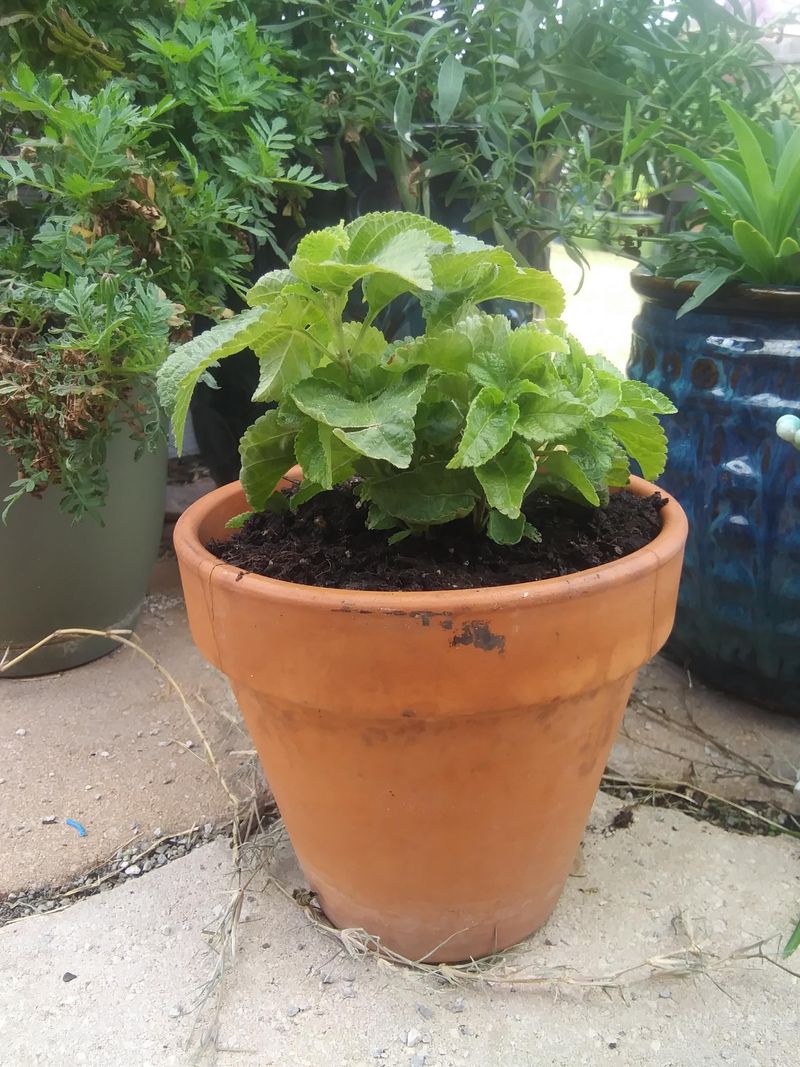
Spring weather in Ohio can be unpredictable in the best of years. Lantana is a warm-season plant that genuinely loves heat, and it tends to put the brakes on flowering when temperatures stay cool or drop at night.
A plant that looks perfectly healthy in May or early June may simply be waiting for the kind of steady warmth it needs to shift into full bloom mode.
This is one of the most common reasons gardeners get frustrated early in the season. The lantana was planted, it leafed out nicely, and then nothing happened for weeks.
In many cases the plant is not doing anything wrong. It is just responding to the temperature conditions around it, holding back on blooms until the air and soil warm up consistently.
Patience is genuinely useful here, though it can feel hard to practice when you are watching a green plant do nothing. In northern regions of the state, this waiting period can stretch well into June.
Warmer stretches in southern regions may bring blooms sooner. Avoid the temptation to overfeed or overwater during cool periods, since those habits can compound the problem.
Once steady warm weather arrives and nighttime temperatures stay comfortable, most healthy lantana plants will begin flowering on their own. They usually do not need any extra intervention.
7. Small Containers Can Dry Out Before Buds Form
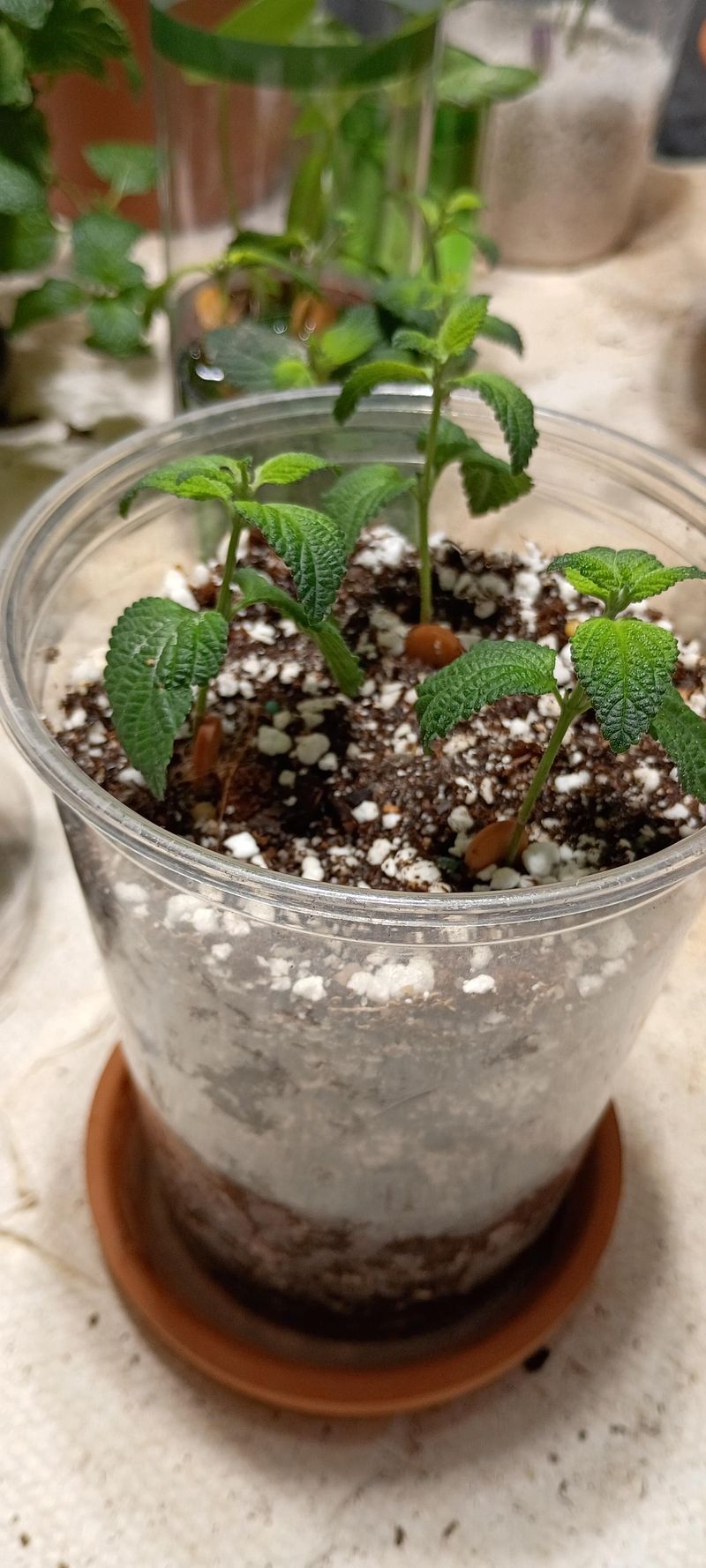
A small pot can fool you on a mild morning but betray your plant by noon on a hot July day. Lantana in a compact container has very little soil volume to hold moisture, which means the mix can go from damp to bone dry in just a few hours during a heat wave.
That rapid drying cycle stresses the plant even when it looks fine at a casual glance.
Repeated moisture swings are hard on flowering. The plant channels its energy into basic survival mode rather than producing and sustaining buds.
You might water faithfully every day and still find the plant struggling. The container simply may not hold enough moisture to get through the heat of the afternoon.
The leaves may look okay, but the flowering response suffers.
Upgrading to a larger container makes a noticeable difference for many gardeners. A pot that holds more soil volume retains moisture longer and gives roots more room to spread out and anchor the plant.
When repotting is not immediately possible, checking the soil more frequently and watering deeply rather than lightly can help bridge the gap. Deep watering encourages roots to grow downward toward moisture rather than staying shallow.
That makes the plant more resilient during the hottest stretches of summer in home landscapes across this state.
8. Crowded Growth Can Block Sun And Airflow
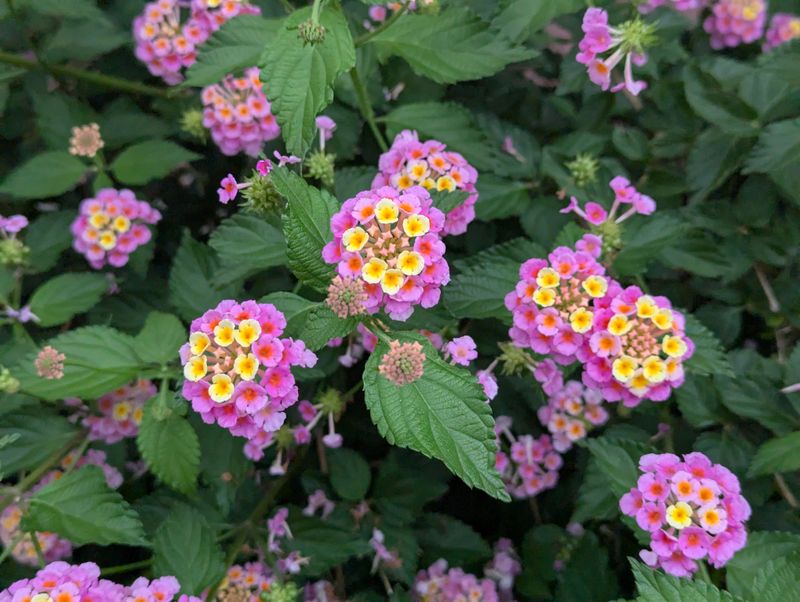
Tucking lantana into a crowded container or planting it tightly between taller neighbors can quietly rob it of two things it genuinely needs: bright light and moving air.
When surrounding plants grow up and over it, the shade they cast reduces the direct sun exposure lantana depends on for flowering.
The plant may still look full and green, but it is working with far less light than it prefers.
Airflow matters too, though it gets less attention than sunlight. Good air circulation around the plant helps keep foliage dry and supports overall plant health.
When lantana is wedged into a dense planting, stagnant air around the stems can also contribute to sluggish performance even when other conditions seem fine.
Giving lantana a bit more breathing room often produces noticeable results. Trimming back neighboring plants, thinning out crowded containers, or moving a potted lantana to a more open spot on the patio can improve both light and airflow quickly.
When planning new plantings, consider the mature size of surrounding plants before placing lantana nearby. A spot with open sky overhead and a few inches of clear space on all sides is far more likely to produce steady, colorful blooms.
Those are the blooms you were hoping for when you first brought the plant home.