The Blueberry Varieties North Carolina Gardeners Grow That Actually Thrive In Piedmont Heat
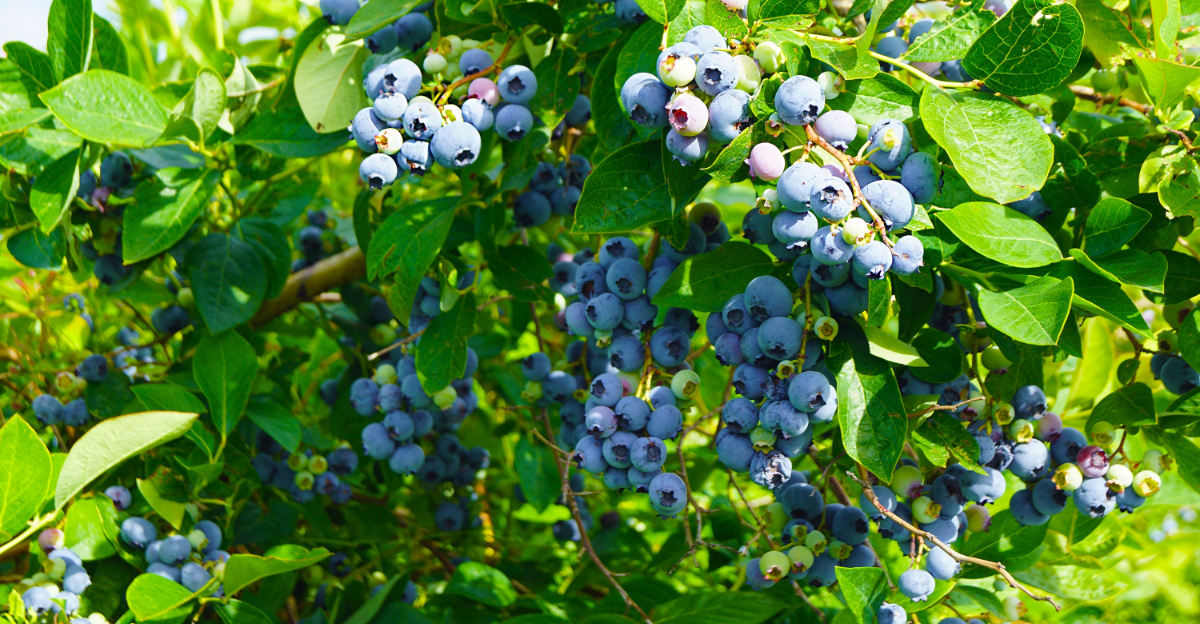
Growing blueberries in the Piedmont comes with a specific set of challenges that gardeners in cooler parts of the country simply do not have to think about.
The heat that builds through July and August, combined with humidity and the particular soil conditions common to this region of North Carolina, puts real pressure on varieties that were not selected with those conditions in mind.
Some blueberry varieties stall out, produce poorly, or struggle to stay vigorous through the hottest stretch of the season. Others seem almost unfazed by it and keep performing reliably year after year.
Knowing which varieties belong in that second group, and understanding why they handle Piedmont summers so much better, takes a lot of the guesswork out of growing blueberries successfully in this part of the state.
1. Duke
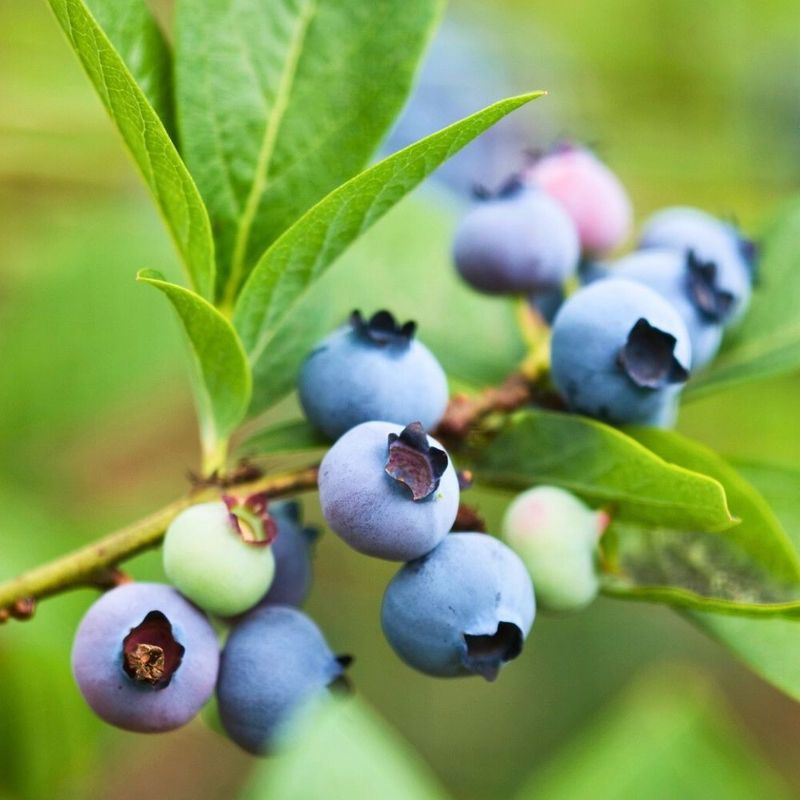
If you want blueberries early in the season without sacrificing quality, Duke is the variety that delivers.
This highbush blueberry (Vaccinium corymbosum) ripens in late May to early June in the Piedmont, giving you a head start on the harvest before the full summer heat kicks in.
The berries are large, firm, and sweet with just enough tartness to make them addictive straight off the bush.
Duke handles humid North Carolina summers better than many gardeners expect. It produces consistently, year after year, even when temperatures climb into the upper 90s.
The key to getting the best from Duke is soil preparation. Piedmont soils tend to be clay-heavy and slightly alkaline, so you need to amend them with peat moss or pine bark to bring the pH down to the ideal range of 4.5 to 5.5.
Plant Duke in a full-sun spot with at least six to eight hours of direct sunlight daily. Space plants about five to six feet apart to allow good airflow, which helps reduce fungal pressure during humid stretches.
Water deeply and consistently, especially during fruit set and dry spells. A four-inch layer of pine straw mulch keeps roots cool, retains moisture, and gradually acidifies the soil as it breaks down.
Fertilize Duke in early spring and again after harvest with an acid-forming fertilizer formulated for blueberries. Avoid over-fertilizing with nitrogen, which can push leafy growth at the expense of fruit.
With proper care, a mature Duke bush can produce up to ten pounds of berries per season.
2. Bluecrop
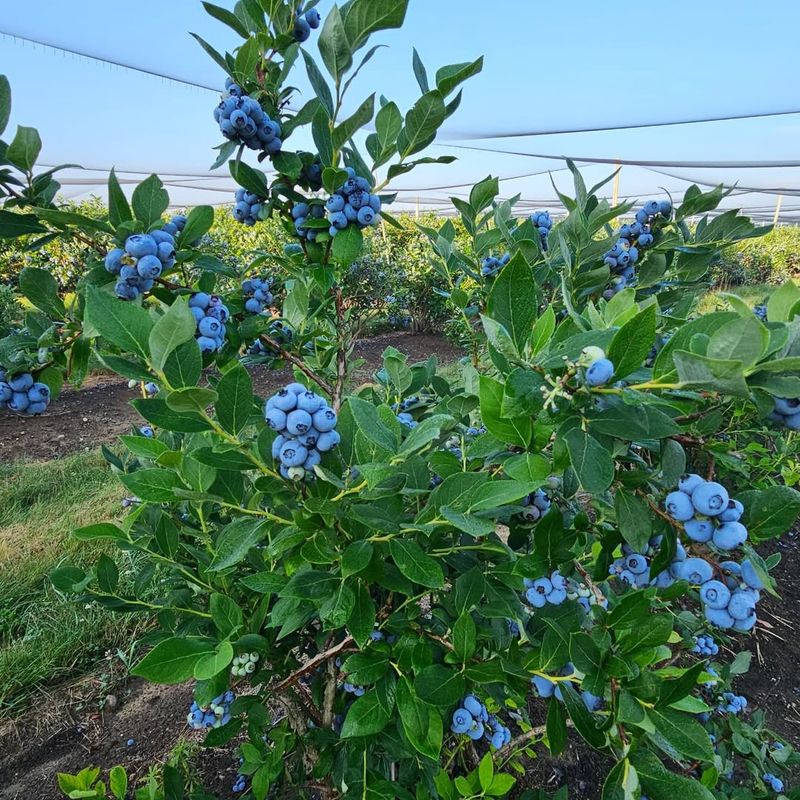
Few blueberry varieties have earned the kind of loyal following that Bluecrop has among Piedmont gardeners. This highbush variety (Vaccinium corymbosum) has been a staple in American gardens for decades, and for good reason.
It produces medium-to-large berries with a balanced, sweet-tart flavor that works beautifully fresh, frozen, or baked into muffins and cobblers.
Bluecrop ripens in mid-season, typically from late June into July in North Carolina’s Piedmont. That timing is helpful because it extends your harvest window when paired with earlier varieties like Duke.
One of its biggest strengths is disease resistance. Bluecrop stands up well to the fungal pressure that comes with humid Piedmont summers, including mummyberry and botrytis, which can trouble less resilient varieties.
Your North Carolina Garden Changes Every Week. Your Plan Should Too.
Gardening in North Carolina changes quickly throughout the season. Every Friday you’ll receive a simple weekly plan showing exactly what to plant, prune, fertilize, harvest, and protect so you never miss the right timing.
When planting Bluecrop, space the bushes five to six feet apart in rows at least ten feet wide if you are planting multiple rows. Good spacing is not just about plant health.
It also makes harvesting much easier when the bushes fill out. Apply a generous layer of pine bark mulch or pine straw around each plant, extending at least two feet from the base.
Mulch is one of the most effective tools you have for managing soil moisture and temperature during hot summer months.
Bluecrop responds well to annual pruning in late winter. Removing older, less productive canes encourages the plant to push new growth that will carry next year’s fruit.
With consistent care, a Bluecrop bush can remain productive for twenty years or more, making it a genuinely long-term investment in your garden.
3. Chandler
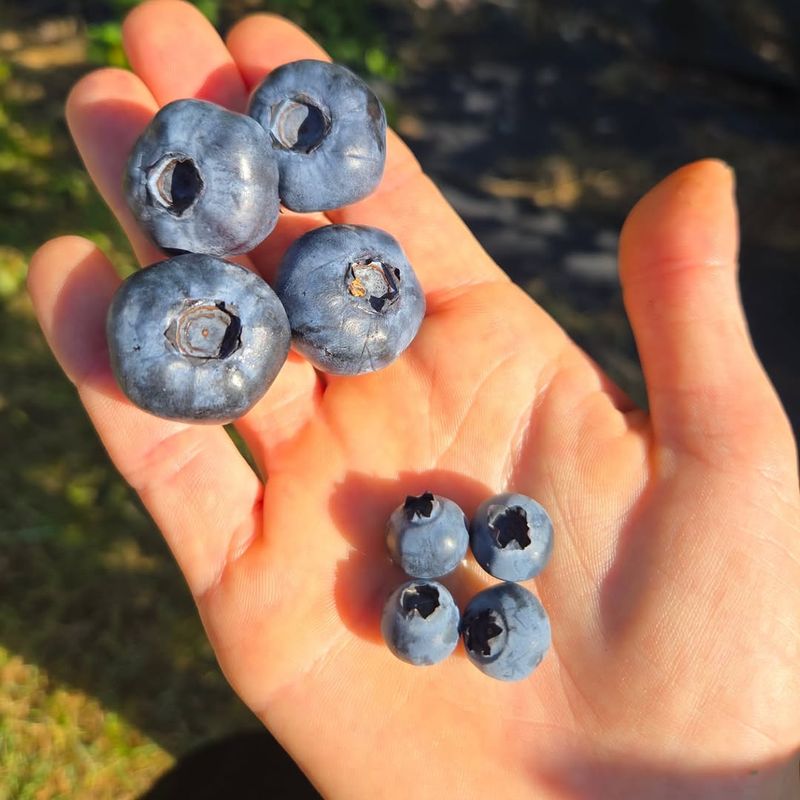
Chandler blueberries have a reputation that precedes them, and once you see the fruit, you understand why.
These berries are genuinely massive, often reaching the size of a small grape, and they ripen over an extended window that can stretch from late June all the way through August in Piedmont gardens.
That long harvest season is a huge advantage for home gardeners who want a steady supply rather than one overwhelming flush of fruit.
This highbush variety (Vaccinium corymbosum) thrives in the full sun and heat of a North Carolina summer.
Chandler actually benefits from warm conditions during fruit development, which deepens the flavor and keeps the berries firm.
The one non-negotiable requirement is consistent moisture. During the hottest weeks of summer, Chandler needs regular deep watering to maintain berry size and prevent stress on the plant.
Soil preparation matters a great deal with Chandler. Raised beds or heavily amended planting areas work especially well in Piedmont gardens where native soil can be compacted and poorly drained.
Mix in generous amounts of peat moss and aged pine bark to create a loose, acidic growing environment. Target a soil pH between 4.5 and 5.0 for the best results.
Plant Chandler in a spot with full sun and good air circulation. Space plants six feet apart to accommodate their vigorous growth habit.
Fertilize in early spring with a slow-release, acid-forming fertilizer, and follow up with a second application in early summer.
Chandler rewards patient gardeners with extraordinary yields and show-stopping berry size that will impress anyone who visits your garden.
4. Legacy
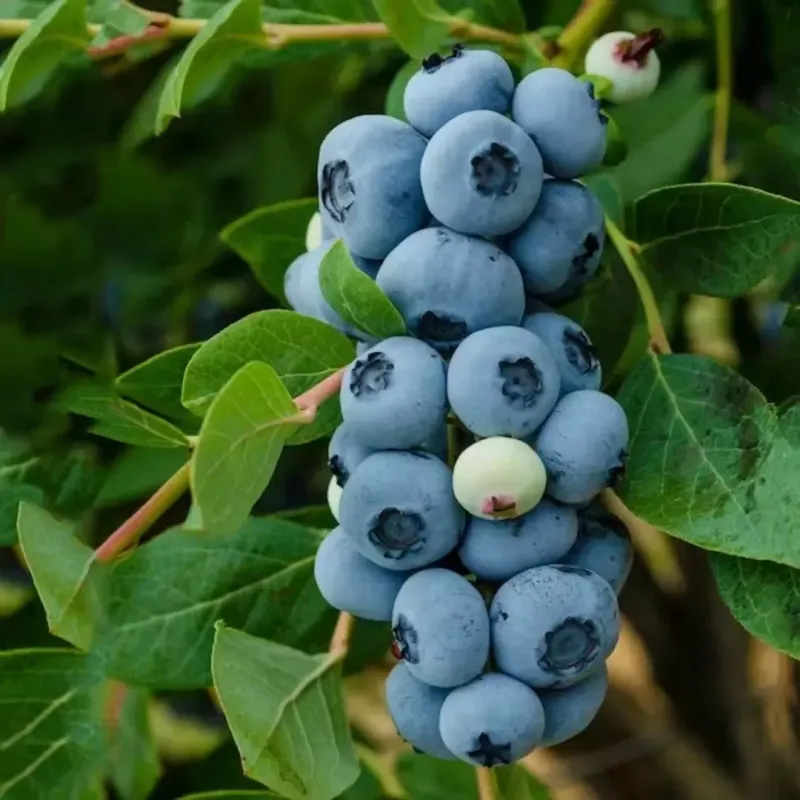
Most blueberry varieties wind down as August approaches, but Legacy just keeps going.
This late-season highbush variety (Vaccinium corymbosum) extends the harvest deep into summer, often producing ripe fruit through late July and into August in Piedmont gardens.
For anyone who loves fresh blueberries and wants to stretch the season as long as possible, Legacy is a smart addition to any planting.
What makes Legacy especially appealing in North Carolina is how well it handles warm, humid conditions.
The berries stay firm and flavorful even when temperatures are consistently high, which is not something every late-season variety can claim.
The flavor is rich and sweet with a pleasant complexity that sets it apart from more neutral-tasting varieties. Many gardeners say Legacy berries are among the best-tasting they have ever grown.
Legacy also shows solid disease resistance, which matters during the humid stretches that define Piedmont summers.
It is less prone to fungal issues than some older varieties, reducing the need for chemical treatments and making it a more manageable choice for home gardeners who prefer low-input growing methods.
Plant Legacy in well-amended, acidic soil with a pH between 4.5 and 5.5. It performs best in full sun but can tolerate a few hours of afternoon shade without a significant drop in production.
Water consistently and keep a thick layer of pine straw mulch in place throughout the growing season.
Pair Legacy with an earlier variety like Duke or Bluecrop to create a harvest window that runs from late May through August.
5. Elliott
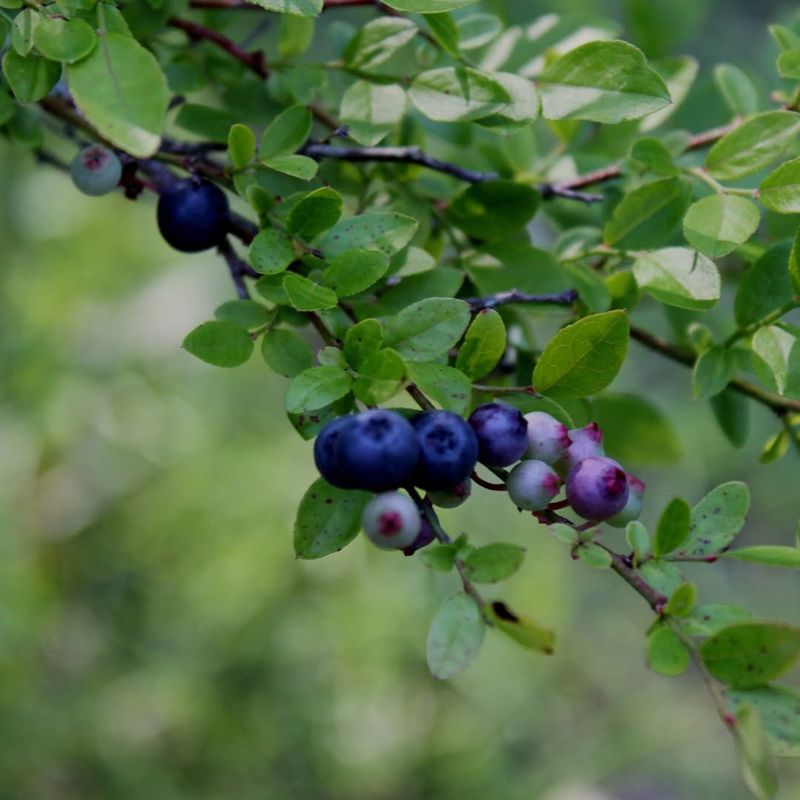
Elliott blueberries are the endurance athletes of the blueberry world. This late-season highbush variety (Vaccinium corymbosum) ripens in late July and August, finishing the season strong when most other varieties are already done.
For Piedmont gardeners who want to maximize their fresh blueberry supply, Elliott fills a gap that few other varieties can cover.
Heat tolerance is one of Elliott’s genuine strengths. It holds up well through the hottest weeks of the North Carolina summer without significant quality loss.
The berries are medium-sized with a mild, slightly tart flavor and a firm texture that makes them excellent for freezing and baking. They also store well on the bush for longer than many varieties, giving you more flexibility in harvesting.
Elliott is notably resistant to common fungal diseases, including mummyberry and anthracnose, which are real concerns in the humid Piedmont climate.
That disease resistance reduces the need for preventive sprays and makes Elliott a practical choice for gardeners who prefer a more hands-off approach to plant care.
Pruning is especially important for Elliott. Remove older, woody canes in late winter to keep the plant producing vigorous new growth.
Aim to maintain four to six healthy canes per plant. For irrigation, drip irrigation works beautifully with blueberries, delivering consistent moisture directly to the root zone without wetting foliage, which can encourage fungal problems.
Fertilize with an acid-forming blueberry fertilizer in early spring, and a mature Elliott bush will reward you with reliable harvests of quality fruit for many years.
6. Liberty
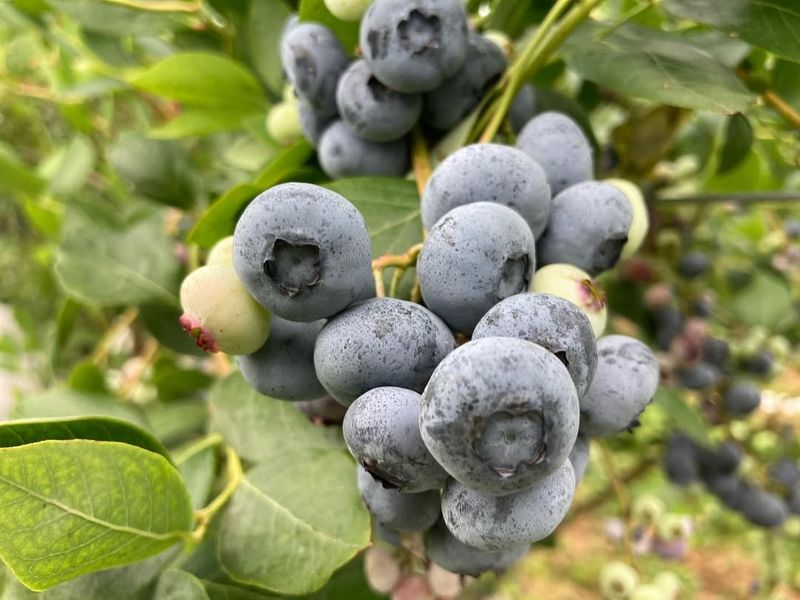
There is something almost effortless about growing Liberty blueberries once you get the basics right.
This mid- to late-season highbush variety (Vaccinium corymbosum) ripens from mid-July into August in Piedmont gardens, producing generous clusters of large, flavorful berries that are genuinely hard to stop eating.
The flavor is sweet and rich, with a depth that makes Liberty stand out in blind taste tests against other popular varieties.
Site selection is one of the most important decisions you make with any blueberry, and Liberty rewards careful planning.
Choose a spot with full sun, good drainage, and enough space for the bush to reach its mature size of five to six feet tall and equally wide.
Avoid low spots where water collects after heavy rain, as blueberry roots are sensitive to standing water and will struggle in waterlogged soil.
Soil pH management is critical for Liberty, as it is for all highbush blueberries. Test your soil before planting and adjust the pH to fall between 4.5 and 5.5 using elemental sulfur if needed.
Work the amendment into the top twelve inches of soil at least three to six months before planting to give it time to take effect. Retest the soil each spring to make sure the pH stays in range.
Mulching with pine straw or wood chips is one of the simplest and most effective things you can do for Liberty.
A four-inch layer around each plant conserves moisture, moderates soil temperature during scorching summer weeks, and suppresses weeds that would otherwise compete for nutrients.
Liberty responds well to consistent care and will produce heavily for many growing seasons.
7. Spartan
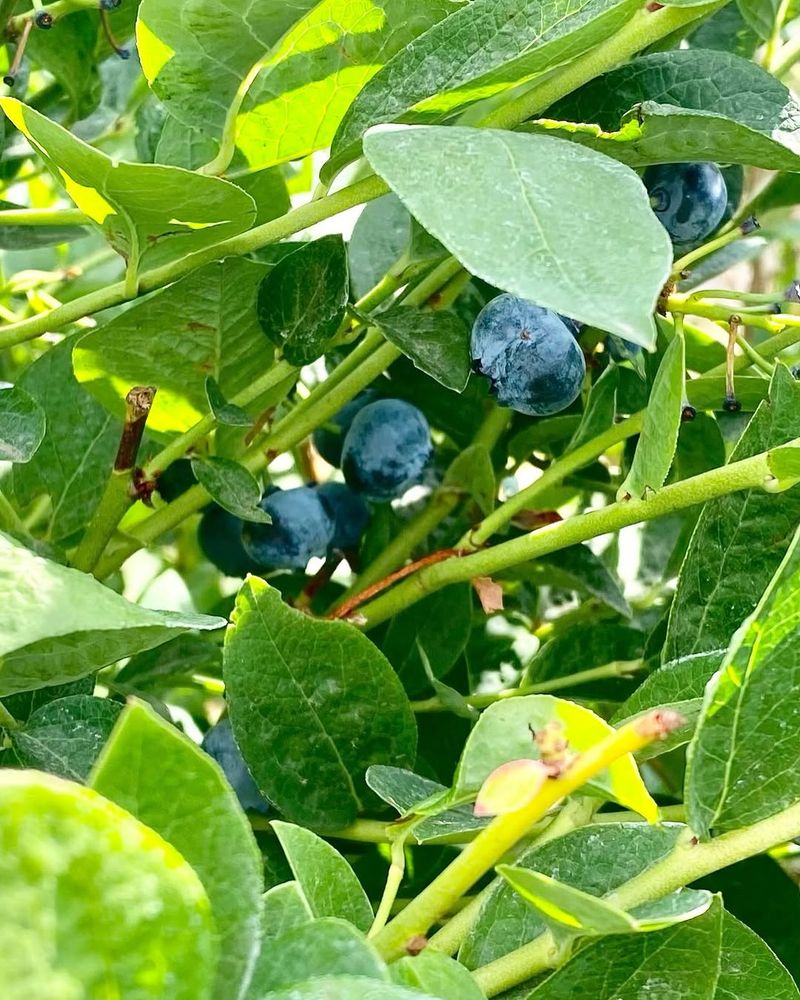
Spartan blueberries kick off the season with real energy.
This early- to mid-season highbush variety (Vaccinium corymbosum) ripens in late May to early June in Piedmont gardens, bringing sweet, flavorful berries to the table before summer fully arrives.
The berries are medium-sized with a bright, clean flavor that many gardeners describe as one of the best-tasting among all highbush varieties.
Hot summers do not slow Spartan down. It performs reliably through the warm, humid conditions that define Piedmont summers, maintaining fruit quality and plant health without requiring excessive intervention.
Spartan also shows good resistance to common pests and fungal diseases, which means less time managing problems and more time enjoying the harvest.
One thing to know about Spartan is that it benefits strongly from cross-pollination. Planting it alongside another highbush variety, like Duke or Bluecrop, noticeably increases berry size and overall yield.
Bees and other pollinators do the work naturally, but you need at least two compatible varieties within about fifty feet of each other for the best results.
Spartan thrives in well-amended, acidic soil with excellent drainage. In Piedmont gardens, raised planting beds filled with a mix of peat moss, pine bark, and native soil create an ideal growing environment.
Water regularly during the growing season, especially during dry stretches in June and July when the berries are sizing up.
Fertilize lightly in early spring with an acid-forming fertilizer, and avoid heavy nitrogen applications that can reduce fruit set.
Spartan is a strong starter for any Piedmont blueberry planting.