More Ladybugs In Your Texas Garden, Less Aphids (Here’s How To Attract Them)
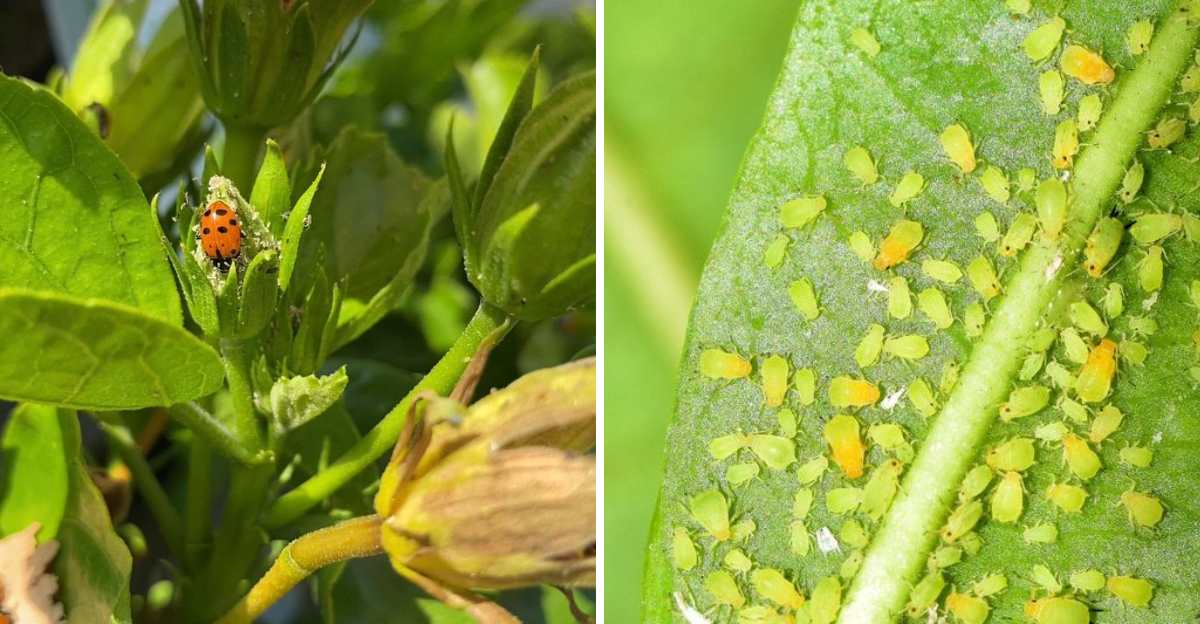
Aphids are one of the most persistent frustrations in a Texas garden, and the conventional response of reaching for a spray gets old fast when the population keeps bouncing back within days of treatment.
The more sustainable fix is already present in nature and has been working in gardens far longer than any product on a store shelf.
Ladybugs are one of the most effective aphid predators available, consuming them in numbers that chemical treatments struggle to match, and doing it continuously throughout the growing season without any reapplication or side effects.
The challenge is that most Texas yards are not set up to attract and retain ladybug populations, and buying them to release rarely produces lasting results.
Creating the conditions that draw ladybugs in naturally and give them a reason to stay is a different approach entirely, and once it starts working, the aphid pressure in the garden shifts in a way that is genuinely noticeable.
1. Plant Nectar And Pollen-Rich Flowers
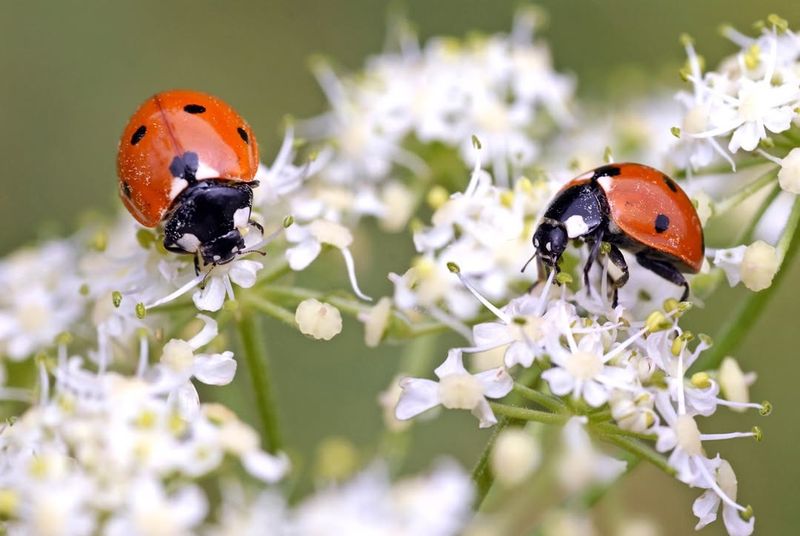
Before ladybugs start hunting aphids, they need fuel. Nectar and pollen are their go-to energy sources, especially in early spring when aphid populations are just starting to build. Planting the right flowers is one of the easiest ways to get ladybugs to show up and stay.
Texas gardens are perfect for growing a wide variety of ladybug-friendly plants. Dill, fennel, and coriander are herbs that produce tiny, clustered flowers that ladybugs absolutely love.
These plants are easy to grow in most Texas soils and come back reliably each season. Sunflowers are another fantastic choice because their large, open blooms offer plenty of pollen.
Cosmos are cheerful, low-maintenance flowers that bloom for months and attract ladybugs throughout the warm season.
Try planting these in groups rather than scattering them around. Ladybugs are more likely to notice a big patch of blooming dill than a single plant tucked in a corner.
Mixing flower types also helps because different species bloom at different times, giving ladybugs a steady food supply from spring all the way through fall.
Place these plants near vegetable beds or rose bushes where aphids tend to gather. Ladybugs will naturally move between the flowers and the vegetable patch, feeding on both nectar and pests.
Think of it as setting up a little restaurant right next to the pest problem. The flowers draw ladybugs in, and the aphids keep them coming back.
It is a simple, beautiful, and completely natural solution that benefits your entire garden without any extra work on your part.
2. Grow Aphid-Friendly Trap Plants
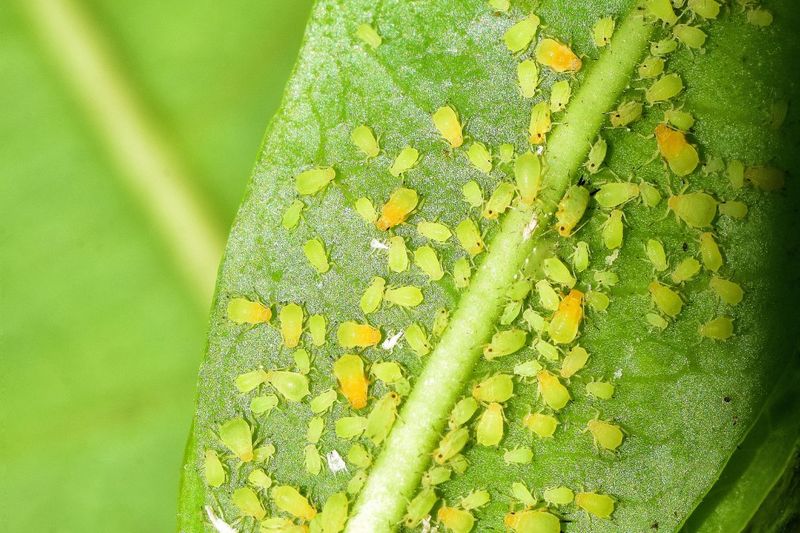
Gardeners have a clever trick up their sleeves called trap planting, and it works surprisingly well for bringing ladybugs right to where you need them most. The idea is simple: you plant certain species that aphids find irresistible, then let nature take its course.
Nasturtiums are a top pick for this strategy. These bright, cheerful flowers are practically aphid magnets.
Aphids swarm to them quickly, and once the population builds up, ladybugs follow the scent trail right to the source.
Your Texas Garden Changes Every Week. Your Plan Should Too.
Gardening in Texas changes quickly throughout the season. Every Friday you’ll receive a simple weekly plan showing exactly what to plant, prune, fertilize, harvest, and protect so you never miss the right timing.
Mustard plants work the same way and grow fast in Texas conditions, especially during cooler months like February and March when aphid outbreaks often begin.
Place your trap plants near the edges of your vegetable garden or around rose bushes. You want aphids to gather there first before they spread to your prized plants.
Ladybugs will arrive, feast on the aphids, and then patrol the rest of your garden looking for more. It is a natural pest management cycle that runs almost entirely on its own.
One thing to keep in mind is that you should let the trap plants do their job before removing or treating them. Pulling them out too early removes the very food source that attracted ladybugs in the first place.
Be patient. Watch the aphid population on the trap plants, and you will likely start seeing ladybugs within a week or two.
This method is low-cost, beginner-friendly, and remarkably effective in Texas gardens where both nasturtiums and mustard thrive with very little care or attention needed from you.
3. Provide Shelter And Hiding Spots
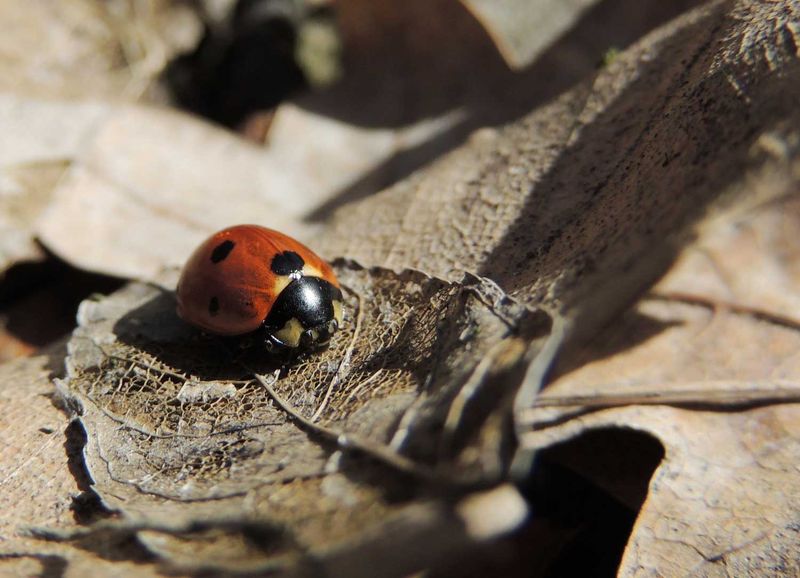
Texas summers are no joke. Temperatures regularly climb past 100 degrees, and even the toughest insects need a break from the blazing heat.
Ladybugs are no different. Without proper shelter, they will leave your garden in search of cooler, safer spots somewhere else.
Creating simple hiding places can make a huge difference in keeping ladybugs around. A small pile of dry branches or leaves in a shaded corner gives them a cool retreat during the hottest part of the day.
Evergreen shrubs are also excellent because their dense foliage provides shade and protection year-round. Ladybugs often tuck themselves inside shrubs to rest, stay cool, and shelter from wind or rain.
Mulch is another underrated option. A thick layer of wood chip mulch around your garden beds holds moisture, keeps the soil cooler, and gives ladybugs a ground-level hiding spot.
Many gardeners are surprised to discover ladybugs resting beneath mulch on hot afternoons. It is a habit that helps them survive the intense Texas heat without moving far from their hunting grounds.
You do not need to build anything fancy or spend money on special ladybug houses, though those can help too. The most effective shelters are ones that mimic what ladybugs find in nature: loose organic material, dense plant cover, and shaded spots that stay relatively cool.
Spread your shelters throughout the garden rather than putting everything in one spot. Ladybugs are territorial and like having options.
A garden that feels safe and comfortable is a garden where ladybugs will settle in and stick around for the long haul.
4. Avoid Broad-Spectrum Pesticides
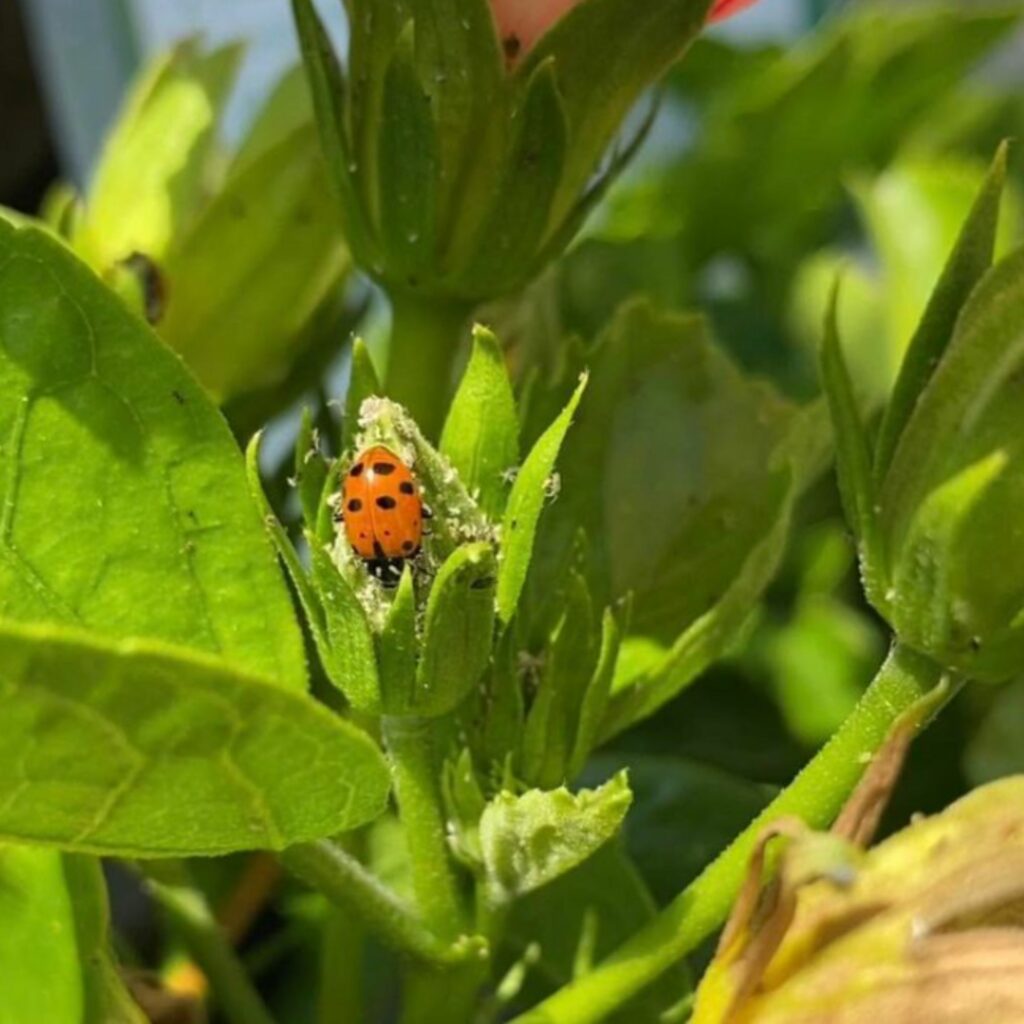
Here is something that surprises a lot of gardeners: many common pesticides do not just affect the pests you are targeting. Broad-spectrum chemicals wipe out nearly every insect they touch, including the beneficial ones you actually want in your garden.
Ladybugs are especially vulnerable because they spend so much time on plant surfaces where sprays are applied.
Pyrethrin-based sprays, malathion, and many other widely available products are particularly harmful to ladybugs and their larvae. Even residue left on leaves after spraying can affect them days later.
Once your ladybug population drops, aphids rebound fast because there is nothing left to control them. It becomes a frustrating cycle that requires more and more chemical intervention over time.
Switching to targeted or organic options breaks that cycle. Neem oil is a popular choice because it disrupts aphid feeding and reproduction without posing a serious threat to ladybugs when used carefully.
Insecticidal soap sprays work well on direct contact with soft-bodied pests like aphids but break down quickly and leave minimal residue. Apply these treatments in the early morning or late evening when ladybugs are less active.
Only spray when pest pressure is genuinely heavy. Spot-treating specific areas rather than blasting your entire garden keeps beneficial insects safe in untreated zones.
Many Texas gardeners find that once they stop using broad-spectrum pesticides and start supporting ladybugs, their aphid problems shrink dramatically without any chemical help at all. Patience and restraint go a long way.
Giving nature a chance to balance itself is often the most effective pest management strategy available to home gardeners today.
5. Provide Water Sources
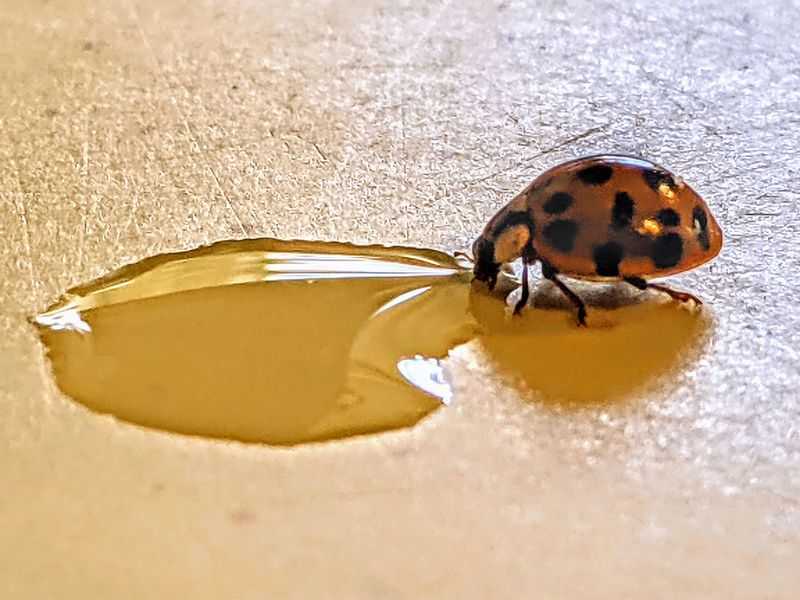
Most gardeners remember to water their plants but forget that insects need water too. Ladybugs are small, and they cannot drink from deep puddles or bird baths without the risk of falling in and being unable to get back out.
Setting up the right kind of water source is a small effort with a surprisingly big payoff.
A shallow dish or saucer filled with clean water and a handful of small pebbles or marbles is all you need. The pebbles give ladybugs safe landing spots so they can reach the water without getting trapped.
Place the dish in a shaded area to slow evaporation and keep the water from getting too warm in the Texas heat. Refresh the water every couple of days to keep it clean and prevent any buildup of algae or debris.
Avoid creating standing water in containers that do not have pebbles or drainage. Stagnant water with no footing is a hazard for small insects and also attracts mosquitoes, which is the last thing any Texas gardener needs. Keep it simple, shallow, and refreshed regularly.
You can place multiple small water stations throughout the garden if you have a larger space. Spreading them out means ladybugs do not have to travel far to hydrate between feeding sessions.
Some gardeners also lightly mist the foliage of plants in the early morning, which gives ladybugs tiny water droplets to drink from as they move through the garden.
It is a natural, easy habit that makes your garden more welcoming to all kinds of beneficial insects, not just ladybugs, throughout the entire growing season.
6. Release Ladybugs In Early Spring
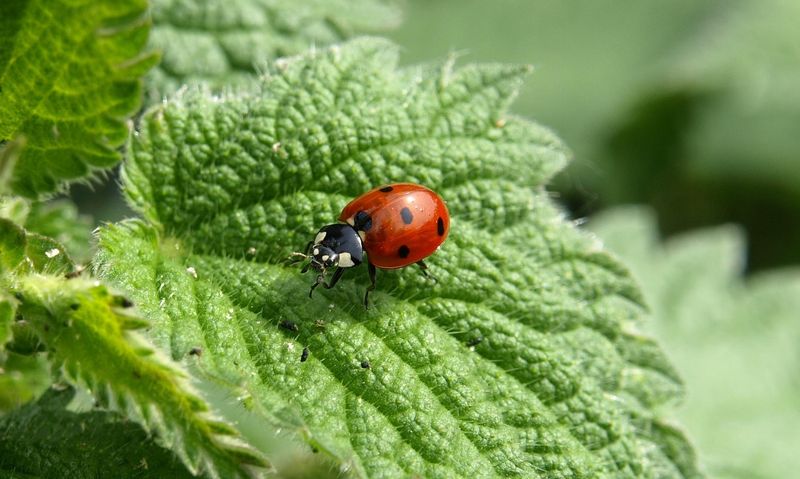
Sometimes the fastest way to get ladybugs into your garden is to bring them there yourself. Purchasing and releasing ladybugs is a popular option, especially in early spring when aphid populations are spiking and natural ladybug numbers are still low.
Done right, it can give your garden a real head start. Look for native or locally adapted species when buying from a garden supplier or nursery.
Hippodamia convergens, also known as the convergent ladybug, is the most common species sold in the United States and does well in Texas conditions.
Avoid buying ladybugs that were collected from wild mountain hibernation sites far outside your region, as those insects have a strong instinct to fly back to their original location rather than staying in your garden.
Timing and technique matter a lot with ladybug releases. Never release them in the middle of a hot, sunny afternoon.
Evening releases or cloudy days work best because cooler temperatures encourage ladybugs to settle in rather than immediately fly away.
Before releasing, lightly mist the plants with water so the ladybugs have something to drink right away. This small step dramatically improves how many of them stay.
Release them directly onto or near aphid-infested plants so they have an immediate food source waiting. Avoid releasing all of them in one spot. Spread small groups around different parts of the garden to encourage wider coverage.
Keep the habitat improvements from the other tips in place, like shelter, water, and pesticide-free plants, so the released ladybugs have every reason to make your Texas garden their permanent home this season and beyond.