8 Reasons Indiana Gardeners Are Adding Lemon Balm Near Their Patios
Indiana summers hit hard. The heat, the humidity, the mosquitoes that seem personally offended by your existence.
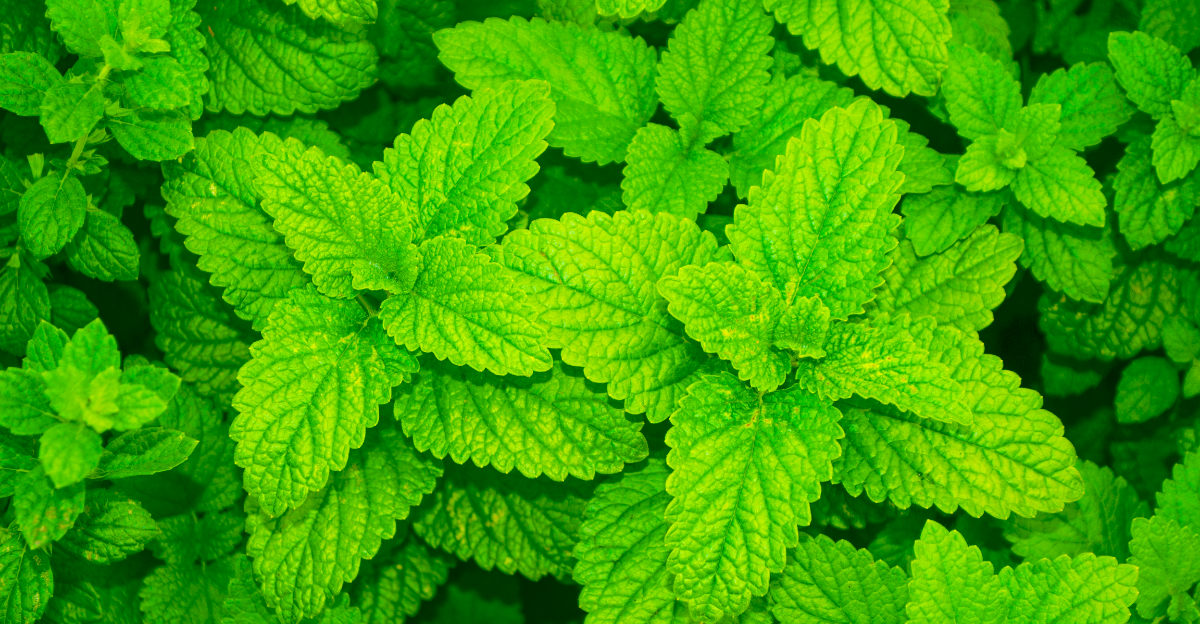
Most gardeners spend the season fighting back. But a small, leafy herb sitting quietly near your patio might just change that. Lemon balm does not look like much at first glance.
It is not showy. It does not demand attention. But brush against it on a warm evening and that burst of clean, citrusy scent will stop you mid-step.
Bees love it. Butterflies find it. Mosquitoes, on the other hand, would rather be anywhere else.
Indiana gardeners are quietly adding it to patios, container gardens, and back steps, and once it is there, it tends to stay.
If your patio is missing something, this might be exactly it.
1. Lemon Balm Helps Keep Mosquitoes Away From Your Patio
Nobody wants to slap mosquitoes all night while trying to relax outside. Lemon balm contains high levels of citronellal, a natural compound that bugs genuinely dislike.
When you crush a few leaves between your fingers, the scent releases instantly. That sharp, lemony smell acts like an invisible shield around your sitting area.
Planting lemon balm near your patio creates a buffer zone that mosquitoes tend to avoid. You do not need to spray anything or light a single candle.
Research suggests that citronellal-rich plants like lemon balm may help reduce insect activity around outdoor spaces. Lemon balm is widely considered one of the more reliable herbs for natural mosquito deterrence.
Indiana summers bring thick humidity, and with that comes serious bug pressure. Having a plant that fights back without chemicals feels like a small victory every evening.
Positioning pots near your seating area gives the scent the best chance of doing its job.
Rubbing a leaf directly on your skin adds another layer of protection, though the effect fades after about an hour. The oils transfer easily and smell far better than any store-bought repellent.
Guests always notice the scent before they notice the bugs are gone. That is the quiet magic of keeping lemon balm close to your outdoor space.
2. Bees and Butterflies Cannot Resist It
Pollinators are struggling across North America, and your backyard can actually help. Lemon balm flowers are tiny, but bees treat them like an all-you-can-eat buffet.
The plant blooms in mid to late summer, which is exactly when many pollinators need extra food sources. Honeybees especially love the small white blossoms that appear along each stem.
Ancient beekeepers used to rub lemon balm inside empty hives to attract new bee colonies. The plant has been drawing pollinators for thousands of years, and that instinct has not changed.
Butterflies also flock to the blooms, adding color and movement to your patio area. Watching a swallowtail land just a few feet away while you drink your morning coffee is genuinely delightful.
Beyond the visual appeal, supporting pollinators improves your entire garden. More bees mean better fruit set on tomatoes, peppers, and any flowering vegetable you grow nearby.
Your Indiana Garden Changes Every Week. Your Plan Should Too.
Gardening in Indiana changes quickly throughout the season. Every Friday you’ll receive a simple weekly plan showing exactly what to plant, prune, fertilize, harvest, and protect so you never miss the right timing.
You do not need a massive garden to make a difference. Even one healthy lemon balm plant in a container attracts consistent pollinator traffic throughout the season.
Letting a few stems go to flower instead of cutting them back is all it takes. The plant rewards that small act of patience with weeks of buzzing, fluttering activity.
Your patio becomes a front-row seat to something genuinely alive and working. Few plants offer that kind of sensory payoff for such little effort on your part.
3. Indiana Summers Do Not Scare This Plant
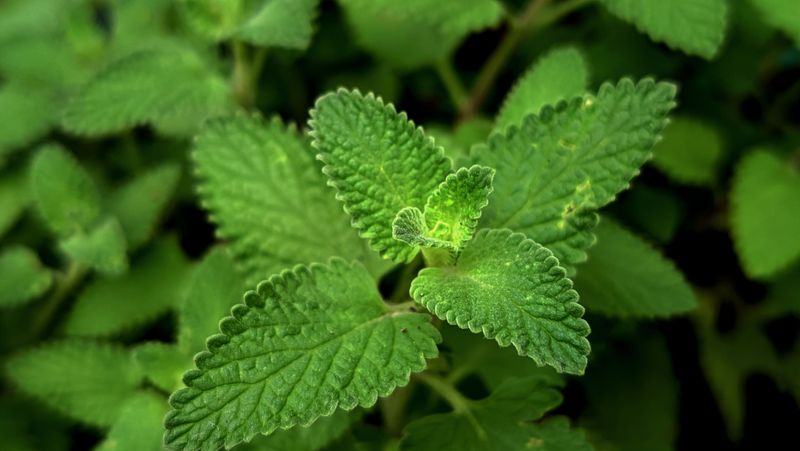
Indiana summers are not gentle, they are hot, sticky, and unpredictable. Lemon balm handles all of that without flinching, which makes it a favorite among local gardeners.
Heat that wilts other herbs barely slows this plant down. It keeps pushing out fresh growth even during stretches of 90-degree days.
The plant is a member of the mint family, and like its cousin, it is built to survive. Its root system is sturdy enough to keep the plant going through dry spells that knock out less resilient herbs.
Rainfall in Indiana can swing from drought conditions to sudden downpours in the same week. Lemon balm adapts to both extremes better than most herbs you will find at a garden center.
It also handles partial shade gracefully, which matters when your patio blocks afternoon sun. A spot with morning light and afternoon shade is honestly ideal for this plant.
Cold hardiness is another bonus worth mentioning. Lemon balm is a perennial in USDA zones 4 through 9, and most of Indiana falls right in that sweet spot.
Once established, it comes back every spring without any replanting effort from you. You plant it once, and the garden rewards you year after year.
Seasoned Indiana gardeners call it one of the most forgiving plants they grow. If you have ever struggled to keep herbs alive through August, this one might change your outlook completely.
4. It Thrives In Containers And Tight Spaces
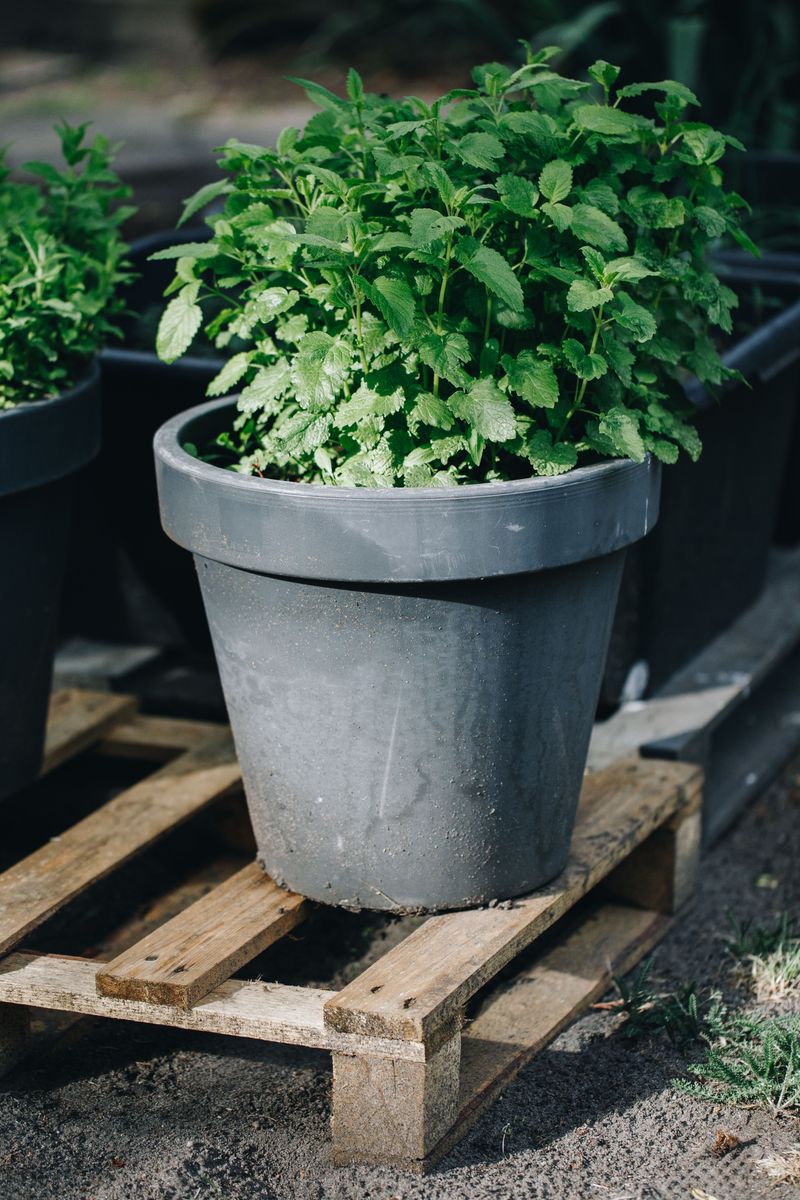
Not every gardener has a sprawling backyard to work with. Lemon balm thrives in containers, raised beds, and tight corners that other plants refuse to touch.
A single 12-inch pot gives the roots plenty of room to establish. Within a few weeks of planting, you will have a full, bushy herb that looks intentional and polished.
Container growing also gives you control over placement. You can move the pot into sun or shade depending on the season, or bring it indoors before the first frost.
Apartment dwellers with just a balcony have reported excellent results growing lemon balm in simple plastic pots. The plant does not need fancy soil or expensive fertilizer to look great.
A good potting mix with decent drainage is all it asks for. Water it consistently, and it will reward you with thick, fragrant foliage from spring through fall.
Pairing it with other container herbs creates a functional and attractive grouping. Basil, mint, and lemon balm together look like something out of a lifestyle magazine.
If space is tight near your patio, a window box mounted on a railing works surprisingly well. The compact, bushy growth habit actually makes it look intentional in that kind of setup.
Small-space gardeners often overlook herbs because they assume the results will be disappointing. Lemon balm has a way of proving that assumption completely wrong, season after season.
5. It Is A Plant-Based Alternative To Bug Spray
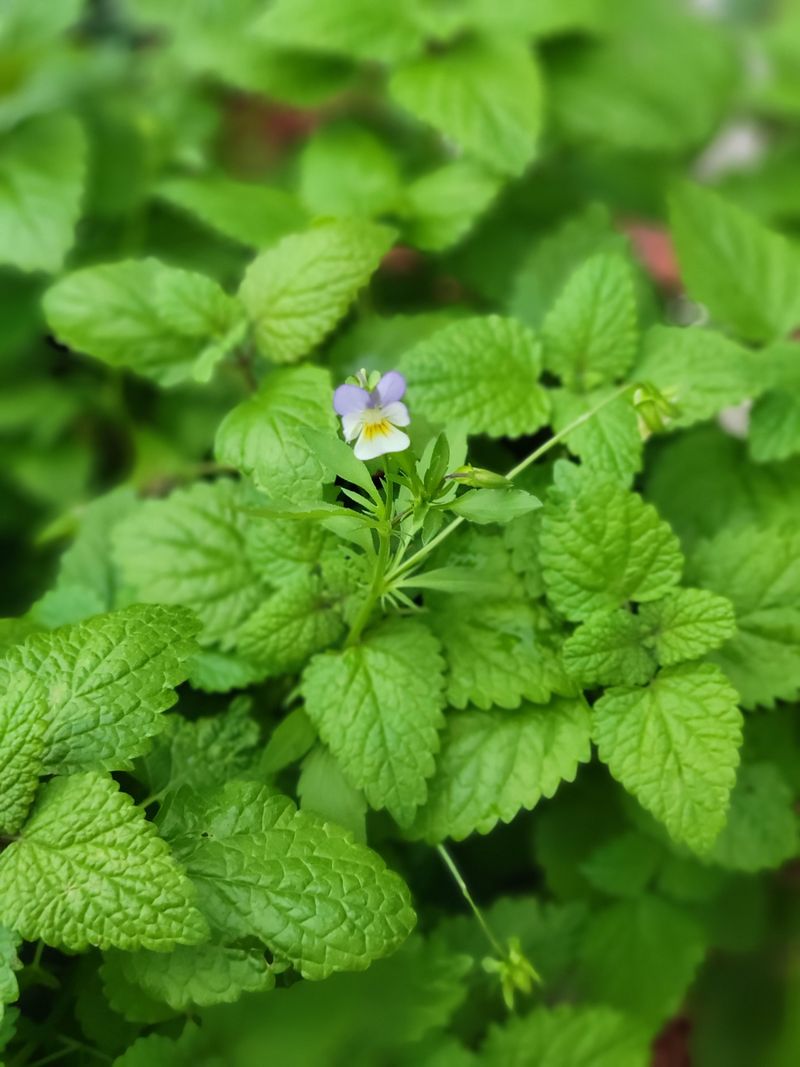
Grabbing a can of bug spray has become so automatic that most people do not even question it. Lemon balm offers a real alternative that smells far better and skips the synthetic chemicals entirely.
Lemon balm contains citronellal, a compound similar to those found in many plant-based repellents. The difference is that this version comes straight from a plant growing three feet from your chair.
Crushing a leaf and rubbing it on exposed skin takes about five seconds. The natural oils absorb quickly and leave behind a clean, citrus scent that most people genuinely enjoy.
Parents especially appreciate having a plant-based option for their kids. Conventional sprays carry warnings about chemical exposure, and a fresh herb leaf carries none of those concerns.
The protection is not as long-lasting as a heavy-duty spray, so reapplying every hour or so makes sense. That trade-off feels minor when you consider what you are avoiding.
Some Indiana gardeners keep a small pot right on the patio table for quick access. A guest reaches over, grabs a leaf, and the conversation about the plant begins naturally from there.
Lemon balm also blends well with other natural repellent plants like lavender and rosemary. Grouping them together near your seating area creates a fragrant and functional outdoor barrier.
Choosing plants over products is a shift that feels good once you start. Your patio becomes a cleaner, greener space without any sacrifice in comfort or protection.
6. Fresh Leaves Are Steps Away From Your Chair
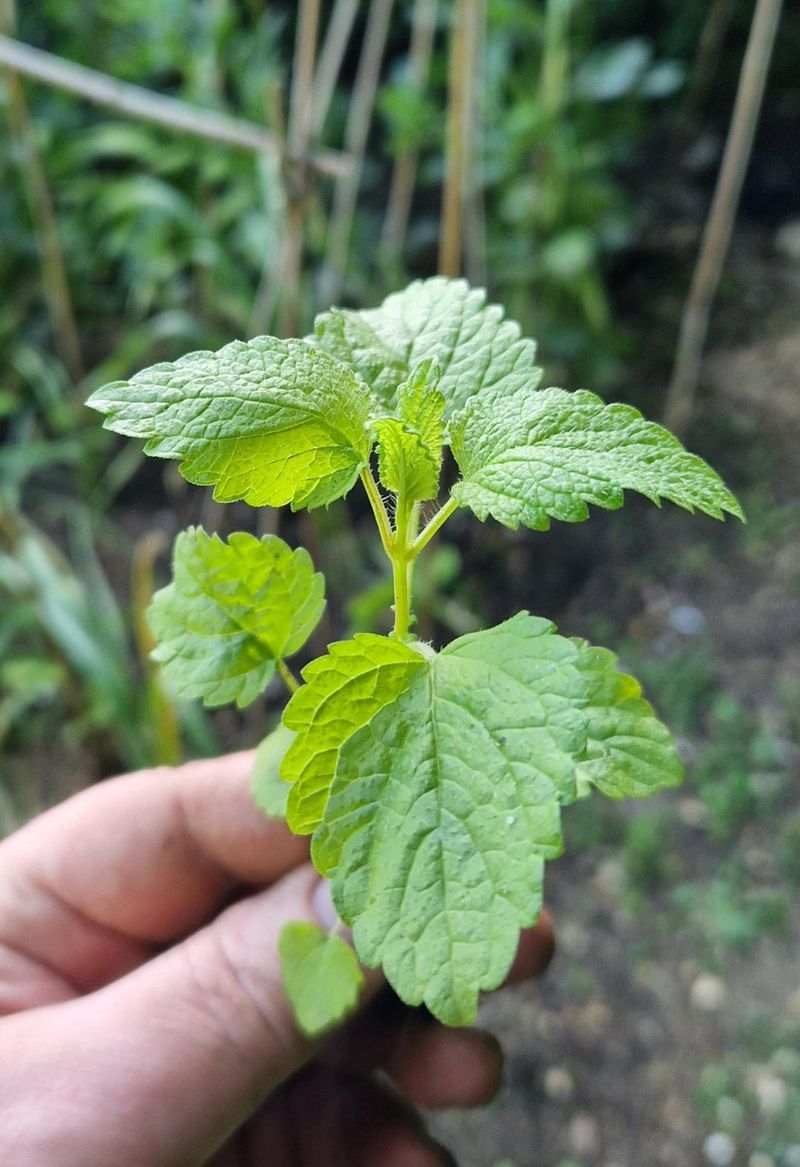
There is something deeply satisfying about harvesting from your own garden. Lemon balm puts that feeling within reach every single day from late spring through early fall.
The leaves are ready to use as soon as the plant is established. You do not need to wait for flowers or fruit, the foliage is the whole point.
Drop a few fresh leaves into a glass of iced water for an instant, refreshing drink. The flavor is subtle, bright, and clean in a way that grocery store tea bags simply cannot replicate.
Lemon balm tea has been used for centuries as a calming evening drink. Steeping fresh leaves in hot water for five minutes creates a soothing cup that helps wind down the day.
The herb also works well in salads, marinades, and fruit desserts. A few torn leaves over sliced strawberries is an underrated combination that feels both simple and impressive.
Having it right outside your patio door means you actually use it. When herbs are in the ground out back, you forget them, when they are in a pot by your chair, you reach for them constantly.
Kids enjoy picking the leaves and smelling them, which makes the plant a fun sensory experience for the whole family. That kind of engagement builds a real connection to where food and flavor come from.
Proximity turns a passive plant into an active part of your daily routine. That shift makes all the difference between a garden that sits there and one that genuinely enriches your life.
7. It Grows All Season Without Much Help
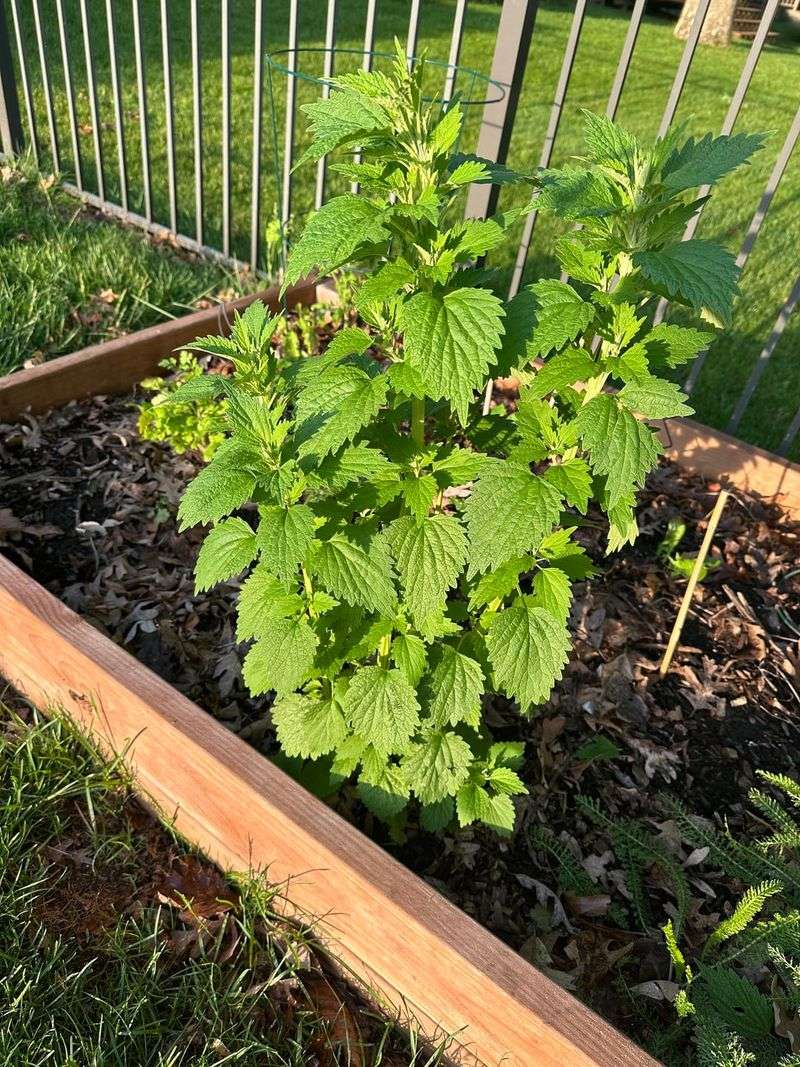
Some plants demand constant attention, and honestly, most of us do not have time for that. Lemon balm is the kind of herb that gets on with the job whether you are paying attention or not.
Once it is established in the ground or a container, it needs very little from you. Consistent watering and occasional trimming are basically the entire maintenance routine.
Cutting it back by about a third in midsummer actually encourages bushier, fuller regrowth. That one simple step keeps the plant looking tidy and producing fresh leaves well into fall.
It does not require rich soil or regular fertilizing to perform well. Average garden soil with decent drainage is genuinely enough for this plant to thrive.
Pests rarely bother it, which is a refreshing change from herbs like basil that seem to attract every bug in the neighborhood. The same oils that repel mosquitoes also discourage most common garden insects.
Weeding around it is minimal because lemon balm grows thick enough to shade out competition. A healthy, established plant is its own best defense against unwanted neighboring weeds.
Overwintering is effortless in most of Indiana since the plant dies back and returns on its own each spring. You do not have to do anything except wait and watch it reappear.
Gardeners who struggle with high-maintenance plants often find lemon balm genuinely liberating. It rewards casual attention with consistent, generous growth that makes the whole patio area feel alive and thriving.
8. One Pot Keeps It Neat And Under Control
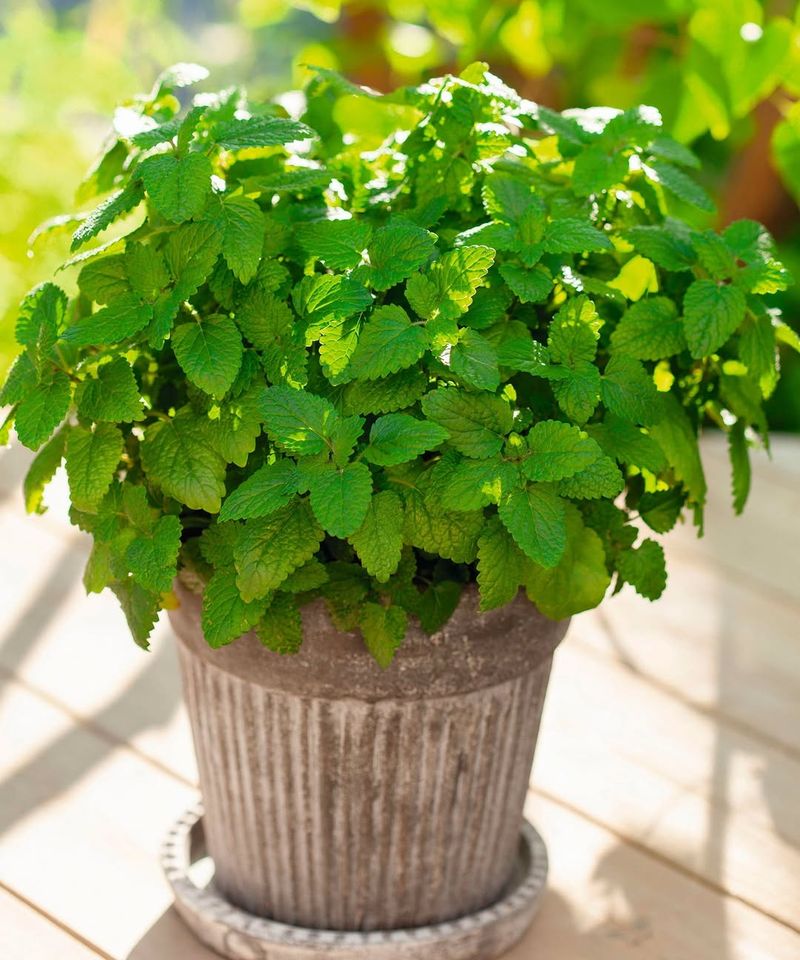
Lemon balm has one quirky downside, left to its own devices in the ground, it spreads aggressively. Growing it in a container solves that problem before it ever starts.
A pot gives you all the benefits of the plant without the headache of it taking over your garden beds. The roots stay contained, the growth stays manageable, and your patio stays looking intentional.
Choosing a decorative pot actually elevates the whole outdoor space. A terracotta planter or a glazed ceramic pot turns a functional herb into a genuine design element.
The plant fills out quickly and creates a lush, full look that softens hard patio edges. Paired with a few flowering annuals, it creates a layered, professional-looking arrangement without much effort.
Container growing also makes it easy to position the plant exactly where you want it. Move it toward the seating area in the evening, then shift it back into full sun during the day.
Repotting once a year keeps the root system healthy and the growth vigorous. Spring is the best time to move it into a slightly larger container with fresh potting mix.
If you grow multiple herbs on your patio, lemon balm in its own dedicated pot prevents it from crowding out neighbors. Each plant gets the space it needs to perform at its best.
Adding lemon balm near your patio in a well-chosen pot is one of the easiest upgrades you can make this season. Style, function, and fragrance, all in one tidy container.