The Most Underrated Michigan Patio Plant That Deters Both Ticks And Mosquitoes
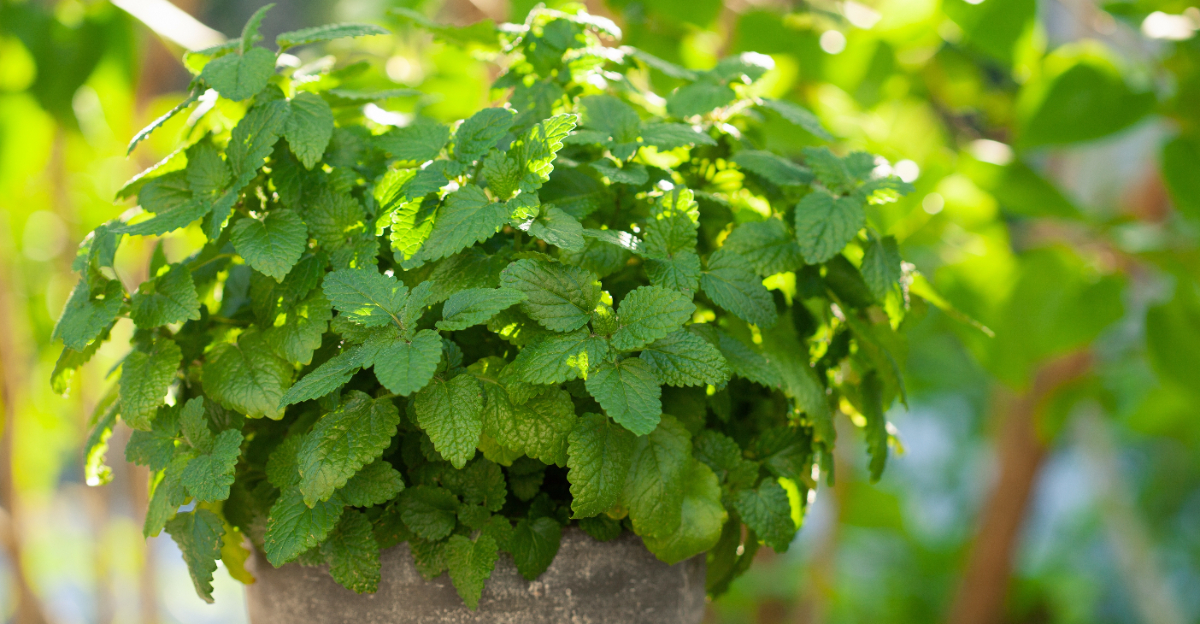
Patio spaces in Michigan get a lot of use from late spring through early fall, and for yards that back up to wooded areas or have any amount of moisture nearby, tick and mosquito pressure can make that outdoor time genuinely unpleasant.
Most people reach for sprays or citronella candles as the default solution without considering that a single well-chosen container plant can do meaningful deterrent work simply by being present in the space.
One particular plant stands out for its effectiveness against both pests at the same time, its ability to thrive in Michigan’s warm season in a container or raised bed, and its visual appeal as a legitimate patio plant rather than something that looks purely utilitarian.
Once you know what it is, keeping it on the patio becomes an easy and permanent habit.
1. Lemon Balm
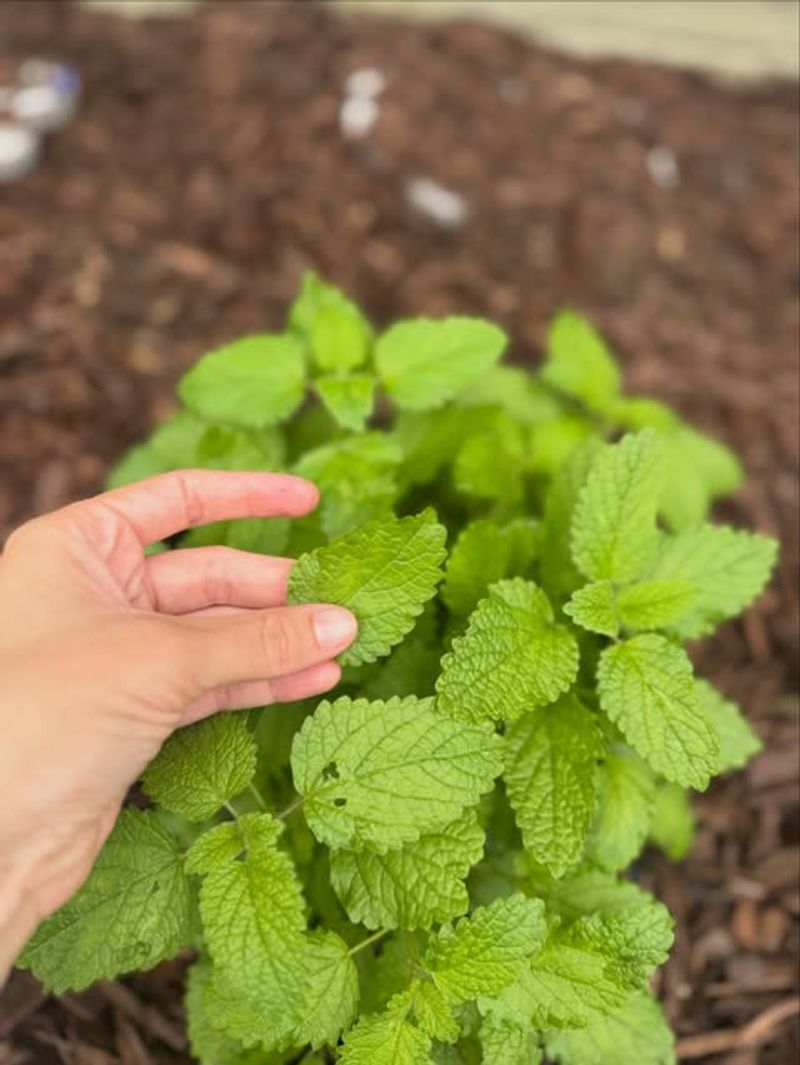
Few plants pack as many benefits into one bushy, fragrant package as Lemon Balm. Known botanically as Melissa officinalis, this perennial herb has been grown in gardens for over 2,000 years and was a favorite in medieval European apothecaries.
The name Melissa actually comes from the Greek word for honeybee, a nod to just how much pollinators adore its tiny white flowers.
For Michigan homeowners, Lemon Balm is practically tailor-made for patio life. Its aromatic leaves release a strong, refreshing citrus scent that naturally deters mosquitoes and may help reduce tick activity around outdoor seating areas.
Simply brushing against the plant sends that signature lemony fragrance into the air, creating an invisible barrier bugs would rather avoid.
Growing it in containers makes it even easier to manage. A pot placed near a seating area or doorway gives you pest protection right where you need it most.
Lemon Balm thrives in Michigan summers and handles the region’s mix of sun and occasional cloudy stretches without complaint. It grows quickly, looks attractive, and stays useful all season long.
Whether you are a seasoned gardener or just starting out, this plant earns its place on any patio without asking for much in return.
2. Aromatic Foliage That Works Like A Natural Bug Shield
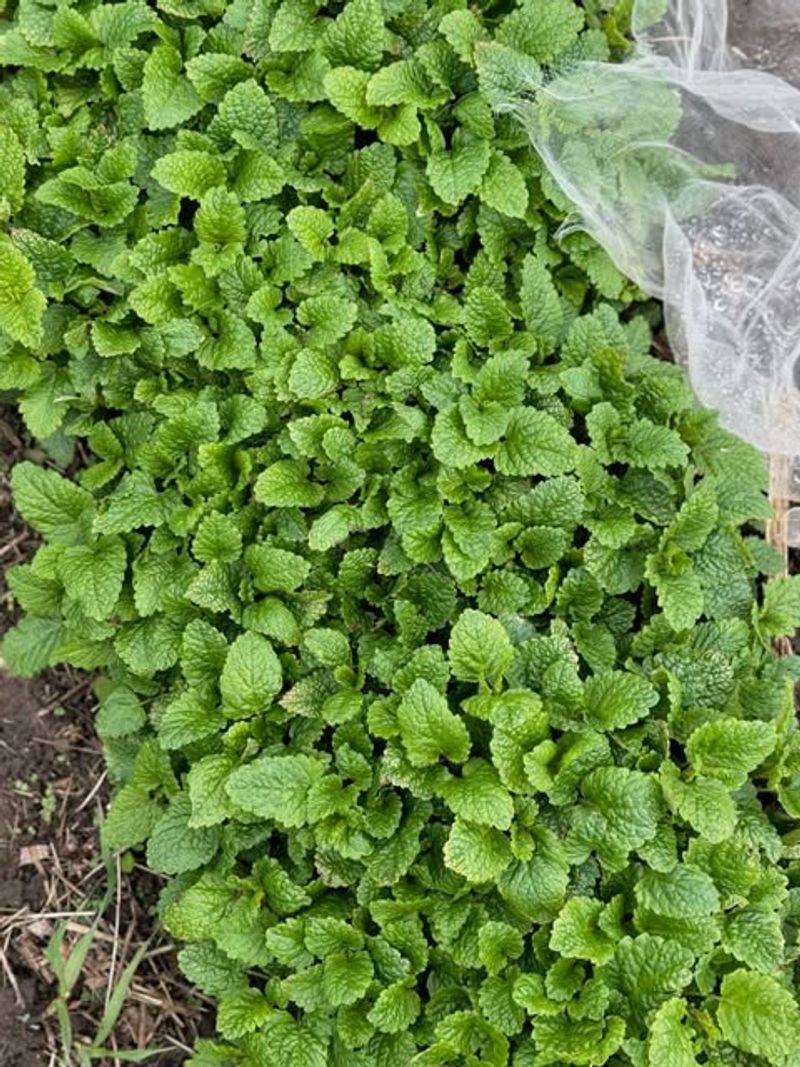
What makes Lemon Balm so special in the pest-deterrence department is the powerful essential oil hiding inside every single leaf.
The moment you crush or brush against the foliage, it releases citronellal and other volatile compounds that mosquitoes genuinely dislike.
Research published in various herbal and agricultural studies supports the idea that these compounds can repel mosquitoes on contact, and some evidence suggests ticks also avoid areas where the scent is concentrated.
To get the most fragrance out of your plant, placement and sunlight matter a lot. Lemon Balm grown in full sun produces significantly more aromatic oils than plants sitting in heavy shade.
On a warm Michigan afternoon, the leaves practically hum with that fresh lemon scent on their own. Giving the plant a gentle pinch or light pruning before you head outside boosts the fragrance release even further.
Pruning also shapes the plant into a fuller, denser form, which means more aromatic leaf surface area working in your favor.
Your Michigan Garden Changes Every Week. Your Plan Should Too.
Gardening in Michigan changes quickly throughout the season. Every Friday you’ll receive a simple weekly plan showing exactly what to plant, prune, fertilize, harvest, and protect so you never miss the right timing.
Cutting back the stems by about one-third every few weeks through the growing season keeps the plant bushy and productive.
Avoid letting it flower too early if fragrant foliage is your main goal, since the plant tends to redirect energy toward blooming once it bolts. A little attention goes a long way with this natural, chemical-free pest solution.
3. Container Growing Makes It Easy To Manage
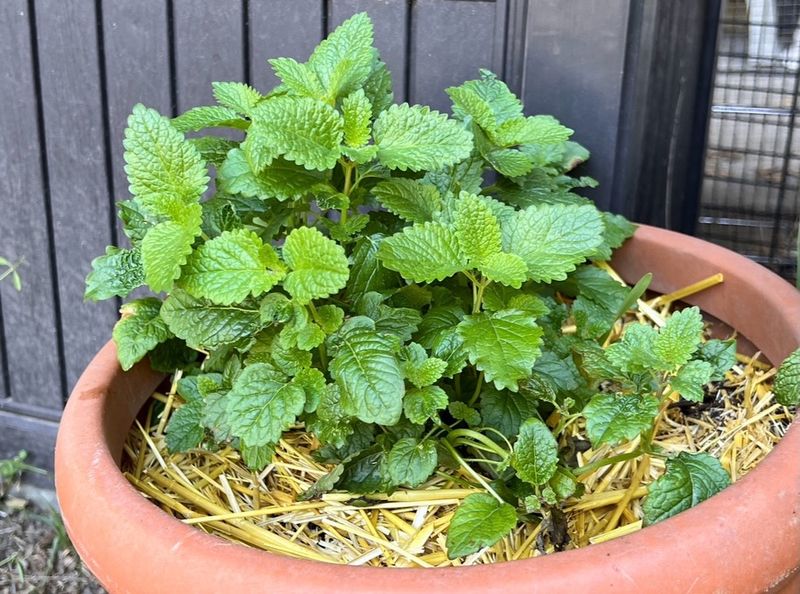
One of the smartest things about growing Lemon Balm on a Michigan patio is keeping it in a container.
Left to its own devices in the ground, this plant spreads enthusiastically through self-seeding and can take over a garden bed faster than you might expect.
A pot solves that problem completely while giving you total control over where the pest-deterring power gets concentrated.
For the best results, choose a container that is at least 12 inches wide and 10 inches deep. Lemon Balm has a moderate root system that needs room to breathe, and a cramped pot leads to stressed, less fragrant growth.
Good drainage is non-negotiable. Make sure your pot has drainage holes at the bottom and use a quality potting mix that does not hold excess moisture, since waterlogged roots are one of the few things that can genuinely stress this otherwise tough plant.
Placement is where the real magic happens. Position the container near your outdoor seating area, beside a door, or along a patio railing where people pass frequently.
Every brush against the leaves activates that natural citrus fragrance. You can even keep a smaller pot on a patio table for up-close protection during outdoor meals or evening gatherings.
Moving containers around as needed gives you flexibility no in-ground planting can match, making this one of the most practical herbs for Michigan outdoor spaces.
4. Suitable For Full Sun To Partial Shade
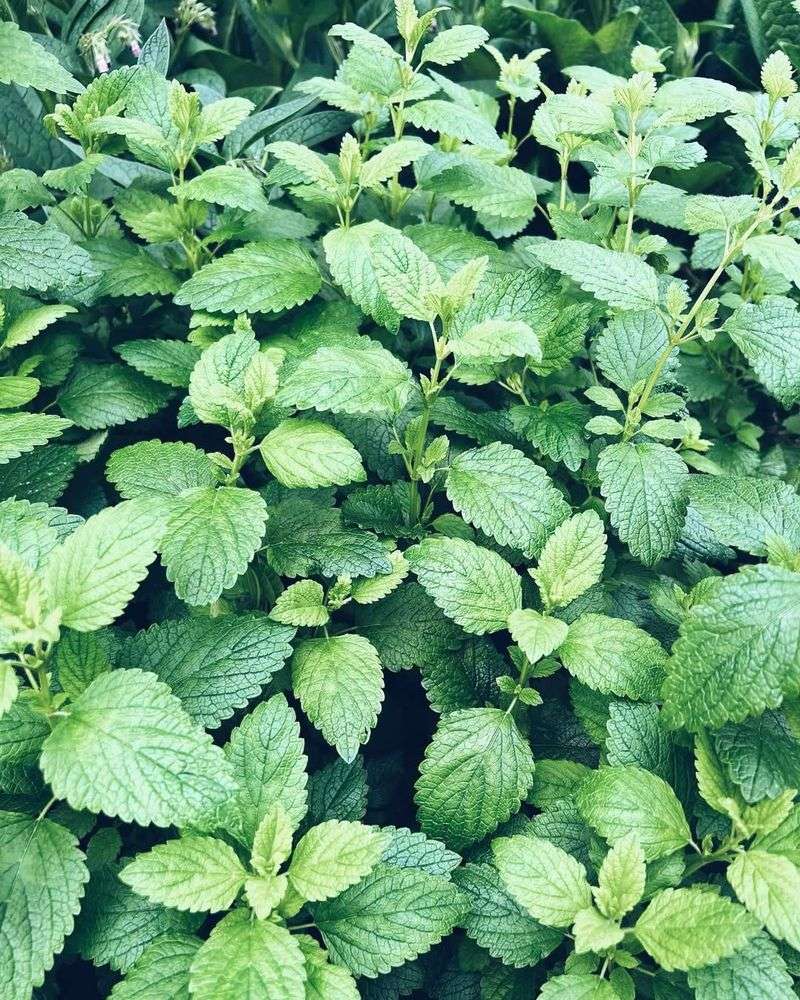
Sunlight has a bigger impact on Lemon Balm than most people realize, especially when pest deterrence is the main goal.
The plant produces its highest concentration of aromatic essential oils when it soaks up at least six hours of direct sunlight each day.
More sun means more citronellal and rosmarinic acid in the leaves, which translates directly into a stronger, more effective natural repellent. On a Michigan summer patio, a south or west-facing spot is often ideal.
That said, Lemon Balm is genuinely flexible about light. Partial shade, meaning around three to four hours of sun daily, still produces a healthy, fragrant plant.
Michigan gardeners who have patios shaded by trees or roof overhangs do not need to give up on this herb. The plant will still grow well and release noticeable fragrance, though perhaps a bit less intensely than a full-sun specimen.
Where things get tricky is deep shade. A plant stuck in a spot that gets fewer than two or three hours of sun tends to grow leggy, pale, and noticeably less fragrant.
The leaves lose some of their vibrant green color and the essential oil content drops. If your patio is heavily shaded, consider placing the pot on a moveable plant stand so you can chase patches of sunlight throughout the day.
A little creative positioning keeps your Lemon Balm performing at its aromatic best all season long.
5. Pollinators Love It Without Bringing Unwanted Pests
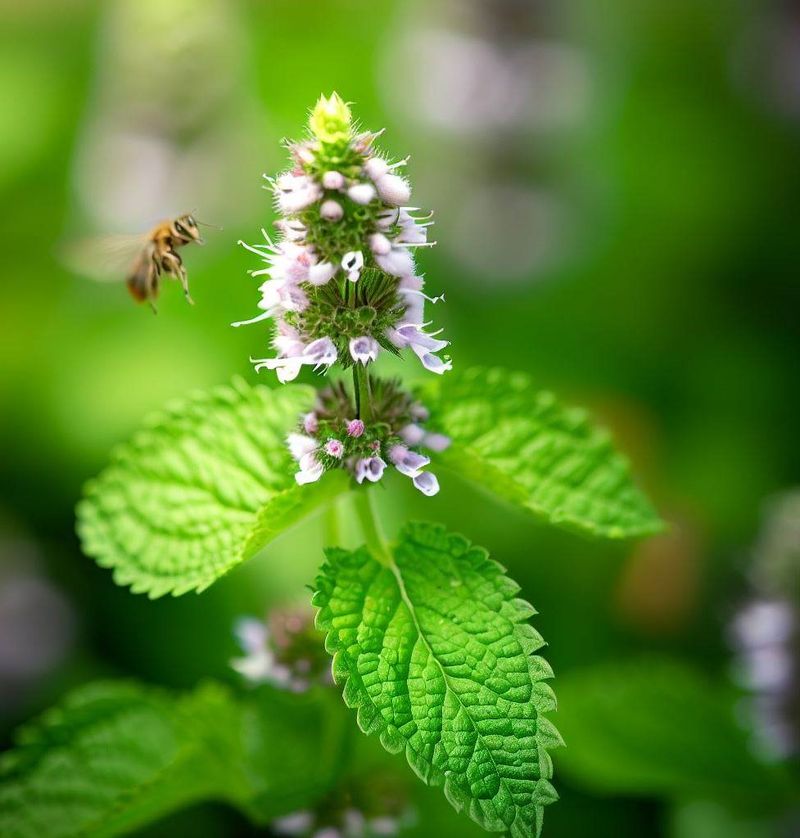
Here is something that surprises most gardeners the first time they hear it: a plant that repels mosquitoes and ticks can simultaneously be a magnet for bees, butterflies, and beneficial insects.
Lemon Balm blooms with clusters of tiny white flowers that are absolutely irresistible to pollinators.
Honeybees in particular are so drawn to it that beekeepers have historically rubbed Lemon Balm inside hives to attract swarms and keep colonies calm.
For Michigan patio gardeners, this dual role is genuinely exciting. You get natural pest control on one hand and active pollinator support on the other, without any contradiction.
Bees visiting Lemon Balm flowers do not create tick habitat or encourage mosquito breeding. They simply stop by, collect nectar and pollen, and move on, helping nearby vegetable gardens and flowering plants thrive in the process.
To maximize pollinator visits while keeping the plant fragrant for pest control, try a simple strategy: let some stems flower while pruning others back to encourage new leafy growth.
This way, you maintain a steady supply of aromatic foliage for repelling insects while still offering blooms for your beneficial visitors.
Planting Lemon Balm near tomatoes, peppers, or squash on your patio improves pollination rates for those plants too. It is a genuinely generous herb that gives back to the entire outdoor ecosystem without requiring anything complicated from you.
6. Rapid Growth Creates A Dense Natural Barrier
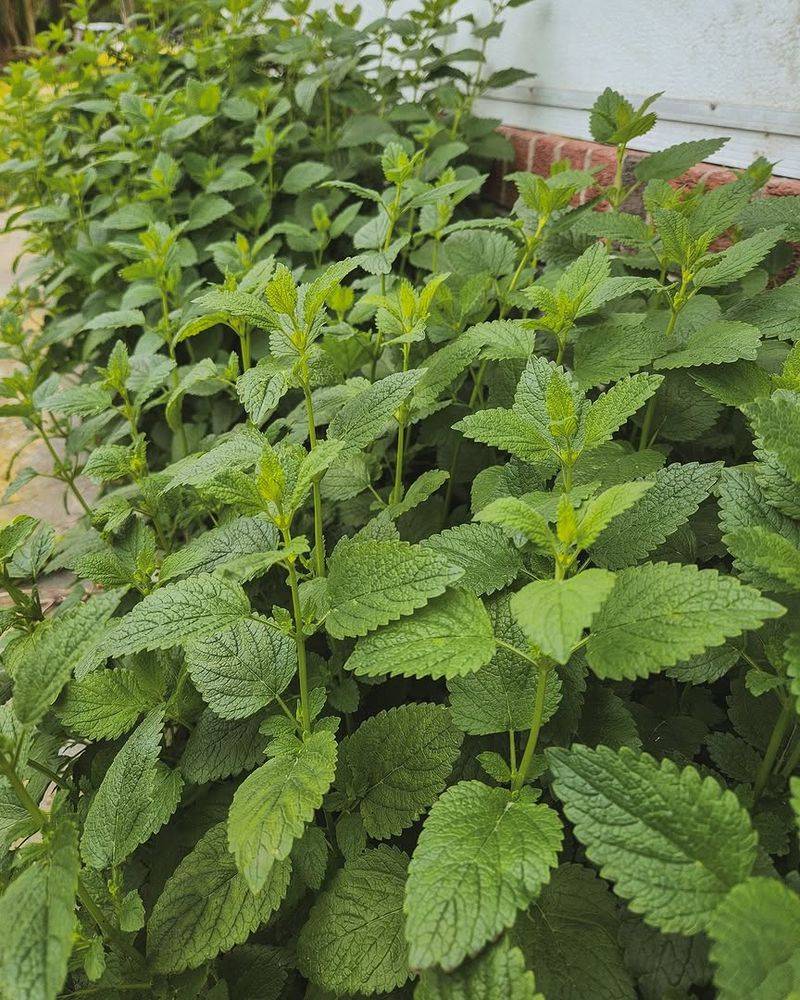
Lemon Balm does not waste any time getting established. Once it settles into a container with decent soil and reasonable sunlight, it puts on growth fast, sometimes visibly expanding week by week during Michigan’s warm summer months.
That rapid, bushy development is actually one of its greatest strengths as a pest-deterring patio plant.
A dense, full plant creates a larger surface area of aromatic leaves, which means more fragrance circulating around your seating area at any given moment. Think of it as a living air freshener that bugs cannot stand.
Positioning a particularly full, bushy Lemon Balm plant between your seating area and the yard’s edge creates a subtle but effective fragrant buffer zone that discourages mosquitoes from drifting in.
Pruning is the key to keeping that density working in your favor. When stems grow tall and start reaching upward without branching, pinch them back to just above a leaf node.
The plant responds by pushing out two new stems where one existed before, doubling its fullness over time.
Aim to prune every three to four weeks during the active growing season, which in Michigan typically runs from late May through early September.
Regular light pruning keeps the plant compact, maximizes aromatic leaf production, and prevents the floppy, open structure that reduces both the plant’s visual appeal and its effectiveness as a natural insect deterrent around your patio.
7. Low Maintenance Once It Gets Going
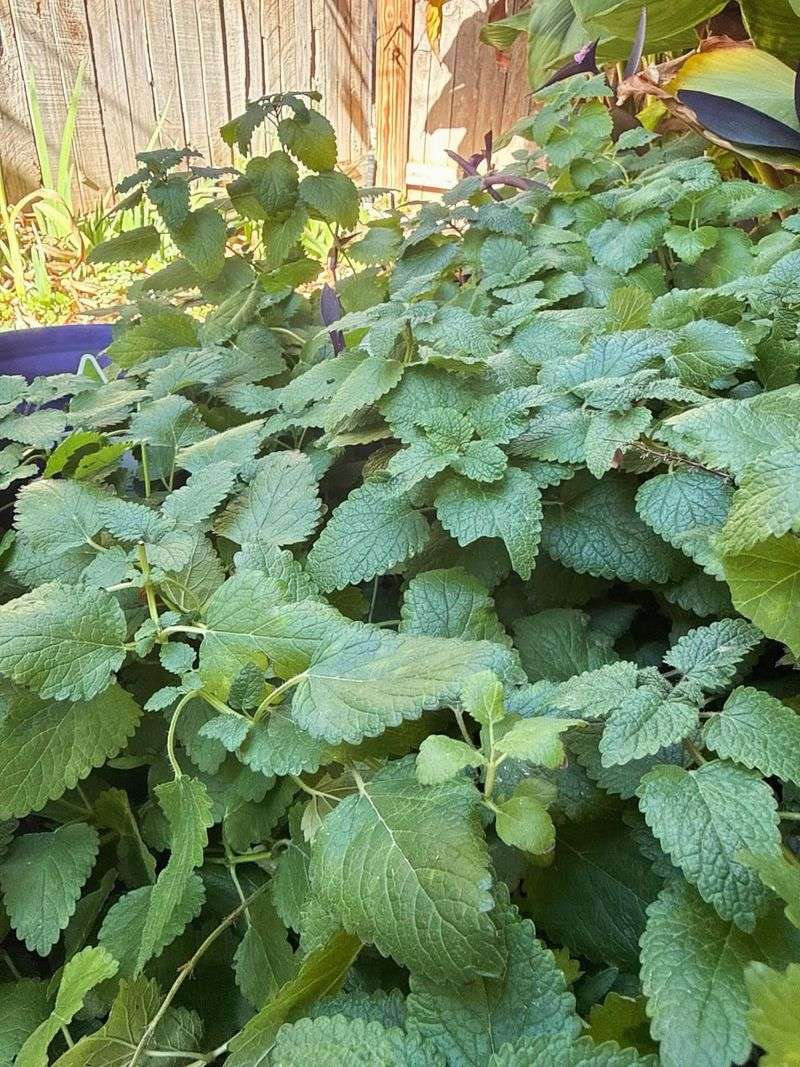
Gardening should feel rewarding, not like a second job. Lemon Balm earns serious points here because once it gets established, it asks for very little.
Watering is the main task, and even that is pretty forgiving. In containers, water when the top inch of soil feels dry to the touch, typically every two to three days during hot Michigan summers.
Avoid letting the pot sit in a saucer full of standing water, since soggy roots are the fastest way to stress this otherwise tough plant.
Soil quality matters at the start but does not need constant attention afterward. A well-draining potting mix with a slightly acidic to neutral pH works perfectly.
You do not need to fertilize heavily. A light application of balanced, slow-release fertilizer at the beginning of the season gives Lemon Balm everything it needs for months of healthy, fragrant growth.
Over-fertilizing with nitrogen-heavy products actually reduces the concentration of essential oils in the leaves, which is the opposite of what you want for pest deterrence.
Preventing unwanted spreading is simple when the plant stays in containers. Check occasionally for seeds dropping outside the pot and remove any seedlings that sprout in nearby soil.
In Michigan, Lemon Balm is a hardy perennial in zones 4 and 5, meaning established container plants can often be overwintered indoors near a bright window and brought back outside when temperatures warm again.
8. Edible, Useful, And Surprisingly Versatile
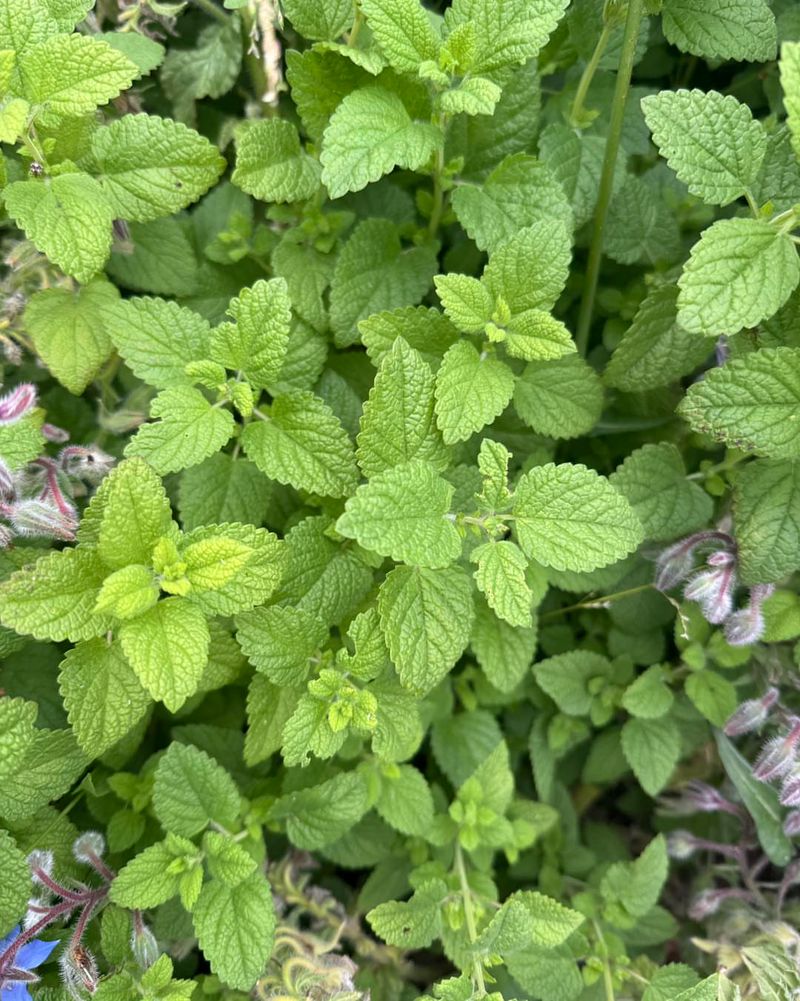
Beyond keeping bugs at bay, Lemon Balm is one of the most genuinely useful herbs you can grow. The leaves are completely edible and carry a mild, refreshing lemon flavor that works beautifully in a wide range of culinary applications.
Steep a handful of fresh leaves in hot water for about five minutes and you have a naturally calming herbal tea that has been used for centuries to ease stress and support restful sleep.
In the kitchen, Lemon Balm adds a bright citrusy note to salads, marinades, fruit desserts, and even homemade lemonade. It pairs especially well with fish, chicken, and fresh summer vegetables.
Chop the leaves finely and fold them into softened butter for an herbed spread that tastes incredible on grilled corn or fresh bread. The flavor is subtle enough not to overpower other ingredients but distinctive enough to make dishes feel special.
Aromatherapy is another underrated use. The fresh scent of Lemon Balm has a genuinely calming effect, and simply having the plant nearby on a patio creates a pleasant, stress-reducing atmosphere during outdoor relaxation.
Some people dry the leaves and use them in sachets placed around the home for a light, natural fragrance.
Between its culinary versatility, its calming aroma, and its pest-deterring properties, Lemon Balm might honestly be the most hardworking plant you can add to your Michigan patio this season.
9. Smart Companion Planting Keeps Everything In Balance
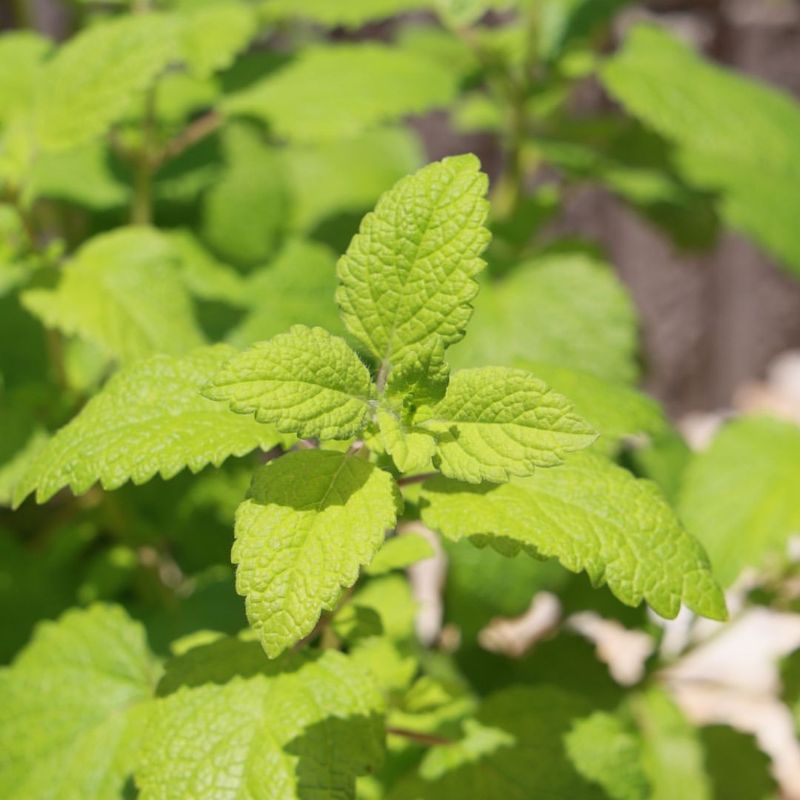
Pairing Lemon Balm with other patio plants creates a more effective and visually interesting outdoor space. The trick is keeping it in its own container rather than mixing it directly into shared planters.
Lemon Balm grows vigorously and, given the chance, can crowd out slower-growing neighbors. A dedicated pot lets it do its thing without stepping on anyone else’s territory.
That said, grouping its container near complementary plants creates a genuinely powerful insect-deterring combination.
Lavender, marigolds, and basil all have their own pest-repelling properties, and clustering these pots together around a seating area builds a fragrant, layered defense that makes your patio significantly less appealing to mosquitoes and ticks.
The combination also looks beautiful, with varied textures, colors, and heights creating visual interest alongside practical function.
From a garden aesthetics standpoint, Lemon Balm’s bright, textured green leaves provide a lush, full backdrop that makes colorful flowering plants pop.
Pairing it with potted petunias, zinnias, or marigolds gives pollinators even more reasons to visit your patio while keeping the pest pressure down.
The key is intentional placement. Think about the layout of your outdoor space, where people sit most often, and position your fragrant containers in those zones for maximum effectiveness.
A little planning at the start of the season pays off in a more enjoyable, bug-reduced patio experience all summer long.
10. Seasonal Care And Pruning For Peak Performance
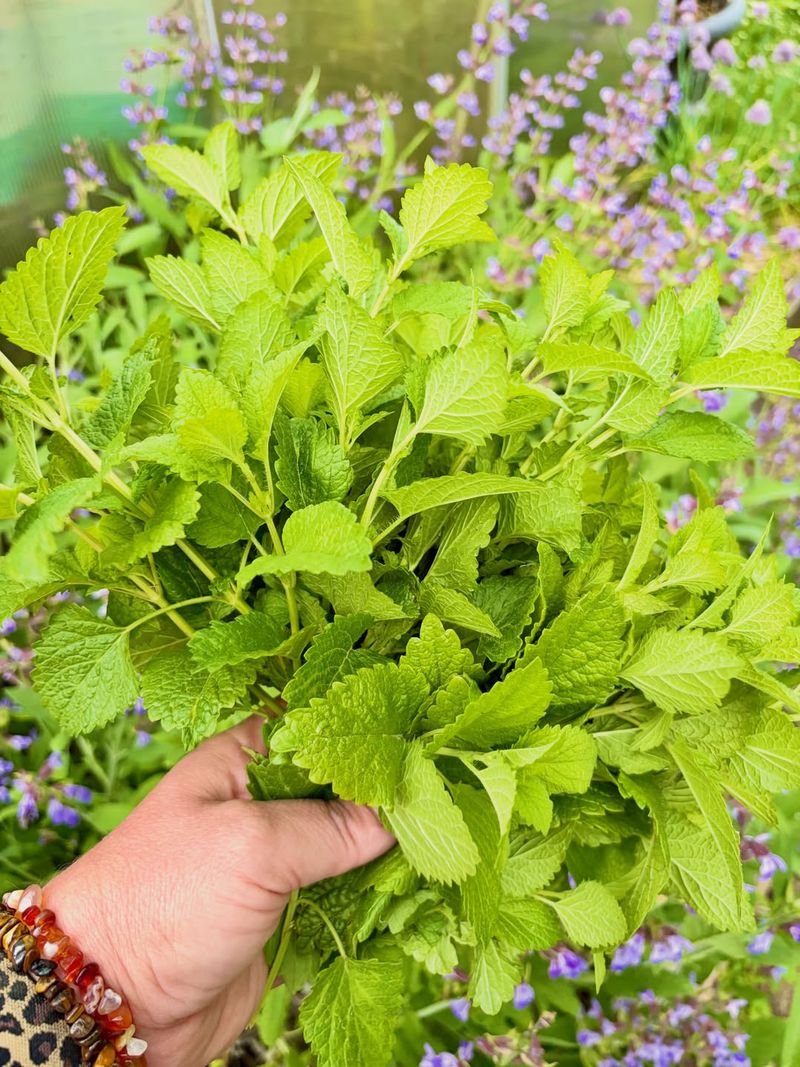
Getting the most out of Lemon Balm through a full Michigan growing season comes down to a consistent pruning routine. The season typically kicks off in late April or May when temperatures stabilize above freezing.
At this point, if you overwintered the plant indoors, move it back outside gradually over a week or two to help it adjust to outdoor conditions without shock. Once it settles in, new growth appears quickly.
Through June, July, and August, prune the plant every three to four weeks by cutting stems back by about one-third of their length. Always cut just above a leaf node, which is the small bump where new growth emerges.
This keeps the plant bushy and full rather than tall and leggy. If flower buds appear earlier than you want, pinch them off to redirect the plant’s energy back into producing aromatic foliage.
More leaves mean more essential oils and stronger pest deterrence around your patio.
As Michigan moves into September and temperatures begin dropping, ease off the heavy pruning. Let the plant wind down naturally rather than forcing new growth that will not have time to mature before cold weather arrives.
Cut the plant back significantly in late fall if you plan to overwinter it indoors, reducing it to a few inches above the soil line.
Store it near a sunny window with reduced watering, and it will reward you with vigorous new growth when spring returns, ready for another full season of fragrant, practical service on your patio.