These Are The Pennsylvania Plants Spotted Lanternfly Nymphs Target First When They Hatch In June
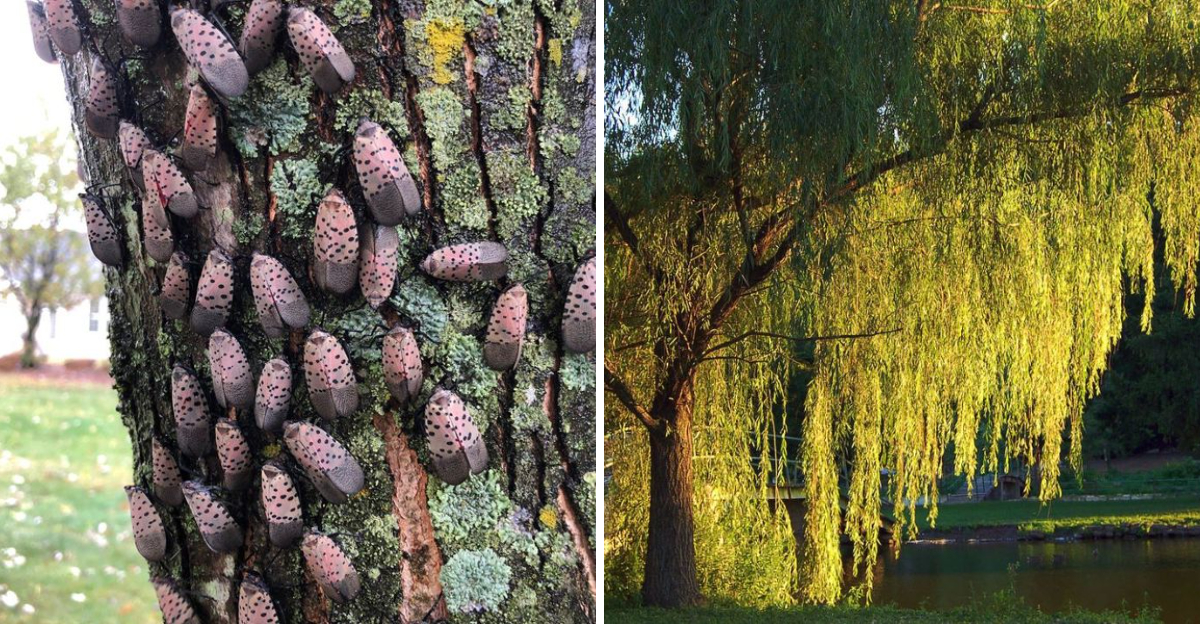
Spotted lanternfly nymphs hatching in June represent one of the most critical windows in the entire management cycle, and most Pennsylvania homeowners miss it because they are not sure what they are looking for or where to look first.
The nymphs that emerge in early summer do not spread randomly across a property.
They move with purpose toward specific plants that meet their feeding needs at that particular life stage, and understanding which plants those are makes early detection significantly more achievable.
Catching spotted lanternfly at the nymph stage is considerably more effective than waiting until the adults are established and moving freely across the landscape, and the plants being targeted first are often right in the residential yard rather than out in a woodland edge.
Knowing the preferred early targets gives Pennsylvania gardeners and homeowners a specific and actionable place to focus attention during the window when intervention actually makes a meaningful difference.
1. Tree Of Heaven (Ailanthus Altissima)
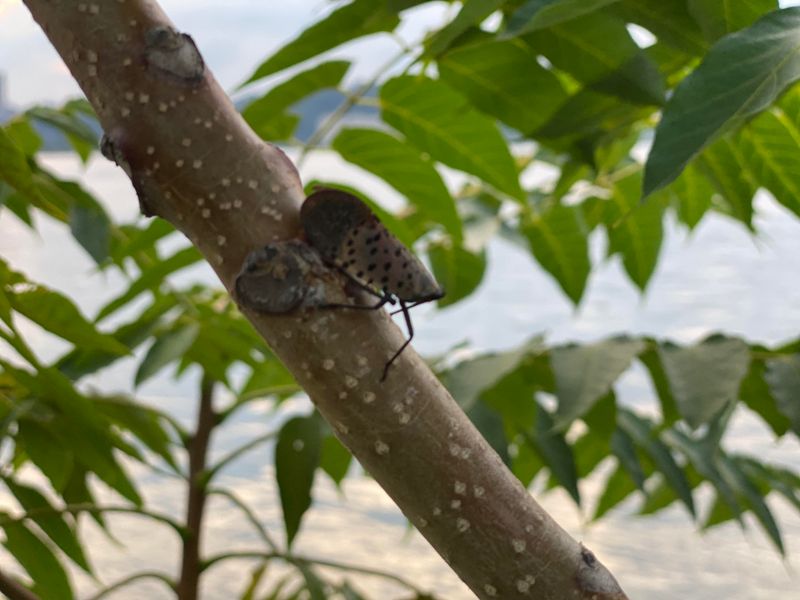
If spotted lanternflies had a favorite food, Tree of Heaven would win every time. This invasive tree, originally from China, is the number one host plant for spotted lanternfly nymphs in Pennsylvania.
The moment they hatch in June, nymphs crawl straight toward it like it is a buffet. You can find Tree of Heaven growing along roadsides, fence lines, forest edges, and even cracking through sidewalks across the state.
The tree grows incredibly fast, sometimes shooting up several feet in a single season. That rapid growth means it produces a lot of sap, and sap is exactly what lanternfly nymphs are after.
They pierce the soft bark with their needle-like mouths and start feeding right away. Large groups of nymphs often cluster together on the trunk and lower branches, making the infestation easy to spot if you know what to look for.
Even though Tree of Heaven is invasive and unwanted in most landscapes, its presence actually works as a kind of trap. Some land managers use it strategically to monitor lanternfly populations before removing it.
If you have one on your property, check it weekly starting in early June. You will likely find nymphs there before you find them anywhere else.
Wrapping the trunk with sticky bands or circle traps can help you catch and monitor nymphs early.
Removing Tree of Heaven from your yard is also a smart long-term move, since fewer host trees means fewer lanternflies choosing your property as their home base throughout the season.
2. Grapevines (Vitis Spp.)
Ask any Pennsylvania grape grower what keeps them up at night, and spotted lanternflies will come up fast.
Grapevines are one of the most attractive plants for lanternfly nymphs, and the damage they cause can be devastating for both home gardeners and commercial vineyards.
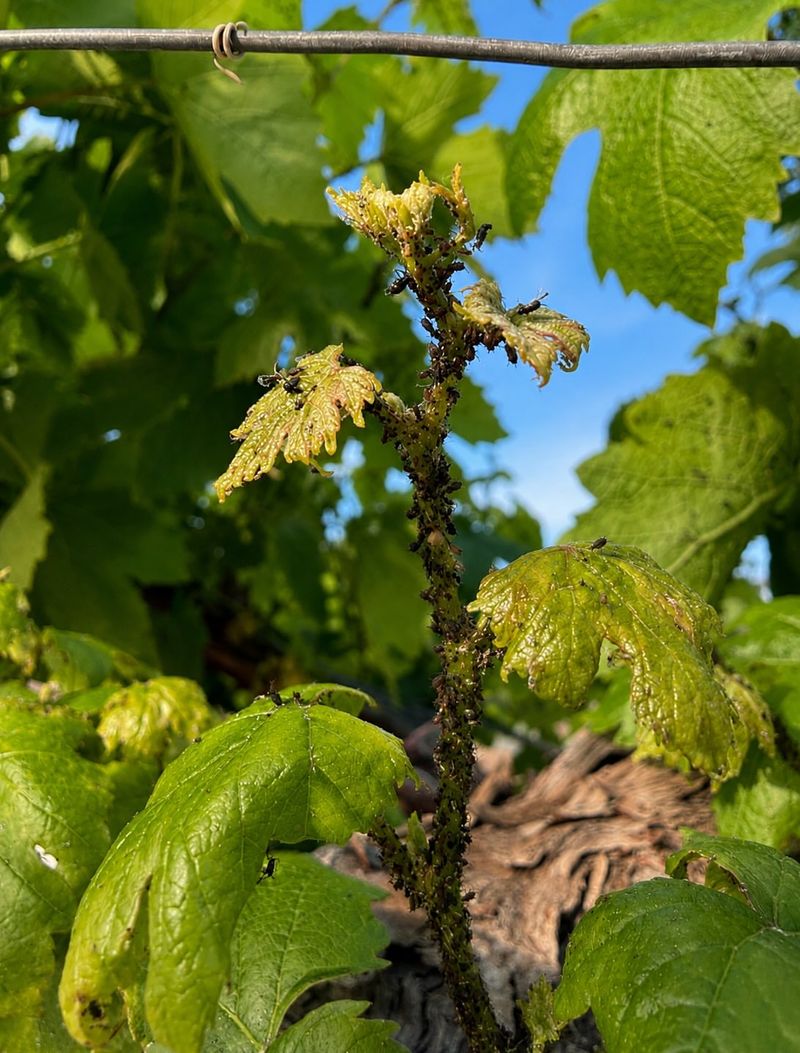
Nymphs begin feeding on grapevines in June, targeting the tender new growth, stems, and woody canes where sap flows freely.
The feeding itself weakens the vine over time. As nymphs suck out the sap, the plant loses the energy it needs to produce healthy leaves and fruit.
Your Pennsylvania Garden Changes Every Week. Your Plan Should Too.
Gardening in Pennsylvania changes quickly throughout the season. Every Friday you’ll receive a simple weekly plan showing exactly what to plant, prune, fertilize, harvest, and protect so you never miss the right timing.
You might notice wilting, leaf curling, or a sticky substance called honeydew on the leaves and ground below. That honeydew leads to sooty mold, a black fungus that coats plant surfaces and blocks sunlight from reaching the leaves.
Protecting your grapevines starts with regular inspection. Walk your vineyard or garden rows at least twice a week in June and July.
Look closely at the undersides of leaves and along the main stems where nymphs like to hide. Removing egg masses in the fall and winter is one of the best ways to reduce the nymph population before it even starts.
You can also use sticky traps or physical barriers around the base of the vines. Pennsylvania has resources available through the Department of Agriculture to help grape growers manage lanternfly pressure.
Acting early in the season gives your vines a much better chance of staying healthy and producing a strong harvest when fall arrives.
3. Maples (Acer Spp.)
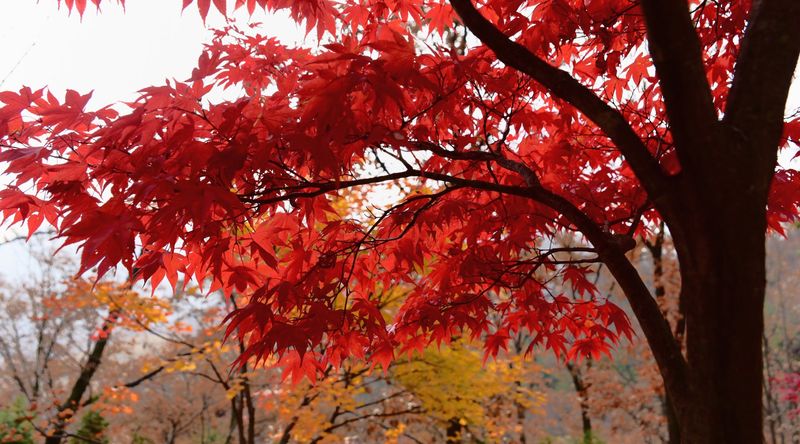
Maple trees are a beloved part of Pennsylvania’s landscape, showing up in backyards, parks, and forests all across the state. Sugar maples and red maples are especially common, and unfortunately, spotted lanternfly nymphs find them just as appealing as we do.
Starting in June, young nymphs begin climbing maple trunks and branches in search of the sweet, nutrient-rich sap flowing just beneath the bark.
One thing that makes maples tricky to protect is their size. A mature sugar maple can be enormous, with bark that has dozens of crevices where nymphs can hide and feed undisturbed.
You might not notice the problem until you see yellowing leaves, reduced growth, or heavy honeydew dripping from the canopy.
Maples are already stressed by heat and drought in summer, so adding lanternfly feeding pressure on top of that makes things even harder for the tree.
Checking your maple trees regularly through June and July is the best habit you can build. Look along the lower trunk first, since nymphs tend to start there before moving up.
Circle traps placed around the trunk are a practical and low-effort way to catch nymphs as they travel up and down. Avoid using sticky bands without a protective cage, since those can accidentally trap birds and other wildlife.
If you have young maple saplings in your yard, they are especially vulnerable because they have less sap to spare. Giving young trees extra water and care during the summer can help them stay strong even when lanternflies are feeding on them throughout the season.
4. Black Walnut (Juglans Nigra)
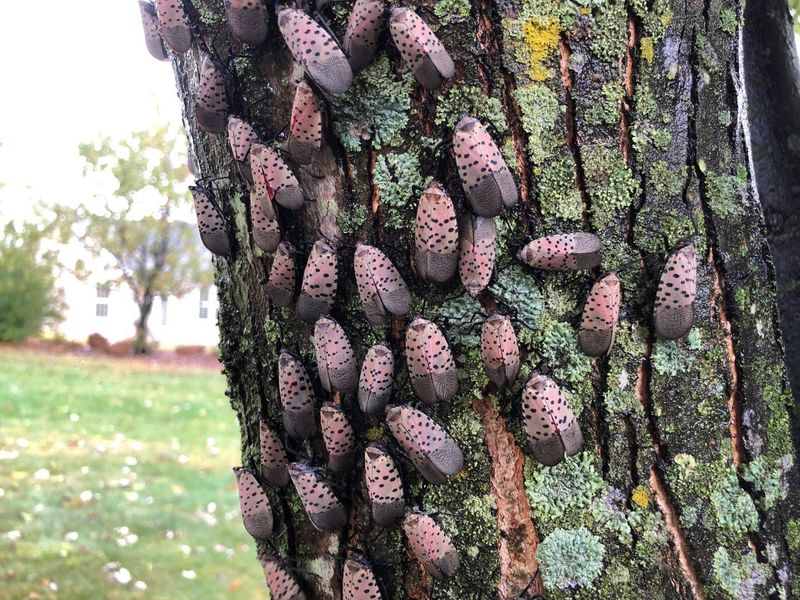
Black walnut trees are tough, native, and deeply rooted in Pennsylvania’s natural history. They produce valuable timber and the famous walnuts that squirrels and humans both love.
But starting in June, spotted lanternfly nymphs add themselves to the list of creatures drawn to this impressive tree. The black walnut’s abundant sap makes it a reliable food source for nymphs looking to feed after hatching.
What is interesting about black walnut is that it naturally produces a chemical called juglone, which is toxic to many other plants. Yet spotted lanternflies seem completely unbothered by it.
Nymphs cluster on the rough, deeply furrowed bark of black walnut trunks and branches, sometimes in large groups that are easy to spot if you walk up close. Their feeding creates stress for the tree, especially when populations are high and many insects are feeding at once.
Monitoring your black walnut trees early in the season puts you ahead of the problem. Start checking trunks in early June, particularly on the shaded or northern-facing sides where nymphs like to gather.
Circle traps are effective here because the wide, textured trunk gives nymphs plenty of places to travel up and down. Scraping egg masses off the bark in fall and winter is also a great preventive step.
Black walnut trees are generally resilient, but repeated heavy feeding over multiple seasons can weaken even a strong tree.
Keeping a close eye on your walnut and acting quickly when you spot nymphs gives the tree its best chance of staying healthy and productive for many years ahead.
5. Willow (Salix Spp.)

There is something almost poetic about willow trees, with their long drooping branches swaying near streams and ponds.
Willows are a common sight along Pennsylvania waterways, and their moisture-rich stems make them especially attractive to spotted lanternfly nymphs right after hatching.
The soft, sap-filled tissue just under the bark of young willow branches is easy for nymphs to pierce, making willows one of the first stops on their early June feeding tour.
Willows tend to grow in wet, low-lying areas where many people do not walk regularly. That means an infestation can go unnoticed for weeks.
By the time you spot the damage, there may already be a large number of nymphs feeding on the tree. Signs to look for include sticky honeydew on leaves and ground surfaces, sooty mold, and wilting or yellowing on new growth.
The weeping willow is particularly vulnerable because of its fast growth and high sap production.
If you have willows near a stream, pond, or wet area of your yard, make a habit of checking them starting in early June. Pay attention to the younger, thinner branches near the tips, since nymphs often start feeding on soft new growth before moving to thicker stems.
Sticky traps and circle traps can be placed around the base of the trunk to intercept nymphs. Because willows grow quickly, they can handle some feeding pressure, but heavy infestations weaken the tree over time.
Staying alert and responding early keeps your willows standing strong and looking beautiful throughout the season.
6. Birch (Betula Spp.)
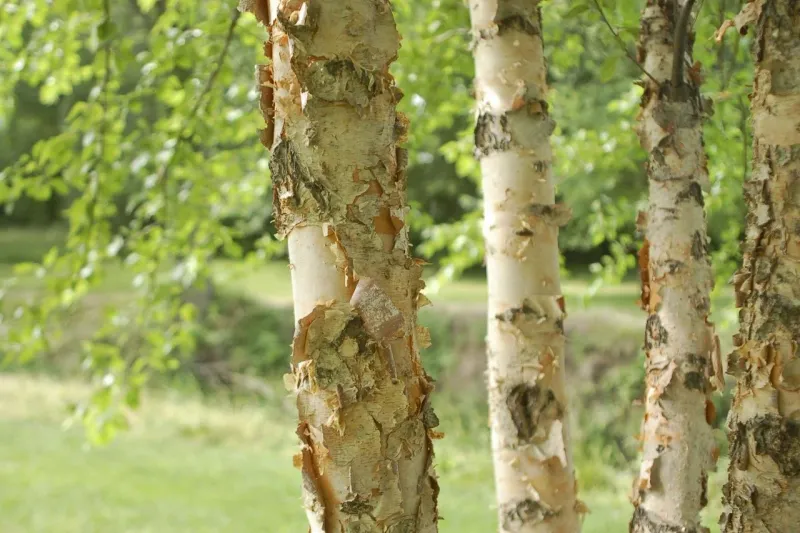
Birch trees are easy to recognize thanks to their striking white or silver bark that peels in thin, papery layers. They are a popular choice for Pennsylvania landscapes because of their elegant look and fall color.
What many homeowners do not realize is that birch trees are also on the spotted lanternfly nymph’s early feeding list. The young, smooth bark and sap-rich branches of birch make it a convenient host for nymphs in June.
Birch trees are already considered somewhat sensitive compared to other hardwoods. They prefer cooler, well-drained soil and can struggle during hot, dry Pennsylvania summers.
Adding lanternfly feeding pressure makes things harder. When nymphs feed heavily on birch, they remove sap that the tree needs for growth and defense.
Over time, this can lead to twig and branch decline, reduced leaf size, and overall tree stress that makes it harder for the birch to bounce back.
The good news is that birch trees are easy to monitor because of their distinctive bark. Nymphs show up clearly against the white surface, making them simpler to spot than on darker-barked trees.
Check the lower trunk and main branches starting in early June. Circle traps work well on birch because the smooth bark gives nymphs fewer hiding spots as they travel.
Removing egg masses from the bark in late fall or early spring is one of the most effective things you can do to reduce next year’s nymph population.
Keeping your birch well-watered during summer also helps it stay strong and better able to handle any feeding pressure it encounters.
7. Sycamore (Platanus Occidentalis)
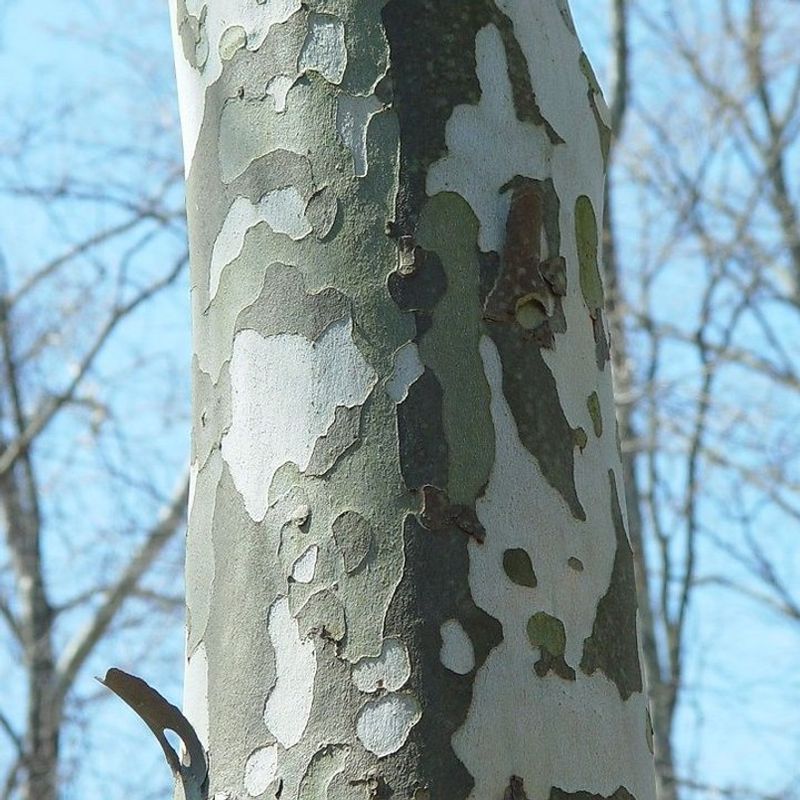
Sycamore trees are hard to miss. Their massive trunks, wide canopies, and patchy bark that peels to reveal creamy white and tan patches make them one of the most recognizable trees in Pennsylvania.
You will find them lining riverbanks, parks, and suburban streets all across the state. All that size comes with a lot of sap, and spotted lanternfly nymphs have figured that out. Sycamores are a common early host for nymphs emerging in June.
The sheer size of a sycamore works in the nymph’s favor. There is a lot of bark surface area to explore, and the tree produces more than enough sap to support large numbers of feeding insects.
Nymphs tend to gather on the lower trunk first, then spread upward as populations grow. Because sycamores are so large, the early signs of feeding can be easy to miss unless you are actively looking for them.
Honeydew dripping from the canopy and sooty mold on surfaces below the tree are often the first clues.
Walking around the base of your sycamore regularly through June and July is a smart routine. Look for clusters of nymphs on the lower bark, especially on the shaded side of the trunk.
Circle traps fitted around the trunk can intercept large numbers of nymphs before they move higher into the canopy. Because sycamores are big and generally vigorous, they can handle moderate lanternfly pressure better than smaller trees.
Still, repeated heavy infestations over multiple seasons add up, so staying consistent with your monitoring and trapping efforts each year is the best way to keep your sycamore thriving for decades to come.