The Best Pennsylvania Summer Flowers To Grow For Cutting And Bringing Into Your Home
Growing flowers specifically for cutting is one of the more rewarding shifts a Pennsylvania gardener can make, turning the outdoor space into a living source of fresh arrangements that change with the season and cost nothing beyond the time spent growing them.
Summer in Pennsylvania is when that practice really pays off, with long warm days and consistent light driving the kind of stem length and bloom production that makes cutting garden flowers genuinely useful for the house.
The challenge is knowing which flowers are worth the space and effort for cutting purposes, because not every summer bloomer translates well from garden to vase.
Some shatter too quickly, others have stems too short to work with, and a few simply do not hold up once they come inside.
The flowers that earn their place in a Pennsylvania cutting garden are ones that bloom generously, cut cleanly, and hold in a vase long enough to actually enjoy. Pennsylvania summers have more of those options than most gardeners take advantage of.
1. Black-Eyed Susan
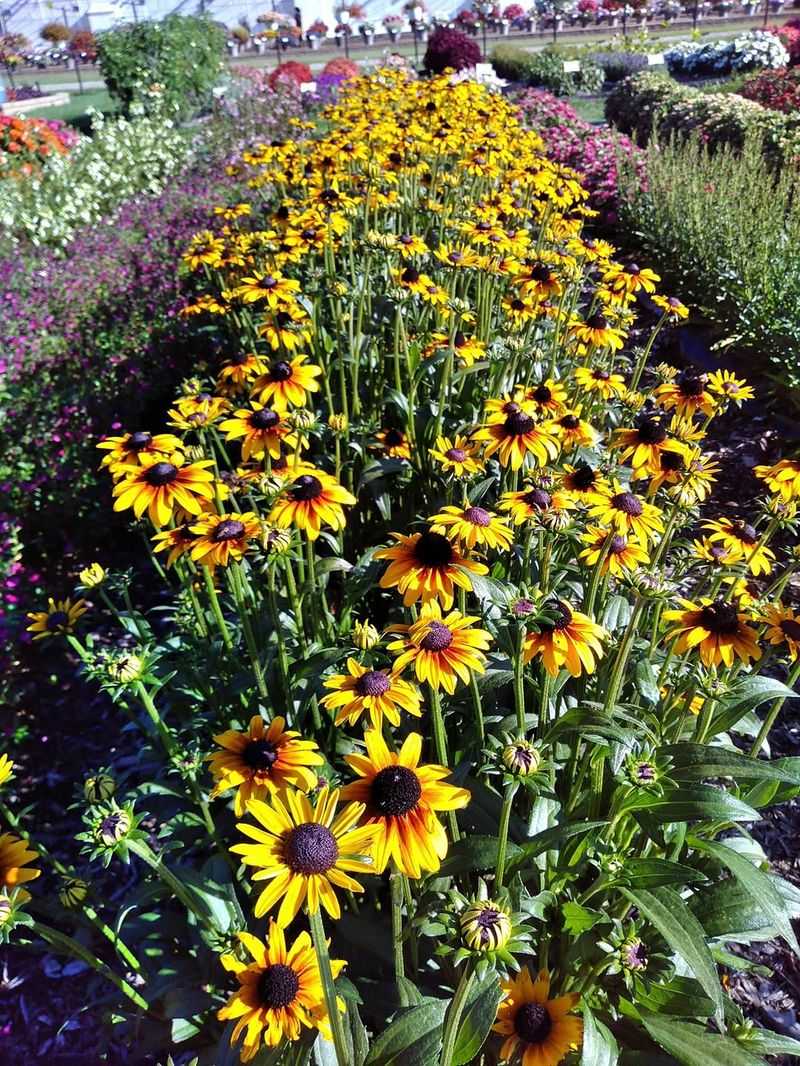
Few flowers say “summer” quite like the Black-Eyed Susan. Those cheerful yellow petals surrounding a deep, dark center are instantly recognizable, and they look just as beautiful in a vase as they do growing in the garden.
This native wildflower thrives across Pennsylvania without much fuss. Black-Eyed Susans love full sun and well-drained soil. Once established, they are surprisingly tough and can handle hot, dry stretches without wilting.
Plant them in a sunny garden bed and you will have blooms from late June all the way through September. That is a long cutting season for one plant.
When cutting for arrangements, choose stems where the flower is just fully open. Use sharp scissors or garden shears and cut early in the morning when the stems are full of moisture.
Strip off any leaves that would sit below the waterline in your vase. This keeps the water clean and fresh longer.
In the vase, Black-Eyed Susans can last up to a week with proper care. Change the water every two days and trim the stem ends slightly each time.
They pair beautifully with other summer flowers like zinnias and coneflowers for a bright, bold arrangement. Their sturdy stems do not droop easily, which makes them a reliable choice for any cutting garden in Pennsylvania.
2. Coneflower
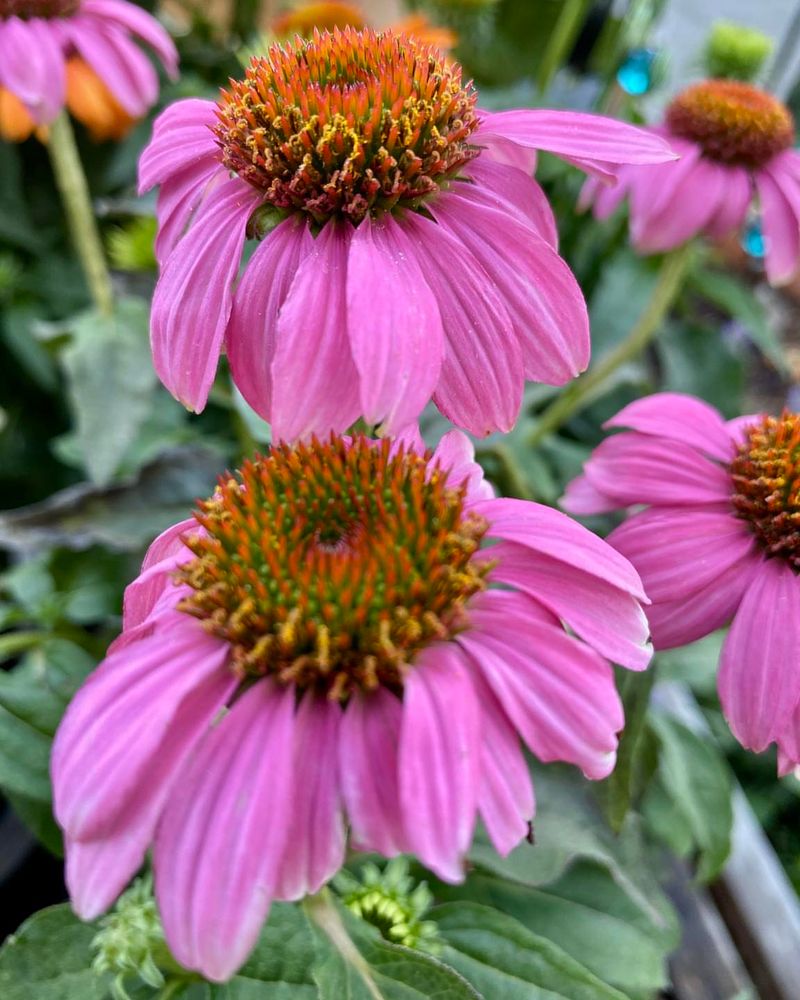
Coneflowers have a rustic, wildflower charm that is hard to match. The purple, daisy-like petals sweep back from a raised, spiky orange-brown center, giving each bloom a distinctive look that stands out beautifully in any indoor arrangement.
Native to North America, echinacea is perfectly suited to Pennsylvania summers. These plants are low-maintenance superstars. They thrive in full sun with average, well-drained soil and are notably drought-tolerant once established.
Butterflies and bees absolutely love them, so your garden becomes a buzzing, lively space all summer long. That ecological bonus is a real treat for any gardener who loves wildlife.
For cutting, harvest coneflowers when the petals are just beginning to open and the center cone is still tight and firm. Cut the stems long, at least 12 to 18 inches, to give yourself flexibility when arranging.
Your Pennsylvania Garden Changes Every Week. Your Plan Should Too.
Gardening in Pennsylvania changes quickly throughout the season. Every Friday you’ll receive a simple weekly plan showing exactly what to plant, prune, fertilize, harvest, and protect so you never miss the right timing.
Remove the lower leaves and place the stems immediately into a bucket of cool water. Coneflowers can last an impressive 7 to 10 days in a vase when cared for properly. Keep them away from direct sunlight and drafts indoors, and change the water every couple of days.
Their upright, sturdy stems make them excellent for tall arrangements, and their purple tones mix wonderfully with yellow Black-Eyed Susans or white flowers for a stunning contrast.
Growing echinacea in your Pennsylvania garden means you will always have something beautiful to bring inside from mid-summer through early fall.
3. Bee Balm
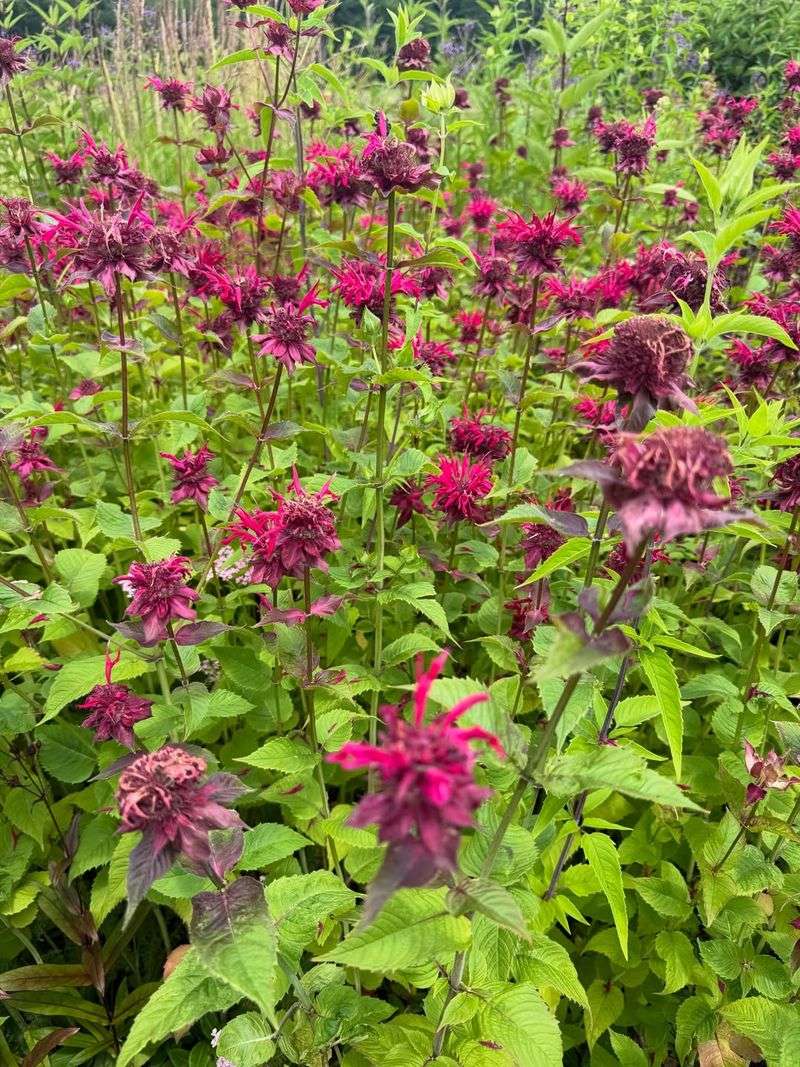
Walk past a patch of Bee Balm on a warm July morning and you will understand immediately why gardeners love it. The shaggy, tubular blooms in shades of red, pink, and purple are almost electric in their intensity.
Add a sweet, minty fragrance to the mix and you have a flower that engages every single sense.
Bee Balm is native to eastern North America, which means it is completely at home in Pennsylvania gardens. It grows best in full sun to partial shade and prefers moist, rich soil.
One thing to keep in mind is that it spreads enthusiastically over time, so give it some room or plan to divide the clumps every few years to keep things tidy.
Hummingbirds, butterflies, and bees are all drawn to Bee Balm throughout the summer. Watching a hummingbird dart from bloom to bloom while you sip your morning coffee is one of gardening’s simple pleasures.
For cutting, harvest stems in the morning when the flowers are about two-thirds open. The fragrance actually intensifies slightly once the stems are in water indoors.
In a vase, Bee Balm lasts around five to seven days. The bold, spiky blooms add real texture and drama to arrangements.
They pair especially well with softer flowers like zinnias or daylilies. The lingering herbal scent makes any room feel fresh and alive.
Growing Bee Balm in your Pennsylvania cutting garden rewards you with beauty, fragrance, and a whole lot of wildlife action all season long.
4. Zinnia
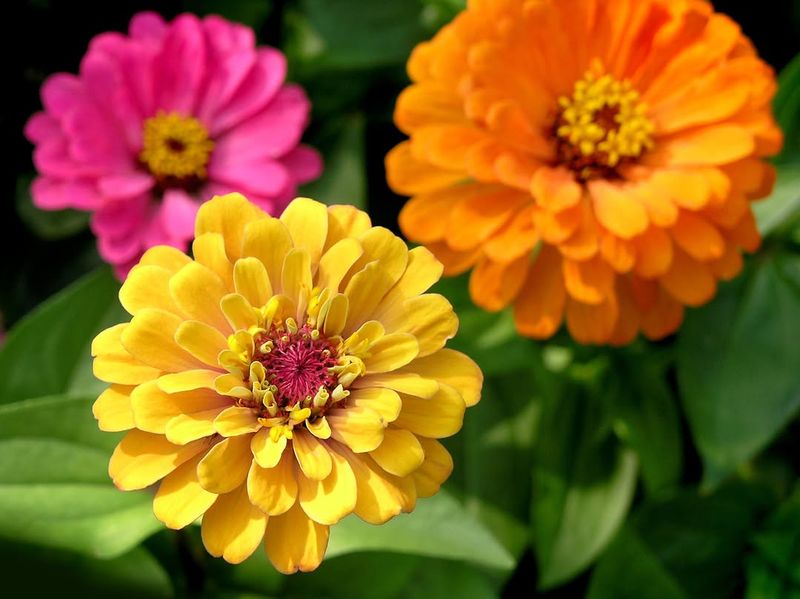
If there is one flower that practically begs to be put in a vase, it is the zinnia. Bold, bright, and available in almost every color imaginable, zinnias are the ultimate summer cutting flower.
They bloom fast, grow easily from seed, and keep producing more flowers the more you cut them. That last part is a serious gardening win.
Zinnias thrive in Pennsylvania’s warm summers. They love full sun and well-drained soil, and they are not bothered much by heat or humidity.
Direct sow seeds into the garden after the last frost, usually around mid-May in most parts of Pennsylvania. Within about eight weeks, you will have your first blooms ready for cutting.
The key to a long-lasting zinnia arrangement is cutting at the right moment. Choose stems where the flower is fully open but still feels firm when you gently squeeze the center.
Avoid soft or slightly droopy blooms, as those will not last long indoors. Cut early in the morning and place stems straight into water. Strip leaves below the waterline to prevent bacterial buildup.
With good care, zinnias can last an impressive 7 to 12 days in a vase. Keep the water fresh and re-cut the stems every few days.
Their strong, upright stems hold up beautifully without drooping. Zinnias mix well with almost any other flower, making them a versatile workhorse in summer arrangements.
Plant a whole row in your garden and you will have endless cutting material from July all the way through the first frost.
5. Daylily
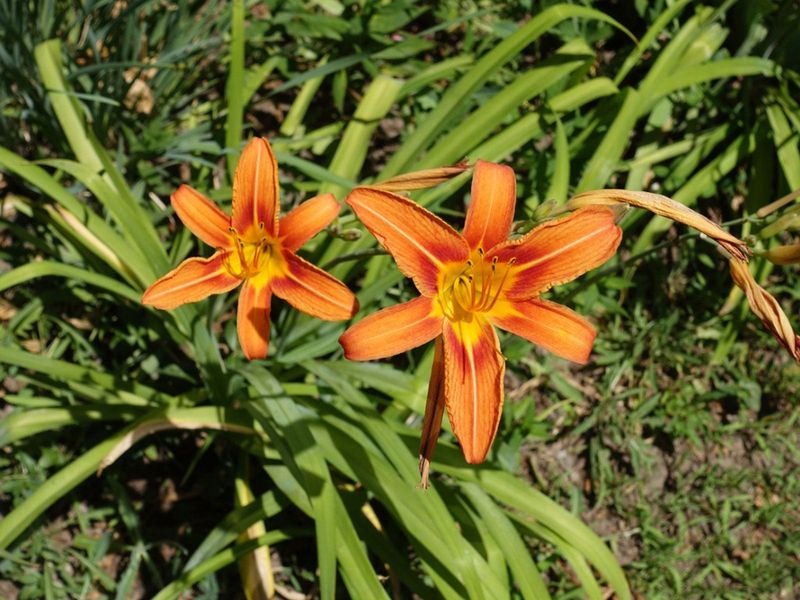
Daylilies have an interesting secret that most people do not know. Each individual flower only opens for a single day before closing.
But here is the great news: a single plant produces dozens of buds on multiple stems, so you get a continuous parade of fresh blooms for weeks. That staggered flowering habit makes daylilies surprisingly useful in a cutting garden.
These tough, adaptable plants grow beautifully across Pennsylvania in full sun to light shade. They are incredibly forgiving of different soil types and can handle both dry spells and occasional wet conditions.
Once planted, daylilies spread gradually into fuller clumps each year, giving you more and more cutting material over time. Dividing them every three to four years keeps them blooming at their best.
For cutting arrangements, choose stems that have at least two or three buds that are still closed, plus one flower just beginning to open. This way, the buds will continue opening indoors over several days, extending your enjoyment.
Cut stems in the early morning and place them in fresh, cool water right away. Remove spent flowers as they close to keep the arrangement looking tidy.
Daylilies come in an extraordinary range of colors including yellow, orange, red, pink, and deep burgundy. That variety makes them exciting to work with when creating mixed arrangements.
Their bold, trumpet-shaped blooms add a tropical flair to any room. Pair them with Black-Eyed Susans or zinnias for a warm, summery combination that brightens up any table or windowsill instantly.
6. Dahlia
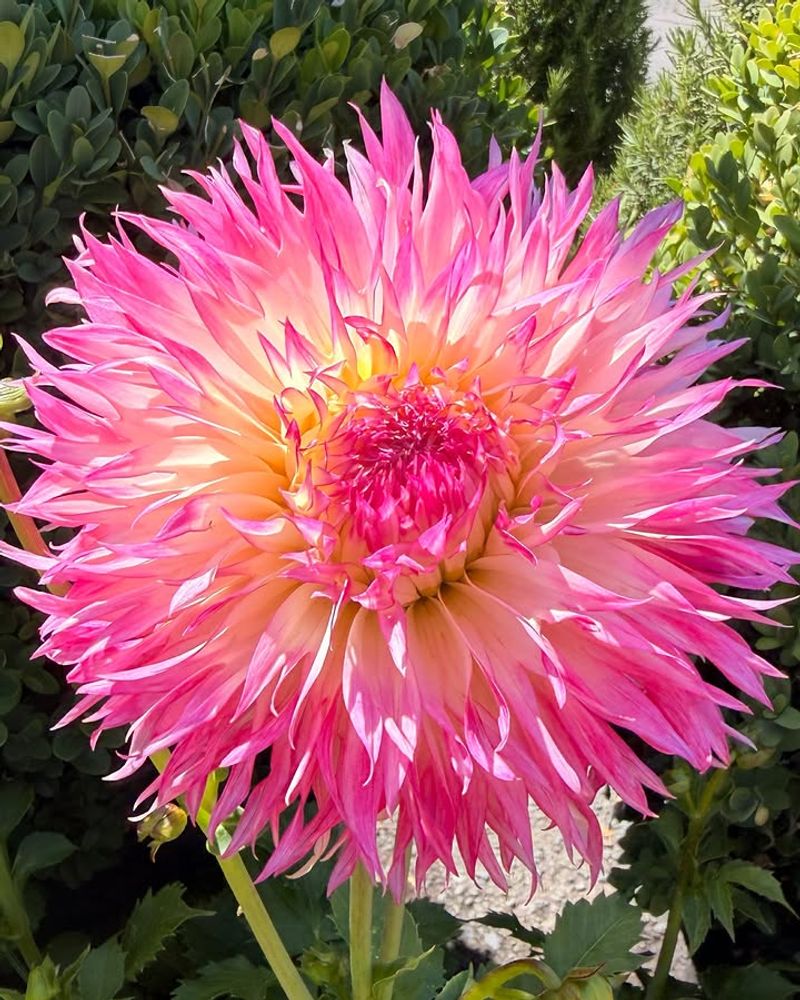
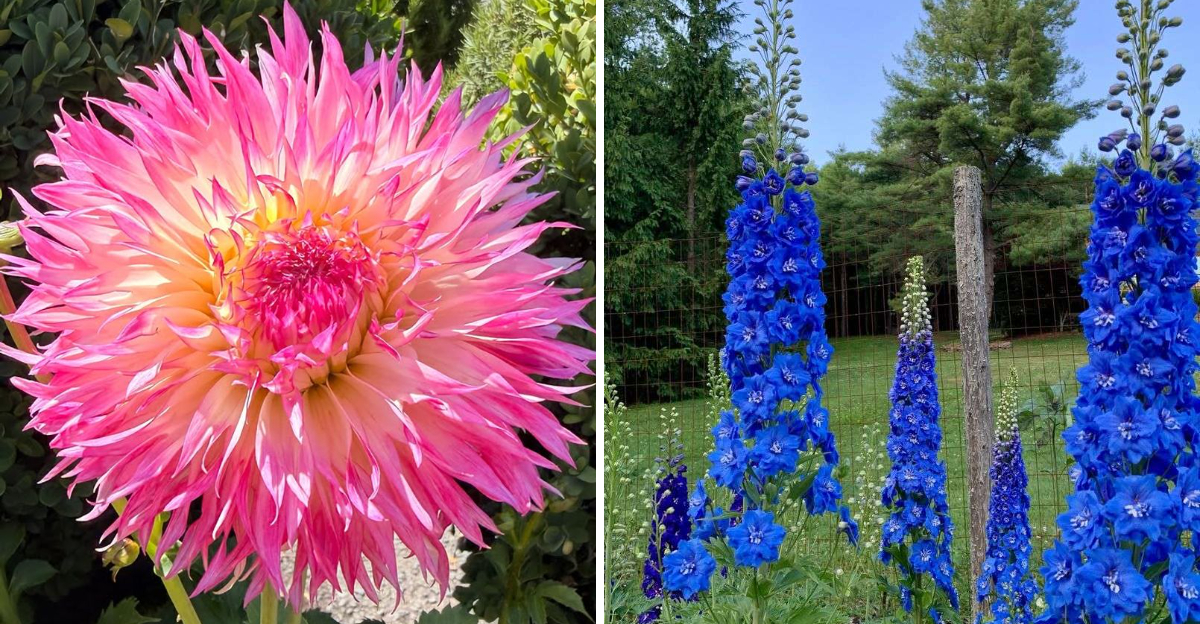
Dahlias are the showstoppers of the summer cutting garden. Their blooms can range from the size of a dinner plate to a delicate pompom, and the color options are almost endless.
Deep reds, soft peaches, bright purples, creamy whites, and everything in between are all on the menu. Once you grow dahlias, it is genuinely hard to go back to a garden without them.
In Pennsylvania, dahlias are grown from tubers planted after the last frost, typically in late April or May. They need full sun and rich, well-drained soil.
As the season progresses and temperatures warm up, dahlia plants grow quickly and begin blooming in midsummer. Regular feeding with a low-nitrogen fertilizer encourages more blooms and stronger stems throughout the season.
Cutting dahlias at exactly the right stage makes a big difference in vase life. Choose blooms that are about three-quarters open and feel firm to the touch.
Avoid fully open flowers, as they tend to fall apart more quickly. Cut in the early morning or evening, never during the hottest part of the day.
Immediately place cut stems into warm water and allow them to condition in a cool spot for several hours before arranging.
With proper care, dahlias can last 6 to 8 days in a vase. Change the water frequently and keep arrangements away from heat sources.
Their large, layered blooms create dramatic focal points in any arrangement. A single dahlia stem in a simple glass bottle can transform an ordinary room into something truly special, making them worth every bit of effort in the garden.
7. Sunflower
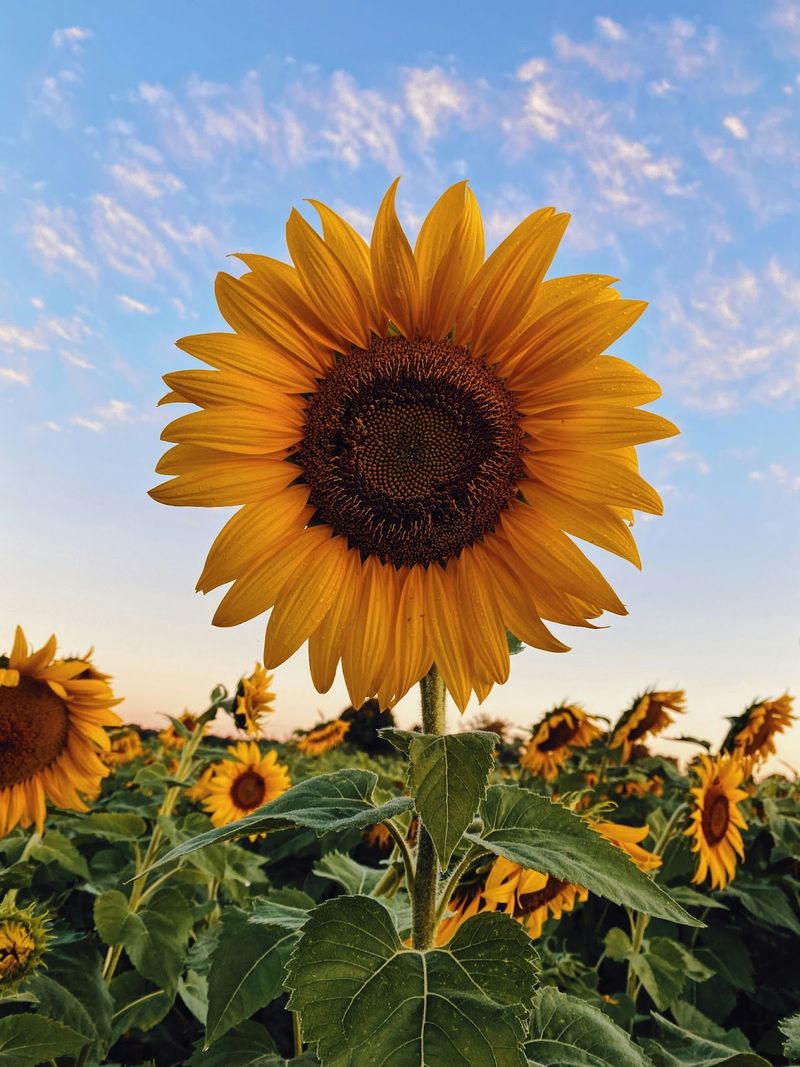
There is something almost magical about a sunflower. Standing tall with that giant golden face turned toward the sun, it radiates warmth and cheerfulness like no other flower can.
Sunflowers have been grown for thousands of years, originally cultivated by Native Americans for food, oil, and ceremony. Bringing that history and brightness into your home through a vase of freshly cut sunflowers feels like capturing pure summer energy.
Sunflowers are remarkably easy to grow in Pennsylvania. They love full sun and average, well-drained soil.
Direct sow seeds outdoors after the last frost and they germinate quickly, usually within 7 to 10 days.
For a continuous supply of cutting stems, sow new seeds every two to three weeks throughout May and June. This simple succession planting strategy keeps fresh blooms coming all summer long.
When cutting sunflowers for arrangements, choose blooms where the petals are just beginning to unfurl and the center is still tight. Cut stems early in the morning and immediately place them in a bucket of cool water.
Sunflower stems can be quite long, which is perfect for tall vases and dramatic arrangements that create bold focal points in living rooms or entryways.
Sunflowers typically last 6 to 12 days in a vase depending on the variety. Single-stem varieties with one large bloom tend to last longer than branching types.
Change the water every two days and re-cut the stem ends to maximize vase life. Their cheerful, oversized blooms are an instant mood booster and pair wonderfully with zinnias, dahlias, or Black-Eyed Susans in mixed summer arrangements.
8. Larkspur / Delphinium
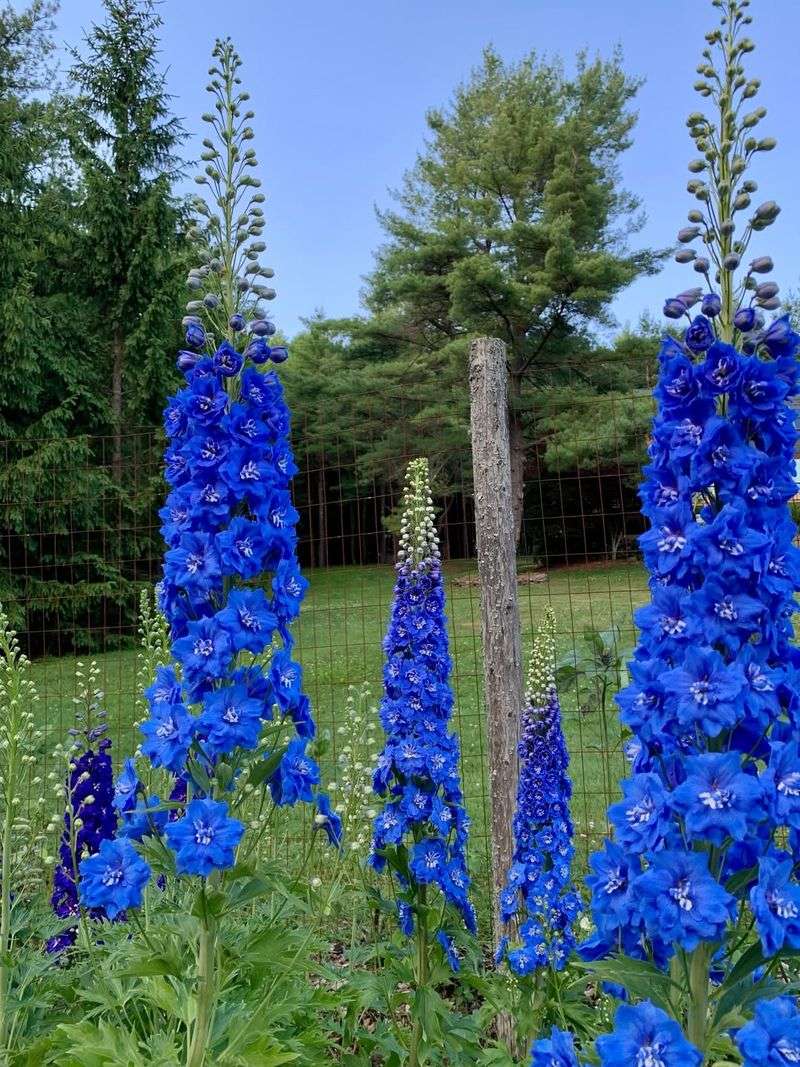
Tall, graceful, and undeniably elegant, delphiniums bring a completely different energy to a cutting garden than most summer flowers.
Their tall spikes packed with dozens of small blooms in shades of blue, purple, lavender, and white create a sense of height and drama that is hard to achieve with any other flower.
Blue flowers are genuinely rare in the garden world, which makes delphiniums especially prized by flower arrangers.
Delphiniums prefer cooler temperatures and do their best blooming in early summer in Pennsylvania before the peak heat of July and August arrives.
Plant them in a sunny spot with rich, well-drained soil and give them shelter from strong winds, as the tall stems can snap in stormy weather.
Staking the plants early in the season helps protect those impressive flower spikes as they grow taller.
For cutting, harvest delphinium spikes when about one-third to half of the individual florets on the spike are open. Cut stems in the early morning, place them immediately into deep, cool water, and let them hydrate for several hours before arranging.
This conditioning step is especially important for delphiniums and significantly extends their vase life.
In a vase, delphiniums can last 7 to 10 days with regular water changes and stem re-cutting. Their vertical form adds incredible height and elegance to arrangements, making them perfect as the tallest element in a mixed bouquet.
Pair them with dahlias or sunflowers for a striking high-low contrast that looks professionally arranged. Growing delphiniums in your Pennsylvania garden brings a touch of sophistication to every bouquet you create all summer long.