Yard Habits That Put Rhode Island Homeowners At Risk For Ticks
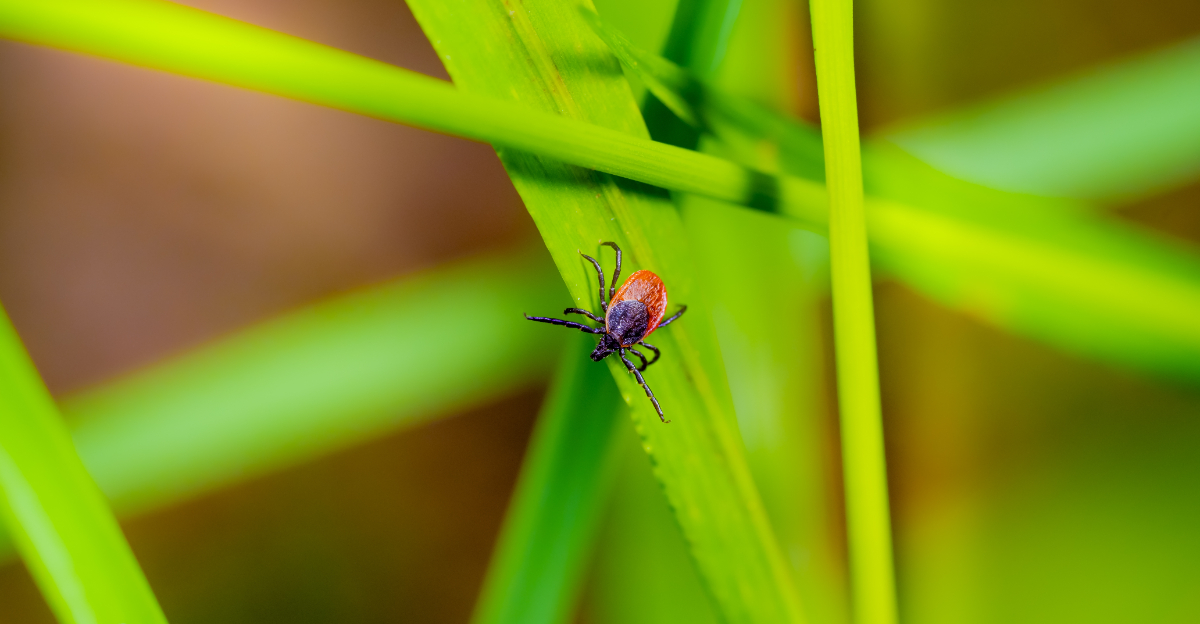
Rhode Island yards look peaceful in the summer. But that tall grass along your fence line? It could be hosting dozens of ticks right now.
The Ocean State is one of the hardest-hit states in the country for Lyme disease, and the problem often starts just outside your back door. Most homeowners never connect their yard routine to their tick exposure.
Blacklegged ticks do not need much. A little shade, some moisture, and a passing deer or field mouse is all it takes.
The habits covered here are common, easy to overlook, and surprisingly fixable. If your yard checks more than a few of these boxes, it is time to rethink how you are maintaining it.
1. Tall Grass Gives Ticks The Perfect Place To Hide
Step outside barefoot and brush through ankle-high grass. That one moment could expose you to a tick waiting patiently for a warm host to pass by.
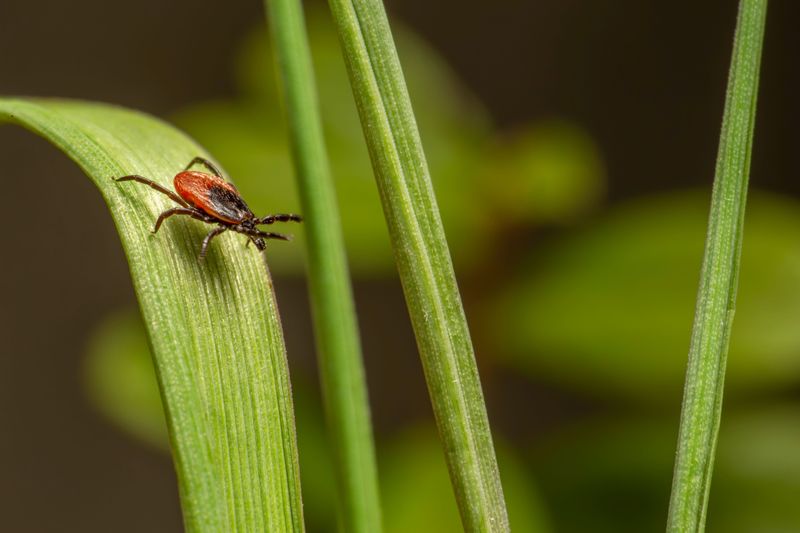
Ticks do not jump or fly. They cling to tall grass blades and simply grab onto skin or clothing as you walk through.
This behavior is called questing, and it is shockingly effective. A single unmowed lawn can harbor dozens of questing ticks at any given time.
Rhode Island’s blacklegged tick population peaks between May and July, but activity does not stop there. Nymphs are especially active in late spring, and they are small enough to go unnoticed on skin for hours.
Yard habits that put Rhode Island homeowners at risk for ticks often start with something as simple as skipping a mow. Keeping grass trimmed below three inches removes the vertical space ticks depend on.
Short grass also dries out faster in sunlight. Ticks dehydrate quickly, so a dry, trimmed lawn is a hostile environment for them.
Mow consistently throughout the warmer months, especially from May through October. That is peak tick season across New England, and your lawn schedule matters more than most people realize.
Do not let clippings pile up after mowing, either. Clipping piles retain moisture and create a cozy microhabitat ticks can settle into.
Bag your clippings or spread them thin so they dry fast. A well-maintained lawn is one of the simplest and most effective defenses against tick exposure in your yard.
2. Leaf Piles Create Moist Hiding Spots Ticks Love

Raking leaves feels like a weekend chore nobody wants. But leaving those piles sitting around is like rolling out a welcome mat for ticks.
Leaf litter holds moisture remarkably well. That damp, dark environment is exactly what ticks need to survive between hosts.
Leaf debris is one of the most common tick-harboring features in Northeast yards. The density and humidity of a leaf pile creates a nearly perfect microclimate for them.
Many homeowners rake leaves into corners of the yard and forget about them. Those forgotten piles can stay moist for weeks, even after dry weather.
Ticks do not need to find a host every day. They can wait patiently inside leaf piles for days or even weeks until something warm passes by.
Your Rhode Island Garden Changes Every Week. Your Plan Should Too.
Gardening in Rhode Island changes quickly throughout the season. Every Friday you’ll receive a simple weekly plan showing exactly what to plant, prune, fertilize, harvest, and protect so you never miss the right timing.
Bag leaves and remove them from your property promptly. Do not let them accumulate near garden beds, patios, or play areas where family members spend time.
If you compost leaves, keep the compost bin far from the house and away from areas children frequent. Keeping the compost bin as far from the house as possible is a smart starting point.
Clearing leaf piles is not just about tidiness. It actively disrupts the moist conditions ticks depend on to survive, making your yard a much less inviting place for them to settle.
3. Woodpiles Too Close To Your Home Attract Tick-Carrying Rodents
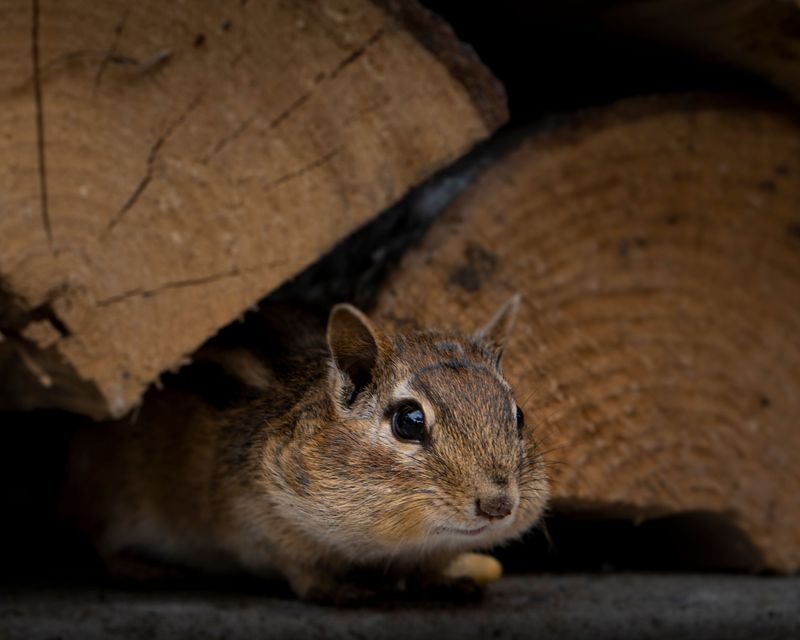
Firewood stacked right against your house looks convenient. But that cozy pile is practically an apartment complex for mice and chipmunks.
Rodents are the primary hosts for the black-legged tick, also known as the deer tick. Where rodents go, ticks follow closely behind.
Mice, in particular, are highly efficient at transmitting Lyme disease bacteria to ticks. Research suggests a single mouse may infect dozens of larval ticks over the course of one season.
When your woodpile sits close to the foundation, those rodents gain easy access to your home. They also bring their tick passengers right up to your doorstep.
Moving your woodpile at least 20 feet from the house creates meaningful distance. That small shift reduces the chance of tick-carrying rodents nesting near entry points.
Stack wood neatly and off the ground if possible. Elevating wood on pallets reduces moisture and makes the pile less attractive to nesting animals.
Cover the top of the pile with a tarp to shed rain. A dry woodpile is far less hospitable to the rodents that ticks rely on as hosts.
Yard habits that put Rhode Island homeowners at risk for ticks often involve this overlooked detail. Moving the woodpile is a low-effort change with a surprisingly high payoff for your family’s protection.
4. No Buffer Zone Between Your Lawn And Wooded Areas

That shady tree line at the back of your yard looks peaceful. But it is essentially a highway for ticks moving from the woods into your living space.
Ticks live in wooded, brushy areas and migrate toward sunlit lawns by hitching rides on deer and small animals. Without a barrier, they transition freely into your yard.
Creating a buffer zone is one of the most recommended strategies by tick-control experts. A three-foot-wide strip of wood chips or gravel between lawn and woods acts as a physical deterrent.
Ticks avoid crossing dry, exposed surfaces whenever possible. That simple mulch border forces them to take a longer, drier route, which many do not survive.
Keep the buffer clear of leaves, branches, and debris that could add moisture. A tidy, dry strip is far more effective than one covered in organic material.
Do not let children play or linger near the wood line. Even with a buffer in place, the zone closest to the trees carries the highest tick risk.
Deer fencing can also help reduce the number of tick-carrying animals entering your property. Fewer deer means fewer ticks arriving at the edge of your lawn.
Yard habits that put Rhode Island homeowners at risk for ticks frequently involve ignoring this boundary. Installing a simple buffer zone is one of the smartest structural changes you can make to your property.
5. Bird Feeders Bring Wildlife And The Ticks They Carry
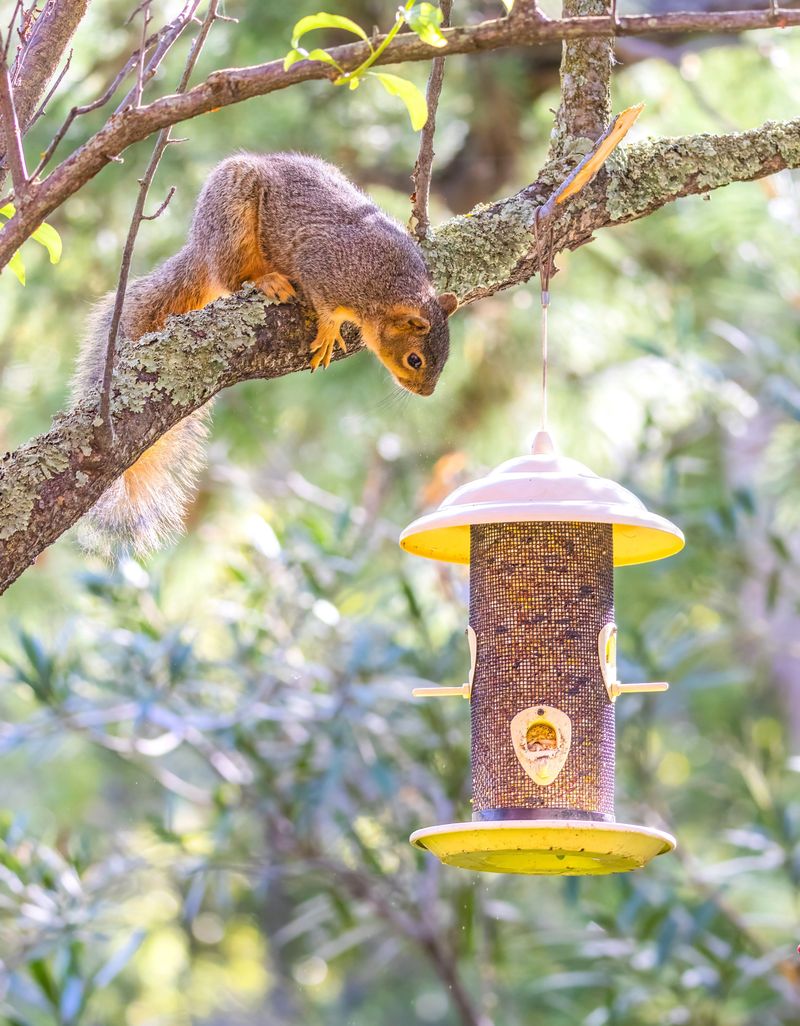
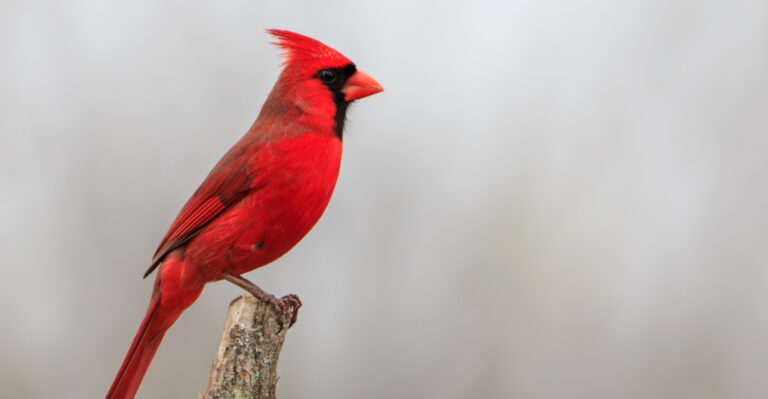
Bird feeders feel wholesome and harmless. Watching cardinals and chickadees visit your yard is genuinely delightful, but the feeder is also pulling in less welcome guests.
Squirrels, chipmunks, and deer are all attracted to spilled birdseed on the ground. Every one of those animals is a potential tick carrier.
Chipmunks are especially problematic because they are one of the most efficient reservoirs for Lyme disease bacteria. Unlike deer, chipmunks are actually capable of transmitting Lyme disease bacteria directly to feeding ticks.
Placing a bird feeder near your patio or play area concentrates wildlife activity right where your family spends time. That combination creates real exposure risk.
Move feeders to the far edges of your property, away from high-traffic human areas. The further from your home, the less wildlife activity occurs near where you gather.
Use feeders with trays that catch fallen seed. Reducing ground spillage means fewer foraging animals, which means fewer ticks arriving in your yard.
Consider taking feeders down during peak tick season from late spring through early fall. Birds are abundant and well-fed naturally during warm months without your help.
Clean beneath feeders regularly to remove old seed, hulls, and debris. That scattered material on the ground is a magnet for rodents that carry ticks right into your daily outdoor spaces.
6. Overgrown Shrubs And Ground Cover Keep Ticks Comfortable

Those lush, overgrown shrubs along your foundation look full and green. But inside that dense canopy, ticks are thriving in cool, shaded comfort.
Ground cover plants like pachysandra, ivy, and vinca are extremely popular in New England gardens. They are also notorious for creating thick, moist environments where ticks shelter between hosts.
Ticks cannot tolerate heat and sunlight for long. Dense, low-growing vegetation gives them exactly the shade and humidity they need to stay active and survive.
Trimming shrubs so their lower branches clear the ground by several inches improves airflow. Better airflow means faster drying, which makes the area far less comfortable for ticks.
Consider replacing dense ground cover near walkways and play areas with mulch or gravel. Open surfaces dry quickly and expose ticks to the sunlight they work hard to avoid.
Prune hedges and ornamental shrubs at least twice a season. Overgrown plants create layered hiding zones that are difficult to treat effectively with any tick-control product.
Check your foundation plantings after rain. Wet, matted ground cover right against your home is a prime spot for ticks to gather before making their way inside on a pet or pant leg.
Keeping your plantings tidy is not just about curb appeal. It actively removes the shelter ticks depend on, reducing their ability to survive in your yard season after season.
7. Neglecting Your Yard’s Edges And Fence Lines

Fence lines are the forgotten zones of most backyards. Homeowners mow the open lawn but skip the edges, leaving a strip of overgrown weeds and brush untouched.
Those neglected edges are prime tick territory. Ticks migrate along fence lines because the vegetation provides continuous cover from sunlight and predators.
A narrow strip of weeds along a 50-foot fence can shelter a surprising number of ticks. Even a small number of ticks in that strip poses real risk to anyone passing through.
String trimming along fence lines every week or two removes that protective vegetation. Without tall weeds and grass, ticks lose the shaded corridor they travel through.
Pay extra attention to fence lines that border neighboring wooded lots or open fields. Those areas receive a constant influx of ticks from wildlife moving along the boundary.
Applying a border of wood chips or gravel along your fence base reduces vegetation growth. Less plant material means less moisture and fewer places for ticks to shelter.
Check fence posts and wooden boards for cracks and gaps where mice might nest. Rodents nesting inside fence structures can deposit ticks directly into areas where children and pets play.
Yard habits that put Rhode Island homeowners at risk for ticks often involve these overlooked strips. Giving your fence lines the same attention as your main lawn closes a gap that many homeowners never even think to address.
8. Old Furniture And Debris Around Your Yard Create Tick Hotspots
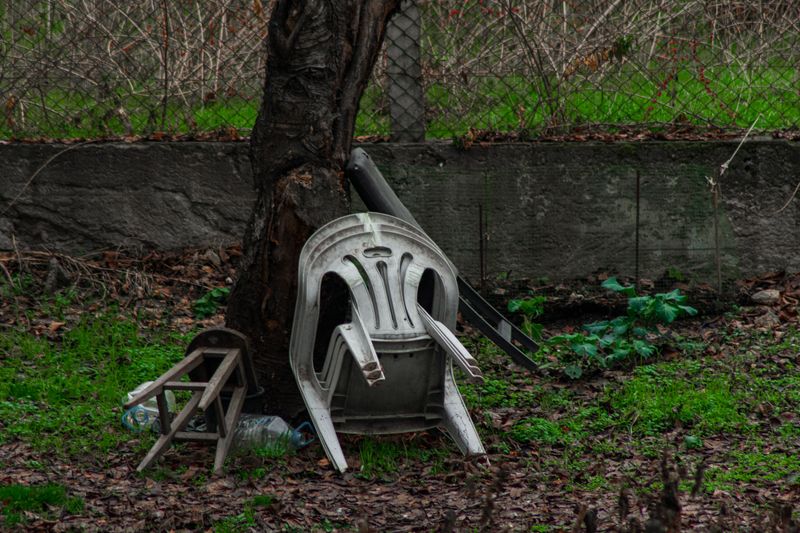
That broken lawn chair sitting in the corner of the yard has been there since last summer. It might seem harmless, but it is offering shelter to exactly the animals that carry ticks.
Mice and chipmunks look for protected, enclosed spaces to nest. Old furniture, unused planters, and scattered debris are ideal nesting spots that go unnoticed for months.
Once a rodent nests in that debris, the area can quickly become a tick hotspot. Larval ticks feed on rodents and then drop off, ready to seek their next host nearby.
Removing clutter from your yard eliminates nesting opportunities before rodents even move in. A clean, open yard gives these animals fewer reasons to settle close to your home.
Old tires are particularly problematic because they collect rainwater and create protected cavities. Ticks and the rodents that carry them both benefit from the shelter a discarded tire provides.
Broken planters, lumber scraps, and stacked garden equipment all create similar problems. Any object that offers shade, shelter, and moisture is a potential rodent magnet.
Walk your yard once a month and remove anything that has no current purpose. A quick monthly walk-through takes little time and can dramatically reduce rodent activity on your property.
Protecting your family from yard habits that put Rhode Island homeowners at risk for ticks starts with clearing the clutter. A tidy yard is not just more attractive, it is genuinely safer for everyone who spends time in it.