The Drought Plant That Handles Texas Heat And Looks Better The Less You Water It
Most Texas gardeners spend summer trying to keep plants alive through the heat and dry spells, hauling hoses and watching soil moisture levels with the kind of attention that starts to feel like a second job by August.
There is a plant that flips that dynamic entirely, one that responds to less water not by struggling but by doubling down on color and growth in a way that seems almost counterintuitive the first time you experience it.
The less attention it gets, the better it performs. It thrives in sandy, poor soil that would disappoint most flowering plants, pushes out blooms in colors that hold up through the most intense Texas sun, and gets more vibrant through the dry stretches that shut down everything around it.
Texas heat is not a challenge for this plant. It is the condition that brings out its best, making it one of the most genuinely low maintenance and visually rewarding choices a Texas gardener can put in the ground this summer.
Meet Moss Rose (Portulaca)
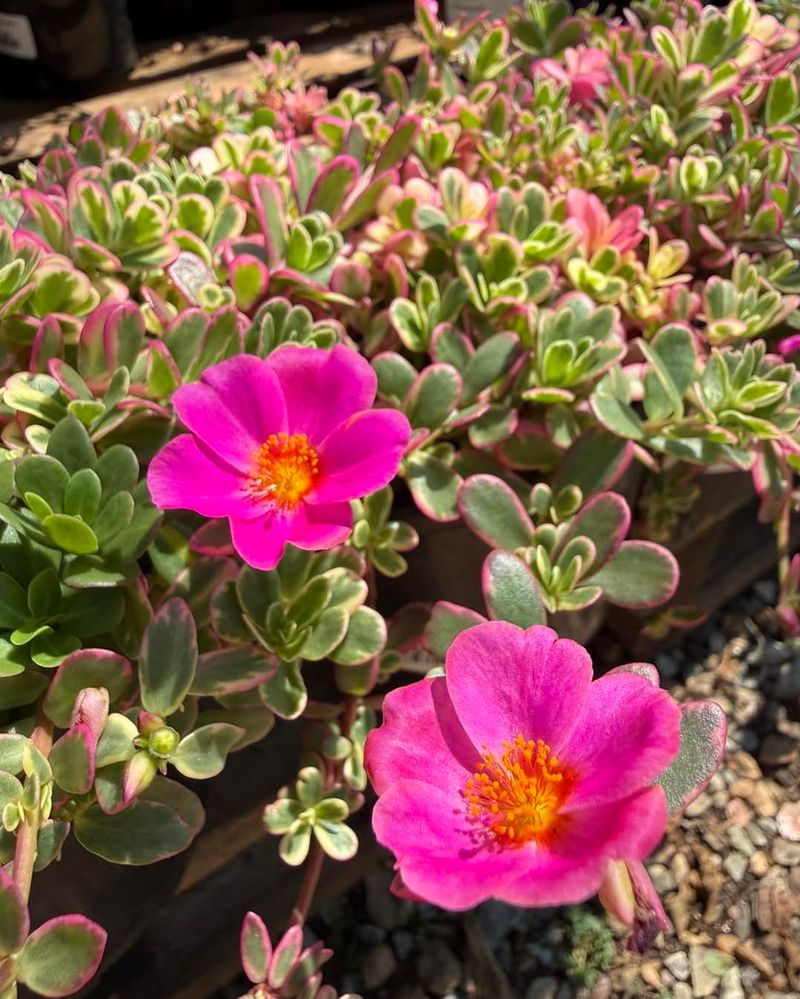
Picture a plant so tough it practically begs you to ignore it. That is Moss Rose, or Portulaca grandiflora, a cheerful summer annual that has been winning over gardeners for generations.
Originally from the rocky, dry regions of South America, this little powerhouse was practically built for heat and drought from the very beginning.
Portulaca grows low to the ground, usually reaching only four to eight inches tall, but it spreads outward in a beautiful, carpet-like way. Its leaves are thick, fleshy, and almost needle-like, which is a classic sign of a succulent.
That thick foliage is not just for looks. It stores water inside, helping the plant survive long stretches without rain.
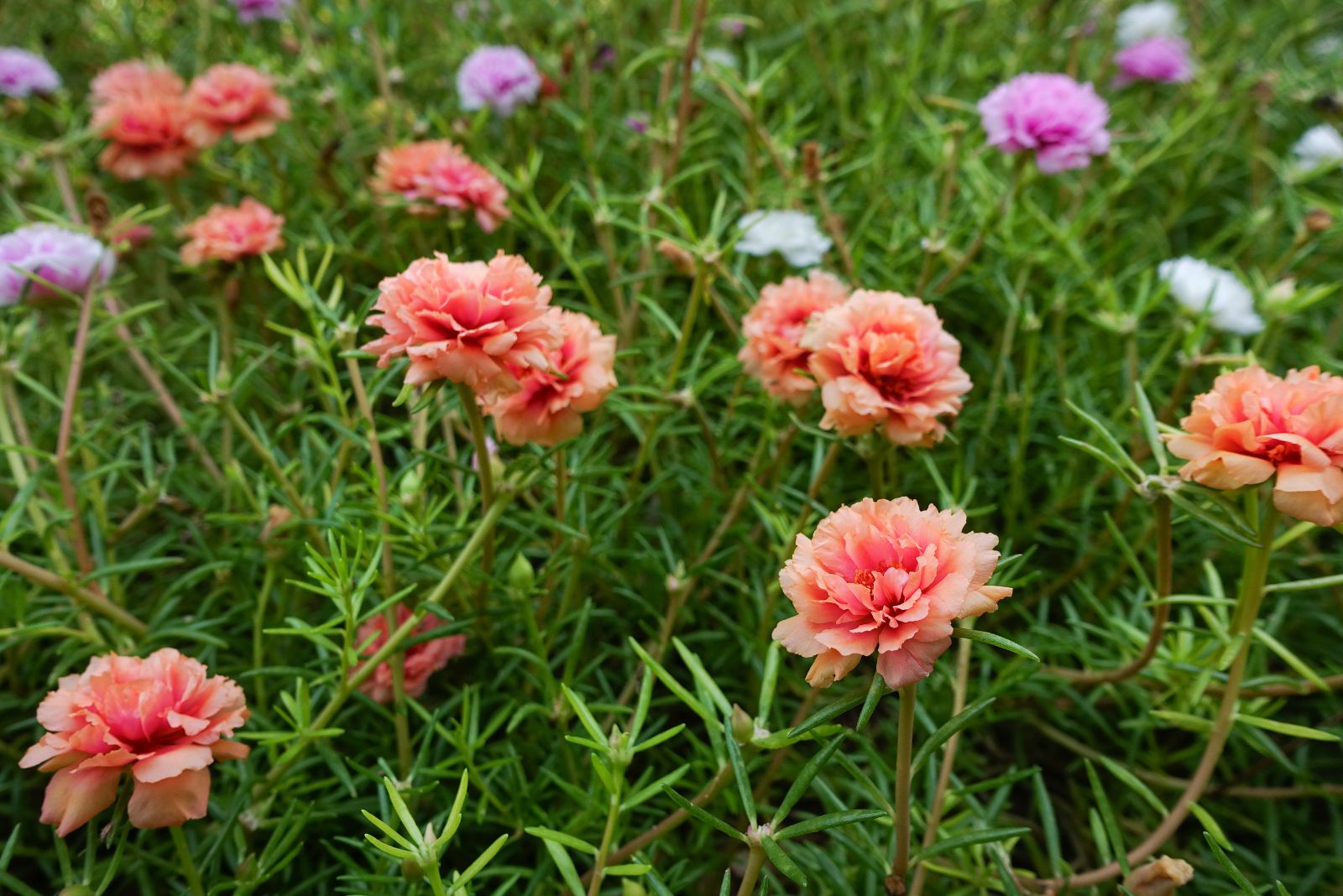
The flowers are where Portulaca really steals the show. They come in rich shades of red, hot pink, coral, orange, yellow, white, and even purple.
Some varieties have single-layer petals, while others have full, ruffled blooms that look almost like tiny roses. That rose-like appearance is exactly where the name Moss Rose comes from.
Portulaca is a true annual, meaning it completes its entire life cycle in one growing season. In Texas, that season can stretch from late spring all the way through early fall, giving you months of nonstop color.
It often self-seeds, meaning it can pop up again in the same spot next year without any effort from you.
Gardeners across the South have relied on Portulaca for decades, and it is easy to see why. Few plants offer this much beauty for this little effort, especially in a climate as demanding as Texas.
Thrives In Full Texas Sun
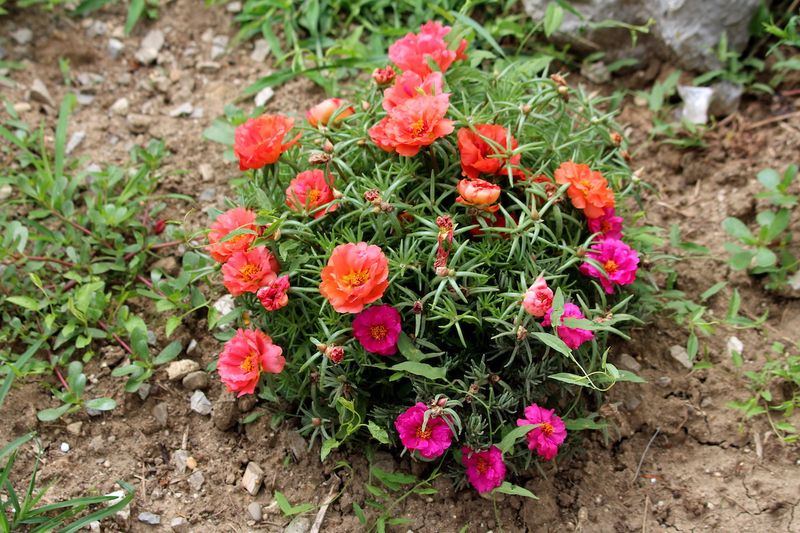
Most flowering plants start to struggle when the Texas sun hits its peak. Temperatures above 100 degrees Fahrenheit can fry tender leaves and cause blooms to drop almost overnight.
Portulaca, on the other hand, seems to take that heat as a personal invitation to perform even better. Full sun is not just tolerated by Moss Rose. It is absolutely required.
Portulaca needs at least six to eight hours of direct sunlight each day to really shine. In fact, the flowers of most Portulaca varieties only fully open when they are bathed in bright, direct light.
Your Texas Garden Changes Every Week. Your Plan Should Too.
Gardening in Texas changes quickly throughout the season. Every Friday you’ll receive a simple weekly plan showing exactly what to plant, prune, fertilize, harvest, and protect so you never miss the right timing.
On cloudy days, the blooms may stay partially closed, saving their best display for when the sun comes out strong.
Reflected heat is another factor many gardeners worry about. Patios, driveways, and concrete borders can radiate intense heat that would stress most plants.
Portulaca handles reflected sunlight with ease, making it one of the best choices for planting along hot pavement edges, near south-facing walls, or in gravel beds that absorb and hold heat throughout the day.
Rock gardens are a natural fit for Portulaca. The combination of full sun exposure, excellent drainage, and radiant heat from the rocks creates conditions that many plants find punishing but that Portulaca genuinely loves.
Planting it among decorative stones or boulders creates a striking, colorful display that looks both natural and intentional.
For Texas gardeners dealing with intense summer heat, Portulaca is one of the most reliable choices available. It does not just survive the heat.
It uses the heat to push out more blooms, brighter colors, and stronger growth all season long.
Less Water, More Beauty
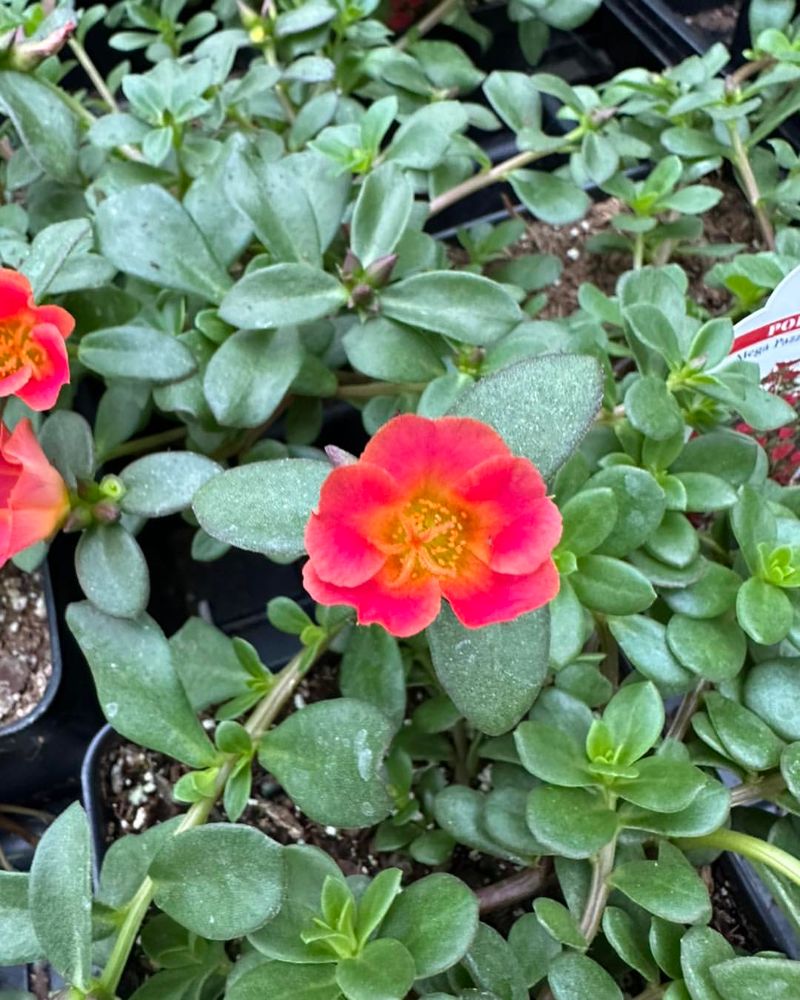
Here is something that surprises almost every new gardener: watering Portulaca too much actually makes it worse. Most people assume that more water equals healthier plants, but with Moss Rose, the opposite is often true.
Overwatering leads to fewer flowers, weaker stems, and even root problems in soggy soil. The reason comes down to how Portulaca is built. Those thick, succulent leaves are essentially water storage tanks.
When the plant has easy access to moisture all the time, it has no reason to push out lots of blooms. But when the soil dries out between waterings, the plant responds by flowering more intensely. It is a survival response that works beautifully in a garden setting.
Letting the soil go completely dry between waterings is actually the recommended approach for Portulaca.
Once established, it rarely needs supplemental watering unless you are going through an unusually long dry spell of two weeks or more. Even then, a single deep watering is usually enough to keep it going strong.
The color intensity of the blooms also tends to deepen when the plant experiences mild water stress.
Gardeners often notice that their Portulaca produces richer, more saturated flower colors during dry stretches compared to rainy periods. It is one of those rare situations where a little neglect genuinely improves the end result.
For busy homeowners or anyone who forgets to water regularly, Portulaca is a dream come true. You get a lush, colorful, flowering plant that actively rewards you for not fussing over it. In a Texas summer, that kind of low-demand beauty is truly hard to beat.
Continuous Summer Blooms
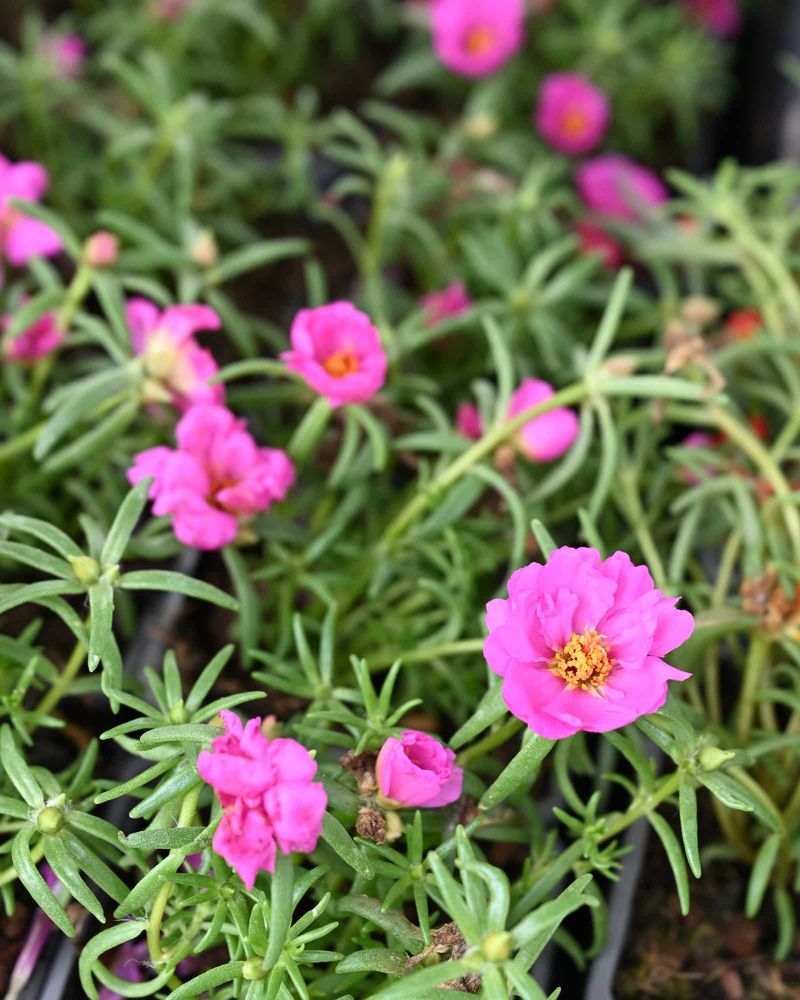
Walk past a healthy patch of Portulaca on a sunny July afternoon and you will instantly understand why so many Texas gardeners keep coming back to it every single year. The blooms are relentless.
From late spring through the first cool nights of fall, Moss Rose pumps out wave after wave of colorful flowers without any sign of slowing down.
The color range is genuinely impressive. You can find Portulaca in fiery red, bubblegum pink, sunset orange, butter yellow, creamy white, and soft lavender.
Many garden centers carry mixed packs that give you a full rainbow effect in a single planting area. Arranging different colors side by side creates a bold, eye-catching display that looks almost painted on the ground.
One thing that makes Portulaca especially easy to work with is that deadheading is completely optional. Deadheading means removing spent blooms to encourage new ones, which is a regular chore with many flowering plants.
Portulaca drops its old petals and replaces them with new buds on its own, so you never have to pinch anything off unless you want to.
That said, if you do have a few minutes to run your fingers through the plant and remove any dry, faded flowers, it can give the plant a small boost in bloom production.
Think of it as optional maintenance rather than a required task. Either way, the flowers keep coming.
Few summer annuals match Portulaca for sheer bloom longevity in a hot climate. While other flowers fade and look tired by midsummer, Moss Rose just keeps going, offering fresh color and cheerful energy right through the hottest weeks of the Texas growing season.
Low-Maintenance Gardening
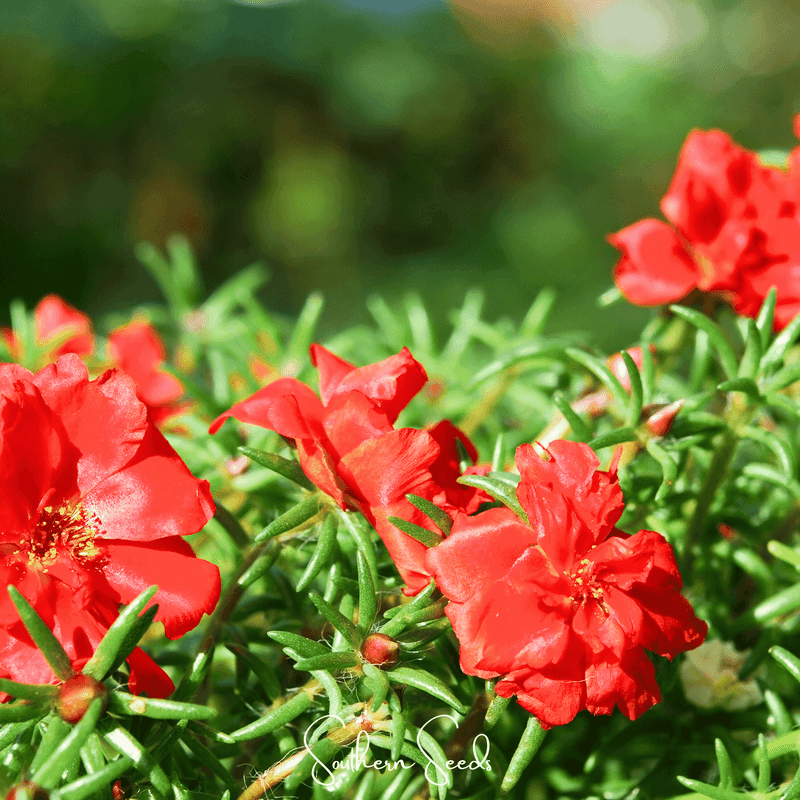
Gardening in Texas can feel like a full-time job during the summer months. Between the heat, the pests, and the unpredictable rainfall, many plants demand constant attention just to stay alive.
Portulaca breaks that pattern completely. It is one of the most forgiving and low-effort plants you can add to a Texas garden.
Rich, heavily amended soil is not what Portulaca wants. It actually performs better in poor, sandy, or gravelly soil that drains quickly.
Planting it in thick, clay-heavy ground or overly fertile garden beds can cause it to grow leggy and produce fewer blooms. The rule with Moss Rose is simple: lean soil and sharp drainage are the foundation of success.
Fertilizing is another area where less is more. A light application of a balanced, slow-release fertilizer at planting time is usually all Portulaca needs for the entire season.
Feeding it too much nitrogen encourages lots of leafy growth at the expense of flowers, so it is best to hold back and let the plant do its thing naturally.
Pests are rarely a serious problem with Portulaca in Texas. Aphids occasionally show up, but a quick spray of water or a mild insecticidal soap handles them without any fuss.
The plant is also generally resistant to the fungal diseases that trouble many other summer annuals in humid conditions.
For gardeners who want maximum color with minimum work, Portulaca is a genuine gift. Plant it once in a sunny, well-drained spot, water it lightly while it gets established, and then mostly leave it alone.
The rewards are big, the effort is small, and the results speak for themselves all summer long.
Perfect For Containers And Gravel Gardens
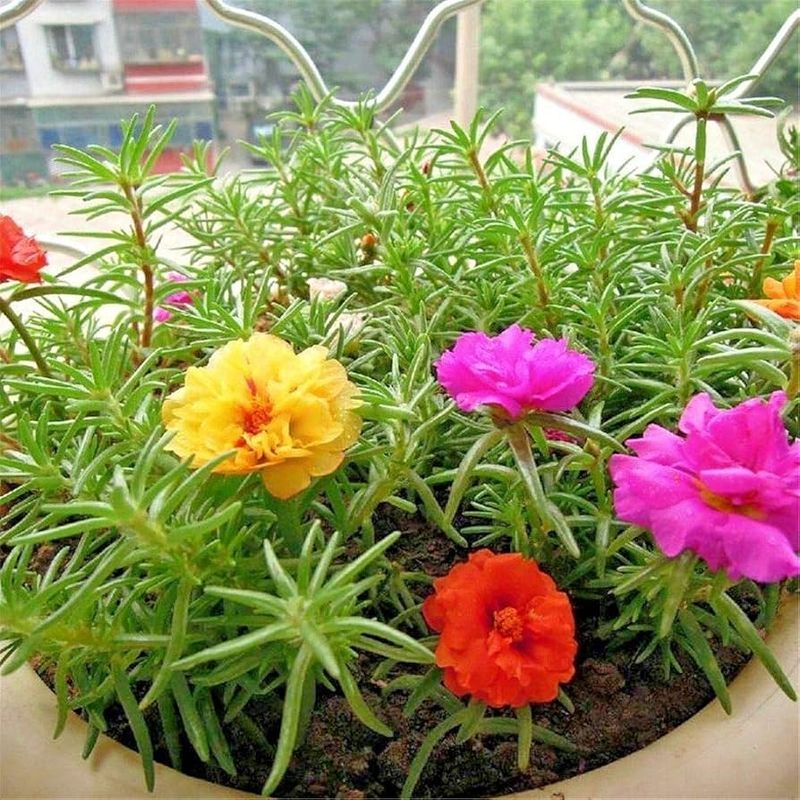
One of the most fun things about Portulaca is how flexible it is when it comes to where you can plant it. It is not just a ground-cover plant for garden beds.
It absolutely thrives in containers, hanging baskets, window boxes, and gravel gardens, making it one of the most versatile summer plants available to Texas gardeners.
Container planting is where Portulaca really gets to show off its trailing habit. When planted in a pot or hanging basket, the stems spill over the edges and cascade downward in a lush, colorful curtain of blooms.
This trailing growth makes it a beautiful choice for elevated planters on porches, balconies, or patios where you want color at eye level.
The key to success in containers is drainage. Make sure your pot has holes at the bottom and use a fast-draining potting mix.
Adding a layer of perlite or coarse sand to the mix helps prevent the roots from sitting in moisture, which is the one condition Portulaca truly dislikes.
Gravel gardens and xeriscaped landscapes are another natural home for Moss Rose. The combination of reflected heat, minimal soil moisture, and excellent drainage in a gravel bed creates near-perfect growing conditions.
Portulaca planted among smooth river stones or crushed granite creates a stunning, low-water display that looks intentional and polished.
Pairing Portulaca with other heat-tolerant plants like lantana, purslane, or ornamental grasses adds texture and variety to a low-water summer garden.
The bright blooms of Portulaca contrast beautifully with the silver-gray tones of drought-tolerant foliage plants, creating a dynamic, eye-catching landscape that thrives with very little help from you.