Why Texas Scorpions Are More Active In June And July Than Any Other Month
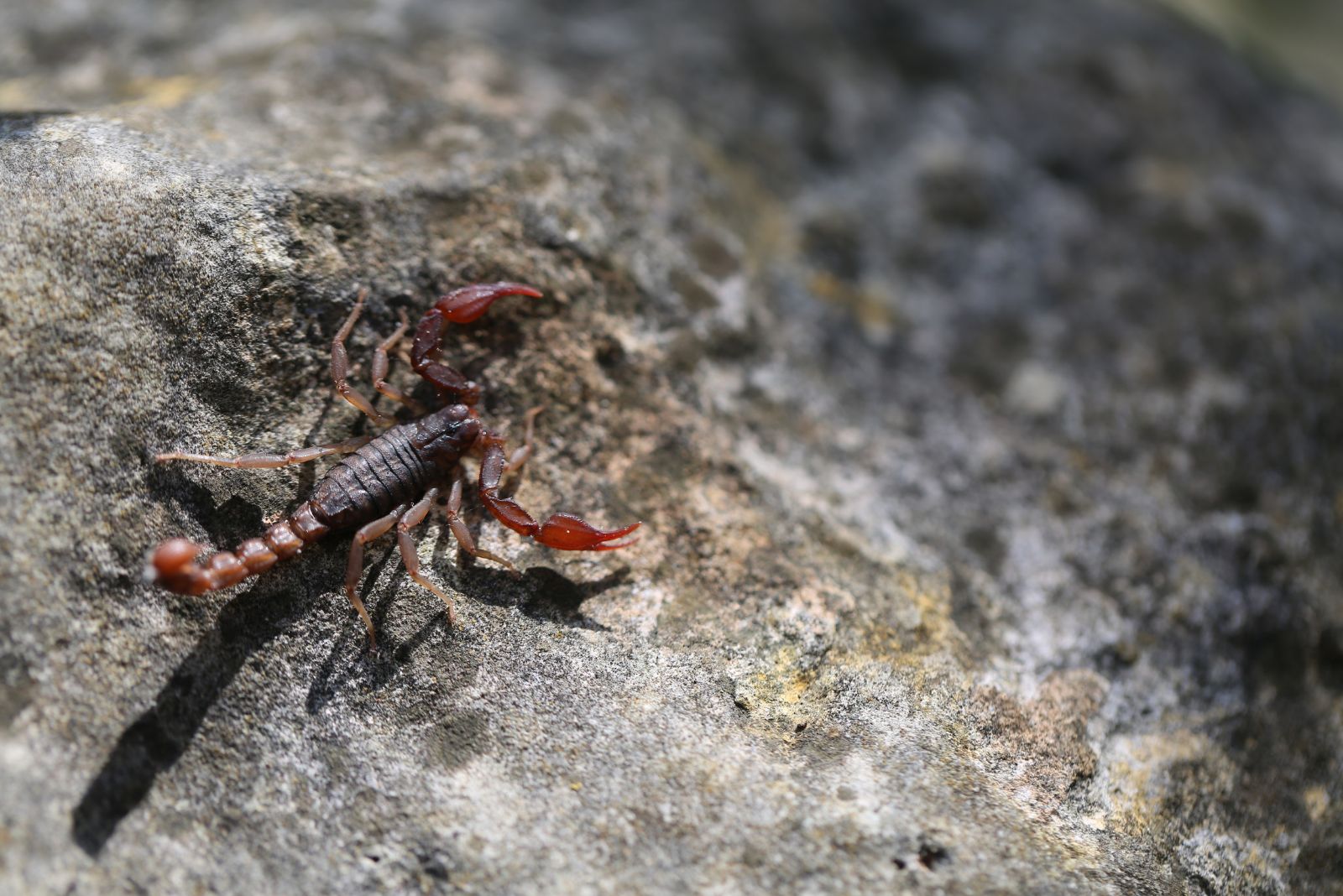
Scorpion encounters in Texas tend to spike in June and July in a way that catches a lot of homeowners off guard, especially those who dealt with minimal activity through spring and assumed the season would stay manageable. The timing is not random.
There are specific biological and environmental reasons why scorpions become significantly more active during these two months, and understanding those reasons gives a much clearer picture of what is happening in and around the yard during peak season.
Heat, breeding behavior, prey availability, and the pressure of increasing scorpion populations all converge in June and July in ways that drive these pests into closer contact with residential spaces than at any other point in the year.
Knowing why activity peaks right now and what conditions are contributing to it is the most practical foundation for managing scorpion presence during the months when the problem is at its most concentrated and most likely to result in an unwanted encounter indoors or out.
1. Peak Summer Temperatures
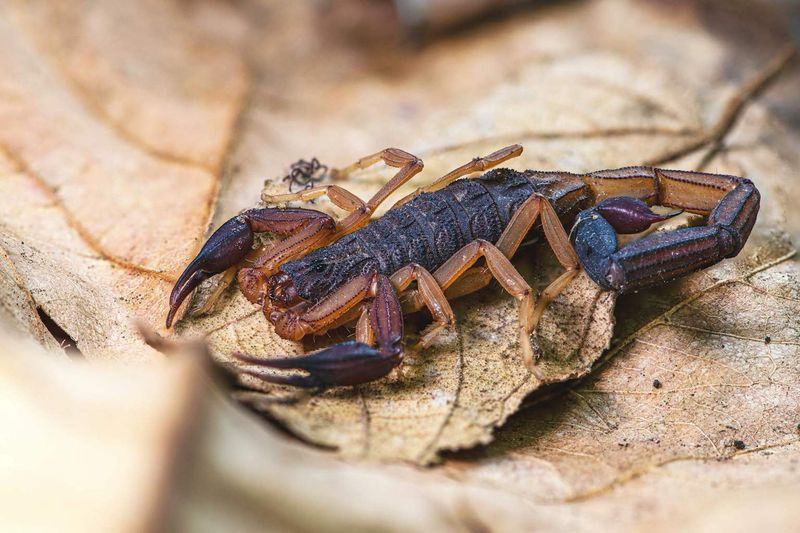
When the Texas sun cranks up in June and July, scorpions come alive. These creatures are cold-blooded, which means their body temperature matches the environment around them.
When it is warm outside, their bodies warm up too, and that extra heat gives them the energy they need to move, hunt, and survive.
During cooler months, scorpions slow down significantly. Their metabolism drops, they eat less, and they spend most of their time hiding under rocks or deep in the soil.
But once summer temperatures hit the 90s and even the low 100s in Texas, their internal systems shift into high gear. They become faster, more alert, and far more motivated to search for food.
The ideal temperature range for most Texas scorpions, especially the striped bark scorpion, falls between 77 and 99 degrees Fahrenheit. June and July consistently deliver those conditions across nearly the entire state.
This is not a coincidence. Scorpions have evolved over millions of years to take advantage of exactly these kinds of conditions.
Homeowners often notice more scorpions inside their houses during these months because scorpions follow the heat. Warm concrete, sun-baked walls, and heated pavement all act like magnets.
If your home has cracks, gaps around doors, or spaces under baseboards, scorpions may wander inside looking for warmth or shelter from extreme midday heat.
Sealing entry points before summer arrives is one of the smartest things you can do. Check your weatherstripping, inspect your foundation, and look for gaps around utility pipes. Staying ahead of the heat means staying ahead of the scorpions.
2. Increased Prey Availability
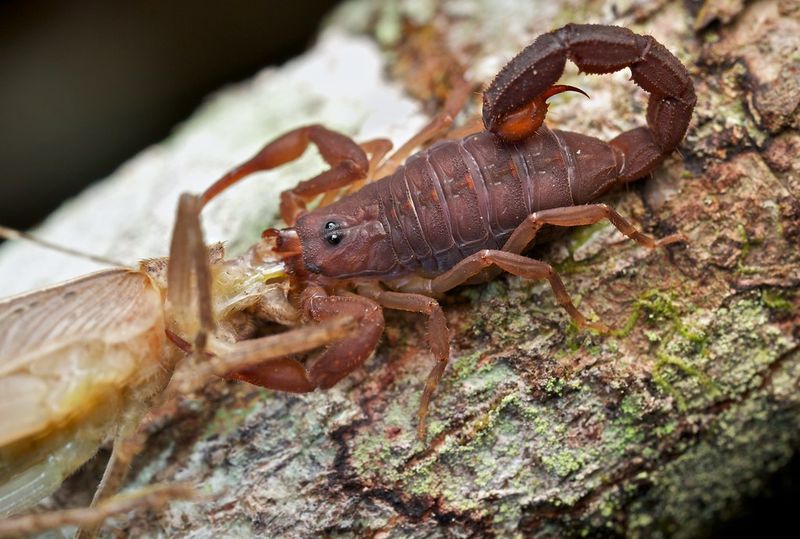
Scorpions do not just wander around for fun. They move with purpose, and that purpose is almost always food.
In June and July, Texas becomes a buffet for scorpions because insects and small arthropods are at their highest numbers during these months. Crickets, beetles, roaches, and spiders are everywhere, and scorpions are right behind them.
Think of it like a chain reaction. Warm temperatures and summer rain help plants grow. Thriving plants attract more insects. More insects attract more scorpions.
Your Texas Garden Changes Every Week. Your Plan Should Too.
Gardening in Texas changes quickly throughout the season. Every Friday you’ll receive a simple weekly plan showing exactly what to plant, prune, fertilize, harvest, and protect so you never miss the right timing.
It is a natural cycle that peaks right in early summer, which is exactly why you start seeing scorpions show up in places you might not expect them. Scorpions are ambush predators. They do not chase prey across long distances.
Instead, they wait patiently and strike when something comes close enough. But when food is plentiful, they do move around more to find the best hunting spots.
That increased movement is what puts them in your yard, on your porch, and sometimes inside your home.
Garages and storage areas are especially popular because insects tend to gather there, and scorpions follow. Outdoor lights attract moths and other bugs at night, which in turn attracts scorpions looking for a quick meal.
Turning off unnecessary outdoor lighting or switching to yellow-tinted bulbs can reduce insect activity and make your yard less appealing to scorpions.
Keeping your yard clean and free of debris also helps. Piles of wood, leaves, and clutter give insects a place to hide, and wherever insects hide, scorpions will not be far behind.
Reducing the food supply is one of the most effective ways to reduce scorpion traffic around your home.
3. Mating Season
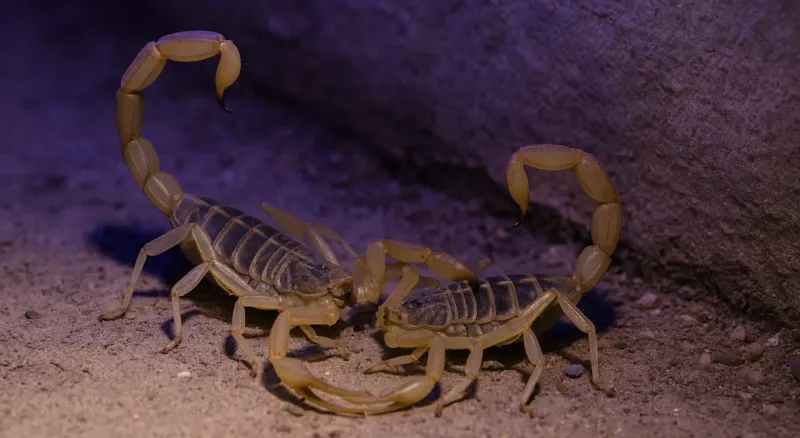
One of the biggest reasons scorpions are so active in June and July is that it is their mating season.
Adult scorpions are driven by instinct to find a mate during early summer, and that drive pushes them to travel much farther than they normally would. You might spot them in unusual places simply because they are on the move.
Male scorpions are especially restless during this time. They roam wide areas searching for females, crossing open ground, climbing walls, and slipping through tiny gaps.
This increased roaming behavior is a major reason why people encounter scorpions indoors during the summer months. A male on a mission does not pay much attention to whether he is crossing into human territory.
Females have their own agenda. Once mated, they begin searching for safe, sheltered spots where they can eventually give birth.
Female scorpions are unique among arachnids because they give birth to live young instead of laying eggs. After birth, the babies ride on the mother’s back until their first molt, making a secure hiding spot essential for the female.
Gardens, mulched flower beds, and areas under stepping stones are prime real estate for a pregnant scorpion. If you are doing yard work in June or July, always wear gloves and shake out any materials before picking them up.
Disturbing a nesting female can lead to a defensive sting, which is painful and, for some people, may require medical attention.
Understanding that mating behavior drives much of the summer activity helps explain why even homes in well-maintained neighborhoods suddenly seem overrun with scorpions during these two months every year.
4. Longer Nights
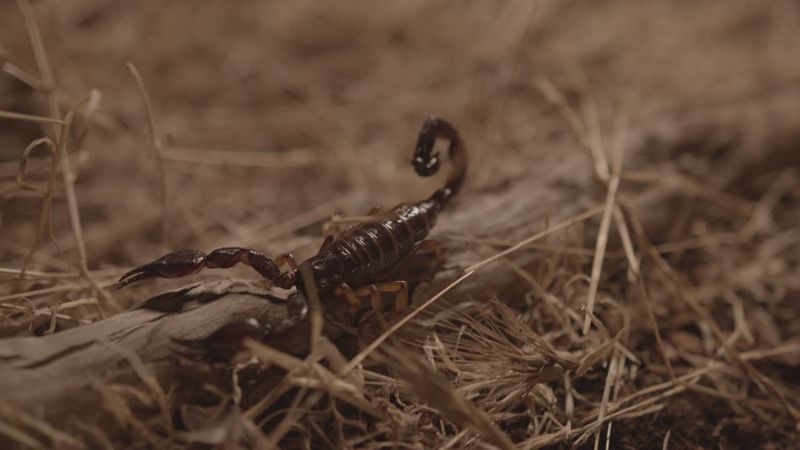
Scorpions are nocturnal creatures, meaning they are most active after the sun goes down. In June and July, the nights in Texas are longer than in spring or fall, which gives scorpions more hours of darkness to hunt, roam, and mate.
More time in the dark means more opportunities for scorpions to be spotted by unsuspecting homeowners.
During the shorter nights of winter, scorpions barely have time to become active before the temperature drops again and they retreat to shelter.
But a warm June night in Texas can stay above 80 degrees well past midnight, giving scorpions ideal conditions for hours at a stretch.
That extended window of activity is a big deal for a creature that depends on warmth to function.
Did you know scorpions glow under ultraviolet light? They fluoresce bright green or blue when a UV blacklight is shined on them.
Many Texans use UV flashlights to check their yards and patios at night during summer. It is one of the most effective and surprisingly entertaining ways to spot scorpions before stepping on them barefoot.
The longer nights also mean more opportunities for scorpions to wander inside homes. Gaps under doors, open windows without screens, and cracks in walls become entry points after sunset.
Installing door sweeps and making sure all screens are in good repair before summer starts can make a real difference in keeping them out.
Being aware that scorpions are most active between 10 p.m. and 4 a.m. during summer helps you take the right precautions. Shaking out shoes left outside, checking towels on the floor, and keeping bedroom doors closed are all smart habits during peak scorpion season.
5. Moisture And Humidity Patterns
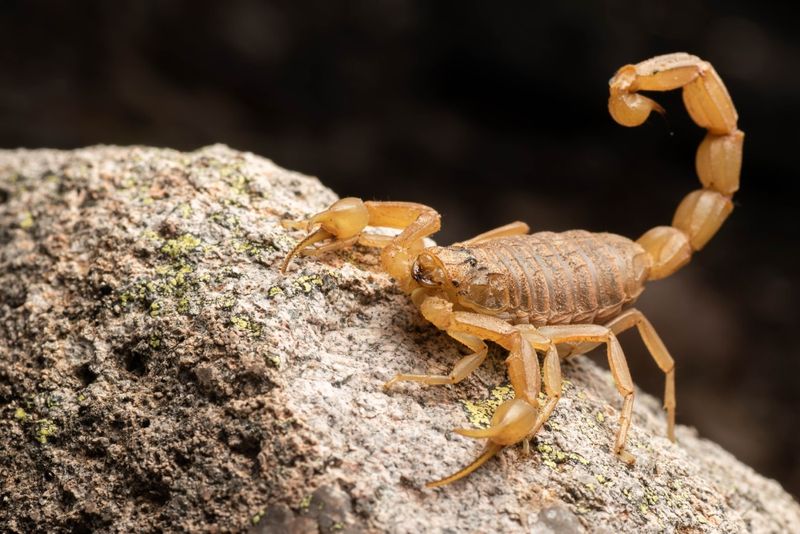
Texas summers are not just hot. They are also surprisingly humid, especially in June and July when afternoon thunderstorms roll through regularly.
That combination of heat and moisture creates exactly the kind of environment scorpions love. Rain pulls them out of their hiding spots and encourages them to explore new territory.
Scorpions, like most desert-adapted creatures, need to manage their water intake carefully. They can absorb moisture through their environment, and when the ground becomes damp after a rain shower, they take advantage of it.
Wet soil is also easier for them to navigate, and it brings insects and worms to the surface, creating a feeding opportunity scorpions do not pass up.
Higher humidity also helps scorpions stay hydrated without having to find a direct water source. During the dry months, they tend to stay hidden to avoid losing moisture through their exoskeleton.
But when summer humidity rises, they can move around freely without the risk of drying out. That freedom of movement leads to a noticeable spike in scorpion sightings.
Homes with moisture problems are especially vulnerable. Leaky pipes under sinks, damp crawl spaces, and overwatered garden beds near the foundation all attract scorpions.
Fixing leaks and improving drainage around your home can reduce the appeal of your property to these moisture-seeking creatures.
After a summer rainstorm, it is always a good idea to inspect the exterior of your home with a flashlight.
Scorpions that were sheltering under wet debris or in saturated soil may be on the move, and catching them before they find a way inside is always easier than dealing with them once they are already in your living space.
6. Shelter Disruption By Humans
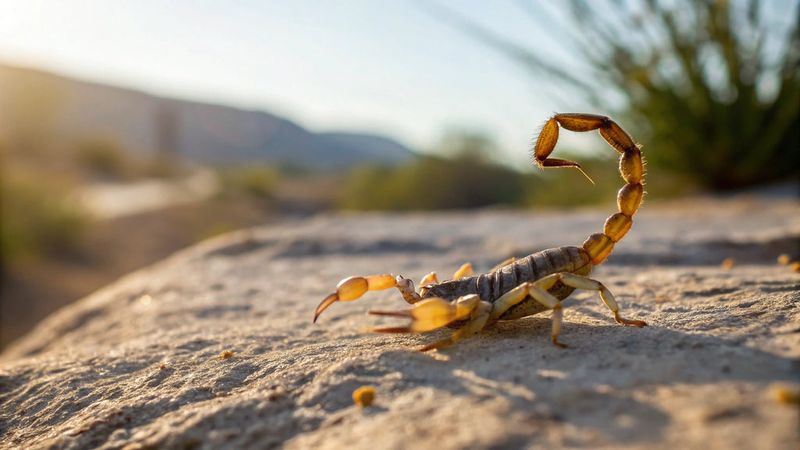
Summer is the season when most Texans get serious about their yards. Gardening, landscaping, and outdoor projects all ramp up in June and July, and all of that human activity has a direct impact on scorpion behavior.
When people start moving rocks, digging in mulch, and trimming shrubs, they disturb the hiding spots scorpions rely on for shelter and safety.
Scorpions are not aggressive by nature. They would much rather stay hidden and undisturbed.
But when their hiding places are suddenly removed or disrupted, they have no choice but to move. A scorpion that was perfectly content under a flat rock near your flower bed becomes a wandering scorpion the moment you lift that rock to rearrange your garden.
This forced displacement is one of the most common reasons people get stung. A scorpion that feels threatened or cornered will use its stinger in self-defense.
Wearing thick gloves and closed-toe shoes during any yard work in summer is not just a suggestion. It is genuinely important safety advice that can prevent a painful experience.
Mulch, wood piles, and dense ground cover are the top hiding spots for scorpions around residential properties.
If you store firewood near your home, moving it away from the foundation during summer can reduce the chances of scorpions using it as a base camp near your entry points.
Being aware of what you are moving before you move it makes a big difference. Take a moment to look before lifting anything that has been sitting on the ground for a while.
A quick inspection with a flashlight or a gentle nudge with a long-handled tool can help you spot a scorpion before it spots you.