The Most Beautiful Pennsylvania Garden Vine That Is Now Illegal In Most Counties
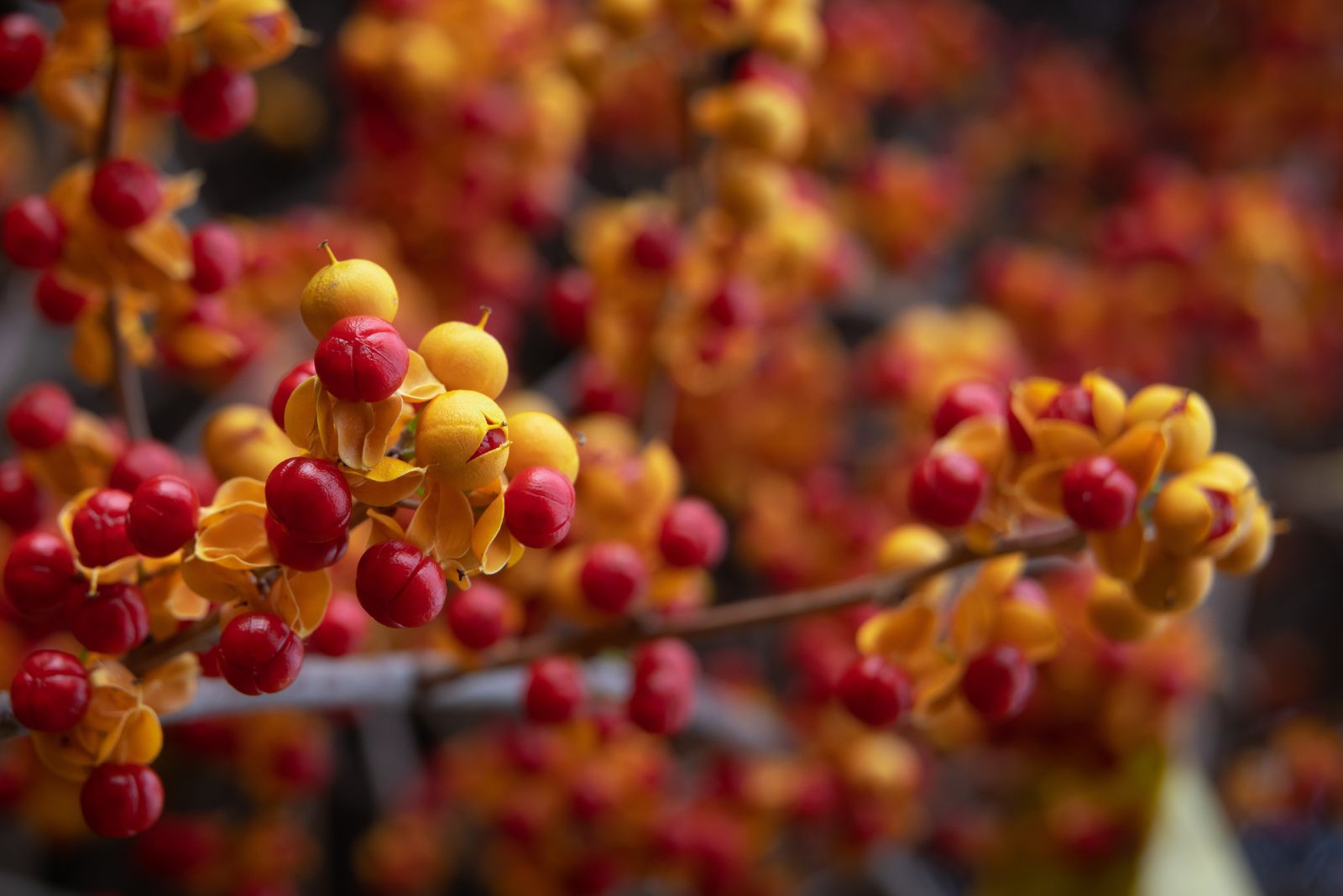
There is a vine that has been climbing fences, covering arbors, and showing up in autumn floral arrangements across Pennsylvania for generations, admired for the kind of visual drama that very few plants in the landscape can match.
The clusters of bright berries it produces in fall have made it a favorite for decorating and a reliable reason to let it grow, and for a long time most people who had it in their yard considered themselves lucky.
What was quietly happening beyond those yards is a different story entirely. This vine spreads aggressively into natural areas, climbs over and smothers native trees and shrubs, and establishes itself with a persistence that makes removal a serious and ongoing project once it takes hold.
Pennsylvania has recognized the damage it causes at a regulatory level, and most counties now prohibit it outright.
The gap between how beautiful this plant looks and what it actually does to the surrounding landscape is one of the more striking examples of why familiarity and harmlessness are not the same thing.
Meet Oriental Bittersweet
Few plants have fooled gardeners quite like Oriental Bittersweet. Back in the mid-1900s, nurseries across Pennsylvania sold this vine as a must-have ornamental plant.
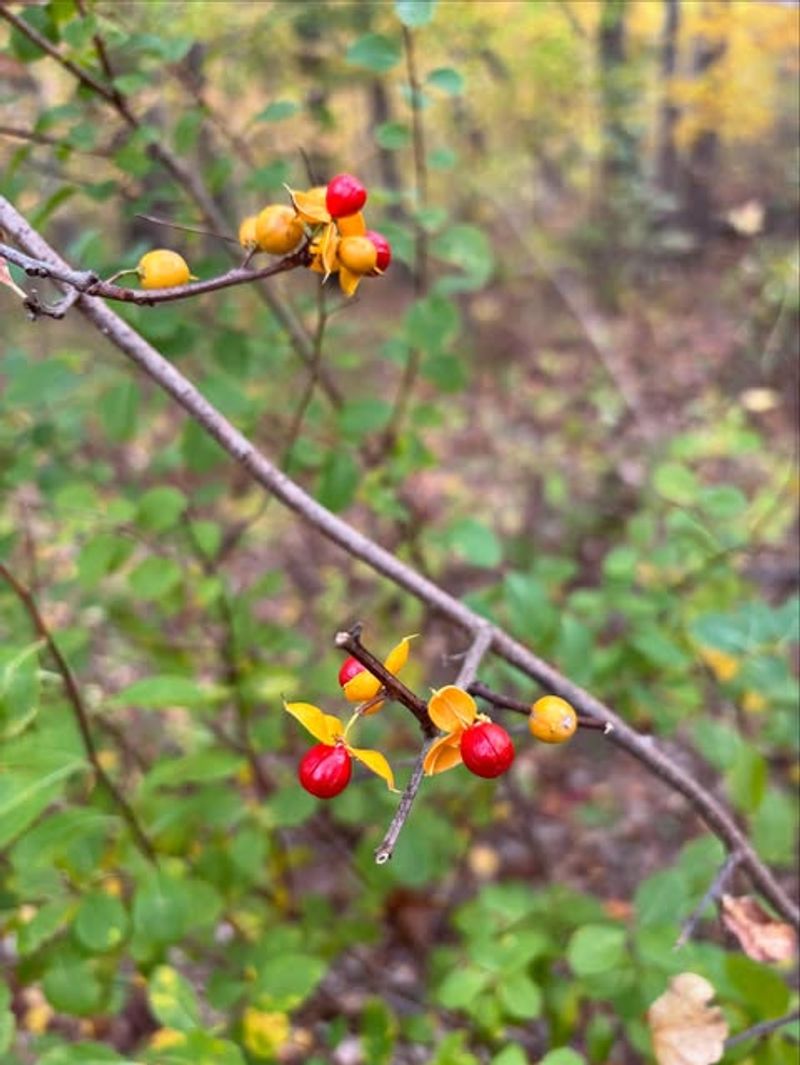
Gardeners loved it for its cheerful clusters of red and orange berries that popped with color every fall. It was easy to grow, climbed fences beautifully, and made stunning seasonal wreaths and flower arrangements.
Oriental Bittersweet, known by its scientific name Celastrus orbiculatus, is native to China, Japan, and Korea. It was introduced to the United States in the 1860s as a decorative plant.
For decades, nobody realized just how aggressive it would become outside of its native range. Pennsylvania gardens welcomed it warmly, and it spread fast.
The vine grows at a remarkable speed, sometimes adding several feet in a single season. It wraps around anything it can find, including fences, garden structures, and trees.
Its ability to grow in almost any soil type and tolerate shade, sun, drought, and poor conditions made it seem like a dream plant for busy gardeners.
Homeowners admired how little care it needed. The berries attracted birds, which helped spread seeds even further across neighborhoods and into nearby forests.
Before anyone understood the danger, Oriental Bittersweet had already taken root far beyond garden borders. What started as a pretty yard plant quietly became an ecological problem that Pennsylvania is still dealing with today.
Why It Is Now Illegal
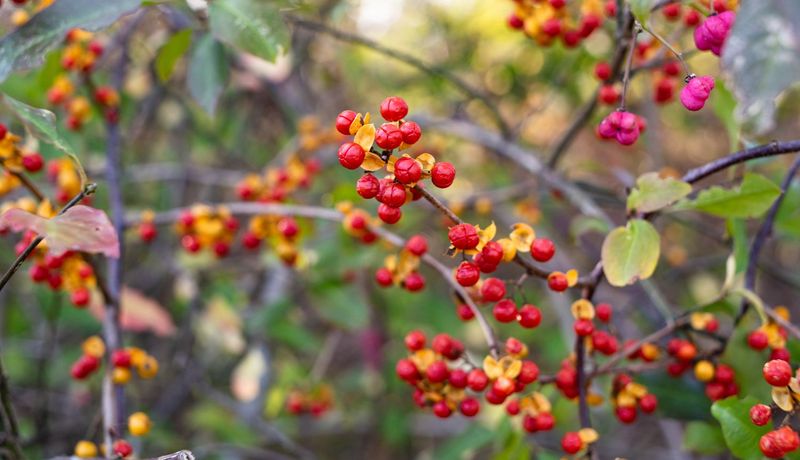
Pennsylvania did not ban Oriental Bittersweet just to be strict. The state took action because this vine causes real, measurable damage to forests, gardens, and native plant communities.
The Pennsylvania Department of Agriculture added it to the noxious weed list, making it illegal to sell, plant, or knowingly spread Oriental Bittersweet in most counties across the state.
The vine spreads in two major ways. First, it sends out underground runners that sprout new plants nearby.
Second, birds eat the berries and carry seeds miles away, dropping them in forests and open fields. Once it gets established somewhere, it is extremely difficult to remove. A single plant can produce hundreds of berries each season.
Your Pennsylvania Garden Changes Every Week. Your Plan Should Too.
Gardening in Pennsylvania changes quickly throughout the season. Every Friday you’ll receive a simple weekly plan showing exactly what to plant, prune, fertilize, harvest, and protect so you never miss the right timing.
Most Pennsylvania counties now treat Oriental Bittersweet as a regulated invasive species. Selling it at nurseries is prohibited.
Transporting it intentionally can result in fines. Even using the cut branches for holiday decorations is discouraged because dried berries can still spread viable seeds.
The legal restrictions exist to protect Pennsylvania’s native plant communities and forest ecosystems. State agencies and conservation groups have worked hard to educate homeowners about the dangers.
Many people still have the vine growing on their property without realizing it is now restricted. Knowing the law is the first step toward making a responsible choice for your yard and your community.
If you discover Oriental Bittersweet growing on your land, the right move is removal, not admiration.
Identifying The Vine
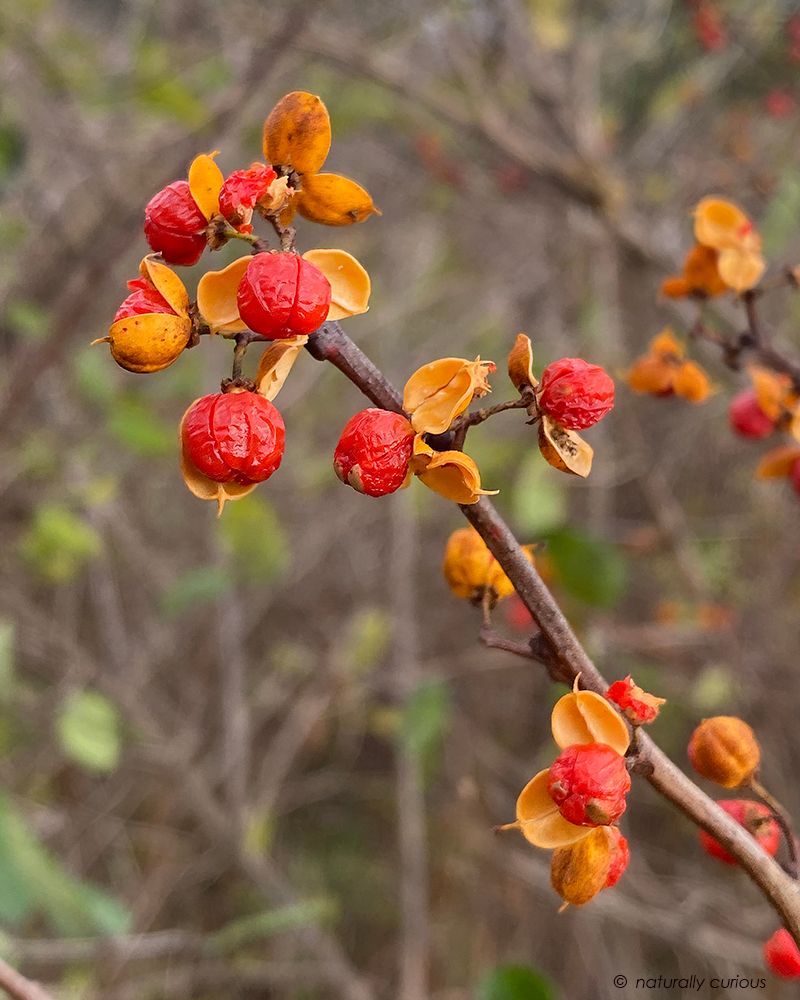
Knowing how to identify Oriental Bittersweet is a genuinely useful skill for any Pennsylvania gardener or hiker. Many people confuse it with American Bittersweet, which is a native species that is actually threatened and in need of protection.
Getting these two plants mixed up leads to real problems, so learning the differences matters.
Oriental Bittersweet produces small yellow-green flowers in late spring. They are not showy or dramatic, so most people overlook them entirely.
The real visual impact comes in fall when the berries ripen. Each berry is a small red orb tucked inside a split yellow-orange capsule. These colorful pods appear all along the length of the vine, not just at the tips.
American Bittersweet, by contrast, only produces berries at the ends of its branches. That single detail is one of the easiest ways to tell them apart at a glance.
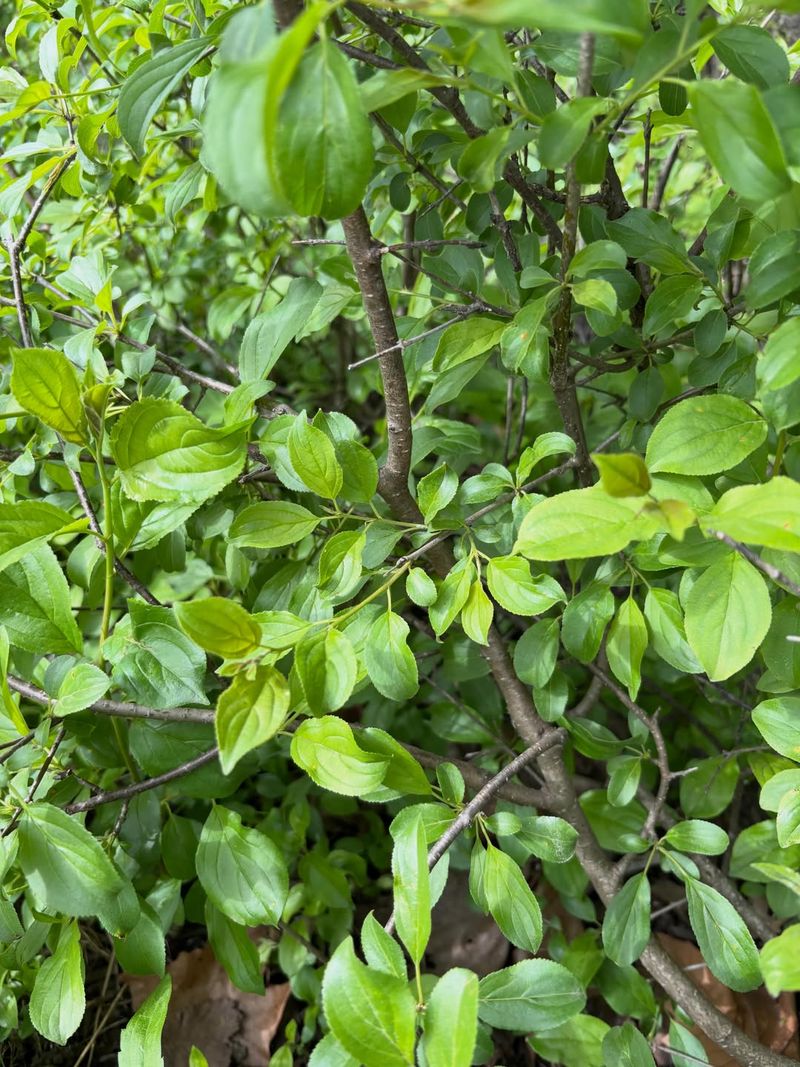
Oriental Bittersweet also tends to have rounder leaves with finely toothed edges, while American Bittersweet leaves are more elongated.
The vines themselves are woody and twining. They spiral tightly around tree trunks, fence posts, and shrubs as they climb.
Young stems are green and flexible, but older stems become gray and rope-like with age. You might spot it climbing utility poles, garden trellises, or the edges of woodlands.
Once you know what to look for, you will start noticing it everywhere, especially along roadsides and at the edges of Pennsylvania forests.
The Ecological Threat
Here is a fact that surprises most people: a single Oriental Bittersweet vine can eventually topple a full-grown tree. It sounds dramatic, but it is completely true.
The vine wraps so tightly around tree trunks and branches that it cuts off the flow of water and nutrients through the bark. This process is called girdling, and it slowly weakens trees over several years.
Beyond girdling, the sheer weight of a large bittersweet vine adds enormous stress to tree limbs. During ice storms and heavy snowfalls, vine-covered trees are far more likely to lose branches or fall entirely.
Entire sections of Pennsylvania woodland have been damaged this way, especially along forest edges where the vine thrives in the extra sunlight.
Oriental Bittersweet also outcompetes native vines, wildflowers, and shrubs by growing faster and spreading more aggressively. Native plants like Virginia creeper, wild grape, and trumpet vine lose ground when Oriental Bittersweet moves in.
As native plants disappear, the animals and insects that depend on them also struggle. Butterflies, native bees, and birds all rely on specific native plants for food and shelter.
Biodiversity drops noticeably in areas where Oriental Bittersweet has taken over. Forest floors become shaded out by thick vine growth above.
Wildflowers that once bloomed in spring cannot get enough light to survive. Ecologists consider it one of the top five most damaging invasive plants in the northeastern United States.
Pennsylvania forests are still recovering in areas where this vine went unchecked for decades.
Safe Removal Tips
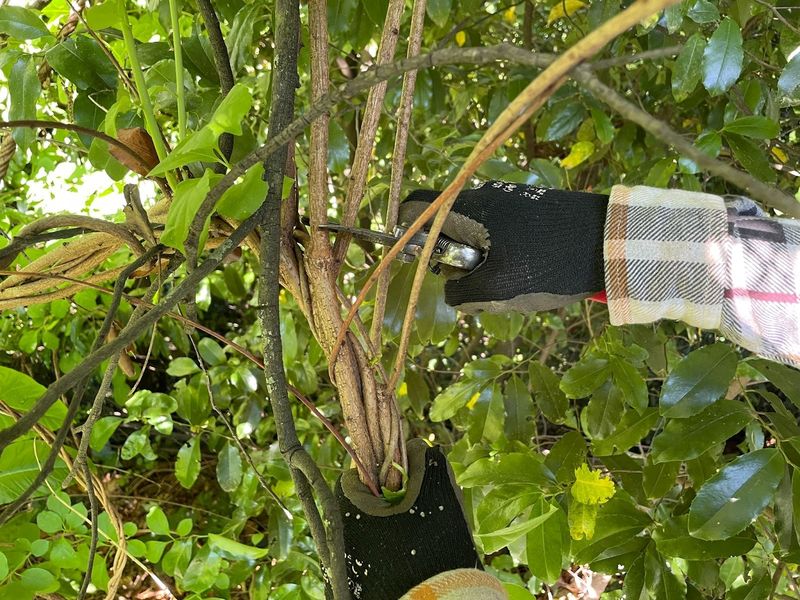
Getting rid of Oriental Bittersweet takes patience, but it is absolutely doable with the right approach. The most important first step is timing.
Early spring or late fall are the best times to tackle removal because the vine is easier to spot without leaves and the ground is softer for pulling out roots.
Start by cutting the vine at its base, as close to the ground as possible. Do not try to pull the entire vine down from a tree all at once.
That can damage tree bark and scatter berries everywhere. Instead, cut it low, wait a few weeks, and then carefully remove the dry vine sections from the tree by unwinding them gently.
Removing the berries before they ripen is one of the smartest moves you can make. Green berries will not spread seeds, so getting them off the vine early prevents next year’s problem before it starts.
Place all plant material, including stems, leaves, and berries, in thick plastic bags and dispose of them with your regular trash. Do not compost Oriental Bittersweet, because seeds and root fragments can survive the composting process.
Repeat removal is almost always necessary. New sprouts will pop up from remaining root fragments, so check the area every few weeks throughout the growing season.
For very large vines that have climbed high into mature trees, calling a certified arborist or a local invasive plant removal service is a smart move. Professional help reduces the risk of tree damage and ensures thorough removal.
Some Pennsylvania counties even offer free assistance programs for invasive plant removal on private land.
Native Alternatives To Plant Instead
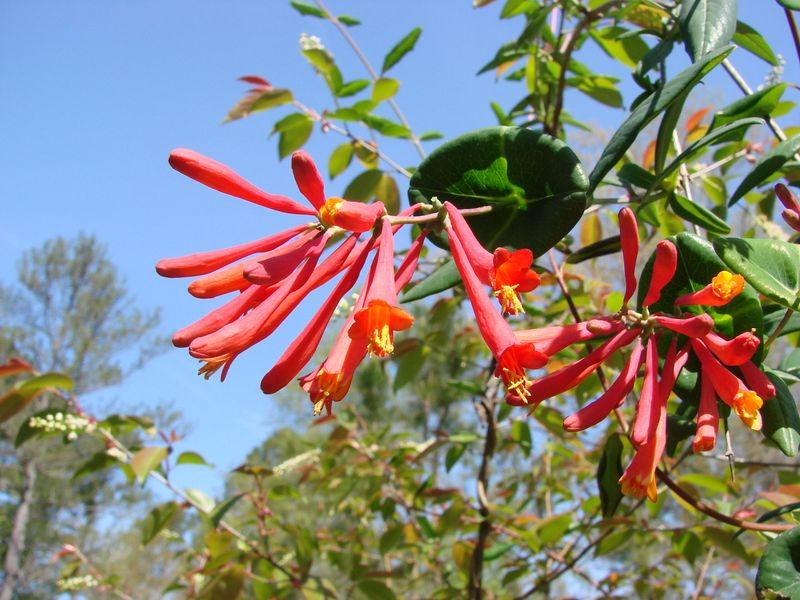
Pulling out an invasive vine does not mean your garden has to lose its charm. Pennsylvania is home to some genuinely stunning native vines that offer the same lush, climbing beauty as Oriental Bittersweet without any of the ecological baggage.
Swapping one for the other is one of the best things you can do for your yard and your local wildlife.
Trumpet Honeysuckle, known scientifically as Lonicera sempervirens, is a standout choice. Its long, tubular red and orange flowers bloom from spring through summer and are practically irresistible to hummingbirds.
It grows vigorously on trellises and fences, provides good coverage, and stays well-behaved without smothering neighboring plants. Unlike its invasive cousin Japanese Honeysuckle, Trumpet Honeysuckle plays nicely with the surrounding ecosystem.
Coral Honeysuckle, or Lonicera ciliosa, is another excellent option for Pennsylvania gardeners. Its coral-colored flowers support native bees, butterflies, and hummingbirds throughout the warmer months.
The vine grows at a moderate pace and is easy to manage with light annual pruning. Both honeysuckle varieties provide seasonal interest and wildlife value without posing any threat to native forests.
Other great native vine options include Virginia creeper, which blazes brilliant red in fall and provides berries for birds, and Passionfruit vine, which produces exotic-looking flowers beloved by butterflies.
Wild ginger and native clematis species also make lovely additions to Pennsylvania gardens.
Choosing native plants means you are actively supporting local pollinators, birds, and insects while keeping your garden looking beautiful. Your yard can still be a showstopper, and your local ecosystem will thank you for making the switch.