The Only Native Texas Plant You Need If You Want Your Garden To Bloom When Nothing Else Will
July in Texas has a way of exposing every weakness in your garden, and it does so fast. The heat cranks up, the soil dries out almost overnight, and flowers that looked great in May start throwing in the towel right when you need color the most.
Enter Blackfoot Daisy, quietly doing its thing in the corner like it hasn’t even noticed the temperature.
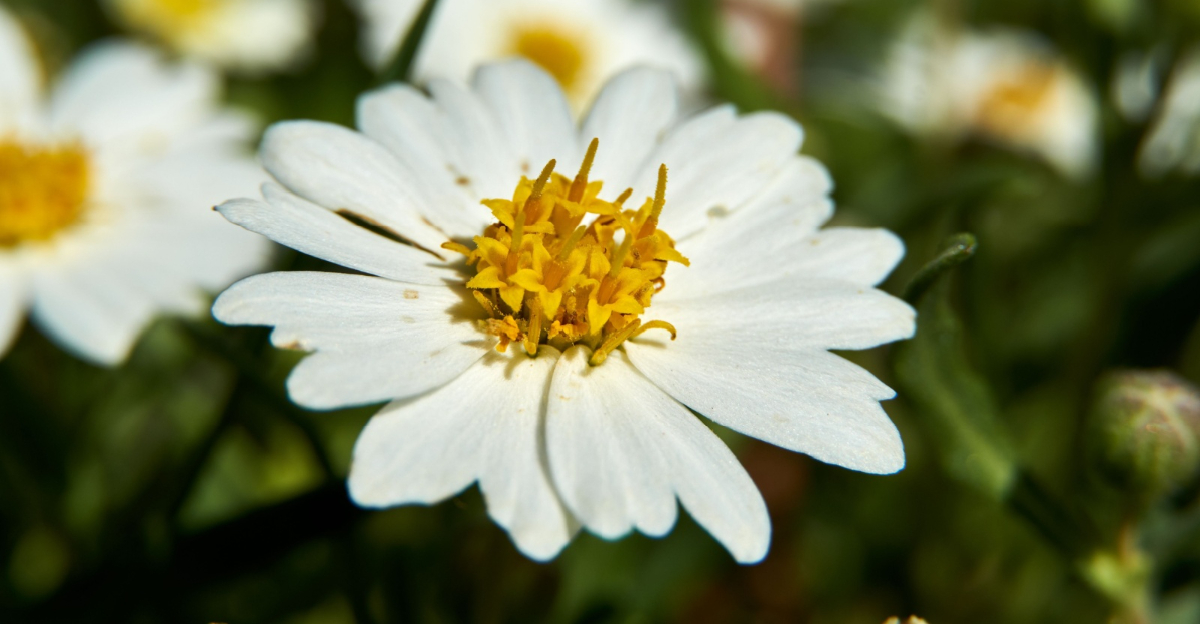
This small but seriously tough native perennial brings cheerful white blooms to sunny beds, rock gardens, borders, and low-water landscapes through much of the warm season, which in Texas gardening terms is basically a superpower.
Fair warning though: Blackfoot Daisy has a type, and that type is full sun, lean well-drained soil, and dry conditions once it gets settled in.
Give it exactly that and it will become one of your most dependable warm-season bloomers.
1. Blackfoot Daisy Blooms Through Tough Texas Heat
Blackfoot Daisy earns its place in hot Texas gardens because it handles sun and dry weather better than many softer bedding plants.
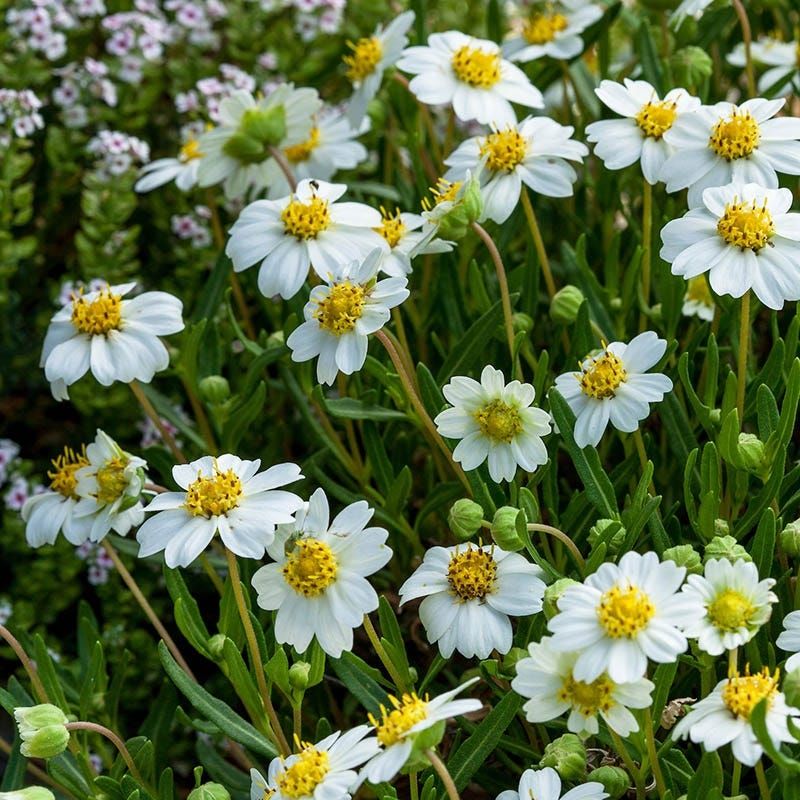
It is a small native perennial with white daisy-like flowers and a yellow center, and it brings a clean, cheerful look without asking for rich soil or constant attention.
In a Texas bed that bakes through summer afternoons, that matters. This plant is often recommended for low-water landscapes because it is heat and drought tolerant once established, especially in sunny, well-drained sites.
It works beautifully near paths, along curbside beds, in rock gardens, and in native plantings where reflected heat can make fussier flowers slow down. The blooms are simple, but they show up with a steady charm that fits relaxed Texas landscapes.
Still, it should not be treated like a magic plant. New plantings need care while roots settle in, and bloom performance can shift with rainfall, soil, and drainage.
A plant in gravelly soil may look stronger than one sitting in sticky clay. In the right spot, though, Blackfoot Daisy can keep sending up flowers through much of the warm season, giving Texas gardeners a steady, bright accent when the garden needs it most.
It is especially useful where gardeners want color without turning a bed into a high-water project.
2. Sunny Spots Bring Out The Best Flowers
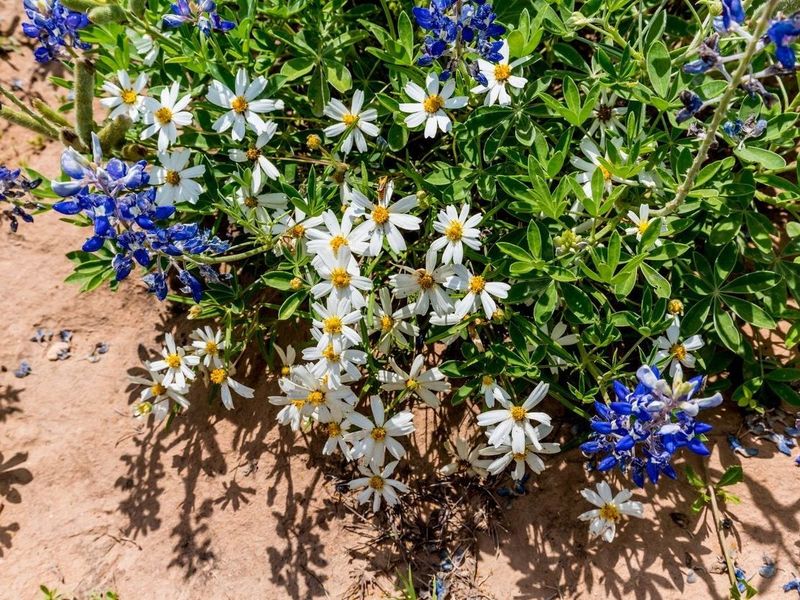
A sunny Texas border is where Blackfoot Daisy usually shows its strongest personality. This plant prefers full sun, and that bright exposure helps support the compact growth and flower production gardeners want from it.
In too much shade, the plant may stretch, bloom less, or lose the tidy mound that makes it so useful at the front of a bed.
I like it best where it gets open light, such as along a walkway, in a rock garden, near a driveway edge, or beside other low-water plants that enjoy similar conditions.
Light afternoon shade can sometimes help a new plant settle in during fierce summer weather, but long-term success usually comes from giving it plenty of sun and excellent drainage.
In Texas, that balance is important because heat alone is not usually the biggest issue.
Your Texas Garden Changes Every Week. Your Plan Should Too.
Gardening in Texas changes quickly throughout the season. Every Friday you’ll receive a simple weekly plan showing exactly what to plant, prune, fertilize, harvest, and protect so you never miss the right timing.
Heat paired with heavy, wet soil can create trouble. Sun paired with loose, draining soil is much closer to what Blackfoot Daisy wants.
A bright location also helps the flowers stand out, especially when they are planted near darker foliage, stone, gravel, or native grasses. When the site is right, the plant rewards you with simple flowers that look relaxed rather than forced.
It is not a plant for deep shade or damp corners, but in a sunny, open bed, it can be a dependable little bloomer.
3. Well-Drained Soil Helps The Plant Thrive
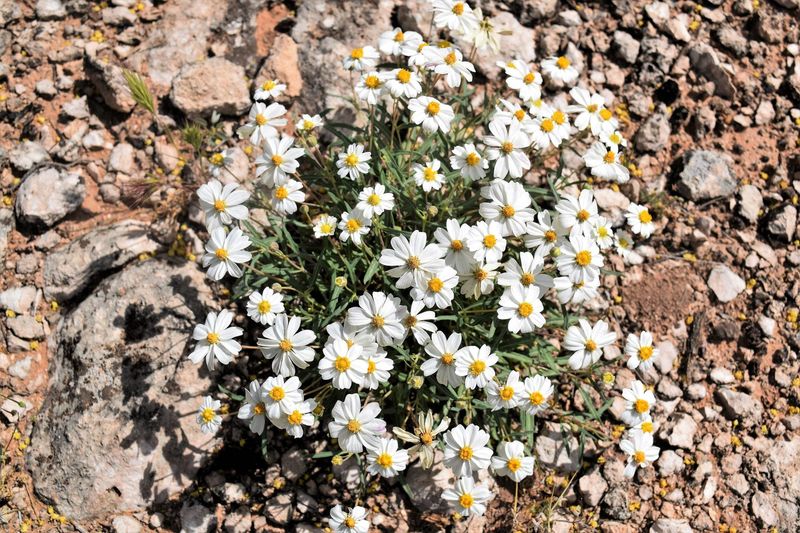
Drainage is the detail that makes or breaks Blackfoot Daisy in many Texas yards. The plant is native to rocky prairies, open grasslands, and limestone areas, so it is much happier in soil that lets water move through instead of sitting around the roots.
Sandy, gravelly, rocky, caliche, or lean soil can work as long as water does not linger. That is one reason Blackfoot Daisy fits rock gardens, raised edges, and sunny slopes so well.
It does not need a rich, pampered bed to look good. In fact, overly rich or poorly drained soil can push the plant in the wrong direction.
Before planting, check how the area behaves after rain or irrigation. If water stands there or the soil stays sticky for a long time, choose a raised spot or improve the planting area before using Blackfoot Daisy.
In much of Texas, especially where clay soil is common, this step matters more than adding fertilizer. A raised bed, berm, gravelly edge, or amended pocket can make the difference between a plant that settles in and one that struggles.
Give the roots a loose, draining place to grow, and the plant has a much better chance of staying compact, sturdy, and flower-filled. This is one of those plants where the right site does most of the work.
4. Low Water Needs Make It A Strong Dry-Spell Choice
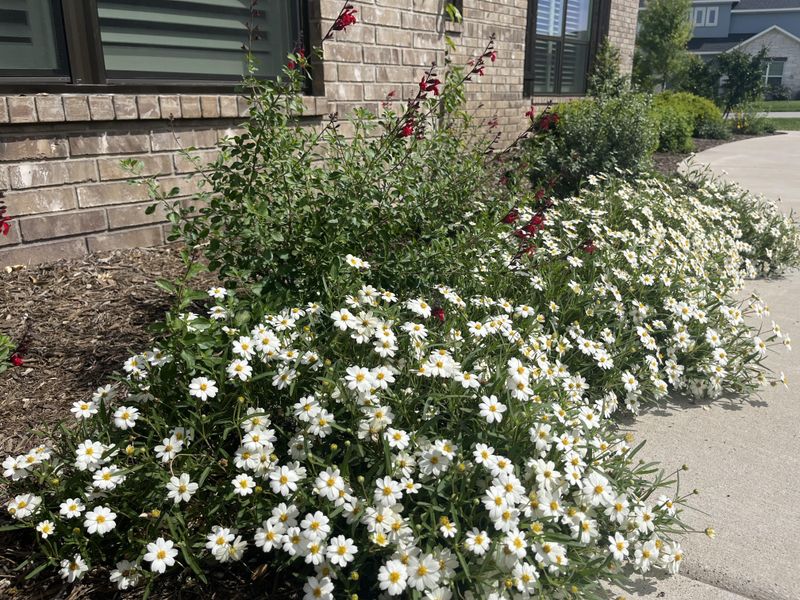
Blackfoot Daisy is a smart choice for Texas gardeners who want color without turning every bed into a high-water project. Once established, it can handle dry stretches well, which makes it useful in low-water gardens, rock gardens, and native landscapes.
That does not mean newly planted Blackfoot Daisy should be ignored. During the first season, it still needs thoughtful watering while roots spread into the surrounding soil.
After that, it usually performs better with deep, occasional watering than with frequent shallow watering. The goal is to keep the plant from sitting in damp soil while still helping it through long hot spells.
In my experience, this is where gardeners sometimes overdo it. They see a tough native plant and either water too much or too little at the wrong time.
A simple soil check helps. If the soil is still moist below the surface, wait.
If the plant is newly installed and the root zone is dry, water slowly and deeply. Mulch can help nearby soil hold moisture, but keep it light and away from the crown so the plant still has airflow.
That kind of measured care fits Blackfoot Daisy far better than a rigid schedule. In a Texas summer, this plant works best when gardeners respect both its toughness and its need for a suitable start.
5. Compact Growth Fits Borders And Rock Gardens
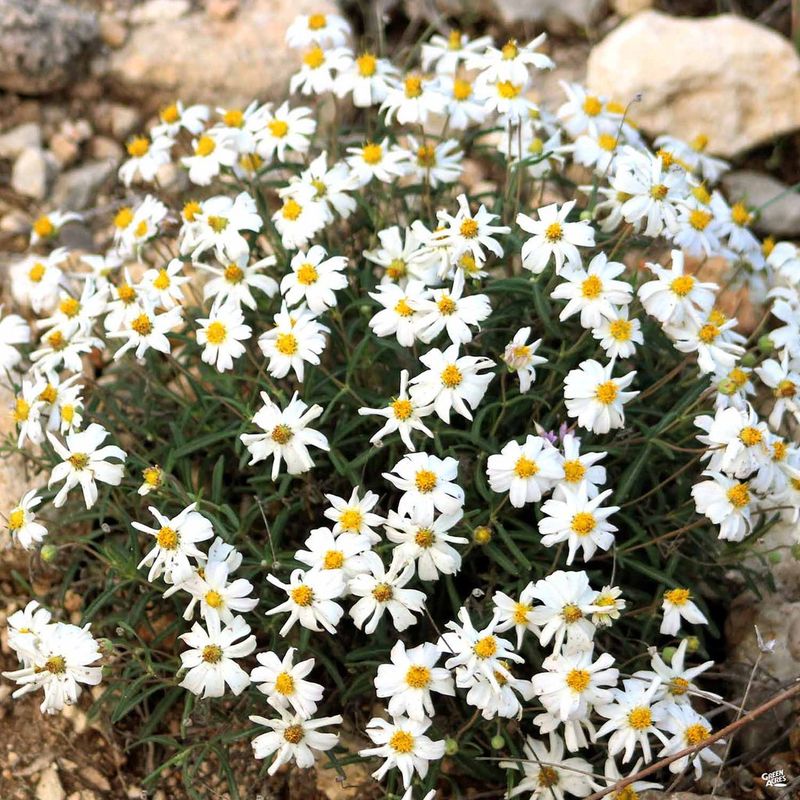
The size of Blackfoot Daisy is part of its charm. It stays low and mounding, often around 6 to 12 inches tall, which makes it easy to tuck into places where larger perennials would feel too bulky.
In Texas landscapes, that compact habit is useful along paths, at the front of sunny borders, near stone edging, or around boulders where its white flowers soften the hard lines.
It can also spill gently around rocky outcroppings, giving the planting a natural Hill Country feel.
Because it does not tower over neighboring plants, it pairs nicely with other low-water choices such as salvias, native grasses, yucca, and small perennials that enjoy sun and good drainage. Spacing still matters, though.
A crowded planting can reduce air movement and make maintenance harder, especially after summer growth fills in. Give each plant enough room to mound naturally, and the whole bed will look more intentional.
It also works well in curbside strips where a taller plant might block sightlines or look messy. In a Texas garden where every inch of sunny space counts, Blackfoot Daisy offers a tidy way to add flowers without overwhelming the design.
It brings a casual look, but it is not sloppy. When planted in small drifts, it can make a border feel full, bright, and easygoing.
6. Spring-To-Fall Blooms Keep Beds Looking Lively
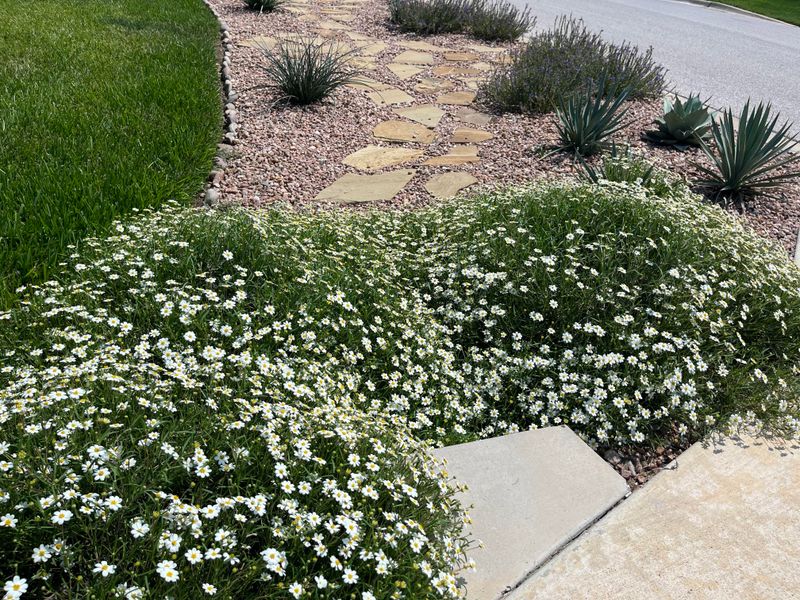
One of the best reasons to plant Blackfoot Daisy is its long bloom window. Native Plant Society Of Texas lists its bloom period from March to November, and Central Texas gardening guidance describes bloom from early spring through fall.
That is a generous season for such a small plant, especially when the site matches what it likes. The flowers are not huge or flashy, but they appear in enough numbers to brighten a dry border, rock garden, or low-water bed for months.
In Texas, where summer can make many plants pause or look tired, that steady presence is valuable. Rain can sometimes bring on a fresh flush of flowers, but the plant should still be judged with the season in mind.
A long bloom season does not mean the plant will look exactly the same every week. Heat, drought, soil, and age can change the display.
Even so, Blackfoot Daisy is one of those native perennials that can make a garden feel alive with less fuss than many high-maintenance bedding plants. It brings a light, meadow-like look that feels right at home in Texas.
I would use it where the goal is steady charm rather than oversized color. It is the kind of plant that quietly carries a bed through the season.
7. Heavy Soil Can Hold Too Much Moisture
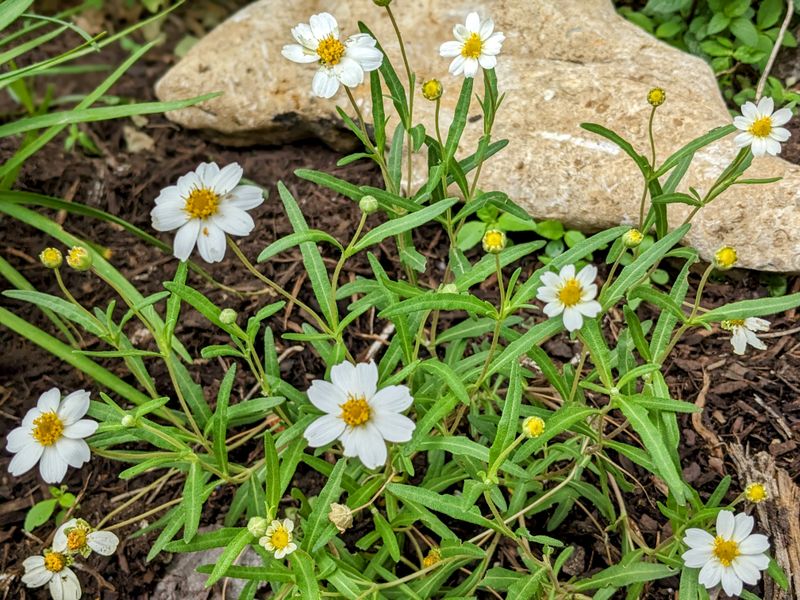
Heavy Texas clay can be a real challenge for Blackfoot Daisy if water lingers after rain or irrigation. This plant wants drainage first, and dense soil can work against that.
The issue is not simply that clay exists in the yard. Some gardeners can grow Blackfoot Daisy near clay soil if the plant sits on a slope, raised edge, berm, or amended pocket where water moves away.
The problem comes when roots stay in a wet, packed zone for too long. Before planting, dig a small test hole and watch what happens after watering.
If the hole drains slowly, consider a raised bed, gravelly planting area, or a sunnier slope instead of forcing the plant into a low, damp spot. Avoid piling heavy mulch directly against the crown, too, because that can trap moisture where the plant wants air.
In many Texas gardens, the best fix is location, not extra products. A spot with lean soil and quick drainage is usually better than a rich bed that holds too much water.
If your garden has sticky clay, plant Blackfoot Daisy slightly high, blend in coarse mineral material where appropriate, and keep irrigation modest.
Put it where the soil is open and quick to drain, and it can show the toughness people love about it.
8. Realistic Expectations Matter In Harsh Conditions
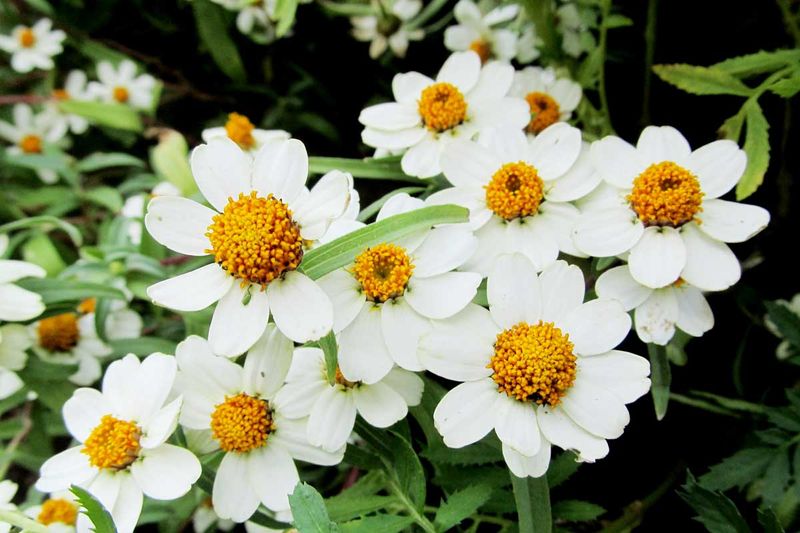
Blackfoot Daisy is tough, but it is still a living plant with limits. That matters when writing about it as the native Texas plant that blooms when little else does.
The phrase is catchy, yet the honest version is that Blackfoot Daisy can bloom for a long season in the right dry, sunny, well-drained site.
It may not give the same performance in deep shade, soggy soil, a crowded bed, a fresh planting, or a brutal stretch with no support at all.
Texas weather can swing from soaking rain to fierce heat, and plants respond to those changes. The goal is to place Blackfoot Daisy where its natural strengths line up with the garden: sun, lean soil, good drainage, and moderate care while it settles in.
Once established, it becomes one of the more dependable small native bloomers for low-water landscapes. I would use it with confidence in rock gardens, curbside beds, and sunny borders, but I would still check the site first.
Good plant choices work best when the gardener respects what the plant is built to handle. That is especially true in Texas, where one yard may have limestone and sun while another has heavy clay and shade.
Blackfoot Daisy is excellent, but it is not a one-size-fits-all answer.