The One Thing You Must Do To Ohio Azaleas Right After They Bloom Or Next Spring Will Disappoint
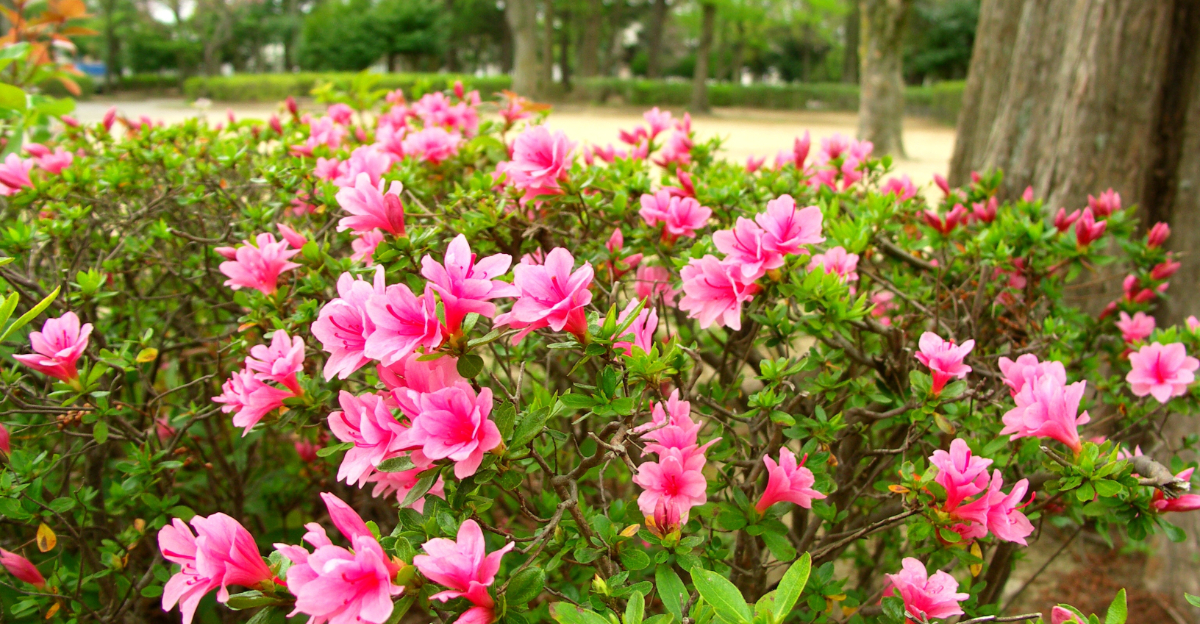
Azaleas get a lot of attention in spring and almost none the moment the last bloom fades. Most Ohio gardeners walk away at exactly the wrong time, assuming the plant can take it from here until next year.
That assumption is what turns a reliably stunning spring shrub into one that blooms a little thinner, a little later, and a little less impressively each season.
There is a narrow window right after azalea blooms finish where one specific task sets the foundation for everything next spring delivers.
Miss it by even a few weeks and the opportunity closes for an entire year. Ohio azaleas are not complicated plants.
They have a timing requirement after bloom that most gardeners were never told about. The cost of skipping it shows up slowly enough that the connection is easy to miss.
Next spring is decided right now.
1. Prune Azaleas Right After The Last Flowers Fade
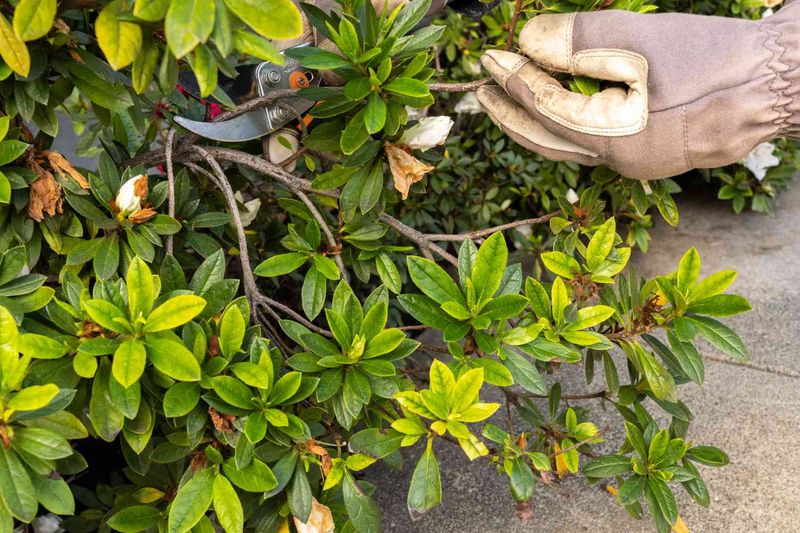
A shrub covered in faded petals may look like it is done for the season, but its next flower show is already on the clock. Azaleas begin setting next year’s flower buds surprisingly soon after bloom ends.
Most varieties start forming those buds within weeks of the last flower dropping.
Pruning too late in the season means cutting off the very buds you are counting on next spring. The post-bloom window is your best chance to shape the shrub without sacrificing a single future flower.
For most local gardens, that window falls in late spring, shortly after flowering wraps up.
You do not need to do a major overhaul. A few well-placed cuts to redirect growth or control size are usually enough.
The goal is to work while the shrub is still actively pushing new growth, before bud set begins in earnest. Getting in early keeps your options open and your shrub looking its best.
2. Shape Lightly Before Next Spring’s Buds Form
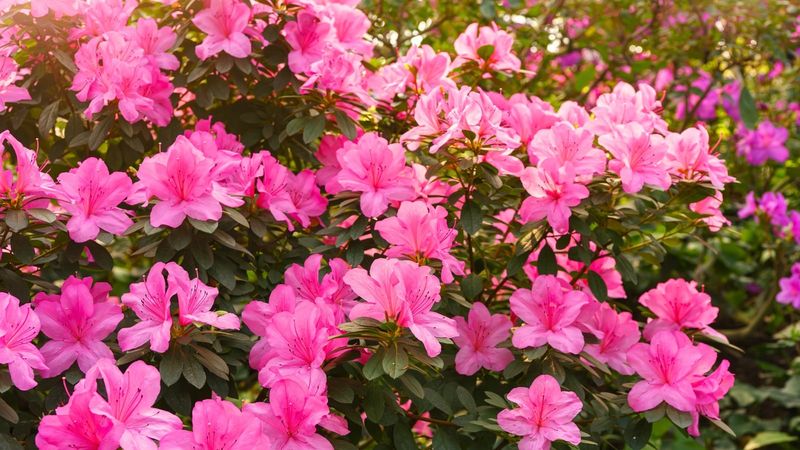
Gentle shaping after the last blooms drop is far safer than waiting until late summer or early fall. By midsummer, many Ohio azaleas have already locked in the buds that will open next spring.
Any pruning done after that point risks removing those buds before they ever get a chance to flower.
Light shaping means removing branches that have grown out of proportion, correcting one-sided growth, or nudging the overall silhouette back into a pleasing form. It does not mean shearing the entire shrub into a tight, uniform ball.
Hard shearing removes too much healthy growth and can leave the plant looking bare and unbalanced.
Think of this step as a haircut rather than a renovation. You are tidying up, not starting over.
Cutting back a few longer stems to a natural branch junction or a cluster of healthy leaves is usually all it takes. This approach keeps the shrub’s natural, layered shape intact while still giving you the size and form you want in your yard.
3. Remove Stray Branches Without Shearing The Whole Shrub
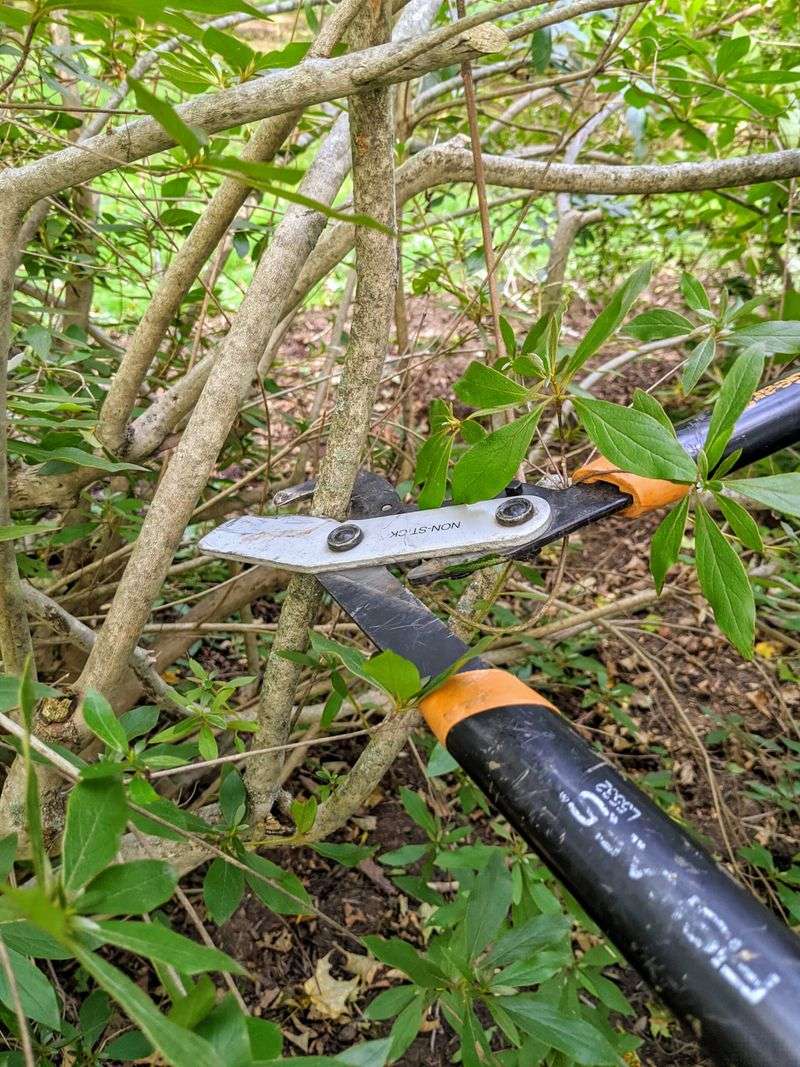
Not every branch that bothers you requires a full-shrub haircut. Azaleas tend to look most natural when individual stray or awkward branches are handled one at a time, rather than shearing everything to a uniform shape.
Your Ohio Garden Changes Every Week. Your Plan Should Too.
Gardening in Ohio changes quickly throughout the season. Every Friday you’ll receive a simple weekly plan showing exactly what to plant, prune, fertilize, harvest, and protect so you never miss the right timing.
That selective approach preserves the plant’s layered, informal character.
Grab a pair of clean, sharp bypass pruners before you start. Dull blades crush stems instead of cutting them cleanly, and that kind of damage invites problems down the line.
Make each cut just above a healthy leaf cluster or a side branch so the shrub can redirect growth without leaving a long, bare stub sticking out.
Step back after every few cuts and look at the overall shape before continuing. It is easy to over-correct when you are focused on one spot.
Removing three to five stray branches often makes a bigger visual difference than you expect. If a branch has grown well outside the natural canopy, trace it back to a natural fork and cut there.
That single cut does more for the shrub’s appearance than shearing an entire side ever would.
4. Cut Out Deceased Wood Before Summer Growth Thickens
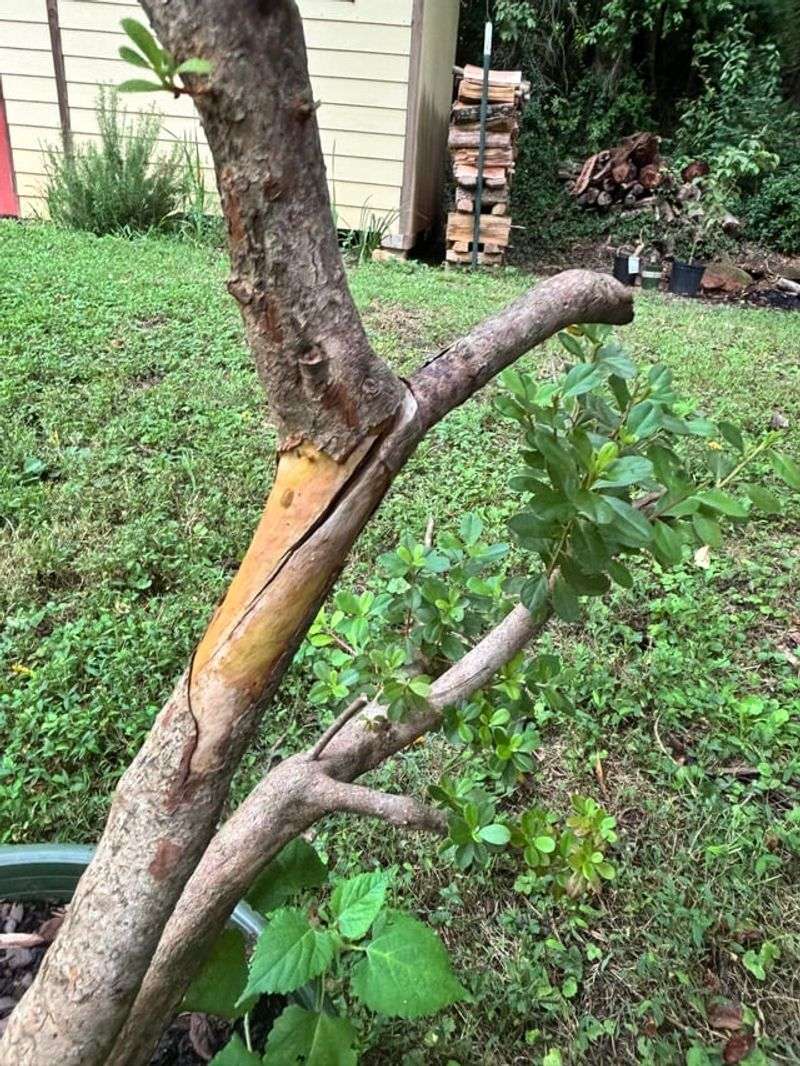
Spotting problem wood is easiest right after bloom, before the flush of new summer growth fills in and hides what is going on inside the shrub. Branches that did not leaf out this spring, feel brittle when bent, or show discolored bark are worth removing now.
Getting them out early tidies up the plant and opens the canopy to better airflow.
Use clean, sharp pruners and cut back to a healthy branch or to the base of the stem if the whole branch is affected. There is no benefit to leaving a stub of non-productive wood attached to the shrub.
Removing it cleanly encourages surrounding growth to fill in naturally over the coming weeks.
Keep this step selective and focused. Post-bloom cleanup is not the same as a heavy renovation pruning session.
You are clearing out what is not contributing to the plant’s health or appearance, not restructuring the entire shrub. A few targeted cuts to problem wood can noticeably improve how the plant looks and how air moves through it.
They do this without putting any stress on the healthy portions of the shrub heading into summer.
5. Skip Late-Summer Pruning That Removes Next Year’s Flowers
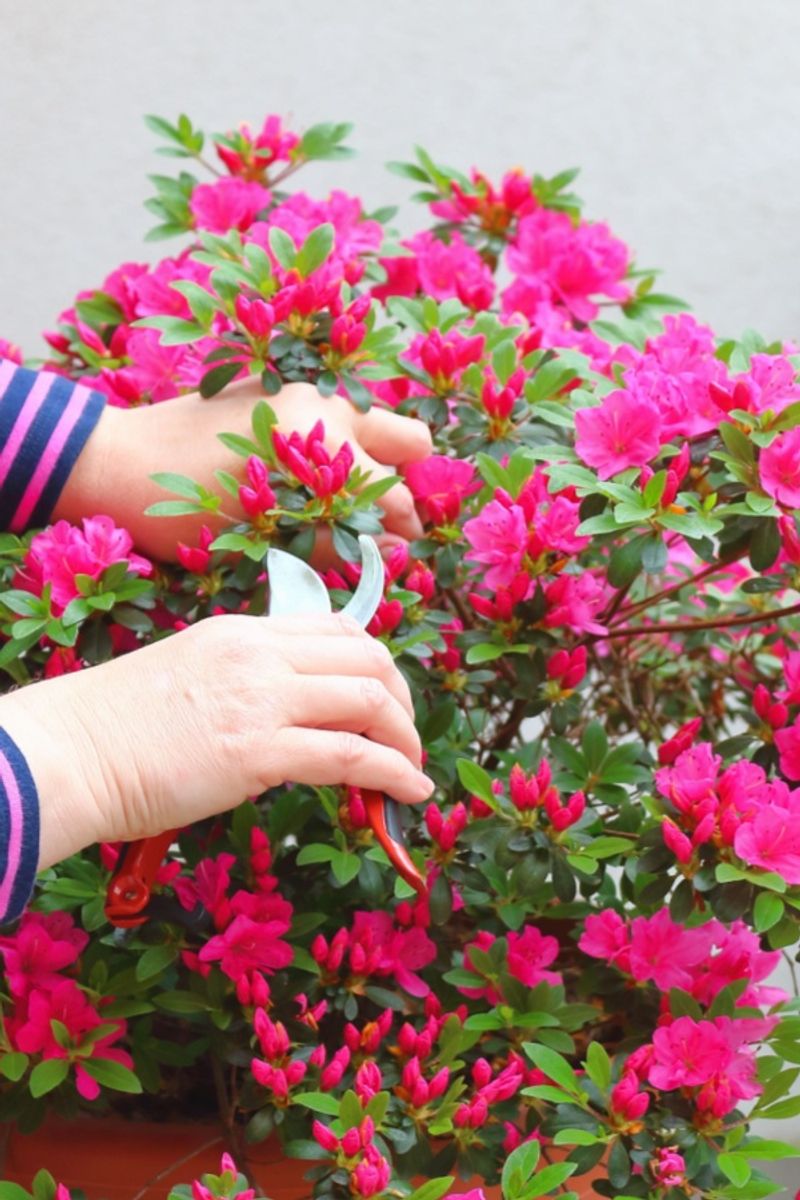
Late summer is the wrong time to reach for the pruners on most azaleas. By August, the flower buds for next spring are already forming along the stems.
Pruning at that point does not shape the shrub. It removes the buds you have been waiting all year to see open.
This is the mistake that leads to a spring full of green leaves and almost no flowers. Many home gardeners trim their azaleas in late summer or early fall as part of a general yard cleanup, not realizing the timing costs them next year’s bloom.
The shrub looks fine afterward, which makes the problem hard to notice until spring arrives and the flowers simply are not there.
The post-bloom window in late spring is the correct time to prune for shape and size. After that window closes, the best approach is to leave the shrub alone until it blooms again.
Resist the urge to tidy up in August or September. A little patience in late summer is what keeps the flower display full and consistent from one spring to the next.
6. Keep Cuts Above Healthy Leaves Or Branches
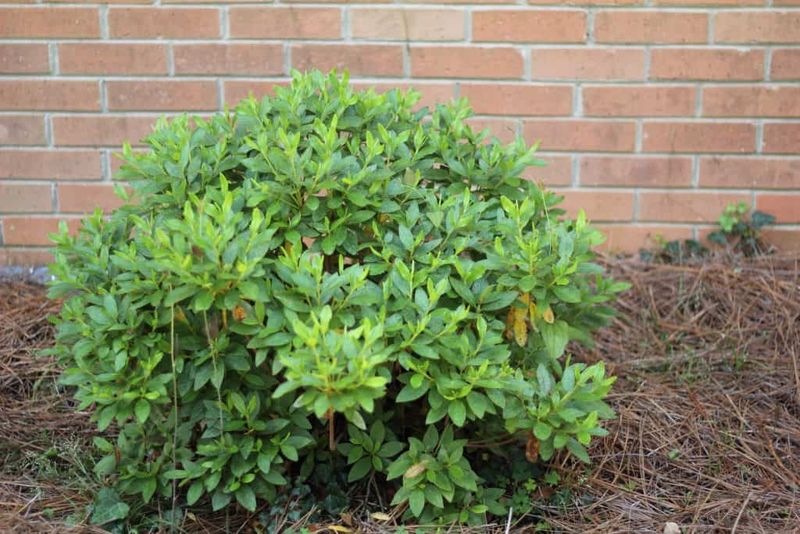
Where you cut matters just as much as when you cut. A clean cut made just above a healthy leaf, bud, or side branch gives the shrub a natural place to direct new growth.
Leaving a long bare stub above the nearest leaves does the opposite. Stubs often dry out and can become entry points for pathogens over time.
Sharp bypass pruners make this much easier than dull or anvil-style blades. A clean, smooth cut heals faster and more completely than a ragged or crushed one.
If your pruners are leaving torn edges on the stem, it is time to sharpen them or replace them before continuing.
The technique itself is straightforward. Find the leaf cluster or healthy side branch closest to where you want to reduce the stem, then cut about a quarter inch above it at a slight angle.
That small angle helps moisture run off the cut surface instead of pooling. For Ohio beginners, this one habit of always cutting above something living makes a noticeable difference in how quickly the shrub recovers.
It also affects how natural it looks through the rest of the growing season.
7. Refresh Mulch Without Burying The Shallow Roots
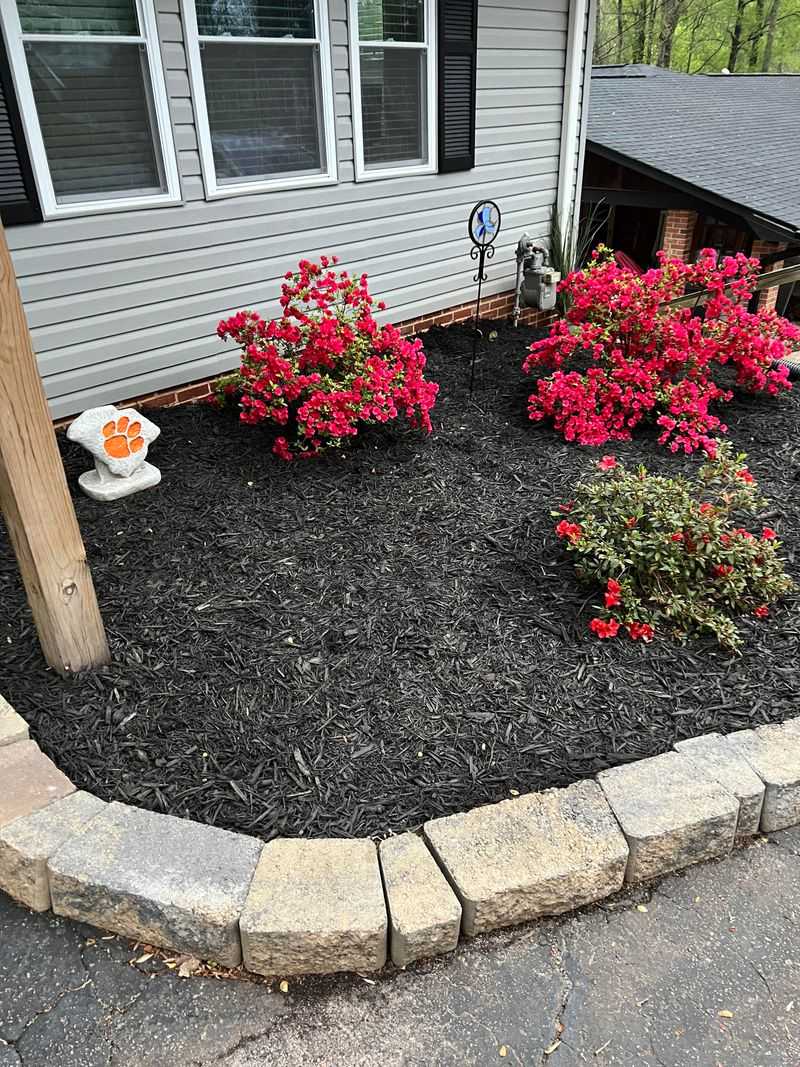
Azaleas are famously shallow-rooted shrubs. Most of their feeder roots sit just a few inches below the soil surface, which makes the root zone easy to damage and easy to protect at the same time.
A fresh layer of mulch after bloom helps moderate soil temperature, hold moisture, and reduce competition from weeds.
Two to three inches of shredded bark or wood chips spread in a ring around the shrub is usually enough. Pull the mulch back slightly from the crown and the base of the stems.
Piling mulch against the trunk traps moisture against the bark and can cause problems with the stem tissue over time.
Avoid deep cultivation around azaleas at any point in the season. Raking or digging near the drip line risks slicing through those shallow roots before they have a chance to support summer growth.
A gentle top-dressing of mulch, applied without disturbing the soil underneath, is the safest and most effective approach.
Refreshing this layer once a year, ideally after the post-bloom pruning is finished, keeps the root zone protected through the heat of summer and into fall.
8. Water Deeply After Pruning If June Turns Dry
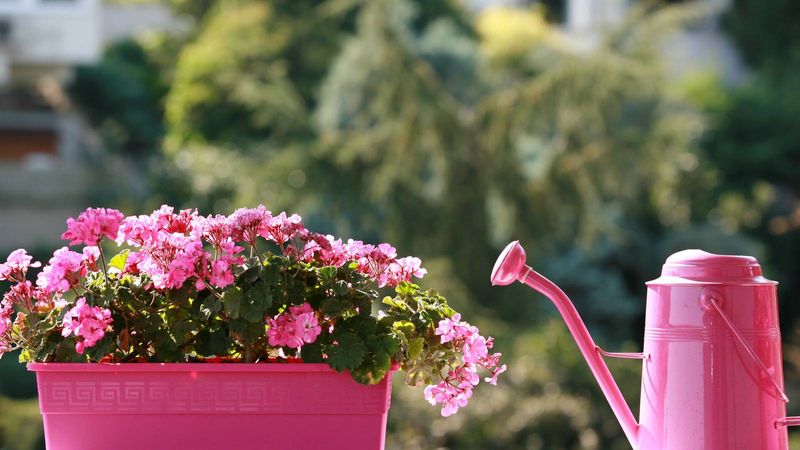
A freshly pruned shrub pushing out new growth in early summer is doing a lot of work. If June weather turns hot and dry, that new growth can stall or curl without enough moisture at the root zone.
Checking soil moisture after pruning is a simple habit that pays off through the rest of the season.
Deep, infrequent watering works better for azaleas than frequent shallow sprinkles. Water slowly at the base of the plant so moisture can soak down to where the roots actually are.
Letting the soil dry out somewhat between waterings is fine. Keeping it constantly soggy is not.
A simple finger test works well for most home gardeners. Push a finger two inches into the soil near the outer edge of the plant.
If it feels dry at that depth, the shrub could use a thorough watering. If it still feels cool and slightly damp, hold off for another day or two.
Ohio can swing from wet springs to dry early summers without much warning. Staying attentive to soil moisture during that post-bloom growth push gives your shrub the support it needs to build a strong foundation for next year’s flowers.