Reasons Why Ohio Hydrangeas Look Healthy All Summer But Stop Blooming (And The June Fix)
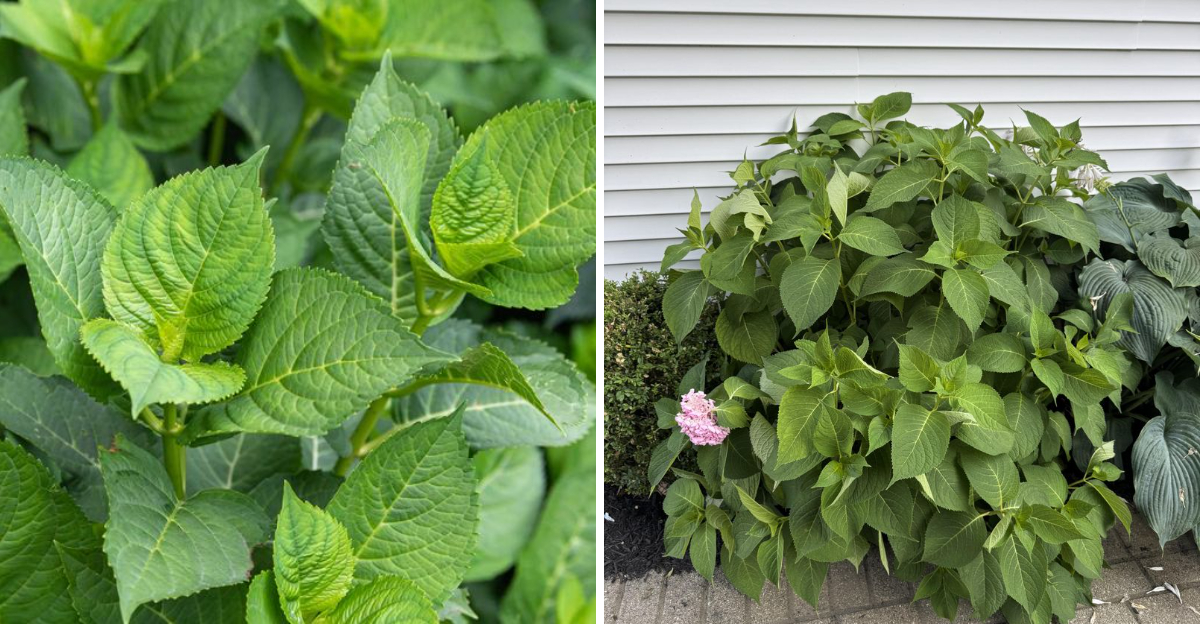
A hydrangea that looks full, green, and healthy but refuses to produce a single bloom is one of the more frustrating puzzles in the Ohio garden. The plant is clearly alive and growing.
Nothing about it signals distress. And yet, summer after summer, the flowers never arrive and the reasons why stay maddeningly unclear.
Ohio hydrangeas stop blooming for specific reasons, and most of them trace back to something that happened, or did not happen, earlier in the season. June sits at the center of that timeline more often than most gardeners realize.
The fixes are not complicated once the cause is clear. But without knowing what to look for, Ohio hydrangea owners tend to cycle through the same guesses year after year without ever landing on the actual problem.
Healthy looking and actually thriving are two different things. June is when that gap either closes or widens for the rest of the season.
1. Identify Your Hydrangea Type Before You Prune
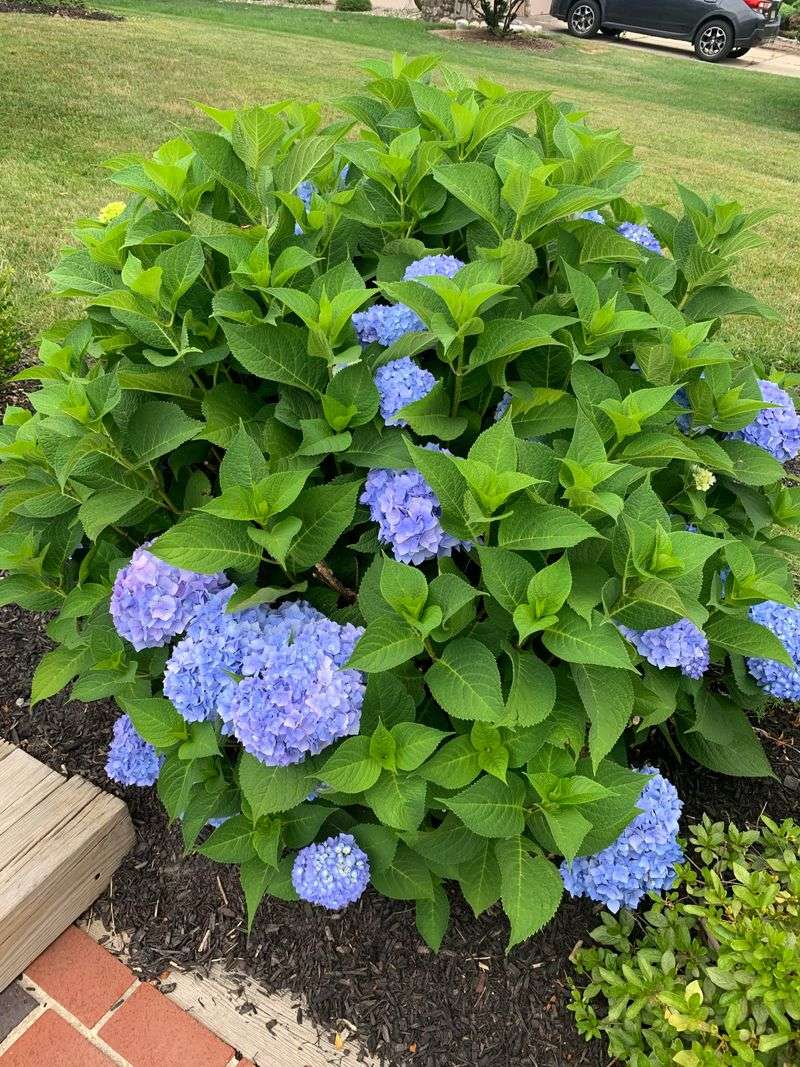
A shrub can look lush enough to brag about and still hold back every flower the gardener expected.
One of the most common reasons that happens comes down to a single overlooked step: nobody checked what type of hydrangea was actually growing in the bed.
Bigleaf hydrangeas, sometimes called mopheads or lacecaps, set their flower buds on old wood from the previous season. Oakleaf hydrangeas follow the same pattern.
Cut those stems at the wrong time and you remove next year’s flowers before they ever get a chance to open.
Smooth hydrangeas, like the popular Annabelle, bloom on new wood that grows each spring. Panicle hydrangeas, including Limelight and Quick Fire, also bloom on new wood.
Those two types handle late pruning without losing flowers.
The mix-up happens because all four types can look nearly identical in early summer, especially when only the leaves are showing.
Checking the flower shape from last year, reviewing the plant tag if you saved it, or comparing photos online can help narrow down the type quickly.
June is a reasonable time to do this identification work. Once you know the type, pruning decisions, fertilizer choices, and even watering habits become much easier to get right.
Start with the plant name before touching anything else in the bed.
2. Stop Cutting Old-Wood Hydrangeas At The Wrong Time
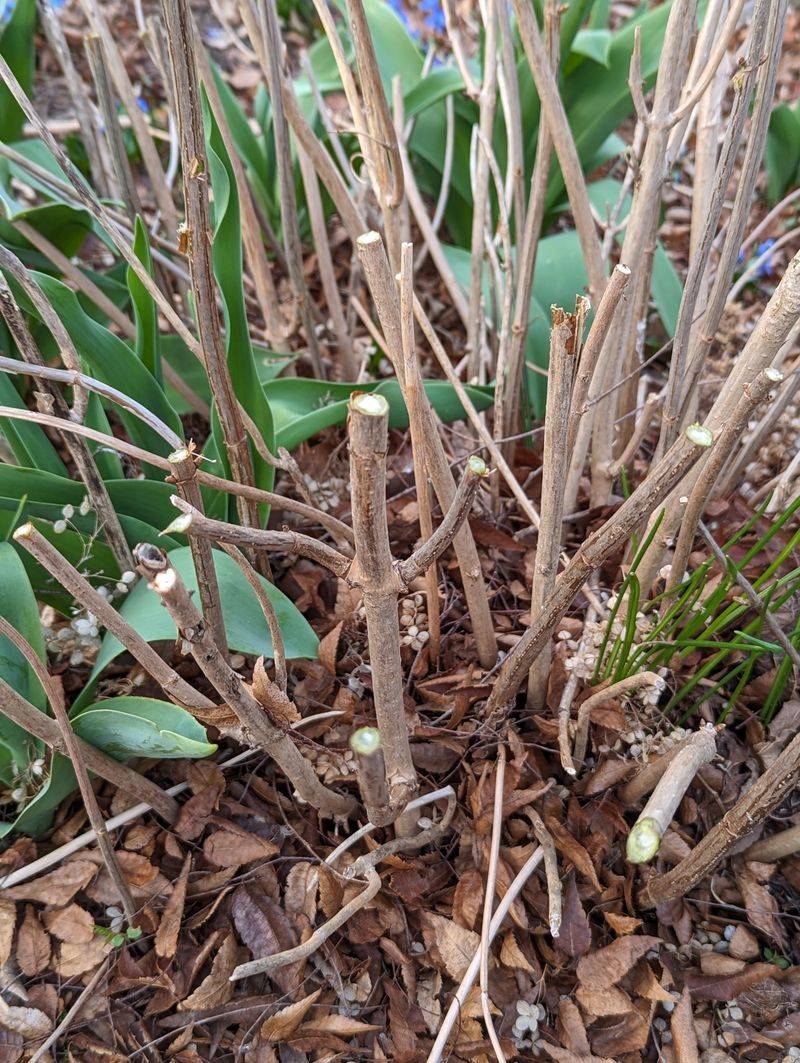
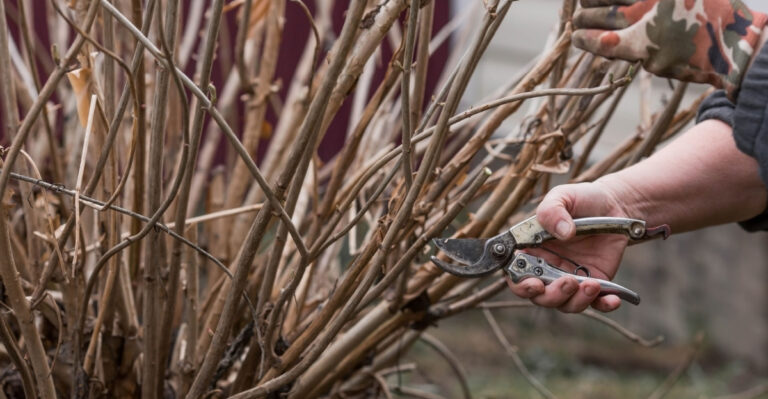
Pruning at the wrong moment is one of the quietest ways to lose an entire season of blooms without realizing what went wrong. For old-wood bloomers like bigleaf and oakleaf hydrangeas, the flower buds form on stems that grew the previous year.
Those buds sit on the plant through fall and winter, waiting to open the following spring or early summer.
When Ohio gardeners cut those stems back in fall, late winter, or early spring, the buds go with them. The plant then leafs out beautifully from the base and along the remaining stems, looking perfectly healthy.
But the flowers are already gone.
The safest window for pruning old-wood hydrangeas is right after they finish blooming, usually in mid to late summer. At that point, the current flowers are spent but new buds have not yet formed on the stems for next year.
Your Ohio Garden Changes Every Week. Your Plan Should Too.
Gardening in Ohio changes quickly throughout the season. Every Friday you’ll receive a simple weekly plan showing exactly what to plant, prune, fertilize, harvest, and protect so you never miss the right timing.
A light cleanup at that time causes the least disruption to future bloom cycles.
Removing only the spent flower heads and any clearly damaged stems is usually enough. Heavy renovation cuts are best saved for situations where the shrub has become overgrown and you are willing to accept a bloom-free season as part of the reset.
Skipping the fall pruning urge is often the single most effective change a home gardener can make for old-wood hydrangeas in local landscapes.
3. Give Bigleaf Hydrangeas Morning Sun And Afternoon Shade
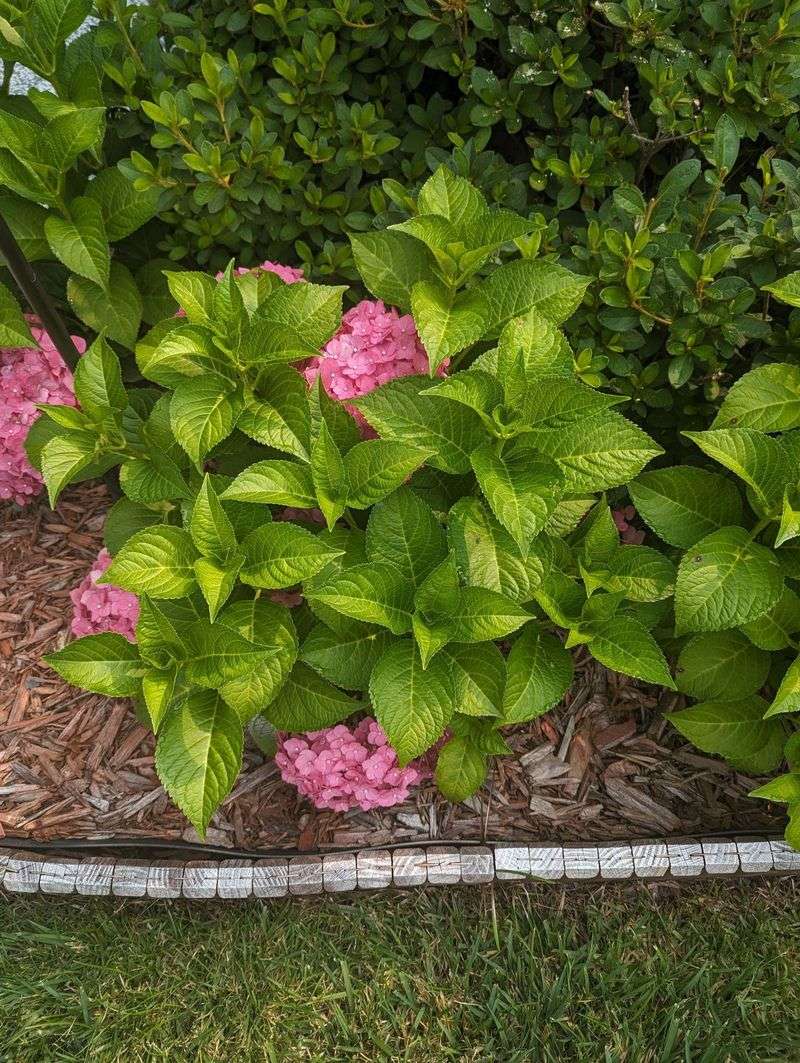
Shade is not always the friend it seems to be. A bigleaf hydrangea tucked against a north-facing wall or under a dense canopy may stay cool and comfortable all summer but never produce a single bloom cluster.
Too much shade reduces the energy the plant needs to set and open flowers.
At the same time, full afternoon sun in this state can be harsh, especially during July and August heat waves. Bigleaf hydrangeas sitting in direct western sun often show wilted, stressed leaves by mid-afternoon.
That stress can interfere with bud development and overall plant health.
Morning sun with afternoon shade hits the right balance for most bigleaf hydrangeas. An east-facing bed or a spot with four to six hours of direct morning light works well.
Shade from a structure or larger tree by early afternoon tends to support both healthy foliage and consistent flowering.
This light recommendation applies most directly to bigleaf hydrangeas. Panicle hydrangeas, by contrast, handle full sun much better and actually perform well with more direct light throughout the day.
Smooth hydrangeas fall somewhere in between and can adapt to partial shade without losing too many blooms.
Checking the light pattern in your bed before moving or replacing a plant can save a lot of frustration. Sometimes repositioning a struggling shrub by just a few feet changes the bloom outcome significantly the following year.
4. Check For Winter Bud Damage Before Blaming The Plant
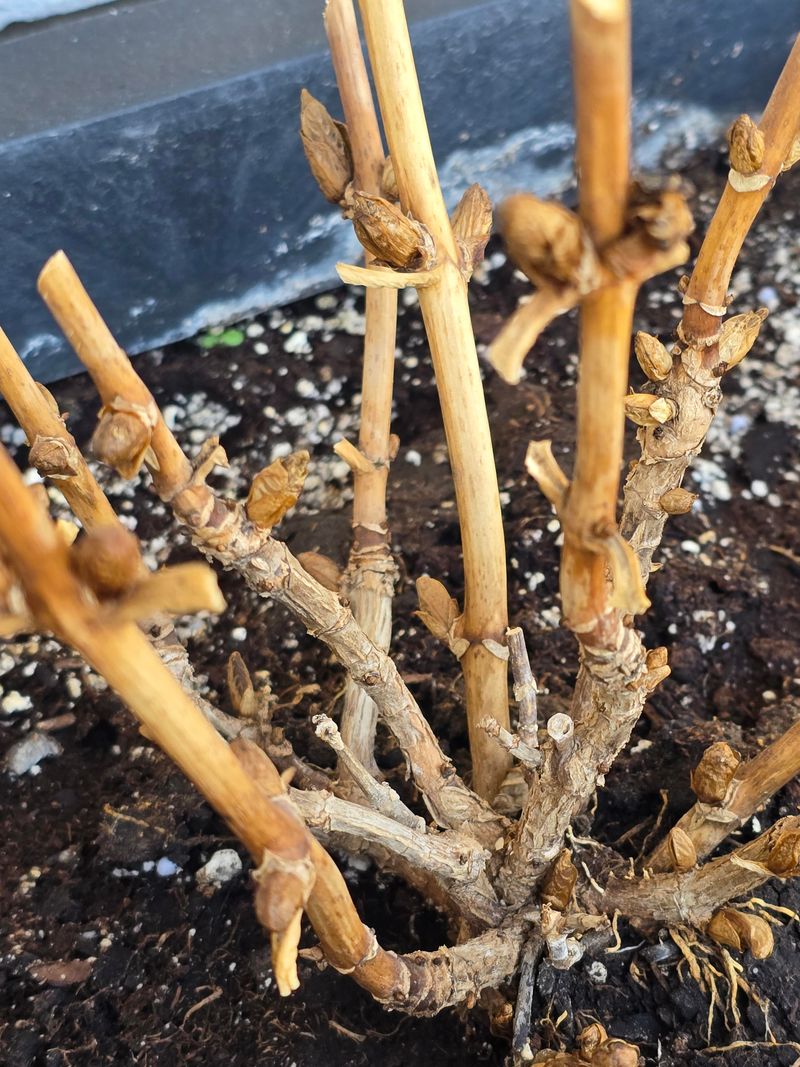
A cold snap in late March or an early April freeze can quietly erase an entire summer’s worth of blooms on old-wood hydrangeas. The stems survive.
The leaves push out right on schedule. The shrub looks completely fine.
But the flower buds, which formed the previous fall and sat exposed through winter, were already lost weeks before anyone noticed.
This is one of the most frustrating patterns for gardeners in Ohio. It is especially common in northern regions where late freezes arrive after plants have already started waking up.
The bud tissue is more vulnerable once it begins to swell in late winter. A hard freeze at that stage can damage or finish off buds that looked perfectly healthy just days before.
Checking for bud damage is straightforward. In early spring, scratch a small section of the outer bud tissue with a fingernail.
Green tissue underneath means the bud is likely viable. Brown, dry, or mushy tissue inside suggests the bud did not survive the cold.
If most buds on the upper stems are damaged, blooms may still come from buds lower on the stem or from the base of the plant, depending on how severe the winter was.
Some reblooming bigleaf varieties, like Endless Summer, can produce new buds on current-season growth.
That gives them a better chance of recovering after a rough winter.
Knowing the difference between bud damage and a plant problem helps gardeners respond with patience rather than unnecessary intervention.
5. Avoid High-Nitrogen Fertilizer That Pushes Leaves
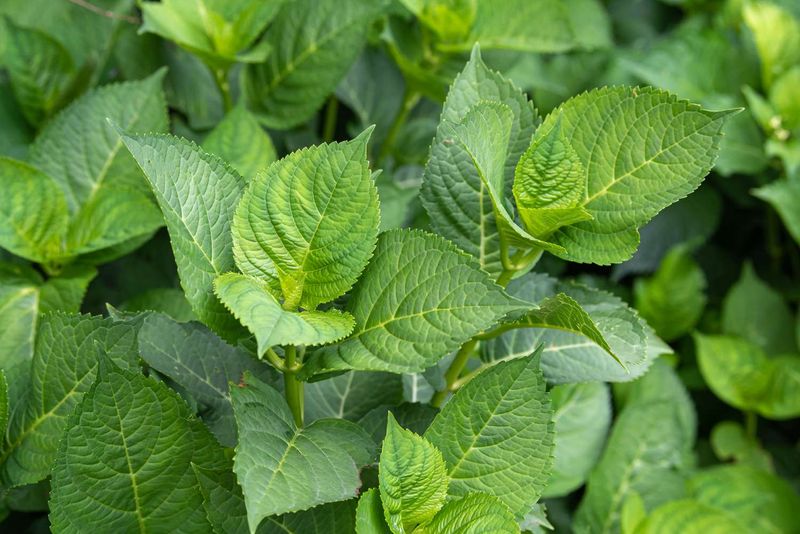
Fertilizer feels like a logical fix when a plant looks like it needs a boost. But for a hydrangea that is already producing thick, dark green leaves without any flowers, adding more nitrogen often makes the situation worse rather than better.
Nitrogen is the nutrient most responsible for leafy, vegetative growth. When a hydrangea gets too much of it, the plant channels energy into producing more stems and foliage instead of setting flower buds.
The result is an impressive-looking shrub with almost nothing blooming on it by midsummer.
Common lawn fertilizers applied near shrub beds are a frequent source of unintended nitrogen overload. Runoff from a heavily fertilized lawn can reach nearby hydrangeas and push them toward leaf production without the gardener realizing what is happening.
A soil test through the local cooperative extension office gives a clearer picture of what the soil actually needs before any fertilizer is applied. This state’s university extension program offers affordable soil testing that takes the guesswork out of feeding decisions.
If a test shows adequate nutrients, skipping fertilizer entirely for a season is often the right call.
When fertilizing is appropriate, a balanced or low-nitrogen formula applied in early spring gives the plant support without triggering excessive leaf growth. Following label directions carefully and avoiding late-season feeding helps protect next year’s buds from being pushed too late into the growing cycle.
6. Water Deeply Before July Heat Stresses The Roots
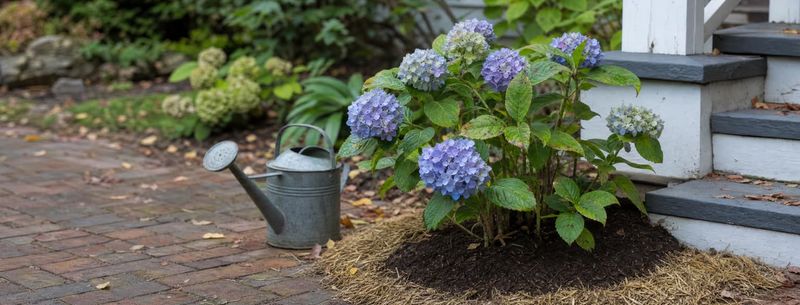
Hydrangeas carry their water needs right in their name. The word comes from the Greek for water vessel, and the plants live up to it during hot, dry stretches.
Once July heat settles in across local gardens, shallow or infrequent watering can stress the root system. That stress can show up as wilted leaves, dropped buds, or poor bloom development.
Deep watering encourages roots to grow further down into the soil where moisture stays more consistent during heat waves. Shallow, frequent watering keeps roots near the surface where they are more exposed to temperature swings and drying conditions.
The goal is to water slowly and thoroughly at the base of the plant, allowing moisture to soak several inches into the root zone.
Checking soil moisture before watering helps avoid overwatering, which can be just as stressful as drought. Stick a finger two to three inches into the soil near the base of the plant.
If it feels dry at that depth, it is time to water. If it still feels moist, waiting another day or two is usually fine.
Morning watering works better than evening in most cases because foliage has time to dry before nightfall, which reduces the risk of fungal issues on leaves and stems.
Drip irrigation or a soaker hose placed at the root zone delivers water efficiently without wetting the foliage unnecessarily.
Consistent moisture through June and July supports both current blooms and the bud development that will carry over into the following season.
7. Refresh Mulch Without Burying The Crown
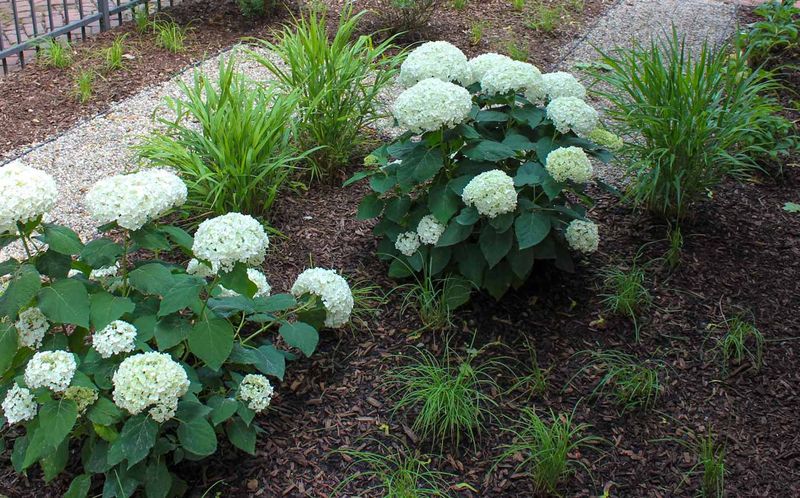
A thin or missing layer of mulch around a hydrangea might not seem like a bloom problem. However, root stress from temperature swings and moisture loss can quietly reduce a plant’s ability to set and hold flower buds through the season.
Mulch acts as an insulating layer that keeps soil cooler during summer heat and holds moisture longer between watering sessions.
Refreshing mulch in late spring or early June gives the root zone a buffer before the hottest weeks arrive in Ohio. That buffer helps protect against the temperature extremes common across this state in July and August.
A two to three inch layer of shredded wood, bark, or leaf mulch works well for most hydrangea plantings in home landscapes.
The most important detail to get right is placement. Mulch piled against the crown of the plant or packed around the base of the stems can trap moisture against the bark.
That can create conditions where rot or fungal problems develop over time. Keeping mulch pulled back a few inches from the crown and stems lets the base of the plant breathe while still protecting the surrounding root zone.
Mulch does not force blooms on its own. But it supports the root health that makes consistent flowering possible.
A shrub with a stable, well-mulched root zone handles summer stress better than one sitting in bare, compacted soil that bakes between rain events.
Checking mulch depth each June takes only a few minutes and pays off through the rest of the growing season.
8. Use June To Set Up Next Year’s Bloom
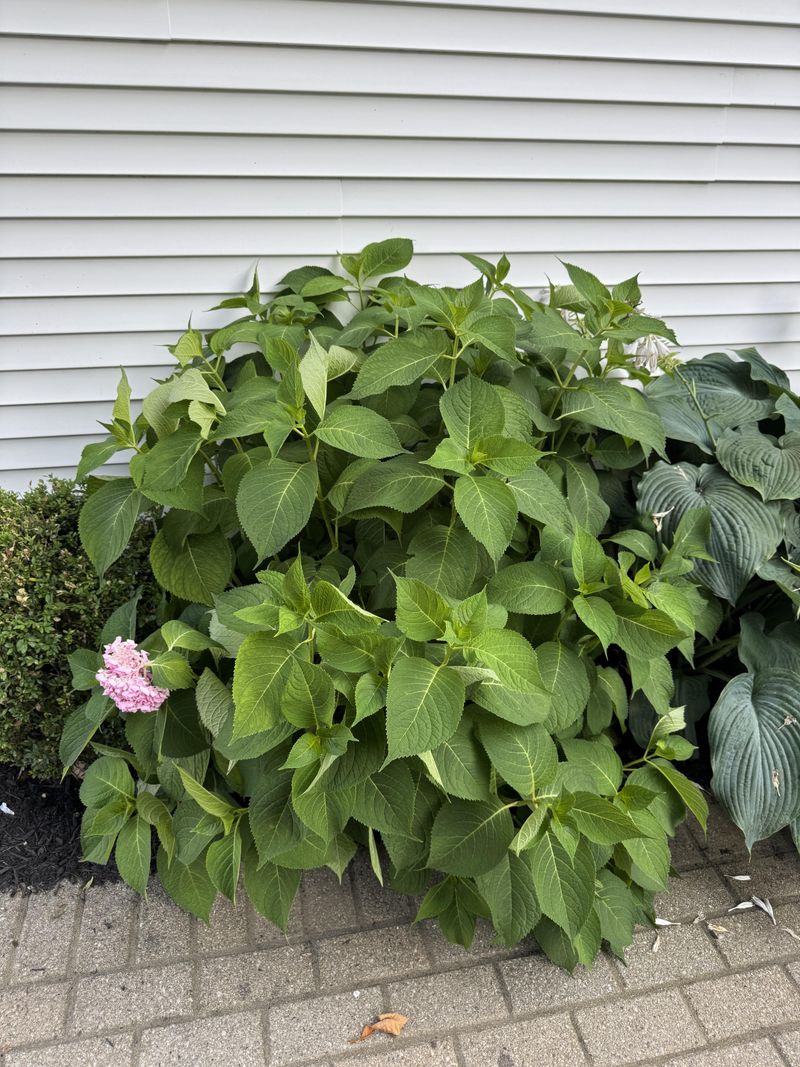
June sits at an interesting moment in the hydrangea calendar. For old-wood bloomers that lost their buds to winter cold or a mistimed pruning cut, the flowers for this season may already be gone.
But the choices made right now can protect next year’s buds and improve the odds of a much better summer ahead.
Avoiding pruning cuts on old-wood types through the rest of the growing season is one of the most useful things a gardener can do in June. New stem growth that emerges now will carry next year’s flower buds.
Leaving those stems intact through fall and protecting them through winter gives the plant its best shot at blooming the following year.
Correcting fertilizer habits in June also matters. Switching away from high-nitrogen products and toward a balanced formula reduces the chance of pushing leafy growth at the expense of bud formation.
Skipping fertilizer entirely may also help if the soil is already nutrient-rich.
Checking light exposure, adjusting mulch, and setting up a consistent watering routine before July heat arrives all support root and stem health. Old-wood buds depend on that health to survive the winter.
None of these steps guarantee a full bloom display next summer.
But they stack the odds in a reasonable direction. For gardeners willing to work with the plant’s natural cycle rather than against it, June is genuinely the most productive month of the year.
It is the best time to make lasting improvements to a hydrangea that has been quietly underperforming.