One Of Virginia’s Most Attractive Shrubs Is Also One Of Its Most Toxic
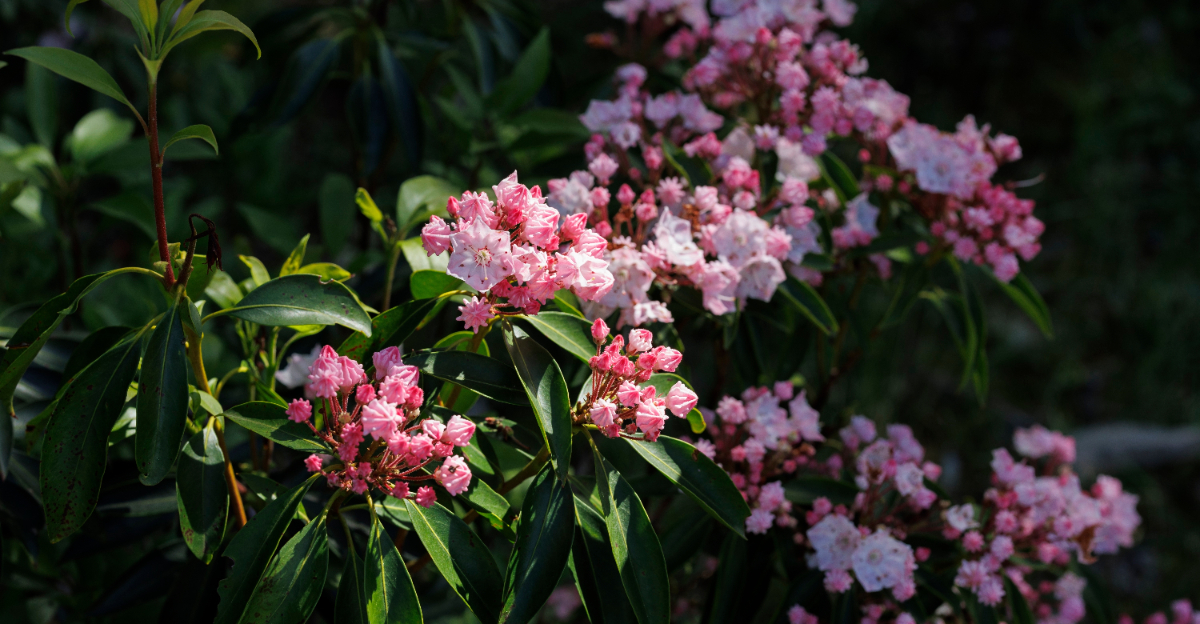
Few Virginia plants stop you mid-hike quite like this one. The blooms look almost architectural, clusters of pale pink flowers with tiny geometric details that seem too precise to be real.
It has been turning heads along Virginia’s ridgelines and creek banks for centuries, and gardeners have been bringing it home ever since.
What most of them don’t know is that they’re inviting one of the most toxic plants in North America into their yard. Not mildly toxic. Not “wash your hands after touching it” toxic.
Every part of this shrub carries compounds that can seriously harm people, pets, and livestock. The beauty is real. So is the danger.
The Shrub That Looks Harmless But Packs A Serious Toxic Punch
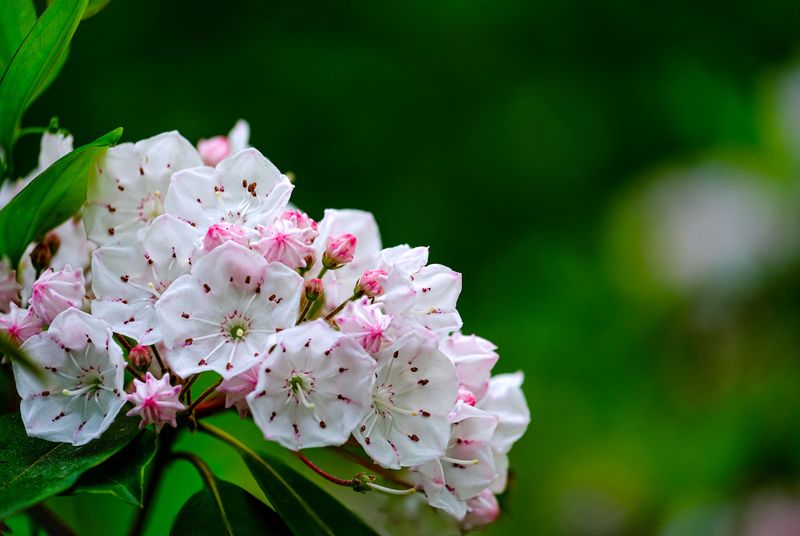
Mountain laurel looks like something from a fairy tale. Its blooms are so perfectly shaped that people often assume they must be safe to touch or taste.
This shrub is one of Virginia’s most toxic plants hiding in plain sight. Kalmia latifolia is its scientific name, and it grows wild across the eastern United States with no warning labels.
Gardeners love planting it along walkways and driveways. The flowers range from pale blush to deep rose, and the glossy leaves stay green all year long.
Most people have no idea they’re standing next to something genuinely dangerous. The plant contains grayanotoxins, which are powerful compounds that disrupt how your body’s cells work.
Even a small amount can cause serious trouble for humans and animals alike. Historically, mountain laurel earned its harsh nicknames because grazing animals that fed on it rarely fared well.
Early settlers noticed livestock getting sick near these shrubs. That connection between beauty and danger made mountain laurel both admired and feared across Appalachian communities for centuries.
Today, most people simply enjoy the blooms without knowing the risk. Awareness is the first step toward enjoying this plant safely in your yard or on a hike.
What Makes Mountain Laurel So Popular In Virginia Gardens
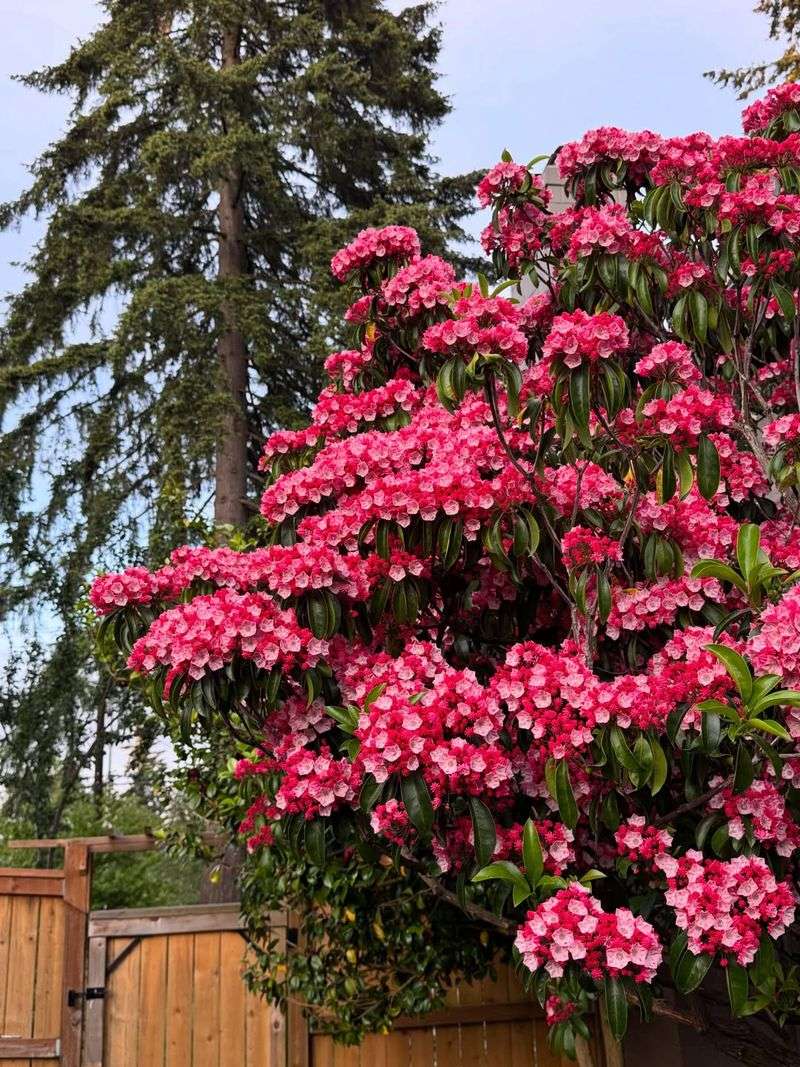
Few shrubs earn their keep the way mountain laurel does. It blooms in late spring when the garden needs a boost, and it never asks for much in return.
Gardeners across the state choose it because it thrives in acidic, rocky soil where other plants struggle. The Blue Ridge Mountains and Shenandoah Valley are packed with it growing naturally along ridgelines.
One big reason for its popularity is that deer tend to avoid it. Since deer pressure is a real problem in many Virginia neighborhoods, a deer-resistant shrub feels like a gift.
Mountain laurel also pairs beautifully with rhododendrons and native ferns. Landscape designers use it to create layered, textured borders that look polished without requiring constant upkeep.
The plant is evergreen, meaning it holds its deep green leaves through cold winters. That year-round structure makes it valuable in gardens that need visual interest even in January.
It grows slowly, which is actually a plus for homeowners who want low-maintenance landscaping. Once established, it can live for decades and grow into an impressive, multi-stemmed specimen.
Your Virginia Garden Changes Every Week. Your Plan Should Too.
Gardening in Virginia changes quickly throughout the season. Every Friday you’ll receive a simple weekly plan showing exactly what to plant, prune, fertilize, harvest, and protect so you never miss the right timing.
Its flowers attract pollinators, including native bees that have adapted to handle its unique pollen mechanism. Watching a bumblebee trigger the flower’s spring-loaded stamens is genuinely entertaining.
Mountain laurel has deep roots in Virginia’s natural heritage, named Wildflower of the Year by the Virginia Native Plant Society. Beauty and toughness rolled into one shrub is hard to beat.
Every Part Of This Plant Is Toxic
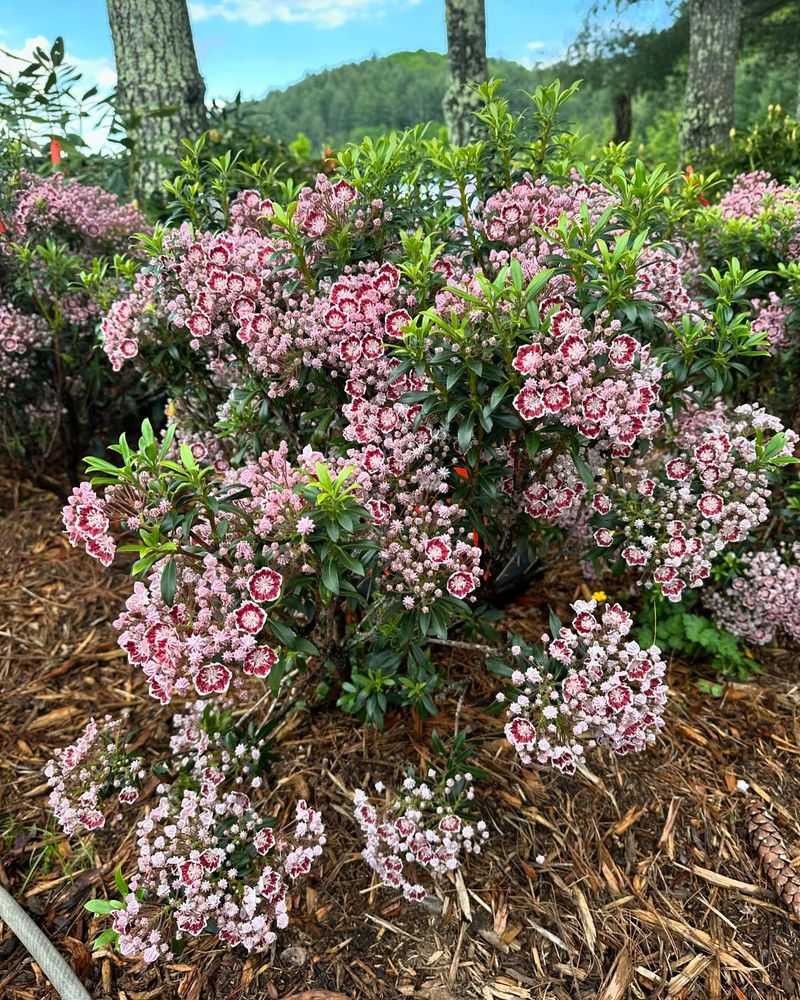
No part of mountain laurel gets a free pass when it comes to toxicity. The leaves, flowers, stems, seeds, and even the nectar carry grayanotoxins throughout the entire plant.
Grayanotoxins bind to sodium channels in your cells and prevent them from closing properly. That disruption can affect your heart rate, blood pressure, and muscle control in serious ways.
Honey made from mountain laurel nectar is sometimes called “mad honey.” Ancient accounts describe soldiers being incapacitated after eating honey produced by bees foraging on grayanotoxin-containing plants in the same plant family.
The leaves are especially dangerous because they stay on the shrub all year. A curious child or a foraging animal has access to toxic material in every season, not just spring.
Even dried leaves remain hazardous long after they’ve fallen from the plant. Composting mountain laurel clippings without care can create a risk if animals dig through the pile.
Burning the wood releases toxic particles into the smoke. Anyone breathing that smoke near a campfire or brush pile could experience irritation or more serious symptoms.
Even a small amount of plant material can trigger symptoms in a child or a medium-sized dog, depending on how much is ingested. The concentration of toxins is highest in the leaves, making accidental ingestion a real concern.
Understanding that the danger is plant-wide, not limited to one part, changes how you approach pruning, planting, and supervising children around this otherwise stunning shrub.
What Happens After Exposure
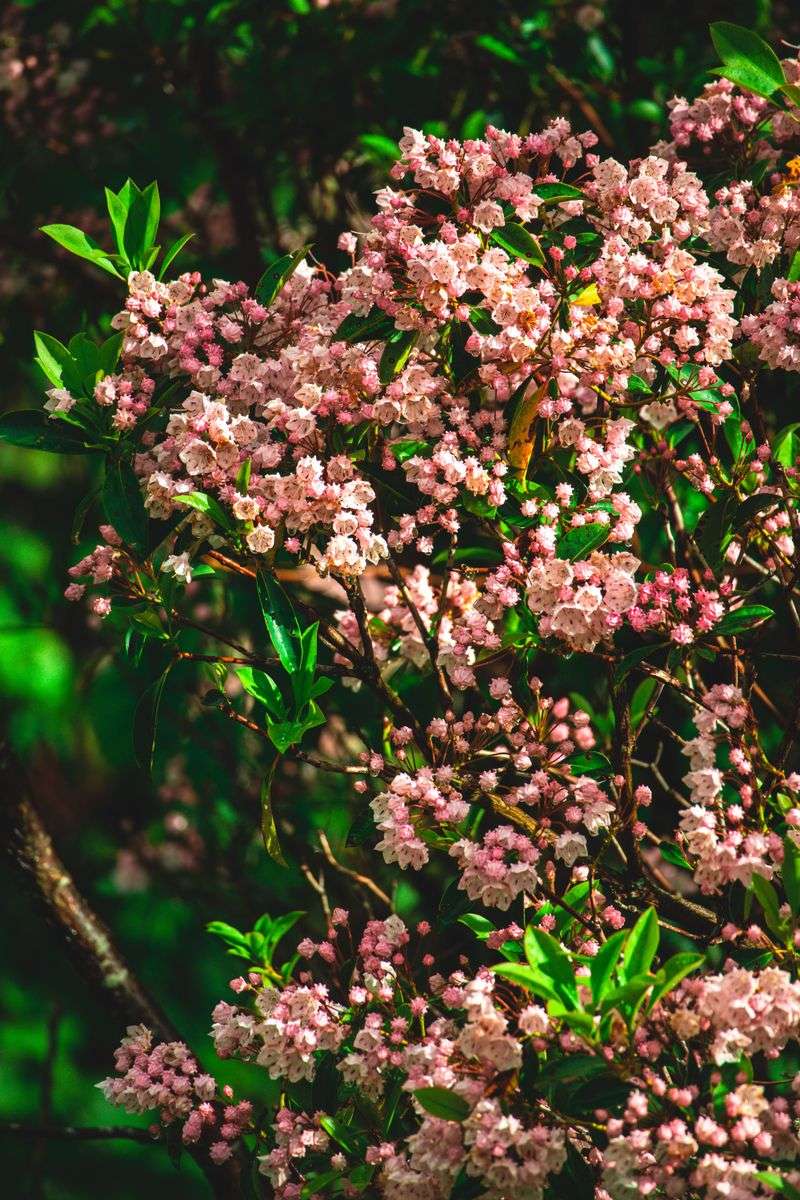
Symptoms after exposure to mountain laurel usually show up within a few hours. The timeline depends on how much was ingested and the size of the person or animal involved.
Early signs often feel like a burning or tingling sensation in the mouth. That discomfort quickly spreads, and many people describe an unusual watering of the mouth shortly after.
Nausea tends to follow, along with vomiting and stomach cramping. These digestive symptoms are the body’s attempt to expel the toxic compounds before they absorb further into the bloodstream.
As the toxins move through the system, they begin affecting the heart and nervous system. A slowed heart rate, low blood pressure, and dizziness are all signs that medical attention is needed immediately.
In more serious cases, muscle weakness and coordination problems can develop. Some people report a temporary paralysis-like feeling in their limbs.
Pets show similar symptoms, but they often can’t communicate what they’re feeling. Excessive drooling, stumbling, or a sudden drop in energy after being near mountain laurel warrants a call to your vet.
Treatment typically involves supportive care and, in severe cases, medication to stabilize the heart. Most healthy adults recover fully with prompt medical attention, but delays can make outcomes worse.
Where Mountain Laurel Grows In Virginia
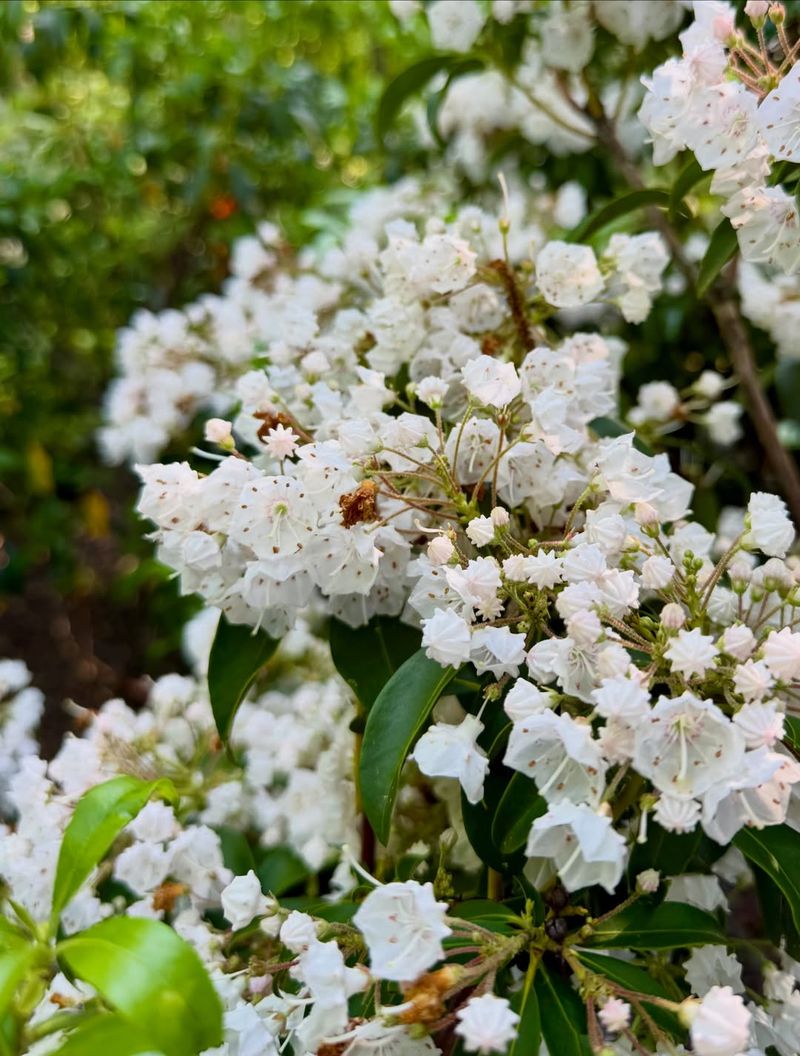
Mountain laurel is practically everywhere once you start looking for it. It blankets the slopes of the Blue Ridge Parkway and fills the understory of Shenandoah National Park in breathtaking waves.
The plant thrives in acidic, well-drained soil and prefers partial shade under a tree canopy. That combination is common across Virginia’s Piedmont and mountain regions, giving the shrub a massive natural range.
Hikers on the Appalachian Trail encounter it constantly during late May and early June. At peak bloom, some sections of the trail feel like walking through a tunnel of pink and white flowers.
It also grows in suburban and rural yards across Northern Virginia, the Roanoke Valley, and the Richmond area. Homeowners often don’t plant it intentionally since it spreads naturally from wild populations in surrounding woodlands.
Coastal plain areas of the state tend to have less of it, but it does appear in sandy, pine-dominated forests in parts of the Hampton Roads region. Its adaptability across soil types is part of what makes it so widespread.
State parks like Douthat, Grayson Highlands, and Hungry Mother all feature notable mountain laurel displays. Visiting during bloom season has become a casual tourism draw in some communities.
Knowing where it grows helps you prepare before heading outdoors with children or pets. Recognizing the glossy leaves and distinctive flower clusters on a trail could prevent an accidental and unpleasant encounter.
How To Enjoy It Without Putting Your Family Or Pets At Risk
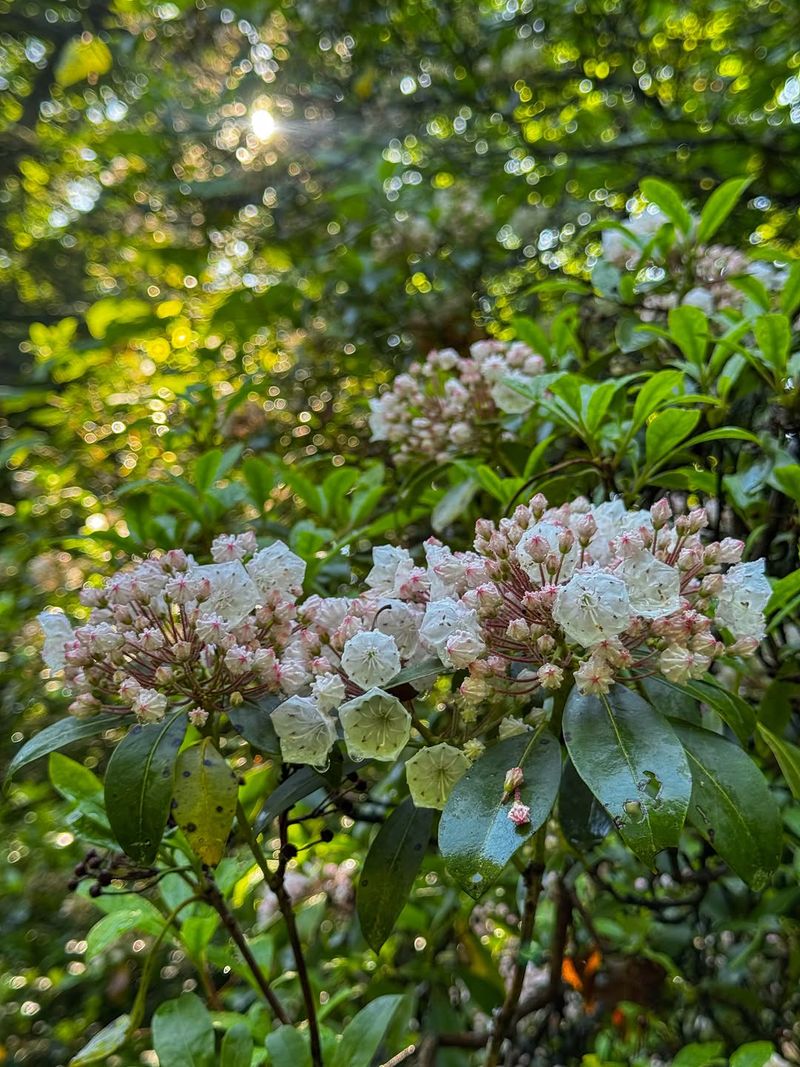
Enjoying mountain laurel safely starts with a simple rule: look, don’t touch or taste. Teaching that habit to kids early creates a healthy respect for all wild plants, not just this one.
If you have mountain laurel in your yard, consider placing it in areas that are less accessible to toddlers and small dogs. Raised beds, garden borders with edging, or fenced sections can create a natural barrier.
Wear gloves when pruning or handling clippings. Washing your hands thoroughly afterward removes any plant sap that might linger on your skin from prolonged contact.
Bag and dispose of trimmings rather than leaving them in a pile where pets might investigate. A curious dog chewing on a discarded branch is a real scenario that ends badly without this precaution.
Educate your children with photos so they can identify mountain laurel on hikes. Knowing what to avoid is far more empowering than being told to stay away from every plant in the woods.
For households with very young children or pets that chew everything, consider planting alternatives like native azaleas or Virginia sweetspire. Both offer similar visual appeal with a much safer profile.
If you simply love the look and want to keep it, a small interpretive sign in your garden can be a fun conversation starter for visiting neighbors. Sharing knowledge about one of Virginia’s most toxic shrubs turns a hazard into a teachable moment.
Beauty and danger coexist in mountain laurel, and knowing that truth lets you appreciate it on your own smart terms.