Florida Plants That Look Better In July Than They Did In April
Most Florida gardeners have made peace with the idea that summer means a tired yard. Things hang on, color fades, and the general expectation is survival until fall arrives and conditions become reasonable again.
Some plants never got that memo. A specific group thrives in Florida’s July in ways that genuinely surprise people who have only seen them in spring.
More color, more fullness, more visual presence right in the middle of the hardest stretch of the year. These are not tough-but-ugly survivors.
They are legitimately beautiful plants that happen to respond to heat and humidity the way most ornamentals respond to perfect spring conditions. Building a Florida yard around plants that peak in summer changes the whole experience of the season.
Instead of waiting for fall, you are actually out there paying attention to what is happening right now.
1. Firebush Turns July Heat Into A Color Show
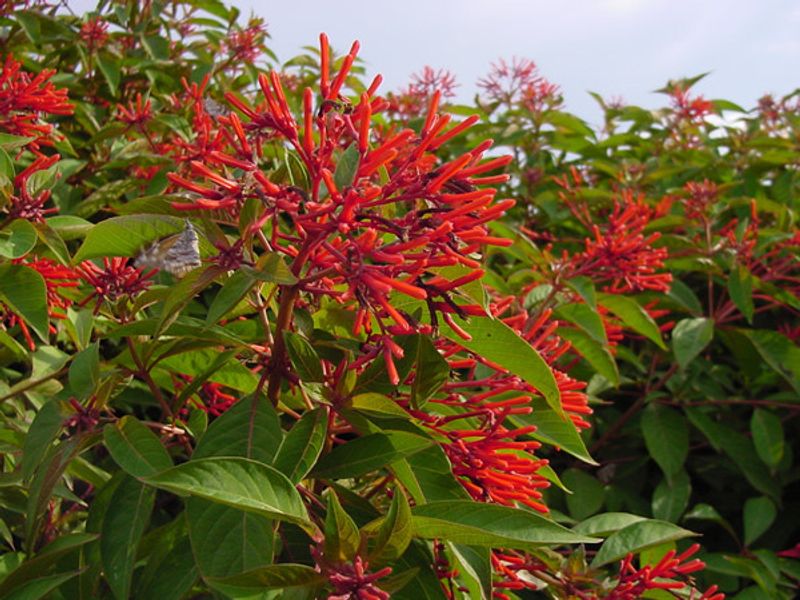
A tired spring bed can look completely different once firebush hits its stride in midsummer. Hamelia patens is a Florida native shrub that responds to rising temperatures with a flush of orange-red tubular flowers that keep coming through the warm season.
In April, a newly planted firebush may look modest, even a little sparse. By July, warm-season growth has pushed it into a fuller, more dramatic shape that earns its place in the landscape.
Hummingbirds visit the long tubular blooms regularly, and butterflies, especially zebra longwings, are drawn to the plant as well. Firebush works well in sunny to partly sunny beds where it has room to spread.
Mature shrubs can reach six to ten feet in warm regions, so spacing matters from the start. It performs best in well-drained soil with full sun and benefits from establishment watering during its first season.
In northern regions, firebush may freeze back in a hard winter and regrow from the roots in spring, which means July growth reflects genuine warm-season recovery. In southern and central regions, it tends to hold its woody structure year-round.
Pruning in early spring helps shape it before summer growth begins. Firebush is listed as a Florida-Friendly Landscaping plant and recognized by the Florida Wildflower Foundation for its wildlife value.
Give it sun, space, and drainage, and July will reward you.
2. Pentas Fill Out Just As Summer Beds Get Tired
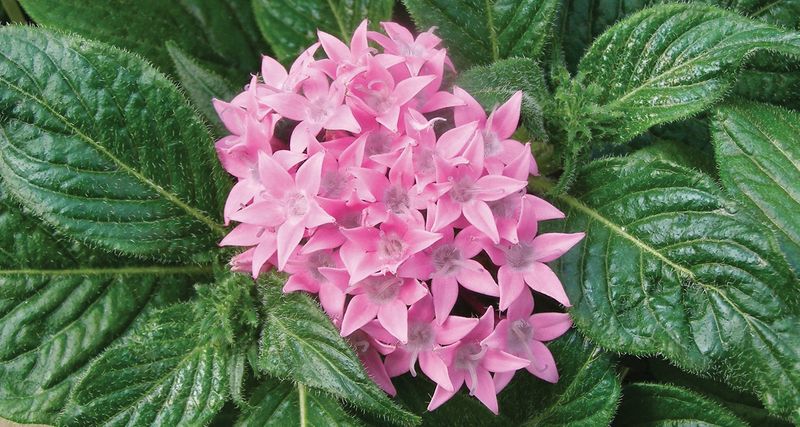
By the time July rolls around, many spring annuals in sunny beds are starting to look ragged. Pentas, on the other hand, often looks fuller and more colorful than it did right after spring planting.
Pentas lanceolata is a non-native flowering plant that thrives in warm, humid conditions. After getting established through May and June, it tends to bush out and produce dense clusters of star-shaped flowers in shades of red, pink, white, and lavender.
Butterflies are strongly attracted to pentas blooms, making it a popular choice for pollinator gardens and summer containers. It works well in sunny beds and pots where moisture is steady but drainage is good.
Dry containers can cause stress quickly, so consistent watering is important during the heat of summer. Pentas is not drought-tolerant once roots are confined to a pot.
Your Florida Garden Changes Every Week. Your Plan Should Too.
Gardening in Florida changes quickly throughout the season. Every Friday you’ll receive a simple weekly plan showing exactly what to plant, prune, fertilize, harvest, and protect so you never miss the right timing.
This plant is non-native and should be placed thoughtfully. It is not considered invasive in most of the state, but it does best when given proper site conditions rather than being tucked into a shaded or poorly drained spot.
UF/IFAS recognizes pentas as a reliable warm-season bedding plant for sunny landscapes. Trimming spent flower clusters can encourage fresh blooms, though some newer varieties are bred to be more self-cleaning.
In the right sunny spot with steady care, July pentas can look genuinely impressive.
3. Angelonia Stands Taller After Spring Planting
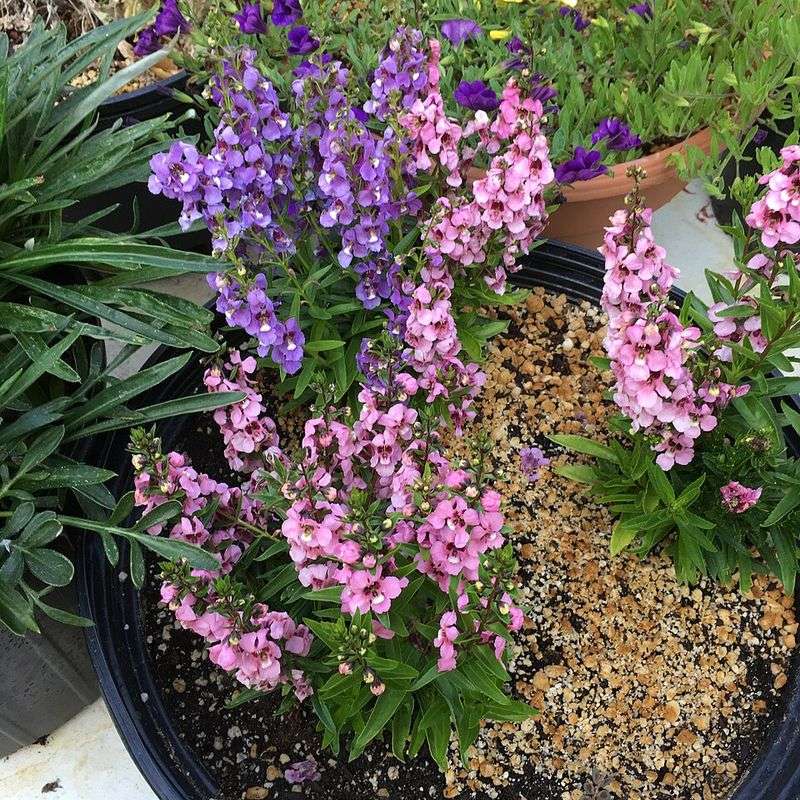
Spring-planted angelonia often looks compact and modest in April, but give it a couple of months of warm weather and the difference becomes clear.
Angelonia angustifolia is a non-native heat-tolerant plant that produces upright flower spikes in purple, pink, white, and bicolor shades.
By July, established plants have gained real height and bloom power, making them useful for adding vertical color to sunny borders and containers.
The flowers have a light, pleasant fragrance that some gardeners compare to grape candy. Angelonia performs best in full sun with good drainage and consistent moisture.
It does not handle soggy soil well, so raised beds and containers with drainage holes are smart choices. In containers, it pairs well with trailing plants that soften the edges while angelonia provides the height.
Technically a tender perennial in frost-free areas, angelonia is grown as a warm-season annual in most of the state. It is non-native and still needs basic care.
That includes drainage, regular watering during establishment, and occasional fertilization to maintain bloom production through summer.
UF/IFAS recommends angelonia as one of the more reliable summer annuals for sunny beds because of its heat tolerance and long bloom season.
Pruning back the tips lightly in midsummer can encourage fresh branching. When planted in the right spot in spring, July angelonia often looks like an entirely different plant than it did at transplant time.
4. Tropical Sage Keeps Blooming Through The Heat
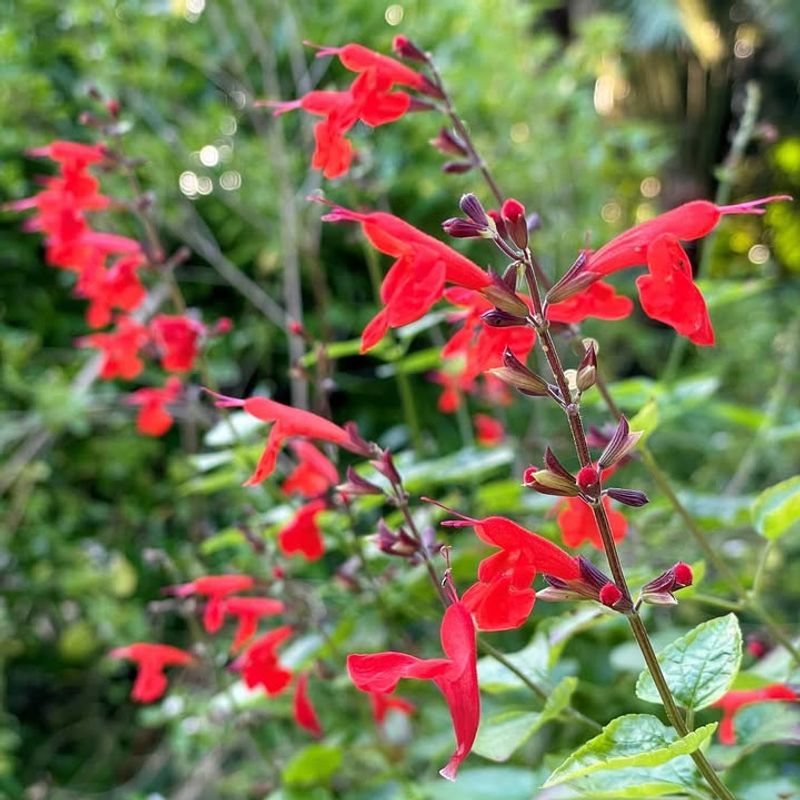
Walk past a sunny bed in July and a flash of red from tropical sage can stop you in your tracks. Salvia coccinea is native to our state and produces slender spikes of tubular flowers in red, pink, coral, and white through the warm season.
While some plants struggle once summer heat and humidity set in, tropical sage tends to keep going. In April, young plants or reseeded seedlings may look small and scattered.
By July, established plants have filled out and are blooming consistently.
Hummingbirds visit the tubular red blooms reliably, and bees and butterflies also work the flowers. It suits sunny to partly sunny beds with reasonable drainage, and it has a naturally loose, informal shape that works well in native plant gardens and pollinator beds.
Tropical sage does reseed freely where conditions are right, so gardeners who prefer tidy, structured beds should plan for that tendency.
The Florida Wildflower Foundation and Florida Native Plant Society both recognize Salvia coccinea for its ecological value and summer performance. It is not a formal hedge plant and should not be forced into a role it was not built for.
In the right open, sunny spot with decent drainage, it delivers consistent warm-season color with relatively modest input. Cutting back spent stems occasionally can encourage fresh flowering through the rest of summer and into early fall.
5. Muhly Grass Builds Texture Before Its Fall Show
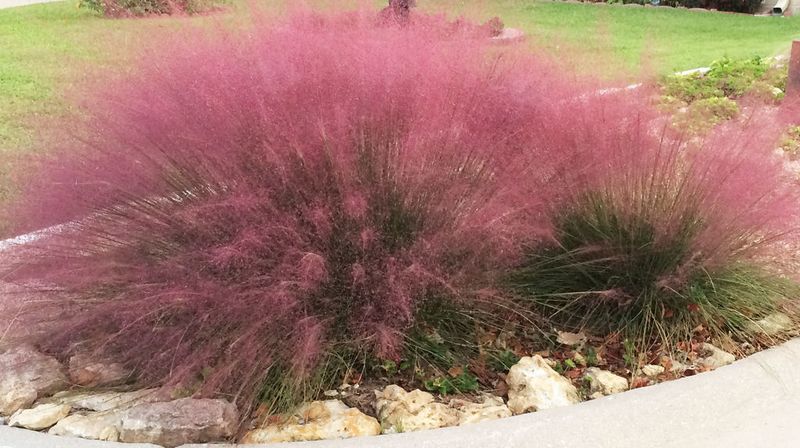
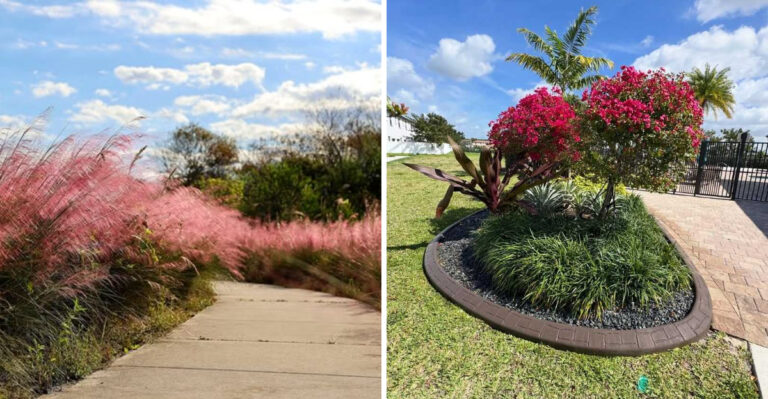
Most people know muhly grass for its famous fall plume display, but the plant has already been doing quiet, useful work long before those pink clouds appear.
Muhlenbergia capillaris is a native ornamental grass that spends summer building the full, arching clumps that make the fall show possible.
In April, new or recently divided plants may look modest and low. By July, established clumps have filled in with soft, fine-textured blades that add airy movement to borders and mass plantings.
That midsummer texture is genuinely useful in the landscape. It contrasts well with bolder foliage plants and provides a soft visual buffer between flowering plants and hardscape edges.
Muhly grass is adapted to full sun and well-drained soil, including the sandy soils common across much of the state. It handles heat and drought reasonably well once established, but overwatering and deep shade will weaken its form over time.
UF/IFAS and the Florida Wildflower Foundation both highlight muhly grass as a reliable native plant for sunny beds and open borders. It should not be crowded by aggressive neighbors or planted where irrigation will keep roots constantly wet.
Spacing clumps properly from the start allows each plant to develop its natural rounded shape. By July, a well-placed muhly grass clump has real presence, and it is only going to get more dramatic as temperatures begin to ease in fall.
6. Blue Daze Spreads Cooler Color Across Hot Edges
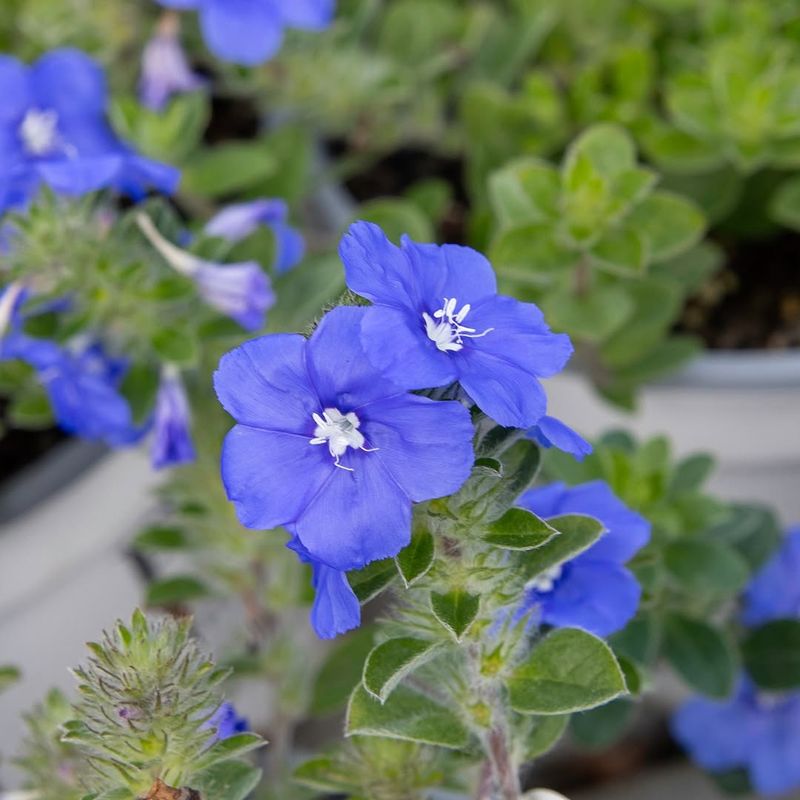
There is something almost surprising about seeing cool blue flowers in the middle of a blazing July garden.
Blue daze, known botanically as Evolvulus glomeratus, is a non-native trailing plant that produces small, sky-blue blooms against soft silver-green foliage.
In April, a young blue daze plant in a container or a sunny border edge may look compact and a little unremarkable. By July, it has spread into a low, flowing carpet of color that contrasts beautifully with warm-toned companions.
Blue daze performs best in full sun with excellent drainage. It does not tolerate soggy roots, and containers without drainage holes will cause it to decline quickly.
In sandy, well-drained beds or raised containers on a hot patio, it tends to thrive through summer heat. The flowers open in the morning and close by afternoon, which is worth knowing when planning where to enjoy them.
This plant is non-native and cold-sensitive, so it may not survive a hard freeze in northern regions. In warmer parts of the state, it can behave more like a short-lived perennial.
UF/IFAS recognizes blue daze as a useful warm-season groundcover for sunny, well-drained sites. It is not suited to shaded beds or areas with standing water after rain.
Given the right exposure and drainage, blue daze offers a genuinely distinctive color note in midsummer beds and containers where most plants lean toward warm tones.
7. Fakahatchee Grass Looks Bolder Once Summer Growth Kicks In
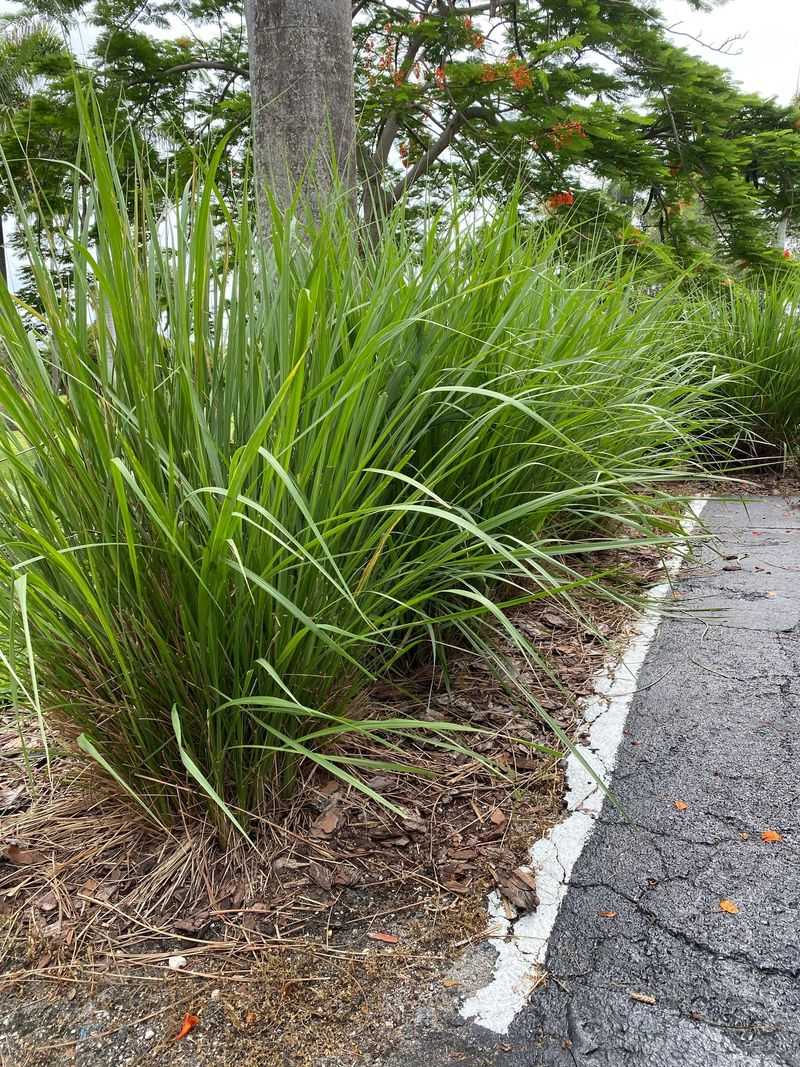
Some plants announce themselves slowly, and Fakahatchee grass is one of them. Tripsacum dactyloides is a native grass that can look relatively contained in April, especially if it was planted or cut back the previous season.
Once warm-season growth kicks in, the clumps expand rapidly, gaining height and bold, arching presence that stands out clearly in larger beds and open landscape areas.
By July, an established Fakahatchee grass clump has real visual weight. The broad, strappy blades create a dramatic textural contrast with finer-leaved plants and can anchor a large bed or soften a pond edge or rain garden margin.
Wildlife value is part of the picture too. The plant provides cover and seed for birds, and its native status means it supports local ecological function in ways that non-native grasses do not.
This grass is not a small foundation plant. Mature clumps can reach five to seven feet in height and spread considerably, so spacing and placement need to be planned from the start.
UF/IFAS and the Florida Native Plant Society both recognize Fakahatchee grass as a useful native for larger landscapes, rain gardens, and naturalistic borders. It handles wet and dry periods reasonably well once established but needs room to reach its full form.
Planting it where it can grow without constant cutting back allows it to develop the bold midsummer presence it is capable of delivering.
8. Croton Makes July Heat Look Like Part Of The Design
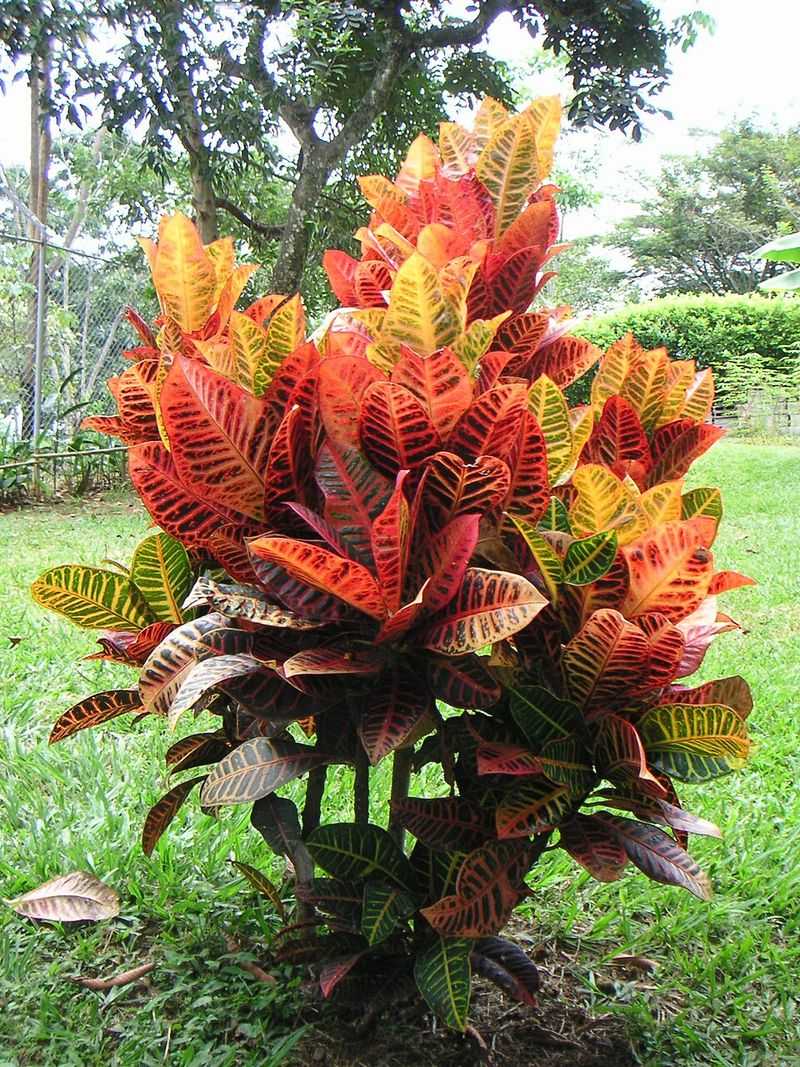
Bold foliage plants often earn their keep in summer, and croton is one of the most visually dramatic options available in warm regions.
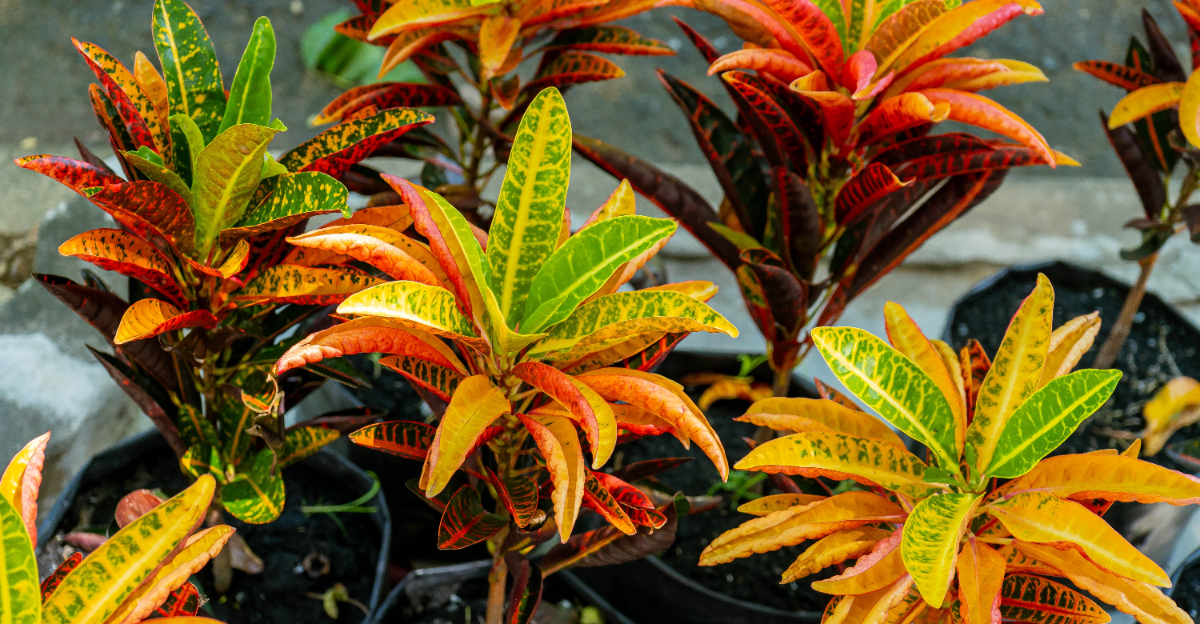
Codiaeum variegatum is a non-native tropical shrub with leaves that combine red, orange, yellow, green, and purple in patterns that look almost painted.
In April, a recently planted or moved croton may look a bit stressed, especially if temperatures were still fluctuating. By July, with stable heat and consistent moisture, established plants often display their richest, most saturated color.
Croton works well in containers on warm patios, in tropical-style beds, and as a bold accent near entryways or pool areas. Light exposure is critical.
Too much direct afternoon sun in a hot, dry spot can cause leaf scorch, while deep shade produces dull, less colorful foliage. A bright spot with some afternoon protection often produces the best leaf color in midsummer.
This plant is non-native and cold-sensitive. In northern regions, it is best treated as a container plant that can be moved indoors before temperatures drop.
In southern and central regions, established crotons in protected spots can hold through mild winters. UF/IFAS notes that croton needs well-drained soil, regular moisture, and appropriate light to perform well.
It is not a low-maintenance plant in marginal conditions. Given the right site, though, a croton in July can make a hot patio feel intentionally tropical and genuinely designed.