Florida Plants That Draw Hawks And What That Means For Squirrels And Rats
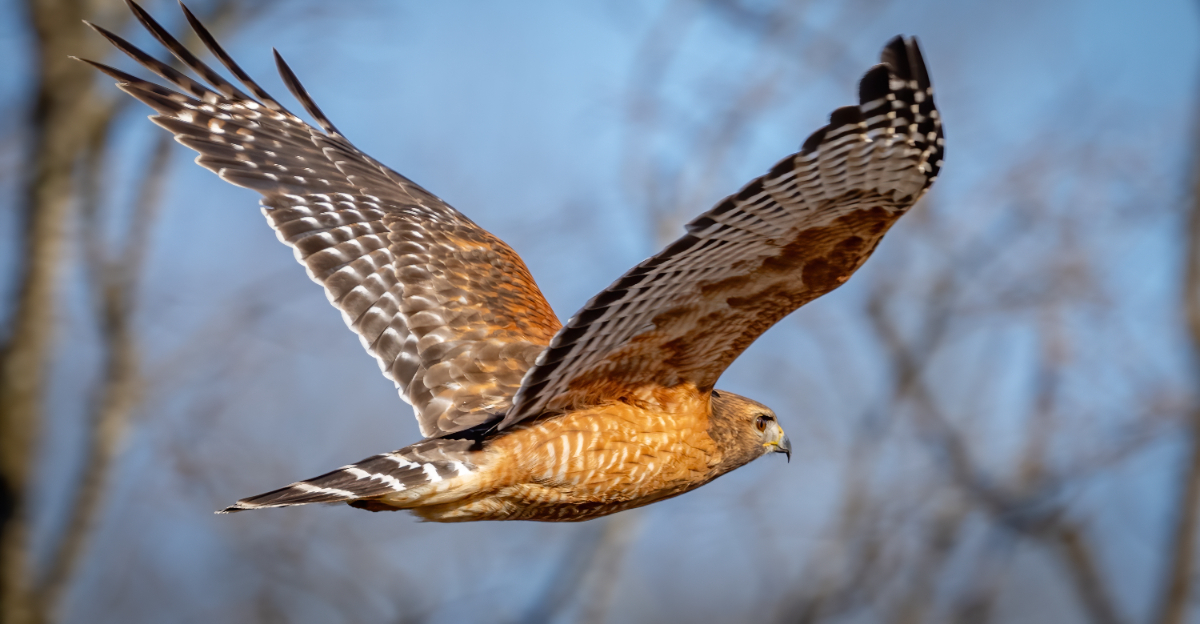
Hawks are working Florida yards every single day and most homeowners never think about what draws them in or what they are actually doing while they are there.
A hawk that has claimed a yard as regular hunting territory is one of the more effective forms of natural pest pressure a Florida property can have.
Squirrels and rats respond to hawk presence in ways that change how they move through a yard. A yard a hawk works regularly becomes a riskier place for both.
Not risk-free, but measurably less comfortable for the animals most homeowners would rather not host. What pulls hawks in is largely about habitat.
Certain plants create the kind of open structure, perch availability, and hunting conditions hawks are drawn to. A yard built with the right plants attracts the right predators.
What follows from that is a more balanced outdoor space than most Florida homeowners realize is possible.
1. Live Oak Gives Hawks The Tall Perches They Watch From
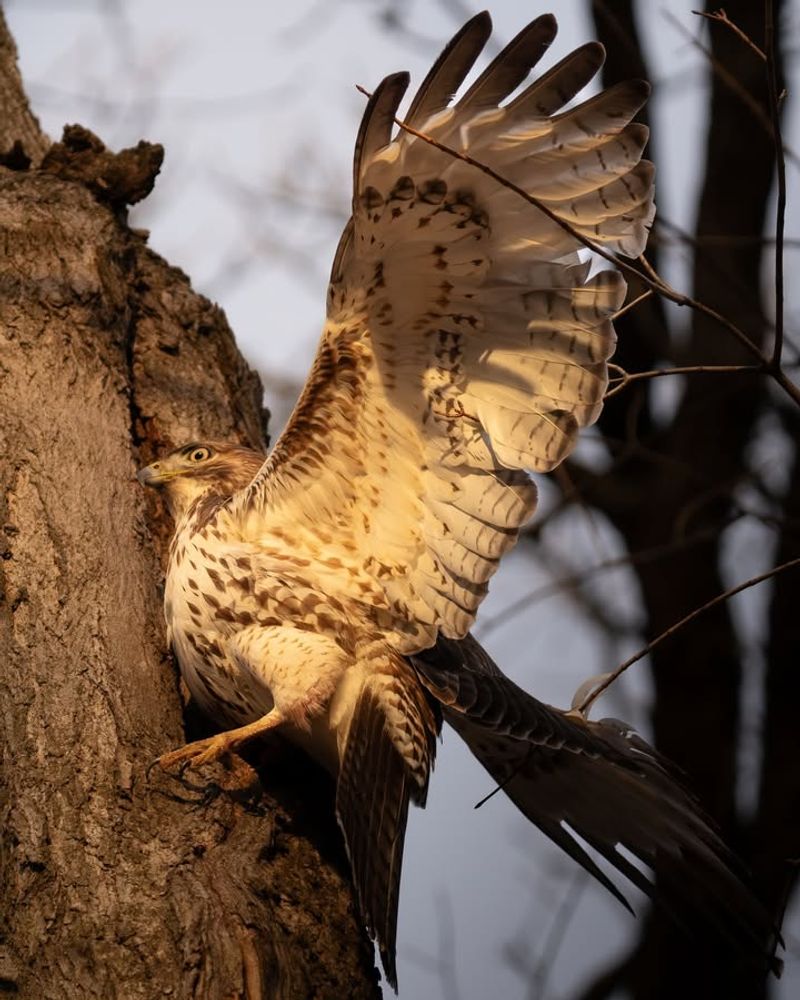
Imagine a red-tailed hawk sitting perfectly still on a thick branch, twenty feet above a sunlit lawn, watching everything below. That image captures exactly why live oak (Quercus virginiana) belongs at the top of any hawk-friendly habitat conversation in this state.
A mature live oak can reach 40 to 80 feet tall with a broad, sweeping canopy. That canopy provides elevated perches, deep shade, and structural complexity few other trees can match.
Hawks often use tall, open-canopied trees near lawns, fields, or open edges to scan for prey below. Live oak fits that role naturally, especially as it matures.
Squirrels also love live oaks for the acorns, so a yard with a big oak may already be a busy hunting zone for both predator and prey. That does not mean planting one will reduce your squirrel population.
It simply adds habitat value.
Planting a live oak is a long-term commitment, not a quick fix. Young trees need proper siting, adequate space, and patience.
UF/IFAS Extension notes that live oak is one of the most valuable native canopy trees available to home landscapes in warm regions. Give it full sun, well-drained soil, and room to grow without crowding structures.
Plan for decades, not seasons, and this tree will reward you generously.
2. Slash Pine Adds Open Hunting Structure In Larger Yards
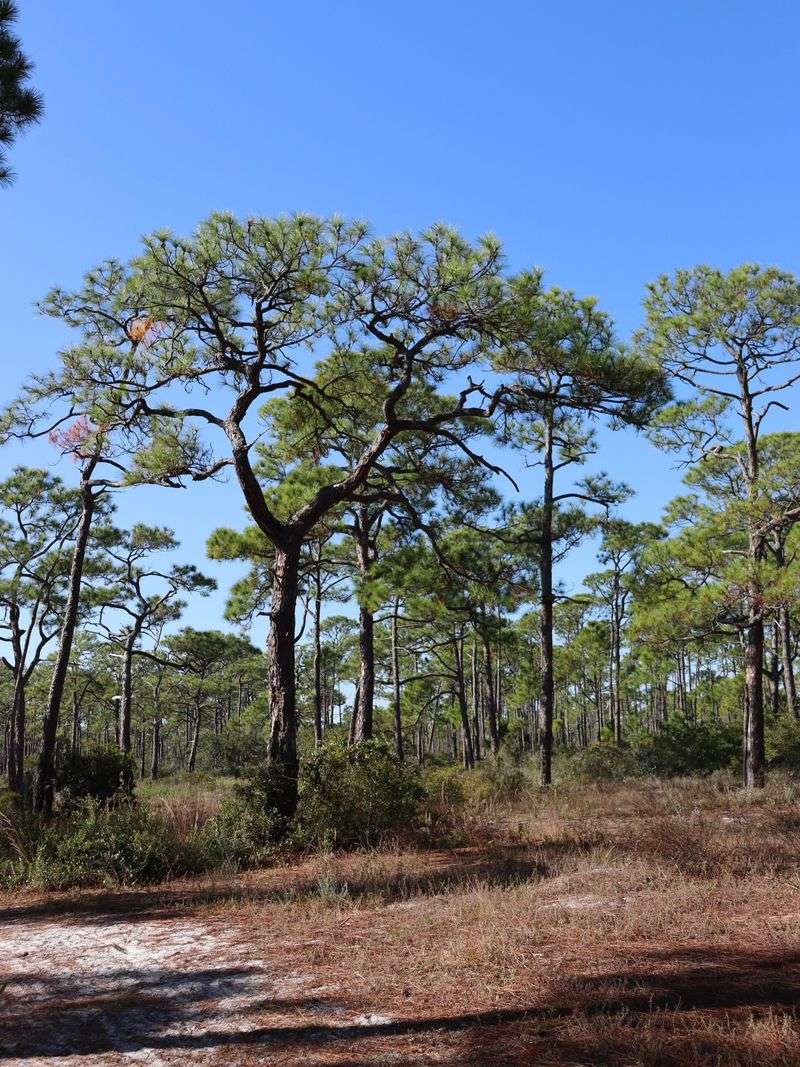
Tall pines have a quality that dense shade trees do not offer: open vertical structure. Slash pine (Pinus elliottii) grows with a relatively clear trunk and open upper branching that gives hawks a high, unobstructed view of the ground below.
In larger yards, naturalistic properties, or sites near open fields, pond edges, or scrub habitat, a mature slash pine can serve as a natural hunting post.
Hawks perching in pines near open lawns or grassy edges have clear sightlines to spot movement below. Slash pine is native to much of this state, particularly in flatwoods, wet prairies, and sandy soils from central to southern regions.
UF/IFAS Extension notes that slash pine can reach 75 to 100 feet tall and needs full sun, adequate drainage, and plenty of room to develop properly.
Your Florida Garden Changes Every Week. Your Plan Should Too.
Gardening in Florida changes quickly throughout the season. Every Friday you’ll receive a simple weekly plan showing exactly what to plant, prune, fertilize, harvest, and protect so you never miss the right timing.
This is not a small-yard foundation plant. It needs space, light, and a site where roots and canopy can expand without conflicting with structures or utilities.
Slash pine also supports a broad range of wildlife beyond hawks, including cavity-nesting birds, insects, and mammals that form part of the yard food web.
Rats and squirrels may use pines for cover and travel, so keeping nearby structures sealed and fruit sources cleaned up matters as much as any habitat planting you add.
3. Southern Red Cedar Builds Cover For A Broader Food Web
Not every hawk-friendly plant is about tall perches and open sightlines. Sometimes the supporting cast matters just as much.
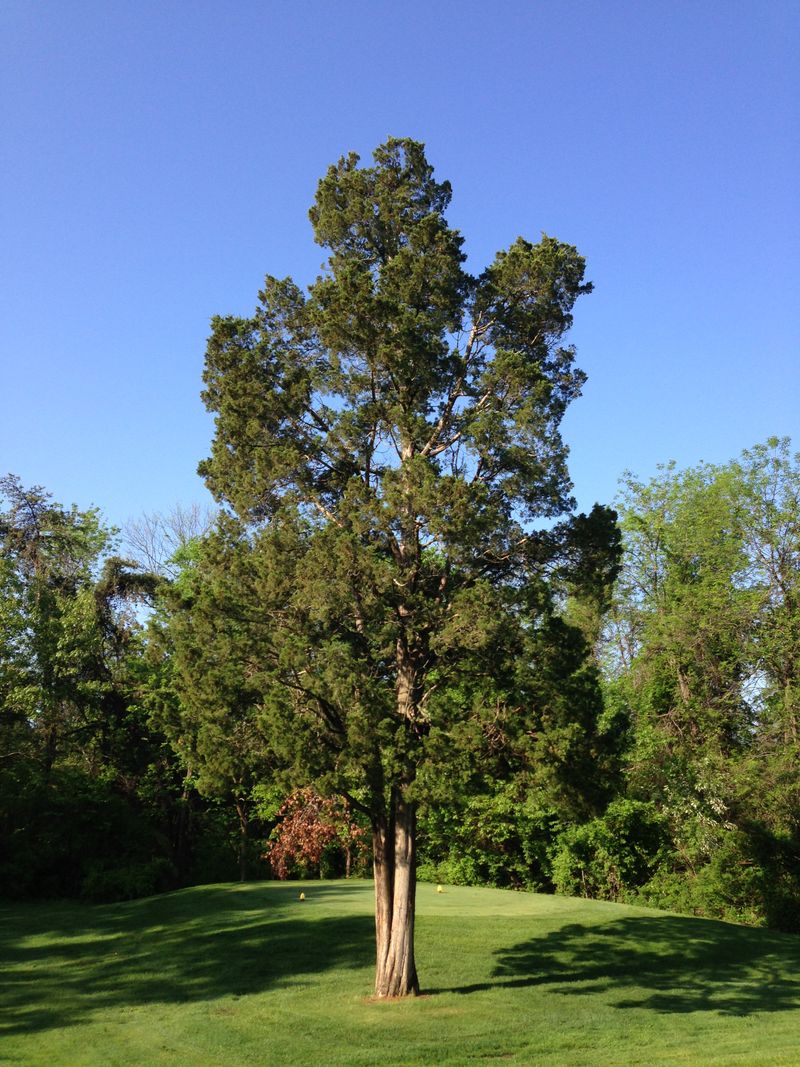
Southern red cedar (Juniperus virginiana var. silicicola) is the form appropriate for coastal and warm regions of this state. It is a dense native evergreen with layered branching, nesting cover, and blue-gray berries that attract dozens of bird species.
Cedar waxwings, mockingbirds, and robins flock to the berries in season. A yard alive with bird activity naturally draws more predator attention, including from hawks hunting small birds or mammals at the edges.
Red cedar does not summon hawks directly. Instead, it supports the broader wildlife web that makes a yard feel like functioning habitat rather than a maintained lawn.
Spacing and air movement matter with red cedar. Dense plantings can hold moisture, and good spacing helps reduce fungal issues in humid conditions.
Mature size should be respected, especially near fences, buildings, or utility lines. Plant it in full sun near open edges where air circulates freely.
UF/IFAS and the Florida Native Plant Society recognize this species as a valuable native evergreen. It suits wildlife-friendly landscapes across appropriate regions of the state.
Its structure and berry production make it a genuine habitat anchor.
4. Wax Myrtle Creates Edge Habitat Where Wildlife Moves
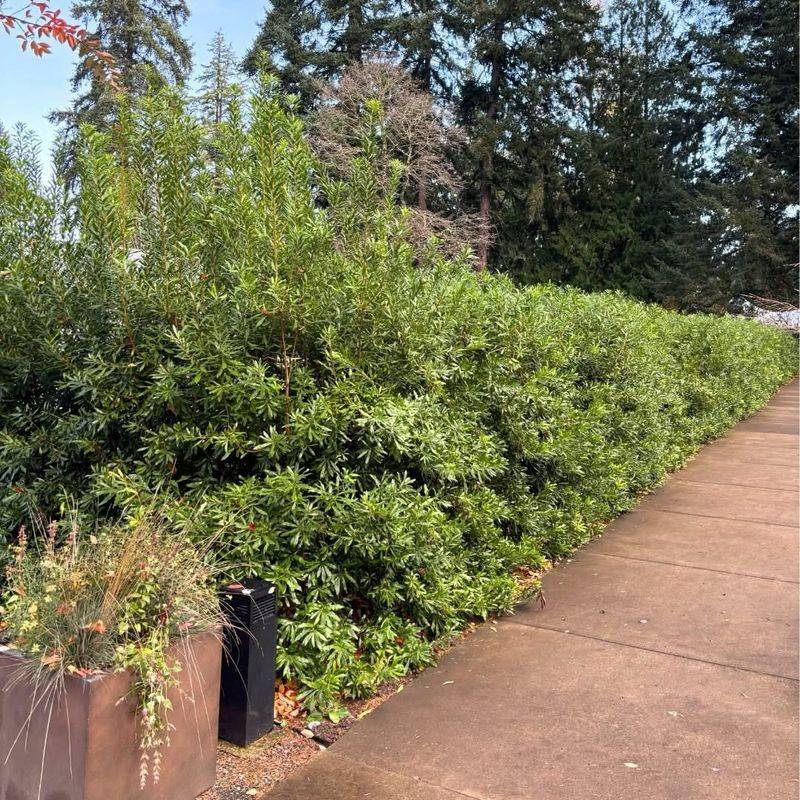
Few native shrubs work as hard in a Florida yard as wax myrtle (Morella cerifera). Known also as southern wax myrtle, this fast-growing native can reach 10 to 15 feet tall or more.
It produces waxy gray-green berries that birds consume eagerly through fall and winter. Yellow-rumped warblers, tree swallows, and many other species rely on these berries during migration and cooler months.
Where wax myrtle earns its place in a hawk-friendly habitat plan is at the edges. Dense shrub plantings along a yard border create a transition zone where small birds, lizards, and small mammals move in and out of cover.
Open lawn space adjacent to that shrubby edge gives hawks better visibility for scanning and hunting. The combination of layered cover and nearby open ground is more useful to raptors than any single plant alone.
Be honest about maintenance needs before planting. Wax myrtle can sucker aggressively, spread wider than expected, and grow large enough to crowd foundations or block sight lines if placed carelessly.
UF/IFAS Extension recommends giving it room away from tight foundation beds and structures. Plant it along back borders, fence lines, or naturalistic edges where size and spread can be managed with occasional pruning.
Fruit cleanup beneath dense shrubs near the house also helps reduce rodent shelter.
5. Dahoon Holly Supports Birds Without Promising Pest Control
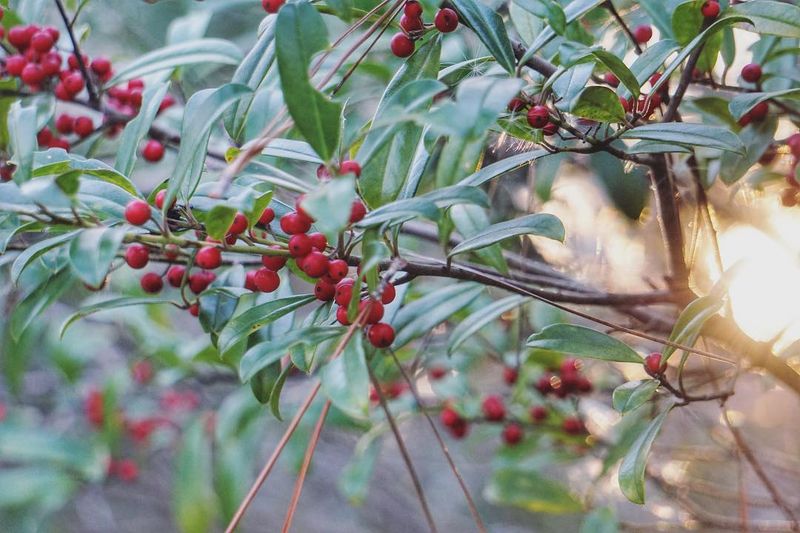
Clusters of bright red berries on a native evergreen tree, loaded with songbirds on a cool winter morning, is one of the most rewarding sights a Florida yard can offer.
Dahoon holly (Ilex cassine) earns that moment reliably in moist or seasonally wet sites across much of this state.
It grows as a tall shrub or small tree, reaching 20 to 30 feet in good conditions, and provides structure, shelter, and food for a wide range of birds.
Berry production depends on having both male and female plants nearby. Female plants produce the showy red fruit, but a compatible male must be present within a reasonable distance for pollination to succeed.
UF/IFAS Extension and the Florida Native Plant Society both note dahoon holly as a valuable native for wet or moist landscape sites. It also works for pond margins and wildlife-friendly plantings in appropriate regions.
From a hawk habitat standpoint, dahoon holly adds layered structure and bird activity to a yard rather than directly attracting raptors.
A yard with more bird and small mammal activity may attract hawks hunting opportunistically, but no berry-producing plant controls squirrel or rat populations.
Sanitation, exclusion, and secure food storage still carry the most weight in managing rodent pressure. Dahoon holly is a genuine habitat plant, valued for what it honestly provides rather than what it cannot promise.
6. Muhly Grass Keeps Open Edges Visible For Hunting
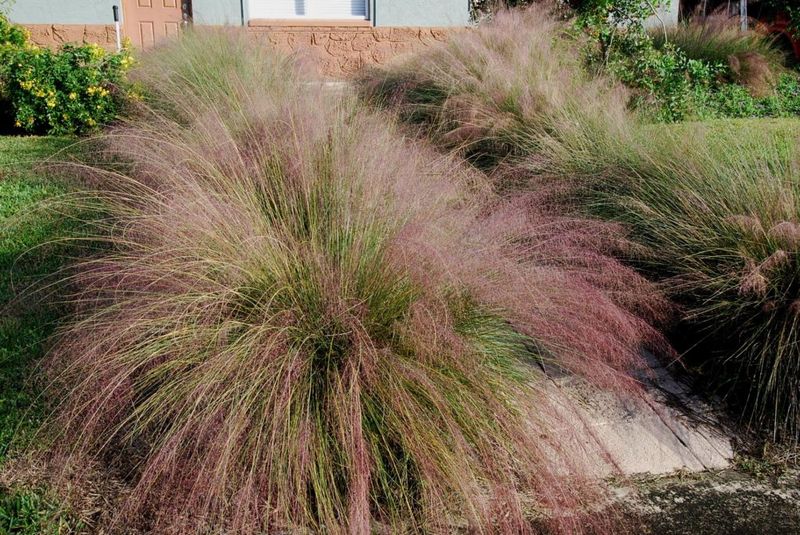
Every fall, muhly grass (Muhlenbergia capillaris) puts on a show. Airy clouds of pink and purple plumes rise above the fine-textured foliage along sunny borders, catching the afternoon light in a way that stops people in their tracks.
Beyond the beauty, this native grass plays a practical role in habitat design that often gets overlooked.
Open, sunny edges planted with low ornamental grasses stay visually clear in a way that dense shrubs or tall ground covers do not. Hawks hunting from elevated perches need unobstructed sightlines to spot movement below.
A border of muhly grass along a lawn edge, near a pond, or beside a naturalistic planting keeps the transition zone open. It also softens the landscape with texture and seasonal color.
Rats and small mammals may move through grassy edges, but muhly grass does not create the kind of dense low cover that rodents prefer for nesting and shelter.
Muhly grass thrives in full sun and well-drained soil. It handles heat, drought, and sandy conditions with ease, making it well-suited to many yards across this state.
UF/IFAS Extension and the Florida Wildflower Foundation both highlight it as an outstanding native grass for sunny borders and naturalistic plantings. Cut it back in late winter to encourage fresh growth.
Use it along open borders where you want texture without blocking sight lines or creating dense cover near the house.
7. Beautyberry Adds Wildlife Value Away From The House
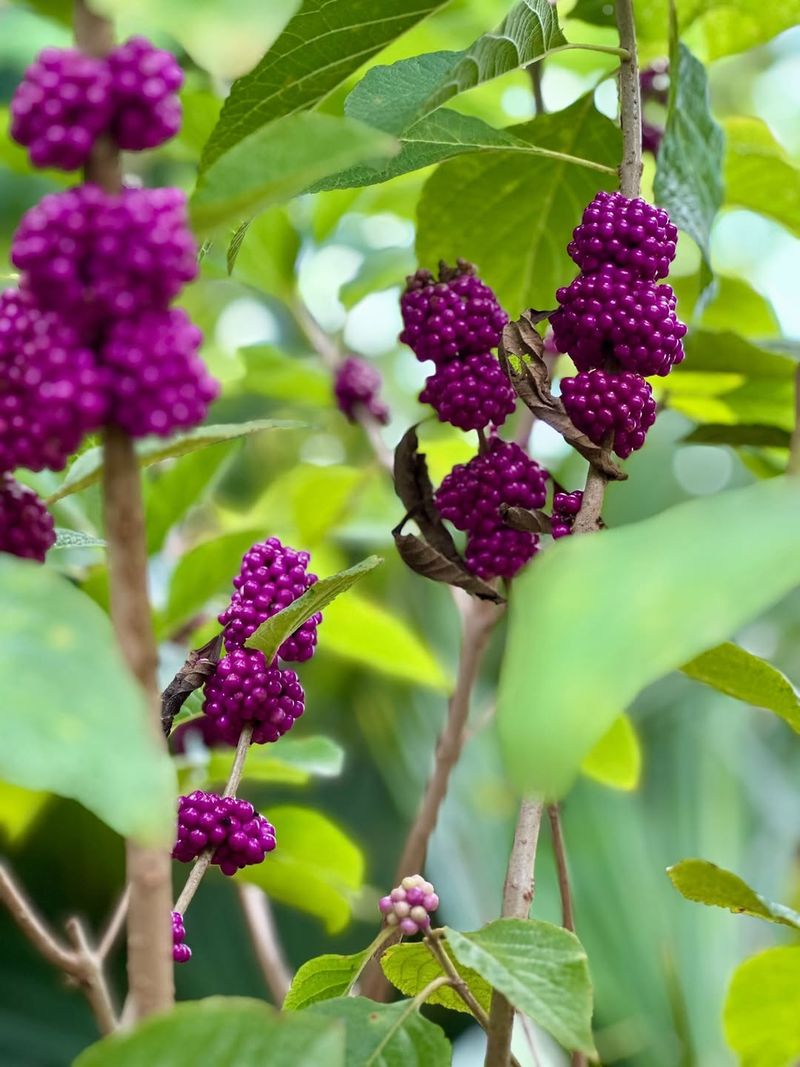
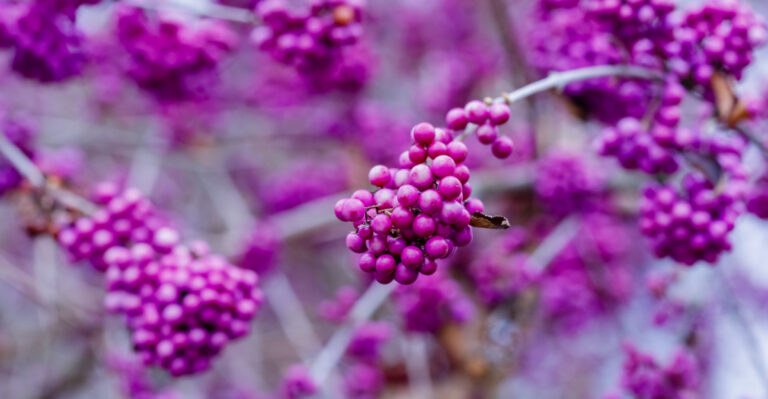
Those vivid clusters of magenta-purple berries are hard to miss in late summer and fall. American beautyberry (Callicarpa americana) is a native shrub that produces berry clusters directly on the stems in a color so bold it looks almost unreal.
Birds including mockingbirds, robins, cardinals, and brown thrashers feed on the berries eagerly. That bird activity adds life to the middle layer of a wildlife-friendly yard.
A yard with more bird movement and small mammal activity can attract hawks hunting opportunistically at the edges. Beautyberry contributes to that layered habitat energy without directly summoning raptors.
It grows best in partial shade to full sun, reaches 4 to 8 feet tall, and can spread through root suckers and reseeding if not managed. Fallen berries beneath the shrub can attract rodents if the plant is placed too close to the house, compost areas, or entry points.
Placement matters here. Site beautyberry away from doors, foundation gaps, and areas where rats may already be active.
Use it along back borders, shaded woodland edges, or naturalistic planting zones where berry drop is less of a concern. UF/IFAS Extension recommends cutting beautyberry back hard in late winter to encourage fresh, vigorous growth and better berry production.
It rewards that minimal care with one of the most striking wildlife displays any native shrub can offer in this region.
8. Fakahatchee Grass Frames Big Spaces Without Creating A Thicket
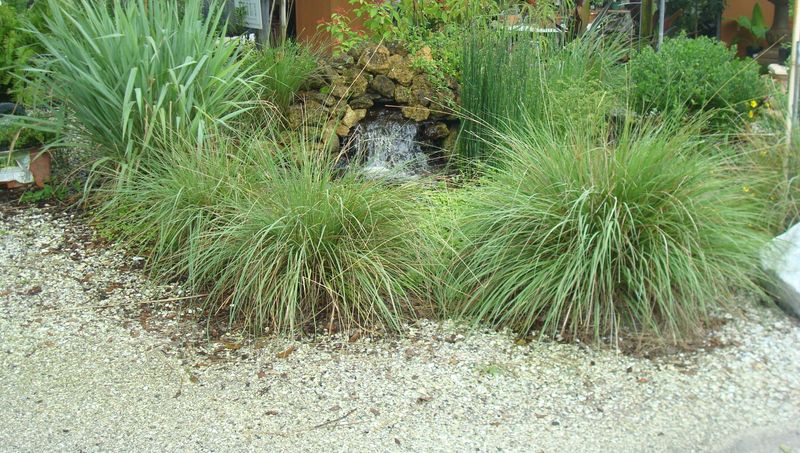
Bold, arching, and genuinely impressive in the right setting, Fakahatchee grass (Tripsacum dactyloides) is not a plant for a tidy suburban border. This large native grass forms substantial clumps that can reach 4 to 6 feet tall and spread just as wide.
In larger yards, pond edges, broad naturalistic borders, or open habitat-style plantings, it frames space with texture and scale that few other grasses can match.
From a habitat standpoint, Fakahatchee grass adds structure along open edges without creating the kind of dense, tangled thicket that blocks visibility. Hawks hunting from perches nearby benefit from open sightlines.
This grass can define habitat edges while keeping the landscape visually clear beyond the clump borders.
Small mammals, insects, and ground-feeding birds use the base of large grass clumps for cover and foraging, adding another layer of food web activity to the yard.
Give it room, full sun to light shade, and adequate moisture, especially near pond margins or low spots where it naturally thrives. UF/IFAS Extension notes that Fakahatchee grass is native to much of the eastern United States, including warm regions of this state.
It performs well in wet to seasonally moist sites. It is not appropriate for tight beds or small yards where its size and spread would quickly overwhelm the space.
Used well, it anchors open habitat edges with genuine native character and lasting wildlife value.