The Gray Mud That Isn’t Mud Is Waiting In Your Indiana Yard
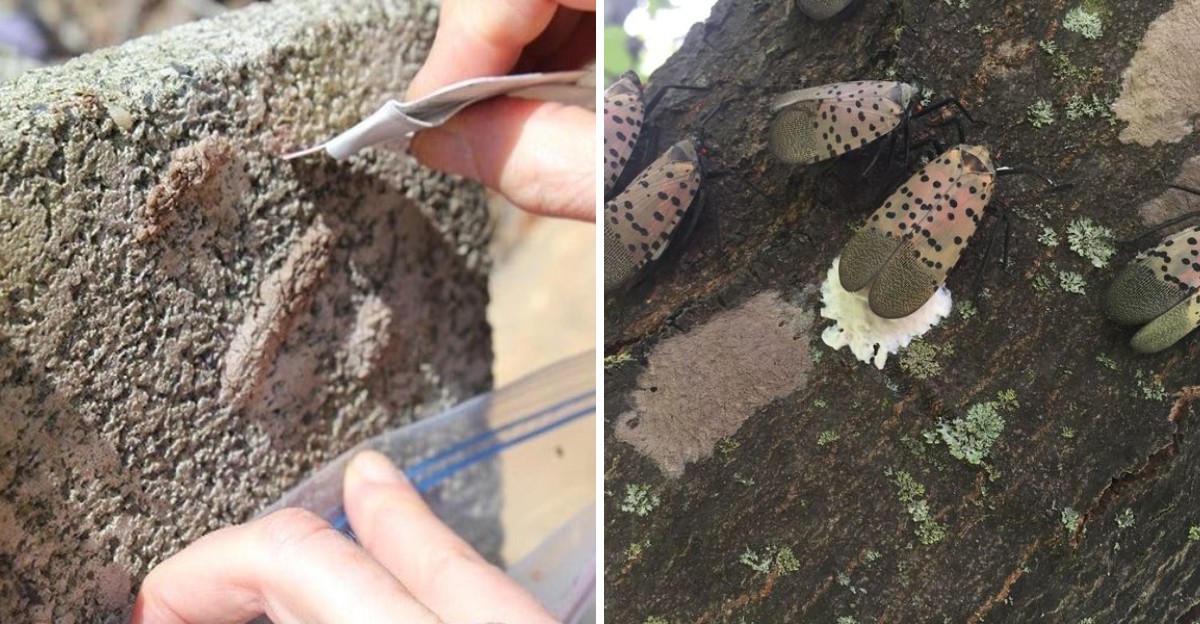
They’re easy to miss, beautiful to look at, and quietly damaging Indiana’s trees, vineyards, and orchards. Native to Asia, spotted lanternflies hitchhiked here in freight and shipping pallets and have been spreading ever since.
Your grape vines and black walnut hardwoods are among their preferred hosts, though they will feed on over 70 plant species, including apple trees.
They feed by piercing plant tissue and extracting sap, producing a sticky substance called honeydew that can lead to sooty mold growth.
Recognizing this insect early provides a real advantage. Adults have gray-brown spotted wings with vivid red hindwings, while nymphs appear black with white spots before developing red markings.
Removing egg masses on your property may reduce local spread. Reporting sightings to state agricultural authorities helps improve monitoring efforts across Indiana, and residents are an important part of early pest detection.
1. How Spotted Lanternflies Spread Through Vehicles, Trains, And Freight
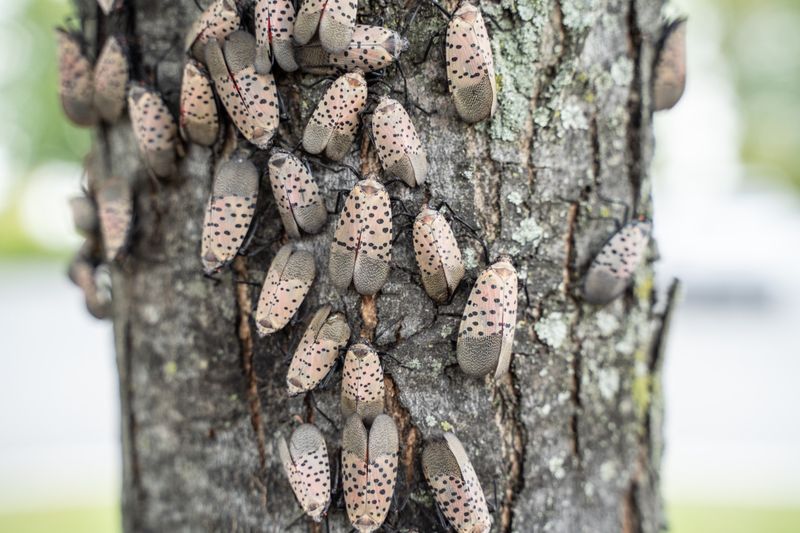
November is a busy month for travel, and that matters when it comes to spotted lanternflies. Adults spent the autumn laying egg masses, and those masses can attach to almost anything parked or stored outdoors.
Spotted lanternflies spread primarily through human transportation systems. They are not strong long distance fliers, so they rely on accidental movement by people and goods.
Egg masses are the main life stage responsible for long distance movement. They can attach to vehicles, trailers, shipping containers, outdoor furniture, and equipment.
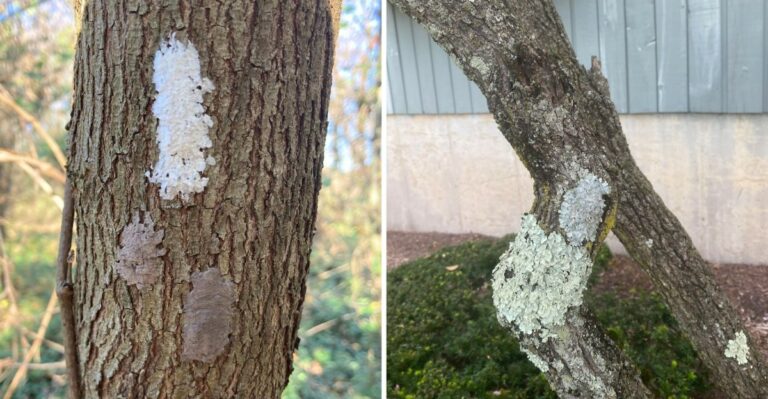
Flat, gray, and resembling dried mud or old putty, they blend in and are often missed during routine handling.
With bare branches and fallen leaves, November makes surfaces easier to inspect. A quick look along a trailer frame or a stack of pallets can reveal masses that summer foliage once hid.
If you find one, scrape it into a bag with a little rubbing alcohol before the item travels anywhere.
Indiana sits along several major transport routes, and holiday trips add even more movement this month.
Checking vehicles and cargo before a trip helps keep eggs from reaching a new neighborhood where they could hatch next spring. Small habits add up.
2. Tree Of Heaven And Its Role In Lanternfly Spread
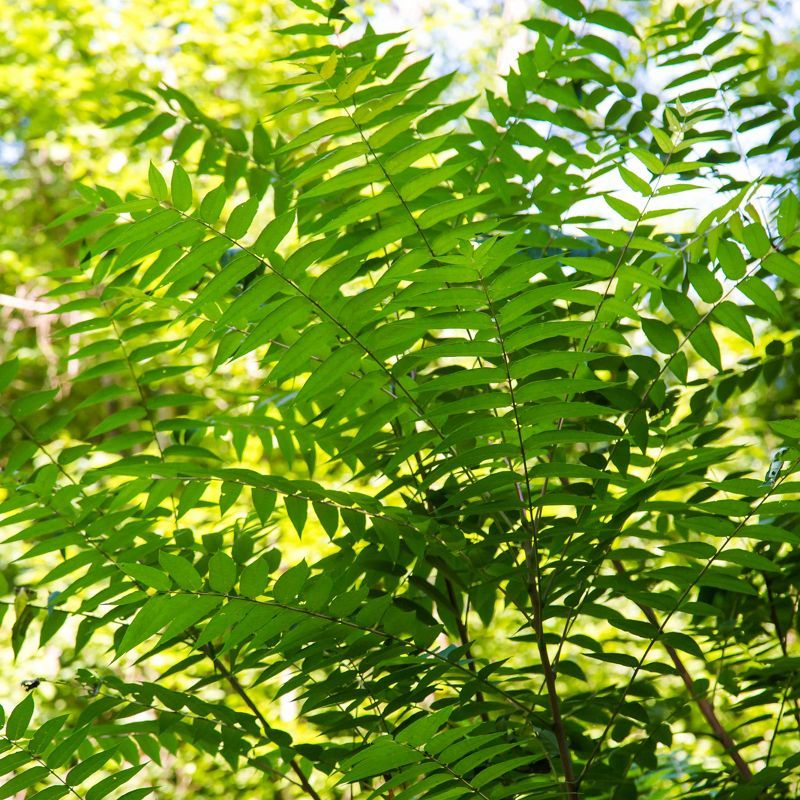
November is a helpful time to get to know tree of heaven. As leaves drop across Indiana, this invasive tree becomes easier to spot by its smooth gray bark and the dry clusters of seeds that linger on its branches.
It is commonly found along roadsides, railways, and fence lines, where it grows quickly in poor soil.
Spotted lanternflies use tree of heaven as a preferred host plant. Through autumn it provides a steady food source, and adults often gather near it before laying eggs.
That makes November a good moment to check the trunk and nearby surfaces for gray, mud like patches. A plastic card and a sealed bag are all you need to scrape them away.
Tree of heaven came from Asia several centuries ago and can regrow from roots even after cutting, so management takes patience.
Lanternflies feed by extracting sap, producing honeydew that can encourage sooty mold. Removal works best when focused on trees close to grapevines and orchard trees.
Control does not require removing every tree in a region. Marking the ones near your most valued plants now gives you a clear plan for the colder months.
3. Regional Spread Of Spotted Lanternflies In The Midwest
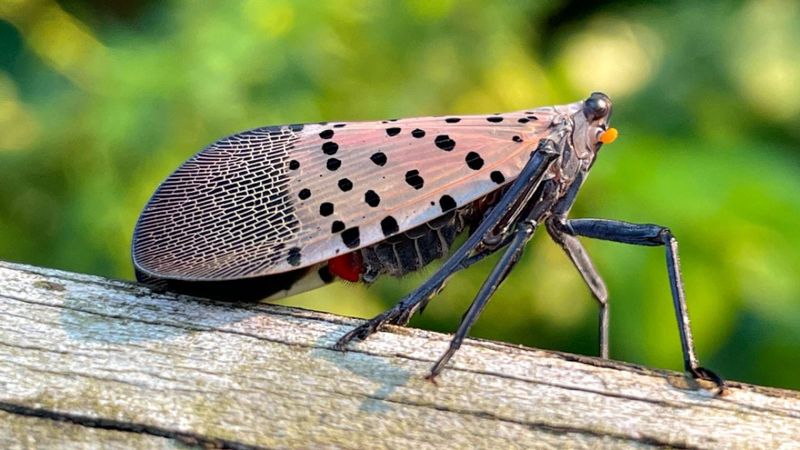
By November, the season’s sightings have been tallied, which makes this a natural time to reflect on how far spotted lanternflies have traveled.
They were first confirmed in the United States in Pennsylvania in 2014 and have gradually expanded into neighboring states, including Ohio. Indiana lies within the broader expansion zone of the species.
Spread follows both natural dispersal and human assisted transport. Goods, vehicles, and outdoor equipment carry them long distances, while insects expand locally by walking or short flights between host plants.
Some places have higher densities, while others show limited or temporary presence. Because trees are bare in November, a slow walk around your property can reveal gray egg masses on trunks, fences, and stones.
Scraping them off now helps keep a small introduction from growing. State agencies track confirmed sightings, and updated maps guide monitoring.
Small populations are easier to manage than established ones, so early identification matters. Sharing a clear photo and a specific location with Indiana DNR after your autumn check adds a useful piece to the larger picture.
Residents near known infestations may be the first to notice. Every report builds a clearer view of where the species is heading.
4. Early Nymphs Are Tiny And Easy To Miss, Letting Populations Grow Unnoticed

You will not find nymphs in your yard in November, and that is exactly the point. The tiny black insects with white spots that appear in late spring are still tucked inside egg masses, waiting for warmer weather.
Scraping eggs now is the most direct way to keep them from ever appearing. Early stage nymphs are small and difficult to notice.
They blend into bark, mulch, and plant stems, and they move quickly when disturbed. By the time later stages show red coloration, populations may already be well established.
Each egg mass typically holds 30 to 50 eggs, so one scraped patch in November can mean dozens fewer nymphs next May. Removing them also limits future egg laying and slows population growth over time.
Take a flashlight out on a bright, cold afternoon and check the base of trees, fence posts, and stones. Smooth bark is a good place to look, since gray patches stand out most.
Place anything you remove into a sealed bag with alcohol or sanitizer. Keep a note of where you found masses so you can check those spots again in late spring.
5. Scrape Any Egg Masses Or Live Insects On Sight
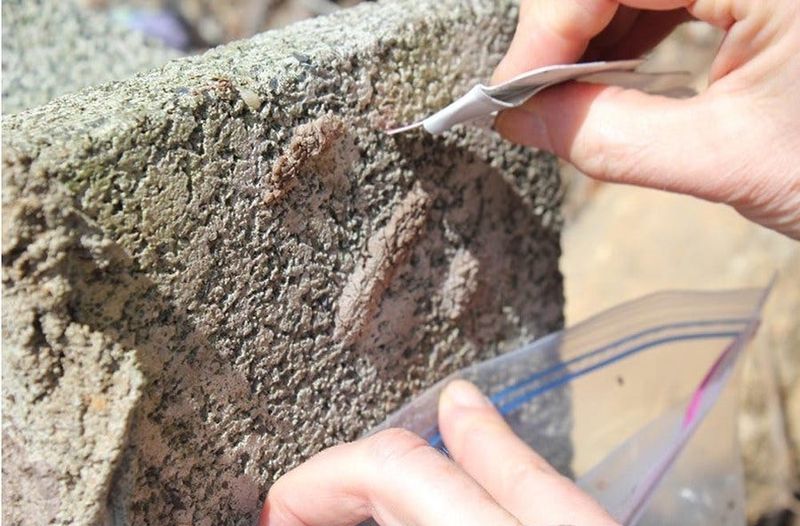
November is prime time for scraping. Egg laying typically occurs in the cooler months, often from fall into early winter, so masses are fresh, visible, and within easy reach.
Physical removal does not eliminate populations entirely, but it can help limit growth when done consistently.
Egg masses are laid on flat surfaces such as tree trunks, rocks, fences, outdoor furniture, and equipment.
They appear as gray, mud like patches that can be hard to tell apart from natural textures. Each mass typically contains 30 to 50 eggs.
Use a stiff card or scraper to lift the mass from the surface. Work gently but firmly along each row.
Place the scrapings into a sealed bag, then add rubbing alcohol or hand sanitizer so the eggs do not survive. Leaving egg masses on the ground is not recommended, since they may still hatch.
Any adults still lingering on a mild November day move slowly, which makes them easy to catch. Dress warmly, bring a flashlight, and make it a calm weekend routine.
Tie the bag closed and place it in your household trash. Steady scraping can mean fewer insects next spring. It is a small job with a lasting benefit.
6. Check Your Vehicle And Belongings Before Leaving Infested Areas
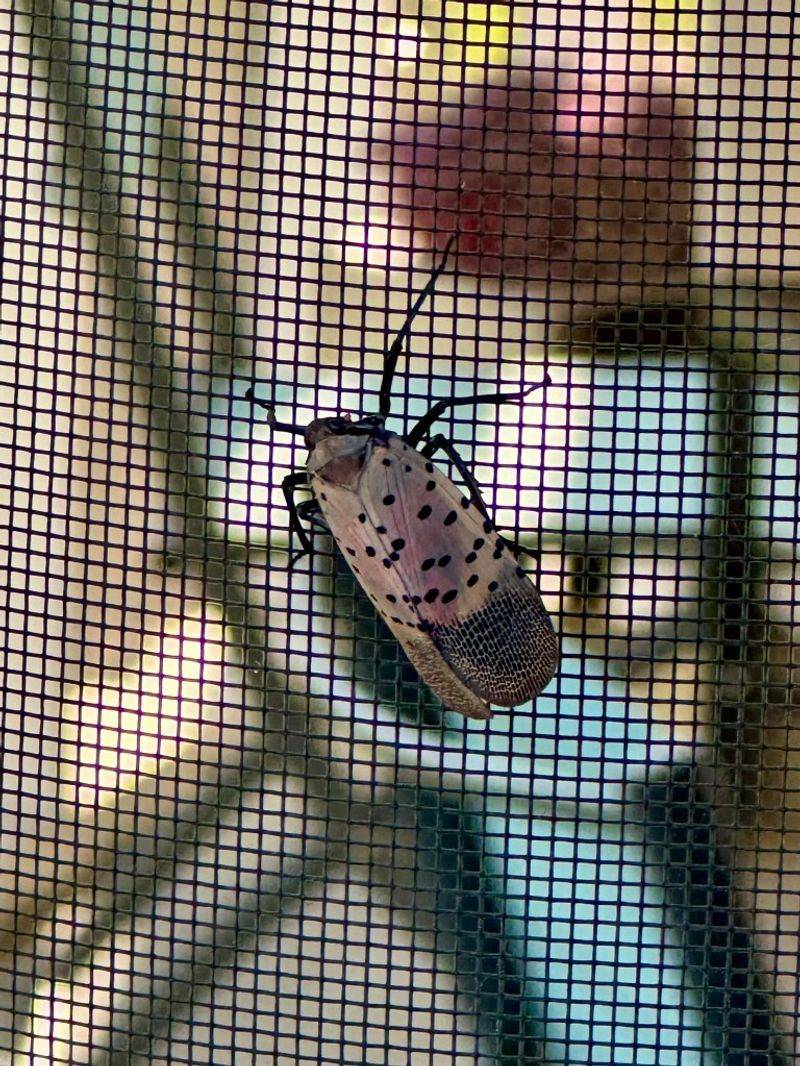
November brings holiday travel, family visits, and cozy evenings by the fire, and each of these can help spotted lanternflies move without anyone noticing.
Vehicles and outdoor equipment can unintentionally carry them between locations, so a short inspection before travel is a helpful preventive step.
Look at places where egg masses can attach securely, including wheel wells, bumpers, grills, roof racks, and storage compartments. Because the masses are flat, gray, and easy to overlook, a flashlight helps.
If you find one, scrape it into a sealed bag with alcohol or sanitizer. Outdoor equipment can also carry eggs. Camping chairs, tents, coolers, and tools that were stored outside deserve a careful look before being packed away or loaded into the car.
Firewood is considered a high risk material for spreading invasive species, and November is when many people stock up. Using locally sourced firewood is recommended in many areas.
Regular visual checks take only minutes. Share these habits with family and visitors gathering for the holidays.
A quick walk around the car before the drive is a gentle way to protect other communities. When more people follow these habits, long distance spread becomes less likely.
7. Report Sightings To Indiana DNR Online Or By Email
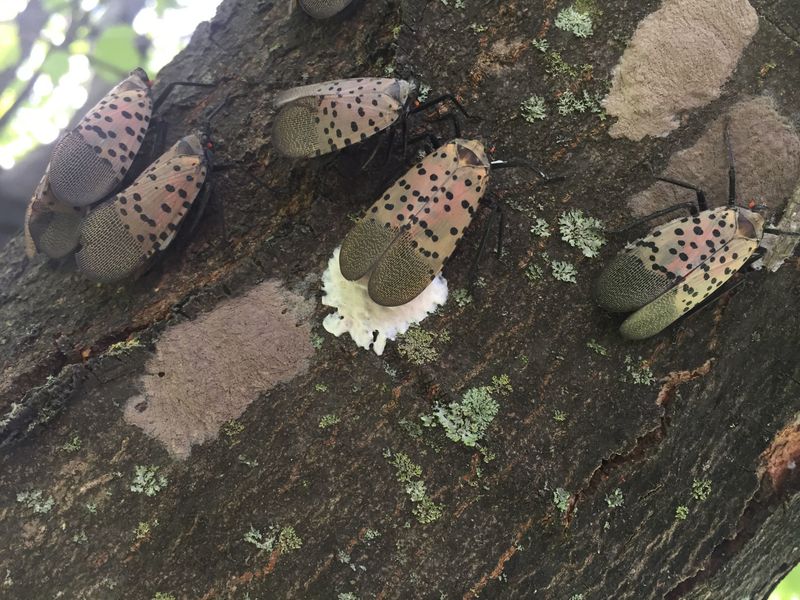
After you scrape egg masses in November, consider reporting what you found. Reporting sightings helps state agencies track distribution and population changes, and Indiana DNR collects public reports to support monitoring across the state.
Sightings can be submitted through the Indiana DNR’s online reporting form, and the DNR website lists any other current reporting options. Before you scrape, take a clear photo of the egg mass, since it improves identification accuracy. It only takes a moment.
Location details are important. A specific address, nearby landmark, or GPS coordinates can help confirm the sighting and allow agencies to map patterns more precisely.
All reports are reviewed by trained staff or specialists. Even uncertain sightings are useful, because experts can evaluate them.
Public reporting plays a key role in early detection. It helps identify new populations before they become widely established, which allows agencies to prioritize response and outreach.
Winter reports of egg masses can be especially helpful because they give agencies a head start before spring.
Community involvement increases monitoring coverage beyond what official teams can achieve alone.
Your November photo could help a neighbor recognize the same gray patch, and consistent reporting supports coordinated responses across regions. It is a small step with a wide reach.
8. Treat Trees Of Heaven With Insecticide So Lanternflies Stop Feeding

November can be a good moment to plan how to manage tree of heaven, since the leaves have dropped and the trees are easier to find.
Tree of heaven can contribute to local spotted lanternfly activity, so managing it may reduce feeding sites. It is one component of broader control efforts.
Systemic insecticides may be used as part of management strategies. These products are absorbed into the tree’s vascular system and may reduce feeding activity when properly applied.
Timing matters, so check the product label to see whether a late autumn application is suitable.
All pesticide applications must follow label instructions carefully, and protective equipment should be used.
Cut and treat methods are sometimes used, in which trees are treated before or shortly after cutting to reduce regrowth. Tree of heaven can regrow from roots, so untreated removal may lead to new shoots.
Larger trees or widespread infestations may call for professional help, since licensed applicators have the training and tools for safer treatment.
Pair this work with your egg scraping. No single method fully eliminates spotted lanternflies, so combined approaches work best.
A calm November plan makes spring much easier. Consistent monitoring through winter supports early detection.