Kentucky Opossums Are One Of The Most Useful Tick Control Animals And Here Is Why
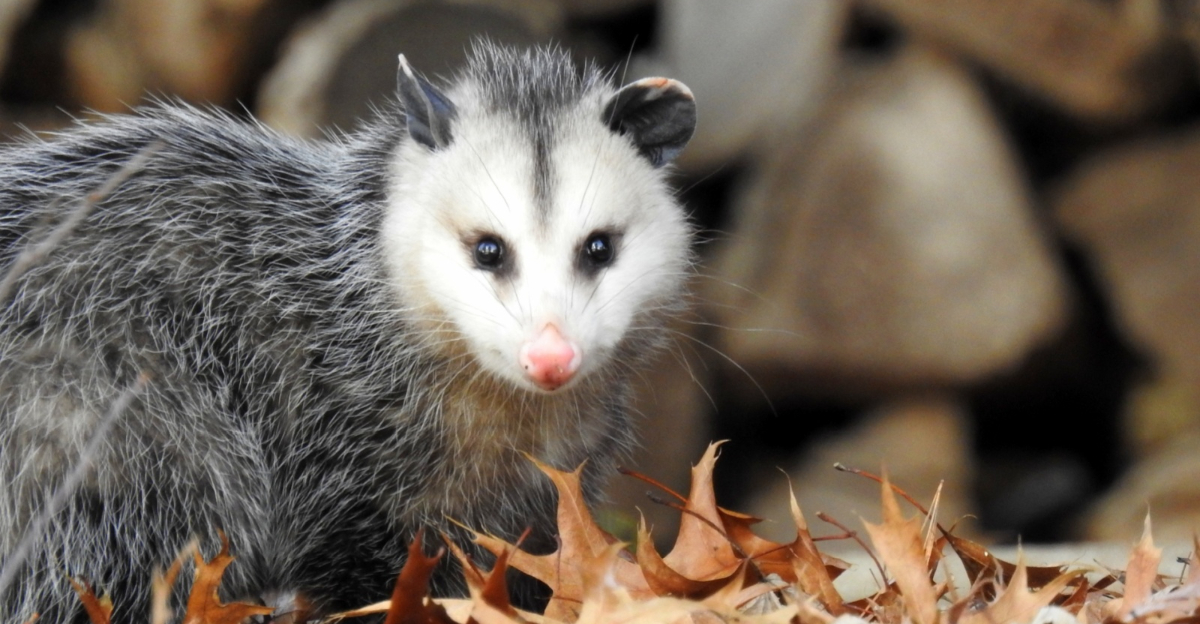
Hiding in plain sight, Kentucky’s most misunderstood mammal is fighting your tick problem hard. Opossums patrol your yard with dedication that surprises most people.
Your dog’s safety, your children’s health, and your peaceful outdoor evenings all depend on them.
Research suggests opossums may remove thousands of ticks per season, though results conflict. Staggering, right? Absolutely it is.
Kentucky sits in prime tick territory, and that matters deeply for every household. Ticks transmit Lyme disease, Rocky Mountain spotted fever, and worse.
Poisoning them with sprays offers you temporary relief at best. Sprays also harm the beneficial insects that keep your yard balanced.
Meanwhile, opossums work silently through the night, moving through tick-heavy zones. Chasing them off ranks among the costliest mistakes any homeowner makes.
Protect these animals as fiercely as you protect everything else on your property. Dismiss this creature now and your entire yard’s tick defense disappears completely with it.
1. Grooming Habits May Help Them Remove Large Numbers Of Ticks Each Season
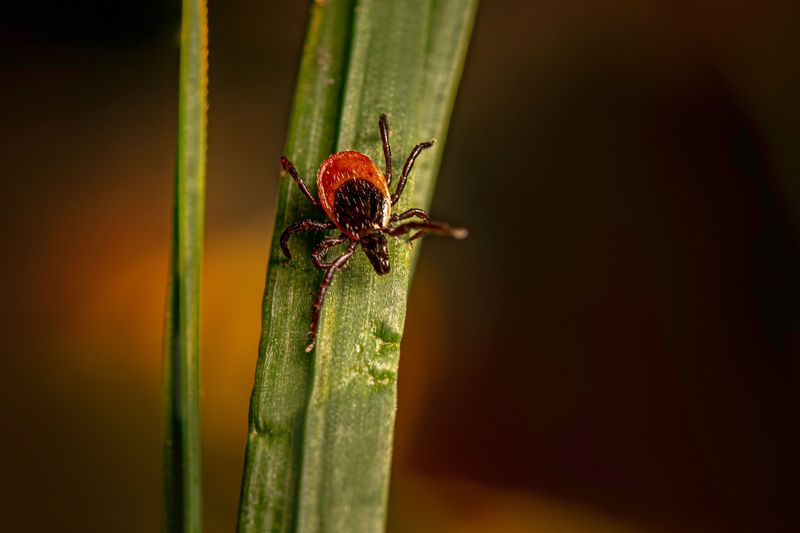
Picture a tiny, obsessive cleaner that never takes a day off. Opossums groom themselves constantly, and that habit turns them into living tick traps.
When an opossum moves through tall grass or dense brush, ticks latch onto its fur. The opossum then picks them off one by one during grooming.
Unlike deer or raccoons, opossums are incredibly thorough groomers. They reach every patch of fur with their nimble front claws and sharp teeth.
A 2009 lab study found opossums removed most ticks placed on them in captivity. Whether wild opossums eat those ticks or simply dislodge them remains an open question in the research.
This behavior happens multiple times each night. Every grooming session is another round of tick removal happening right in your yard.
The fascinating part is that opossums are not trying to help you. They are just keeping themselves clean, and ticks are removed in the process.
For Kentucky homeowners, this means a wild animal is patrolling your property and scrubbing itself clean of disease-carrying pests. You do not need to do anything to make this happen.
Grooming is instinctive, constant, and relentless. Few pest control methods match the consistency of an opossum’s nightly grooming routine.
Each grooming session removes dozens of ticks from the local population. Multiply that across weeks and seasons, and the impact on tick numbers becomes enormous.
The original controlled studies generated significant interest, though subsequent field research has produced more mixed results.
2. Early Research Suggested Each Opossum May Remove Thousands Of Ticks Per Season
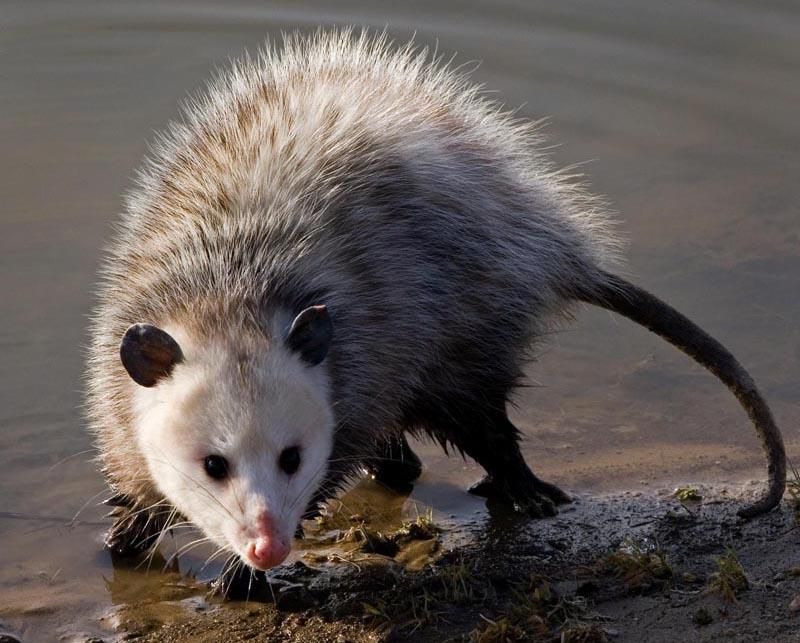
Five thousand ticks. That figure comes from a 2009 Cary Institute study where researchers placed opossums in enclosures with ticks and counted how many disappeared.
The assumption was that opossums ate them. The results were striking, though later field research challenged whether wild opossums consume ticks in meaningful numbers.
Opossums removed ticks at a rate no other common backyard animal could match. Compare that to a white-footed mouse, which carries and spreads ticks without eating them.
Opossums are the exact opposite kind of neighbor. A season runs from late spring through early fall across the region.
Your Kentucky Garden Changes Every Week. Your Plan Should Too.
Gardening in Kentucky changes quickly throughout the season. Every Friday you’ll receive a simple weekly plan showing exactly what to plant, prune, fertilize, harvest, and protect so you never miss the right timing.
During those months, tick populations surge, and opossums move through them. If your yard hosts even one opossum, you could be looking at thousands fewer ticks by September.
That is a meaningful reduction in your family’s exposure risk. The 5,000 figure was derived from tick disappearance observed across grooming and direct foraging.
Both were cited as contributing to that estimate. If opossums remove ticks at the rates the 2009 study suggested, those ticks cannot breed, spread disease, or end up on your ankles.
That would make each removed tick a broken link in the disease chain. For Kentucky, where Lyme disease and tick-related illnesses are a growing concern, this natural service carries real public health value.
Opossums are doing work that benefits entire neighborhoods. If that number holds in the wild, it would make the opossum one of the most effective tick predators in North American backyards.
3. Foraging Behavior Naturally Covers Large Areas Of Your Yard
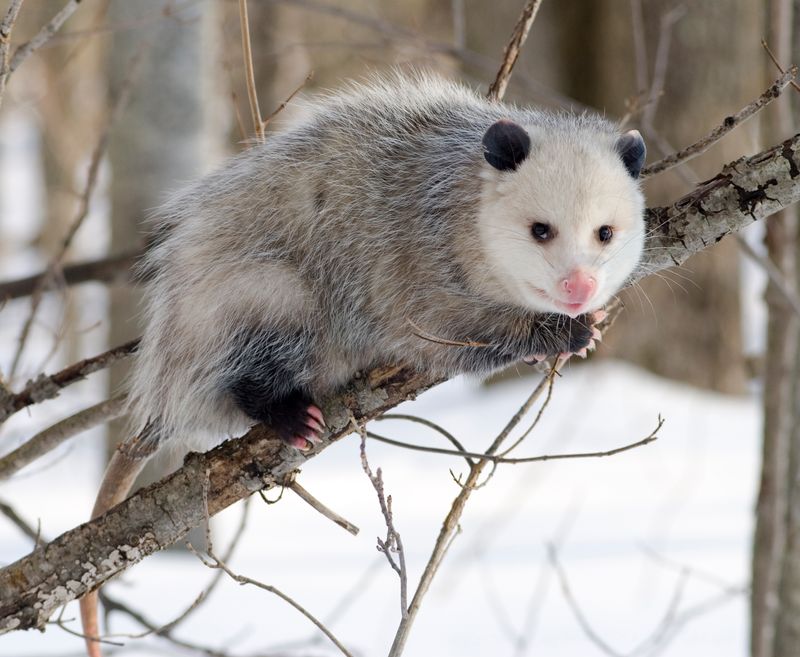
Opossums are wanderers by nature. They do not stay in one spot; they roam, sniff, and forage across wide stretches of ground every single night.
A typical opossum covers a home range of 50 acres or more, depending on habitat and season. Even in a suburban yard, they move methodically through every corner and edge.
That wide-ranging behavior means ticks hiding in flower beds, under decks, along fence lines, and near woodpiles all fall within reach. No area of your yard gets skipped.
Opossums follow their noses toward food, which includes insects, grubs, and yes, ticks. Their foraging path doubles as a pest control sweep.
Most homeowners never see this happening. The opossum works after dark, quietly moving through your garden while you sleep.
By morning, it has covered ground that you would never think to treat with spray. It has also left behind a cleaner, lower-risk environment.
Gardeners in Kentucky often report fewer pest problems in yards where opossums visit regularly, consistent with what the science on opossum foraging would predict.
Foraging brings opossums into contact with tall grasses and dense shrubs, which are prime tick habitats.
They push through exactly the spaces where ticks wait for a host. Moving slowly and deliberately, they spend more time in each microhabitat.
More time in a tick zone means more ticks encountered and potentially removed. Think of them as thorough lawn inspectors who get paid in bugs. Your yard gets the benefit every single night they pass through.
4. Highly Resistant To Most Tick-Borne Diseases Like Lyme Disease
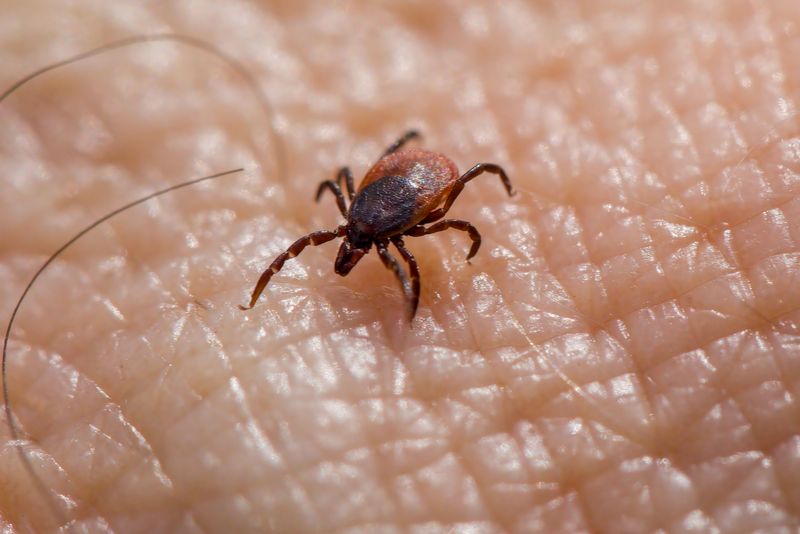
Here is something that sounds almost unfair: opossums encounter thousands of ticks, yet they almost never get sick from them. Their biology is built differently.
Opossums have a lower body temperature than most mammals. That cooler environment, combined with their immune response, makes it very difficult for Lyme bacteria to establish infection.
When a tick carrying Borrelia burgdorferi, the Lyme-causing bacterium, bites an opossum, the bacteria struggle to establish infection. The opossum’s body is simply not a hospitable host.
This is a huge deal. Many animals, like deer and mice, act as reservoirs that amplify tick-borne diseases in local populations.
Opossums are the opposite. They function as what researchers describe as a non-transmitting host, meaning the disease chain stops with them.
When an opossum removes infected ticks, those ticks never get to bite a human or a pet. The infection cycle ends right there.
Rocky Mountain spotted fever and other illnesses also show low transmission rates in opossums. Their immune systems handle pathogens in ways researchers are still studying.
For a Kentucky family spending time outdoors, this matters more than you might think. Every opossum nearby is reducing the number of infected ticks in your environment.
It is not just about removing ticks; it is about neutralizing the disease risk those ticks carry. The opossum functions as a natural buffer against tick-borne illness.
Few common backyard animals offer this same combination of tick removal and disease resistance. Opossums are in a class apart.
5. Nocturnal Activity Targets Ticks During Their Most Active Hours
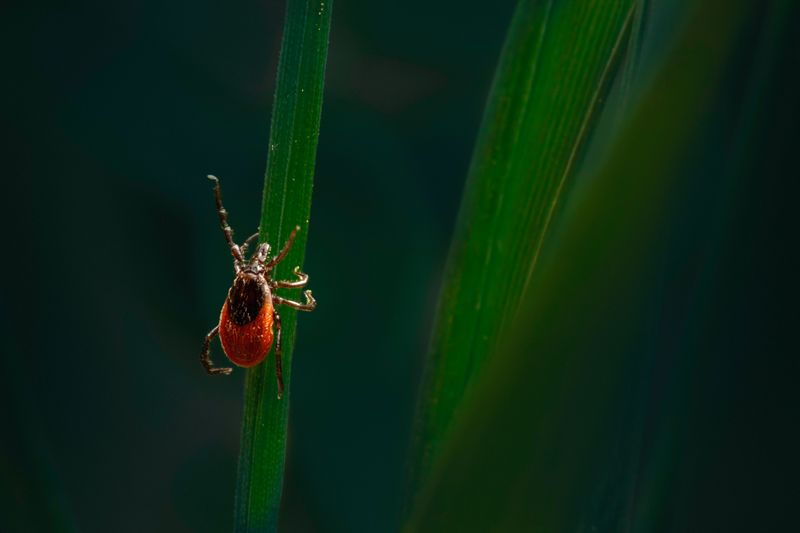
Ticks do not punch a clock, but they do have peak activity windows. Opossums happen to be most active during those exact same hours.
Ticks quest for hosts most aggressively in the early morning and late evening, especially in warm months. Opossums emerge at dusk and forage through the night.
This timing overlap is not a coincidence of evolution. It means the opossum is patrolling tick territory precisely when ticks are most dangerous and most exposed.
While you are asleep, your opossum neighbor is working. It moves through the same grass your kids played in hours before, picking off ticks along the way.
Nocturnal animals have adapted senses that make night foraging highly effective. Opossums rely on smell and touch to navigate, which means they detect ticks hiding in ground-level vegetation.
Their slow, deliberate pace at night also gives them time to investigate every leaf pile and patch of mulch. These are exactly the spots ticks prefer to hide in.
Daytime pest control products often miss ticks in shaded, damp areas. Opossums naturally gravitate toward those same cool, dark zones after sunset.
Homeowners who set up motion-activated cameras often catch opossums working through tick-heavy zones for hours. The footage is surprisingly methodical and impressive.
By sunrise, the yard has been swept. The opossum has retreated, and the tick population has taken another hit overnight.
Timing is everything in pest control, and opossums have been perfectly timed by nature itself. That is hard to beat.
6. Completely Free Pest Control With No Chemicals Required
Tick control products are expensive. Yard sprays, professional treatments, and pet preventatives add up fast over a single summer season.
Opossums offer all of that coverage for free. They ask for nothing, cost nothing, and require no scheduling or application.
A single opossum visiting your yard regularly delivers pest control services that would cost hundreds of dollars if hired out. Nature just handles the invoice differently.
Chemical tick treatments come with trade-offs. They can affect beneficial insects, wash into waterways, and require repeated applications throughout the season.
Opossums leave no chemical residue. They do not harm your garden, disrupt your soil, or put pollinators at risk while doing their job.
For families who prefer organic or low-chemical approaches to yard care, opossums are a dream solution. They fit naturally into any eco-friendly outdoor lifestyle.
You do not need to attract them with elaborate setups. Opossums find their own way to yards that offer food, water, and shelter.
Leaving a brush pile near your fence or a shallow water dish near your garden can make your yard more opossum-friendly. Small changes, big results.
Some homeowners worry that encouraging opossums will cause problems. In practice, these animals are non-aggressive and prefer to avoid confrontation entirely.
They are not going to tear up your lawn or raid your garbage with the same enthusiasm as raccoons. Opossums are quiet, low-drama, and genuinely useful guests.
Free tick control with no side effects is a rare thing. Welcoming an opossum might be the smartest yard decision you make this season.
7. Slow Movement Allows Thorough Inspection Of Ground-Level Vegetation
Speed is overrated in pest control. Sometimes the slow, thorough approach gets far better results than a quick pass ever could.
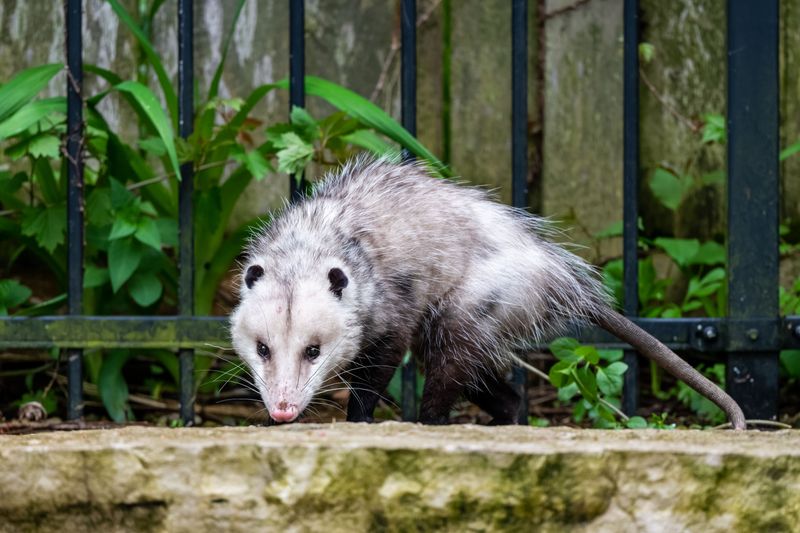
Opossums are not built for speed. They waddle, pause, sniff, and investigate every inch of ground they cross, which makes them surprisingly effective tick hunters.
Their low body position keeps their snout and fur close to the ground where ticks wait. Ticks sense heat and movement and climb toward potential hosts.
An opossum walking through your garden is essentially offering itself as bait. Ticks climb on, and then the opossum grooms them off during its next grooming break.
Ground-level vegetation like clover, low shrubs, and leaf litter harbors the highest concentrations of ticks. Opossums spend most foraging time in exactly those zones.
A faster animal would brush past and miss dozens of ticks clinging to low stems. The opossum’s unhurried pace means fewer ticks escape contact.
Gardeners who observe opossums up close often describe them as methodical. They move like they are reading every blade of grass before stepping on it.
That careful movement style turns your garden into a tick encounter zone where few ticks escape. The opossum clears sections of vegetation the way a careful hand-weeder clears a flower bed.
Slow does not mean lazy here. Slow means thorough, and thorough means effective in ways that faster predators simply cannot replicate.
Next time you spot an opossum waddling through your yard, resist the urge to shoo it away. It is doing the most painstaking yard work imaginable, one tick at a time.
8. Solitary Nature Means Each Opossum Patrols Its Own Dedicated Territory
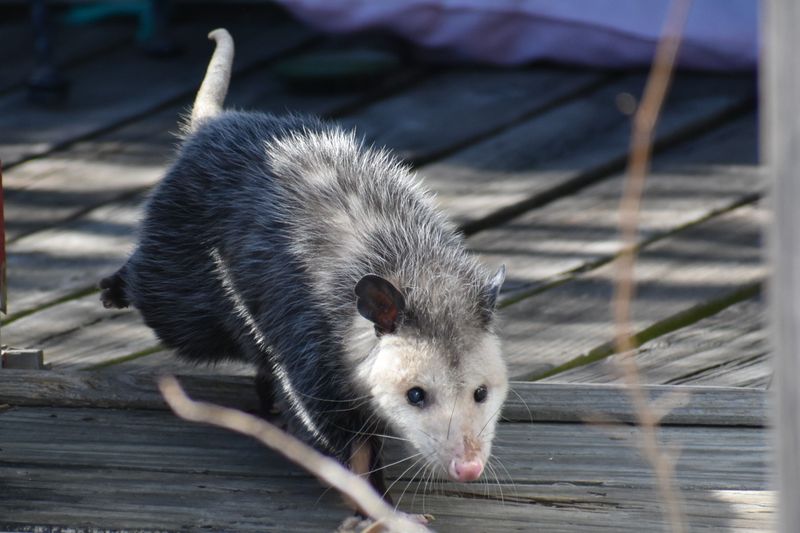
Opossums are loners, and in this case, that is actually a good thing for your yard. Each one stakes out its own territory and patrols it independently.
Because they do not travel in groups, multiple opossums in a neighborhood divide the landscape between them. Each animal covers ground that no other opossum is working.
This territorial behavior means broader coverage across an entire neighborhood or street. Your yard gets its own dedicated tick control patrol, not a shared one.
Pack animals often overlap their ranges, leaving some zones heavily covered and others ignored. Solitary animals spread their impact more evenly across available space.
An opossum that has claimed your backyard will return to it night after night. Consistent, repeated visits build up tick control pressure over time. That regularity matters. A single visit from a passing animal does little.
A regular nightly patrol compounds the effect week after week. Solitary foraging also means the opossum is not competing with others for food.
It eats everything it finds without sharing, which keeps tick removal high per animal. Homeowners near wooded edges or creek banks in Kentucky often have multiple opossums working adjacent territories nearby.
The combined effect across those ranges is significant. You may never see your resident opossum.
It prefers to remain unseen, tucked away before dawn breaks over the yard. But its solitary, consistent presence is quietly reducing your tick exposure every single night.
Kentucky opossums are the unsung heroes of backyard pest control, and your yard is better for having them.