8 Steps Every Illinois Gardener Should Take After November Storms
Illinois gardeners know the feeling. The sky turns gray, the wind swings around, and a strong cold front pushes through with hours of heavy rain and gusts. By the time it passes, the garden looks very different.
November storms bring their own kind of damage. Waterlogged soil, snapped branches, shifted mulch, and the first hard freezes arrive together across Illinois, and the cold slows everything down.
Plants heal more slowly and the soil stays wet longer. Most of the damage is still reversible, but the order matters.
Rush in without a plan and you risk compacting soggy soil, spreading disease through fresh cuts, or leaving roots exposed just before the first deep freeze.
What you do before the ground freezes is what separates a garden that comes back strong in spring from one that doesn’t.
1. Inspect And Reset Flattened Plants
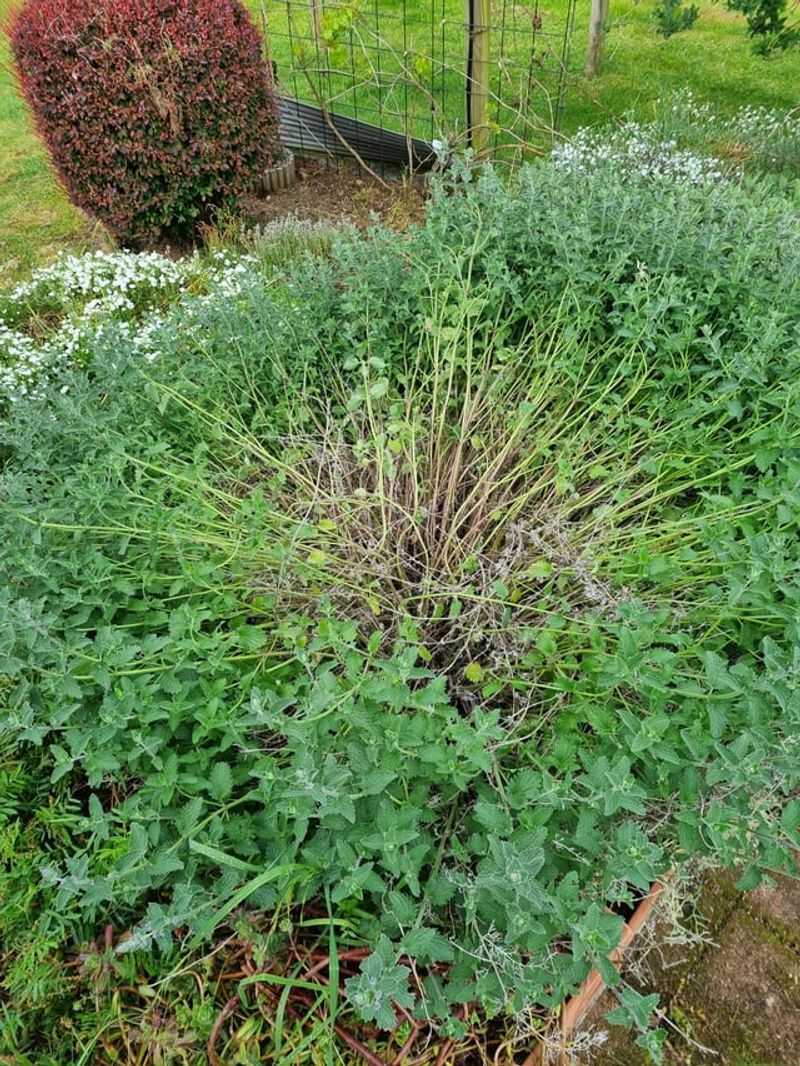
After a November storm, walk every bed and look for plants that have been pushed flat. Fall crops like kale, collards, and spinach, late-season mums, and newly planted perennials and shrubs are the most likely to be knocked over.
Gently lift each plant by its base, not by the stem. Pulling from the wrong spot can snap tissue that is already stressed.
Check the roots, too. Saturated soil and wind can loosen new plantings, and a freeze-thaw cycle can heave them further out of the ground. If roots are exposed, press the soil back firmly around the base with your hands.
Look for bruising or splitting on stems. Greenish-white bruises usually mean the plant is stressed but alive. Dark brown or black marks can signal deeper damage.
Wilted leaves right after a storm are not always a bad sign. Cold, wet roots struggle to move water, and many plants perk up once they are upright and the soil drains.
Take a photo of each plant you reset. Comparing over the next week or two helps you decide which ones need extra care or replacement in spring. Catching problems early gives your plants a head start before winter sets in.
2. Stake And Protect Bent Stems
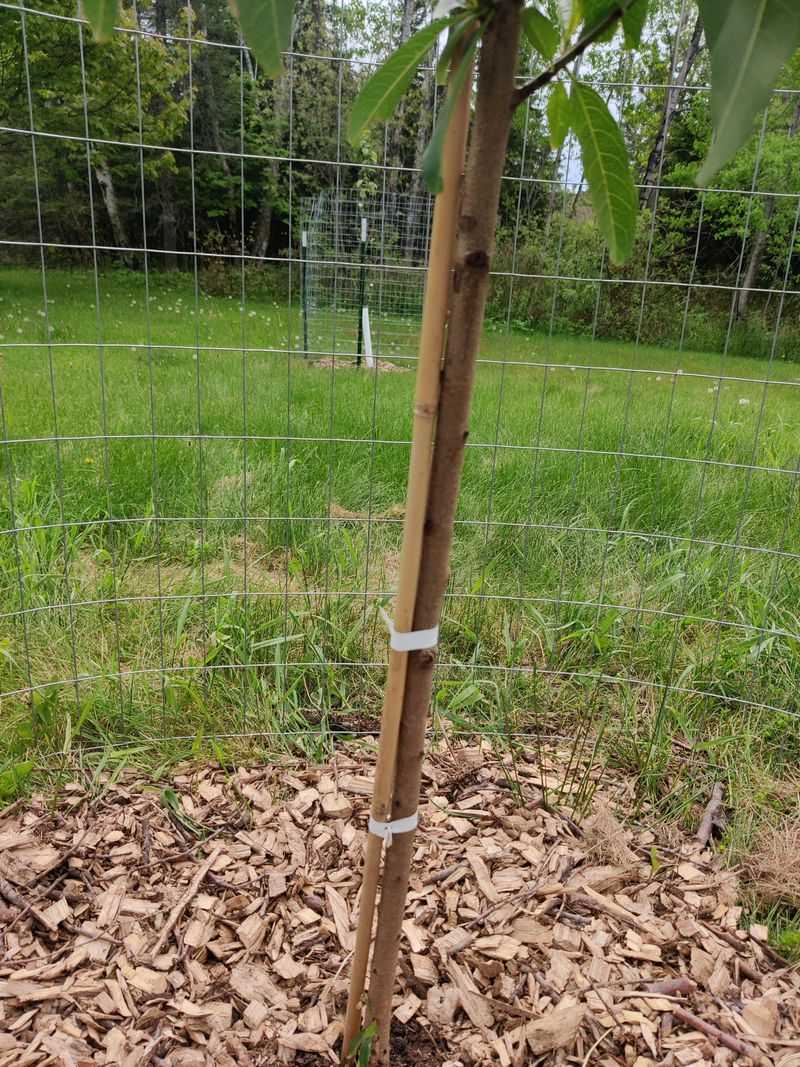
A bent stem is not a lost cause. With the right support, many plants straighten out in a few days, even in cooler weather.
In November, the plants most worth staking are young trees, newly planted shrubs, and fall vegetables like broccoli and Brussels sprouts. Tender summer plants like tomatoes and dahlias are usually finished by now.
If you are still growing dahlias, lift and store the tubers after the first frost rather than staking them.
Push a bamboo stake or sturdy dowel about six inches into the soil beside the bent stem, or deeper for young trees. Tie loosely with soft garden twine or strips of old fabric. Tight ties can cut into stems, especially when wet snow or ice adds weight.
If heavy, wet snow or ice weighs down arborvitae, junipers, or other evergreens, don’t shake or beat the branches. Frozen branches snap easily. Let the ice melt on its own, and loosely tie up any branches that are splaying outward.
Check your ties every week or two through the winter. You may need to loosen them or add a second stake.
Staking right away matters more than doing it perfectly. A slightly imperfect job done within a day of the storm beats a perfect one done after the stem has set at an angle.
3. Remove Broken Or Diseased Limbs
Broken branches are more than an eyesore after a November storm. Torn wood is an open door for fungal infections, and a hanging limb can tear more bark when the next gust hits.
Walk your yard with clean, sharp pruning shears and look for branches that are cracked, partially snapped, or dangling from shrubs and small trees.
Cut cleanly back to healthy wood, just above a bud or branch joint. Ragged cuts heal slowly and invite disease, so a smooth, angled cut is always the better choice.
Disinfect your blades between cuts with isopropyl alcohol or a diluted bleach solution. This one step stops you from carrying fungal spores from plant to plant.
If you see brown or black discoloration inside a branch, keep cutting back until the center looks clean and light-colored. Bag and dispose of any diseased wood rather than adding it to your compost pile.
Large limbs thicker than a few inches are risky to cut alone, so leave those to a professional. Wear gloves and eye protection, and never cut a limb that is tangled in or resting on a power line. Call the utility instead. Stick to removing storm damage only.
Hold off on heavy pruning of roses, fruit trees, and summer-flowering shrubs until late winter, since fall pruning can trigger tender new growth that the next freeze will damage. Cleaning up damaged wood now still lets the plant put its energy into healthy tissue.
4. Skip Watering After Heavy Rain
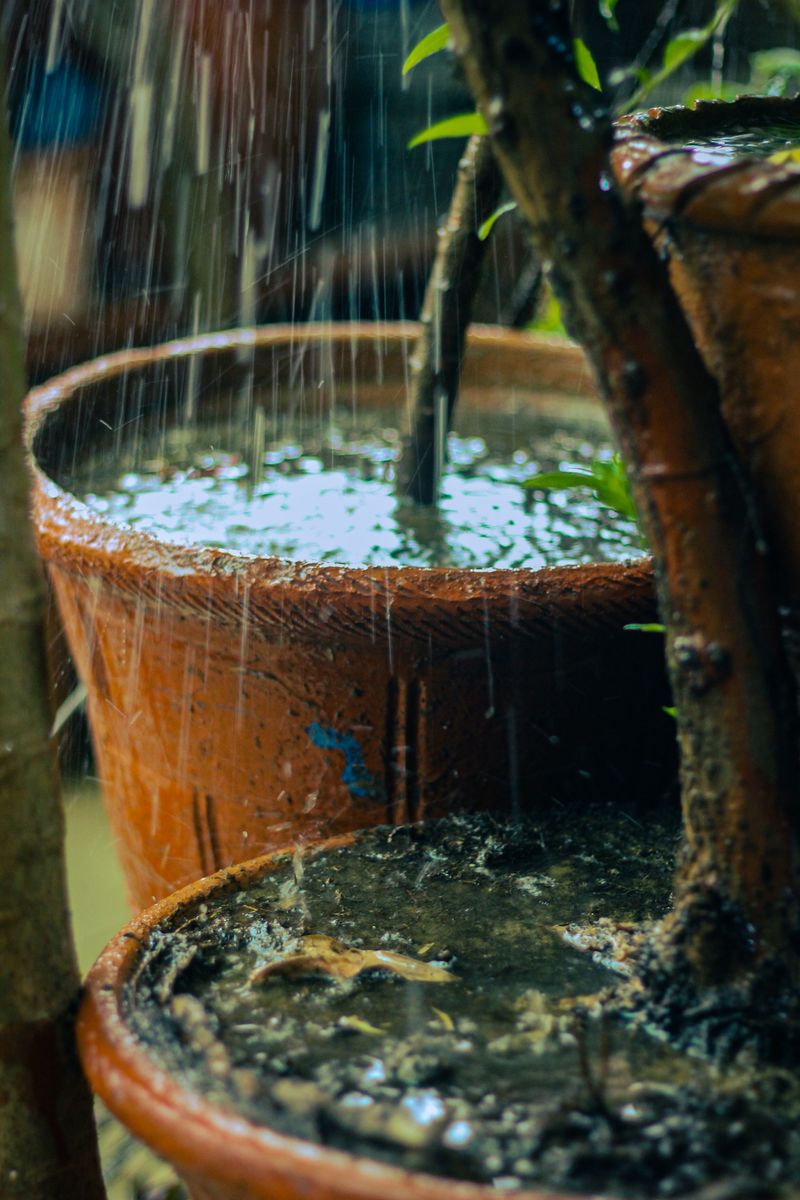
Plenty of gardeners reach for the hose out of habit, but by November, plants need far less water, and evaporation is slow. Overwatering after a storm is a fast route to stressed roots and root rot.
Stick your finger about two inches into the soil. If it feels wet and cool at that depth, your garden needs no added water for at least a week, and often longer in cool weather.
Sandy soils drain faster than the heavy clay soils common across much of Illinois, so check each bed rather than assuming they are all the same. A raised bed may drain faster than an in-ground plot a few feet away.
Wilting after a storm does not always mean thirst. Roots that sat in standing water, or in cold soggy ground, can struggle to absorb moisture and cause the same droopy look as drought stress.
Let the soil drain naturally. Compacted or flooded soil needs air as much as moisture. There is one exception later in the season. If fall turns dry and the ground is not yet frozen, newly planted trees, shrubs, and evergreens benefit from a deep watering before the freeze.
Just don’t do it right after a soaking storm. Reading the soil instead of the calendar gets even more important as winter approaches.
5. Mulch Around Stressed Plants
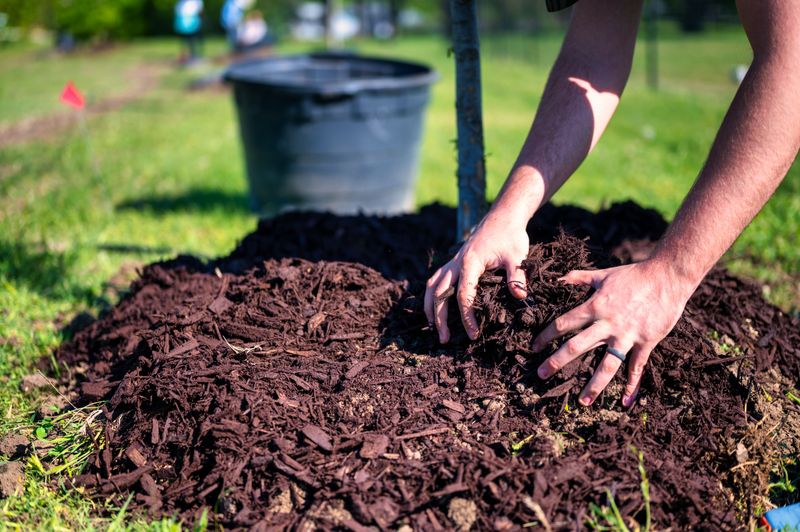
Storms can wash away surface soil or push your mulch into piles, leaving roots exposed. Replacing it quickly makes a real difference before winter.
Avoid mulching while the soil is still saturated and muddy, since walking on it compacts it, so wait for a drier day. Rake displaced mulch back into place first, then top it up with fresh material where the layer has thinned.
A two-to-three inch layer of shredded bark, wood chips, straw, or shredded leaves works well for most Illinois gardens.
Keep mulch a few inches away from stems and trunks to prevent rot and rodent damage. Piling it against the base can hold moisture against the bark all winter.
In November, mulch does a different job than in summer. It helps even out soil temperature and protects roots from repeated freezing and thawing, which can push shallow plants out of the ground.
Fallen leaves are free mulch. Shredding them with a mower makes a light, airy layer that breaks down gradually and feeds the soil microbes that storms and cold can disturb.
On sloped beds, mulch also helps hold soil in place against more rain. A thin layer can do a lot until the ground firms up.
Straw is especially useful over fall-planted garlic and around hardy vegetables. It is lightweight, easy to apply, and adds organic matter as it breaks down. Mulching after November storms is one of the smartest low-effort moves you can make.
6. Resecure Loose Trellises And Structures
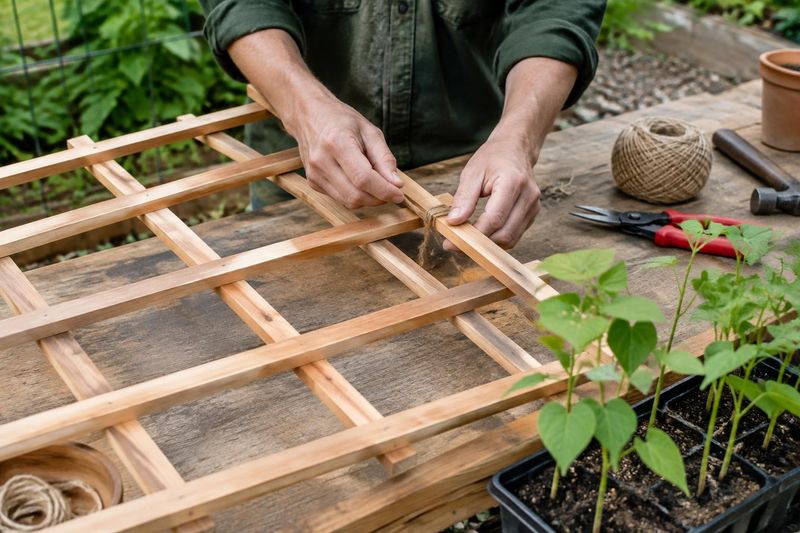
Wind can turn a firmly planted trellis into a leaning tower overnight, and November storms often come right before the structures face winter weight from snow and ice.
Walk your garden and push on every trellis, fence post, raised bed corner, and arbor. Anything that wobbles needs attention before the next storm.
For wooden trellises, drive new stakes deeper beside the existing posts. Use a rubber mallet rather than a metal hammer to avoid splitting the wood.
Check any row covers, cold frames, and low hoop tunnels you have set up for fall crops. Midwest wind loves to lift them.
Re-anchor edges with sandbags, staples, or soil, and make sure the frames can handle the weight of wet snow.
If summer tomato cages and stakes are still out, now is a good time to straighten them, clean them, and store them. Bent metal cages left outside tend to rust and warp over winter.
Check the ties on any climbing plants that stay, like clematis, roses, or evergreen vines. Storms often loosen or snap twine, and these plants are vulnerable to the next round of wind.
Heavy-duty garden clips or zip ties hold better than soft twine on plants that need firmer support through the winter.
A well-secured structure protects everything growing around it. Twenty minutes now can save you a lot of repair work in spring.
7. Apply Anti-Desiccants To Damaged Evergreens
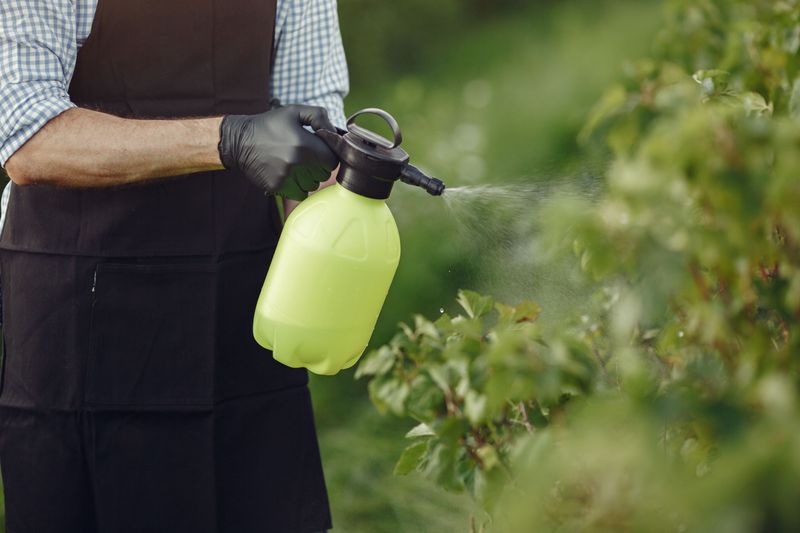
Most gardeners have never heard of anti-desiccants (also sold as anti-transpirants), but they may help reduce winter moisture loss in some evergreens. These sprays form a thin, breathable coating on leaves that slows moisture loss.
Evergreens keep their leaves all winter, and cold wind and frozen soil make it hard for roots to replace the water they lose. After a storm tears leaves or cracks stems, that loss gets worse, and you often see brown, scorched foliage by late winter.
Look for products like Wilt-Pruf at your local garden center. They are generally used on broadleaf evergreens such as boxwood, hollies, rhododendrons, and azaleas. Follow the label directions.
Apply on a mild, dry day when temperatures are above the minimum on the label, usually around 40°F, and when no freeze is expected right after. Spray when the leaves are dry, and cover both sides of the leaves.
Focus on plants with visible leaf damage, torn edges, or ones exposed to harsh winter wind. Healthy, sheltered plants usually do not need it.
A single application can last for a good part of the winter, and you can reapply during a mild spell if needed.
Deciduous plants like hostas and hydrangeas lose their leaves in fall, so they do not need this treatment. Save it for the evergreens that hold their foliage through the cold months.
8. Book An Arborist For Older Trees
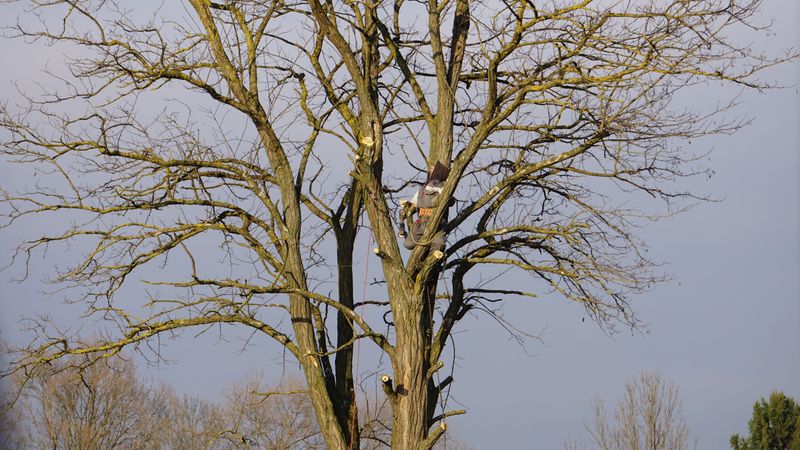
Big, old trees look tough, but a hard November storm can crack limbs in ways that are not visible from the ground. Saturated soil also loosens roots, which makes trees more likely to lean or fall in the next wind.
One advantage of November is that deciduous trees have dropped their leaves, which makes cracks, hanging limbs, and structural problems easier to spot from below.
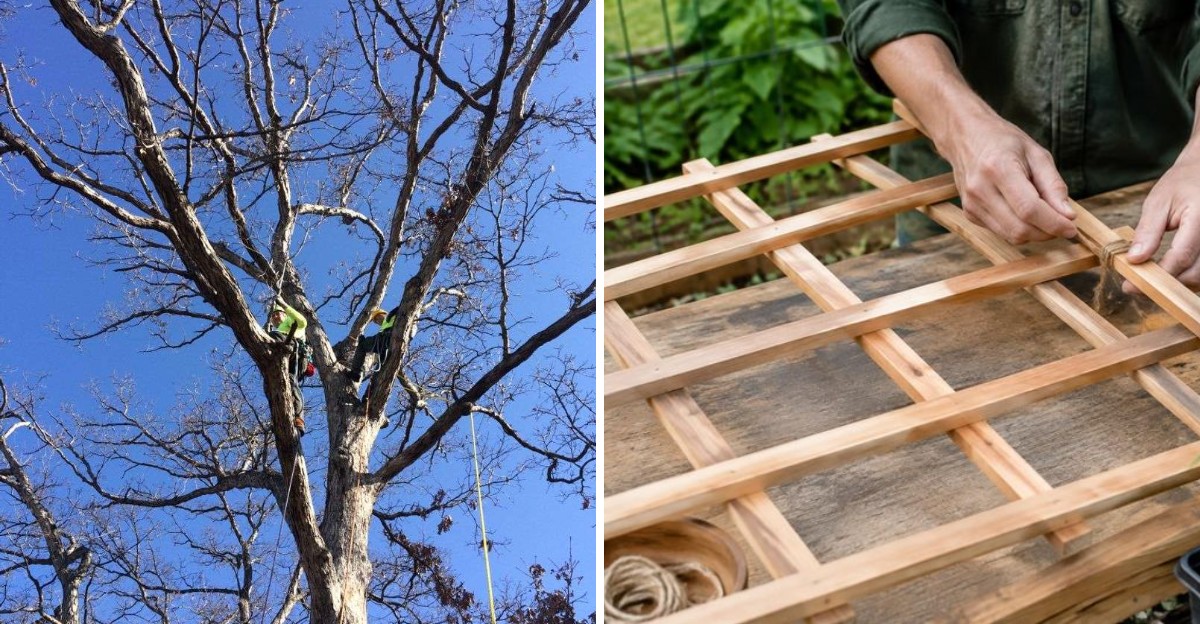
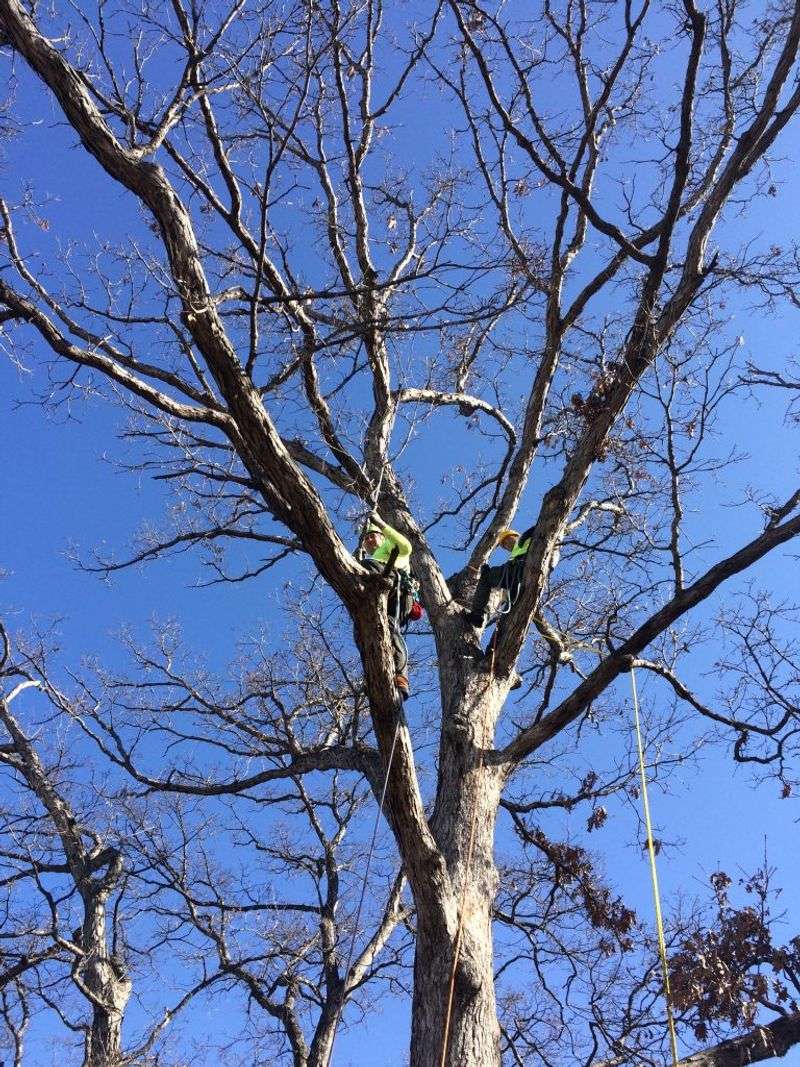
A certified arborist has the training and equipment to assess storm damage safely from the canopy level. Climbing into a damaged tree without that expertise is dangerous and best left to a professional.
Call within a few days of a major storm, not weeks later. Waiting allows decay to spread from open wounds and leaves weak limbs hanging over your house, driveway, or power lines when winter ice and snow arrive.
Arborists also get busy after big storms, so earlier is better. Ask specifically about cracks near the main trunk, hanging limbs known as widow-makers, leaning trees with lifted soil at the base, and areas where bark has been stripped away. Each carries its own risk level.
Older trees, especially oaks and silver maples common across Illinois, are more prone to internal decay that a storm can suddenly expose. An arborist can use specialized tools to detect hollow spots that are invisible from the outside.
Get at least two written quotes before agreeing to major tree work, and ask to see credentials. Reputable arborists are certified through the International Society of Arboriculture.
Healthy trees add decades of shade and property value, but only if hidden storm damage is caught before winter makes it worse.