What Is Still Allowed In Your Virginia Garden During A Drought Order
A drought order lands and your first instinct is to grab the hose, then stop yourself, unsure if that’s even allowed anymore. Virginia’s water rules vary county by county, and the list of what’s permitted can feel like it’s shrinking by the week.
But here’s the thing: a drought order is not a gardening ban. Most Virginia gardeners still have more options than they realize, and the ones who know the rules are the ones keeping their raised beds productive while their neighbors panic.
The gardeners keeping their plants alive right now aren’t lucky, they know exactly which moves are still on the table.
1. Watering Your Vegetable Garden On Permitted Days
Permitted watering days are your garden’s lifeline. Most Virginia localities assign specific days based on your address, so check your water authority’s schedule right away.
In localities that use address-based schedules, odd- and even-numbered addresses typically water on alternating days, spreading demand across the week.
Your vegetable garden typically qualifies for watering on those approved days. Edible crops sometimes qualify for exceptions, so check with your local water authority before assuming the standard schedule applies.
Missing your window means waiting one more day. Mark permitted days on your phone calendar so you never accidentally skip a session.
Water pressure also drops during peak hours when neighbors all run sprinklers. Sticking to your assigned schedule actually gives your plants better coverage.
Vegetables need consistent moisture to produce well. Drought stress causes bitter cucumbers and cracked tomatoes, so using every permitted watering opportunity matters enormously.
Some localities allow additional emergency watering for newly seeded vegetables. Always call your water authority to confirm what exceptions apply in your specific county.
Knowing your permitted days transforms a stressful drought order into a manageable routine. Your vegetable garden can still thrive when you work smarter within the rules.
How much water your plants actually need on permitted days depends on the time of day you water. Morning sessions before 10 a.m. allow moisture to soak deep into the root zone before heat peaks, stretching each permitted session further than an afternoon soak ever could.
Keeping a simple watering log also pays off more than most gardeners expect. Tracking which plants received water and when helps you spot gaps, avoid overwatering on permitted days, and make smarter decisions when the next restriction update arrives.
2. Using Collected Rainwater And Greywater For Plants
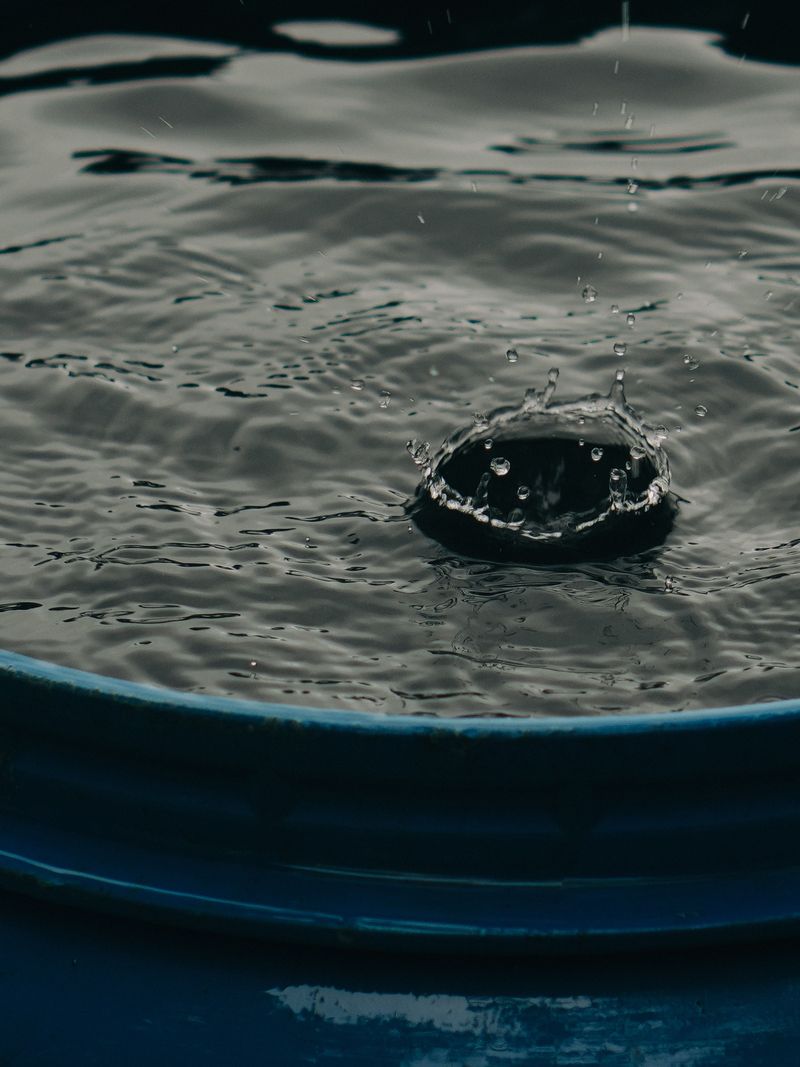
Rain barrels are basically free water waiting to happen. Collecting runoff from your roof stores hundreds of gallons before a single drop of drought hits your soil.
Virginia law allows homeowners to collect rainwater for outdoor use. That collected water sits completely outside drought order restrictions because it never touched the municipal supply.
Greywater from sinks and washing machines is another option gaining traction. Lightly soapy water from rinsing vegetables can safely hydrate ornamental plants without harming them.
Avoid using greywater with harsh detergents or bleach near edible crops. Stick to biodegradable soaps if you plan to reuse that water anywhere near food plants.
Your Virginia Garden Changes Every Week. Your Plan Should Too.
Gardening in Virginia changes quickly throughout the season. Every Friday you’ll receive a simple weekly plan showing exactly what to plant, prune, fertilize, harvest, and protect so you never miss the right timing.
A single good rainstorm can fill a standard 55-gallon barrel within an hour or two, depending on your roof size. Connecting two barrels together doubles your storage without doubling your effort.
Positioning barrels under downspouts makes collection effortless. Gravity does the work, and a simple spigot at the base lets you fill a watering can easily.
Greywater buckets placed in your shower while waiting for hot water add up fast. Those saved gallons keep container plants alive without touching restricted tap supplies.
Smart collection habits built before a drought order protect your garden long after restrictions lift. Every drop you save today buys your plants another day of survival.
Labeling your barrels and checking them after every rainfall takes less than five minutes. Knowing exactly how much stored water you have on hand helps you plan your watering sessions without guessing or running short mid-week.
A covered barrel also matters more than most people realize. An open container loses water to evaporation quickly in Virginia’s summer heat, and standing water without a lid invites mosquito breeding within days.
3. Watering By Hand With A Hose Or Watering Can
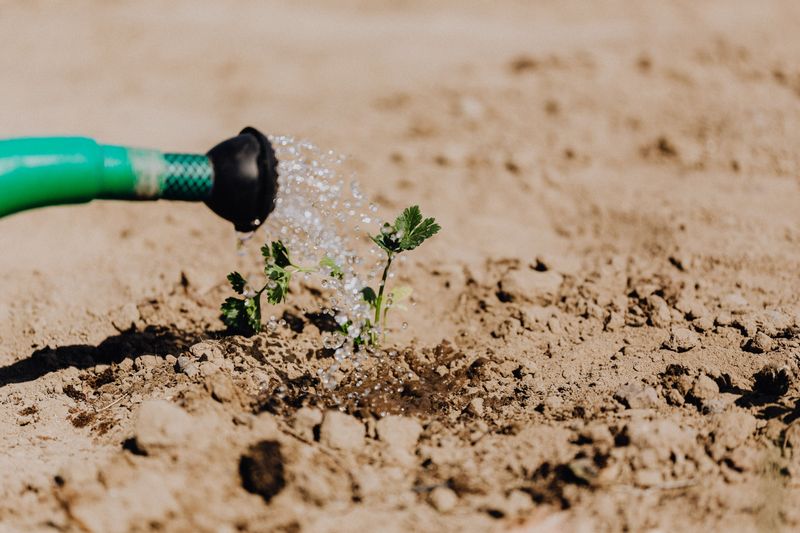
Image Credit: © www.kaboompics.com / Pexels
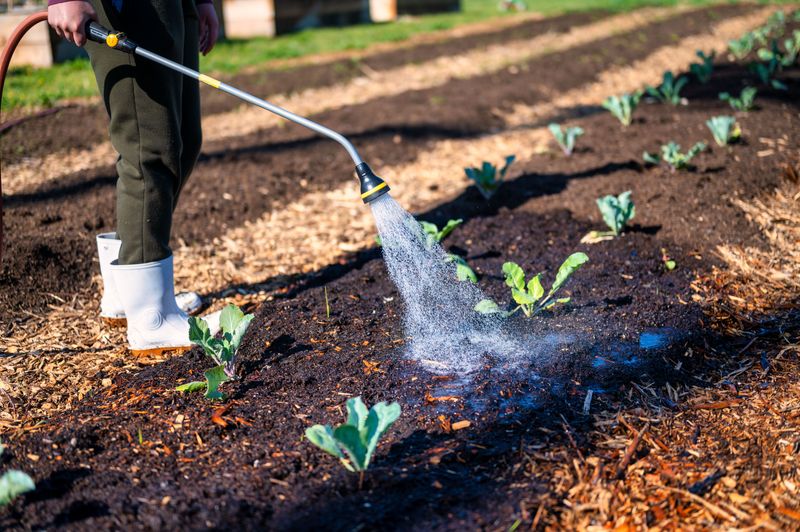
Hand watering is almost always permitted even under strict drought orders. Authorities favor it because you only wet the soil, not the sidewalk, driveway, or air.
A standard garden hose with a shut-off nozzle qualifies as hand watering in most Virginia localities. The key is that water flows only when you actively hold the trigger.
Sprinkler systems and automated irrigation are typically the first things banned. Hand-held methods stay allowed because they waste far less water per square foot.
Watering cans give you even more precision than a hose. You can pour directly at the root zone, skipping leaves entirely and reducing evaporation dramatically.
Wet leaves in humid Virginia summers also invite fungal disease. Directing water at the base of each plant keeps foliage dry and disease pressure lower.
Many gardeners find hand watering surprisingly meditative. Moving slowly through the garden lets you spot pest damage, wilting, or yellowing before problems spiral out of control.
A two-gallon watering can covers most container plants in one pass. Refilling from a rain barrel makes the whole process completely free of restricted municipal water.
Hand watering connects you to your garden in a way automated systems never can. That personal attention during a drought order might actually save more plants than you expect.
Soaker hoses are worth mentioning alongside traditional hand watering methods. They sit directly on the soil surface and deliver water slowly at root level, which many Virginia localities still classify as hand watering rather than automated irrigation.
4. Mulching To Keep Soil Moisture Locked In
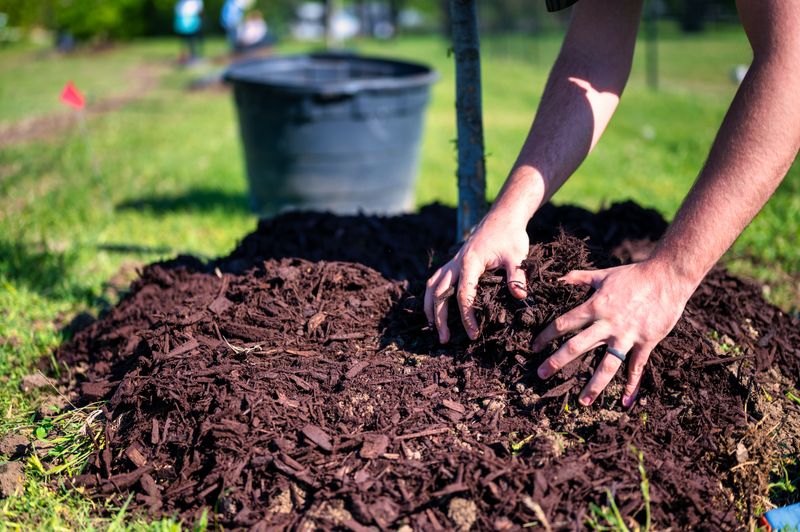
Mulch is the unsung hero of every drought season. A thick layer of organic material on top of your soil dramatically slows moisture loss from the ground below.
Three inches of wood chips, straw, or shredded leaves can significantly reduce evaporation from the soil surface. That means water you put down on permitted days lasts far longer.
Applying mulch doesn’t require water and faces no drought order restrictions whatsoever. It is one of the most powerful tools you can deploy right now without breaking a single rule.
Start by clearing weeds from your beds before laying mulch down. Covering weeds traps them and reduces competition for whatever moisture your soil holds.
Straw mulch works particularly well around vegetable plants. It breaks down slowly, feeds the soil over time, and keeps fruit like strawberries clean and dry.
Wood chips last longer than straw and look tidy in ornamental beds. They also moderate soil temperature, which protects roots from heat stress during dry spells.
Leave a small gap around each plant’s stem when applying mulch. Piling material directly against stems can cause rot, especially in humid mid-summer conditions.
Mulching now, before the soil fully dries out, locks in existing moisture. That one afternoon of work could mean the difference between a thriving garden and a struggling one.
5. Planting Native And Drought-Tolerant Species
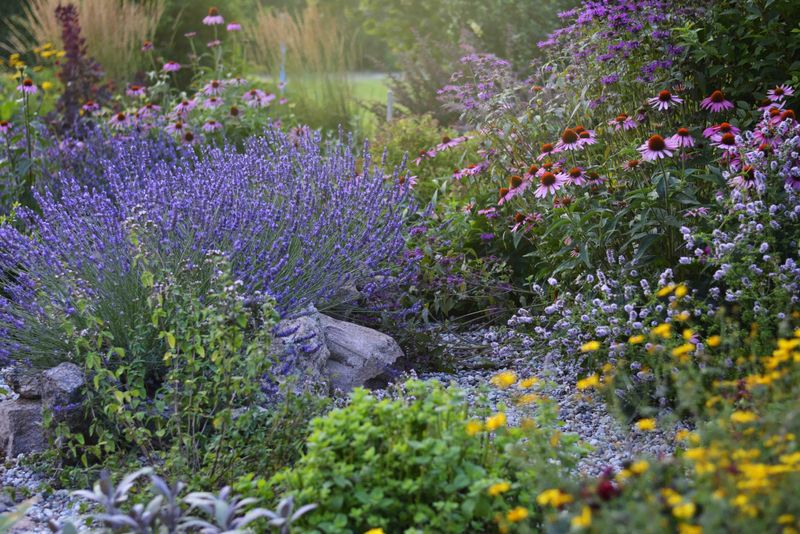
Here is a counterintuitive truth about drought orders: planting is often still allowed. Establishing native plants during a dry period makes more sense than most people realize.
Virginia native plants evolved alongside local rainfall patterns. Species like black-eyed Susans, coneflowers, and native grasses are built for exactly this kind of weather stress.
Drought-tolerant plants from Mediterranean climates also perform well in Virginia summers. Lavender, rosemary, and salvia thrive with minimal supplemental water once their roots settle in.
Check your locality’s specific rules about watering new plantings during a drought order. Some areas grant a short establishment window for newly planted specimens, even under restrictions.
Swapping thirsty annuals for drought-hardy perennials saves water every single season going forward. One smart planting decision now reduces your irrigation needs for years ahead.
Native plants also attract pollinators that benefit your vegetable garden nearby. Bees and butterflies drawn in by coneflowers will cross-pollinate your tomatoes and squash without any extra effort.
Soil preparation matters before planting during dry conditions. Loosening compacted ground helps roots penetrate deeper, where moisture levels stay higher even without recent rainfall.
Choosing the right plant for the right place is the most water-efficient decision a gardener can make. A drought order is the perfect motivation to finally redesign your landscape with resilience in mind.
6. Weeding And Pruning Without Using Water
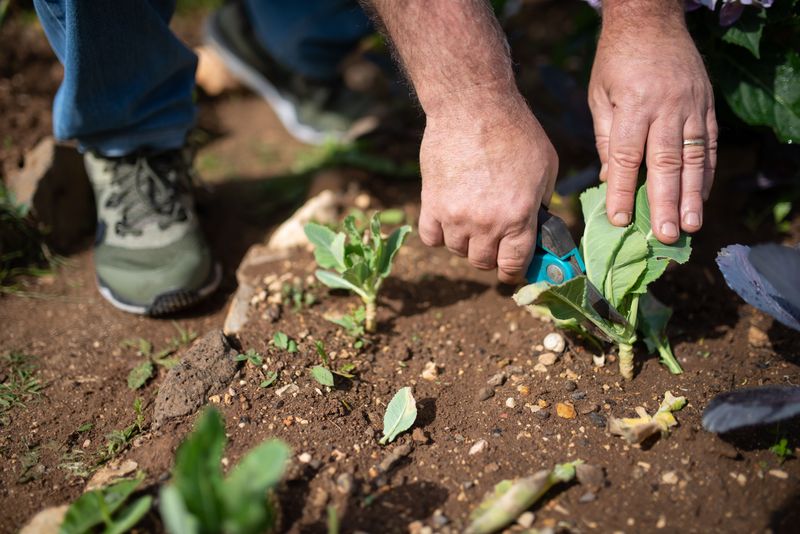
Image Credit: © Kampus Production / Pexels
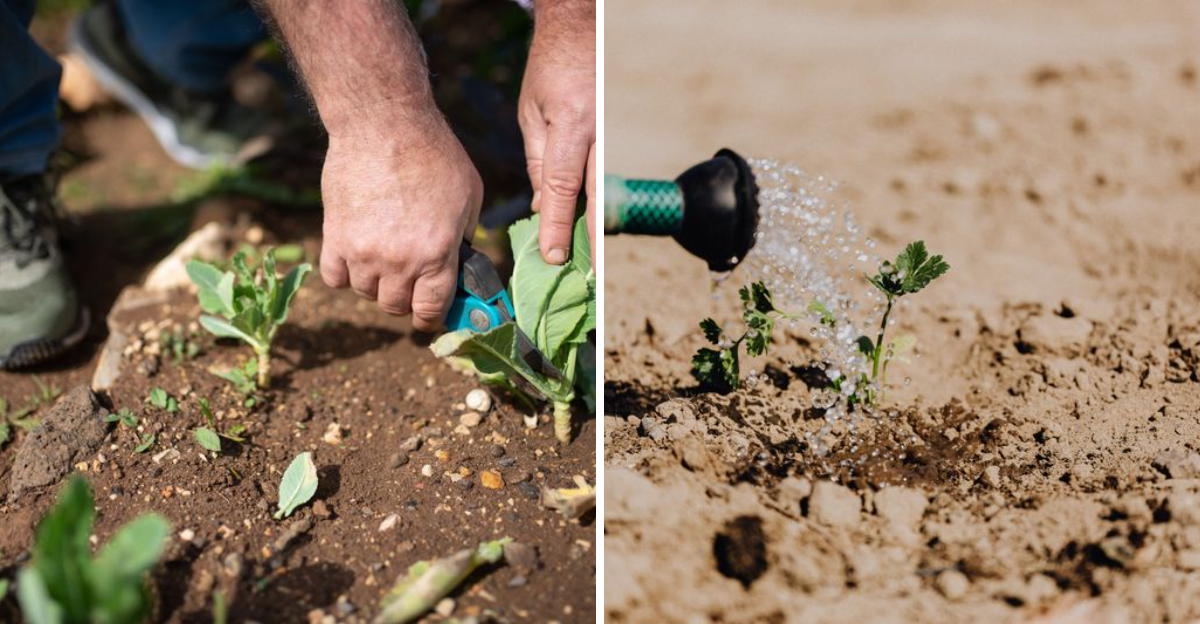
Weeds are sneaky water thieves and drought orders create the perfect excuse to evict them. Every weed you pull stops it from stealing moisture your vegetables desperately need.
Weeding requires no water at all, faces no drought restrictions, and delivers immediate benefits. Pulling weeds after a brief morning dew makes the task easier since roots slide out more cleanly.
Focus first on weeds growing closest to your most valuable plants. Removing competition within a foot of tomatoes, peppers, or beans gives those crops a measurable survival advantage.
Pruning is another water-free task that pays off during drought. Removing bare, damaged, or overcrowded branches reduces the total leaf surface a plant must support with limited moisture.
Fewer leaves means less water lost through transpiration. Strategically thinning a tomato plant’s foliage can actually improve fruit size and flavor during a dry stretch.
Avoid heavy pruning during the hottest part of the day. Fresh cuts in direct sun stress plants more, so schedule pruning for early morning or late afternoon hours.
Use clean, sharp tools to minimize tearing and damage. Ragged cuts invite disease, and a drought-stressed plant has fewer resources to fight off infection than a healthy one would.
Weeding and pruning together create a leaner, tougher garden. Plants that aren’t fighting for space or dragging along weak growth survive drought conditions with surprising strength and resilience.
7. Composting And Amending Soil During Dry Spells
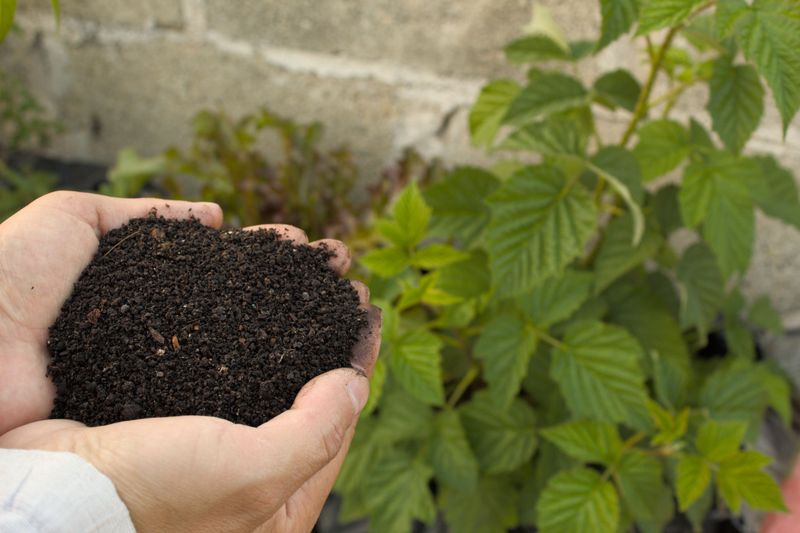
Compost doesn’t need rain to work, and your compost pile doesn’t care about drought orders. Turning and building your pile during dry spells is completely unrestricted and genuinely productive.
Healthy compost improves soil structure in ways that directly fight drought. Well-amended soil holds moisture longer, drains excess water better, and supports deeper root growth simultaneously.
Adding finished compost to your garden beds right now creates a slow-release moisture sponge. Each handful of dark, crumbly compost acts like a tiny reservoir around plant roots.
Dry conditions actually make compost turning easier since the pile isn’t heavy and waterlogged. Aerating frequently during a dry spell speeds decomposition without requiring you to add more water.
Biochar is another soil amendment worth exploring during drought seasons. This charcoal-like material may help retain moisture in some soil types and has been used in agriculture for centuries.
Mixing aged compost with native soil before planting drought-tolerant species gives new roots a strong foundation. That combination of biology and structure reduces how often supplemental watering becomes necessary.
Coffee grounds, dried leaves, and kitchen scraps all contribute to a balanced pile. Collecting these materials costs nothing and keeps organic matter cycling back into your garden system.
Investing time in soil health during a drought order is one of the smartest moves a gardener can make. Better soil means less water needed, and that benefit compounds season after season.
8. Watering New Plantings During Early Morning Hours
Early morning watering is not just allowed during a drought order, it is actively encouraged. Most Virginia water authorities specifically recommend watering before 10 a.m. to minimize evaporation loss.
Cool morning air means water soaks into soil rather than vanishing into heat. Temperatures are lower, winds are calmer, and your plants absorb moisture far more efficiently at dawn.
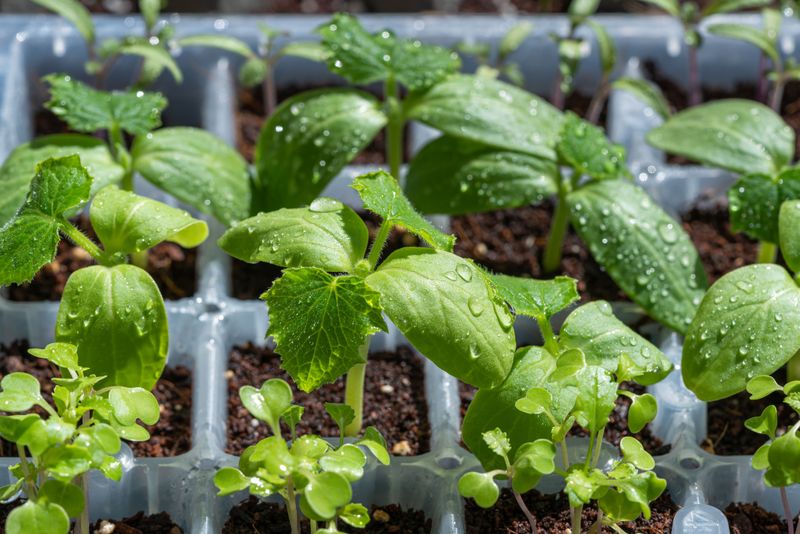
New plantings often receive special consideration under drought order rules. Freshly transplanted seedlings and recently seeded beds typically qualify for targeted hand watering even on non-permitted days.
Always confirm your specific locality’s exemptions with a quick phone call. Rules vary between counties, and a five-minute conversation can save you from accidentally violating your local order.
Watering at the base of new plantings concentrates moisture exactly where young roots are reaching. Surface-level soil around seedlings dries fastest, so deep, directed watering matters more than volume.
Avoid watering new plantings after noon if possible. Afternoon heat evaporates much of the surface moisture before roots can absorb it, wasting your permitted water allotment on evaporation rather than plant growth.
Setting a morning alarm might feel dramatic, but your new plants will reward that small sacrifice. Consistent early sessions build root systems strong enough to handle the hottest part of the day.
Following the early morning rule during a drought order in Virginia protects both your plants and your community’s water supply. Smart timing is the simplest way to garden responsibly under any restriction.