What California Gardeners Get Wrong About Harvesting Peppers In Summer
There is something deeply satisfying about a California summer pepper plant absolutely loaded with fruit. And there is also something deeply tempting about just leaving it all on there until it looks perfect.
Totally understandable, but here is the thing: how and when you harvest your peppers matters a lot more than most gardeners realize. It is not just about color changes or grabbing whatever looks big enough.
Pepper size, variety, heat levels, how you actually remove the fruit, and yes, even how rough you are with the plant in the process can all affect how well your garden keeps producing through a long California summer.
Get the timing and technique right and your plants can keep churning out peppers for weeks longer than you might expect.
Get it wrong and production can slow down faster than the heat wave that started this whole situation.
1. Waiting Too Long For Every Pepper To Turn Red
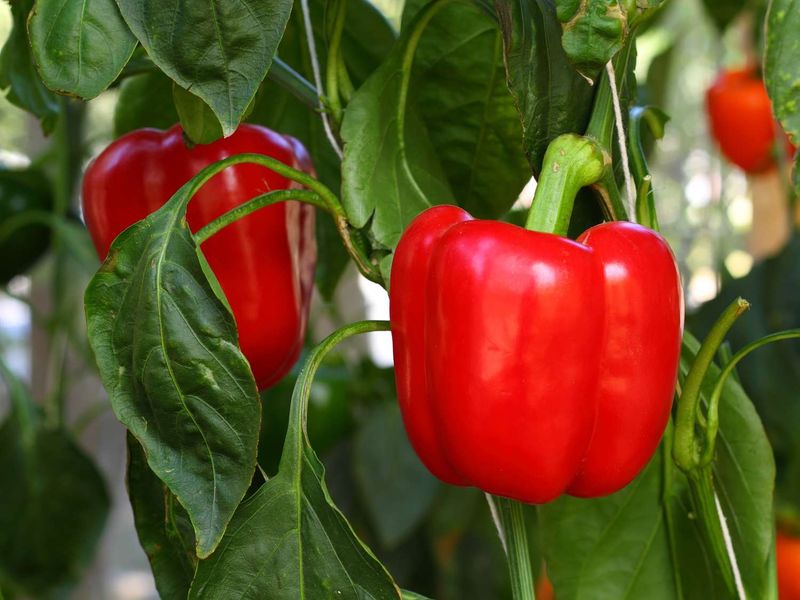
Most gardeners picture a ripe pepper as a deep, glossy red, and that image makes it easy to leave fruit on the plant far longer than it should stay.
Red peppers are simply green peppers that have been allowed to fully mature on the vine, and while the color change does bring sweeter flavor, waiting for every single pepper to turn red in a California summer garden can slow down new fruit production significantly.
Pepper plants respond to fruit load. When too many mature peppers are hanging on the plant, the plant shifts its energy toward those existing fruits rather than producing new flowers and setting new fruit.
In warm inland California gardens where summer temperatures stay high for months, this can mean fewer peppers overall by the end of the season.
Sweet bell peppers and many frying peppers can be harvested green once they reach full size and feel firm to the touch. At that stage, they are completely usable and often preferred for cooking.
Removing green peppers at full size encourages the plant to redirect energy toward new growth and fresh fruit set.
Watch the shoulders of the pepper where it meets the stem. When the fruit feels solid, the walls feel thick, and the pepper has reached the size expected for that variety, it is ready to pick whether it has colored or not.
Waiting for universal red color in a California summer garden often costs more than it gains.
2. Picking Green Peppers Before They Reach Full Size
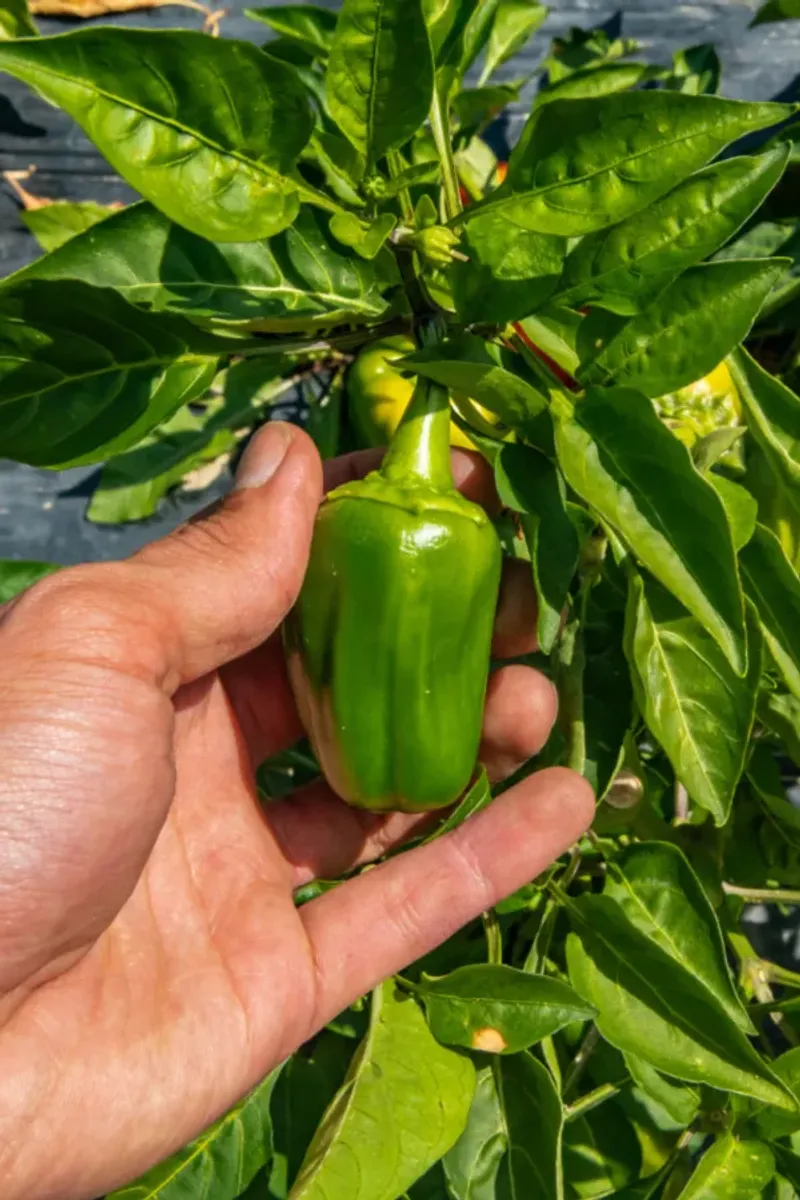
Firm and green does not always mean ready. A pepper can look healthy and well-colored for its current stage while still being weeks away from the size and wall thickness it will eventually reach.
Picking too early is one of the more common harvesting mistakes in California backyard gardens, especially when gardeners are eager to get the first harvest of the season.
Underdeveloped peppers tend to have thinner walls, less developed flavor, and a slightly bitter edge that fully sized green peppers do not have.
The difference in taste and texture between a pepper picked at half its mature size and one picked at full size is noticeable, even when both are green.
Your California Garden Changes Every Week. Your Plan Should Too.
Gardening in California changes quickly throughout the season. Every Friday you’ll receive a simple weekly plan showing exactly what to plant, prune, fertilize, harvest, and protect so you never miss the right timing.
Thin walls also mean the pepper will not store as well after picking.
A good way to judge readiness is to know what size your specific variety should reach at maturity. Seed packets and plant tags usually include this information.
Bell peppers, for example, should feel blocky and heavy for their size, with walls that feel solid when gently squeezed. Smaller specialty peppers have their own size benchmarks depending on the variety.
California gardeners growing peppers in containers or raised beds sometimes pick early because they worry about heat damage or pests getting to the fruit.
Monitoring plants closely and shading them during the hottest part of the afternoon is a more effective approach than harvesting before the pepper is genuinely ready.
3. Forgetting That Color Depends On Variety
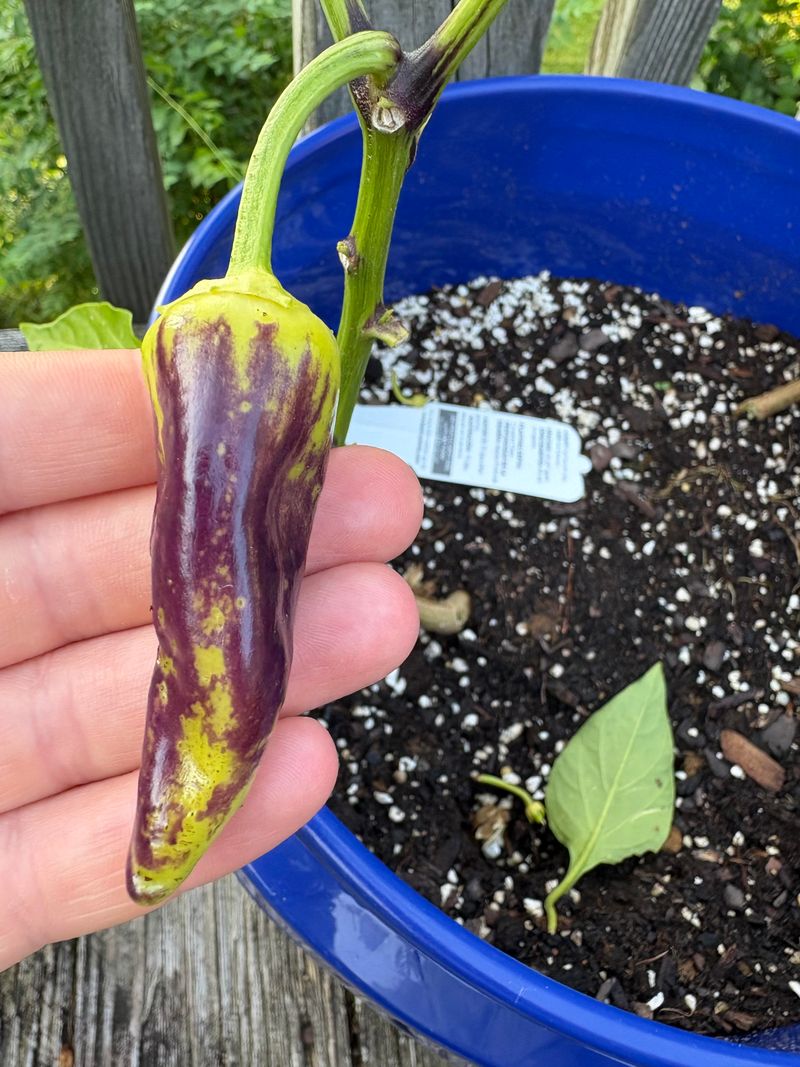
Shopping for pepper starts at a California nursery in spring can feel overwhelming, and many gardeners grab whatever looks appealing without paying close attention to the variety name or its mature color.
That detail matters more than most people realize when summer harvest time arrives and the peppers are not turning the expected red.
Many pepper varieties mature to yellow, orange, chocolate brown, or even purple rather than red. Some stay green even at full maturity and are meant to be harvested green.
A Cubanelle pepper, for example, is typically harvested while still pale yellow-green. A Chocolate Bell pepper matures to a deep brown.
Expecting every pepper to turn red is a misunderstanding of how pepper genetics work.
When a gardener is not sure what color a variety should reach, the fruit can sit on the plant indefinitely while the gardener waits for a color change that will never come.
During California summers, this can expose mature fruit to unnecessary sun, heat stress, and the risk of softening or developing sunscald on exposed sides.
Checking the seed packet, plant tag, or a reliable online variety description before the season starts is the simplest way to avoid this confusion.
Knowing the expected mature color for each variety in the garden helps with harvest timing, reduces fruit loss, and takes the guesswork out of deciding when a pepper is genuinely done developing.
4. Pulling Peppers Instead Of Cutting The Stem
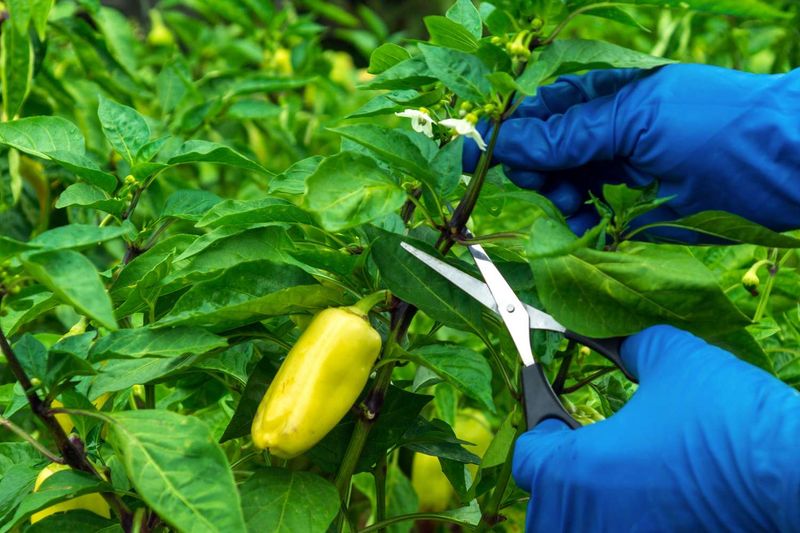
Reaching up and pulling a pepper off the plant feels natural, especially when the fruit looks ripe and heavy. But pepper stems attach to the plant at a junction that can be surprisingly brittle, and pulling rather than cutting often snaps off more than just the pepper.
Entire branches can break away, taking with them the developing buds and small fruit that represent the next round of harvest.
In California summer gardens where plants may already be dealing with heat stress or drought, losing a branch to rough harvesting can set a plant back noticeably.
Pepper plants are not as forgiving of physical damage during peak summer heat as they might be during cooler spring or fall conditions.
A broken branch also creates an open wound that can invite fungal issues, particularly in coastal California gardens where morning moisture lingers.
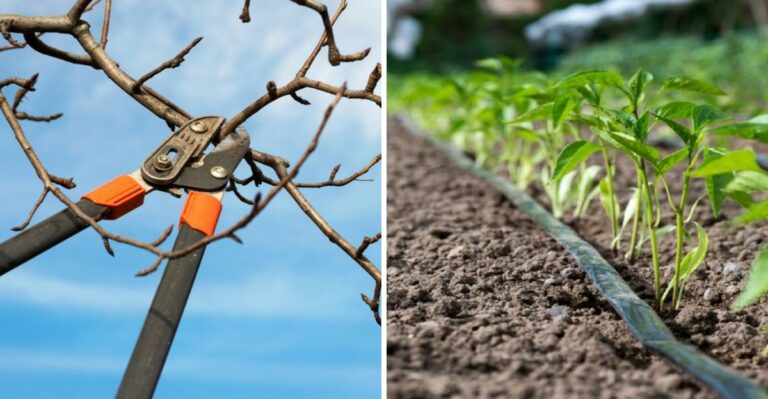
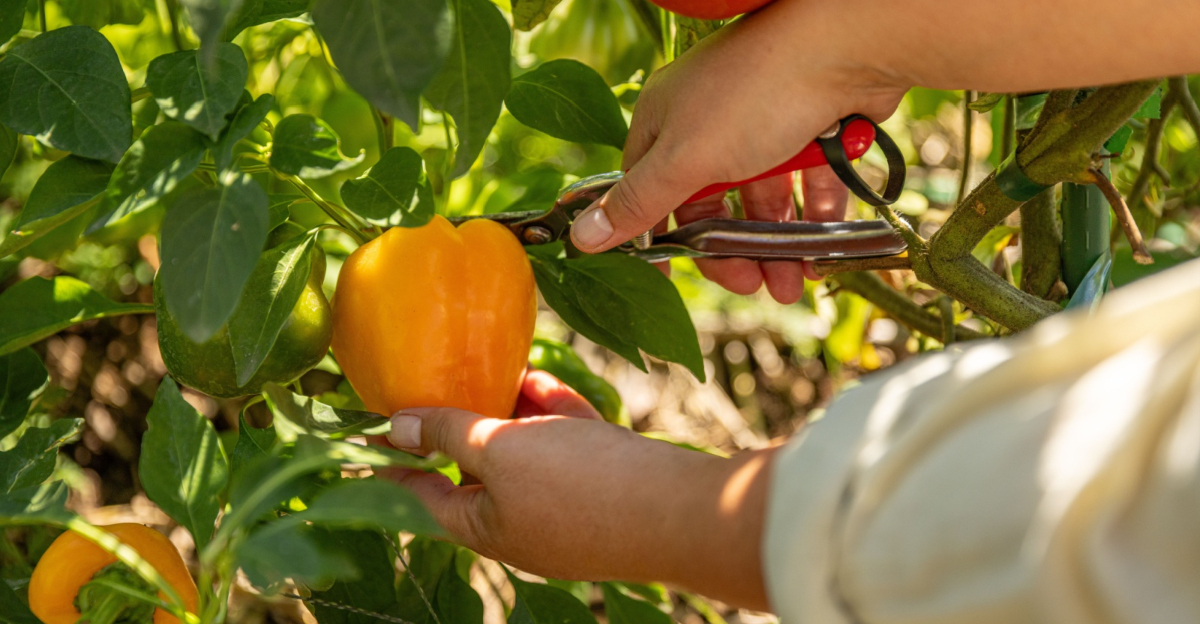
Using clean garden scissors or small pruning shears to cut the stem about a quarter to half an inch above the pepper cap is the recommended approach.
This leaves a short stub of stem attached to the fruit, which also helps the harvested pepper last longer after picking since the cap stays intact.
Keeping a small pair of scissors in the garden basket makes this habit easy to maintain.
Sharp, clean cuts protect the plant, preserve developing fruit, and keep the overall structure of the pepper plant intact so it continues producing well into the late California summer and early fall season.
5. Leaving Too Many Mature Peppers On The Plant
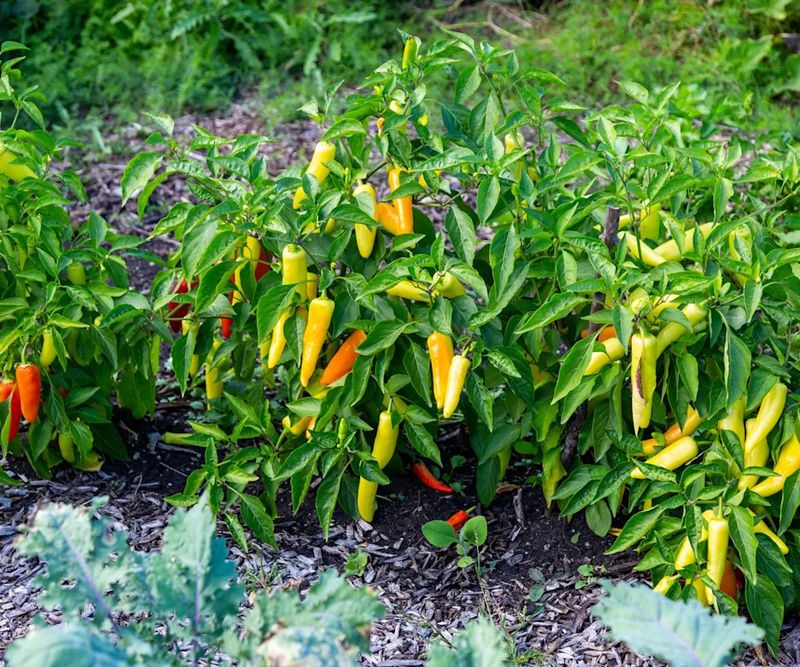
A pepper plant covered in large, colorful fruit looks like a gardening success story, but leaving too many mature peppers on the plant at once can actually work against continued production.
Pepper plants have a natural tendency to slow down flowering and fruit set when they are already carrying a heavy load of mature or near-mature fruit.
The plant interprets a full load of ripe fruit as a signal that its reproductive job is nearly complete. In response, it puts less energy into producing new flowers.
For California gardeners hoping to harvest peppers from late spring through early fall, this slowdown can mean a significant gap in production during the most productive months of the growing season.
Regular harvesting, even of peppers that have not yet reached their full color, keeps the plant in an active production cycle. Picking fruit every few days rather than waiting for a large batch to accumulate at once encourages the plant to keep flowering.
In warm California inland gardens, where the growing season extends well into autumn, consistent harvesting can dramatically increase total yield.
A good target is to harvest any pepper that has reached full size, even if it is still green, rather than allowing a backlog of mature fruit to build up on the plant.
Smaller and more frequent harvests keep the plant productive, reduce branch stress from heavy fruit weight, and give gardeners a steady supply of fresh peppers throughout the summer.
6. Ignoring Heat Stress During Harvest Time
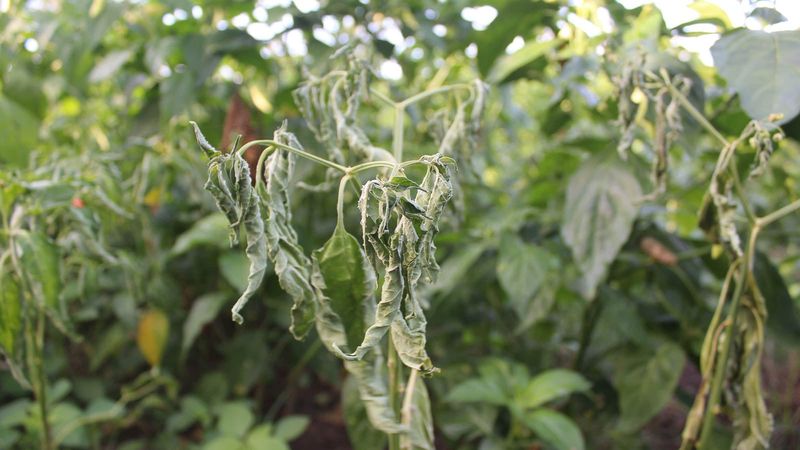
Harvesting peppers during the hottest part of a California summer afternoon seems convenient, but it is one of the more overlooked mistakes in the home garden.
Pepper plants under heat stress are already working hard to manage water loss and maintain cell function.
Handling them roughly or harvesting during peak heat can add stress at a moment when the plant is most vulnerable.
Fruit picked during the hottest part of the day also tends to have a shorter shelf life after harvest.
Peppers pulled from a sun-warmed plant at 100 degrees Fahrenheit in a California Central Valley garden arrive in the kitchen already warm and slightly stressed, which accelerates softening.
Morning harvests, when temperatures are cooler and plant tissue is better hydrated, generally produce fruit that holds up longer after picking.
Heat stress during summer also affects plant behavior in ways that are easy to misread. Flowers may drop without setting fruit, leaves may curl or look wilted by early afternoon even when the plant has adequate water, and fruit development may slow.
Gardeners who are not familiar with these heat responses sometimes assume something is wrong with the plant when it is simply responding normally to California summer temperatures.
Watering deeply in the early morning, providing afternoon shade with cloth or a garden umbrella for plants in containers, and harvesting in the cooler morning hours are practical steps that help both the plant and the harvested fruit hold up better through intense heat.
These small adjustments can make a noticeable difference during the most demanding weeks of the California summer, especially for container-grown peppers sitting in full afternoon sun.
7. Expecting Hot Peppers To Peak At The Green Stage
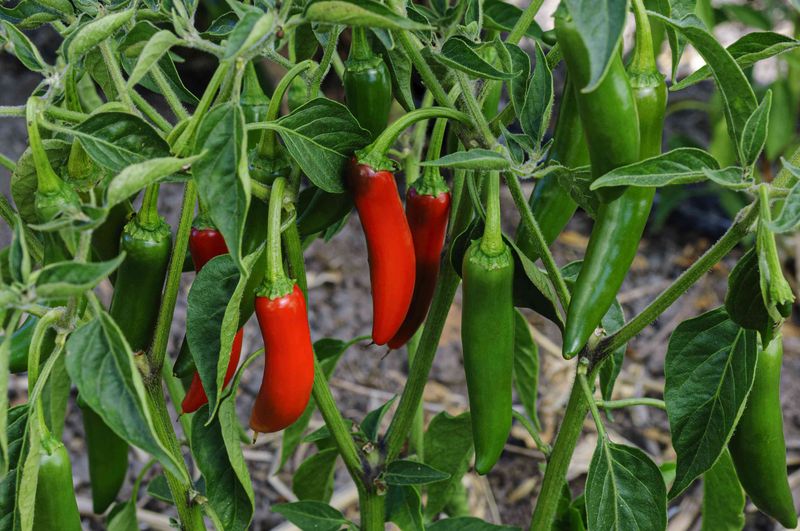
Jalapenos are almost always sold green at grocery stores, which leads many California home gardeners to assume that green is the correct and final harvest stage for all hot peppers. The reality is more nuanced.
Many hot pepper varieties, including jalapenos, can be harvested green once they reach full size, but the flavor, heat level, and color all continue to develop if the fruit is left on the plant longer.
A fully red jalapeno is riper, often sweeter in a subtle way, and typically carries more developed heat than its green counterpart.
Other hot peppers, such as cayennes, Thai chilies, and serranos, are commonly used at both stages but develop their fullest flavor and deepest heat as they mature toward their final color.
For gardeners who grow hot peppers for making sauces, drying, or fermenting, waiting for color development often produces a more complex result.
California gardeners growing hot peppers in warm inland areas or south-facing raised beds often find that their plants mature fruit faster than expected due to consistent heat accumulation.
Keeping an eye on color progression helps with timing, since hot peppers that are beginning to show color streaks are not far from full maturity.
Harvesting some peppers green for fresh use while leaving others to color up fully is a flexible approach that works well for home gardens.
It spreads out the harvest, gives the plant time to continue producing, and lets gardeners experience the same variety at different flavor stages throughout the California summer.
8. Letting Sun-Exposed Fruit Sit Too Long
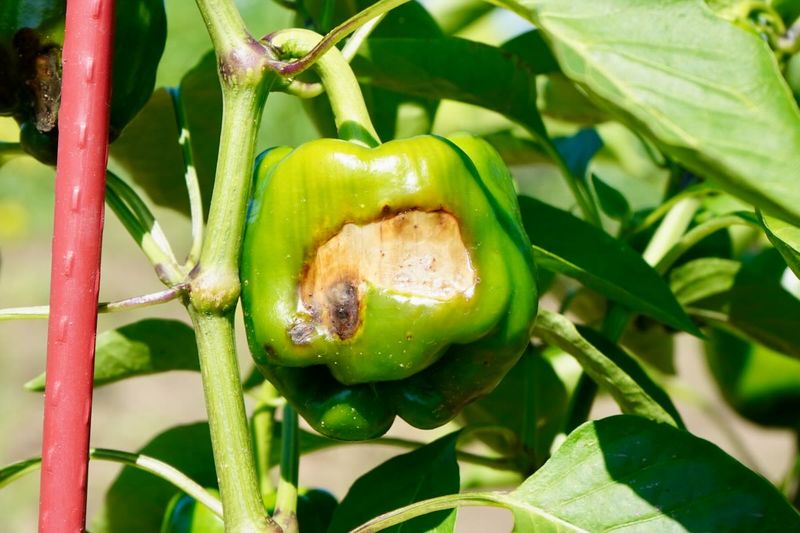
Peppers that hang on the outside of the plant canopy, fully exposed to the California summer sun, face a risk that shaded fruit does not.
Sunscald is a common problem in California gardens during peak summer, and it shows up as a bleached, papery, or slightly sunken patch on the side of the pepper that faces the strongest afternoon sun.
Once sunscald sets in, that portion of the fruit is compromised and the pepper will not store well.
The mistake is not just leaving sun-exposed peppers on the plant too long after they are mature, but also stripping away too many leaves during the season, which removes the natural shade the plant provides for its own fruit.
Healthy foliage acts as a sunscreen for developing and mature peppers, and over-pruning or pest damage that reduces leaf cover leaves fruit more vulnerable during California’s hottest months.
Peppers that are mature and growing in a fully sun-exposed position should be harvested promptly rather than left to hang while waiting for more color development.
A pepper with early sunscald can still be used if the affected area is small and the rest of the fruit is firm, but the window for use after picking is shorter than for undamaged fruit.
For container gardens on California patios and south-facing raised beds, moving pots to a spot with afternoon shade during heat waves, or using shade cloth, can reduce sunscald risk and keep fruit in better condition until it is ready to pick.