7 Florida Plants That Should Be Left Alone After Heat Damage
Florida summers have a way of triggering the gardener’s rescue instinct, and honestly that instinct comes from a good place. You see scorched leaves or a droopy plant and every part of you wants to do something about it immediately.
Water it, prune it, fertilize it, repot it, something. The problem is that rushing in with a flurry of well-meaning fixes can add stress to a plant that is already dealing with plenty.
Sandy soil, blazing sun, hot patio containers, and unpredictable rainy season weather create conditions that are genuinely confusing to diagnose, and the wrong move at the wrong moment can make a struggling plant significantly worse.
Sometimes the most useful thing a Florida gardener can do is pause, check soil moisture and drainage, take a good look at the roots, and then do a whole lot of nothing for a little while.
1. Palms Need Their Fronds After Heat Stress
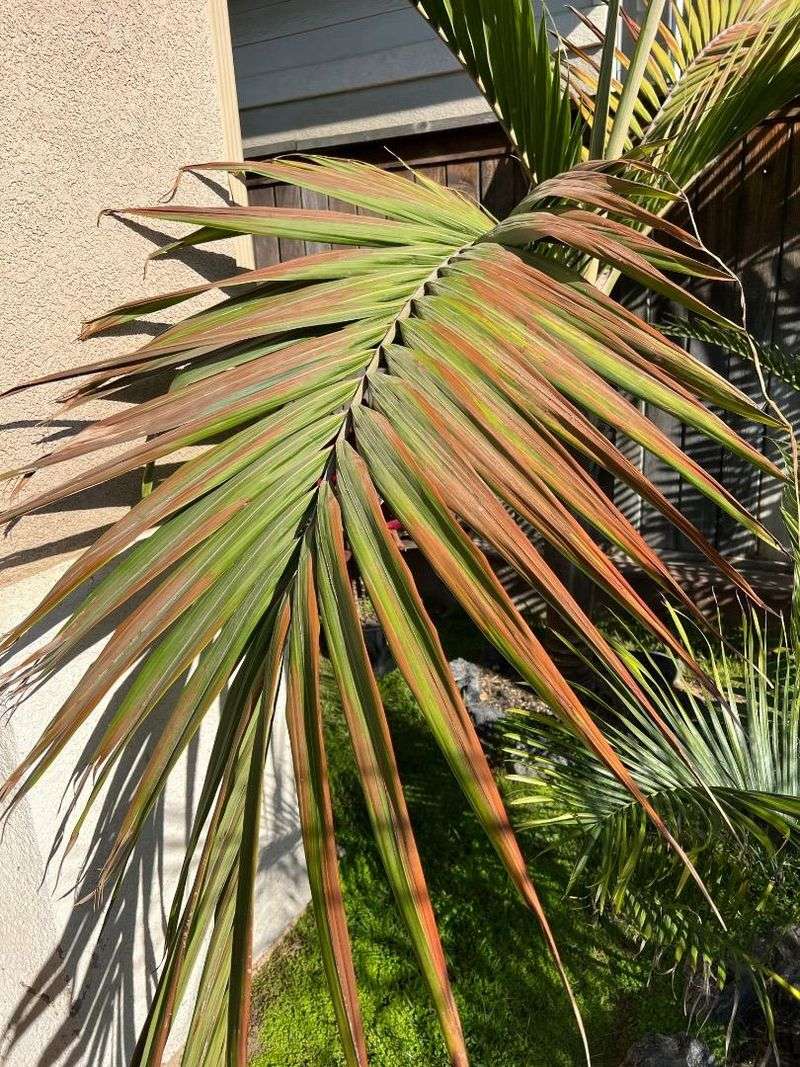
Sun-scorched fronds on a Florida palm can send a gardener straight for the pruning saw, but cutting too much at once is one of the most common mistakes made after a heat wave. Palms are not like shrubs or flowering plants.
They cannot replace lost fronds from side branches or new growth points scattered across the plant. Every frond, even one that looks partly brown or tired, is still doing some work for the tree.
Green and partly green fronds are actively producing food for the palm through photosynthesis. When too many fronds are removed after heat stress, the palm loses its ability to feed itself at exactly the moment it needs energy most.
Florida’s summer heat already pushes palms hard, and heavy pruning on top of that can slow recovery significantly.
Before reaching for any tools, check whether the fronds are fully brown and dry or still showing green. Fully brown, dry fronds that hang down or pose a safety concern near walkways or structures can be carefully removed.
Fronds that are partly green or yellowing should generally stay in place until they complete their natural cycle.
Soil moisture is worth checking too. Palms in sandy Florida soil may dry out faster than expected, but they can also sit too wet in low spots after summer rains.
Good drainage matters more than frequent watering for most established palms. Giving a stressed palm steady conditions, some patience, and minimal disturbance usually supports recovery better than aggressive cleanup ever could.
2. Bougainvillea Does Better Without Fussing
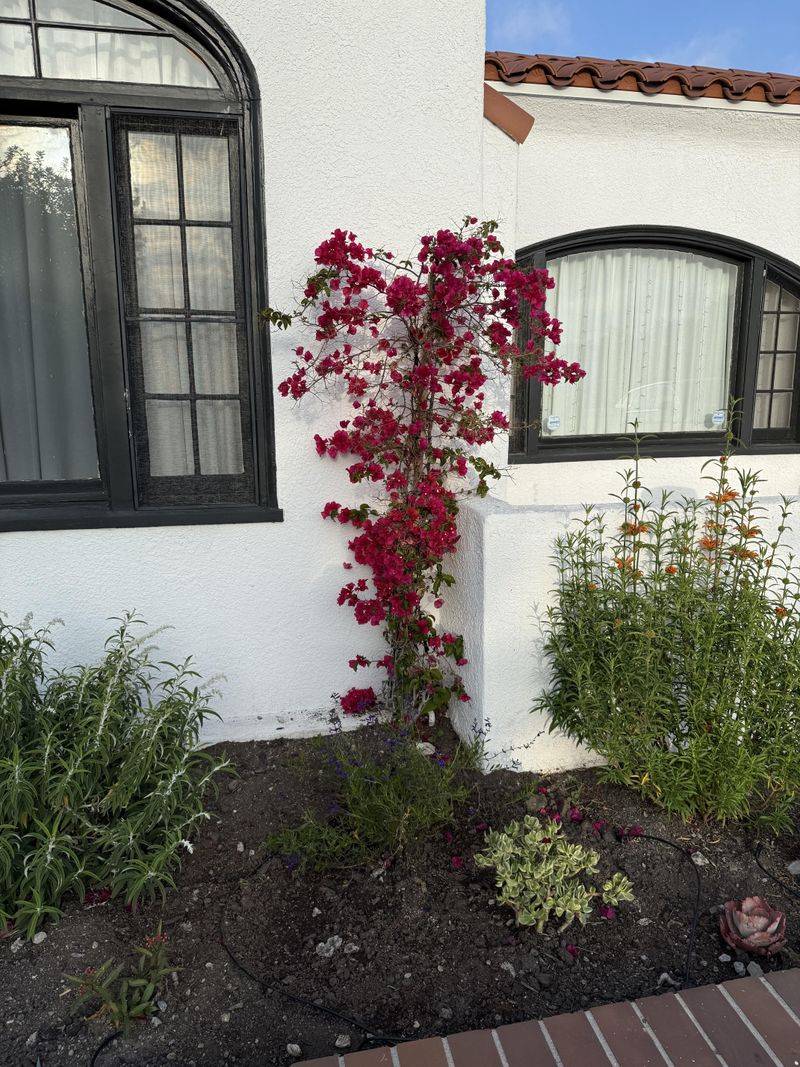
Faded bracts, drooping stems, and a generally tired appearance after a Florida heat spell can make bougainvillea look like it needs serious help. In reality, this plant often just needs to be left to its own devices.
Bougainvillea thrives on full sun, sharp drainage, and a root zone that leans drier rather than consistently moist. It is not a plant that appreciates being treated like a thirsty tropical.
One of the most common overreactions after heat stress is reaching for the hose. Overwatering bougainvillea, especially in containers or beds with poor drainage, can create root problems that look surprisingly similar to heat damage.
Your Florida Garden Changes Every Week. Your Plan Should Too.
Gardening in Florida changes quickly throughout the season. Every Friday you’ll receive a simple weekly plan showing exactly what to plant, prune, fertilize, harvest, and protect so you never miss the right timing.
Soggy roots and scorched roots can both produce wilting and faded color, so checking soil moisture before watering is a smart first step.
Heavy fertilizing is another temptation to avoid right after heat damage. Pushing a stressed plant with fertilizer before it has had a chance to stabilize can cause more harm than good.
Bougainvillea in Florida landscapes tends to respond better to light, balanced feeding during active growth periods rather than heavy doses during or right after stress.
Pruning is also worth holding off on unless stems are clearly dry, brittle, and fully unresponsive. Some Florida gardeners cut back hard at the first sign of trouble, only to find that the plant was still alive beneath the surface.
Check drainage, ease up on watering, hold the fertilizer, and give bougainvillea a reasonable window to show what it can do on its own.
3. Desert Rose Needs Drainage More Than Rescue
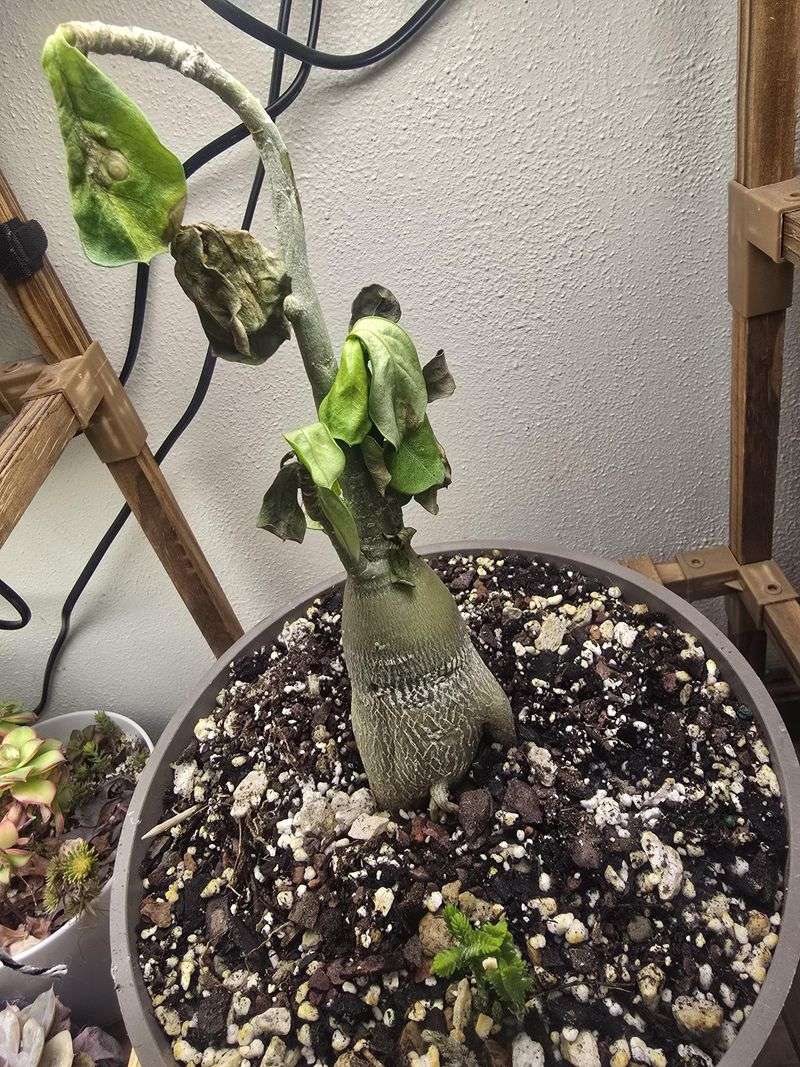
Hot patio containers in Florida can turn into miniature ovens during peak summer, and desert rose sitting in one of those containers may start to look soft, wrinkled, or strangely deflated after a stretch of extreme heat.
The instinct to water it back to health makes sense, but desert rose is a succulent-type plant that stores water in its swollen base, called a caudex, and it handles dry periods far better than most gardeners expect.
The real concern after heat damage is not usually a lack of water. It is drainage.
Desert rose sitting in poorly draining soil or a pot without adequate drainage holes can develop root problems quickly, especially when Florida’s rainy season piles extra moisture on top of an already-wet container.
Before adding any water, check whether the soil is already moist or the pot is holding water at the bottom.
Repotting a heat-stressed desert rose is another move worth delaying. Shifting the plant into a new container while it is already under stress adds another layer of disruption to a root system that may just need stability and time.
If repotting is genuinely needed for drainage reasons, it can wait until the plant shows signs of stabilizing.
Full sun is important for desert rose, so make sure the plant is not suddenly shaded as a way of protecting it.
Consistent warmth, well-drained soil, and careful watering only when the mix has dried out appropriately will generally serve this plant better than any emergency intervention during or after a Florida heat event.
4. Aloe Vera Should Not Be Overwatered
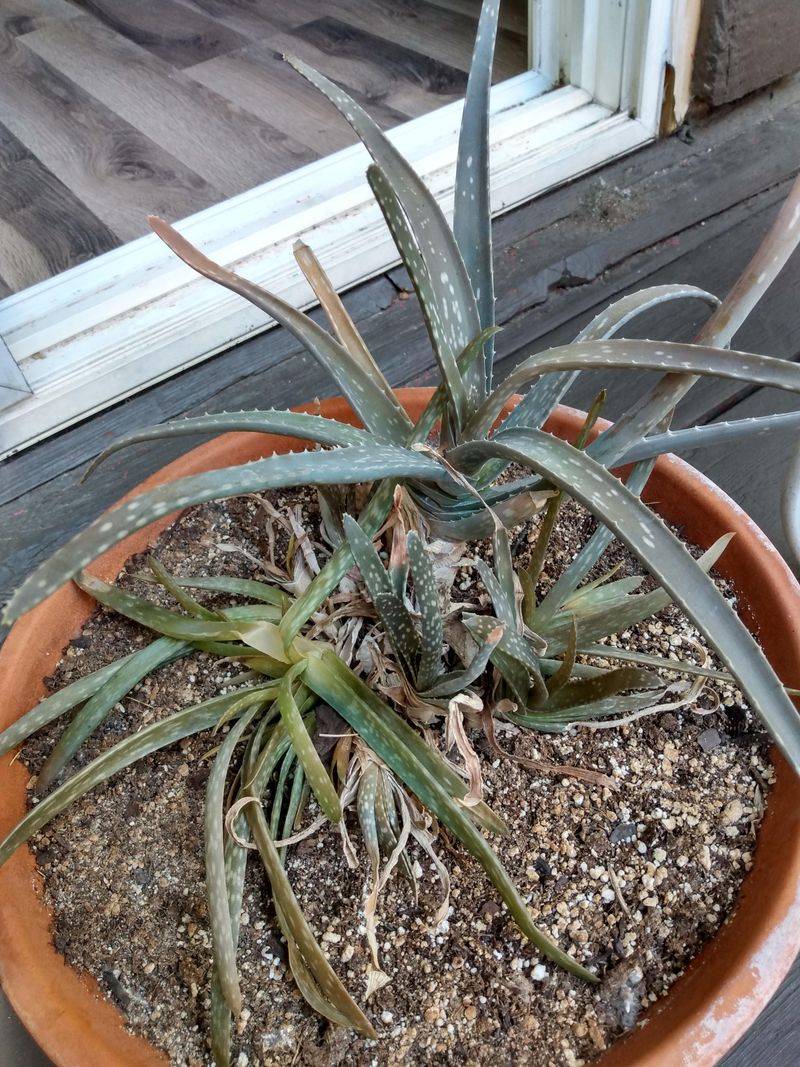
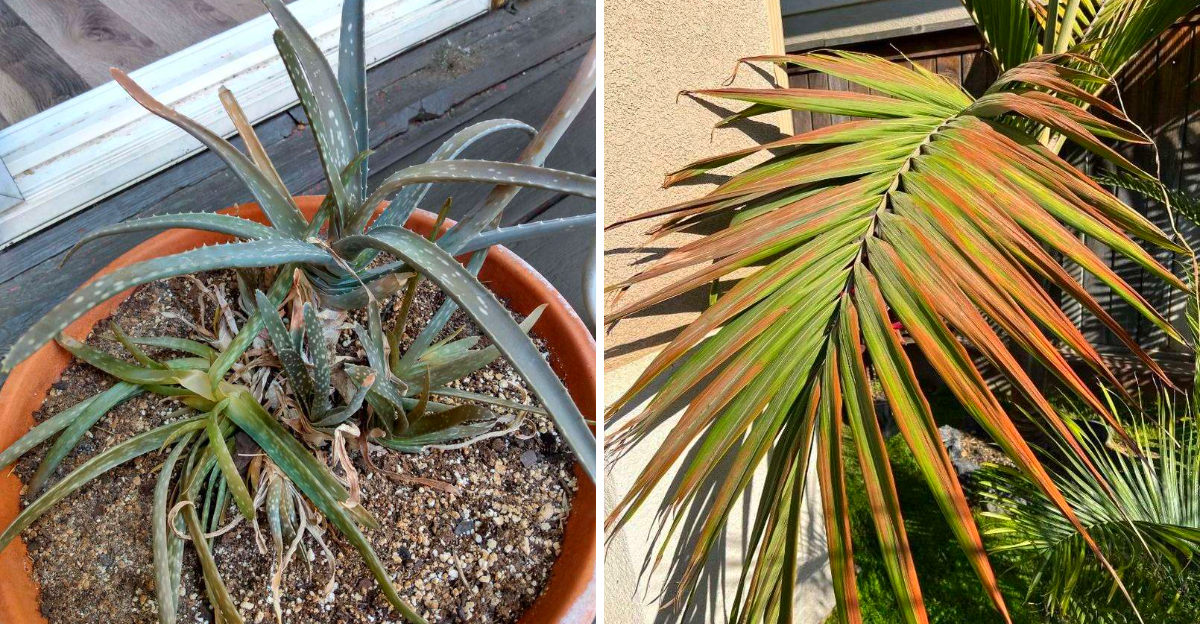
Aloe vera is one of the most recognizable plants in Florida home landscapes, and it also happens to be one of the most commonly overwatered after a heat spell. When aloe leaves turn soft, translucent, or mushy at the base, many gardeners assume the plant is thirsty.
More often in Florida, especially during the rainy season, the problem runs in the opposite direction.
Aloe vera is drought tolerant by nature. It stores water in its thick leaves and can go longer between waterings than most people realize.
In Florida containers, where summer rains already add significant moisture, the soil may stay wet for days at a time.
Adding more water on top of that creates conditions where the roots sit saturated, which leads to soft growth and a plant that looks surprisingly similar to one that needs rescuing.
Before watering an aloe that looks stressed after heat, push a finger or a wooden skewer a couple of inches into the soil. If it comes out moist or damp, hold off on watering and focus on drainage instead.
Make sure the container has drainage holes that are not blocked, and consider whether the pot is sitting in a saucer that collects standing water.
Fertilizer is another thing to set aside during this period. Aloe does not need heavy feeding, and pushing nutrients into a stressed plant rarely helps.
Giving it stable sun exposure, appropriate drainage, and a drier watering schedule will usually allow a heat-stressed aloe vera to settle back into healthy growth on its own schedule.
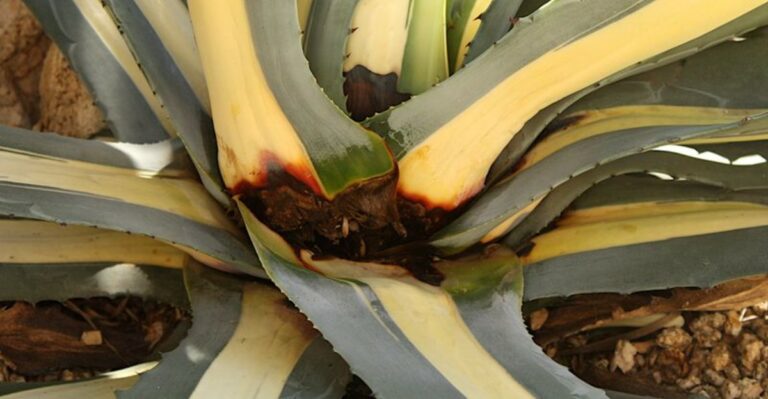
5. Agave Recovers Best With Restraint
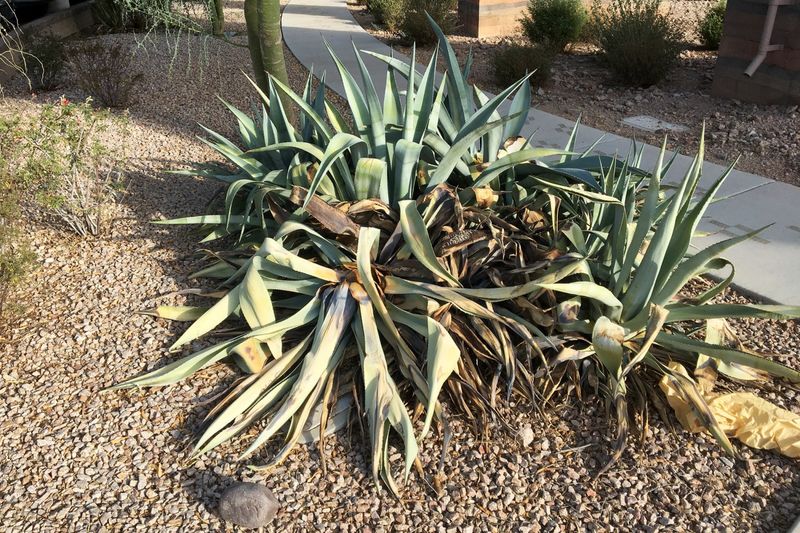
Agave sitting in a sunny Florida yard or raised bed can look alarmingly rough after a particularly intense summer heat wave. Leaf tips may brown, the plant may look dull or slightly shriveled, and the overall appearance can feel like a call to action.
For most established agave, though, the best response is a measured one rather than an urgent one.
Agave is built for direct sun, heat, and dry conditions. It thrives in well-drained soil, including the sandy soil common across much of Florida, and it handles drought far better than it handles excess moisture.
When agave looks stressed after heat, checking drainage is a more productive first step than reaching for the hose. A plant sitting in compacted or poorly draining soil will struggle regardless of how much or how little water it receives.
Extra watering after heat damage is one of the most common mistakes made with agave.
The plant’s thick leaves already hold moisture, and pushing water into a root zone that has not had a chance to dry out can create conditions the plant is not equipped to handle well.
Watering only when the soil has dried to an appropriate depth, and only in the absence of recent rain, is a reasonable approach.
Fertilizing right after a heat event is also worth skipping. Agave in Florida landscapes generally does not need heavy feeding, and stressing the plant further with fertilizer salts during recovery is unlikely to help.
Stable placement, good drainage, and patient observation tend to produce the best results with this rugged, architectural plant.
6. Beach Sunflower Dislikes Extra Pampering
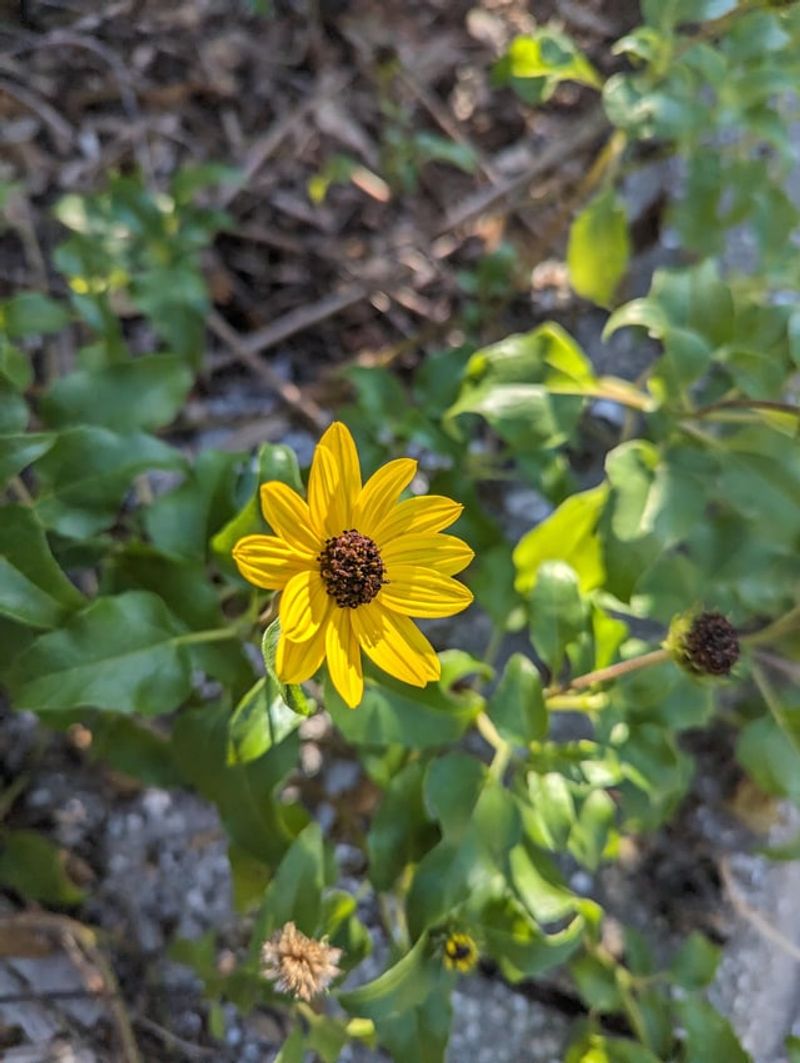
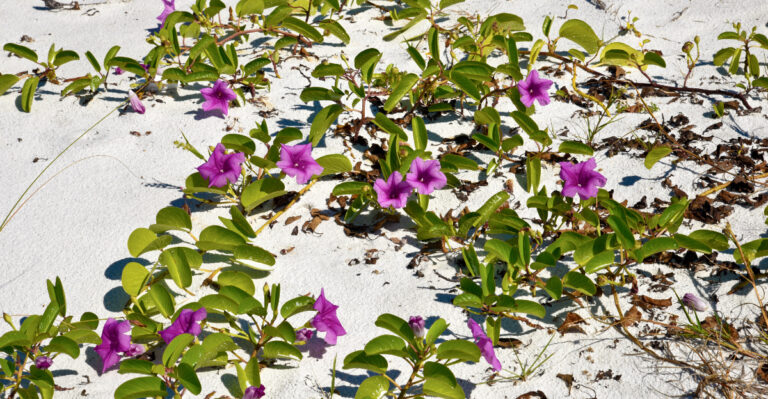
Anyone who has grown beach sunflower in a Florida yard knows it can spread quickly and bloom generously with very little encouragement. That easygoing personality is exactly what makes it tricky to manage after heat damage.
When the plant looks wilted or faded after a hot stretch, the temptation is to treat it like a delicate annual that needs extra attention. Beach sunflower is not that plant.
As a Florida native, beach sunflower is adapted to sunny, sandy, well-drained conditions, including the kind of dry, exposed spots that most other plants find inhospitable. Once established, it handles heat and brief dry periods without much complaint.
Over-irrigation is actually more likely to create problems than underwatering, particularly in low spots or heavy soils where water pools after Florida’s afternoon rainstorms.
Fertilizing a stressed beach sunflower is another move worth holding off on.
Rich soil and heavy feeding can encourage lush, soft growth that is more vulnerable to heat and pest pressure than the leaner, tougher growth the plant produces under drier conditions.
If the planting area has been heavily amended or fertilized recently, that may actually be part of the reason the plant is struggling.
Light cleanup of clearly spent or fully dry material is fine, but major pruning while the plant is under heat stress can remove growth that would otherwise recover.
Checking soil drainage, easing back on irrigation, and letting the plant respond to its natural environment will serve beach sunflower better than any round of intensive care during or right after a Florida heat event.
7. Coontie Usually Needs Patience First
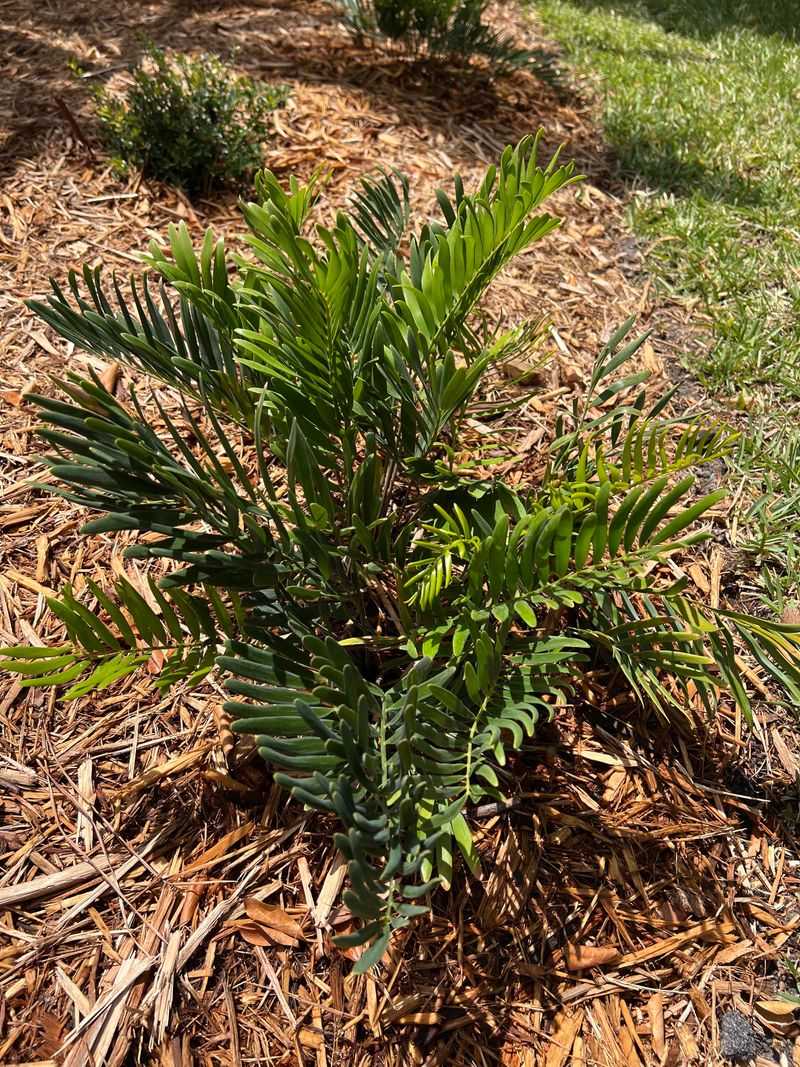
Tired-looking coontie after a rough Florida summer is one of those situations where doing less is genuinely the right call.
Coontie is a native cycad that has been part of Florida’s landscape for a very long time, and its ability to handle heat, drought, and difficult soil conditions is well established.
When it looks rough after heat stress, the plant is usually not in crisis. It is simply moving at its own pace.
Slow growth is completely normal for coontie, and it can be easy to mistake that natural slowness for a sign that something is wrong.
Gardeners who are used to faster-growing plants sometimes respond by adding fertilizer, increasing irrigation, or cutting back fronds that still have some life in them.
Each of those responses can actually set the plant back rather than help it along.
Heavy fertilizer applications are particularly worth avoiding after heat stress. Coontie does not need rich feeding, and excess fertilizer salts in Florida’s sandy soil can stress the root system at exactly the wrong time.
If fertilizer is used at all, a light, balanced application during a stable growth period is a more sensible approach than a heavy dose during or after a heat event.
Pruning should be limited to fronds that are fully brown, dry, and no longer contributing anything to the plant. Fronds that still show any green are still working.
Checking soil moisture, making sure mulch is not piled against the base, and giving the plant a calm, undisturbed environment to work through heat stress will support coontie recovery far more reliably than rushing into action.