What Florida Gardeners Are Planting Right Now In Mid-July
Mid-July in Florida is its own kind of gardening challenge, and pretending otherwise does not help anyone.
The heat is intense, afternoon storms are a daily guarantee, and the humidity makes every garden visit feel like hard work before you even pick up a tool.
Gardeners who want productive summer beds have to think completely differently than those in cooler states, and that starts with choosing crops that genuinely belong in this kind of heat.
Heat-loving vegetables, tropical greens, and vining crops thrive in conditions that would sideline most cool-season plants, and rainy season actually works in their favor.
Location matters too since North, Central, and South Florida do not share the same July planting calendar. Getting that part right is what separates a productive summer garden from one that just sits there sweating.
1. Tropical Spinaches Handle July Heat
Hot raised beds in July can feel like a challenge, but tropical spinaches were practically built for this kind of summer.
Malabar spinach, Okinawa spinach, and longevity spinach are three solid options that gardeners across North, Central, and South Florida can start as transplants right now.
These greens step in beautifully when cool-season crops like lettuce and kale have long since faded from the summer heat.
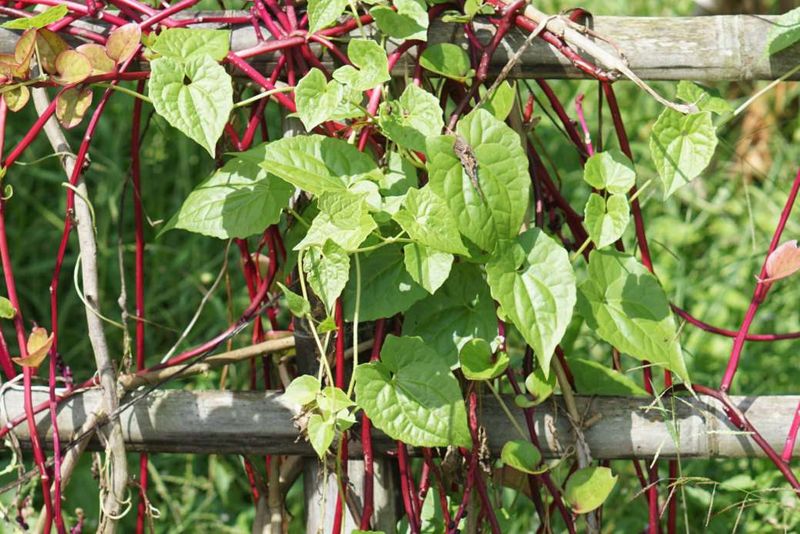
Malabar spinach is a vigorous climber that loves a trellis or fence line. Its thick, glossy leaves hold up well in the humidity and produce steadily through the rainy season.
Okinawa spinach brings a mild flavor and attractive purple-green coloring, making it a nice fit for edible landscapes where looks matter as much as yield.
Longevity spinach is one of the more low-maintenance options, spreading easily in containers or raised beds with minimal fuss. All three of these tropical greens prefer full sun and consistent moisture, which summer rains often provide naturally.
Starting them from transplants rather than seed speeds things up considerably in midsummer.
Gardeners with small backyard plots or container setups will find these greens easy to fit into whatever space is available. They do not need a lot of soil depth, and they respond well to light feeding.
For anyone looking to keep fresh greens coming through Florida’s hottest months, tropical spinaches are one of the cleanest statewide July choices available.
2. Southern Peas Fit North And Central Florida
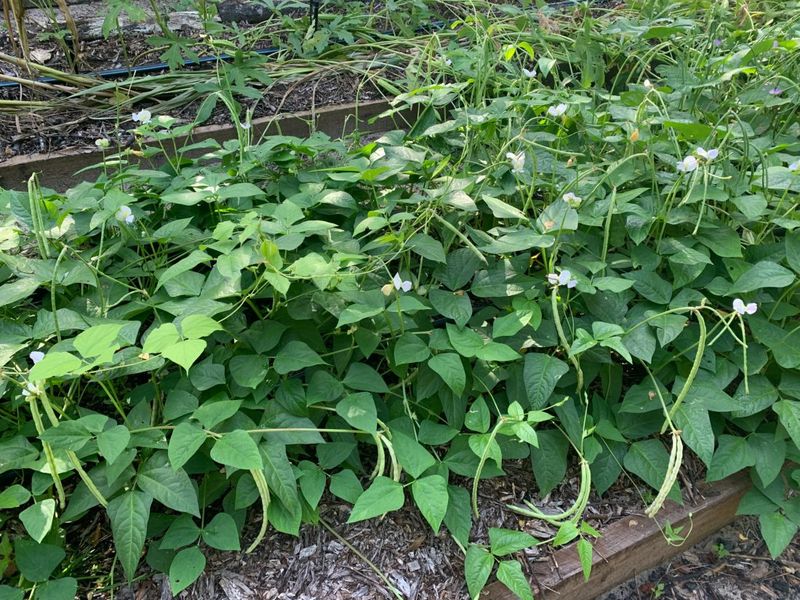
Steamy afternoons and sandy garden beds are exactly the kind of conditions that southern peas were designed to handle.
For North and Central Florida gardeners, July is a reasonable time to direct-sow southern peas from seed, and they are considered one of the better vegetable choices for enduring summer heat without much complaint.
Southern peas go by several names depending on the variety, including cowpeas, black-eyed peas, and crowder peas. They are not the same as the cool-season English peas that many gardeners grow in winter.
These are warm-season crops that actually prefer the kind of hot, humid conditions that would cause most other vegetables to struggle through July and August.
Starting them from seed directly in the garden bed works well because they do not transplant especially smoothly once their roots are established.
Your Florida Garden Changes Every Week. Your Plan Should Too.
Gardening in Florida changes quickly throughout the season. Every Friday you’ll receive a simple weekly plan showing exactly what to plant, prune, fertilize, harvest, and protect so you never miss the right timing.
Sow seeds about an inch deep in a sunny spot with decent drainage, since waterlogged soil after heavy rains can cause issues.
Most varieties are bush-type and do not need a trellis, which makes them a convenient fit for smaller backyard plots.
South Florida gardeners should check a local planting calendar before adding southern peas to a July list, since this specific crop fits North and Central Florida best during this window.
With reasonable spacing, consistent watering between rain events, and a bit of patience, southern peas can deliver a satisfying harvest in roughly 60 to 70 days from seed.
3. Chayote Works Across Florida In July
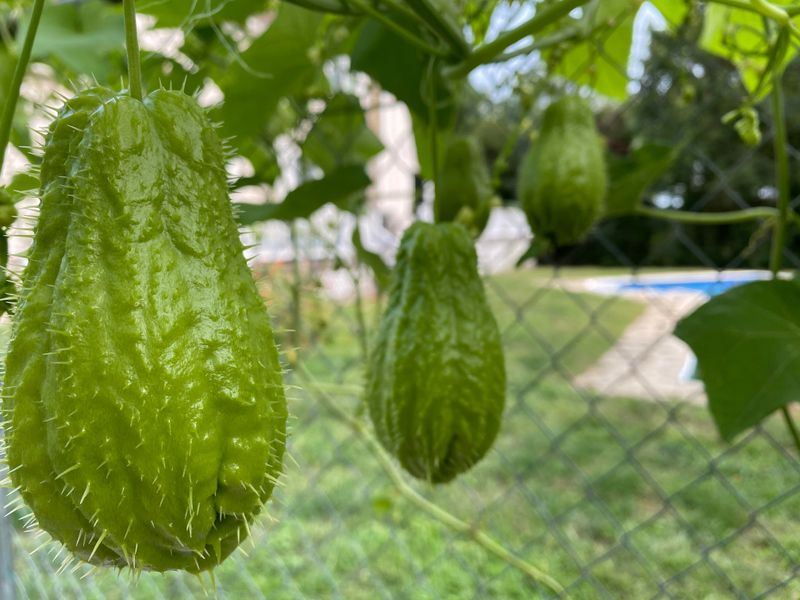
Rain-washed soil and climbing vines go together well in a Florida July garden, and chayote is one crop that fits this picture across North, Central, and South Florida.
Listed as a July seed crop for all three regions, chayote is one of the more broadly applicable choices available to gardeners right now, which makes it stand out on a mid-July planting list.
Chayote is a vining vegetable in the gourd family, and it produces pear-shaped, light green fruits that are mild in flavor and useful in a wide range of cooked dishes.
The whole fruit is typically planted rather than just a seed, so gardeners start by placing a mature chayote fruit directly into the soil at a slight angle, with the stem end slightly exposed.
Before planting, the most important step is planning for the vine’s size. Chayote can become a large, vigorous climber that needs a strong trellis, sturdy fence, or overhead structure to support its growth.
Placing it near a fence line, pergola, or heavy-duty garden arch gives it the best chance to climb productively without becoming unmanageable.
Full sun and good drainage are important, and Florida’s summer rains usually provide enough moisture to keep the vine moving.
Gardeners with limited space should think carefully before adding chayote to a small raised bed, since it will quickly outgrow a tight planting area.
Given the right support and room, though, it can be a rewarding summer vine across the state.
4. Roselle Belongs In Hot Summer Gardens
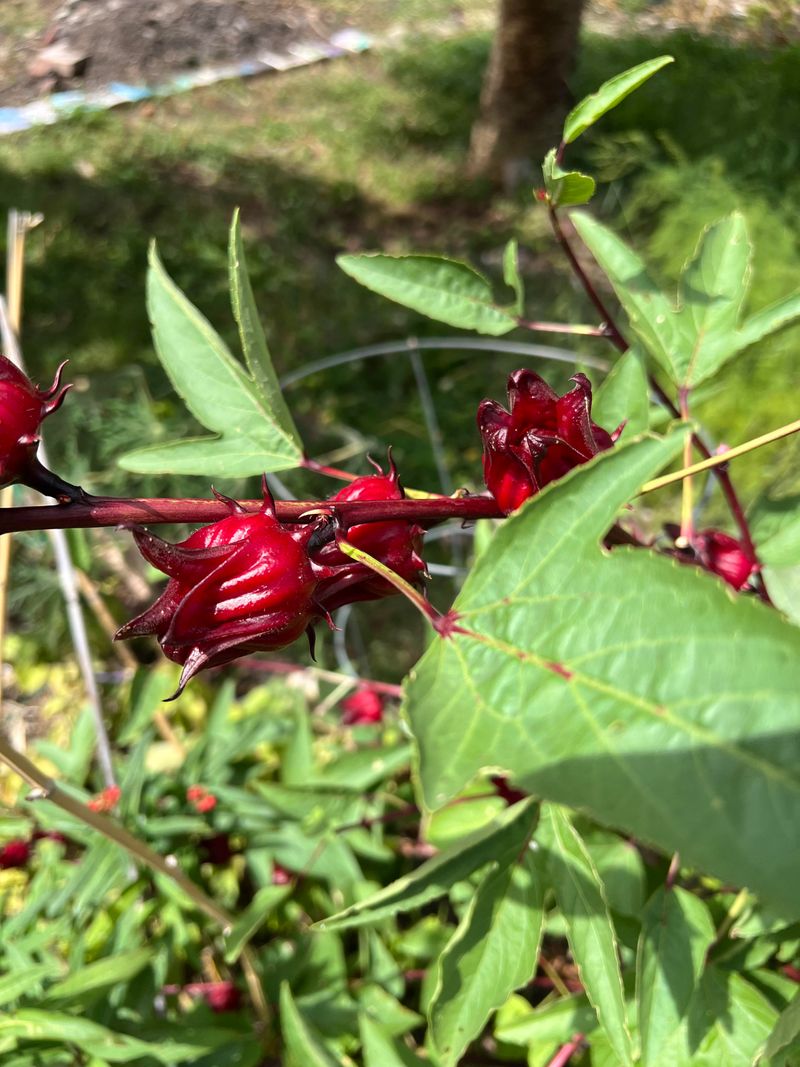
Crowded summer gardens often have room for one more plant that earns its keep in multiple ways, and roselle does exactly that.
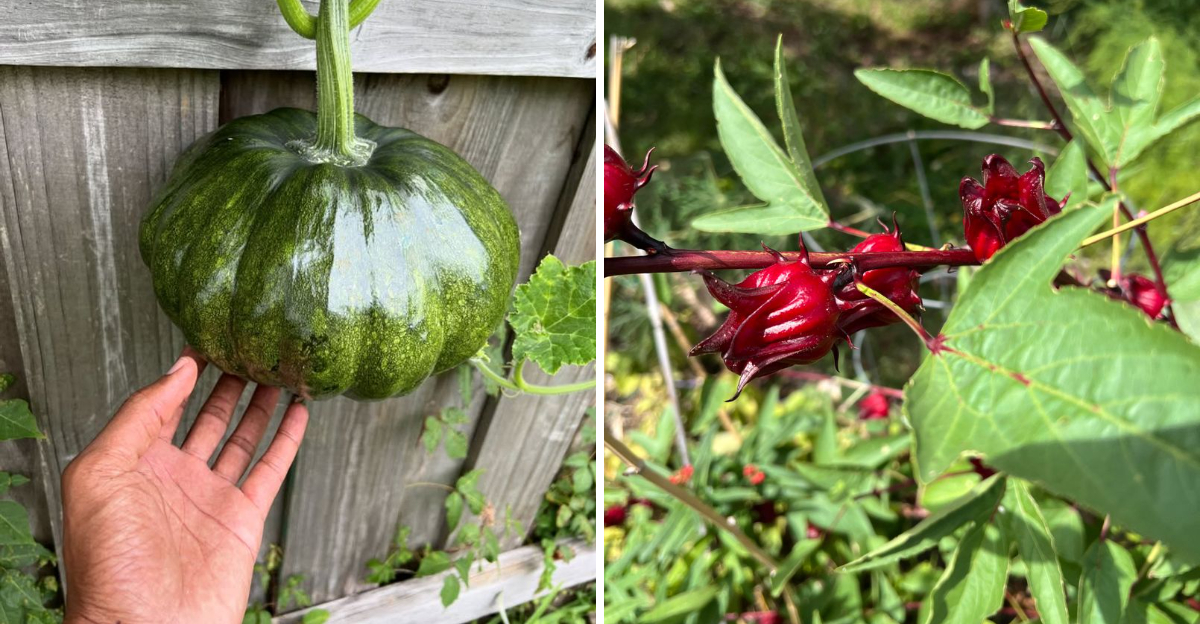
Known for its tart, cranberry-like calyces used in teas, jams, and beverages, roselle is listed as an easy July transplant for North and Central Florida gardeners who want something a little different from the usual summer lineup.
Roselle belongs to the hibiscus family, and it grows into a tall, shrubby plant with attractive lobed leaves and red-tinged stems that add visual interest to any edible landscape.
It thrives in the kind of hot, sunny conditions that Florida summers deliver consistently, and it handles the rainy season moisture reasonably well as long as the soil drains properly.
Starting from transplants in July gives the plant a head start before the season shifts. Roselle prefers full sun and well-amended, well-draining soil.
Sandy soils benefit from added organic matter to help hold some moisture between rain events without becoming waterlogged after heavy storms.
South Florida gardeners should check a local planting calendar before treating roselle as the same straightforward July transplant, since regional timing differences matter with this crop.
For North and Central Florida, though, mid-July is a reasonable window to get roselle established.
The harvest of calyces typically comes in fall, so planting now sets up a rewarding late-season yield. It is a genuinely useful and visually appealing addition to a summer food garden.
5. Okra Still Fits Central Florida
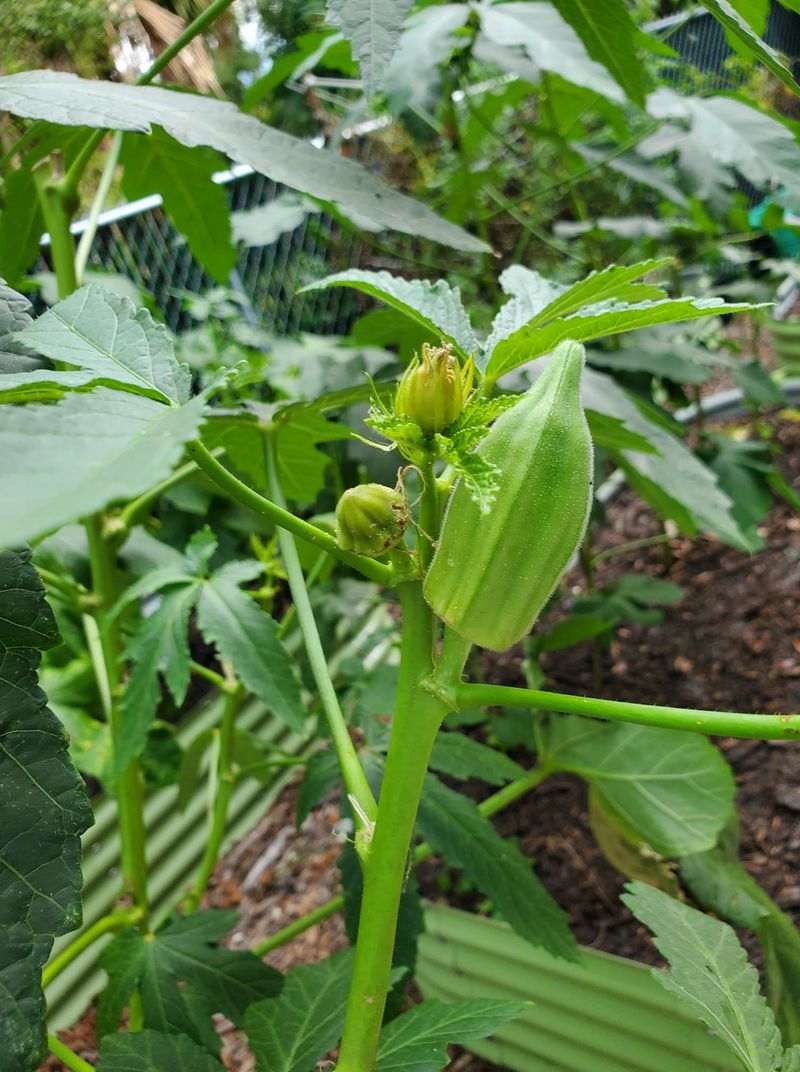
Few vegetables wear Florida’s summer heat as comfortably as okra.
For Central Florida gardeners, July remains a reasonable window to sow okra seeds directly in a sunny garden bed, and this crop continues to produce pods reliably through the hottest weeks of the year when many other vegetables have already given up.
Okra is a warm-season staple in Southern gardens, and its preference for heat and humidity makes it a natural fit for Central Florida’s midsummer conditions.
The plants grow tall, sometimes reaching five feet or more, so giving them enough vertical space in a raised bed or backyard plot is worth considering before seeds go in the ground.
Direct seeding works better than transplanting for okra because the roots do not always recover smoothly from being moved.
Sow seeds about an inch deep in full sun with well-drained soil, and expect germination within a week or so depending on soil temperature.
Once established, okra is relatively low-maintenance and tolerates brief dry spells between summer rains.
North Florida gardeners may find that their best okra window runs a bit earlier in the season, and South Florida is not typically highlighted for July okra planting in regional calendars. Central Florida sits in the sweet spot for this mid-July sowing.
Pods are ready to harvest when they reach about three to four inches long, and picking regularly encourages the plant to keep producing through late summer and into early fall.
6. Calabaza Needs A Careful July Start
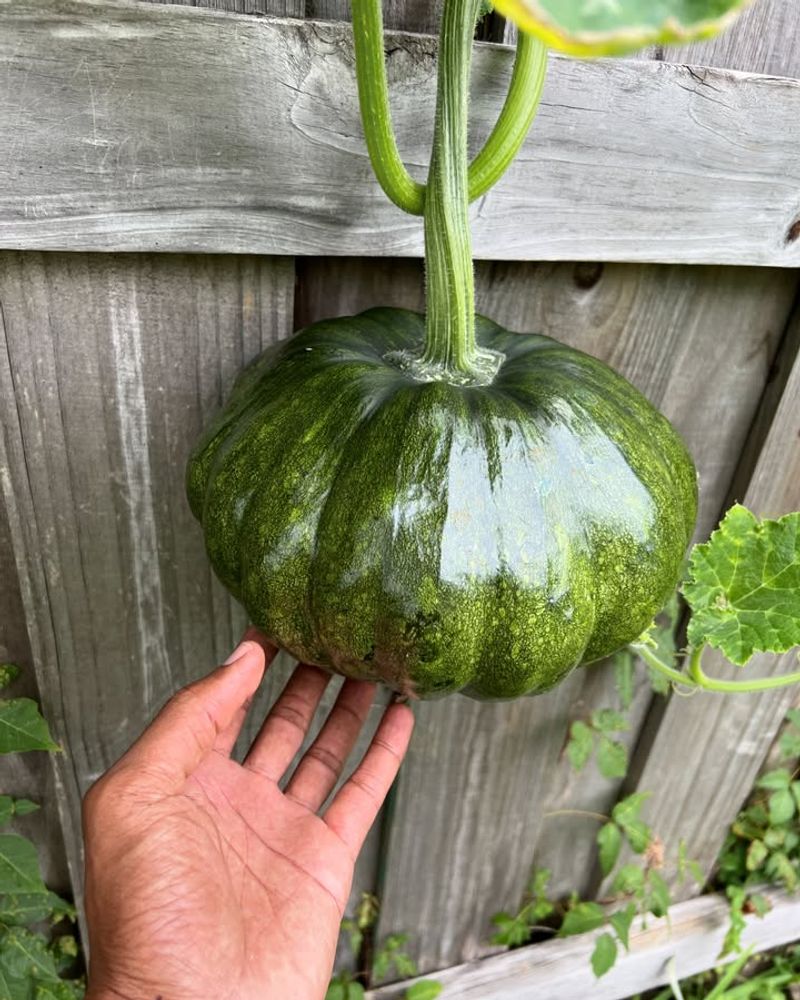
Not every July planting decision in Florida comes without a caution flag, and calabaza is a good example of a crop that deserves thoughtful planning before seeds or transplants go into the ground.
Listed as a July transplant with care for North and Central Florida, calabaza should be treated as a careful midsummer start rather than a simple, no-worry addition to the garden.
Calabaza is a tropical pumpkin with deep roots in Caribbean and Latin American cooking. The fruits can grow quite large and have a rich, sweet flavor that makes them popular in soups, stews, and roasted dishes.
The vines are vigorous and can spread widely, so gardeners need to plan for enough space before committing to a planting spot.
The reason for caution in July comes down to timing and conditions.
Midsummer heat can stress young transplants, and the combination of intense sun, heavy rain events, and high humidity creates conditions where young calabaza plants need some extra attention to get established.
Starting with healthy transplants rather than direct-seeded plants gives them a better chance of surviving the initial stress of July conditions.
Well-draining soil is especially important since calabaza does not handle waterlogged roots well after heavy summer storms.
A sunny location with strong support for the vines and consistent monitoring during the first few weeks after planting will improve the odds of a successful start.
For gardeners willing to put in a little extra care, calabaza can be a rewarding late-season harvest.
7. Luffa Needs Time And Strong Support
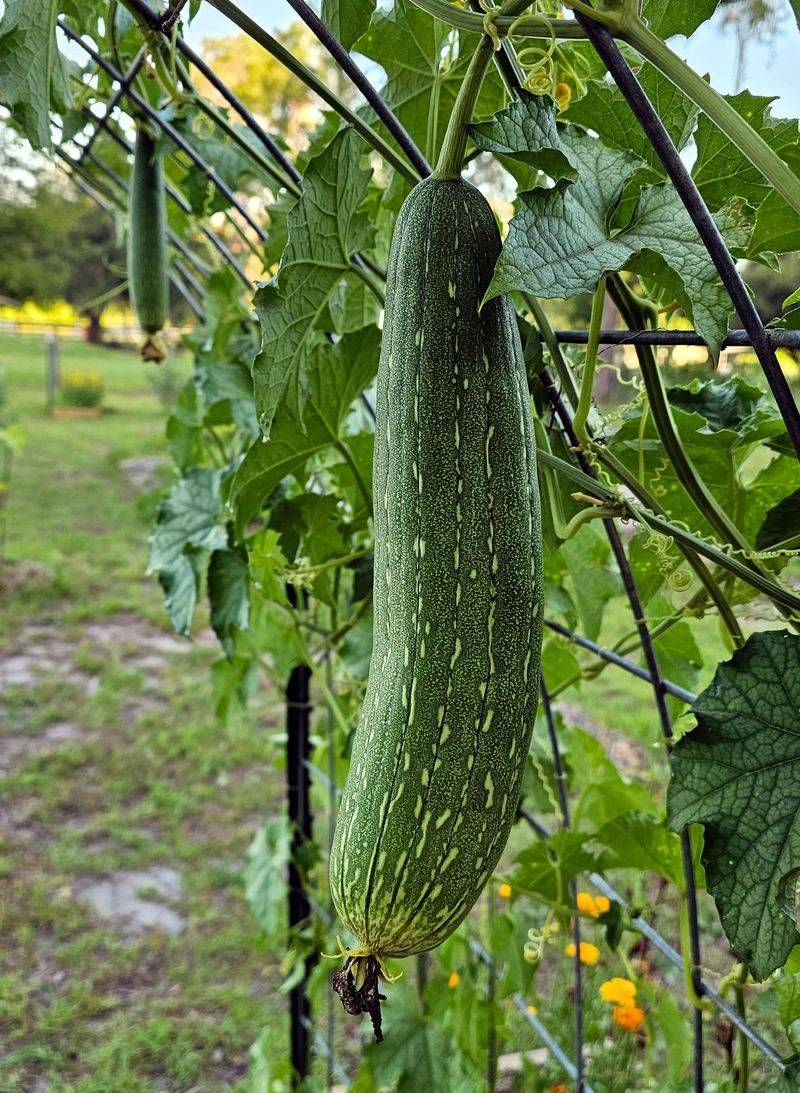
Trellised vines take center stage in Florida summer gardens, and luffa is one of the more ambitious choices a gardener can make in mid-July. Listed as a July transplant with care for North and Central Florida, luffa needs more than just a spot in the ground.
It needs time, full sun, serious room to grow, and a trellis or support structure that can handle a heavy, fast-moving vine.
Most people recognize luffa as the fibrous sponge found in bath and kitchen products, but the plant also produces edible young fruits that are harvested and cooked similarly to zucchini.
Growing luffa for either purpose requires the same commitment to strong support, since the vines can stretch ten feet or more and become quite dense with foliage and fruit.
Starting from transplants in July rather than direct seed is the recommended approach for this time of year, giving the plants a head start on the growing season.
Luffa needs a long growing period to reach full maturity, so getting transplants in the ground as early in July as possible gives the vine the best shot at producing before the season shifts.
Sandy soil benefits from added compost to improve moisture retention, and consistent watering between rain events helps the vine establish quickly.
Gardeners with a sturdy fence, pergola, or heavy-gauge trellis along a sunny fence line will find luffa a surprisingly rewarding and productive summer vine with the right setup in place.
8. Seminole Pumpkin Takes Heat With Room
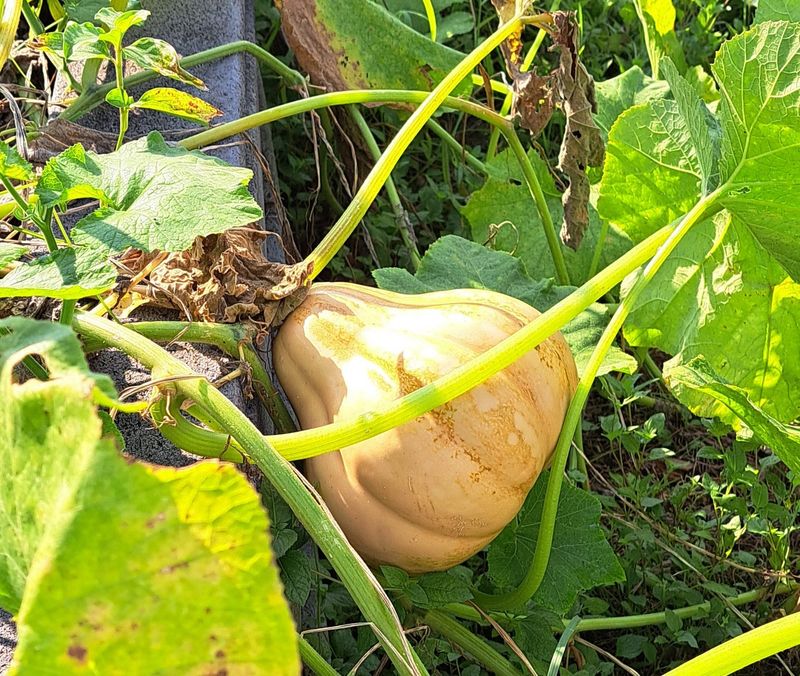
Some crops have a history in Florida that goes back much further than most backyard vegetable gardens, and Seminole pumpkin is one of them.
Grown by the Seminole people of Florida for generations, this heat-tolerant squash has earned a reputation for handling the state’s brutal summers better than most other pumpkin or squash varieties available to home gardeners today.
Listed as a July transplant with care for North and Central Florida, Seminole pumpkin is not an automatic easy start.
The care designation means gardeners should treat it as a deliberate midsummer planting that benefits from healthy transplants, good soil preparation, and attentive watering during the establishment period rather than a casual seed toss into an open bed.
The vines are one of the most important factors to consider before planting. Seminole pumpkin produces long, sprawling vines that need serious room to run.
Squeezing them into a small raised bed is not a practical plan. A sunny fence line, a large open garden area, or a strong overhead trellis gives the vine the space it needs to spread and produce its tan, round fruits reliably through late summer and fall.
Soil drainage matters significantly here, since standing water after heavy summer rains can stress the roots during the critical early weeks after transplanting.
Once established, Seminole pumpkin is relatively tough and can push through heat that would cause many other squash crops to fade.
For gardeners with the space to let it run, it is a genuinely rewarding Florida summer crop.