The Shade-Tolerant Oregon Natives That Suppress Weeds Better Than Any Ground Cover You Can Buy
Shaded garden spots in Oregon have a particular talent for looking either completely magical or genuinely frustrating, and sometimes both at the same time.
The bare soil under established trees, the patchy damp corners near fences, the woodland edges where mulch seems to disappear and weeds seem to multiply regardless of how often you deal with them.
It is a cycle that wears people down. Here is the thing though: Oregon has an outstanding lineup of native plants that evolved in exactly these conditions and actually thrive in them.
Groundcovers, ferns, spreading perennials, and layered shrubs can work together to shade the soil, close off open gaps, and gradually squeeze out the weeds that keep coming back.
They are not an overnight solution, but once established in the right spot they outperform anything you would find in a store display.
1. Oregon Wood-Sorrel Carpets Moist Shade
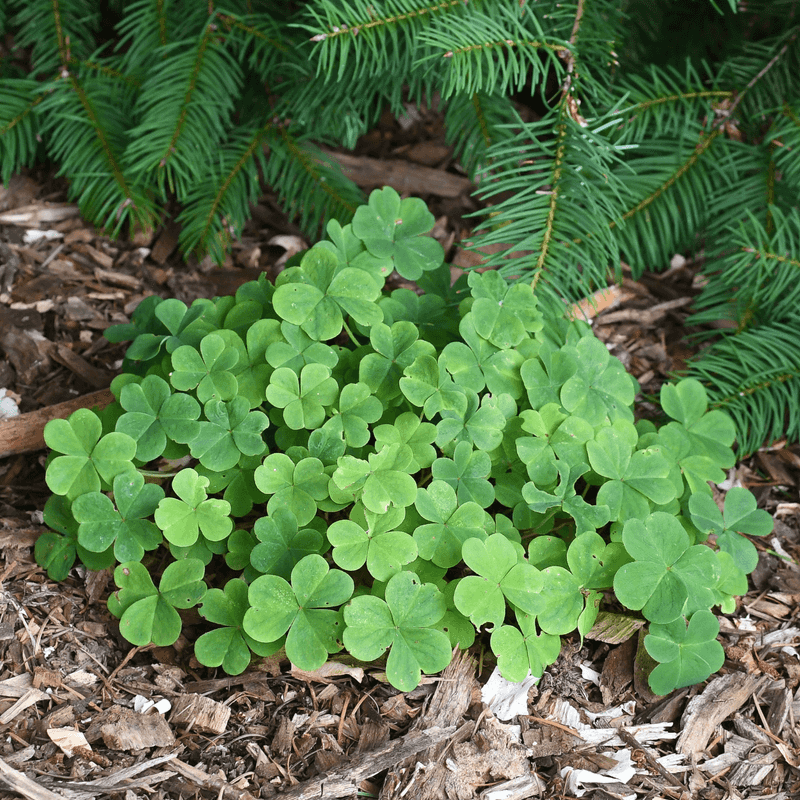
Few plants move through moist shade as quickly and cheerfully as Oregon wood-sorrel. With its soft, clover-shaped leaves and small white flowers, it has a low-key charm that makes it easy to underestimate until you notice how thoroughly it has covered the ground.
In the right conditions, it can form a dense, weed-discouraging mat that leaves very little bare soil for opportunistic weeds to claim.
Oregon wood-sorrel thrives in consistently moist, shaded spots, such as under large conifers, along the north side of fences, or near stream edges common in western Oregon gardens.
It spreads by underground rhizomes as well as by seed, which means it can fill gaps relatively quickly.
That spreading habit is genuinely useful in areas where you want living cover, though it is worth keeping in mind that it may move beyond the space you originally intended.
For best results, plant it where its natural tendency to spread is an asset rather than a problem. Pairing it with taller companions like sword fern can help create a layered look.
Early weeding before wood-sorrel fills in will reduce competition and give it a stronger start in Oregon shade beds.
2. Salal Builds Dense Evergreen Cover
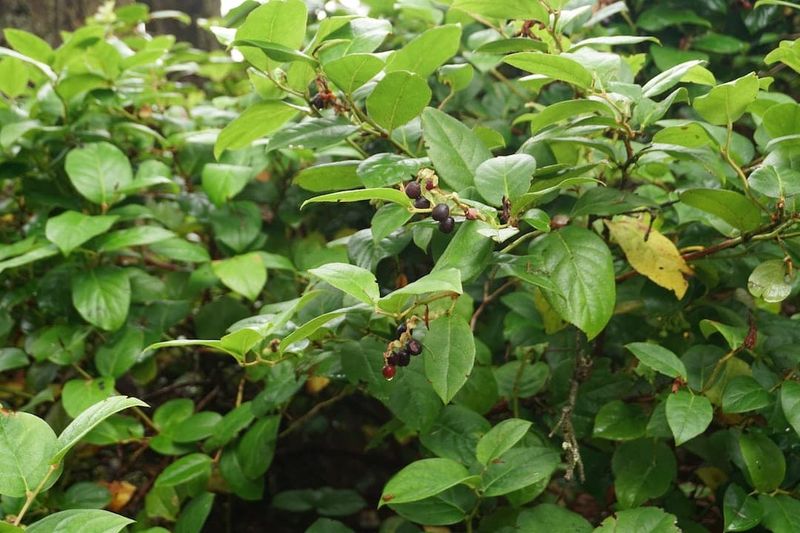
Walk through almost any shaded forest in western Oregon and you will likely brush past salal without giving it much thought. That familiarity is actually a strong endorsement of its toughness.
Salal is a native evergreen shrub that forms dense thickets over time, and its thick, leathery leaves create a canopy close to the ground that shades soil effectively and leaves weeds with very little light to work with.
Salal is not a flat groundcover in the way that wood-sorrel is. It can grow anywhere from knee height to well above the waist depending on conditions, which makes it more of a low shrub layer than a carpet.
In shaded Oregon gardens, that distinction matters because it means salal works best as part of a layered planting rather than as a single-species solution. It pairs well under tall trees where ferns and lower perennials fill the spaces between its stems.
Salal tolerates dry shade better than many natives, which is a real advantage under established conifers where summer soil moisture is limited.
Your Oregon Garden Changes Every Week. Your Plan Should Too.
Gardening in Oregon changes quickly throughout the season. Every Friday you’ll receive a simple weekly plan showing exactly what to plant, prune, fertilize, harvest, and protect so you never miss the right timing.
It spreads by underground rhizomes and can take a few seasons to settle in, but once established it tends to hold its ground with very little help.
3. Inside-Out Flower Spreads Through Woodland Shade
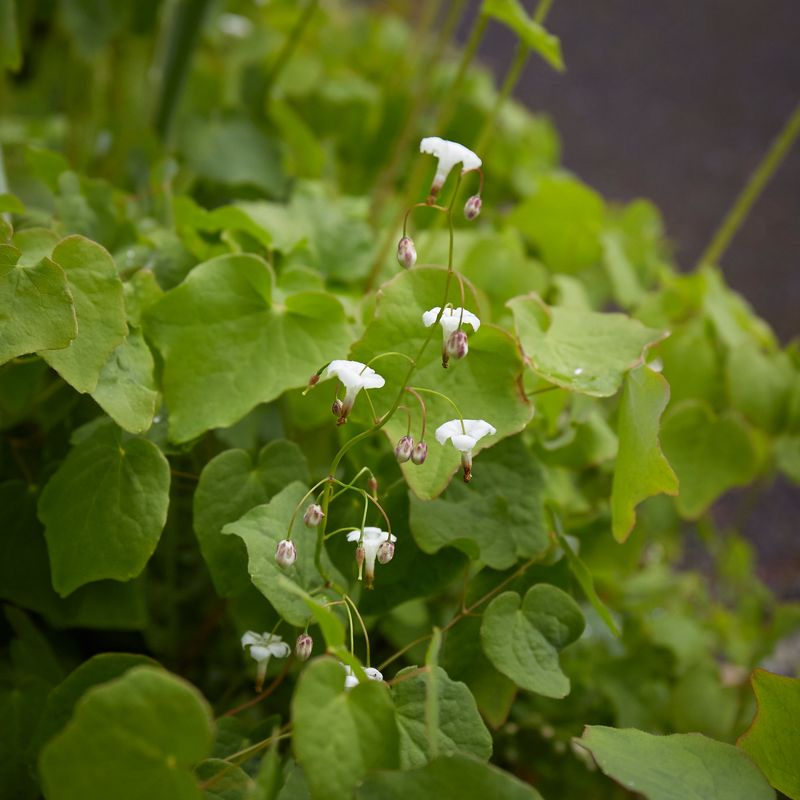
Cool, rich soil under a canopy of Oregon maples or alders is exactly where inside-out flower looks most at home.
This low, spreading perennial gets its name from the way its small white flowers appear to be turned inside out, giving it a delicate, almost fairy-tale quality that makes it a quiet favorite among native plant gardeners.
What it lacks in showiness it more than makes up for in its ability to slowly carpet the ground beneath taller plants.
Inside-out flower spreads by underground rhizomes, gradually filling shaded beds with a fine-textured layer of foliage. It tends to be slow to establish in its first season, so patience matters here.
Once it finds its footing in the right conditions, though, it can spread steadily through woodland plantings and cover soil that might otherwise be claimed by weeds.
It performs best in cool, moist, humus-rich soil and is generally more suited to western Oregon gardens where summer temperatures stay moderate and shade is consistent.
Combining it with sword fern or salal creates a layered planting that leaves very few gaps for weeds to exploit.
Adding a light layer of organic mulch when first planting helps the rhizomes establish more reliably.
4. Western Sword Fern Shades Bare Soil
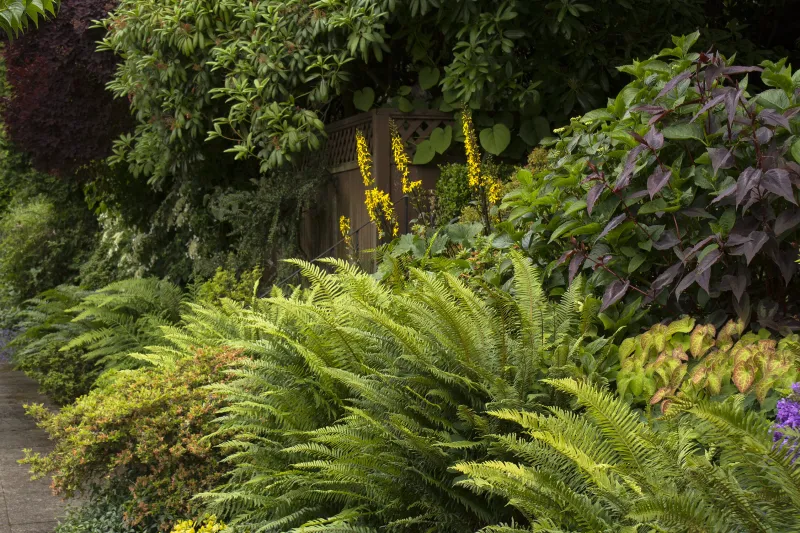
There is something deeply satisfying about a well-placed clump of western sword fern. Those long, arching, dark green fronds have a structural quality that makes even the most neglected shaded corner look intentional and cared for.
Sword fern does not spread by runners or form a mat the way a groundcover does, but planted in groups it creates a strong, overlapping canopy of fronds that shades the soil beneath and around each plant.
In Oregon, western sword fern is one of the most reliable plants for deep shade under Douglas fir, western red cedar, and similar conifers.
It tolerates dry summer shade better than many ferns, which is a significant advantage in gardens where tree roots compete for moisture.
Its evergreen fronds stay effective year-round, meaning there is no seasonal gap where bare soil is exposed and vulnerable to weed germination.
For weed suppression purposes, spacing matters. Planting sword ferns close enough that their fronds overlap as they mature reduces the open ground available to weeds.
Filling the spaces between young plants with a lower groundcover like Oregon wood-sorrel or native violets creates a layered combination that can be very effective over time. Mulching between plants during establishment helps bridge that gap.
5. Woodland Strawberry Fills Part-Shade Gaps
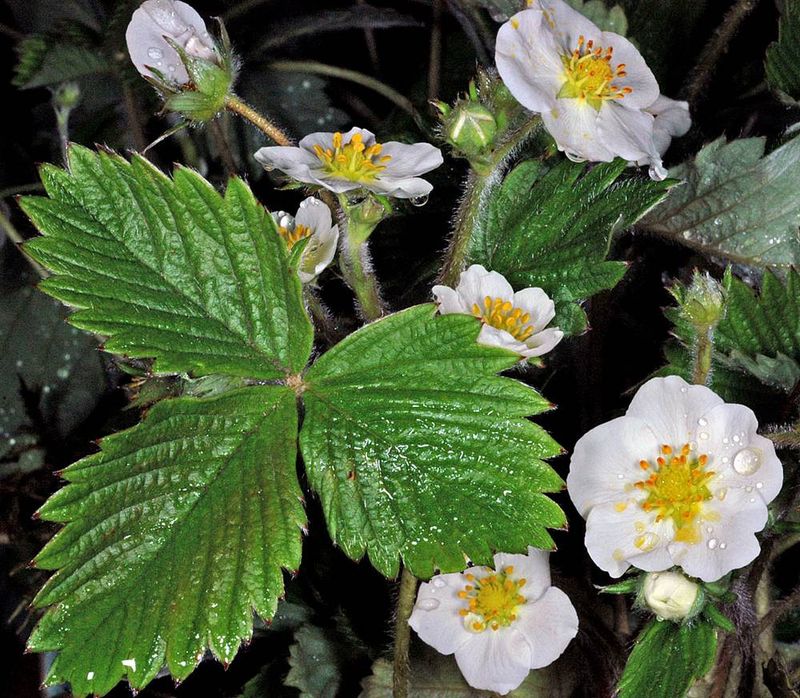
Runners are one of the most practical tools a plant can have when it comes to filling bare ground, and woodland strawberry uses them well.
This low native groundcover sends out horizontal stems that root as they travel, gradually knitting together to cover open soil in part-shade beds.
The small white flowers are a nice seasonal bonus, and the tiny fruits, while modest, attract birds and other wildlife to Oregon gardens.
Woodland strawberry works best in part shade rather than deep shade, making it a good candidate for the edges of tree canopies, dappled light under open-branched shrubs, or the transition zone between full sun and full shade.
It tolerates a range of soil types but tends to spread more vigorously in reasonably moist, well-drained soil.
In very dry or very dense shade it may stay compact rather than spreading freely.
One of its practical strengths is that it fills gaps at a height low enough to slip under taller companions without competing with them. Pairing it with sword fern or salal in a layered planting gives the combination both structure and low ground coverage.
Early weeding before the runners fill in is worth the effort, since established woodland strawberry is much easier to maintain than a weedy bed.
6. Pacific Bleeding Heart Spreads In Moist Beds
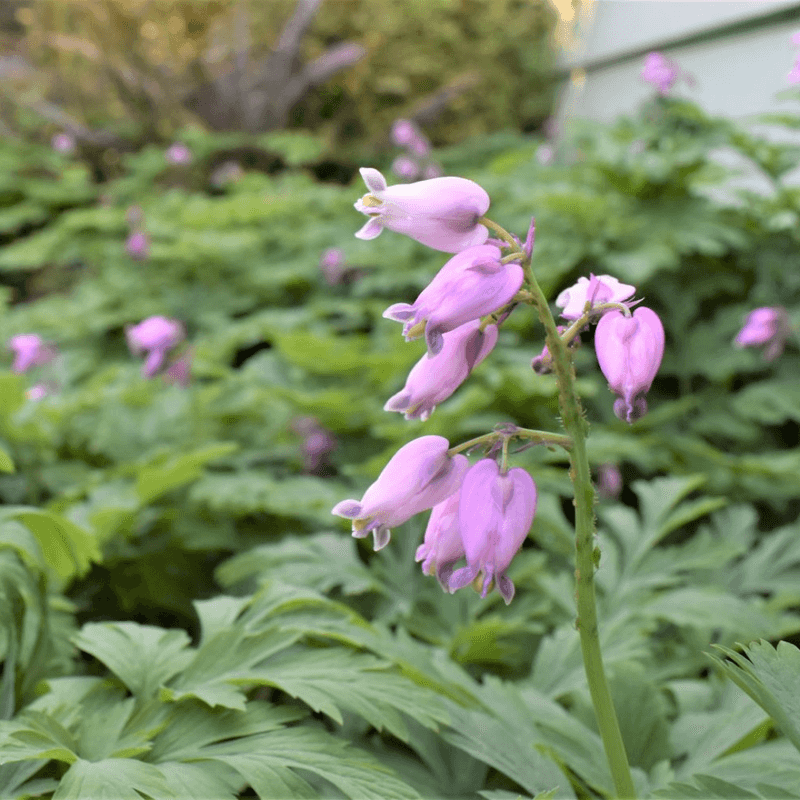
Moist shaded beds in Oregon are where Pacific bleeding heart really comes into its own.
The ferny, blue-green foliage spreads steadily through underground rhizomes, and the arching clusters of rosy pink heart-shaped flowers are one of the more charming sights in a spring woodland garden.
It naturalizes well in damp, shaded spots, gradually filling space that might otherwise be claimed by less desirable plants.
One thing worth keeping in mind is that Pacific bleeding heart is a seasonal perennial. In many Oregon gardens it goes dormant by midsummer, particularly if conditions turn warm and dry.
That means there can be a gap in coverage during the later months of the growing season, which is worth planning for if consistent weed suppression is the goal.
Pairing it with evergreen companions like sword fern or salal helps maintain coverage when the bleeding heart retreats.
Pacific bleeding heart spreads most reliably in consistently moist, humus-rich soil and tends to perform better in western Oregon gardens than in drier eastern Oregon conditions.
It can naturalize into informal drifts over time, which suits woodland-style plantings well.
Avoid heavily compacted soil, and consider adding organic matter at planting time to help the rhizomes establish and spread more freely through the bed.
7. Fringecup Self-Seeds Through Shade
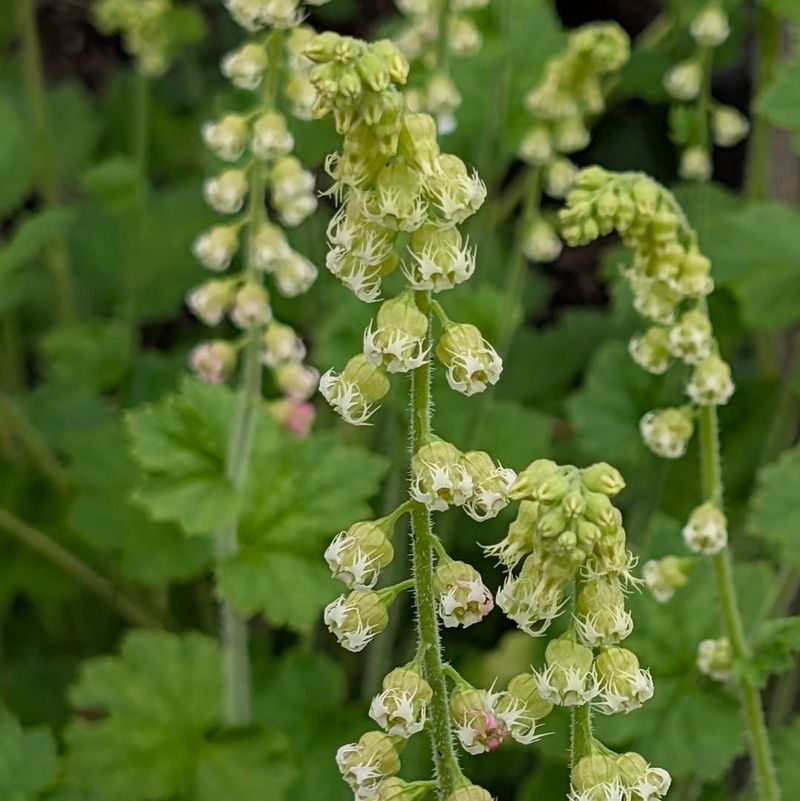
Naturalistic woodland gardens in Oregon have a way of developing their own rhythm over time, and fringecup fits that rhythm well.
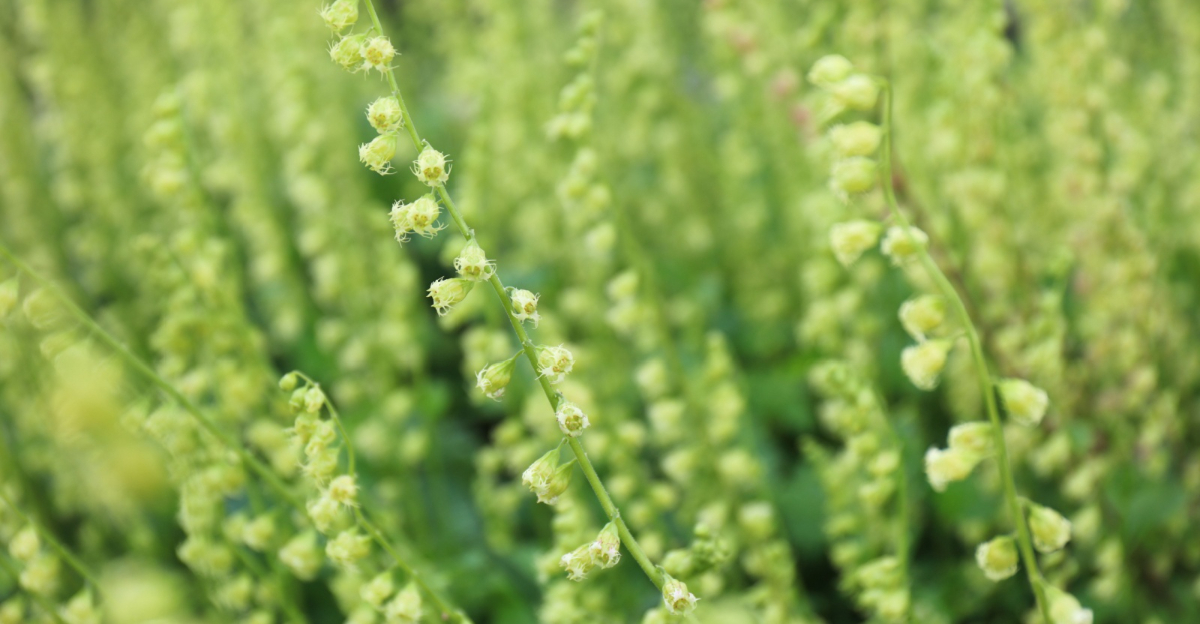
This native perennial produces rosettes of scalloped, heart-shaped leaves that hug the ground, and in spring it sends up slender spikes of small, fringed flowers.
What makes it particularly useful in shaded beds is its tendency to self-seed, gradually spreading through areas where conditions suit it without requiring much intervention.
Fringecup tolerates a range of shaded conditions, from damp woodland edges to drier spots under tree canopies. It tends to do well in the kind of informal, layered plantings common in western Oregon native gardens.
Once a population establishes itself, it can fill in gaps and soften the ground in areas where more aggressive spreaders would be unwelcome. Its self-seeding habit means it finds its own preferred spots over time.
The weed-suppression value of fringecup comes partly from its basal foliage, which shades soil at ground level, and partly from its ability to colonize open spaces before weeds get a foothold.
It suits a relaxed, naturalistic approach rather than a tightly controlled garden style.
Removing unwanted seedlings early keeps it from spreading beyond the areas where it is welcome, which is straightforward to manage.
8. Native Violets Soften Woodland Ground
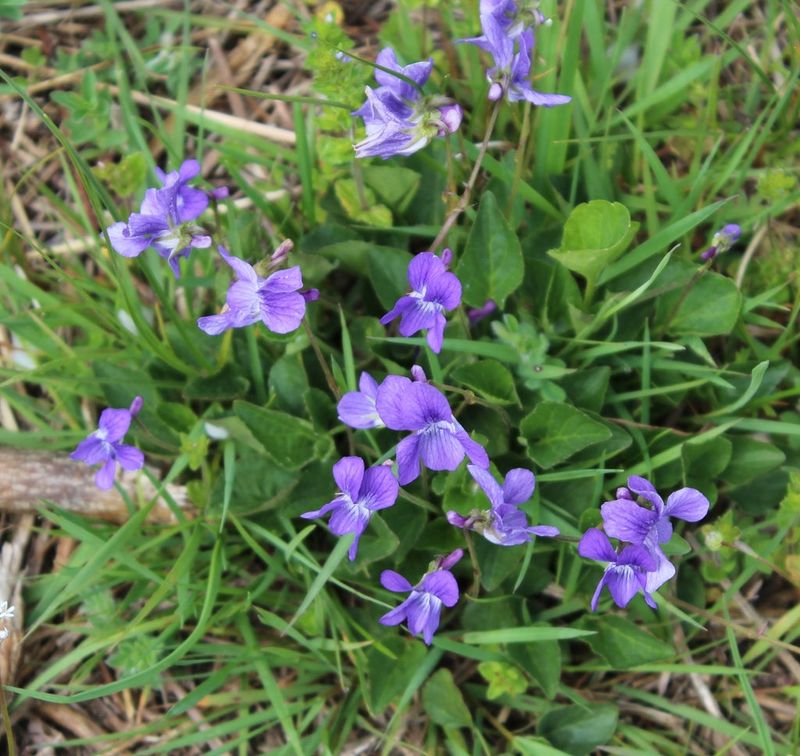
Damp, shaded corners that feel bare and forgotten can be transformed by the quiet presence of native violets. Oregon is home to several native violet species, and their low, spreading rosettes of heart-shaped leaves create a soft living layer over moist soil.
The small flowers, typically purple or yellow depending on the species, add a seasonal touch of color to shaded beds in spring without demanding any particular attention.
Native violets are not a tough, weed-blocking mat, and framing them that way would be misleading. They are better understood as gentle living cover that softens the ground, shades soil in moist spots, and fills small gaps in a layered planting.
They tend to spread by both seed and short rhizomes, gradually colonizing suitable areas without becoming aggressively invasive in the way some non-native groundcovers can.
They work well as companions to taller natives like sword fern or Pacific bleeding heart, filling the lower layer of a mixed planting.
In Oregon gardens, they suit moist, shaded borders, woodland edges, and the north-facing sides of structures where few other plants thrive.
Keeping surrounding soil free of weeds while violets establish gives them the best chance of spreading into a reliable low layer over time.
9. Evergreen Huckleberry Adds Slow Evergreen Cover
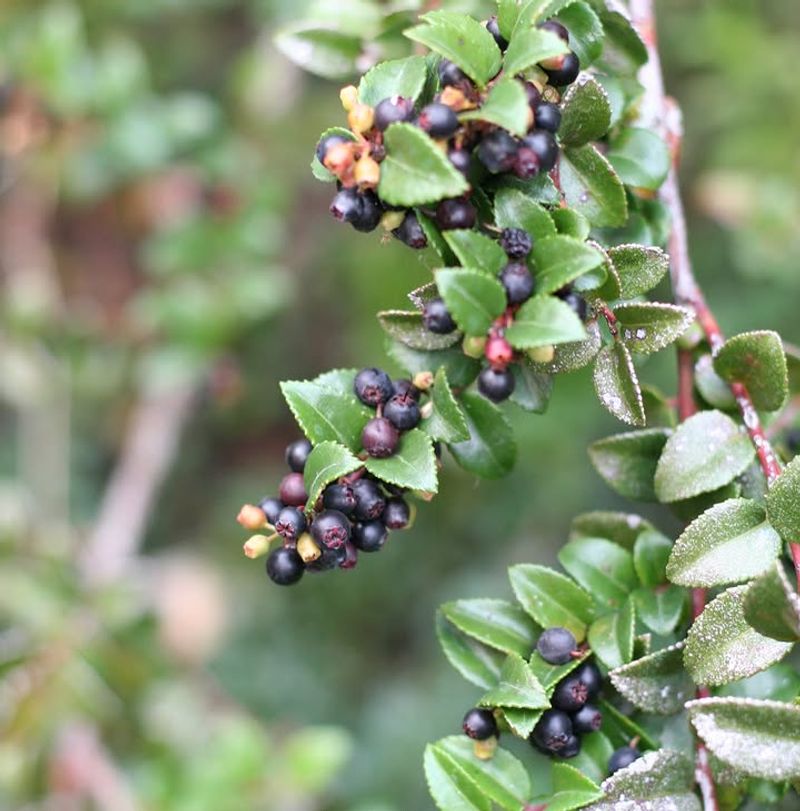
Slow and steady is not always a selling point in gardening, but for a plant that will eventually form a dense, multi-year evergreen presence in a shaded Oregon garden, it is worth the patience.
Evergreen huckleberry is a compact native shrub with small, glossy, dark green leaves that hold their color year-round.
It is well known along the Oregon coast and in shaded western Oregon gardens, where it fits naturally into the understory layer beneath taller trees.
Evergreen huckleberry is not quick groundcover in any meaningful sense. It grows slowly and is best thought of as a long-term investment in layered coverage rather than a fast solution to bare soil.
Over several seasons it develops into a dense, rounded shrub that adds both structure and shade to the planting beneath and around it. Its canopy gradually reduces the light reaching the soil, making it harder for weeds to establish.
It works best as part of a mixed planting that includes faster-spreading natives like wood-sorrel or woodland strawberry to handle early weed suppression while the huckleberry fills in.
Evergreen huckleberry tolerates both shade and part shade, prefers well-drained acidic soil, and responds well to mulching during establishment.
The small berries it produces in late summer are also a reliable food source for birds in Oregon gardens.
10. Tall Oregon Grape Blocks Gaps With Spiny Leaves
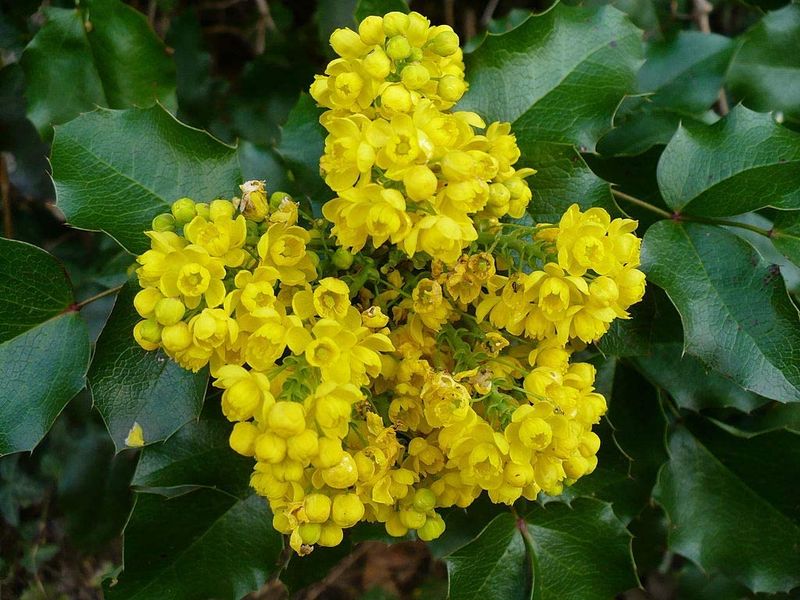
Bold spiny leaves are not the most obvious tool for weed suppression, but tall Oregon grape uses them effectively.
The stiff, holly-like evergreen foliage creates a physical presence in shaded and part-shaded beds that is hard to overlook, and it contributes real structural cover to mixed native plantings.
In Oregon landscapes, it is one of the most recognizable native shrubs, appearing in woodland edges, shaded slopes, and naturalistic garden plantings across the state.
Tall Oregon grape is more structural than carpet-like, which means it is most useful as part of a layered planting rather than a standalone weed-suppressor.
Its canopy of spiny leaves shades the soil around it and can close gaps in a mixed shrub layer, but the spaces between plants still need lower groundcovers or mulch to stay weed-free during establishment.
Over time, as the shrubs fill in, they can form a reasonably dense layer.
It tolerates a range of conditions including dry shade, which makes it useful under established conifers where summer moisture is limited.
Tall Oregon grape can spread slowly by underground stems and may eventually form loose colonies in favorable spots.
The yellow spring flowers are attractive to early pollinators, and the blue-purple berries that follow provide food for birds. It is a dependable structural plant for layered Oregon shade gardens.