Gardeners Are Ditching Burning Bush For These Fast Growing Michigan Natives
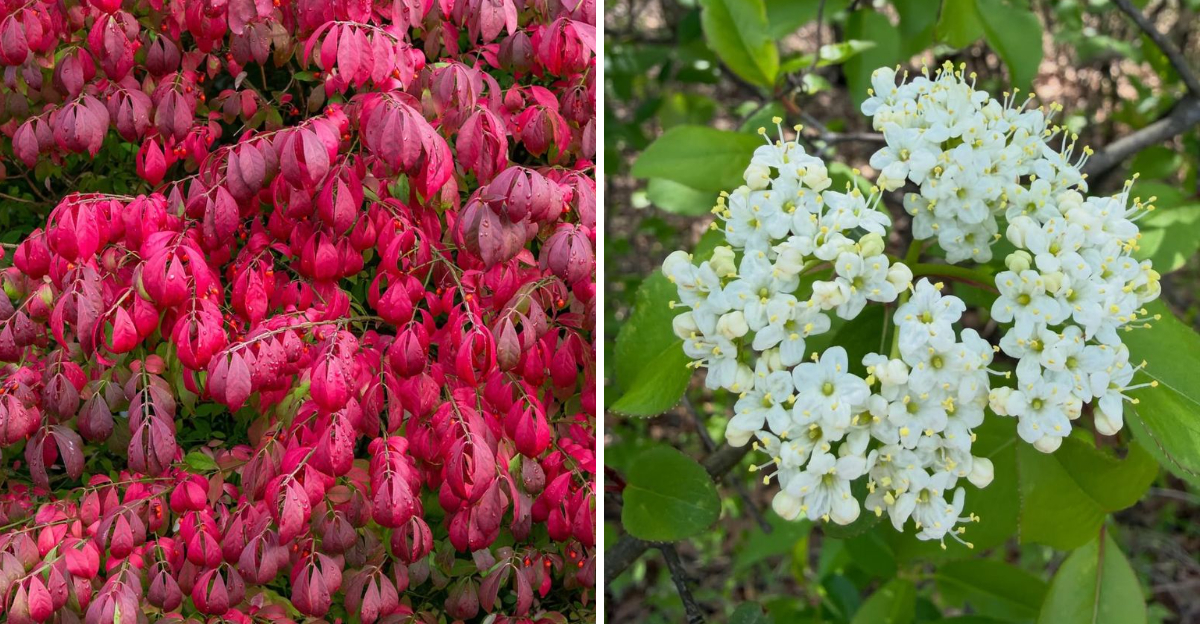
Burning bush built its reputation on one thing and delivered it reliably every October.
That fall color display kept it in Michigan landscapes for decades despite a growing body of evidence that the shrub spreads aggressively into natural areas and offers almost nothing to the native ecosystem surrounding it.
Michigan has moved to restrict it, and gardeners who have already removed it or are planning to are discovering something genuinely encouraging. The natives replacing it are not consolation prizes.
Several of them produce fall color that competes directly with burning bush while supporting local wildlife, handling Michigan soils honestly, and improving with age rather than becoming an ecological liability sitting in the middle of the yard.
1. Northern Bush Honeysuckle
Tucked along a shady fence line or spilling across a woodland edge, Northern Bush Honeysuckle quietly does everything Burning Bush promises but never quite delivers.
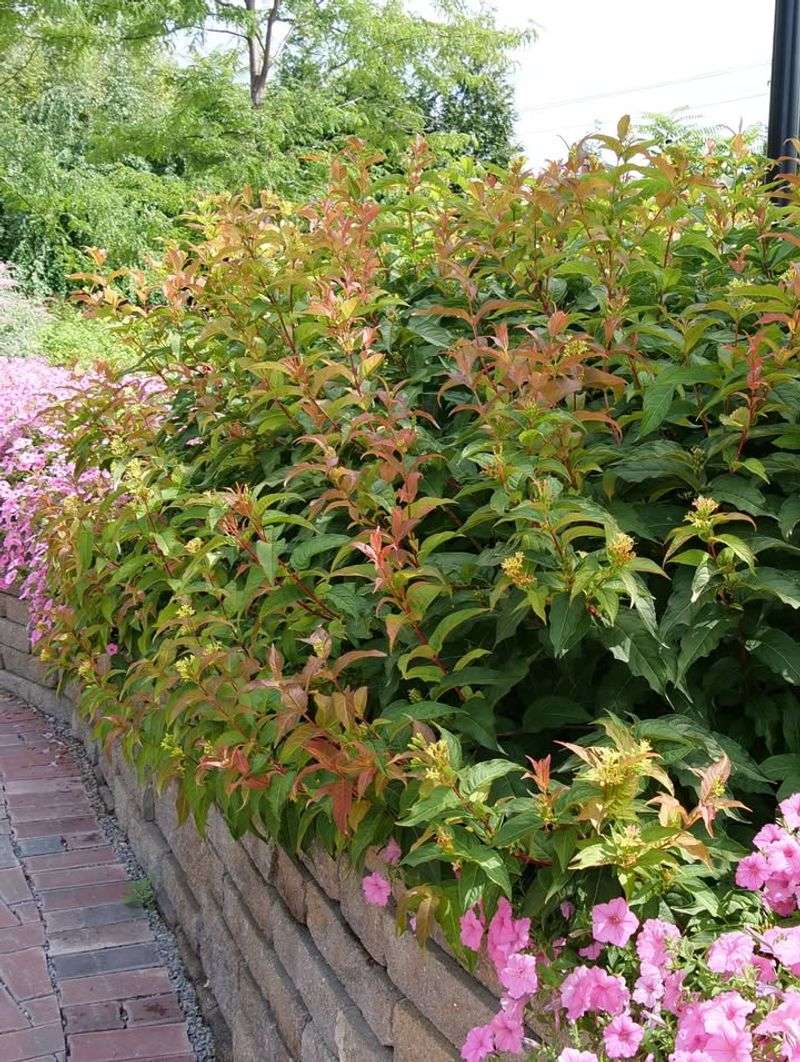
Native to Michigan, Diervilla lonicera spreads through underground runners, filling bare spots without any help from you.
It handles clay soils, dry conditions, and heavy shade with ease, making it one of the most adaptable shrubs you can plant in the Midwest.
Its cheerful yellow flowers bloom in early summer and attract native bees and hummingbirds, giving your yard real ecological value.
The foliage shifts to warm orange and red tones in fall, so you still get that seasonal color show without the invasive downside.
Unlike Burning Bush, it stays where you plant it and does not reseed into natural areas. Spacing plants about three to four feet apart works well for most residential landscapes.
It grows three to four feet tall and wide, making it a manageable choice for borders, slopes, and foundation plantings.
Minimal pruning is needed, and once established, it rarely needs watering. Michigan gardeners who make the switch often say they wish they had done it sooner.
Northern Bush Honeysuckle is low-effort, wildlife-friendly, and genuinely beautiful through every season.
2. Mapleleaf Viburnum
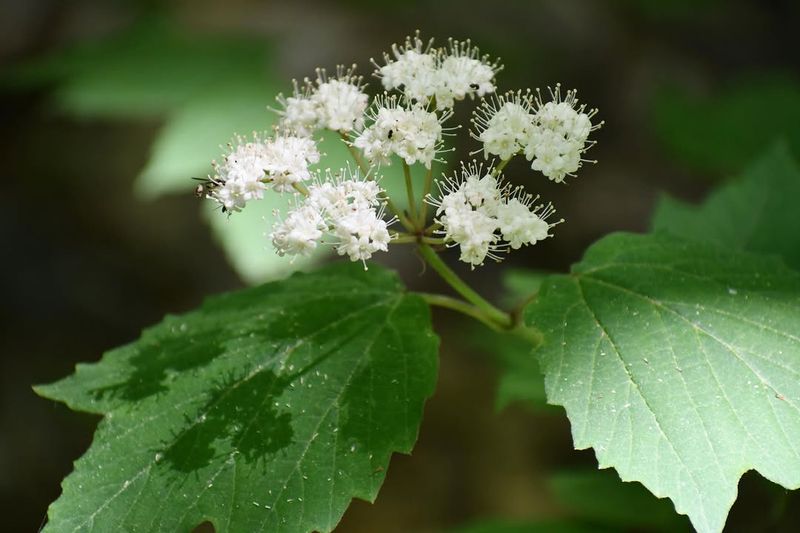
There is something quietly stunning about a shrub that thrives in the deep shade where most plants struggle.
Mapleleaf Viburnum grows naturally under forest canopies across Michigan, which means it was practically built for those tricky spots in your yard where nothing else wants to grow.
Its maple-shaped leaves are a true giveaway for its name, and they turn stunning shades of pink, red, and purple each fall. Spring brings flat-topped clusters of white flowers that pollinators absolutely love.
By late summer, small berries ripen to a deep blue-black, providing an important food source for songbirds heading south for the season.
Deer tend to leave it alone, which is a huge bonus for Michigan homeowners dealing with regular browsing pressure in suburban or rural areas.
Plant it in part to full shade with loamy or clay-based soil, spacing shrubs about four to five feet apart for a natural, layered look.
It grows slowly at first but picks up speed once roots are established, eventually reaching four to six feet tall.
Watering during the first growing season helps it settle in, but after that, rainfall usually handles the rest.
Your Michigan Garden Changes Every Week. Your Plan Should Too.
Gardening in Michigan changes quickly throughout the season. Every Friday you’ll receive a simple weekly plan showing exactly what to plant, prune, fertilize, harvest, and protect so you never miss the right timing.
For gardeners wanting a low-maintenance, four-season shrub that gives back to local wildlife, Mapleleaf Viburnum is a genuinely rewarding choice worth planting this year.
3. Leatherwood
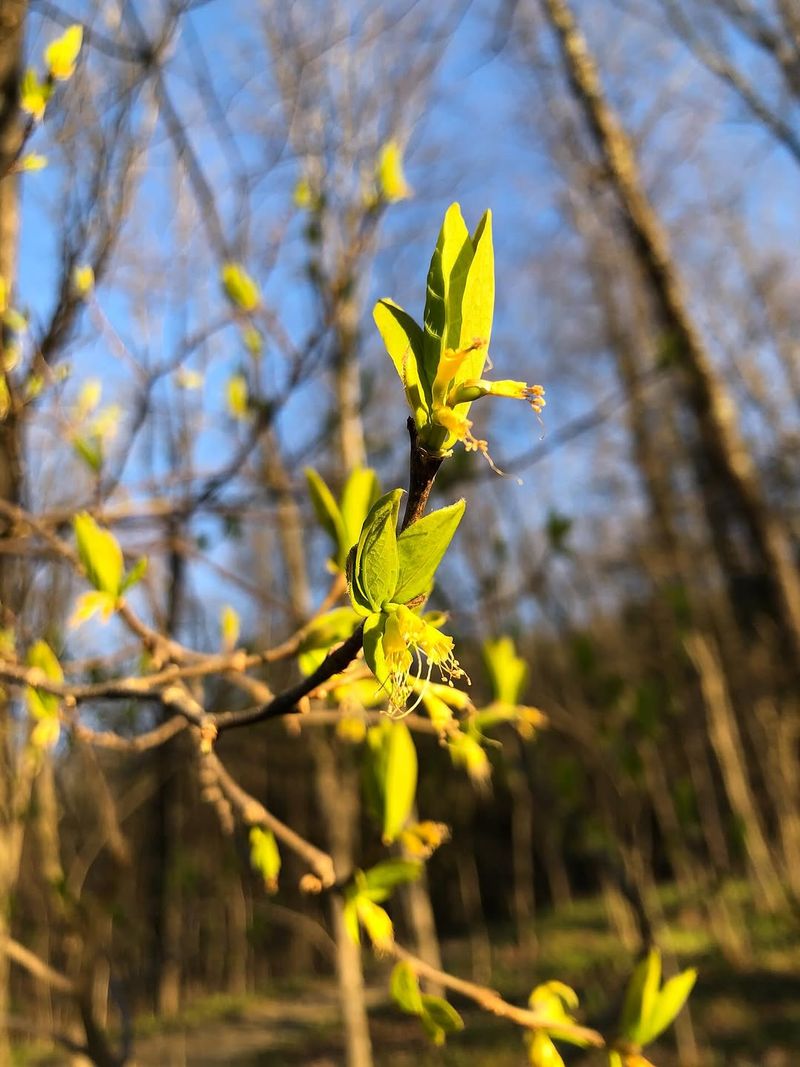
Few plants in Michigan’s native landscape are as quietly fascinating as Leatherwood.
Its stems are so flexible that Indigenous peoples historically used them for binding and basket weaving, which tells you just how tough and unusual this shrub really is.
Early spring brings tiny yellow flowers that appear before the leaves, making it one of the first plants in your yard to signal that warmer days are coming.
Dirca palustris thrives in moist, shaded spots where other shrubs struggle, like low-lying areas near downspouts, rain gardens, or the north side of a building.
It tolerates clay and loamy soils beautifully and rarely needs fertilizer or extra care once it settles in.
The smooth, round leaves emerge after flowering and stay lush and green through summer before dropping cleanly in fall.
Growth is moderate, reaching about three to six feet tall over several years, so it fits naturally into smaller landscapes without overwhelming nearby plants.
Space plants three to four feet apart and water regularly during the first season to encourage strong root development.
Leatherwood does not spread aggressively or reseed into natural areas, making it a responsible and ecologically sound alternative to Burning Bush.
For gardeners who want something genuinely unique, low-effort, and native to Michigan, this underrated shrub deserves a permanent spot in the yard.
4. Blackhaw Viburnum
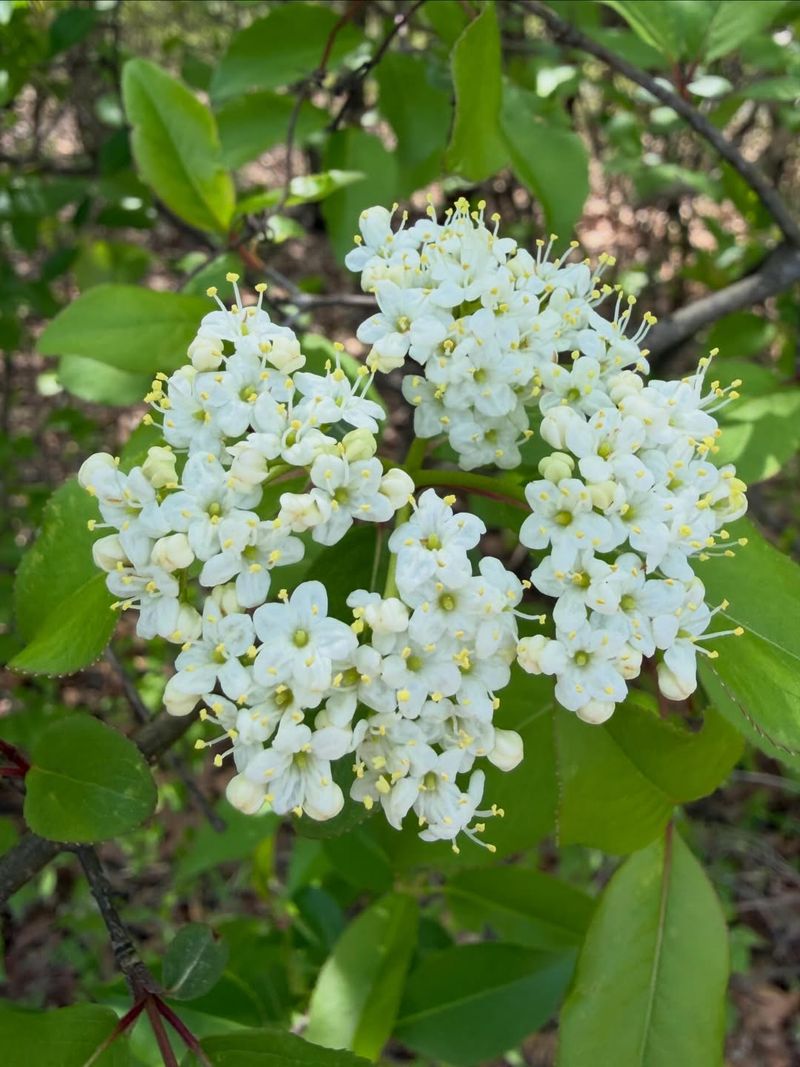
Bold, reliable, and packed with seasonal interest, Blackhaw Viburnum is the kind of shrub that earns its spot in the yard every single month of the year.
White flower clusters cover the plant in spring, drawing in native bees and butterflies at a time when early pollinators need food most.
By late summer, clusters of blue-black berries ripen and attract migrating birds, turning your yard into a genuine wildlife corridor.
Fall brings another round of visual drama, with foliage shifting to deep burgundy and purple tones that rival anything Burning Bush can produce.
It grows well in full sun to part shade and adapts to a range of Michigan soils, from sandy loam to heavier clay.
Unlike many ornamental shrubs, Blackhaw is genuinely tough and handles drought, urban pollution, and temperature swings without complaint.
Expect it to reach eight to fifteen feet tall at maturity, making it a great choice for privacy screens, naturalized borders, or anchoring a mixed shrub bed.
Space plants six to eight feet apart to allow for good airflow and natural spreading. Pruning is minimal and best done right after flowering if shaping is needed.
For Michigan homeowners who want a native shrub that performs consistently, looks great in every season, and supports local wildlife, Blackhaw Viburnum checks every single box with confidence.
5. Spicebush
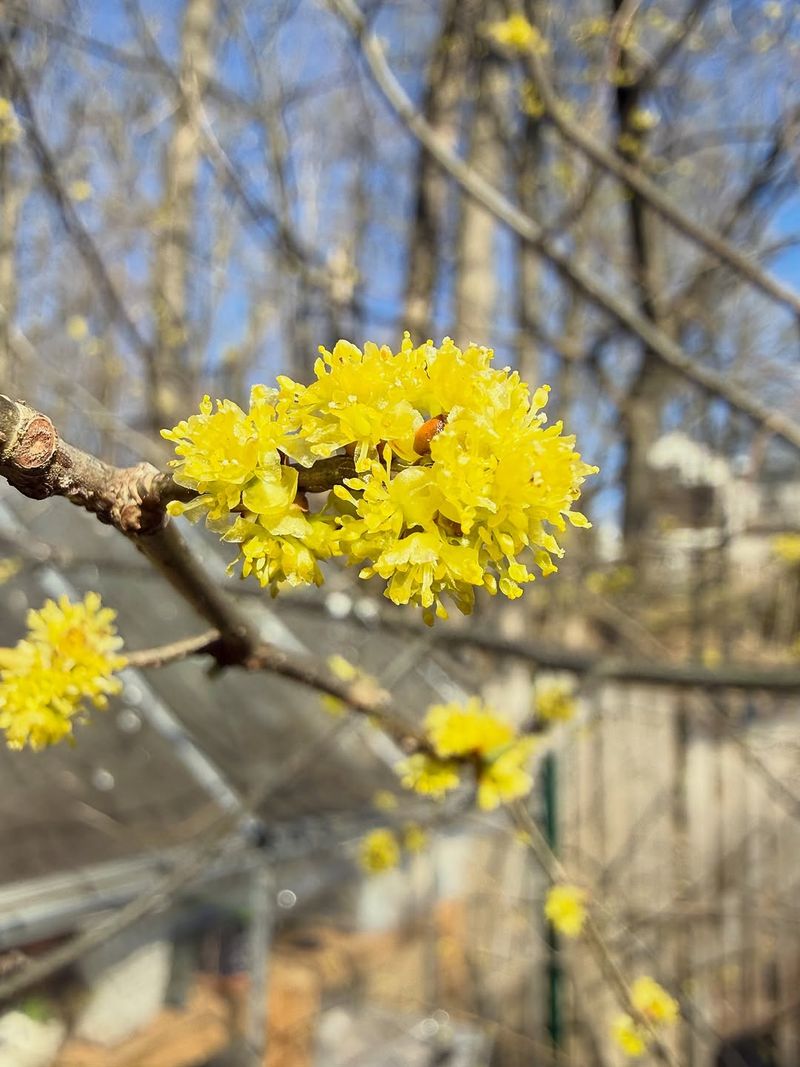
Snap a leaf off a Spicebush and take a sniff. That warm, spicy fragrance is unforgettable, and it is just one of the many reasons Michigan gardeners are falling for this native shrub.
Lindera benzoin is one of the earliest bloomers in the landscape, covering its bare branches with clusters of tiny yellow flowers before most other plants have even started to wake up in spring.
Female plants produce bright red berries in late summer that are a favorite food source for migrating birds, including wood thrush and veery.
The plant also serves as a host for the Spicebush Swallowtail butterfly, whose caterpillars rely on its leaves to complete their life cycle.
That kind of ecological connection is something no invasive ornamental shrub can ever offer.
Spicebush grows six to twelve feet tall and thrives in part shade to full shade with moist, rich soil, though it also handles average garden conditions reasonably well.
Deer tend to avoid it, which makes it a smart pick for yards where browsing pressure is a constant frustration.
Space plants five to six feet apart and water consistently during the first growing season. Once established, it needs very little attention.
Fast-growing, fragrant, wildlife-supporting, and genuinely beautiful in every season, Spicebush is one of the most rewarding native shrubs any Michigan gardener can add to their landscape today.
6. Burning Bush Invasive Behavior Threatens Native Plants
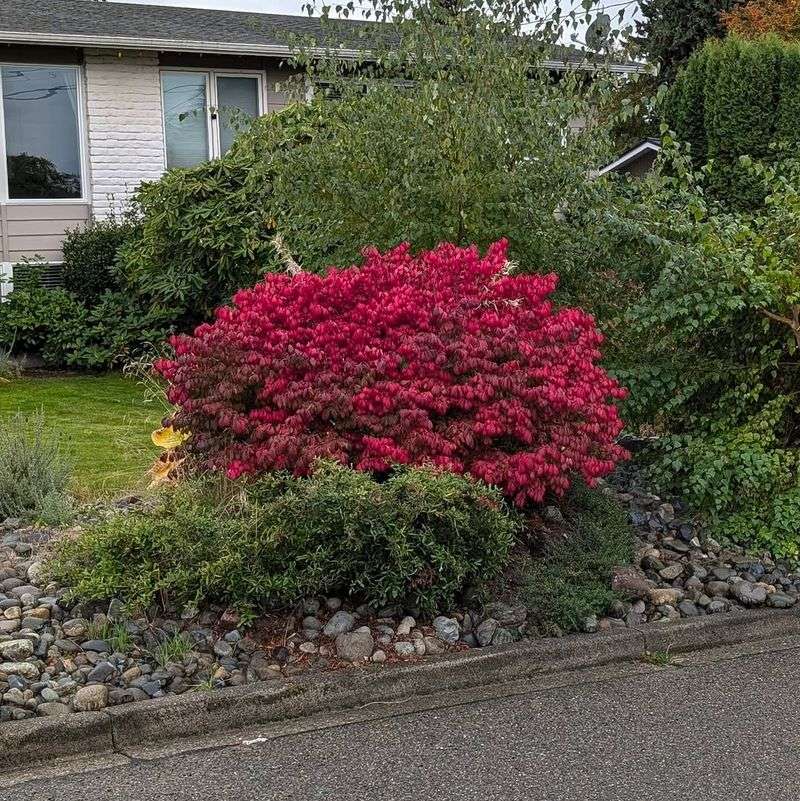
Burning Bush looks harmless sitting in a garden bed, but what happens beyond that border tells a very different story.
Birds eat the berries and carry seeds into nearby woodlands, roadsides, and disturbed areas, where seedlings sprout and grow into dense thickets.
Over time, those thickets crowd out native wildflowers, shrubs, and tree seedlings that local wildlife depends on for food and shelter.
Michigan’s natural areas, including forest edges, stream banks, and open meadows, are particularly vulnerable to this kind of spread.
Once Euonymus alatus establishes itself in a natural setting, it is extremely difficult to remove without significant effort and repeated monitoring.
Several Midwest states have already placed it on invasive species watch lists, and Michigan conservation groups strongly recommend phasing it out of residential landscapes. The problem is not just about one plant in one yard.
When thousands of homeowners grow Burning Bush across a region, the cumulative seed pressure on natural ecosystems becomes significant. Monitoring your own yard is a good starting point.
Check for seedlings appearing near fence lines, wooded areas, or along property edges and remove them promptly before they establish.
Replacing Burning Bush with native alternatives like Northern Bush Honeysuckle or Mapleleaf Viburnum stops the spread at the source.
Making that switch is one of the most impactful things a Michigan gardener can do for local biodiversity this season.
7. High Maintenance And Limited Ecological Value
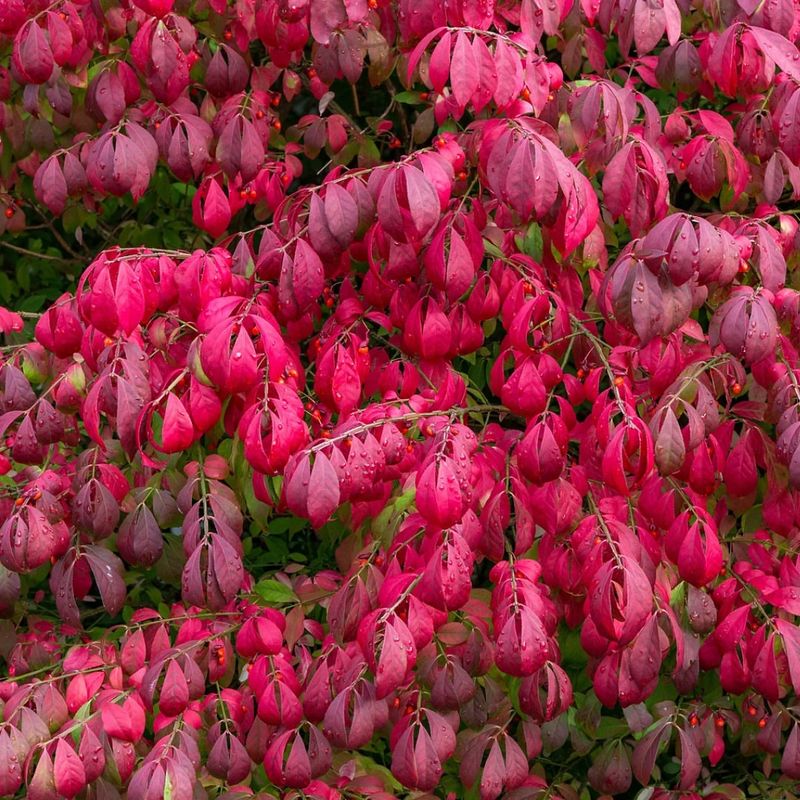
Burning Bush demands more from gardeners than most people expect when they first plant it.
Without regular pruning, it becomes dense, tangled, and wide-spreading, often outgrowing its intended space within just a few seasons.
That thick growth limits airflow inside the plant, creating humid pockets where fungal issues and pests like scale insects are more likely to take hold. Beyond the maintenance headaches, Burning Bush offers almost nothing to local wildlife.
Native birds and pollinators do not rely on it for meaningful food or habitat, and its berries, while consumed by some birds, primarily serve to spread more invasive seedlings rather than support healthy ecosystems.
Compare that to a shrub like Northern Bush Honeysuckle, which feeds native bees, or Mapleleaf Viburnum, which supports songbirds and butterflies through every stage of their life cycles.
Fast-growing Michigan natives require far less pruning, naturally maintain a tidy shape, and rarely harbor the pest problems that plague Burning Bush.
Most need nothing more than a light trim every few years and consistent watering in their first season.
After that, they largely take care of themselves while actively giving back to the landscape around them.
For gardeners who want beautiful results without constant upkeep, the choice between Burning Bush and a well-chosen native shrub is not even a close call. Native plants simply work harder for you and your yard.