The Most Beneficial Pennsylvania Garden Animals During July Heat And How To Attract Them
While most people are trying to escape the worst of Pennsylvania’s July heat, certain garden visitors are just hitting their stride.
Humans retreat indoors and plants struggle to keep up with the demands of summer, but a handful of beneficial animals thrive in exactly these conditions, quietly doing valuable work in your garden while the heat is at its peak.
July doesn’t slow these creatures down. It activates them. From pest hunting insects to pollinators making the most of long daylight hours, several Pennsylvania garden animals reach peak activity right when the season is at its most demanding.
Their presence can make a genuine difference in pest control, pollination, and the overall health of your garden through the hardest stretch of summer.
The good news is that attracting them is more achievable than most people think. Here’s who’s working hardest in your Pennsylvania garden right now and how to bring more of them in.
1. Ladybugs
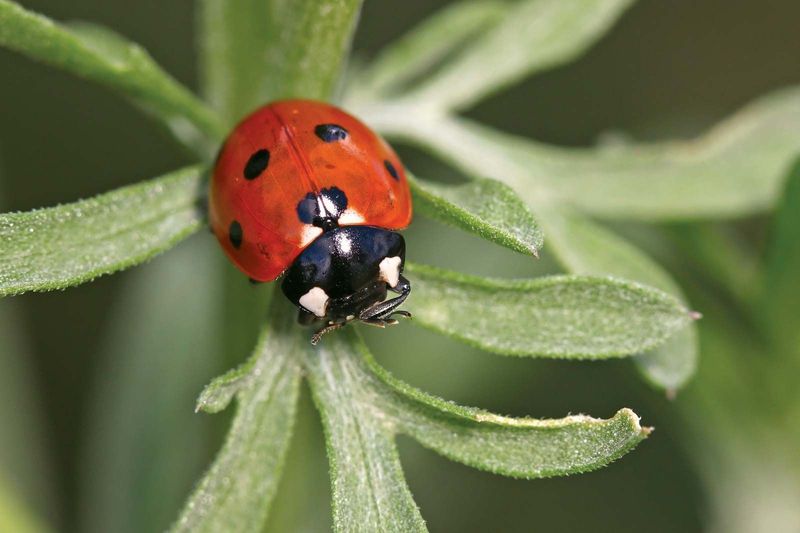
Spotted, cheerful, and absolutely ruthless against garden pests, ladybugs are one of the most beloved beneficial insects in Pennsylvania. Do not let their cute appearance fool you.
A single ladybug can consume up to 5,000 aphids in its lifetime, making it one of the hardest-working residents your garden can have.
Aphids are a serious problem in July. They cluster on stems and leaves, sucking out plant juice and spreading disease.
Whiteflies and mites cause similar damage. Ladybugs target all of these soft-bodied pests without harming your plants at all. They are nature’s pest control, showing up right when you need them most.
Attracting ladybugs is easier than you might think. Plant nectar-rich flowers like dill, fennel, and marigolds throughout your garden.
These plants provide food for adult ladybugs and give them a reason to stick around. Yarrow and cilantro are also great choices that ladybugs love.
Try to avoid using broad-spectrum pesticides, even organic ones, because they can chase ladybugs away or harm them directly. Leaving a few weeds like dandelions near garden edges also helps, since they attract the prey ladybugs love to hunt.
Shallow dishes of water placed near plants give ladybugs a place to drink during hot July days.
Once ladybugs discover your garden, they tend to stay and even lay eggs. Their larvae look nothing like the adults but are equally hungry for pests.
Creating a welcoming habitat means you get pest control working around the clock, all season long.
2. Lacewings
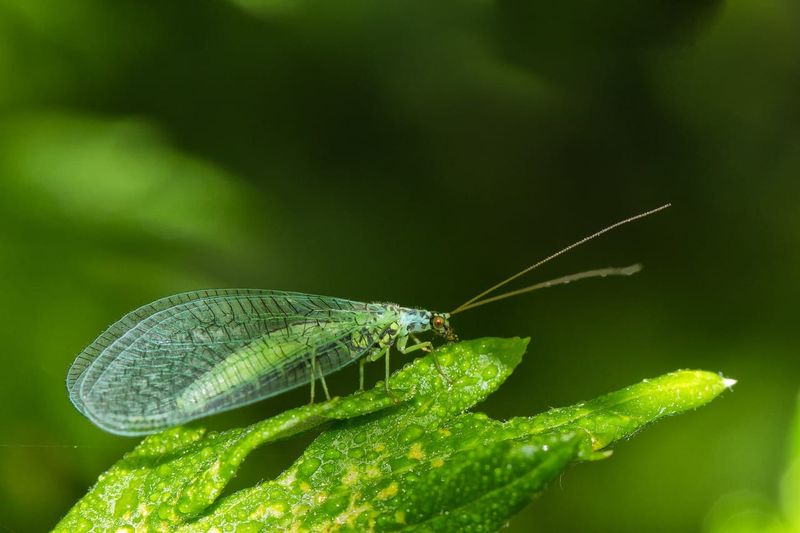
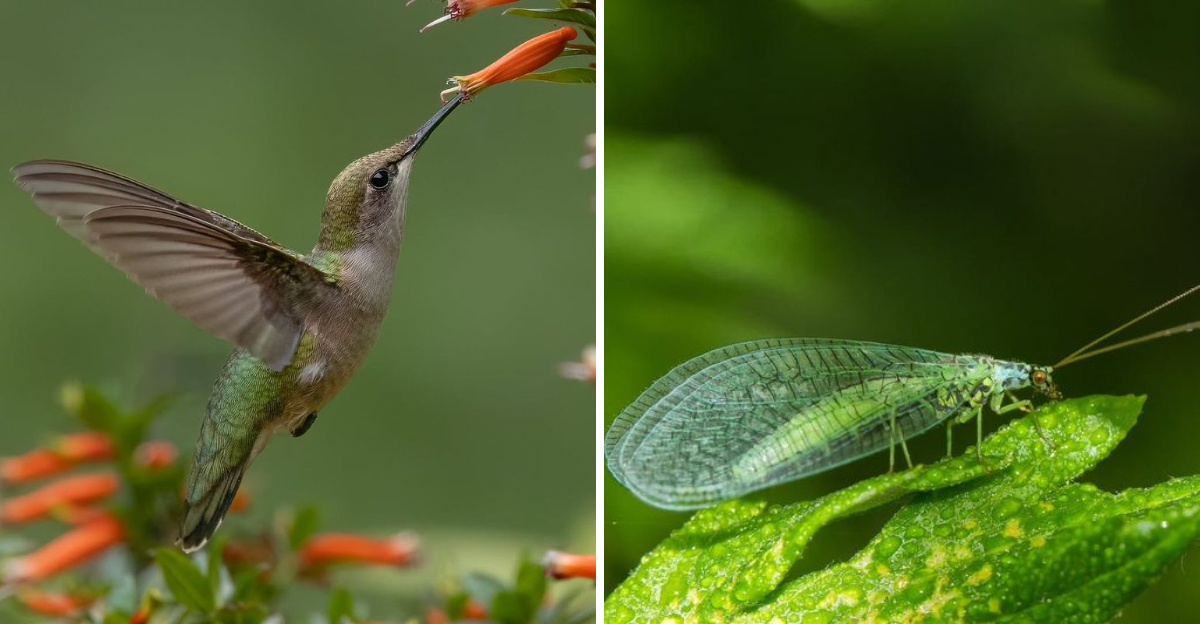
Fragile-looking and almost fairy-like with their shimmering wings, lacewings are secret weapons in the summer garden. Most people walk right past them without a second glance.
That is a big mistake, because lacewing larvae are some of the most aggressive pest hunters in the insect world.
Adult lacewings feed on nectar and pollen, but their larvae are a completely different story. Sometimes called aphid lions, lacewing larvae have sharp, pincer-like mouths that they use to grab aphids, scale insects, thrips, and even small caterpillars.
One larva can eat hundreds of pests before it even reaches adulthood. In July, when pest populations explode in Pennsylvania gardens, lacewing larvae work overtime to keep things under control.
Your Pennsylvania Garden Changes Every Week. Your Plan Should Too.
Gardening in Pennsylvania changes quickly throughout the season. Every Friday you’ll receive a simple weekly plan showing exactly what to plant, prune, fertilize, harvest, and protect so you never miss the right timing.
Getting lacewings to visit your garden comes down to planting the right flowers. Yarrow, cosmos, dill, and sweet alyssum are all excellent choices.
These plants produce the pollen and nectar that adult lacewings need to survive and reproduce. Plant them in clusters so they are easy for lacewings to find from a distance.
Lacewings are also attracted to gardens that have a variety of plant heights. Mixing tall plants with low ground cover gives them more places to rest and hunt.
Avoid overhead watering in the evenings, which can disturb resting adults and disrupt egg-laying.
You can even purchase lacewing eggs from garden supply stores and release them directly into your garden. They establish quickly and get to work almost immediately.
Once you have a healthy lacewing population, they will return on their own year after year, making them a long-term investment in garden health.
3. Honeybees
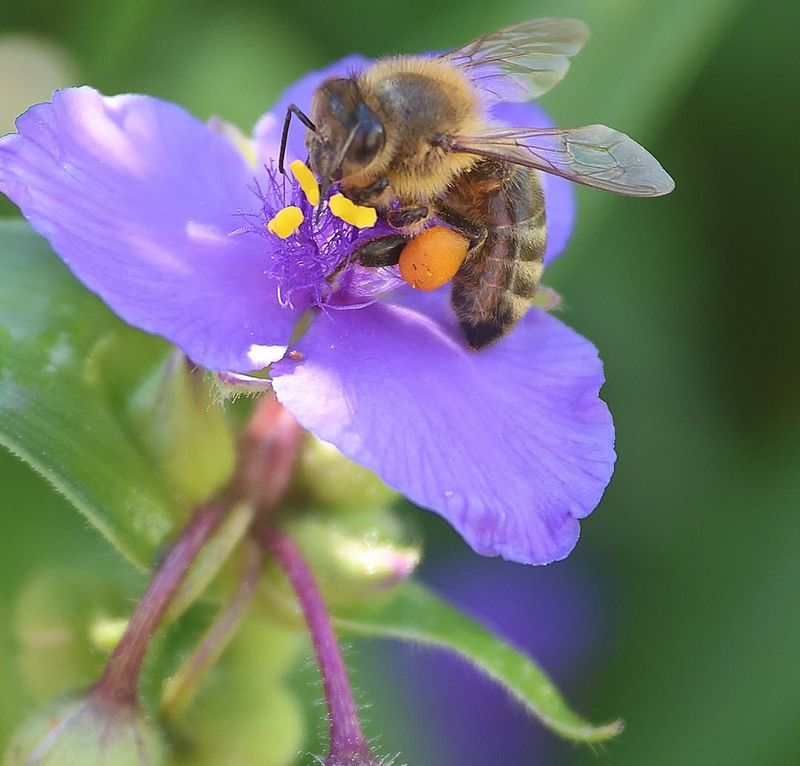
Without honeybees, many of the vegetables and fruits in your Pennsylvania garden simply would not produce food. Honeybees are the gold standard of garden pollinators, transferring pollen between flowers with every single visit.
In July, when squash, tomatoes, cucumbers, and peppers are all blooming at once, having a strong bee presence can dramatically increase your harvest.
A single honeybee colony can visit millions of flowers each day. That level of pollination activity means more fruits set, bigger yields, and healthier plants overall.
Beyond vegetables, honeybees also support biodiversity by pollinating wildflowers and native plants that other wildlife depend on for food and shelter.
Attracting honeybees to your garden starts with planting native, summer-blooming flowers. Bee balm and wild bergamot are two of the best options for Pennsylvania gardens.
Both bloom beautifully in July and are irresistible to bees. Lavender, sunflowers, and purple coneflower are also excellent additions that keep bees coming back all season.
Providing a shallow water source is just as important as planting the right flowers. Bees need water to cool their hives during hot July days.
A dish filled with marbles or small stones and topped with fresh water gives bees a safe place to drink without the risk of drowning.
Avoid using any pesticides during morning or evening hours when bees are most active. If you must treat plants, choose targeted products and apply them at midday when bees are less likely to be foraging.
Supporting honeybees in your garden is one of the most impactful things you can do for both your harvest and your local ecosystem.
4. Hummingbirds
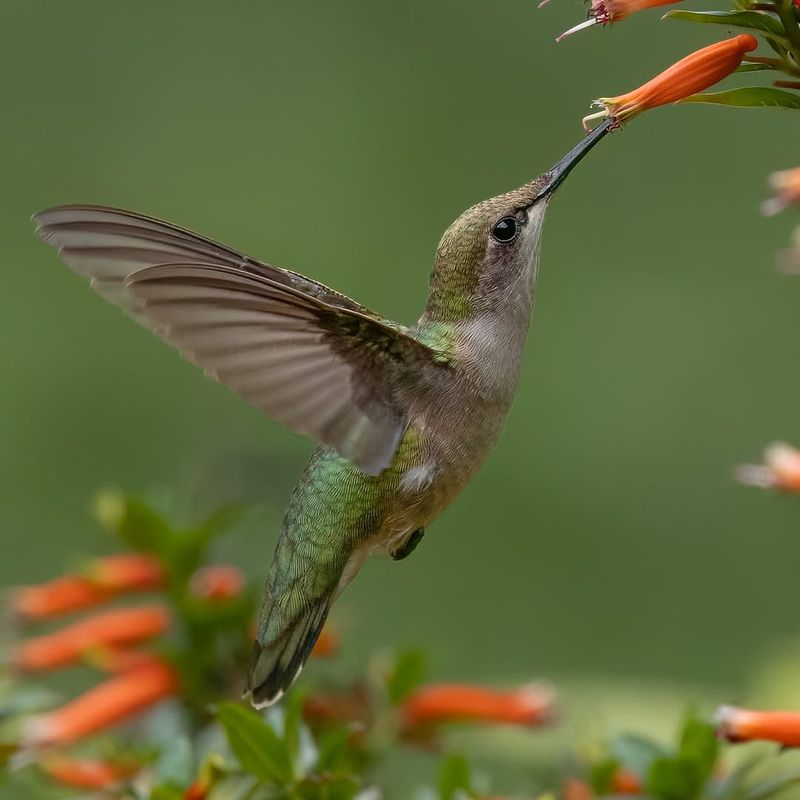
Few garden visitors generate as much excitement as a hummingbird.
That flash of iridescent green and red, the blur of tiny wings beating 50 times per second, and the soft hum of flight all make hummingbirds one of the most magical creatures Pennsylvania gardeners get to enjoy in July.
But beyond their beauty, hummingbirds are genuinely valuable garden partners.
Hummingbirds are specialized pollinators for tubular flowers, the kind that bees often cannot access effectively. As they hover and feed on nectar, pollen clings to their heads and bills and gets transferred to the next flower they visit.
This supports a wide range of native plants and adds to the overall biodiversity of your yard. A garden that attracts hummingbirds is a garden that is truly thriving.
To bring hummingbirds in, plant red or orange tubular flowers throughout your garden. Trumpet Creeper is a top choice in Pennsylvania and blooms heavily in July.
Autumn Sage, cardinal flower, and coral honeysuckle are equally effective. Grouping these plants together creates a visual target that hummingbirds can spot from a distance.
Hummingbird feeders filled with a simple sugar water solution of one part sugar to four parts water are another great option.
Clean feeders every two to three days in summer heat to prevent mold and fermentation, which can harm the birds. Place feeders near flowering plants to create an irresistible feeding zone.
Hummingbirds are territorial, so placing multiple feeders in different spots around your yard can reduce competition and allow more birds to visit. Even one regular visitor can brighten your whole summer garden experience.
5. Spiders
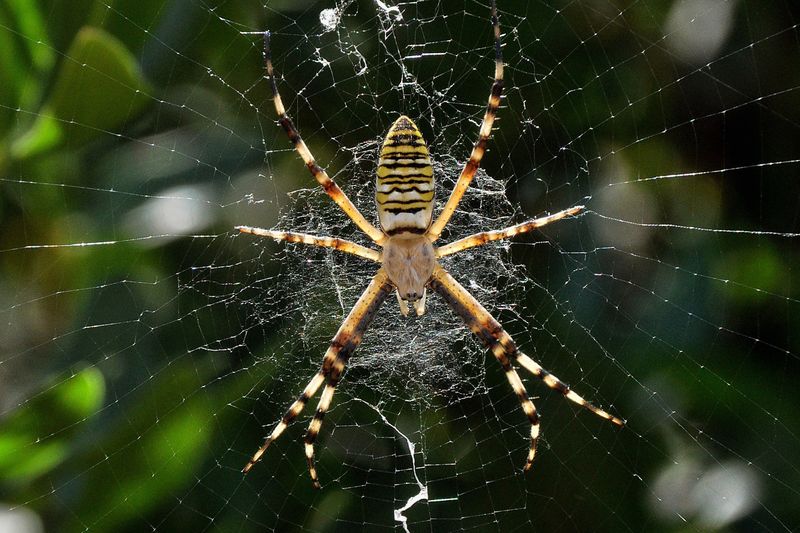
Spiders get a bad reputation, but in the garden, they are some of your most reliable allies. Before you reach for something to sweep away that web in the corner of your tomato plants, consider what that spider is doing for you.
Every web is a trap set specifically for the flying and crawling insects that want to damage your crops.
Common Pennsylvania garden spiders like the yellow garden spider and the orb weaver target mosquitoes, aphids, beetles, moths, and a long list of other pests. They hunt around the clock, meaning they are working for your garden even when you are asleep.
Unlike pesticides, spiders are precision hunters that leave beneficial insects largely unaffected as long as they do not wander into a web.
You do not need to do much to attract spiders because they are already present in most gardens. What you can do is make your garden more welcoming so they choose to stay.
Leave small brush piles, stacked stones, or undisturbed corners near garden beds. These spots give spiders the shelter they need to build webs and wait out the hottest part of the day.
Avoid tilling soil too aggressively, as many ground-dwelling spiders live just below the surface. Dense plantings of low-growing herbs or ground covers also give spiders more places to anchor their webs and hunt at ground level.
Spiders reproduce quickly and populations build up naturally over a season. By mid-July, a garden with plenty of shelter and plant diversity can support dozens of spider species working together as a layered pest management system that costs absolutely nothing to maintain.
6. Tree Swallows
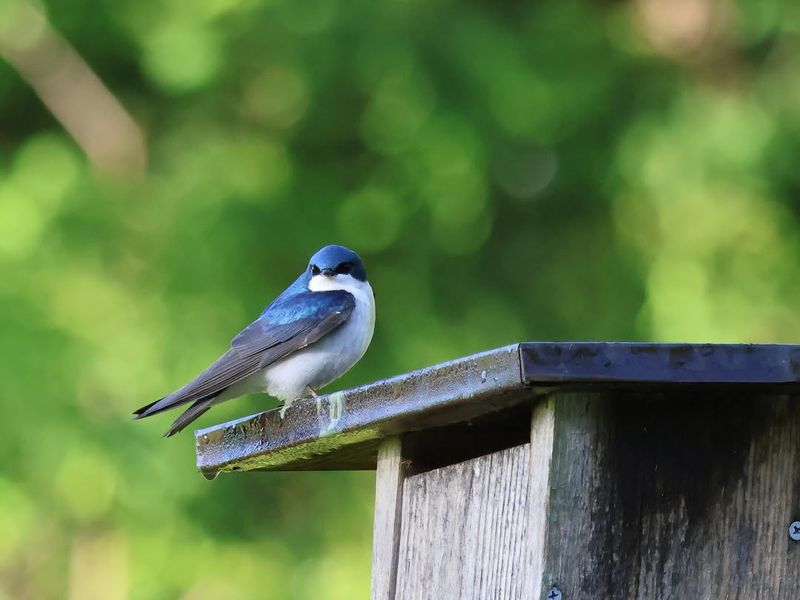
Watch the sky above a Pennsylvania garden on a warm July evening and you might spot tree swallows performing their acrobatic loops and dives. They are not just showing off.
Every swoop and turn is a hunting run, and the insects they are catching are the exact ones that make summer gardening miserable.
Tree swallows consume enormous quantities of flying insects, including mosquitoes, gnats, moths, and flying beetles. A single bird can eat thousands of insects per day.
A nesting pair with chicks to feed will consume even more. Having tree swallows nearby means you get to enjoy your garden in the evenings without constantly swatting bugs away.
The best way to attract tree swallows is to install wooden nesting boxes. They are cavity nesters, meaning they naturally look for hollow trees or enclosed spaces to raise their young.
A simple wooden box with a 1.5-inch entrance hole mounted on a post about five to eight feet off the ground is ideal. Place boxes near open areas like lawns, fields, or the edges of ponds or streams, as tree swallows prefer to hunt in open spaces.
Space multiple boxes at least 25 feet apart to reduce competition between pairs. Boxes should face east or southeast to catch morning sun and stay cooler in the afternoon heat. Clean boxes out each fall so they are ready for new occupants the following spring.
Tree swallows return to the same nesting sites year after year, so once you attract a pair, you can look forward to their company every summer. They are fast, efficient, and endlessly entertaining to watch from your garden.
7. Ground Beetles
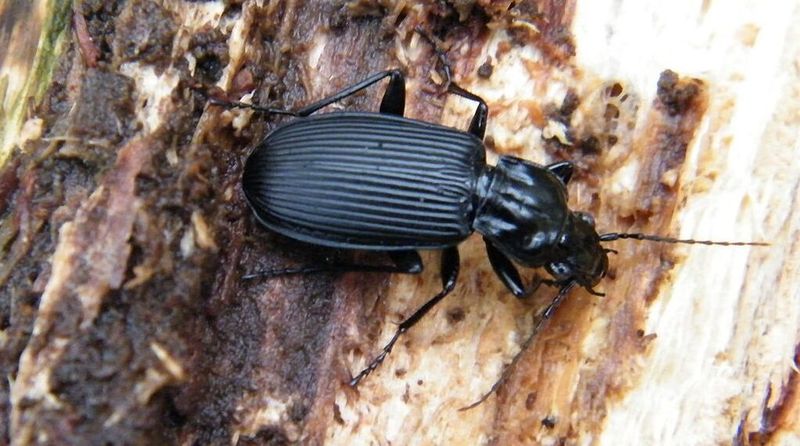
Most gardeners never notice ground beetles because they do their best work at night, hidden beneath mulch, leaf litter, and soil. But these hard-shelled, fast-moving insects are among the most effective pest controllers in the entire garden ecosystem.
If slugs have been shredding your hostas or snails are getting into your lettuce, ground beetles are exactly who you want patrolling your beds after dark.
Ground beetles feed on slugs, snails, cutworms, root maggots, and the larvae of several destructive insects that live in the soil. They are quick and aggressive hunters, chasing down prey rather than waiting for it.
Some species also eat weed seeds, which means they help manage unwanted plants at the same time. In July, when soil-dwelling pests are at peak activity, ground beetles are working hard just below your feet.
Attracting ground beetles is straightforward. They need shelter, moisture, and hunting ground.
Leaving areas of bare soil mixed with leaf litter gives them the hunting corridors they need. Low-growing cover plants like clover or creeping thyme create shaded zones where beetles hide during the day and emerge to hunt at night.
Avoid using chemical slug baits, as these can be harmful to ground beetles and reduce the very population you are trying to build. Mulching garden paths with straw or wood chips provides excellent beetle habitat while also retaining soil moisture during hot July days.
Ground beetles are long-lived compared to many insects, with some species surviving two to four years. Building a welcoming habitat now means you are investing in pest control that compounds over multiple growing seasons and gets more effective every year.