If These Birds Visit Your Florida Garden, You’re Doing Everything Right
Some birds show up in any yard with a feeder. Others are pickier, and their presence says something real about what a property is actually doing right.
A handful of Florida species fall firmly into that second category, the kind of visitors that function less like guests and more like a report card.
If certain birds are regulars in your Florida yard, the habitat, plant choices, and overall balance are working the way they are supposed to.
These species do not settle for adequate. They show up where the conditions genuinely support them.
Most Florida gardeners focus on individual tasks: water sources, native plants, reduced pesticide use, without realizing those efforts add up to something measurable. The birds are the measurement.
A short list of species tends to confirm it more reliably than almost anything else. If they are showing up, the yard is doing its job.
1. Painted Buntings Mean Your Garden Has Safe Cover
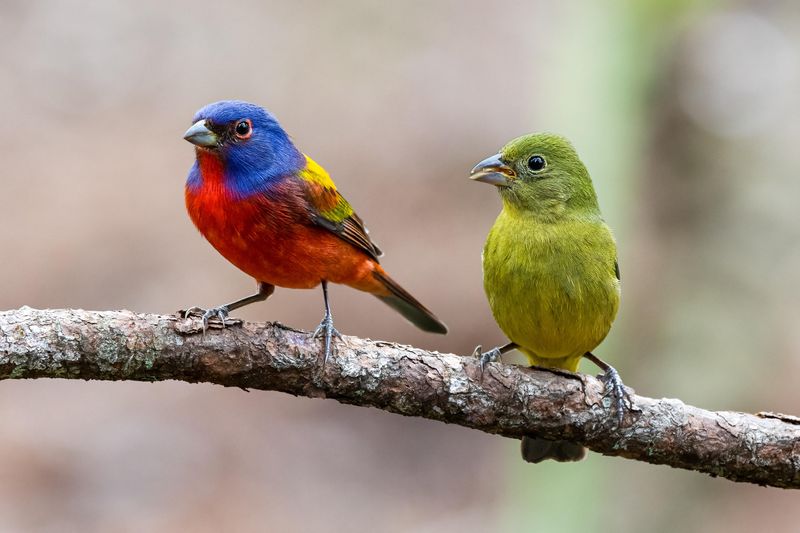
A painted bunting (Passerina ciris) slipping quietly into a dense shrub is one of the more memorable moments a Florida gardener can experience.
The male’s vivid blue, red, and green plumage looks almost tropical, yet this bird relies heavily on thick cover and brushy edges to feel safe.
Seeing one near your yard can suggest that nearby plantings offer protected movement routes, seasonal seeds, and enough quiet space for a cautious bird to pause.
Painted buntings tend to favor dense thickets, shrubby borders, and seed-bearing plants like native grasses and wildflowers. They pass through much of this state during migration and may overwinter in southern regions.
A single sighting does not confirm the whole yard is ideal habitat, but it does hint that something is working. Dense shrubs, layered plantings, and undisturbed corners all contribute to the kind of cover this species seeks.
Broad pesticide use can reduce the insects and seeds buntings depend on during their travels. Keeping some brushy edges intact, allowing native grasses to set seed, and reducing chemical use are all steps worth considering.
Observe from a comfortable distance and resist the urge to move closer. A startled bunting will flush quickly, and repeated disturbance can cause birds to avoid an otherwise suitable spot entirely.
2. Ruby-Throated Hummingbirds Show Your Blooms Are Working
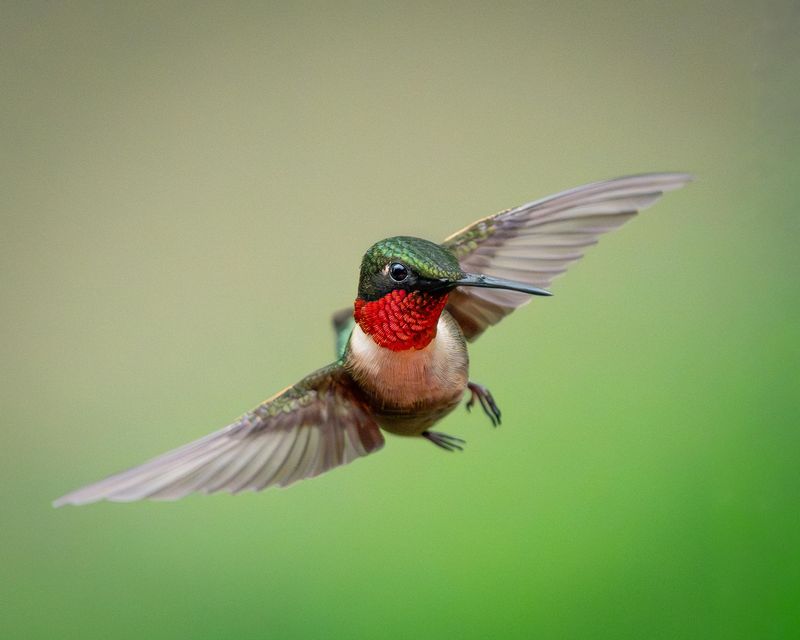
A hummingbird hovering at eye level, probing a tubular red flower, is a sign worth paying attention to. The ruby-throated hummingbird (Archilochus colubris) is the most commonly seen hummingbird in this state.
Its appearance often reflects a garden that has more going for it than a single feeder. Nectar-rich blooms, small insects, safe perching spots, and a reliable sequence of flowers across the season all play a role in drawing this bird in.
Tubular flowers in warm shades tend to attract hummingbirds reliably. Native options like coral honeysuckle, firebush, and salvia provide nectar while also supporting the tiny insects hummingbirds need for protein.
Sugar water in a clean feeder can supplement natural sources, but feeders alone do not replace plant diversity. Pesticide reduction matters here too, since hummingbirds actively hunt small insects and spiders as part of their daily diet.
Your Florida Garden Changes Every Week. Your Plan Should Too.
Gardening in Florida changes quickly throughout the season. Every Friday you’ll receive a simple weekly plan showing exactly what to plant, prune, fertilize, harvest, and protect so you never miss the right timing.
Seasonal bloom timing is worth thinking about carefully. Staggering plantings so that something is always flowering can extend the window when hummingbirds find your yard worth visiting.
In this state, ruby-throated hummingbirds are most common during spring and fall migration, though some individuals may linger longer in warmer southern regions.
Clean feeders at least twice a week in warm weather to prevent mold and fermentation, which can harm birds.
3. Carolina Wrens Point To A Layered, Lively Yard
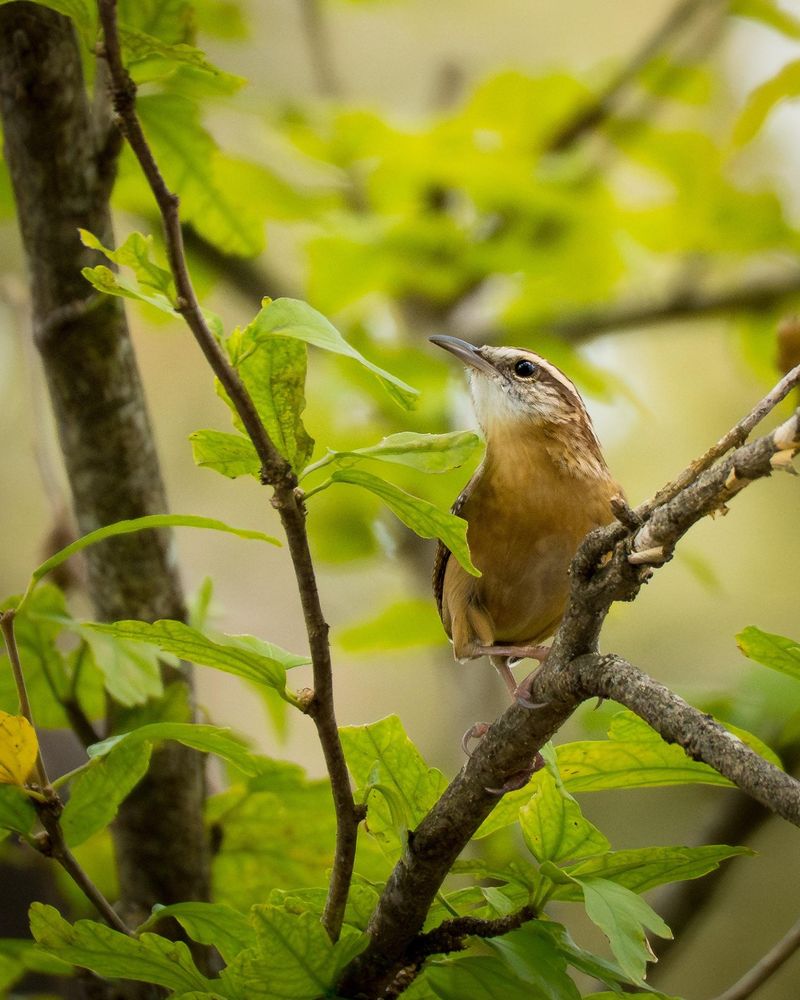
Few birds announce themselves quite like a Carolina wren (Thryothorus ludovicianus). Its song is surprisingly loud for such a small bird.
Once you learn it, you will start noticing how often it rings out from brushy corners, vine tangles, and dense shrub edges. A wren working its way through low cover is not just a pleasing sight.
It can signal that your Florida yard has both structure and insects, two things this species actively searches for every day.
Carolina wrens forage close to the ground and through dense vegetation. They hunt insects, spiders, and small invertebrates hiding in leaf litter, bark crevices, and tangled stems.
Brush piles, layered shrubs, porch edges, and vine-covered fences all give wrens the kind of habitat they prefer.
An overly tidy yard with bare soil, clipped hedges, and no ground cover offers far fewer places for a wren to forage and feel protected from hawks and other predators.
Unlike many birds that migrate away from our state in winter, Carolina wrens tend to stay year-round across much of this region. That means a wren-friendly yard can support them through every season.
Leaving leaf litter under shrubs and allowing low-growing vines to fill in naturally help maintain insect life. Avoiding broad pesticide applications supports the insects wrens depend on too.
Watch from inside or from a quiet spot outdoors to observe their behavior without causing stress.
4. Northern Cardinals Signal Shrubs And Seeds Are Paying Off
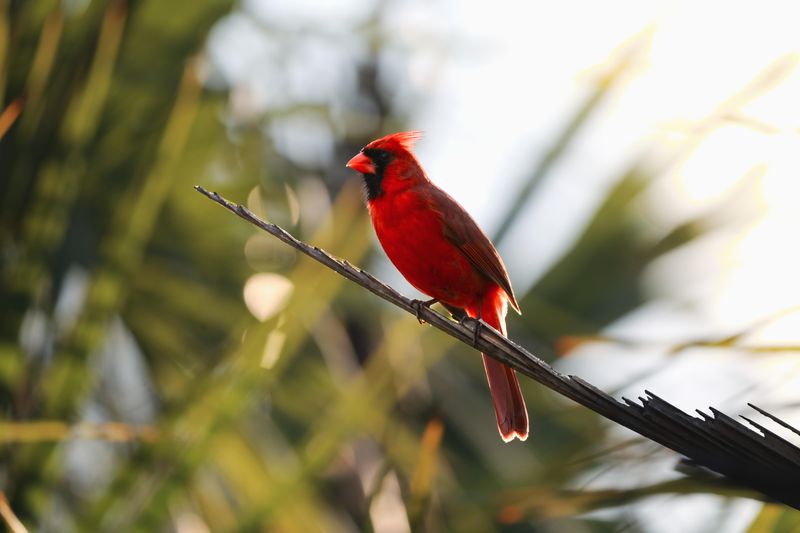
A male northern cardinal (Cardinalis cardinalis) perched in a hedge is one of the most recognizable sights in a home landscape across this state.
Cardinals are present year-round in most regions, and while they are not rare, repeated visits still reveal something useful about your yard.
A garden that consistently attracts cardinals is likely offering layered shrubs, seeds, insects, and fruit. It also provides enough protected cover for a bird that prefers not to feed in the open.
Cardinals respond well to dense planting structure. They use shrubs and small trees for nesting, foraging, and resting, and they tend to avoid yards that are mostly open lawn with minimal vegetation.
Sunflower seeds at a feeder can draw them in, but the surrounding habitat matters just as much. Native fruiting shrubs, seed-bearing plants, and thick hedgerows give cardinals reasons to stay rather than pass through briefly.
A cardinal-friendly yard often has more going on than it might appear from the street. Layers of low shrubs, mid-height plantings, and taller trees give these birds a full range of options for cover and food.
Insects are also part of their diet, especially during nesting season when protein-rich prey helps feed young birds. Reducing pesticide use and allowing some natural leaf litter and ground cover to remain can support insect populations.
Cardinals and their nestlings rely on those insects through warmer months.
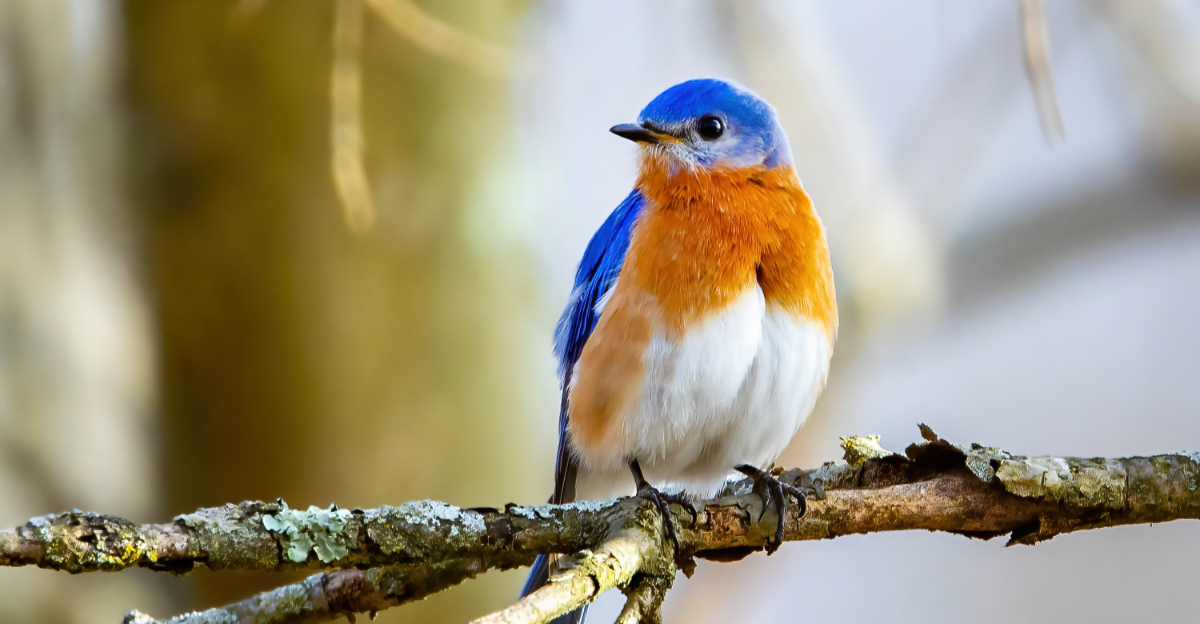
5. Bluebirds Mean Open Space And Insects Are Balanced
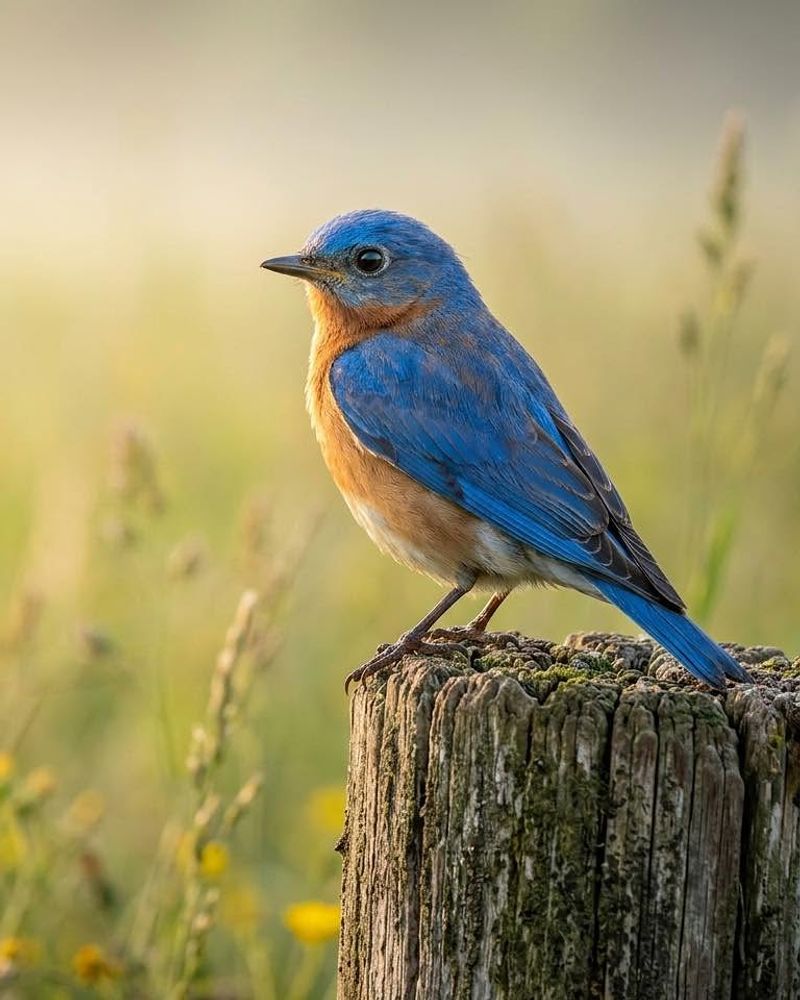
Watching an eastern bluebird (Sialia sialis) drop from a fence post to snatch an insect from short grass is a quiet but satisfying moment.
Bluebirds tend to favor open areas with scattered trees, short turf, visible perch points, and healthy insect populations close to the surface.
A visit from one can suggest that the yard or nearby landscape supports the kind of open hunting space this species actively seeks out.
Not every garden will attract bluebirds. Dense urban yards, heavily wooded lots, and areas with little open ground are generally less suitable.
Bluebirds thrive where short grass or low ground cover allows them to spot and catch insects easily. They are cavity nesters, and where open habitat exists, a properly placed nest box can provide a useful nesting site.
Nest boxes should face open space, be mounted at the right height, and be monitored regularly to deter invasive house sparrows or European starlings.
Pesticide use is a real concern with bluebirds because they depend heavily on insects, especially beetles, caterpillars, and grasshoppers, to feed their young. Yards where broad pesticide applications are routine may offer less insect prey than bluebirds need.
Keeping some areas of short native grass and reducing chemical applications can make a landscape more welcoming. Allowing natural insect activity to continue helps too.
Observe bluebirds from a respectful distance, especially near active nest boxes.
6. Warblers Show Your Native Plants Are Feeding More Than Flowers
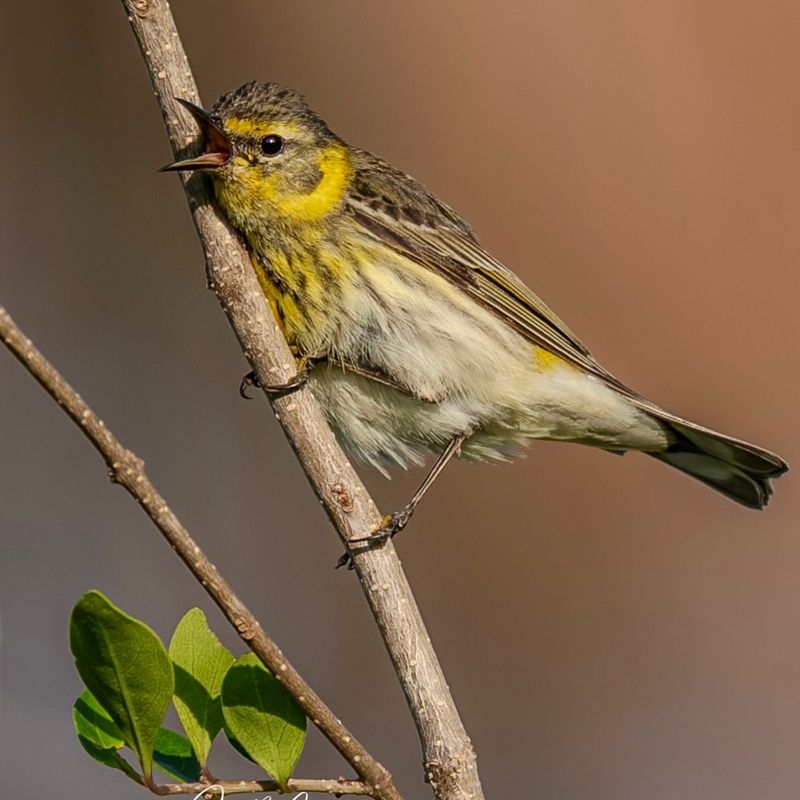
A small, quick bird moving through oak leaves and pausing to pick something off a branch might be easy to overlook. But if it is a warbler, that moment is worth noting.
Warblers as a group are insect hunters, and their presence in a yard often reflects the health of the plant community supporting those insects.
Native trees and shrubs can host caterpillars, aphids, and other small invertebrates that warblers actively search for during migration and seasonal movement.
This state sits along important migratory routes, and dozens of warbler species pass through during spring and fall. Some, like the yellow-rumped warbler, may linger through winter in warmer regions.
Others appear briefly and move on. Sightings often depend on migration timing, nearby tree cover, and the overall quality of habitat in the surrounding landscape.
A single warbler in the yard does not represent the full picture, but it can suggest that native plantings are supporting more life than flowers alone.
Oak trees are especially valuable. Research supported by sources like the Audubon Society and Dr. Douglas Tallamy’s work on native plants shows that native oaks support hundreds of caterpillar species, which in turn feed birds at every level.
Planting native trees and shrubs and reducing pesticide use both support the insect base. Allowing leaf litter to accumulate under trees helps warblers and many other birds too.
Watch quietly and use binoculars to observe without disturbing foraging birds.
7. Woodpeckers Reveal Your Trees Still Support Life
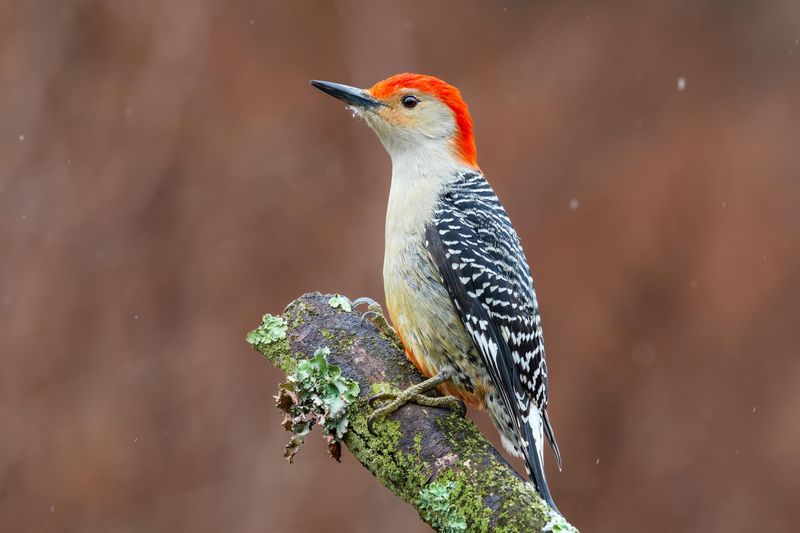
The steady tapping of a woodpecker working its way up a tree trunk is one of the more reassuring sounds a Florida garden can offer. Woodpeckers are habitat indicators in the truest sense.
Their presence often reveals that a yard has mature trees, insect activity beneath the bark, and structural variety. Those features support a bird that depends on wood for food, shelter, and nesting cavities.
Several woodpecker species appear regularly across this state, including the red-bellied woodpecker (Melanerpes carolinus) and the downy woodpecker (Picoides pubescens). Each uses trees differently.
Some excavate cavities for nesting. Others probe bark for beetle larvae and ants.
Some tap into live trees for sap. Withered limbs and snags can be especially valuable because they often hold the highest concentrations of wood-boring insects.
Where a snag is away from structures, walkways, utility lines, and high-traffic areas, it may be worth leaving in place safely.
Woodpecker activity does not automatically mean a tree is in poor health. Many species visit perfectly healthy trees for food and perching.
That said, if you notice unusual bark loss, fungal growth, or structural concerns on a tree near your home, consult a certified arborist before making any decisions.
Keeping mature native trees and reducing pesticide applications that limit insect life both support woodpecker habitat.
Resisting the urge to over-clean deceased wood from low-risk areas helps over time.
8. Goldfinches Arrive When Seed Heads Are Worth Saving
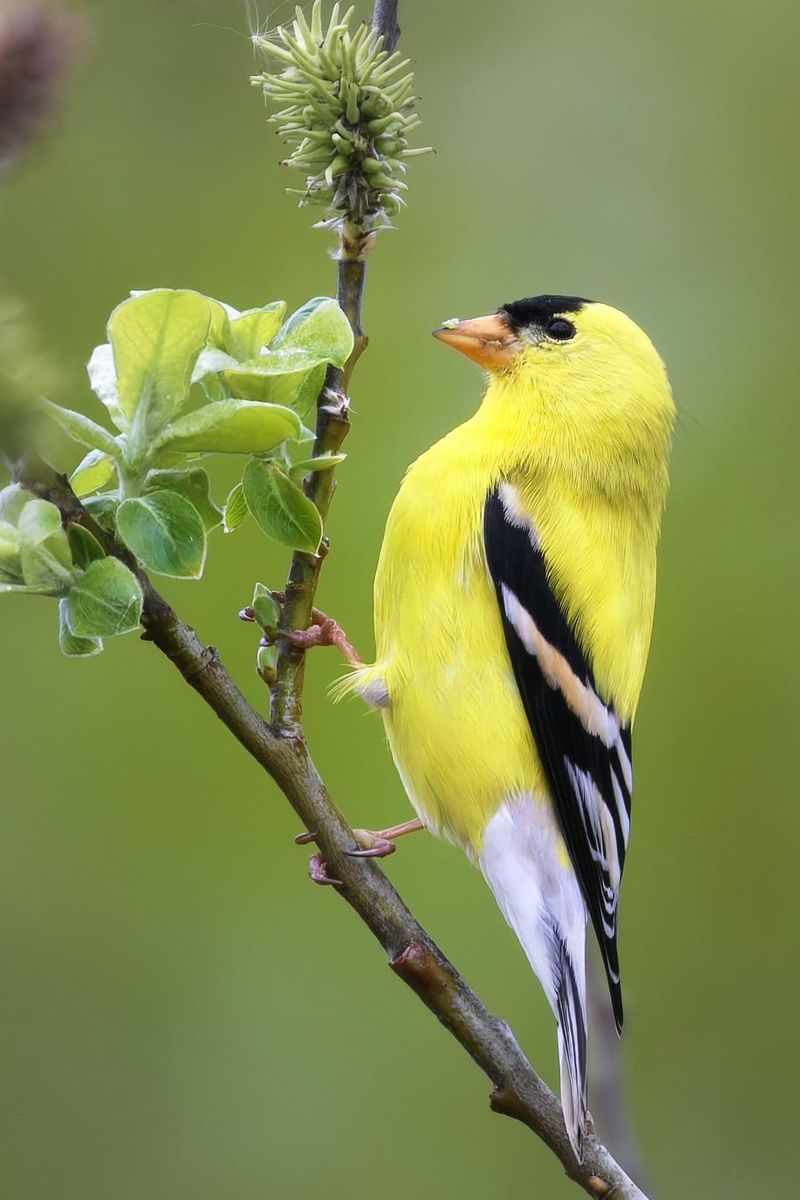
American goldfinches (Spinus tristis) have a knack for finding the yards where seed heads have been left standing rather than cut back too soon.
These small, cheerful birds visit seed-bearing plants with focused energy, clinging to dried flower stalks and pulling seeds with quick, precise movements.
Seeing them land in your garden is a quiet reward for resisting the urge to over-tidy at the end of the growing season.
In this state, goldfinches are primarily winter visitors. They are more reliably seen in northern and central regions from late fall through early spring, though sightings in southern regions occur as well.
Native wildflowers like coneflowers, black-eyed Susans, and native asters produce seed heads that goldfinches actively seek. Native grasses and sunflowers can also be useful.
Leaving these plants standing through the cooler months can extend the food available to goldfinches. That means not cutting them to the ground in fall, so other seed-eating birds benefit too.
A slightly less over-managed garden often feeds more wildlife than one kept rigidly neat. Goldfinches at a nyjer seed feeder are a common sight, but natural seed sources in the landscape offer more ecological value overall.
Avoid pesticide applications that reduce the insect diversity these birds also consume. Keep feeders clean and filled consistently if you use them.
Watch for goldfinches in small flocks, as they often travel and feed together during their time in this state.