These Are The Pennsylvania Garden Plants Japanese Beetles Target Most Aggressively In July
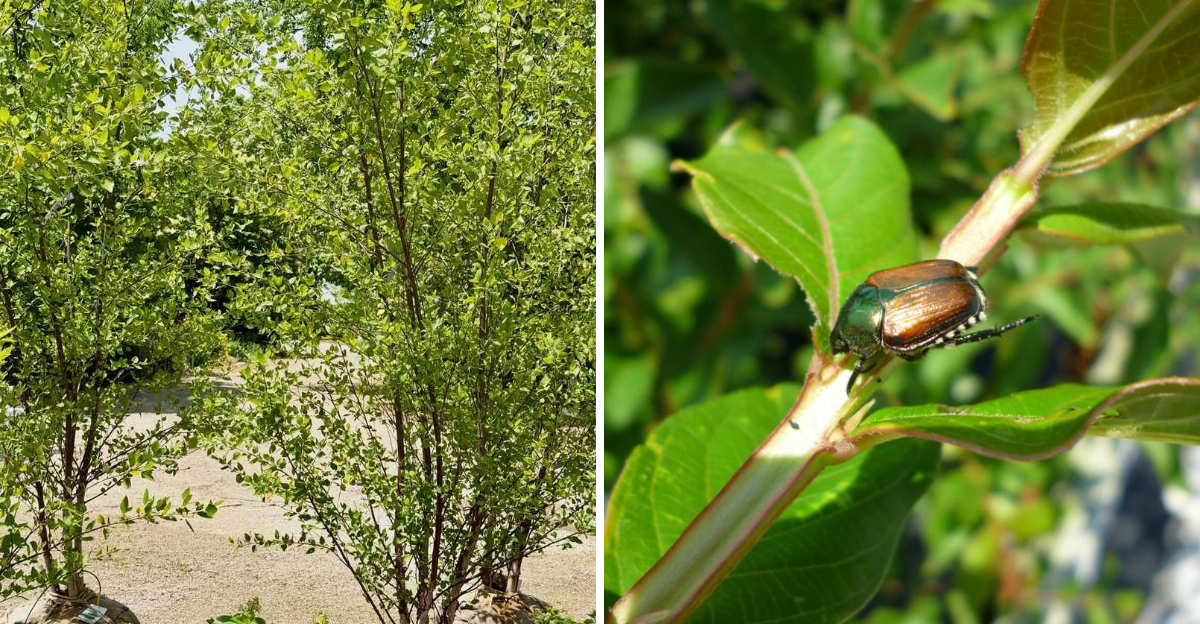
Japanese beetles have a reputation in Pennsylvania for a good reason. Once they show up, they show up in numbers, and they don’t waste any time getting to work.
July tends to be peak season for these aggressive pests, and if you’ve ever watched them strip a plant down to its veins in just a few days, you know exactly how serious the damage can get. But here’s something worth knowing.
Japanese beetles are not equal opportunity feeders. They have clear favorites, and certain plants in Pennsylvania gardens get targeted far more aggressively than others.
If you’re growing any of these, July is when you need to be paying the closest attention and acting fastest when beetles show up. Knowing which plants are most at risk gives you a real head start.
You can watch more closely, act faster, and protect your garden before the damage spirals out of control. Here’s what Japanese beetles are after this July and how to keep them away.
1. Roses
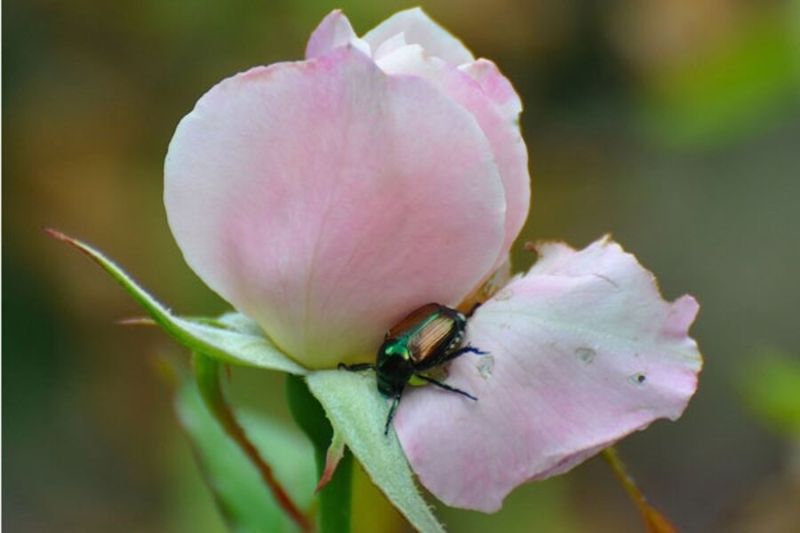
Few sights are more heartbreaking for a gardener than watching a beautiful rose bush get torn apart by Japanese beetles. Roses are, without question, the number one target for these insects across Pennsylvania every July.
The beetles are drawn to the sweet fragrance of rose blooms and seem almost impossible to keep away once they discover a plant.
Adult Japanese beetles chew through the soft tissue between leaf veins, leaving behind a lacy, skeleton-like pattern.
This process is called skeletonization, and it can make a once-gorgeous rose look terrible in just a few days. Flowers are also chewed directly, turning soft petals into ragged scraps.
The beetles tend to feed in groups, so spotting even two or three early on is a warning sign. Check your roses every morning, especially during warm, sunny July days when beetle activity peaks.
Early morning is actually the best time to act because beetles move more slowly in cooler temperatures.
One of the most effective low-cost methods is handpicking. Simply hold a container of soapy water under a branch and tap the beetles in.
They drop straight down when disturbed, making this method surprisingly efficient. Do this daily for the best results.
You can also try row cover fabric to physically block beetles from reaching your plants. Neem oil sprays offer another option and work well as a deterrent without harming beneficial insects like bees.
Avoid Japanese beetle traps near your roses since research shows traps actually attract more beetles to your yard than they remove. Protecting your roses takes consistency, but it is absolutely worth the effort.
2. Grapes
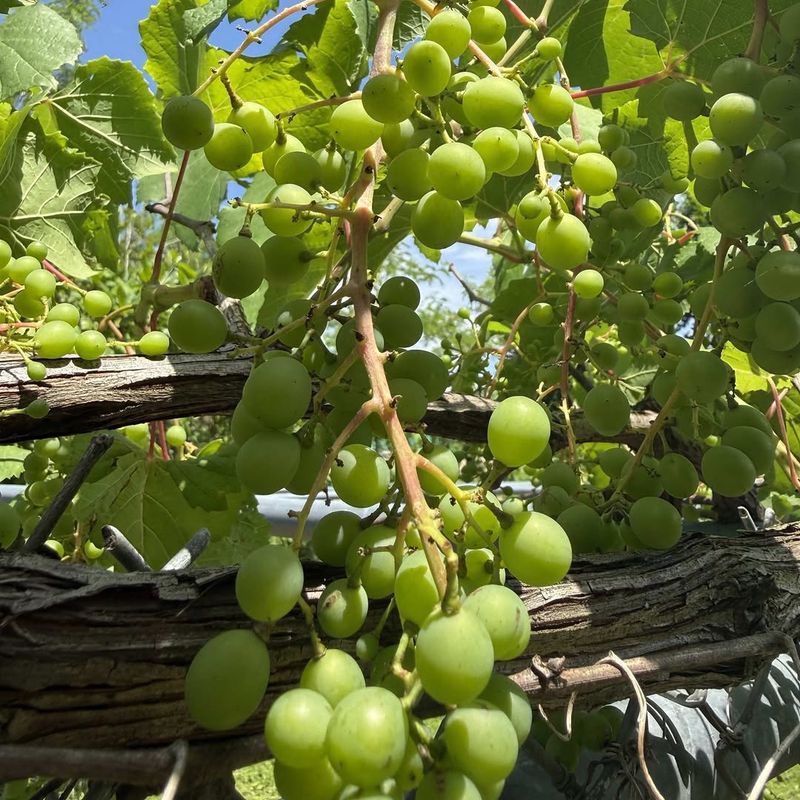
Grape growers in Pennsylvania know the sinking feeling of walking out to the vineyard in July and finding clusters of Japanese beetles feasting away.
Grapes are one of the most heavily targeted plants these beetles go after, and the damage can be severe enough to seriously reduce your harvest. Both the leaves and the fruit clusters are fair game for these hungry insects.
Your Pennsylvania Garden Changes Every Week. Your Plan Should Too.
Gardening in Pennsylvania changes quickly throughout the season. Every Friday you’ll receive a simple weekly plan showing exactly what to plant, prune, fertilize, harvest, and protect so you never miss the right timing.
When beetles feed on grape leaves, they skeletonize them just like they do with roses. The leaf tissue disappears while the veins remain, leaving behind a brown, crispy skeleton.
Heavily damaged leaves can no longer photosynthesize properly, which weakens the entire vine over time.
Fruit clusters are also attacked directly. Beetles chew into developing grapes, creating wounds that invite mold and disease to move in.
A cluster that looks fine on the outside may already be compromised underneath, which hurts both yield and fruit quality significantly.
Monitoring your vines closely starting in late June gives you a chance to catch infestations early. Walk the rows every couple of days and look for the telltale signs of feeding damage.
Row covers can protect smaller home vineyard setups pretty effectively during peak beetle season.
For larger plantings, insecticide sprays containing pyrethrin or spinosad are commonly used options that are considered safer for the surrounding environment. Always follow label directions carefully.
Kaolin clay is another interesting organic option that coats leaves and fruit with a fine powder that beetles find irritating and tend to avoid. Staying proactive is the key to keeping your grape harvest intact through the rest of the summer season.
3. Linden Trees
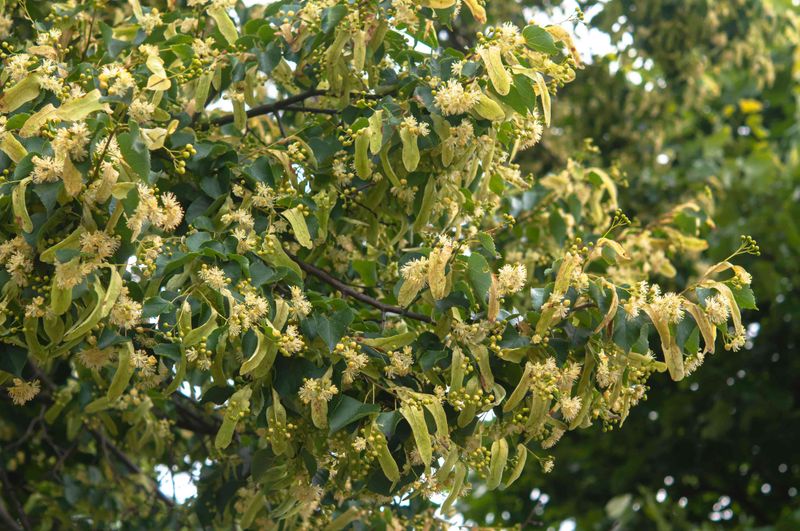
Linden trees are a staple of Pennsylvania neighborhoods, parks, and residential streets. Their broad canopy and fragrant summer flowers make them a favorite for landscapers and homeowners alike.
Unfortunately, Japanese beetles absolutely love them, and a bad infestation can strip a linden tree of most of its leaves in a surprisingly short amount of time.
The beetles feed on linden foliage from the top of the canopy downward. By the time you notice significant damage at eye level, the upper branches may already be heavily affected.
This top-down feeding pattern makes early detection tricky, especially on taller, more mature trees that you cannot easily inspect up close.
A fully defoliated linden tree is a stressful sight, but healthy, established trees can usually push out a second flush of leaves later in the season if conditions are right.
Younger trees, however, face a tougher time recovering because they have smaller energy reserves stored in their roots. Repeated defoliation over several summers can seriously weaken even a mature tree.
For smaller linden trees, spraying with neem oil or insecticidal soap during beetle season can help reduce feeding pressure.
Larger trees are harder to treat effectively from the ground, so hiring a certified arborist who can apply systemic insecticides through soil injection or trunk treatment is often a smarter move.
Keeping your linden tree well-watered and properly mulched during July heat helps it stay stronger and better able to handle beetle stress.
A healthy, well-maintained tree is always going to bounce back faster than one that is already struggling with drought or poor soil conditions.
4. Crabapple Trees
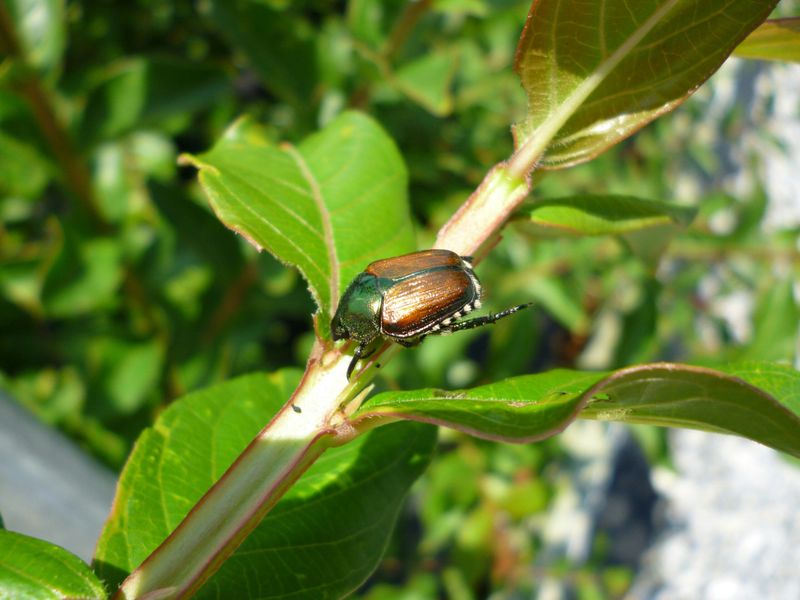
Crabapple trees are beloved in Pennsylvania for their stunning spring blooms and ornamental appeal throughout the growing season. Come July, though, Japanese beetles treat them like an all-you-can-eat buffet.
Both the flowers and the leaves are targeted, which means the damage hits your tree on two fronts at the same time.
Beetle feeding on crabapple leaves follows the same skeletonization pattern seen on other host plants. The soft green tissue between the veins gets eaten away, leaving behind a dry, lacy structure that eventually turns brown and falls off.
When feeding is heavy, branches can look nearly bare by late July even though the tree leafed out beautifully in spring.
Flowers are also chewed during early July when some late-blooming varieties still have blossoms. Petals get eaten or knocked off, which affects the tree’s overall appearance and can reduce the small fruit that develops later in the season.
Crabapple fruit is a food source for birds and wildlife, so significant flower damage has a ripple effect beyond just looks.
Handpicking works well for smaller crabapple trees that you can easily reach. A bucket of soapy water and a few minutes each morning can make a real difference when beetles are present in moderate numbers.
For trees with heavier infestations, a contact insecticide labeled for ornamental trees can be applied according to the product directions.
Planting crabapple varieties that are known to be less attractive to Japanese beetles is a smart long-term strategy. Some newer cultivars show better resistance, so asking your local Pennsylvania nursery for recommendations before planting is always a wise idea.
5. Birch Trees
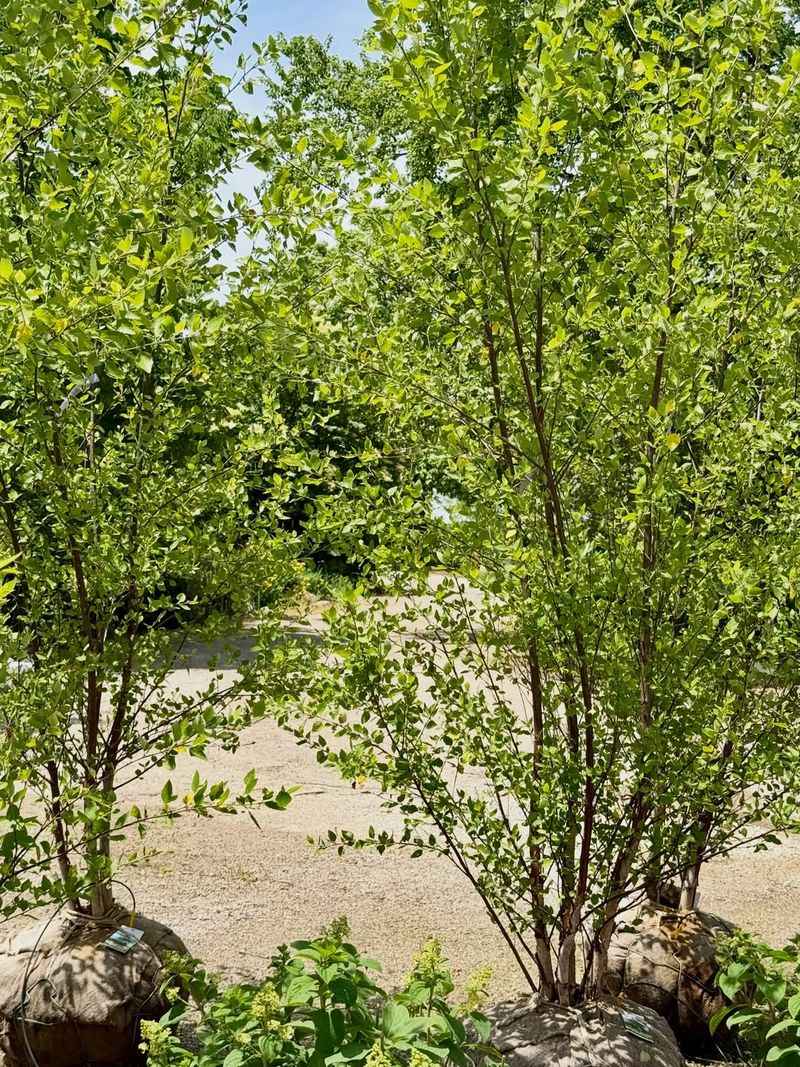
Birch trees have a graceful, airy look that makes them a popular choice for Pennsylvania yards and landscapes. Their thin, papery bark and delicate leaves give them a distinctive charm that stands out in any garden.
Sadly, that same delicate foliage is exactly what makes them so attractive to Japanese beetles during the hot weeks of July.
Beetles zero in on the young, tender leaves that birches produce, chewing through the tissue and leaving behind the familiar skeleton pattern.
Because birch leaves are naturally thin and light, even moderate beetle feeding can make the tree look severely damaged very quickly.
What might take a week to show on a thick-leaved oak can appear in just a couple of days on a birch.
The timing is particularly rough for birch trees because July heat is already a stressor for many birch species, especially river birch. When beetles add feeding pressure on top of heat stress, the tree has to work extra hard to stay healthy.
Young or recently planted birch trees are the most vulnerable because they have not yet built up strong root systems to support rapid recovery.
Watering deeply and consistently during July helps birch trees handle the combined pressure of heat and beetle damage much better. Mulching around the base of the tree keeps soil moisture stable and reduces temperature stress at the roots.
These simple steps make a noticeable difference in how well a tree holds up through the summer.
For trees with moderate to heavy beetle pressure, neem oil or pyrethrin-based sprays applied in the early morning offer effective control. Repeating the application every seven to ten days during peak beetle season helps maintain protection throughout July.
6. Daylilies
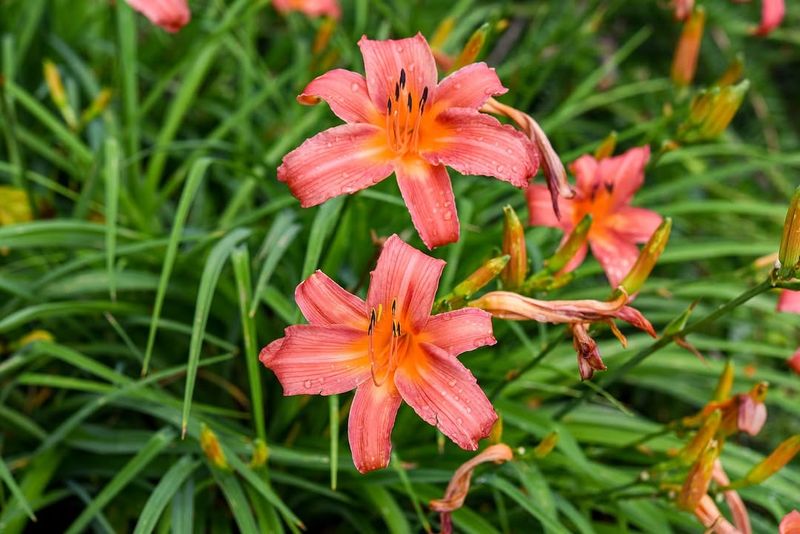
Daylilies are one of the most cheerful and low-maintenance flowers you can grow in a Pennsylvania garden. Their bold, trumpet-shaped blooms in shades of orange, yellow, red, and purple make them a midsummer showstopper.
That vibrant color and sweet scent, however, act like a beacon for Japanese beetles, which arrive in July just as daylilies hit their peak bloom period.
Beetles chew directly into the flower petals, creating ragged holes that ruin the blooms within hours of feeding. Since each daylily flower only lasts about one day naturally, beetle damage means that precious single-day bloom gets destroyed before you even get a chance to enjoy it properly.
Over a patch of daylilies, this repeated daily damage can make the whole planting look messy and beaten up.
The lush, broad foliage also gets attacked. Skeletonized daylily leaves turn brown quickly in the summer heat, which affects the overall appearance of the plant even after the bloom season winds down.
Heavy feeding can stress the plant enough to reduce the number of blooms it produces in future seasons.
Checking your daylily patch every morning during July is one of the smartest habits you can build. Handpicking beetles into soapy water is effective on a small scale and takes only a few minutes.
For larger plantings, neem oil sprays applied in the early morning before bees become active offer a good balance between effectiveness and environmental responsibility.
Planting daylilies alongside less attractive companion plants can also help dilute beetle interest. Lavender, for example, is rarely bothered by Japanese beetles and can act as a subtle buffer when planted nearby in your garden layout.
7. Beans
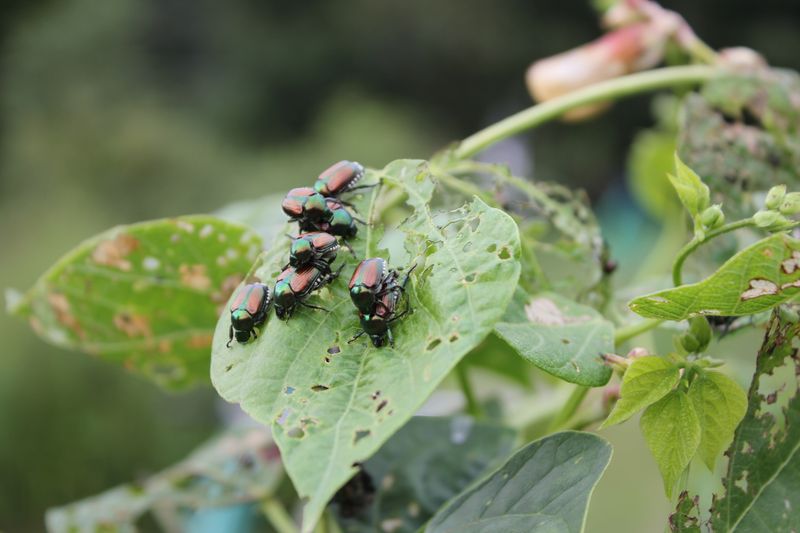
Walk through a Pennsylvania vegetable garden in mid-July and you might find your bean plants looking like they went through a paper shredder. Japanese beetles absolutely hammer bean crops during peak summer, and the damage can happen fast.
Green beans, pole beans, and bush beans are all targeted, making this a serious concern for anyone growing a food garden this time of year.
The beetles feed on bean leaves with the same skeletonizing approach they use on ornamental plants. The soft tissue between the veins disappears, leaving behind a thin, papery network of brown veins.
Heavily damaged leaves can no longer support proper photosynthesis, which slows plant growth and reduces pod production significantly.
Unlike ornamental plants where the damage is mainly a visual problem, bean damage directly hits your food supply. Fewer healthy leaves mean fewer pods and smaller harvests right when your plants should be producing at full speed.
For families relying on their vegetable garden to supplement groceries, this is a genuinely frustrating outcome to deal with.
Row covers made of lightweight fabric are one of the most reliable protective tools for bean crops. Installing them before beetle season peaks keeps the insects off the plants entirely without any chemicals involved.
Make sure to secure the edges to the ground so beetles cannot crawl underneath to reach the plants. If beetles are already present, handpicking in the early morning is your fastest response.
For larger plantings, spinosad-based organic sprays are a well-regarded option that targets beetles effectively while remaining relatively safe for beneficial insects when applied correctly.
Rotating your bean planting location each year can also help reduce beetle pressure over time.