Ohio Perennials That Bloom From July Through September With Almost No Care
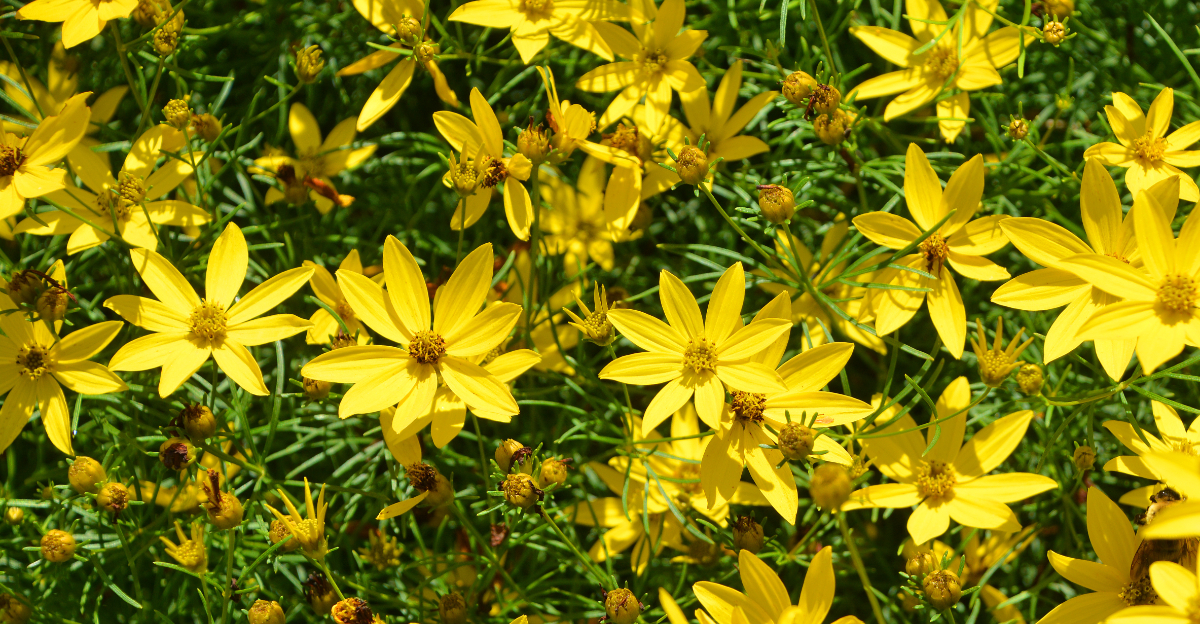
Spring gets all the credit in Ohio gardens and July gets all the blame. Everything peaked months ago, the heat has worn out its welcome, and most perennial beds are running on fumes by midsummer.
Most gardens, anyway. A specific group of Ohio perennials treats July as a starting gun rather than a finish line.
They are not hanging on. They are just getting started, and they keep going straight through September without anyone hovering over them or adjusting anything.
No trimming schedules, no fertilizer programs, no complicated care routines. These plants bloom because the heat and the long days suit them, and they do not stop until the season actually tells them to.
An Ohio garden that looks genuinely alive in August, September, and right up to first frost is not an accident. It is a plant selection decision made earlier in the season.
Here is where to start.
1. Let Black Eyed Susan Carry The Heat
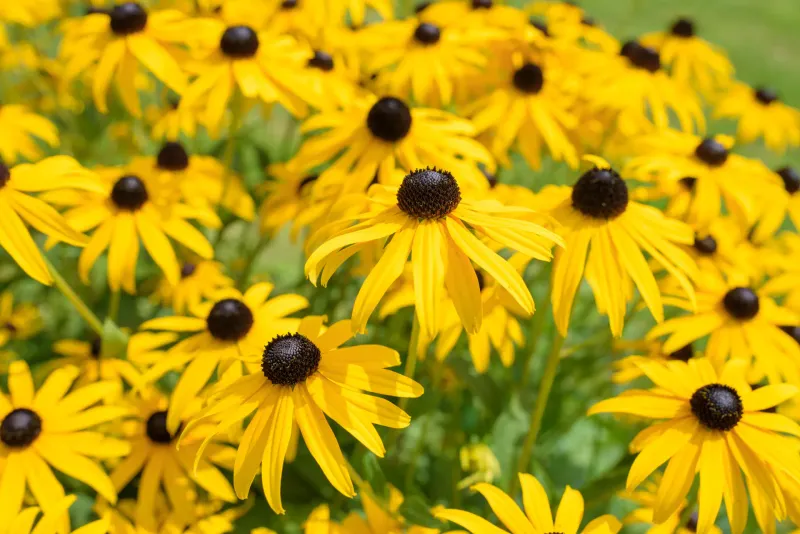
Few flowers say late summer quite like a patch of golden-yellow blooms catching afternoon sun. Black-eyed Susan, known botanically as Rudbeckia hirta and related species, is a dependable performer in sunny Ohio gardens.
OSU PlantFacts notes it as a tough, adaptable plant that thrives in full sun and well-drained soil. It often begins blooming in early to midsummer and can carry color well into August and sometimes September, depending on the variety and site conditions.
The bright yellow petals surrounding a dark brown center are a magnet for bees and butterflies. That pollinator appeal makes it a smart choice for cottage-style borders and dedicated pollinator gardens.
It handles dry spells reasonably well once established, but it does need consistent watering during its first season to develop a strong root system.
Plant black-eyed Susan in full sun for the best bloom. Avoid heavy clay or soggy spots, since good drainage is key to keeping plants healthy over time.
If clumps spread more than you want, dividing them every few years helps keep the bed tidy and encourages fresh growth. Trimming spent blooms can extend the flowering period, though leaving some seed heads in fall supports birds and adds texture.
It is a rewarding, low-fuss choice for hot, sunny spots where other plants struggle.
2. Count On Coneflower For Easy Summer Color
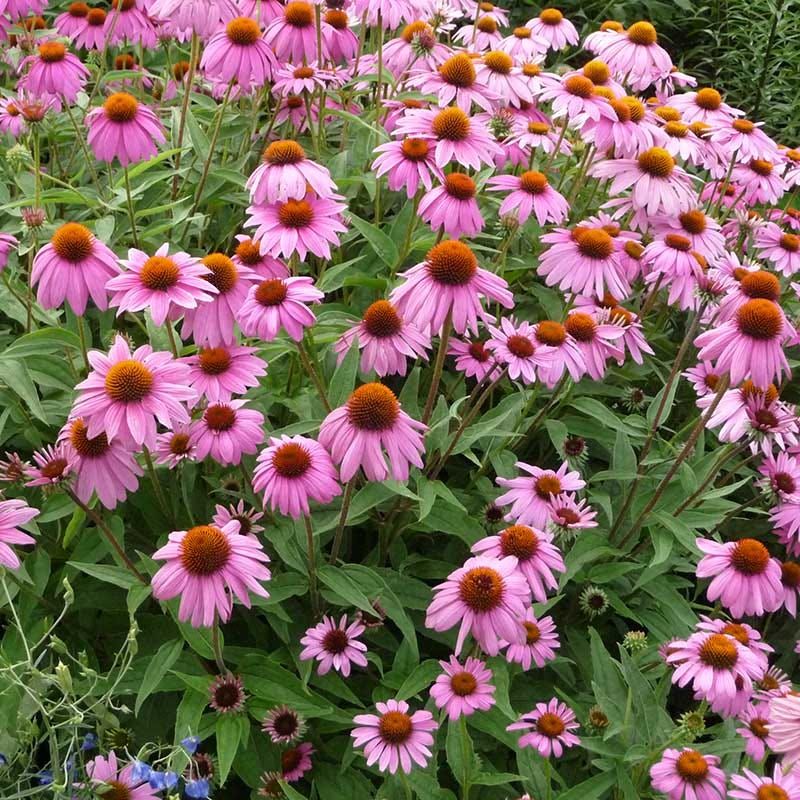
Walking past a bed of purple coneflowers in July feels like running into an old friend. Echinacea purpurea is one of the most reliable perennials for Ohio gardens, and OSU Extension lists it as well-suited to sunny, well-drained beds across the state.
It typically begins blooming in early to midsummer and can continue flowering into August and early September under good conditions.
Coneflower handles summer heat with ease once it settles in. The key is siting it correctly from the start.
Full sun is ideal, and the soil should drain well. Avoid overly rich or consistently wet ground, since those conditions can weaken plants and reduce bloom.
During the establishment phase, water regularly to help roots develop, but do not overdo it once the plant is growing strongly.
Your Ohio Garden Changes Every Week. Your Plan Should Too.
Gardening in Ohio changes quickly throughout the season. Every Friday you’ll receive a simple weekly plan showing exactly what to plant, prune, fertilize, harvest, and protect so you never miss the right timing.
One of the best things about coneflower is its pollinator value. Bees, butterflies, and goldfinches are all drawn to it at different points in the season.
Leaving seed heads standing after bloom fades gives birds a food source in late fall, a tip supported by native plant organizations and extension guidance. Trimming some spent flowers can encourage a second flush of bloom.
Dividing crowded clumps every three to four years keeps plants vigorous. It is a genuinely low-care perennial that earns its place in any sunny summer bed.
3. Keep Garden Phlox Blooming Through The Haze
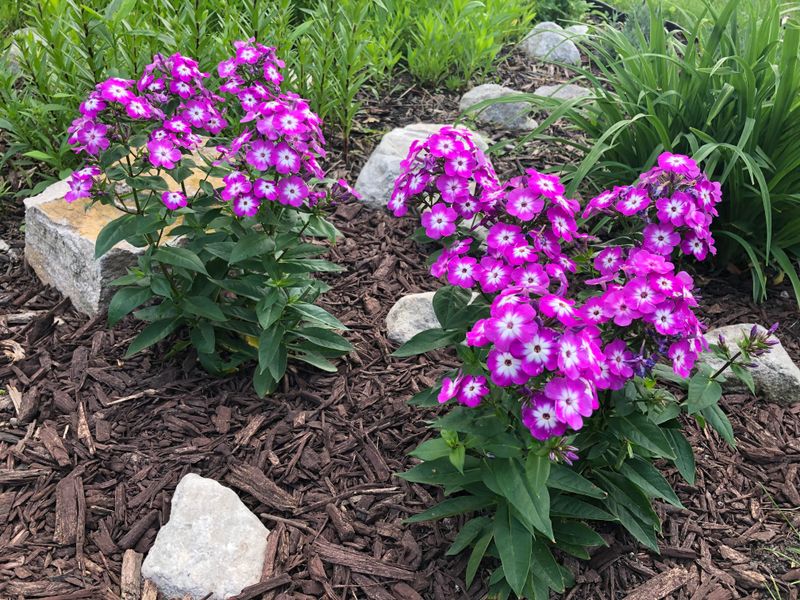
There is something almost nostalgic about garden phlox. Those tall, fragrant flower clusters in shades of pink, purple, white, and coral have been anchoring summer gardens for generations.
Phlox paniculata typically blooms from midsummer into late summer, often peaking in July and August. That makes it useful for filling the gap between early summer flowers and fall bloomers.
OSU Extension and university extension sources note that garden phlox performs best in full sun with good air circulation. That airflow detail matters more than many gardeners realize.
Powdery mildew is a common concern with garden phlox, especially in humid summers. Spacing plants at least 18 to 24 inches apart reduces the risk.
Choosing mildew-resistant varieties, which are widely available at Ohio nurseries, is one of the smartest moves you can make before planting.
Garden phlox needs consistent moisture, especially during dry stretches. It is not as drought-tolerant as some of the other plants on this list, so planting it near a water source or in a spot with reasonable soil moisture helps.
Avoid crowding it near walls or dense shrubs where air movement is poor. Trimming spent flower heads can encourage additional side blooms.
With the right site and a resistant variety, garden phlox is rewarding and relatively manageable. It does ask for a bit more attention than a true prairie-style perennial would.
4. Use Sedum To Bridge Summer Into Fall
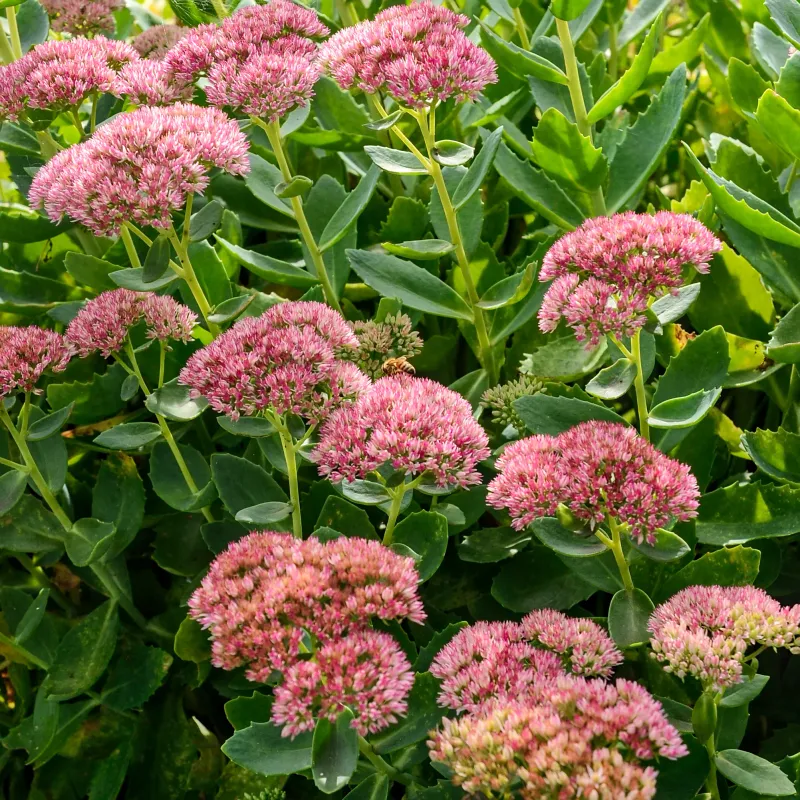
By late August, a lot of perennial beds start looking tired. That is exactly when upright sedum steps in and earns its place.
Varieties like Hylotelephium spectabile, formerly classified as Sedum spectabile, typically begin blooming in late summer. They carry color into September and sometimes October.
OSU PlantFacts notes that sedum is well-suited to sunny, well-drained sites and handles dry conditions better than many other perennials.
One of sedum’s best qualities is its low demand for rich soil. Overly fertile ground or too much shade can actually cause problems, leading to floppy stems that flop open at the center of the plant.
University extension guidance recommends planting it in lean, well-drained soil and giving it full sun to keep growth compact and upright. It is a practical choice for hot border edges, dry slopes, or spots near walkways where other plants sulk.
Sedum is also useful for pairing with ornamental grasses and late-season asters. The flat-topped flower clusters start out with a soft, rosy hue and deepen as the season progresses.
Pollinators, especially bees, are drawn to the open blooms. Leaving the seed heads standing through winter adds structure to the garden and provides a small food source for birds.
Divide clumps every three to four years if they begin to spread or lose their upright shape. It is one of the most structurally satisfying low-care perennials for bridging late summer into fall.
5. Plant Asters For A September Finale
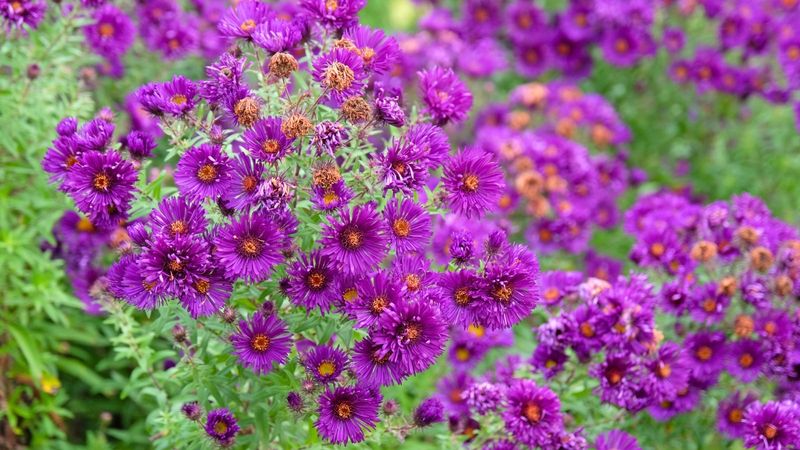
September can feel like the garden’s last exhale before everything winds down. Asters make that final chapter worth watching.
Native asters such as Symphyotrichum novae-angliae, commonly called New England aster, are among the most valuable late-season perennials for this state.
The Ohio Department of Natural Resources recognizes native asters as important plants for supporting pollinators during fall migration and late-season foraging.
OSU Extension guidance notes that asters perform well in sunny to partly sunny sites with average, well-drained soil.
They are adaptable to different regions of the state, from northern regions near Lake Erie to the warmer southern regions along the Ohio River.
Bloom timing varies by species, but many native asters reach their peak in September, which makes them especially useful when earlier summer flowers have slowed down.
Some asters have a tendency to grow tall and flop by late summer. Cutting plants back by about one-third in late June can encourage a bushier, more compact shape without sacrificing bloom time.
This technique is often recommended by university extension sources. Asters can also spread over time, so dividing clumps every few years helps keep the planting manageable.
Avoid soggy soil, which can cause root problems. Pairing asters with ornamental grasses or sedum creates a satisfying late-season combination that feels natural and easy to maintain.
Their value to bees and butterflies in fall makes them an especially worthwhile addition to any low-care perennial bed.
6. Lean On Yarrow When Rain Gets Scarce
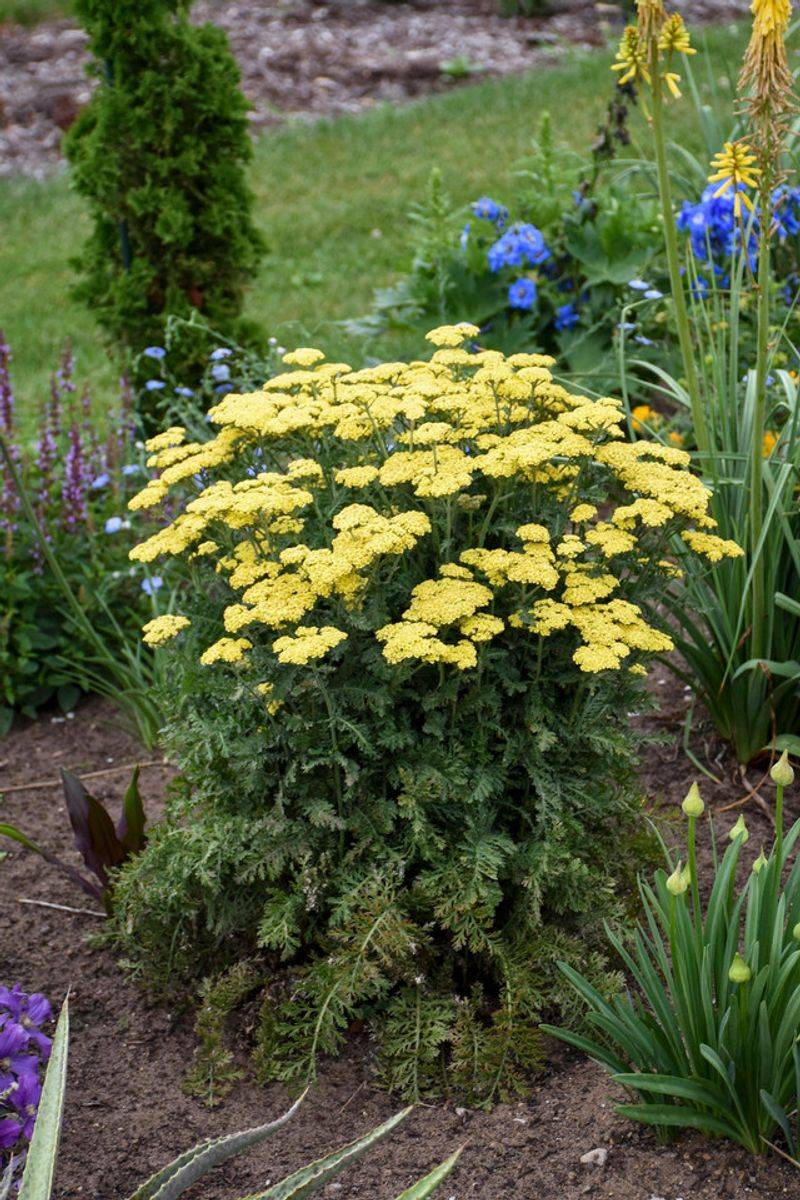
Hot, dry stretches in July and August can wipe out a lot of perennials, but yarrow seems almost unbothered. Achillea millefolium and its cultivated relatives are well-known for drought tolerance once established.
University extension sources consistently list yarrow as a good choice for sunny, well-drained sites that do not receive much supplemental water.
Bloom typically begins in early summer and can extend into late summer, especially if spent flower stalks are cut back to encourage fresh growth.
Yarrow thrives in lean, well-drained soil. Rich, moist ground tends to produce floppy plants with weak stems, which is the opposite of what most gardeners want.
Full sun is essential. Plants placed in partial shade tend to stretch toward the light and lose their compact, upright habit.
During the first season, water regularly to help the root system establish. After that, yarrow is genuinely low-fuss in dry conditions.
Cutting back spent blooms partway through the season can tidy the plant and sometimes trigger a second round of flowering, a practice supported by extension guidance.
Yarrow comes in a range of colors including yellow, white, pink, and red, giving gardeners flexibility when planning a late-summer palette.
It pairs well with black-eyed Susan, coneflower, and ornamental grasses in sunny borders. One practical note: yarrow can spread over time through rhizomes and self-seeding, so dividing clumps every few years keeps it from taking over neighboring plants.
7. Add Bee Balm For Pollinator Packed Color
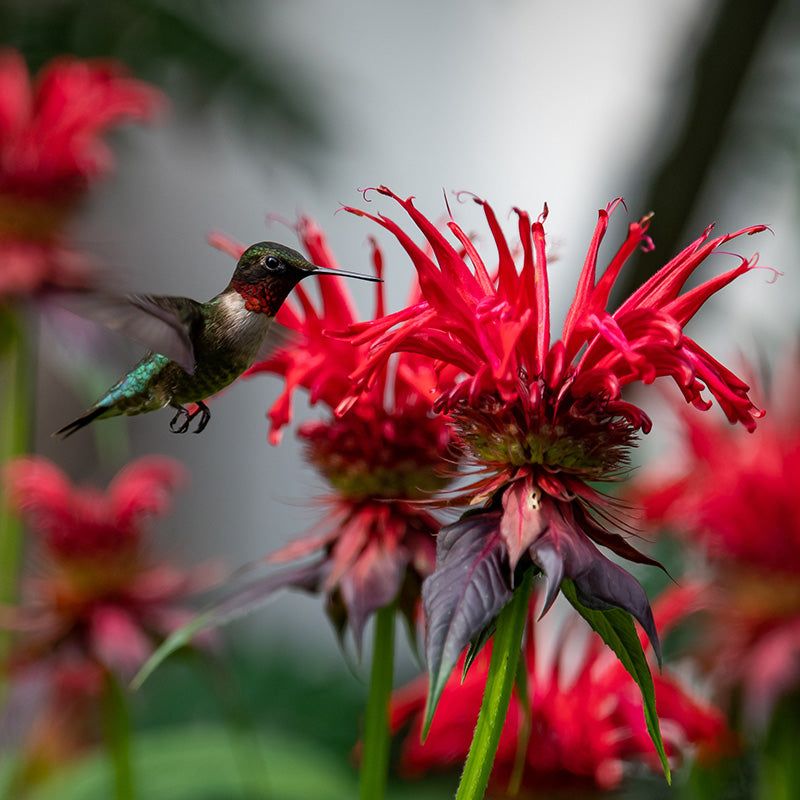
Bold, spiky flower heads in red, pink, lavender, and white make bee balm one of the most dramatic perennials in a summer garden.
Monarda didyma and its cultivated forms typically bloom from midsummer, often starting in July, and can continue into August depending on the site and variety.
OSU Extension notes that bee balm is native to eastern North America and is highly attractive to hummingbirds, bees, and butterflies. That makes it a standout choice for pollinator-focused plantings.
Bee balm grows best in full sun to light shade with consistent moisture. Unlike yarrow or sedum, it does not want to dry out completely between waterings.
Good air circulation is important because powdery mildew can become a problem in humid summers, especially in crowded or shaded spots.
Choosing mildew-resistant varieties, which are widely available through Ohio nurseries, is a smart way to reduce that risk before it starts.
Give bee balm room to spread. It grows by rhizomes and can expand fairly quickly in good conditions.
Planting it where it has space to move, or dividing it every two to three years, keeps it from crowding out neighbors. Cutting plants back after the first flush of bloom can tidy growth and sometimes encourage a second round of flowers.
With the right site, resistant varieties, and occasional division, bee balm is a colorful, rewarding addition to a summer perennial bed. It earns its space with minimal fuss.
8. Stretch The Season With Threadleaf Coreopsis
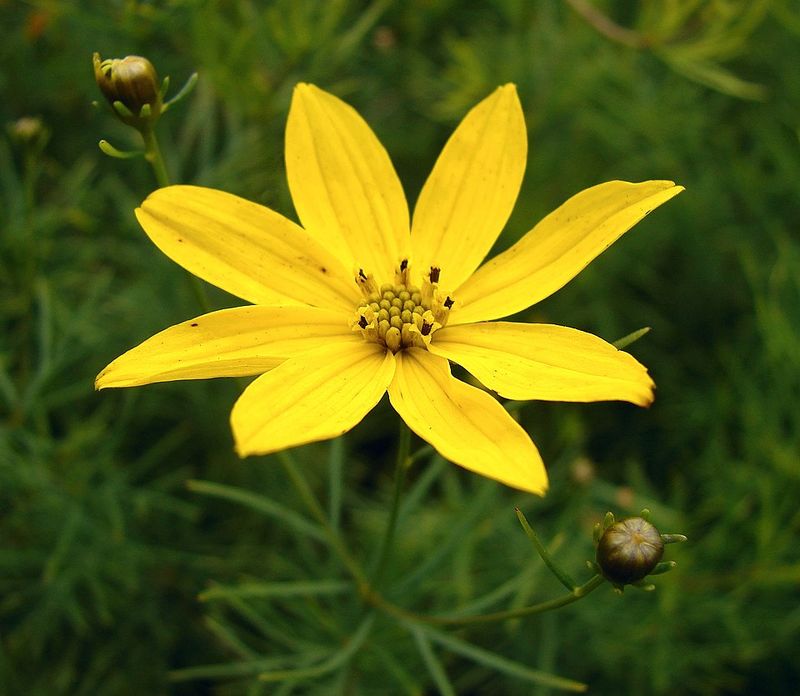
Light, airy, and almost effortlessly cheerful, threadleaf coreopsis brings a texture to the garden that heavier perennials simply cannot match. Coreopsis verticillata is one of the most floriferous perennials available for sunny Ohio gardens.
OSU PlantFacts lists it as a reliable, easy-to-grow plant for well-drained sites. It often begins blooming in early summer and can continue producing flowers well into August and sometimes September.
That is especially true with a light trim after the first heavy flush of bloom.
The feathery, fine-textured foliage is part of what makes this plant so appealing. It adds a soft, natural look that pairs well with sturdier late-season plants like asters, sedum, and ornamental grasses.
Full sun and well-drained soil are the two non-negotiables. Soggy or heavy clay soil can cause root problems and shorten the plant’s life.
University extension guidance recommends avoiding overly rich soil as well, since too much fertility tends to produce lush foliage at the expense of flowers.
Cutting plants back by about one-third after the main summer bloom can refresh the foliage and encourage another round of flowering before frost arrives.
Water regularly during the first season to support establishment, but reduce irrigation once the plant is settled in.
Threadleaf coreopsis is genuinely low-maintenance in the right spot. It rarely needs dividing as often as more aggressive perennials, and it tends to stay tidy without much intervention.
As a season-stretching finale, it is hard to beat for ease and consistent color.