What Storm Damage Reveals About Tree Planting Mistakes In Missouri
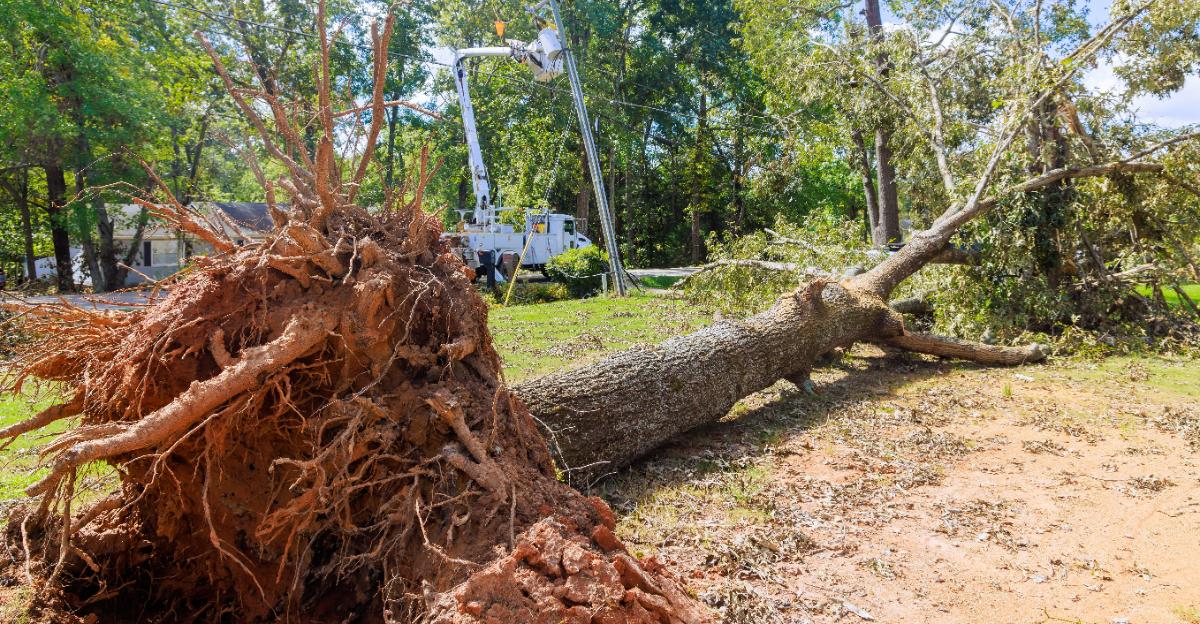
A storm doesn’t create weak trees. It exposes them. That maple splitting down the middle during last week’s wind wasn’t unlucky, it was planted too close to the foundation a decade ago, roots boxed in and stressed from day one.
Missouri’s storms have a habit of finding every shortcut a homeowner or landscaper ever took. Wrong soil depth. A root ball that never loosened. A trunk staked so tightly it never learned to flex on its own.
The damage you see after the wind calm down is really a report card. It grades choices made long before the first storm cloud showed up.
Some trees snap because they grew too fast in poor soil. Others uproot because their roots never had room to spread. None of it happens overnight, and none of it happens by accident.
1. Storm Damage Often Points Straight Back To Poor Planting Choices
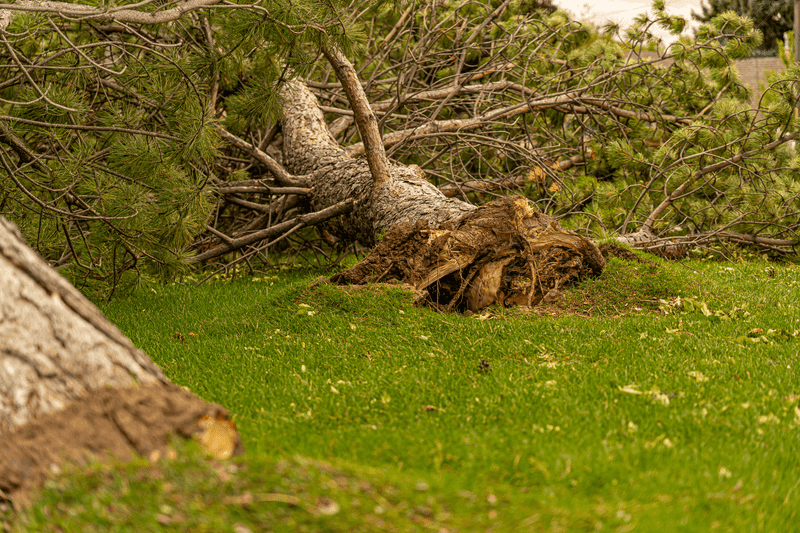
Your yard after a storm is basically a report card. Every snapped trunk and toppled tree is grading the choices made at planting time.
Storm damage and tree planting mistakes in Missouri are deeply connected. Most homeowners never realize the two are linked until cleanup day arrives.
Poor planting decisions create weak trees from the start. A tree planted too deep, too shallow, or in the wrong soil never builds the strength it needs.
Root systems are the foundation of a tree’s survival. When roots grow wrong early on, sunshine and rain rarely fix the problem later.
Bad planting also affects how a tree handles wind. A tree with a compromised base will bend, crack, or fall long before a healthy one does.
Storms expose the truth about every planting shortcut taken. Girdling roots, poor staking habits, and wrong planting depth all show up when wind speeds rise.
Even a single planting error can cascade into several structural weaknesses over time. A tree planted at the wrong depth often develops shallow roots, weak anchoring, and poor wind resistance all at once.
These mistakes are also completely avoidable. Knowing what went wrong helps every future tree get a better start in your yard.
Paying attention to storm damage patterns across neighborhoods reveals a lot. Certain trees consistently fall while neighbors nearby stand tall, and the difference is almost always in how they were planted.
2. Planting Trees Too Close To Structures Sets Up Future Damage
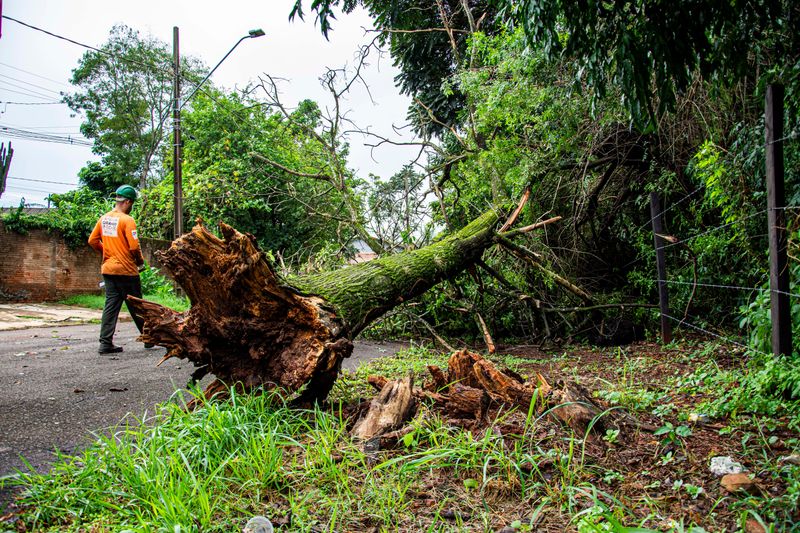
Picture this: a beautiful oak planted just ten feet from your house looked adorable as a sapling. Twenty years later, its roots are cracking through your foundation.
Planting trees too close to homes, fences, and driveways is one of the most common tree planting mistakes in Missouri. It feels harmless at first.
Roots need room to spread wide and deep. When structures block their path, roots get creative and go where they should not.
Crowded roots often grow along the surface instead of downward. Surface roots are weaker anchors, which means the whole tree becomes unstable during high winds.
Your Missouri Garden Changes Every Week. Your Plan Should Too.
Gardening in Missouri changes quickly throughout the season. Every Friday you’ll receive a simple weekly plan showing exactly what to plant, prune, fertilize, harvest, and protect so you never miss the right timing.
Storm damage near structures is frequently caused by trees that were placed too close at planting. The tree itself may be healthy, but its position makes it a hazard.
Branches also become a serious problem when trees grow too near rooflines. During storms, overhanging limbs scrape shingles, crack gutters, and smash windows.
A general rule of thumb is to plant large trees at least 20 feet from any structure. Smaller ornamental trees need at least 8 to 10 feet of clearance.
Thinking about a tree’s mature size before planting saves enormous headaches later. A little planning at the nursery prevents a very expensive cleanup after the next big storm.
3. Shallow Root Systems Are A Common Culprit In Missouri Storms
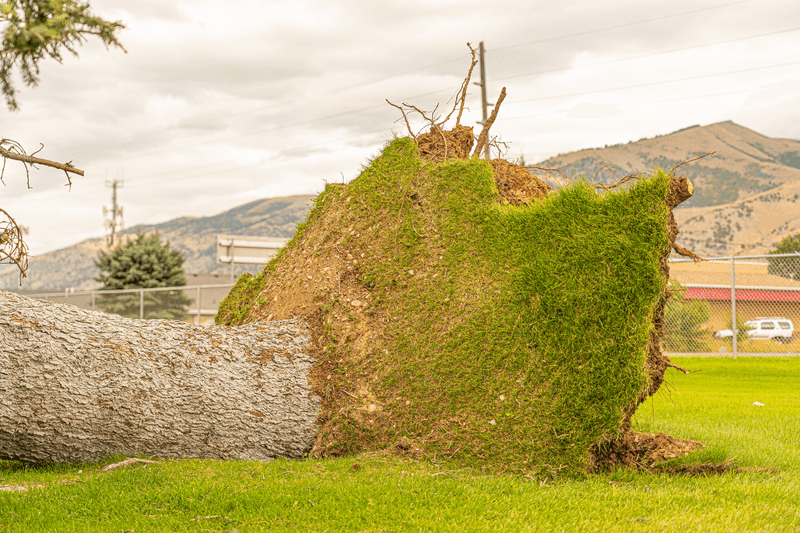
Shallow roots look almost shocking when a storm pulls a big tree right out of the ground. The root ball is barely the size of a kiddie pool.
Shallow root systems are one of the sneakiest tree planting mistakes in Missouri. They develop slowly and invisibly, until a storm makes them impossible to ignore.
Roots go shallow for several reasons. Planting too deep is a big one, because it starves the upper roots of oxygen and forces shallow growth.
Overwatering also encourages shallow roots. When surface soil stays moist all the time, roots have no reason to search deeper for water.
Compacted soil is another major factor. Roots struggle to push through hard, dense ground, so they spread along the top where soil is easier to navigate.
A tree with deep, wide roots grips the earth like an anchor. A tree with shallow roots grips the earth like a thumbtack in drywall.
Watering deeply and infrequently trains roots to grow downward. This simple habit builds a root system that can actually hold the tree steady during strong winds.
Checking your watering schedule and soil condition now is worth the effort. A small adjustment today can mean the difference between a standing tree and a fallen one after the next storm season.
4. The Wrong Tree In The Wrong Place
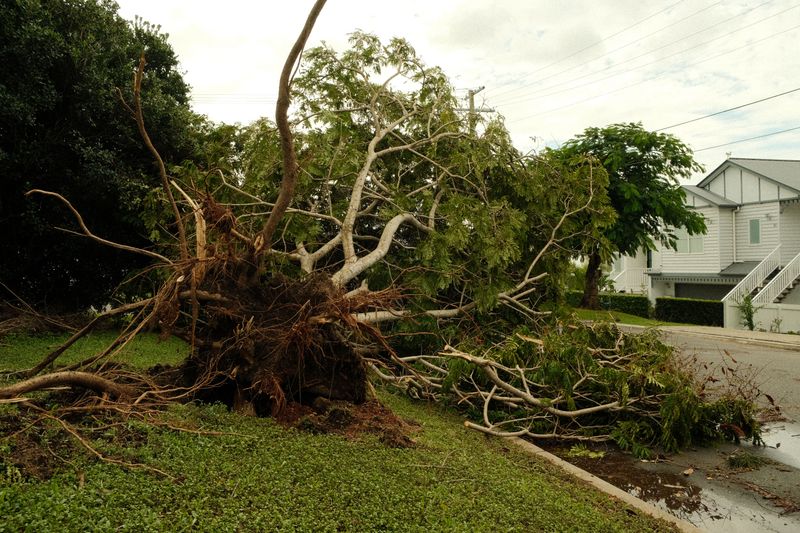
Not every tree belongs in every yard. Choosing the wrong species for a location is like wearing sandals to a snowstorm.
Species mismatches are a widespread problem and one of the most overlooked tree planting mistakes in Missouri. Some trees simply cannot handle the local soil, climate, or space requirements.
Silver Maples are a perfect example. They grow fast and look gorgeous, but their wood is brittle and they split dramatically in storms.
Bradford Pear trees have a similar reputation. Their tight branch angles create structural weak points that crack apart under wind and ice loads.
Native species tend to perform far better during harsh weather. Trees like Bur Oak, Shagbark Hickory, and Sycamore evolved alongside Missouri’s weather patterns and are naturally more resilient.
Matching a tree to the right soil type matters just as much as species selection. A tree that loves sandy, well-drained soil will struggle and weaken in clay-heavy ground.
Sun exposure is another factor that often gets ignored at planting time. A shade-loving tree planted in full sun grows stressed, and stressed trees break more easily in storms.
Talking to a local nursery expert before buying a tree is genuinely worth the 10-minute conversation. The right species in the right spot grows stronger and stays standing when the wind picks up.
5. Poor Drainage And Compacted Soil Weaken Tree Stability
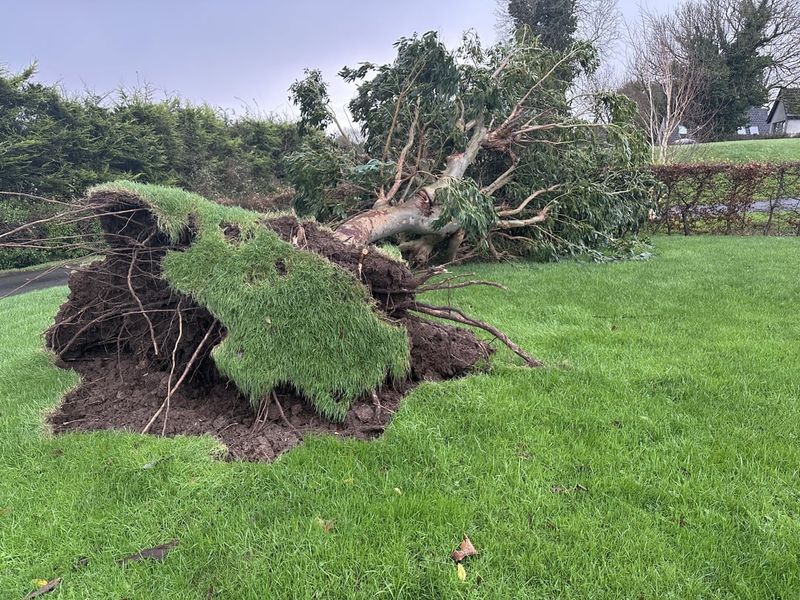
Standing water around a tree base after rain is a red flag worth taking seriously. Soggy soil cannot grip roots the way firm, healthy ground does.
Poor drainage and compacted soil are silent forces behind some of the worst storm damage outcomes. These soil conditions are deeply tied to tree planting mistakes in Missouri.
When soil stays saturated, roots begin to rot. Rotting roots lose their grip on the earth, and even a moderate storm can topple the whole tree.
Roots struggle to penetrate hard ground, so they stay near the surface where they offer little structural support.
Construction activity near trees is a leading cause of soil compaction. Heavy equipment rolling over the root zone crushes soil particles together and destroys root-friendly structure.
Amending soil before planting makes a significant difference in long-term tree health. Adding organic matter like compost opens up soil structure and improves drainage naturally.
Mulching around the base of a tree also helps. A 3-inch mulch ring retains moisture evenly, prevents compaction, and keeps the root zone healthy through wet and dry seasons.
Assessing your yard’s drainage before planting a tree is a step most people skip. Taking that extra time protects your investment and gives every new tree a genuine fighting chance against Missouri storms.
6. Lessons Missouri Gardeners Can Take From Storm-Damaged Trees
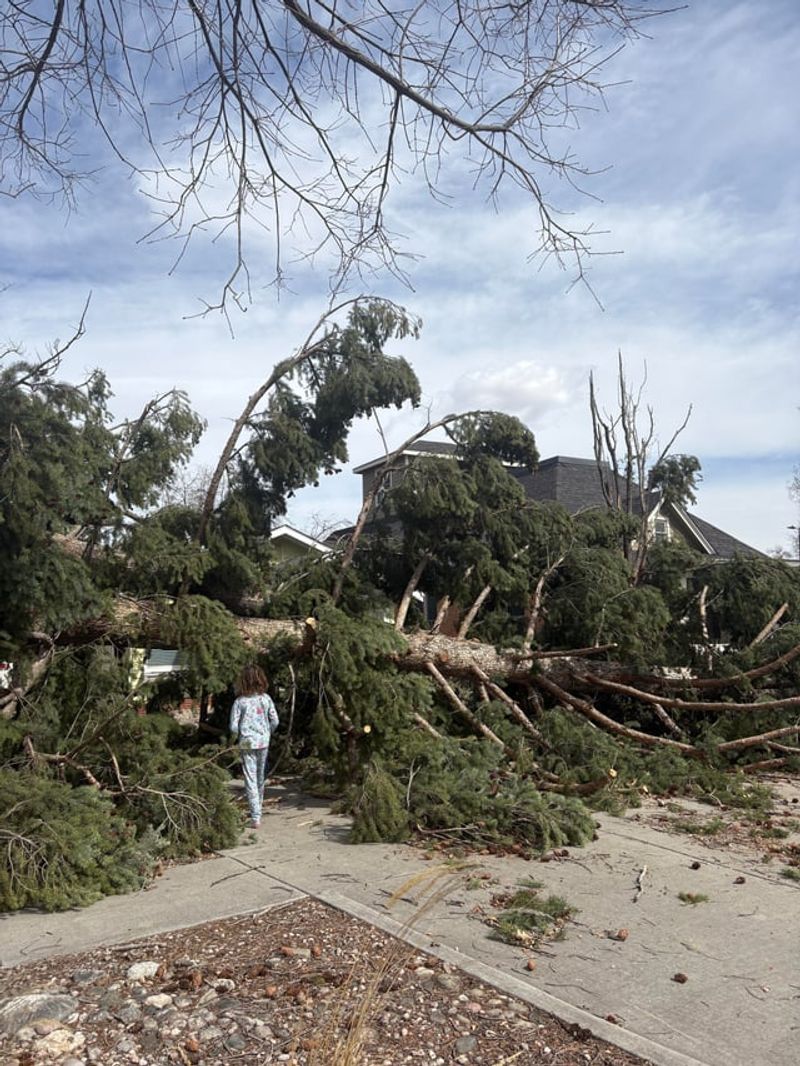
Walking your yard after a storm is not just cleanup duty. It is a free masterclass in what works and what absolutely does not.
Storm-damaged trees carry real lessons about tree planting mistakes in Missouri that are easy to miss until you see them firsthand. The evidence is right there in your yard.
Start by looking at which trees fell and which ones stood firm. That comparison tells you everything about root depth, species choice, and soil health.
Check the root ball of any fallen tree carefully. Shallow, circling, or rotted roots are clues that the problem started long before the storm arrived.
Notice where the damage happened most. Trees near structures, in low spots, or planted in heavy clay soil tend to be the first ones down.
Use these observations to guide your next planting decisions. Choose native species, plant at the correct depth, and always consider mature size before you dig.
Soil testing is a smart follow-up step after storm season. Knowing your soil’s drainage and compaction level helps you correct problems before the next tree goes in the ground.
Every storm that passes through is an opportunity to grow as a gardener. Apply these lessons from storm damage and tree planting mistakes in Missouri, and your next round of trees will have a much better chance of standing strong for years to come.