8 Fence Etiquette Rules Every New Jersey Neighbor Follows
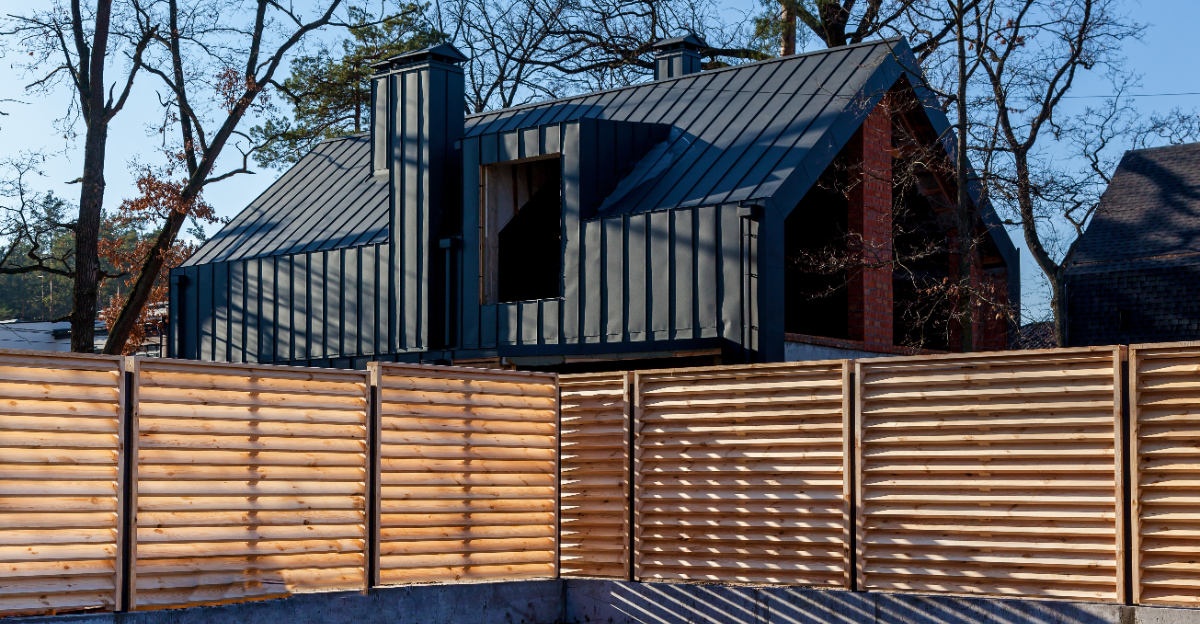
A six-foot property line dispute rarely starts with the fence itself. It starts with a phone call, a raised voice, or a lawyer’s letter taped to your mailbox. New Jersey homeowners learn this the hard way, usually after the posts are already set in concrete.
Property lines here are not suggestions. They are legal boundaries backed by surveys, township codes, and decades of case law that favor the prepared over the polite. One misplaced post can turn a friendly neighbor into a courtroom opponent.
Most disputes, though, are completely avoidable. A handful of rules, followed before the first hole is dug, can save thousands in legal fees and years of awkward waves across the yard.
These eight rules separate homeowners who build in peace from those who build in regret.
1. Confirm The Property Line Before You Build
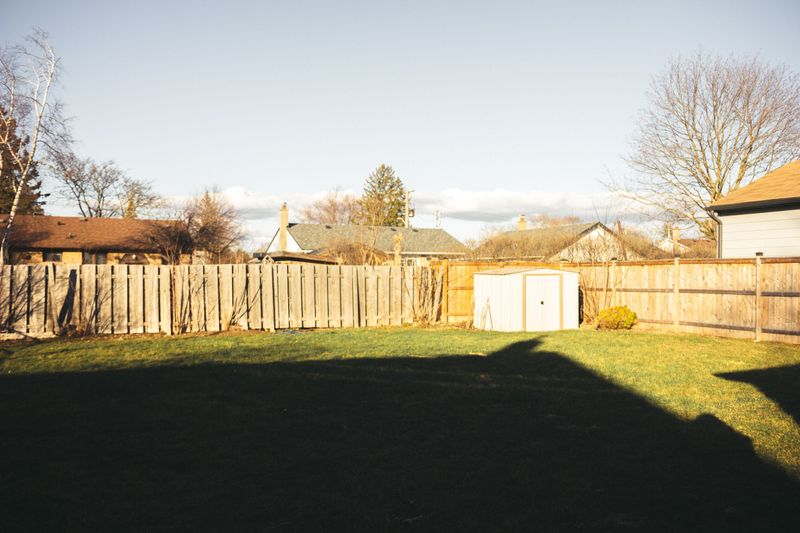
Most fence disasters start the same way. Someone grabs a shovel and guesses where the property line sits.
Guessing is a costly habit. A fence built even six inches over the line can trigger legal action, forced removal, and a neighbor who stops waving hello.
Hiring a licensed land surveyor is the smartest move you can make before any fence project begins. Surveys are not cheap, but they cost far less than tearing down a finished fence.
Your county clerk’s office may already have a recorded plat map on file. That document shows lot dimensions and boundary markers with real precision.
Old wooden stakes or painted rocks in the yard are not reliable guides. Previous owners may have placed them incorrectly, and weather shifts them over time.
Some municipalities in the Garden State require proof of a survey before issuing a fence permit. Check your town’s building department early in the planning process.
Once the surveyor marks your corners, photograph those markers from multiple angles. Keep those photos stored digitally so you always have a reference.
A confirmed property line gives you confidence and clarity. It also protects you if a dispute ever lands in front of a judge.
Neighbors who see you doing things the right way tend to relax about the whole project. Transparency early on builds the kind of goodwill that lasts for years.
2. Set The Fence Back From The Line
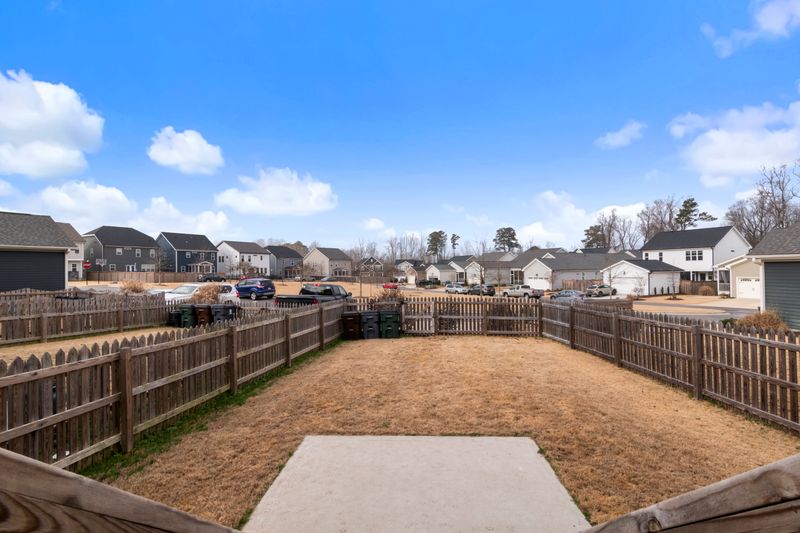
Even after you know exactly where the line is, do not build right up to it. Setting your fence back a few inches is one of those fence etiquette rules that protects everyone.
Most experts recommend pulling the structure back at least two to four inches from the boundary. That small gap prevents a world of headaches.
When a fence sits directly on the line, both neighbors technically share responsibility for it. That arrangement gets complicated fast when repairs come up.
A slight setback keeps the fence entirely on your property. You control it, you maintain it, and no one can claim a stake in your decisions.
Maintenance is another big reason to leave breathing room. Painting, staining, and replacing boards all require access to both sides of the structure.
Your New Jersey Garden Changes Every Week. Your Plan Should Too.
Gardening in New Jersey changes quickly throughout the season. Every Friday you’ll receive a simple weekly plan showing exactly what to plant, prune, fertilize, harvest, and protect so you never miss the right timing.
If your fence touches the line, your neighbor controls what happens on their side. That means you could end up with an unpainted, weathered exterior facing their yard.
Setback rules also vary by municipality across the state. Some towns require fences to sit a specific distance from the property edge, so always verify local ordinances before digging.
Front yard fences often carry stricter setback requirements than backyard ones. Zoning maps and building departments can clarify those distinctions quickly.
A small setback is a simple act of thoughtfulness. It signals to your neighbor that you are building with awareness, not just convenience.
3. Talk To Your Neighbor Before You Start
A quick conversation can prevent months of tension. Before the first post goes in the ground, knock on your neighbor’s door.
You do not need their permission to build on your own property. But giving them a heads-up shows respect and builds trust.
Let them know the style of fence you have chosen and where it will sit. Share your timeline so they are not caught off guard by construction noise on a Saturday morning.
Neighbors who feel included are far less likely to file complaints or challenge your permit. People generally respond well when they feel considered rather than ignored.
This conversation also gives your neighbor a chance to raise legitimate concerns early. Maybe a fence post would block a drainage path or shade a garden they love.
Catching those issues before you build saves you from costly changes later. A five-minute chat is worth more than a week of backtracking.
Some neighbors may even want to share the cost if the fence benefits both yards. That kind of arrangement should absolutely be formalized in writing, but the conversation starts here.
If your neighbor speaks a different language, consider bringing a simple sketch or diagram. Visual communication bridges gaps when words fall short.
The goal is not to ask for approval but to build a relationship. Good neighbors make daily life better, and a thoughtful conversation sets the right tone from day one.
4. Turn The Finished Side Outward
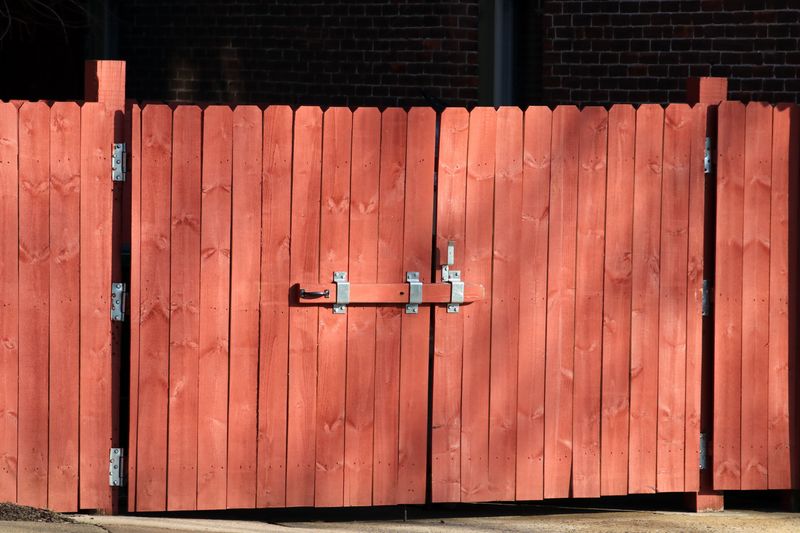
Here is one of those fence etiquette rules that trips up a lot of first-time builders. The finished, attractive side of the fence should face outward toward your neighbor’s yard.
The structural side, with its rails and posts exposed, faces inward toward your own yard. That arrangement is the long-standing standard in most American neighborhoods.
Think of it from your neighbor’s perspective. They did not choose this fence, and they did not pay for it. Pointing the rough side at them feels like a small but real insult.
Presenting the clean face outward is a sign of courtesy. It tells the people around you that you care about the shared visual environment of the block.
Some fence styles, like split rail or certain aluminum designs, look the same on both sides. Those options are a great choice when you want to sidestep the issue entirely.
Board-on-board cedar fencing is another popular solution for New Jersey homeowners. The overlapping design looks attractive from both sides without sacrificing privacy.
Local ordinances in some towns actually require the finished side to face out. Always check your municipality’s fence code before choosing a style or direction.
If you are replacing an old fence, try to match the orientation of the original structure. Sudden changes in fence direction can create confusion and conflict with neighbors who expected consistency.
A fence that looks good on both sides is a gift to the whole neighborhood. That small design choice says more about your character than you might expect.
5. Get A Permit First
Skipping the permit is tempting because the process feels slow and bureaucratic. But building without one is a gamble that rarely pays off.
Most New Jersey municipalities require a permit once a fence passes a certain height, though the exact threshold shifts from town to town. Checking with your local building department before you buy materials saves you from guessing wrong.
Without a permit, you risk a stop-work order mid-construction. Inspectors can also require full demolition of an unpermitted structure, which means starting over from scratch.
Permit fees vary by town but are generally modest. Paying a small fee upfront is far better than absorbing the cost of rebuilding an entire fence.
The permit process also forces a useful review of your plans. Building officials check for zoning compliance, setback requirements, and height restrictions before approving anything.
That review catches problems you might not have noticed on your own. Catching them on paper is always cheaper than catching them in the field.
Homeowners associations add another layer to the approval process. Many HOAs in the state require separate written approval before any fence project begins.
When you eventually sell your home, unpermitted structures can delay or derail the closing. Buyers and their inspectors look for permit records, and gaps raise red flags.
Getting the permit is not just about following rules. It is about protecting the investment you are making in your property and your peace of mind.
6. Don’t Build A Spite Fence
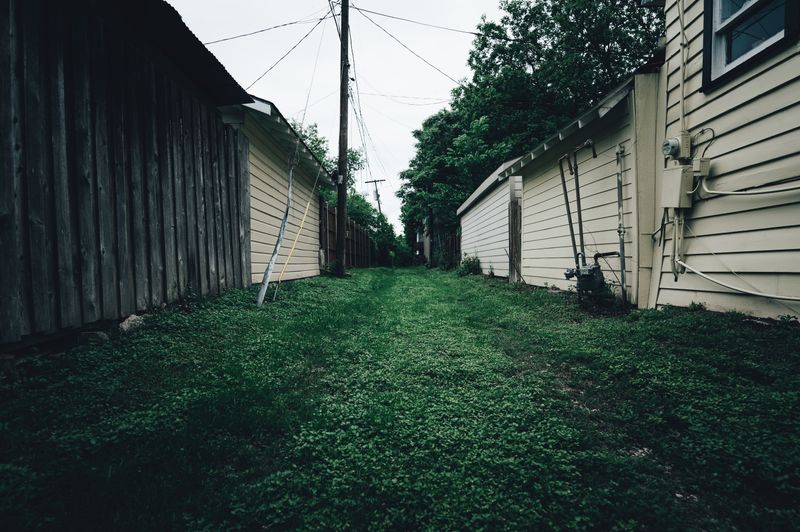
A spite fence is exactly what it sounds like. It is a structure built not for function or privacy, but to annoy, block, or punish a neighbor.
Courts in several states have ruled against homeowners who built excessively tall or intentionally obstructive fences with no legitimate purpose. New Jersey homeowners are not exempt from this kind of scrutiny.
Judges tend to look closely at intent in these cases, and a fence built purely out of anger rarely holds up well under scrutiny.
Beyond the legal risk, spite fences tend to escalate conflicts rather than resolve them. What starts as a boundary dispute can turn into years of hostility and legal bills.
If you are frustrated with a neighbor, a fence might feel like a satisfying solution. But building one out of anger almost always makes the underlying problem worse.
Mediation services are available in many New Jersey counties for exactly these situations. A neutral third party can help both sides reach an agreement without a courtroom.
Legitimate fences serve real purposes: privacy, safety, pet containment, or aesthetic improvement. When those purposes drive your decision, you are on solid legal and ethical ground.
Height is one of the clearest indicators of intent. A fence that suddenly jumps to eight or ten feet with no practical reason raises immediate suspicion.
Build for function, not frustration. A fence that serves a clear purpose protects your rights without putting your relationship, or your legal standing, at risk.
7. Get Agreements In Writing

Handshake deals feel friendly in the moment. But memory is unreliable, and people’s circumstances change in ways no one predicts.
If your neighbor agrees to share fence costs, put that agreement in writing before any work begins. A simple signed document protects both parties equally.
The agreement should spell out who pays what percentage of the total cost. Include a description of the fence style, materials, and the agreed-upon location.
Note the timeline for payment and what happens if one party needs to back out. Clear terms prevent misunderstandings from hardening into genuine disputes.
Some homeowners choose to have a real estate attorney draft the agreement. That step adds a layer of formality that makes the document easier to enforce if needed.
At minimum, both neighbors should sign and date the document. Each party should keep an original copy stored somewhere safe and accessible.
Written agreements also matter for maintenance responsibilities. Decide in advance who handles repairs, painting, and replacement when sections wear out.
If the fence sits on a shared line, document that fact explicitly. Future owners of either property will benefit from knowing the arrangement that was established.
Real estate transactions move faster and cleaner when fence agreements are on record. Buyers appreciate clarity, and a documented agreement adds value rather than creating confusion.
A fence can hold up a boundary, but a signed agreement is what holds up the relationship behind it. Protect your investment and your relationship with one signed piece of paper.
8. Never Attach Anything Without Asking
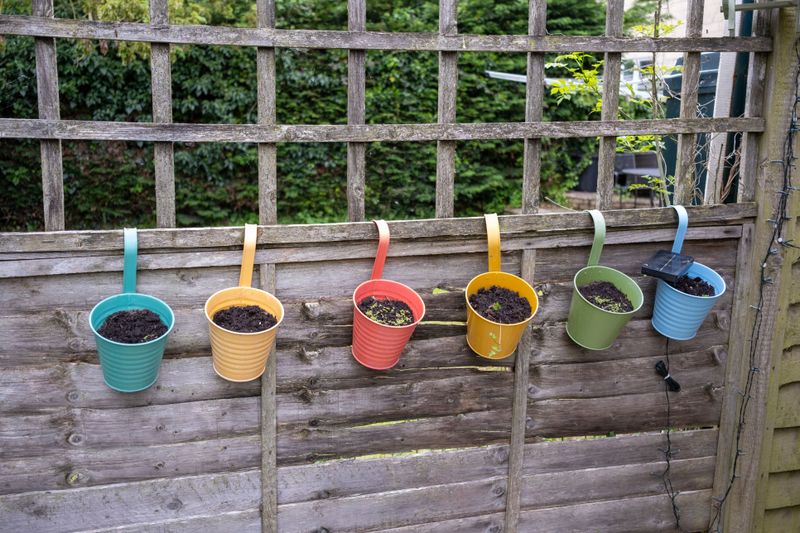
Your neighbor’s fence is their property, not a shared utility. Attaching anything to it without permission crosses a clear line.
Climbing plants, garden hooks, string lights, and basketball nets all seem harmless. But mounting them on someone else’s fence without consent is a clear overstep of their property rights.
Weight and moisture from attached items can accelerate fence deterioration. Your neighbor paid for that structure and has every right to keep it in the condition they choose.
The same rule applies in reverse. If a neighbor attaches something to your fence without asking, you have the right to request its removal.
A polite conversation usually resolves these situations quickly. Most people do not realize they have crossed a boundary until someone points it out calmly.
If you want to use their fence as a support for your garden, just ask first. Most neighbors are happy to accommodate a reasonable request when approached respectfully.
Mutual attachment agreements should also be documented. If both parties agree to share the fence surface for plants or lighting, write it down and sign it.
Keep in mind that fence etiquette rules extend beyond the structure itself. The space immediately around a shared fence line deserves the same level of respect.
Sprinklers that spray onto a neighbor’s fence panels, for instance, can cause warping and rot over time. Awareness of how your choices affect shared spaces is the foundation of good-neighbor behavior.
Ask before you attach, always. That one habit keeps small irritations from growing into the kind of conflict that lingers over a neighborhood for years.