This Domesticated Bird Helps Virginia Yards Fight Off Ticks
Picture this: you’re relaxing on the porch after a long day outside, then you spot it, a tiny dark speck crawling up your ankle. Ticks have turned quiet summer evenings into itch-check rituals for Virginia families, and the numbers keep climbing every year.
Lyme disease cases in the state have made headlines more than once, leaving homeowners scrambling for anything that actually works. Sprays wash away, traps miss the mark, and chemical treatments raise their own set of worries.
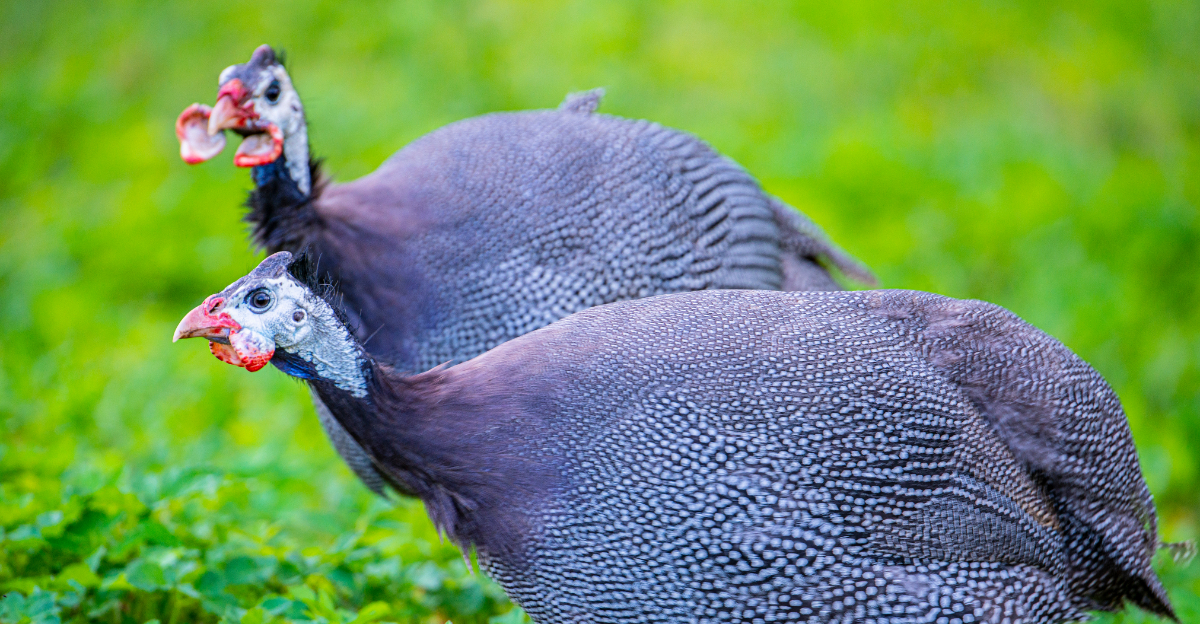
Enter an unlikely hero with feathers, a sharp beak, and an appetite that borders on obsessive. Originally native to Africa, this loud and quirky bird has become something of a secret weapon in rural and suburban yards alike.
These birds strut through grass and brush with purpose, snapping up ticks before they ever get the chance to hitch a ride on your dog or your child. Virginia gardeners are catching on fast.
The Backyard Bird That’s Been Quietly Eating Virginia’s Ticks
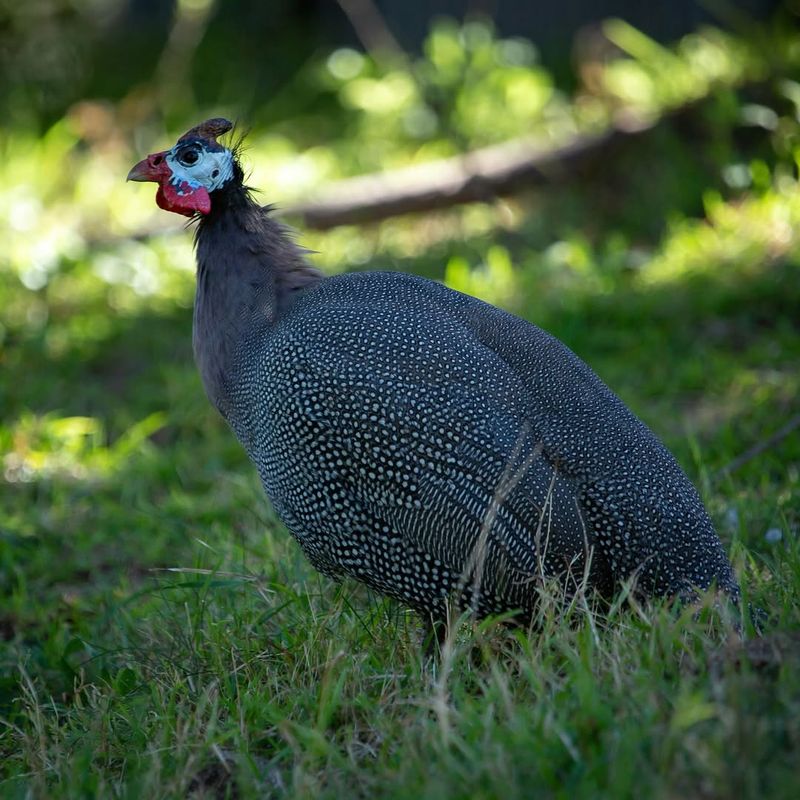
Picture this: a spotted, helmet-headed bird strutting through your lawn like it owns the place. That bird is the guinea fowl, and it has been helping Virginia homeowners fight ticks long before pest control companies existed.
Originally from West Africa, guinea fowl were brought to the United States as working farm birds centuries ago. They never needed a sales pitch because their appetite did all the talking.
Guinea fowl are ground foragers by nature, which means they constantly scan low vegetation for insects. Ticks happen to be one of their favorite snacks, and they find them with impressive accuracy.
Unlike chickens, guinea fowl tend to roam wider areas and stick closer to tall grass edges. That habit puts them exactly where ticks like to wait for a host.
Virginia yards with wooded borders, tall fescue, or leaf litter are prime tick territory. Guinea fowl patrol those zones methodically, almost like they are following a map.
Farmers in the Shenandoah Valley and along the Blue Ridge foothills have kept these birds for generations. Suburban homeowners in Northern Virginia and Richmond are now catching on too.
The bird does not need training, a leash, or a prescription to do its job. It just needs space, water, and a safe place to roost at night.
If you have ever wanted a yard helper that works for birdseed, guinea fowl might be your best hire yet.
Guinea Fowl’s Daily Tick Count Will Surprise You
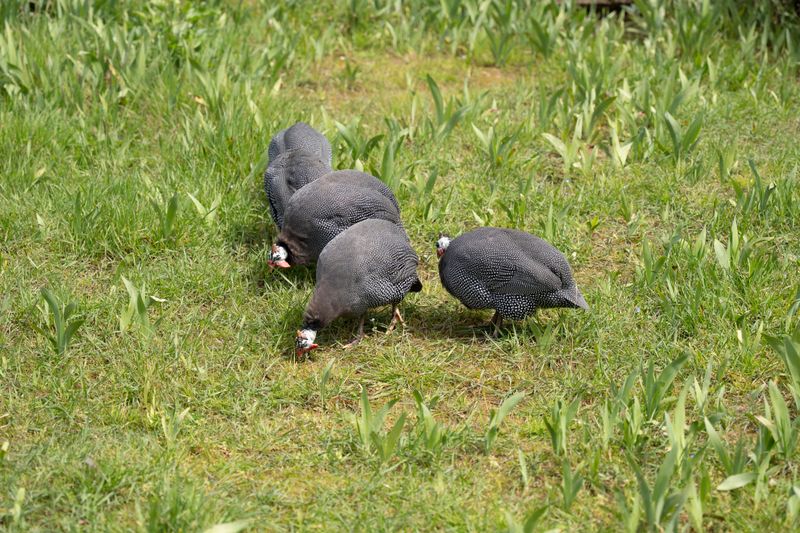
Numbers matter when you are dealing with a tick problem, so let us get specific. Studies and longtime guinea fowl keepers report that one bird can consume several hundred ticks in a single day.
Some estimates push that number even higher when foraging conditions are ideal, though exact figures vary widely and are difficult to confirm.
Guinea fowl do not just eat ticks, they eat a wide range of crawling insects including grasshoppers, beetles, and fly larvae. But ticks seem to trigger a particularly focused foraging response in them.
Researchers believe the slow movement of ticks makes them easy, satisfying targets for these birds. A tick clinging to a blade of grass is practically a sitting target.
Your Virginia Garden Changes Every Week. Your Plan Should Too.
Gardening in Virginia changes quickly throughout the season. Every Friday you’ll receive a simple weekly plan showing exactly what to plant, prune, fertilize, harvest, and protect so you never miss the right timing.
A small flock of six to eight birds can multiply that impact considerably, giving a property noticeably fewer ticks over the course of a season.
That level of insect removal adds up fast over a spring and summer season. Keep in mind that guinea fowl are most active during daylight hours and slow down at dusk.
Their foraging range can vary widely, though many keepers report flocks covering multiple acres of yard and garden space daily.
The raw consumption data alone makes a strong case for adding these birds to any tick-heavy property.
The Yard Spots Where This Bird Earns Its Keep
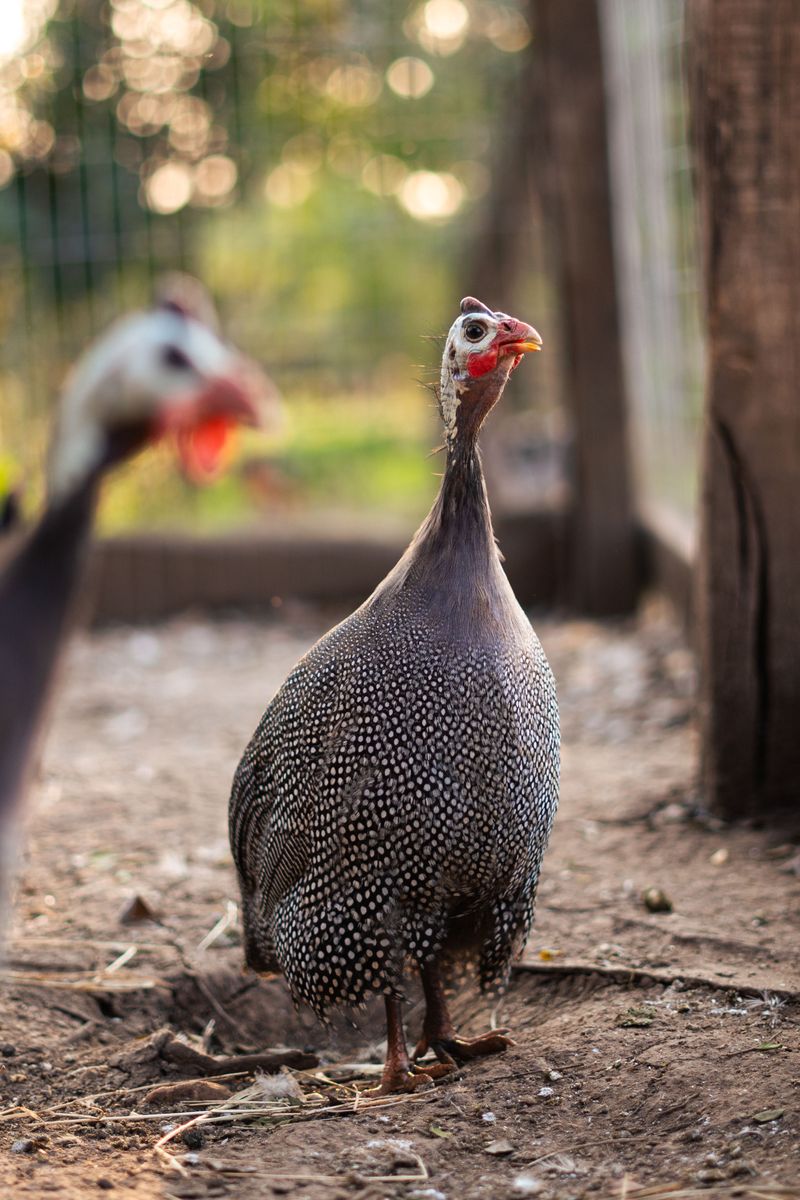
Not every corner of your yard carries the same tick risk, and guinea fowl seem to instinctively understand that. These birds gravitate toward the exact zones where ticks are most concentrated and most dangerous.
Tick hot spots include the border between your lawn and any wooded or brushy area. Researchers call this the transition zone, and it is where many tick encounters tend to happen.
Guinea fowl love to patrol these edges, pecking through leaf litter and low shrubs with real focus. They also work well along fence lines, garden borders, and areas with thick ground cover.
If you have a compost pile, wood stack, or overgrown corner, that is a prime foraging zone for them. Those spots tend to harbor ticks in high numbers because moisture and shade are present.
In Virginia, the black-legged tick, also called the deer tick, is the species most associated with Lyme disease. This species prefers shaded, humid environments, which aligns perfectly with guinea fowl patrol zones.
Lone star ticks, which are also common in the state, tend to be more aggressive and faster-moving. Guinea fowl are known to feed on both species, though how consistently varies by property and season.
Open sunny lawn areas carry lower tick populations naturally, so birds tend to spend less time there. Directing your flock toward wooded edges and shaded garden beds gives you the most tick control per bird.
Strategic placement of water and feed stations near those zones can help guide their daily routes.
This Bird Isn’t A Complete Tick Solution On Its Own
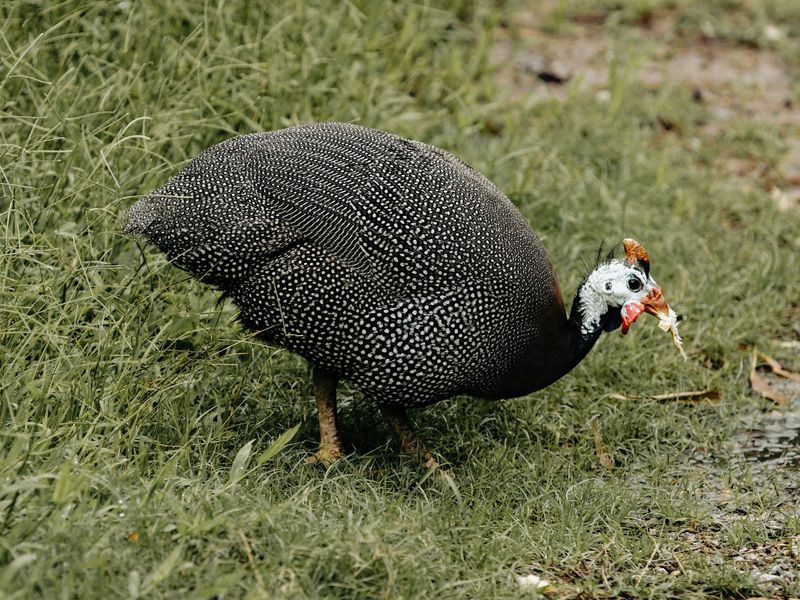
Guinea fowl are genuinely impressive tick hunters, but honesty matters here. No single method eliminates ticks completely, and expecting one flock to fix a severe infestation is setting yourself up for disappointment.
Ticks reproduce quickly, and a single female can lay thousands of eggs in one season. Even a dedicated flock of birds cannot outpace that kind of population growth on its own.
Guinea fowl also have physical limits to how much ground they cover in a single day. A heavily wooded property with dense undergrowth may simply have more tick habitat than the birds can manage.
Weather plays a role too, since guinea fowl do not forage well in heavy rain or extreme cold. During those periods, ticks can continue moving and searching for hosts unchallenged.
There is also the matter of tick life stages, since research suggests guinea fowl reduce adult tick numbers more reliably than nymphs, which are smaller and harder to detect.
For properties with serious tick pressure, guinea fowl work best as one layer in a broader strategy. Combining bird foraging with habitat management creates a much stronger defense overall.
Mowing regularly, clearing leaf litter, and trimming brush near the house reduces tick hiding spots significantly.
Think of guinea fowl as your first line of patrol, not your only line of defense. When used wisely, they punch well above their weight in the ongoing battle against ticks.
The Reality Of Raising Guinea Fowl In A Virginia Backyard
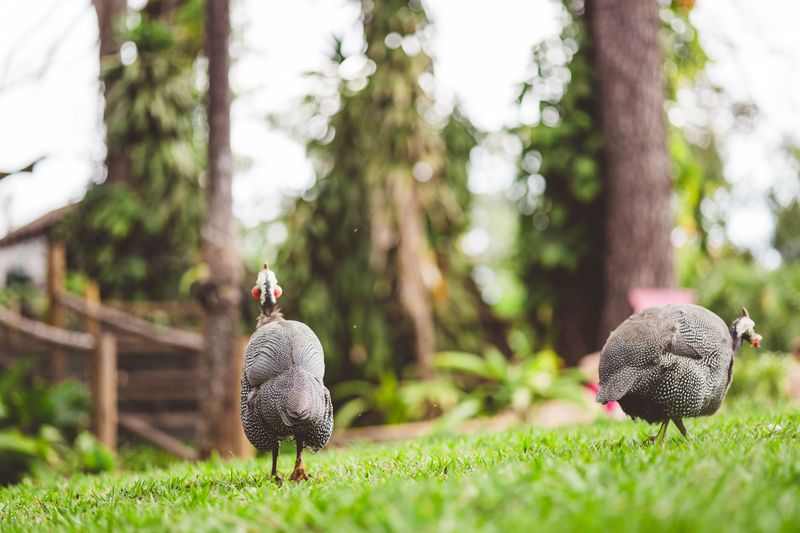
Guinea fowl are not chickens, and anyone who has kept both will tell you that immediately. These birds are louder, more independent, and considerably more opinionated about their daily routine.
Their alarm call is famously piercing and can carry across a surprisingly large distance. Neighbors within earshot will definitely notice when something startles the flock.
On the positive side, that noise makes guinea fowl excellent watchbirds who alert you to predators and strangers. Many Virginia keepers say the alarm call alone is worth the trade-off.
Guinea fowl need a secure coop for nighttime protection from foxes, raccoons, and owls. During the day they free-range happily, but after dark they are vulnerable without shelter.
Virginia winters are generally mild enough for guinea fowl to thrive with basic cold-weather housing. A draft-free coop with good ventilation keeps them healthy through most of the year.
Feeding them is straightforward since they supplement their diet heavily with foraged insects. A standard game bird feed or poultry pellet covers their nutritional needs on low-insect days.
One thing to prepare for is their tendency to roam beyond your property line. Clipping flight feathers or using low fencing can help keep them closer to home.
Once you adjust to their personality and noise level, many keepers say the tradeoff is well worth it.
Pairing This Bird With Other Tick-Control Methods
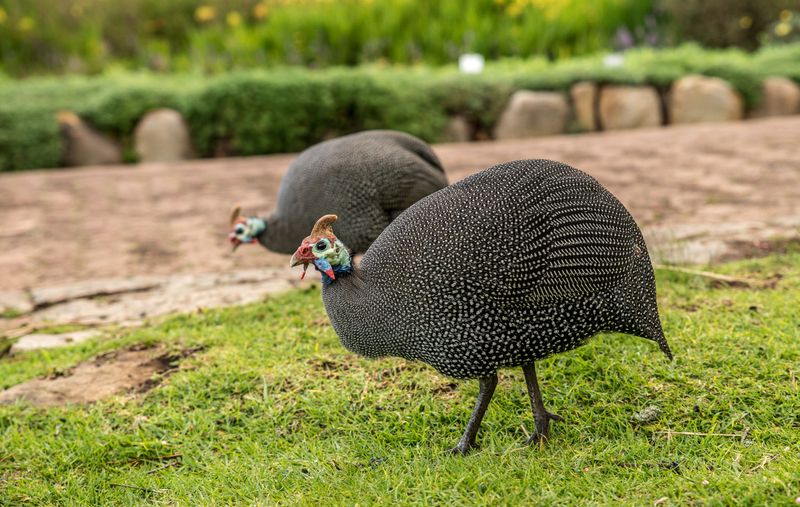
Smart tick control looks like layers, not a single solution doing all the heavy lifting. Pairing guinea fowl with a few targeted strategies creates a yard that ticks genuinely struggle to survive in.
Start with habitat modification, which is the most powerful tool in your arsenal. Removing leaf piles, trimming back brush, and creating a wood chip barrier between lawn and woods cuts tick habitat dramatically.
Acaricide treatments applied by a licensed professional can reduce tick populations quickly in high-pressure areas. Guinea fowl then maintain lower population levels after the initial treatment does its work.
Deer management is another important factor since deer are major tick carriers in Virginia. Planting deer-resistant shrubs along your property edge reduces the number of tick-carrying animals passing through.
Tick tubes, which are cardboard tubes filled with permethrin-treated cotton, target mice that carry larval ticks. Placing them along wooded edges adds another control layer that works independently of the birds.
Personal protection habits matter too, including wearing long sleeves, tucking pants into socks, and doing tick checks after time outside. Guinea fowl reduce risk significantly, but they do not eliminate the need for personal vigilance.
Some Virginia homeowners also use nematodes, which are microscopic organisms that attack ticks in the soil. These work well in moist, shaded areas where guinea fowl spend most of their foraging time.
When all these methods work together, this domesticated bird becomes the cornerstone of a genuinely effective tick-control strategy.