Michigan Vegetable Garden Mistakes That Look Fine In July But Guarantee A Bad August
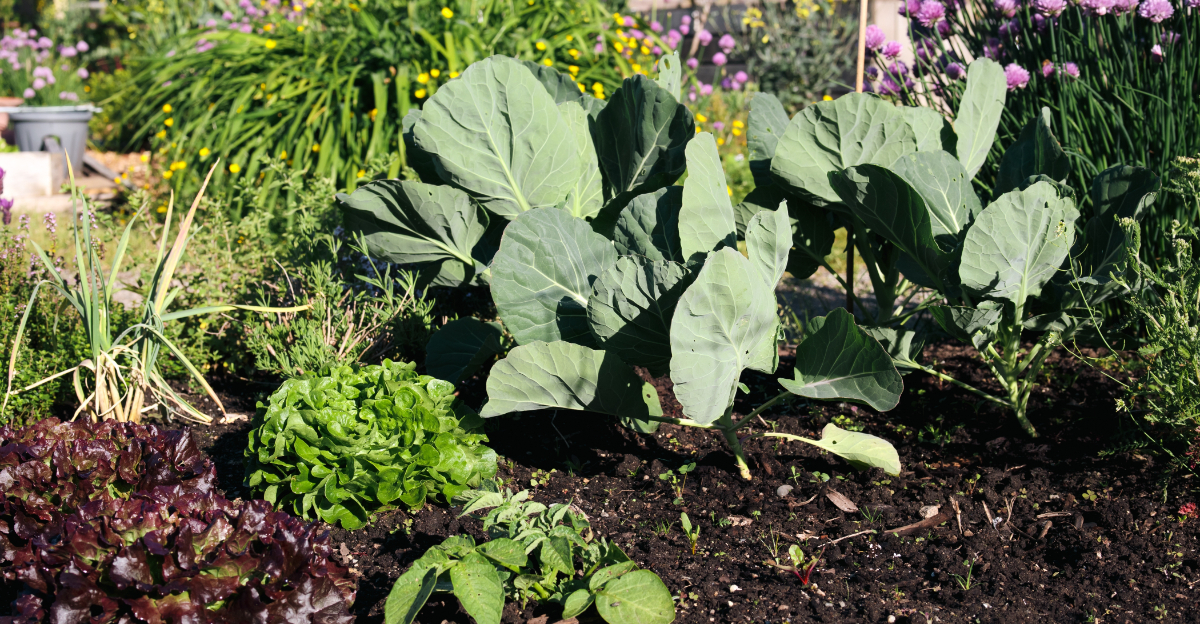
July is the most deceptive month in a Michigan vegetable garden.
Everything looks manageable, production is happening, and the problems quietly building beneath that surface appearance will not announce themselves until August arrives and suddenly several things go wrong at once.
The mistakes driving that August collapse are almost always traceable to decisions and overlooked tasks from July that seemed inconsequential at the time.
Overcrowded beds that look full rather than stressed, soil that appears adequate but is running low on key nutrients, and pest populations building just below the threshold of obvious damage are all setting up the same outcome.
Recognizing these setups in July is the only window that exists to prevent what August would otherwise deliver.
1. Skipping Weekly July Garden Checks
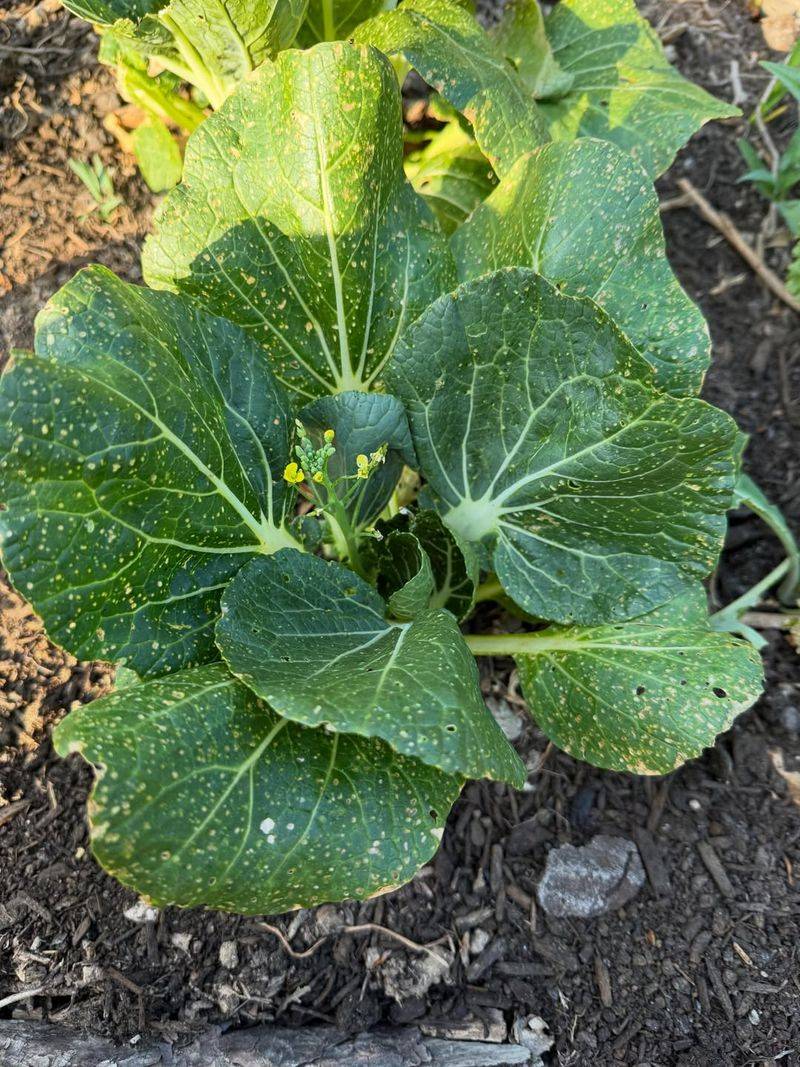
July has a way of making gardeners feel like the hard work is done. Plants are tall, fruit is forming, and everything looks green and healthy from the back porch.
That feeling of confidence is exactly when problems start to sneak in unnoticed.
Weeds can sprout under large leaves without you seeing them for days. Pests move in quietly, moisture stress builds slowly, and vegetables can ripen past their peak while you are busy with summer plans.
None of these problems announce themselves loudly at first. Michigan summers can swing from rainy stretches to dry hot spells within the same week, and your garden responds to every change.
A weekly walkthrough gives you the chance to spot crowded growth, overripe vegetables, early pest signs, and dry soil before any one issue turns into a bigger setback.
Spending fifteen minutes checking your plants every week in July is one of the simplest and most effective habits you can build. Bring a basket for harvesting, look at the base of plants, flip a few leaves, and feel the soil.
Those small actions keep you ahead of problems instead of reacting to them once August arrives and the damage is already done.
2. Letting Weeds Hide Under Big Plants
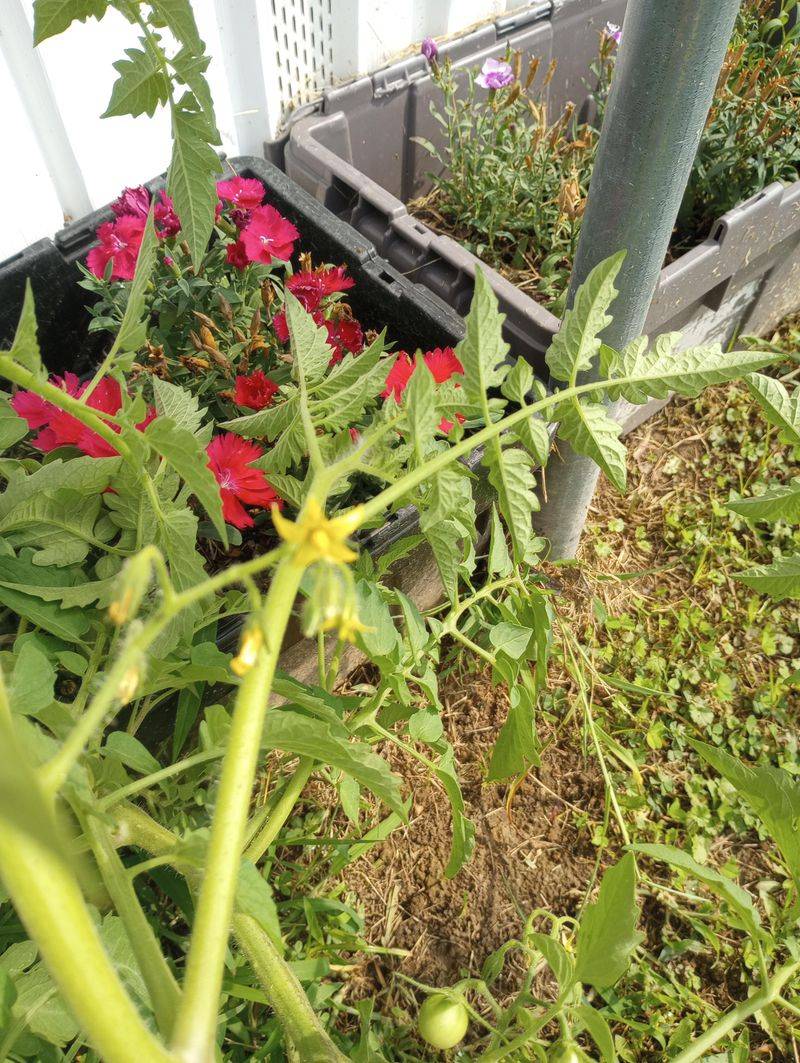
By mid-July, tomato plants can reach shoulder height, squash leaves spread out wide, and cucumber vines start covering everything in sight. It is easy to look at all that lush growth and assume the garden is doing great.
But underneath those big leaves, weeds are often already taking hold.
Weeds compete directly with your vegetables for water, nutrients, and light. Even when you cannot see them from a distance, they are drawing resources away from the plants you actually want to grow.
Worse, thick weed growth near the base of plants creates a sheltered spot where pests can gather and stay hidden from view.
The best time to pull weeds is when they are still small and their roots have not spread deep into the soil. Waiting until August means dealing with larger, tougher weeds that are harder to remove without disturbing nearby vegetable roots.
Make a habit of clearing around the base of tomatoes, peppers, beans, cucumbers, and squash every week while you are already out checking the garden. A few minutes of weeding now saves a lot of frustration later.
Your Michigan Garden Changes Every Week. Your Plan Should Too.
Gardening in Michigan changes quickly throughout the season. Every Friday you’ll receive a simple weekly plan showing exactly what to plant, prune, fertilize, harvest, and protect so you never miss the right timing.
Keeping the ground clear around your plants also improves airflow, which helps reduce moisture buildup and lowers the risk of fungal issues showing up later in the season.
3. Forgetting To Scout Leaf Undersides

A garden can look completely healthy when you are standing up and scanning across the tops of your plants. The leaves are green, the fruit looks good, and nothing seems obviously wrong.
That surface-level view misses a lot of what is actually happening. Spider mites, aphids, squash bug eggs, and caterpillar eggs all tend to gather on the undersides of leaves where they are out of direct sunlight and harder to spot.
By the time their damage shows up on the tops of leaves or on the fruit itself, their population has often already grown significantly. July is exactly when many of these pests become most active in Michigan gardens.
Good scouting means getting up close and personal with your plants. Flip leaves over, check along stems, look inside flowers, and examine young fruit for early signs of damage.
Pay special attention to plants that have been growing quickly, since new growth is often the most attractive to pests. Catching a small cluster of squash bug eggs early and removing them by hand takes about thirty seconds.
Waiting until August when those eggs have hatched and spread across multiple plants makes the whole situation much harder to manage.
A thorough check once a week through July keeps you informed and in control before damage has a chance to build.
4. Leaving Old Cucumbers On The Vine
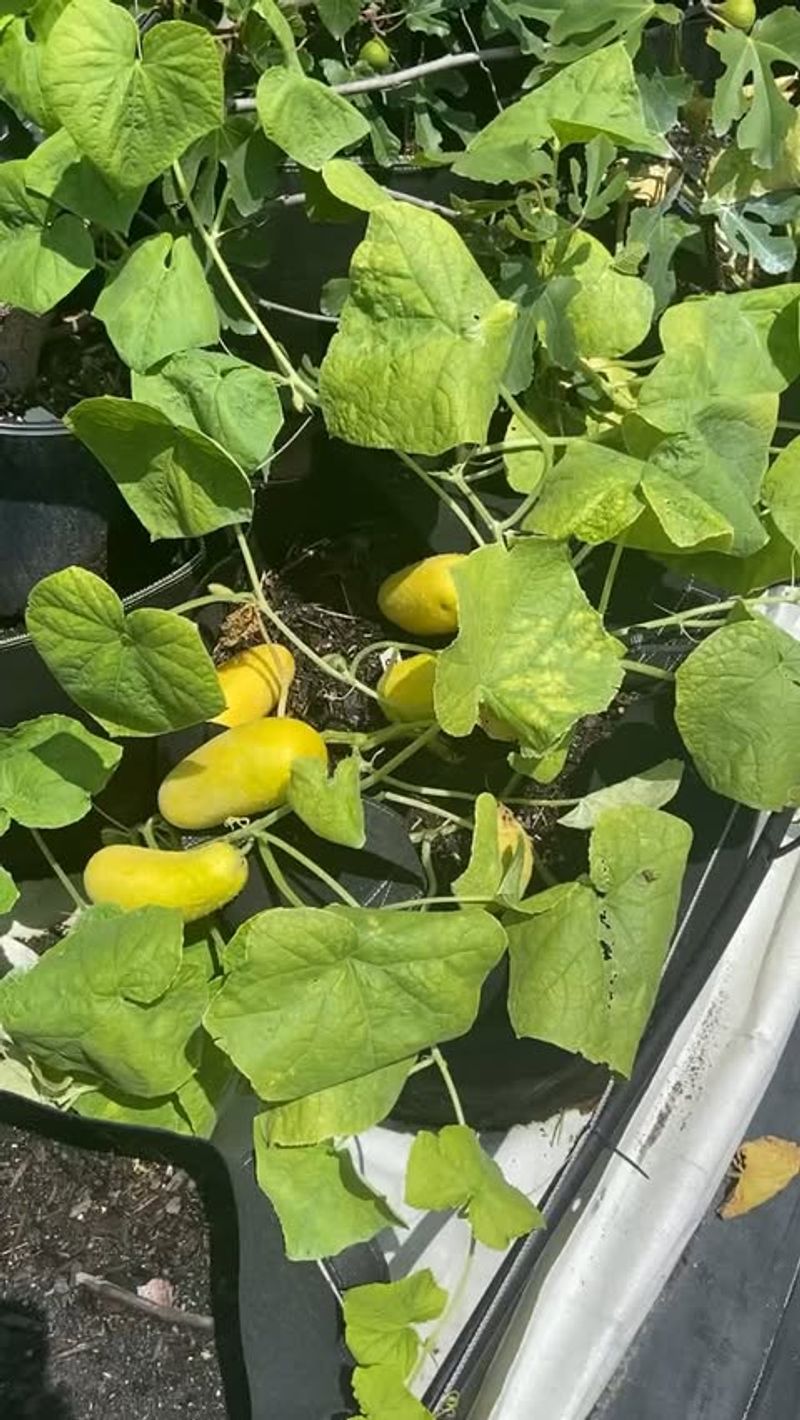
Cucumbers grow fast, and it is surprisingly easy to miss one hiding under a big leaf. One week it looks like a normal-sized cucumber, and the next week it has turned yellow, swollen, and tough.
Most gardeners assume that leaving it on the vine a little longer is harmless, but that one old cucumber can quietly shut down your entire plant.
Michigan State University extension resources explain that cucumber plants signal themselves to stop producing new fruit when they detect a mature, seed-filled cucumber still on the vine.
The plant shifts its energy toward that overripe fruit rather than setting new ones. Even a single forgotten cucumber can cause your plant to dramatically slow down or stop fruiting altogether right when summer harvests should be at their peak.
The fix is straightforward. Check your cucumber vines every two to three days in July and pick every cucumber that is ready, even if you already have plenty.
If you find an oversized one, remove it immediately and compost it. Keeping the vine completely clear of old fruit signals the plant to keep producing.
Consistent picking through July is what keeps cucumbers coming strong into late summer. Gardeners who stay on top of this simple habit often harvest far more cucumbers overall than those who let a few overripe ones linger on the vine unnoticed.
5. Ignoring Small Squash And Zucchini Problems
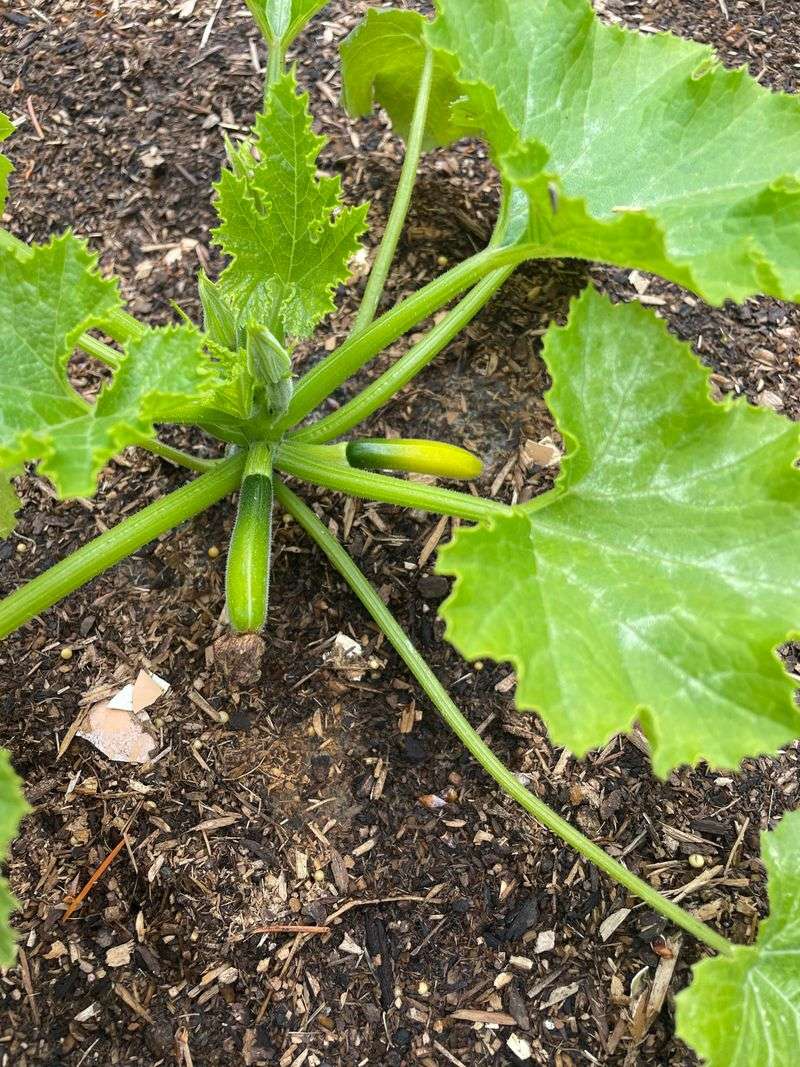
Squash and zucchini plants can look absolutely massive and unstoppable in July. The leaves are enormous, the plants seem full of energy, and fruit is showing up faster than most families can eat it.
That impressive size is part of why problems often go unnoticed until they are already serious.
Large leaves are great at hiding trouble at the base of the plant. Squash vine borer damage, stem soft spots, powdery mildew patches on lower leaves, and pest eggs can all develop quietly in the shaded area near the crown.
Oversized zucchini hiding under leaves pull energy away from new growth, similar to what happens with cucumbers. The plant looks fine from above while the real trouble is building closer to the ground.
Getting into the habit of crouching down and checking the base of your squash plants every week in July makes a real difference.
Look at the main stem for any soft or discolored spots, check the undersides of lower leaves for powdery mildew or eggs, and remove any zucchini that has grown too large.
Squash vine borers are most active in Michigan during July, so catching their entry points early gives you the best chance to respond.
Staying observant during what feels like the easiest part of the season is how gardeners keep their squash productive well into August and beyond.
6. Watering Only When Plants Wilt
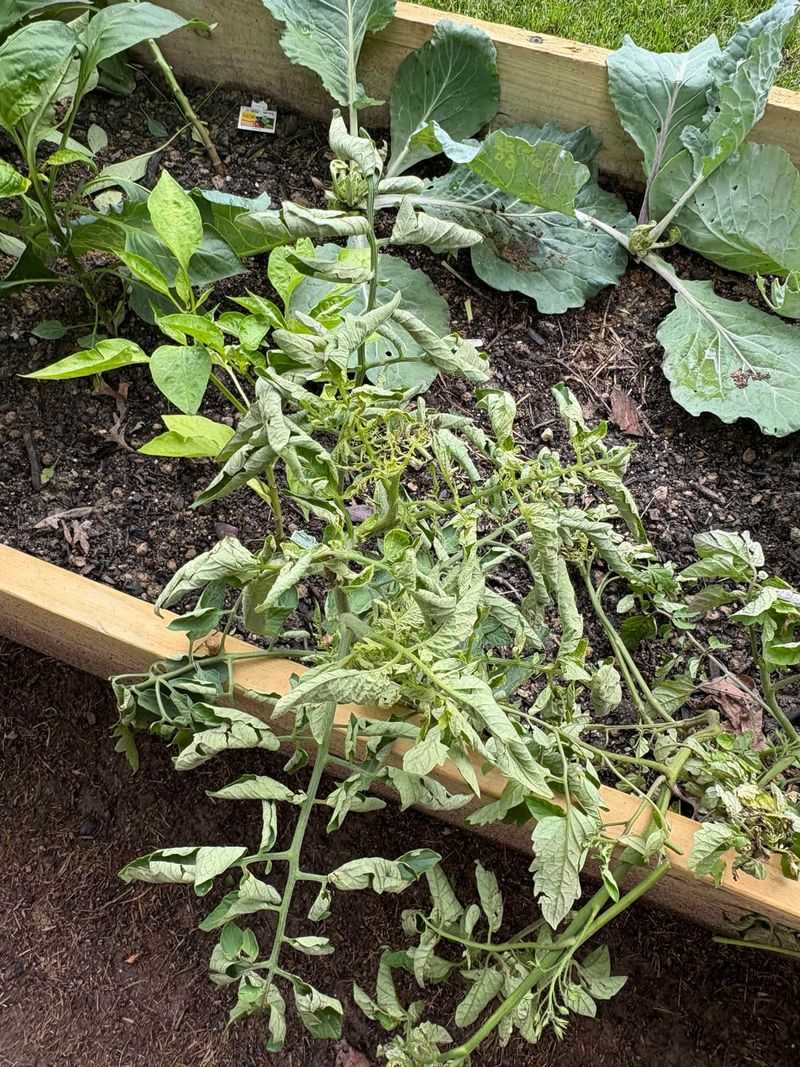
Wilting is not the first sign that a plant needs water. By the time your tomatoes or peppers are drooping in the afternoon heat, they have already been under stress for a while.
Waiting for that visible sign before turning on the hose is a reactive approach that adds up over time.
Tomatoes, peppers, cucumbers, beans, and squash all perform better with steady, consistent moisture rather than cycles of drought and sudden soaking.
Uneven watering in July contributes to blossom end rot in tomatoes and peppers, bitter cucumbers, and cracked fruit.
Michigan summers can bring hot dry stretches that dry out garden soil faster than gardeners expect, especially in raised beds or sandy soil areas.
Deep, consistent watering at the soil level is far more effective than frequent shallow watering from above. Soaker hoses or drip irrigation keep moisture going directly to the roots without wetting the foliage, which helps reduce fungal problems.
Mulching around your plants with straw, wood chips, or shredded leaves slows moisture loss significantly and keeps soil temperatures more stable during heat waves.
Checking soil moisture with your finger a few inches down gives you a much more accurate picture than looking at the surface alone.
Building a regular watering schedule based on weather conditions rather than waiting for visible stress is one of the best things you can do for your garden in July.
7. Letting Crowded Plants Trap Humidity
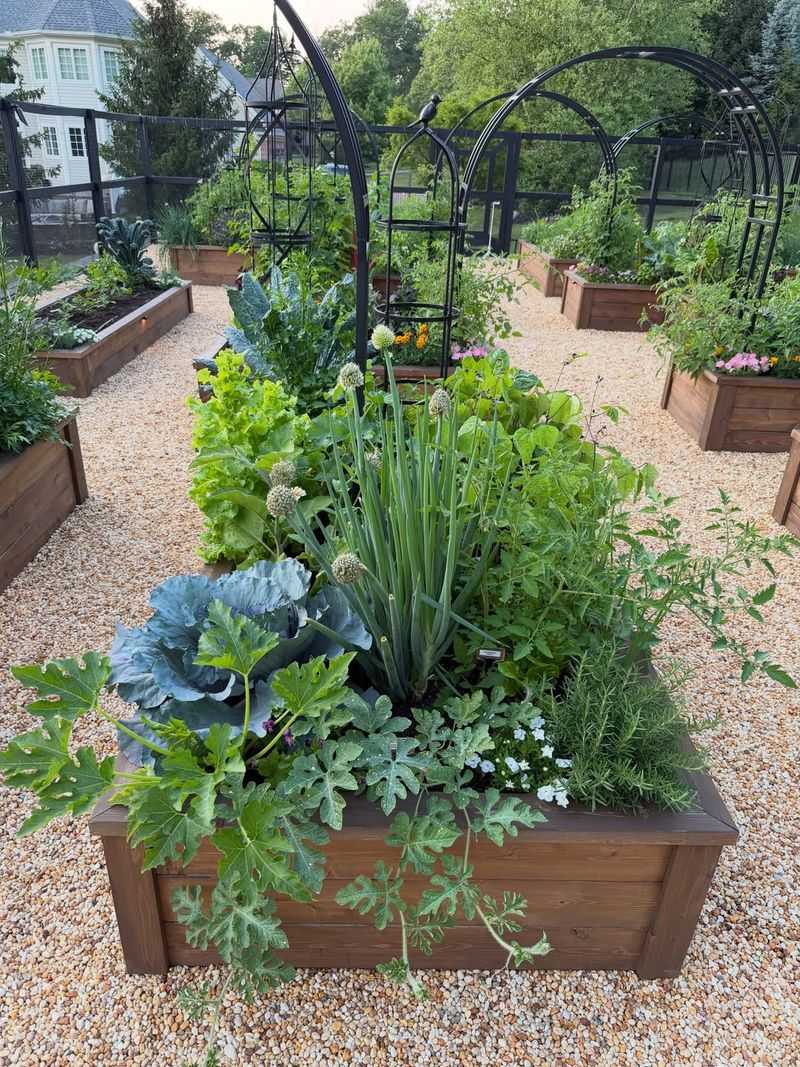
July growth in a Michigan vegetable garden can be genuinely impressive. Tomato plants branch out in every direction, squash leaves overlap each other, and cucumber vines reach for anything they can grab.
It all looks productive and full of life, but that thick canopy can quietly set up conditions for August disease problems.
When air cannot move freely through a garden, humidity gets trapped inside the plant canopy. That warm, still, moist environment is exactly what fungal diseases like early blight, late blight, and powdery mildew need to spread quickly.
Once these diseases get established in humid conditions, slowing them down takes real effort and time you might not have heading into late summer.
Keeping airflow open through your garden does not require drastic pruning. Removing the lowest leaves on tomato plants, guiding cucumber vines upward on a trellis, and redirecting squash growth away from walkways all make a meaningful difference.
Staking tall plants keeps them upright and separated rather than leaning into each other. Clearing weeds from between rows also helps since dense ground cover adds to humidity at the base of plants.
None of these steps take long, but doing them in July while plants are still manageable is much easier than trying to untangle an overgrown garden in August when disease may already be spreading through the leaves.
8. Missing The Fall Crop Window
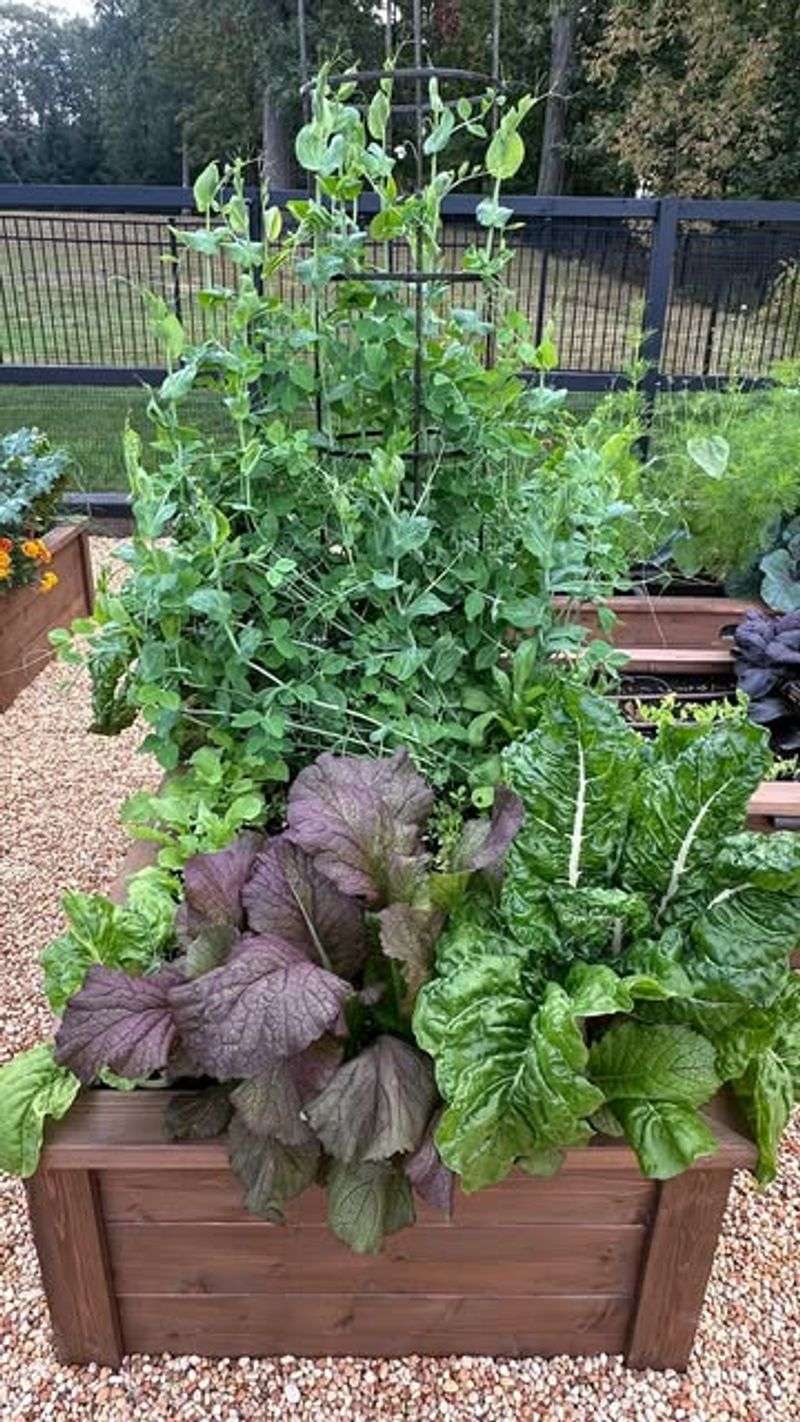
Most Michigan gardeners spend July focused entirely on what is already growing. Tomatoes are ripening, beans are coming in fast, and squash seems to be multiplying overnight.
With so much happening, it is easy to overlook the fact that July is also the time to start thinking about fall crops.
Michigan State University extension guidance points out that July is a key window for planting fall vegetables including radishes, spinach, greens, beets, turnips, cabbage, and even some beans and sweet corn varieties, depending on timing.
These crops need enough growing days before the first fall frost, and that window gets shorter with every week that passes.
Waiting until August to think about fall planting means some crops simply will not have enough time to mature before cold weather arrives.
You do not need a lot of space to grow a solid fall garden. As summer crops finish or slow down, those cleared beds become perfect spots for fast-growing fall vegetables.
Start by checking your average first frost date for your part of Michigan and count backward from there to figure out which crops still have time. Radishes and spinach are among the quickest and easiest to squeeze in.
Planning even one or two fall crops in July adds weeks of fresh harvests to your season and makes the most of garden space that might otherwise sit empty during the best planting window of late summer.
9. Feeding Instead Of Diagnosing
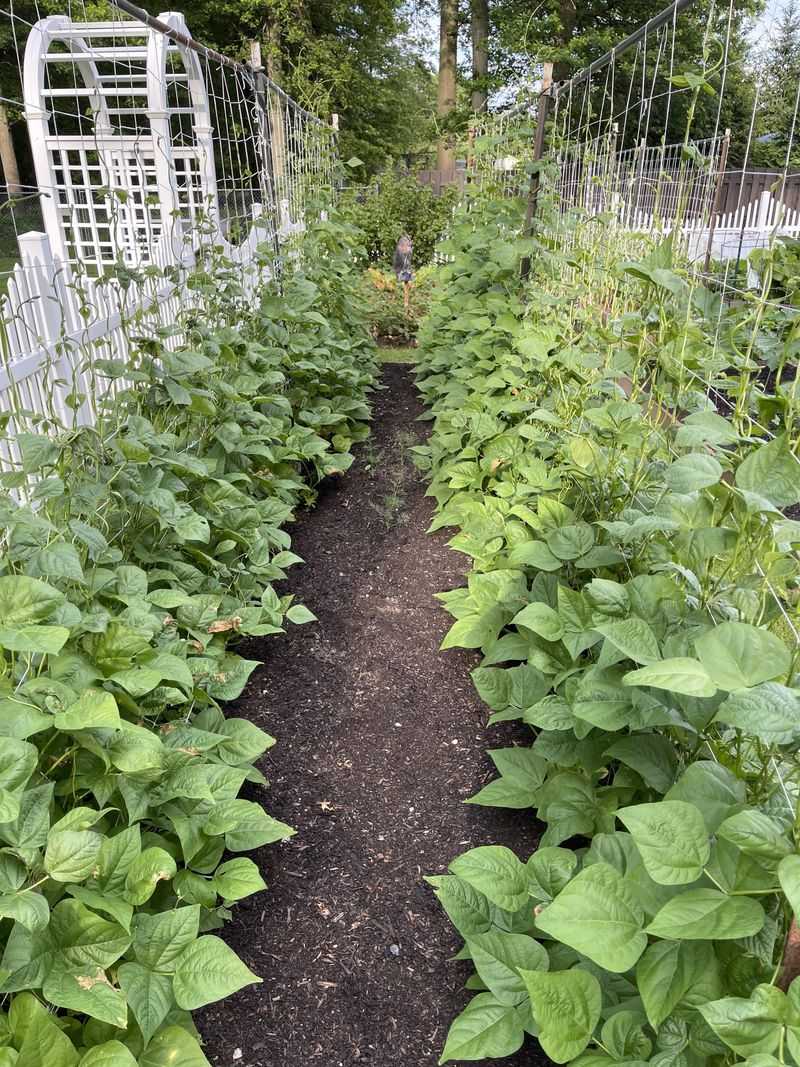
When something looks off in the garden, fertilizer is often the first thing gardeners reach for. Yellow leaves, slow growth, or plants that seem stuck can all feel like obvious signs of a nutrient problem.
Sometimes that instinct is right, but plenty of times it is not, and adding fertilizer to the wrong situation can make things worse.
Yellowing leaves in July can come from overwatering, underwatering, compacted roots, pest damage, fungal infection, or simply the natural aging of lower leaves as the plant focuses energy upward.
Slow growth can be caused by heat stress, waterlogged soil, or root damage from pests like squash vine borers.
Wilting during the hottest part of the day is often just a normal response to afternoon heat and not a sign of any problem at all. Fertilizing without understanding the actual cause adds salts to the soil and can stress roots that are already struggling.
Before adding anything to the soil, take a few minutes to actually investigate. Check the moisture level a few inches down.
Look at the stems and leaf undersides for pest activity. Notice whether the yellowing is happening on older lower leaves or on new growth, since that pattern gives real clues about what is actually going on.
Pulling back a little soil near the base of a struggling plant can reveal root problems or pest damage that no amount of fertilizer will fix. Accurate diagnosis always leads to better results than guessing.
10. Waiting Until August To Fix July Problems
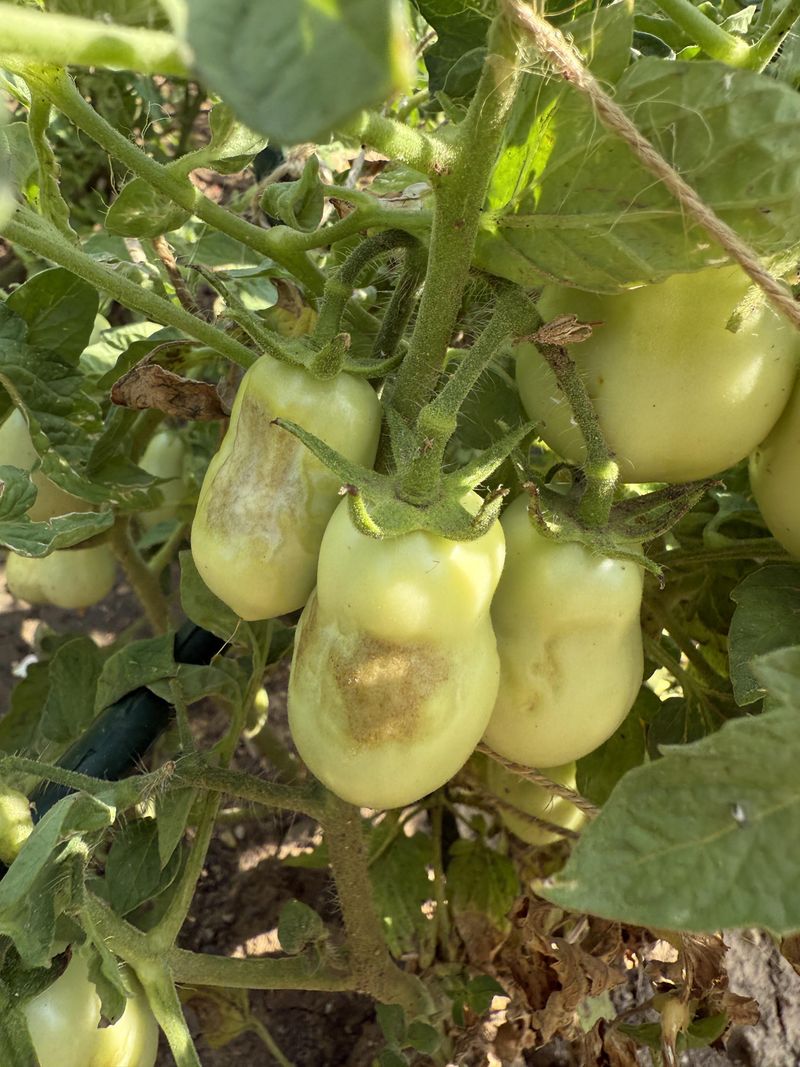
There is a tempting logic to putting garden tasks off until August. July feels busy, the garden looks fine, and there is always something else going on.
But August has a way of arriving with problems that were quietly building for weeks, and by then the gap between where the garden is and where you want it to be can feel very wide.
July is the month where the most important maintenance work actually happens.
Consistent harvesting, regular weeding, deep watering, checking for pests, improving airflow, and preparing space for fall crops all have their best impact when done in July while plants are still at full strength.
Waiting until fruit is overripe, weeds are knee-high, or disease is already visible on multiple plants means working harder for smaller results.
The good news is that none of these tasks require hours of effort all at once. A few focused minutes several times a week covers most of what a Michigan vegetable garden needs in July.
Walk the rows, harvest what is ready, pull small weeds, flip a few leaves, and check the soil moisture. Those simple habits compound over the month and show up as a noticeably stronger, more productive garden in August.
A garden that looks fine in July is not automatically a garden that will thrive in August. Close attention right now is what makes that difference.