This Helpful Arizona Bug May Be Protecting Your Plants From Pests
Arizona gardens have a tiny green guardian that looks far too delicate for the job.
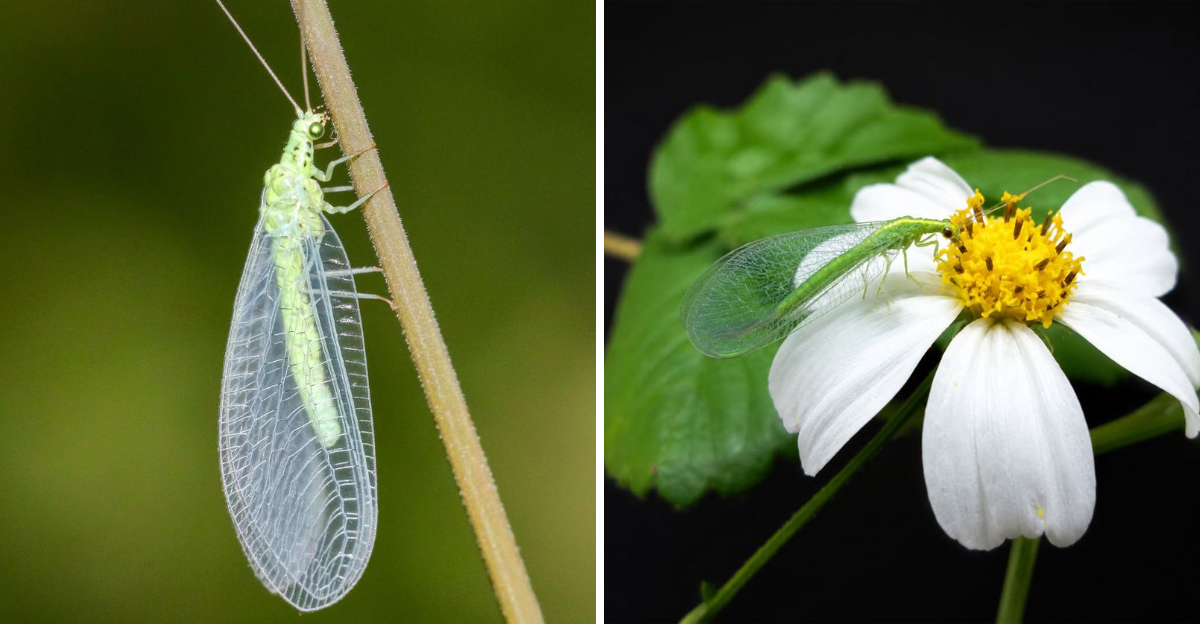
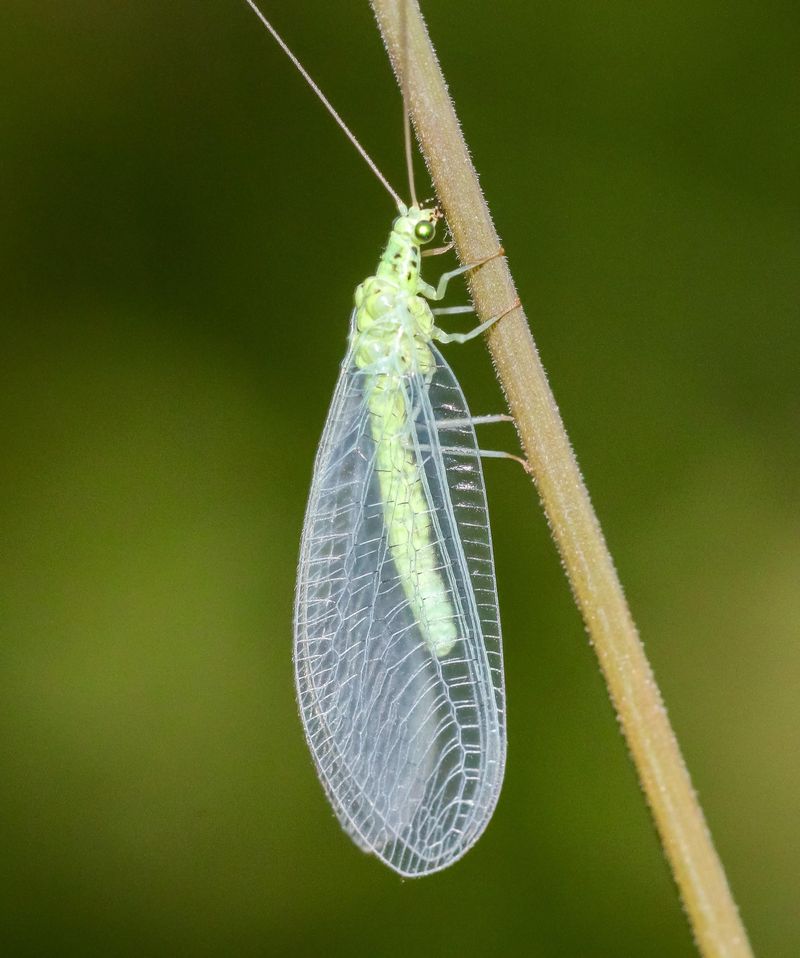
You may spot it near a porch light at night, pale green wings glowing like lace, golden eyes catching the light, body barely bigger than a whisper.
Pretty, yes. Soft? Not exactly.
The adult may drift through flowers sipping nectar, but its young are miniature pest patrol machines.
They roam leaves, stems, and new growth searching for aphids, whiteflies, thrips, and other soft-bodied troublemakers that crowd Arizona gardens during spring and fall.
That is the surprise many gardeners miss.
A helpful insect can be working your roses, citrus, peppers, or herbs long before you notice the pest numbers dropping.
Spray too fast, tidy too aggressively, or mistake the eggs for something strange, and you may remove the very backup your plants needed.
So which Arizona bug deserves a second look?
Start with the green lacewing, the delicate-looking ally with larvae that hunt like tiny garden lions. They are small, easy to miss, and worth protecting.
Green Lacewings Wear Delicate Wings
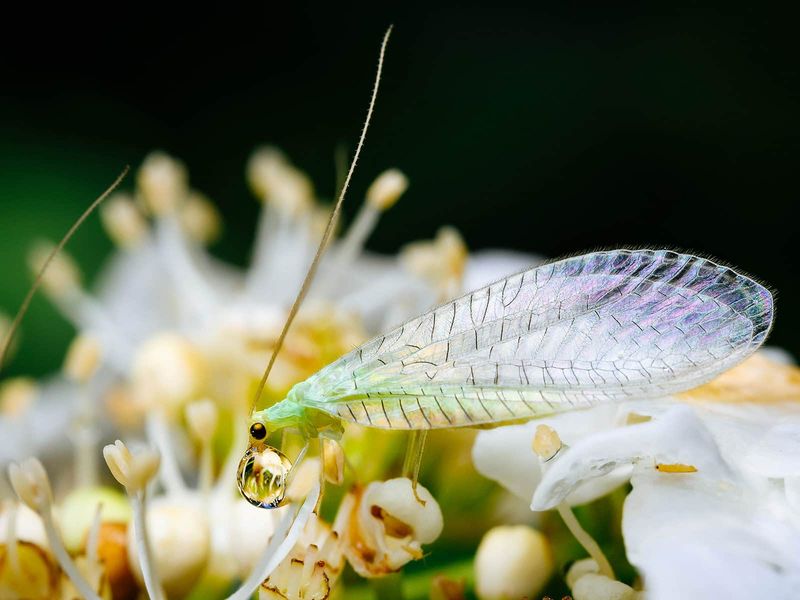
The adult green lacewing looks too elegant to belong in pest control.
It rests on leaves with transparent wings folded like a tiny roof over its body. Those wings show a fine green network of veins, almost like stained glass drawn with a very steady hand.
The body is pale green, the eyes can look golden, and the whole insect blends beautifully into citrus leaves, herbs, roses, and vegetable growth.
Arizona homeowners often notice adults near porch lights first.
They are active in warm weather and may drift toward window screens, patio lamps, and outdoor fixtures after sunset.
That nighttime appearance sometimes makes people think they are nuisance bugs, but they are harmless to people, pets, and plants.
That is your first clue to leave them alone.
Adult lacewings usually feed on nectar, pollen, and honeydew rather than chewing leaves or damaging flowers.
They are not the stage doing most of the pest hunting, but they are the stage that lays the eggs that produce the real patrol crew.
Learn the outline: slim body, lacy wings, soft green color, and a calm resting pose.
Once you recognize the adult, the garden starts to feel different. That strange little porch-light visitor may be the beginning of aphid control with wings attached.
Larvae Bring The Real Pest Patrol
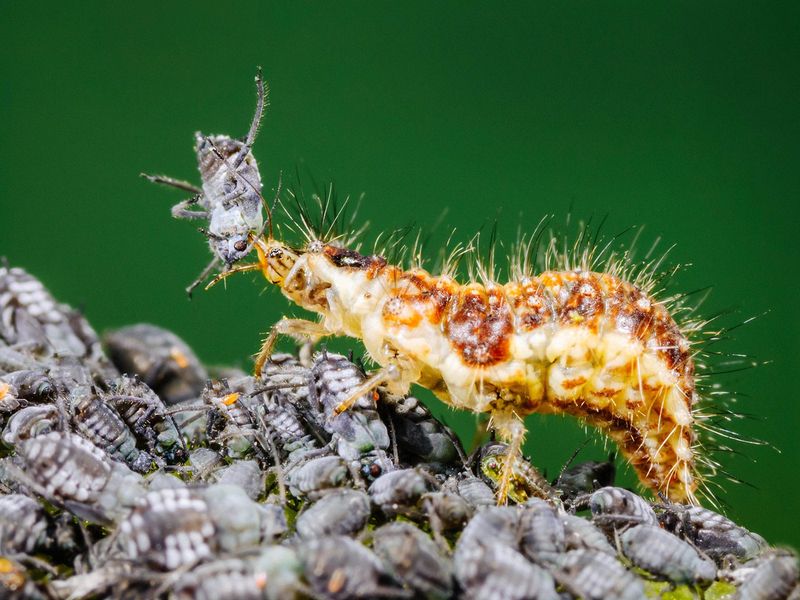
The larva looks nothing like the elegant adult.
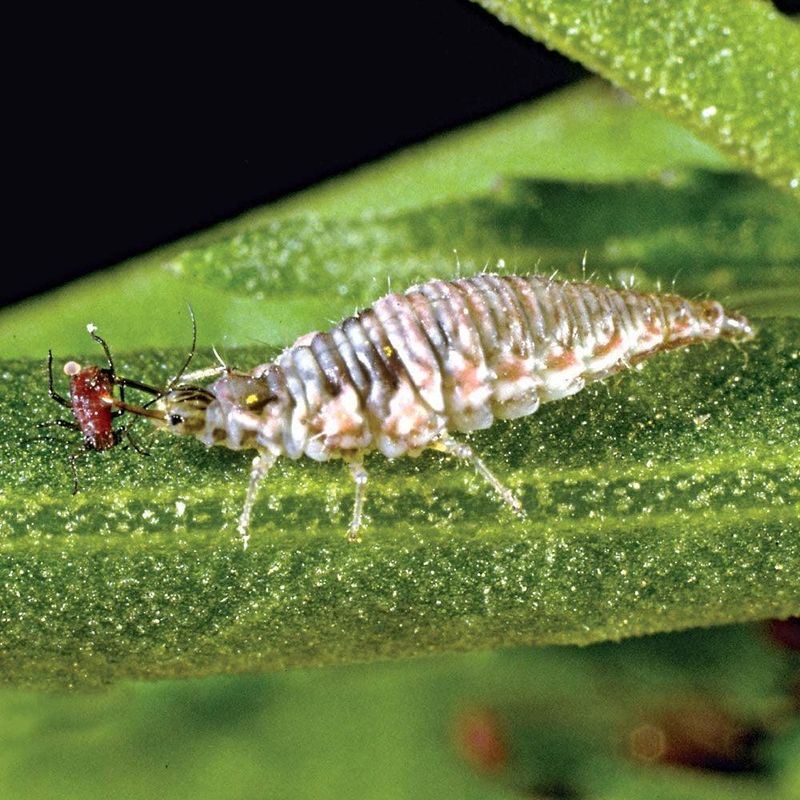
Instead of soft green wings, you get a tiny, brownish, bristly creature that looks a little like a miniature alligator with attitude. It moves quickly across leaves and stems, searching for soft-bodied prey.
This is the lacewing stage that does the heavy garden work.
The larvae use curved, hollow jaws to grab aphids, whiteflies, thrips, tiny caterpillars, insect eggs, and other small pests. They pierce their prey and feed fast, then move on to the next target. That sounds intense because it is.
Gardeners call them aphid lions, and the nickname fits beautifully.
A single larva can eat many pests during its short growing period. In an Arizona garden, that matters most during spring and fall, when tender new growth appears on vegetables, roses, citrus, and ornamental plants.
Your Arizona Garden Changes Every Week. Your Plan Should Too.
Gardening in Arizona changes quickly throughout the season. Every Friday you’ll receive a simple weekly plan showing exactly what to plant, prune, fertilize, harvest, and protect so you never miss the right timing.
Aphids love that soft growth. Lacewing larvae love the aphids.
Most people miss the larvae because they are small and busy. Look closely along stems with active aphid colonies. You may see one moving through the crowd like a tiny patrol officer with zero patience for sap thieves.
Do not brush it away.
That odd little hunter is doing the exact job many gardeners try to do with sprays, except it works one pest at a time and leaves the plant looking better every day.
Aphids Become The Main Target
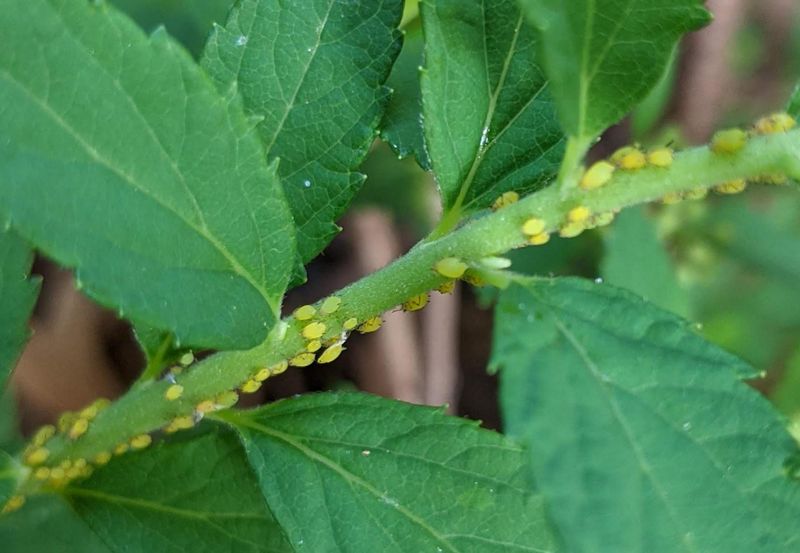
Aphids are the pest that make lacewings famous.
They gather on fresh growth, tuck under leaves, and crowd tender stems until the plant starts looking curled, sticky, and tired.
In Arizona, aphids often surge during the milder stretches of spring and fall, especially on roses, peppers, tomatoes, citrus, herbs, and cool-season vegetables.
They reproduce quickly, which is why a few can become a crowd in almost no time.
Aphids feed by pulling sap from plant tissue. That weakens new growth and leaves behind sticky honeydew. Once honeydew coats leaves, black sooty mold can follow, making the plant look even worse.
That whole mess is an invitation for lacewing larvae.
The larvae move through aphid clusters with impressive focus, grabbing one soft-bodied pest after another. They can reduce a colony noticeably when enough eggs hatch near the problem area.
This is where patience helps.
The first instinct is often to blast every aphid with a spray, but a closer look may show eggs or larvae already in place. Give the good bugs a little time before taking over the job yourself.
Aphids may be annoying, but they also act like a dinner bell.
When lacewings find them, the balance can shift quickly. Your plant gets relief, and the garden pest buffet loses its most popular table.
Eggs Stand On Tiny Stalks
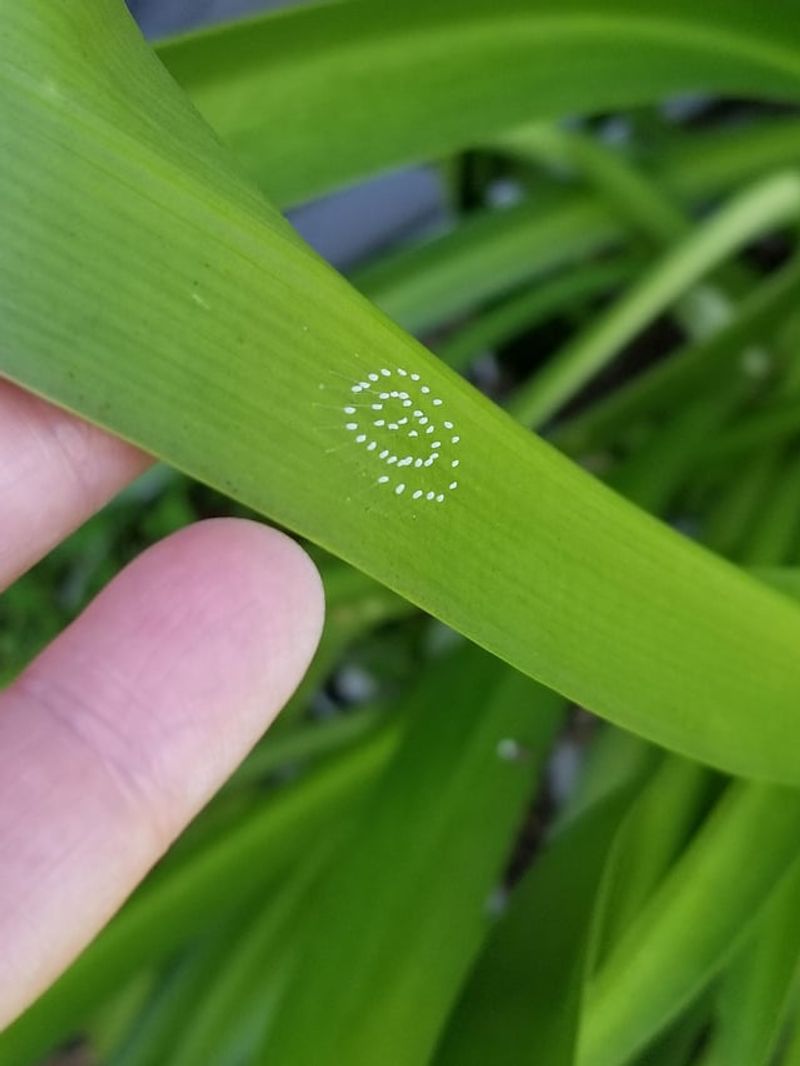
Green lacewing eggs look like something a fairy forgot on a leaf.
Each tiny oval egg sits at the end of a delicate thread, raised slightly above the surface of a leaf or stem. The little stalks may appear alone or in small groups, often near aphid colonies or other pest hotspots.
That strange design has a purpose.
Newly hatched larvae are hungry, active, and not especially polite to anything soft nearby. Raising the eggs on stalks helps separate them and gives each larva a better start once it emerges.
Arizona gardeners often find these eggs on roses, citrus, vegetables, herbs, or native shrubs.
The problem is that many people do not know what they are seeing. Stalked eggs can look like fungus, debris, or some unknown pest problem.
A tidy gardener may wipe them away before realizing those little threads were holding the next generation of pest patrol.
Leave them in place.
Mark the branch with a twist tie or small garden clip when you need a reminder. Check back over the next few days and watch the area around the eggs. Aphid numbers may start dropping once the larvae hatch and begin hunting.
This is one of those garden moments where doing less is smarter.
The plant already has backup on the way, and it arrived on tiny silk poles.
Nectar Keeps Adults Around
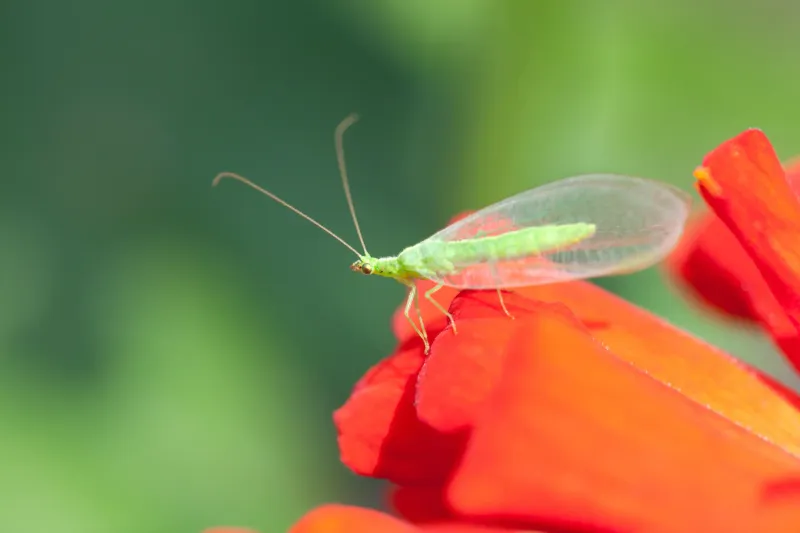
Adult lacewings need flowers before their young can protect your plants.
That sounds backward at first, but it makes perfect sense once you know the life cycle. Many adult lacewings feed on nectar, pollen, and honeydew. They need energy to survive, mate, and lay eggs near pest colonies.
A yard with no flowers gives adults very little reason to stay. Arizona gardens can support lacewings beautifully with small, nectar-rich blooms.
Dill, cilantro, fennel, sweet alyssum, yarrow, desert marigold, globe mallow, native sunflowers, and blooming herbs all help turn the garden into a better feeding station.
Small flowers matter because lacewings can access them easily.
Tuck these plants near vegetables, citrus, roses, and problem-prone ornamentals. The closer the flowers sit to pest-prone growth, the easier it is for adults to feed nearby and lay eggs where larvae will have food.
Let a few herbs bloom instead of harvesting every stem.
That bolting cilantro or flowering dill may look a little wild, but lacewings and other beneficial insects will appreciate the buffet. A garden does not need to be messy to be useful, but a few blooming corners can make it much more alive.
Flowers are not just decoration here.
They are the snack bar that keeps the lacewing family close enough to notice when aphids start acting bold.
Broad Sprays Break The Backup
A spray bottle can feel like control.
The trouble is that many broad insect sprays do not separate pests from helpers. Aphids may be the target, but lacewing eggs, larvae, and adults can get hit too.
That means one rushed treatment can remove the very insects that were starting to solve the problem.
This matters even with some products labeled natural or organic.
Contact sprays can harm beneficial insects when they land directly on them. Residues on leaves may also affect larvae moving through treated areas later.
In a hot Arizona garden, plants already deal with enough stress. Removing the pest patrol can make the next outbreak easier for pests.
Scout before spraying.
Look under leaves, check stems, and search for lacewing eggs or larvae near aphid clusters. A few pests with active predators nearby may not need immediate treatment.
When intervention becomes necessary, keep it targeted.
Use a firm water spray to knock aphids off sturdy plants, or apply a direct spot treatment only where pest pressure is heavy.
Avoid open flowers where beneficial insects feed. Treat in the cooler part of the day, and cover as little of the plant as possible.
This is not about ignoring pests.
It is about choosing the smallest useful move. The lacewings cannot help after the garden turns into a chemical obstacle course. Protect the backup, and the garden gets stronger.
Release Timing Needs Soft Pests
Buying lacewing eggs can help, but timing decides much of the outcome.
Garden centers and online suppliers often sell green lacewing eggs mixed with a carrier material. The idea is simple: place the eggs near pest-heavy plants, let the larvae hatch, and allow them to start feeding.
That only works when food is waiting.
Lacewing larvae need soft-bodied pests soon after hatching. Releasing them into a nearly pest-free garden sounds proactive, but hungry larvae may wander away or fail to establish.
A better moment comes when aphids, whiteflies, or other soft pests are present but not completely out of control.
Arizona timing matters too.
Spring and fall are often better release windows because pest pressure is active and temperatures are less punishing.
The hottest weeks of summer can be rough on tiny larvae, especially on exposed plants with dry leaves and reflective heat from walls, gravel, or patios.
Place eggs near the actual problem spots rather than scattering them randomly.
Focus on new growth, aphid clusters, citrus flushes, rose tips, and vegetable stems. Mist the area lightly before release when conditions are very dry, but do not soak the carrier material into a clump.
Check every few days.
Success may look quiet: fewer aphids, less sticky honeydew, and healthier new growth. Purchased lacewings work best when you invite them to a garden with dinner already served.
Flowers Keep The Guard Team Close

One lacewing sighting is nice. A lacewing-friendly yard is better.
The goal is not to attract one helpful insect for one pest problem. The goal is to build a garden where beneficial insects can feed, rest, reproduce, and return again when the next pest wave appears.
That means flowers across the season.
Arizona gardens can use a mix of native and adapted plants to keep nectar available through cooler months, warm spring flushes, and fall growth.
Desert marigold, globe mallow, native sunflowers, sweet alyssum, dill, fennel, yarrow, basil flowers, and cilantro blooms all help support lacewings and other beneficial insects.
Mix flower shapes and heights.
Flat clusters, tiny blooms, daisy-like flowers, and airy herb blossoms all feed different garden helpers. Add a few plants near vegetables, a few near citrus, and a few near roses or ornamentals that regularly attract aphids.
Shelter matters too.
Avoid stripping every leaf, stem, and mulch layer from the garden. A slightly softer edge gives beneficial insects places to hide from heat, wind, birds, and heavy rain.
Keep water shallow and fresh nearby, using pebbles in a small dish so insects can land safely.
A yard that feeds lacewings also tends to feed bees, hoverflies, tiny wasps, and butterflies.
That is the real win. You get fewer pest emergencies, more garden life, and a tiny green security crew that keeps showing up without a paycheck.