The Only Time Of Year Himalayan Blackberry Removal Actually Works In Oregon And Most Gardeners Miss It
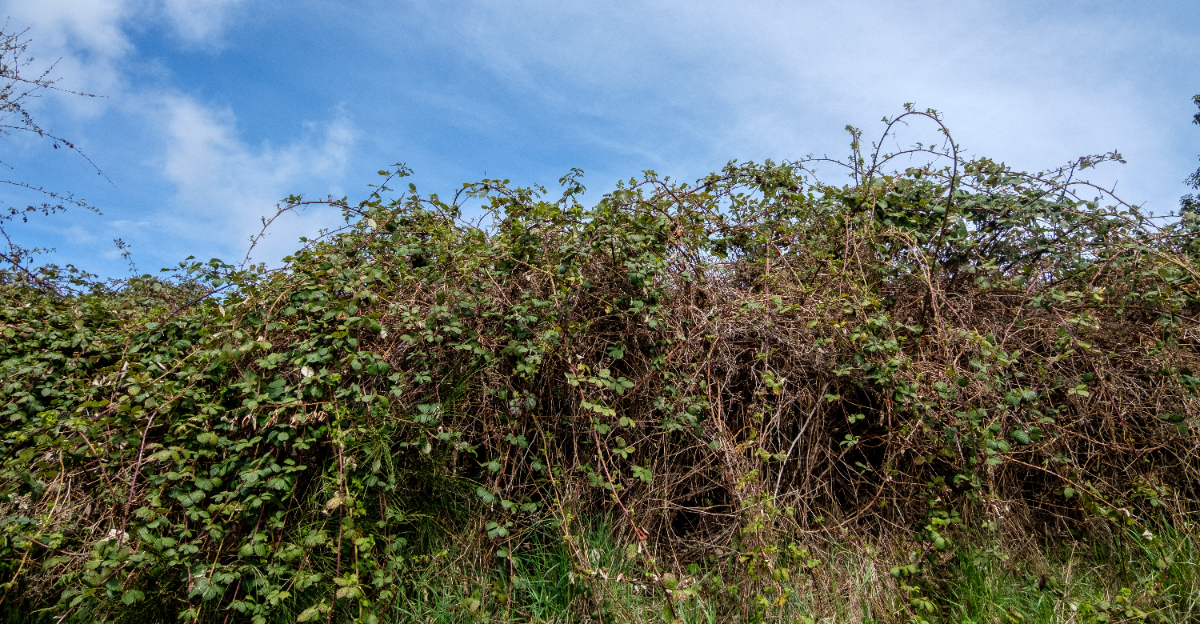
Himalayan blackberry does not lose gracefully. In Oregon yards, this thorny invader can make removal feel like a punishment with bonus scratches.
Plenty of gardeners go after it with grit, gloves, and heroic optimism, only to watch it return like nothing happened. The problem is not always effort.
It is timing. Hit the patch at the wrong point in the season, and you may spend hours fighting a plant that is already planning its comeback.
Get the timing right, though, and removal starts to feel less like garden misery and more like actual progress. The calendar matters more than the muscle here, and most homeowners learn that the hard way.
1. Late Summer Is The Window Gardeners Miss
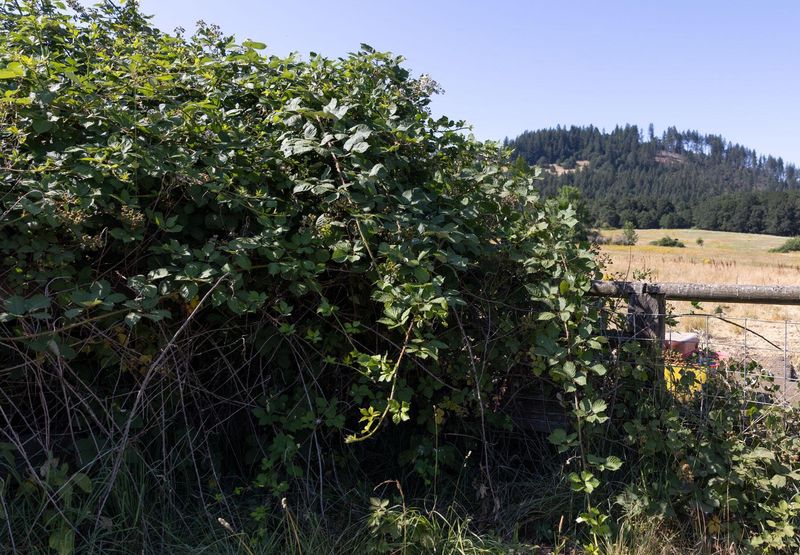
Most people grab their loppers in spring when blackberry canes are fresh and green and easy to spot. That feels like the right move, but it actually works against you.
The plant is in full growth mode in spring, pushing energy upward fast. Cut it then and it bounces back within weeks, sometimes even stronger than before.
Late summer, roughly from mid-August through September, is a completely different story. By this point, the plant has finished fruiting and starts pulling sugars and starches back down into its root crown.
That downward energy flow is your best ally. Any damage you do to the canes during this period travels straight to the root system.
Herbicides, if you choose to use them, are also far more effective during this window for the same reason. The plant is actively transporting material downward, which means anything applied to cut stems or leaves moves into the roots more efficiently.
Even without chemicals, physical removal during late summer leads to slower regrowth and weaker new canes the following spring.
Gardeners who try removal in July or earlier often feel defeated when the patch comes roaring back. Waiting just a few more weeks changes the outcome dramatically.
Mark your calendar now so you don’t miss this window again. It passes quickly and most people are busy with late summer harvests, which is exactly why so many miss it every single year.
2. Cut Canes Before The Patch Gets Away
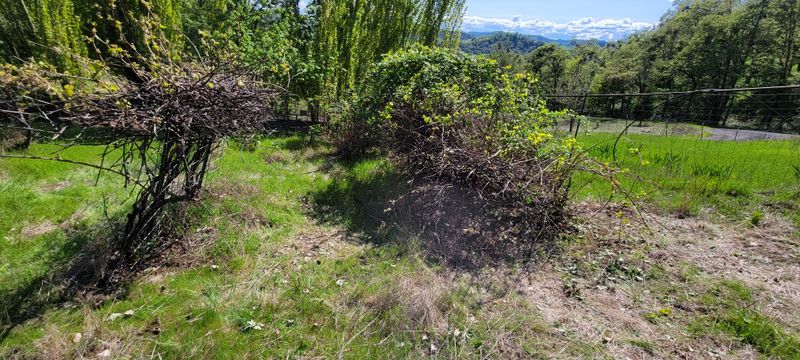
Blackberry canes can grow up to 20 feet long in a single season. Left alone from spring to fall, a small patch can turn into a wall of thorny growth that is nearly impossible to walk through.
Getting in with loppers or a brush cutter before the patch expands further is a smart first move.
Start from the outer edges and work your way inward. Cut canes as close to the ground as you can manage.
Do not worry about being perfect on the first pass. The goal right now is to reduce the volume of growth so you can actually see and reach the root crowns, which are the real targets for long-term control.
Heavy leather gloves are not optional here. The thorns on mature canes are sharp and curved, meaning they catch your skin on the way out.
Your Oregon Garden Changes Every Week. Your Plan Should Too.
Gardening in Oregon changes quickly throughout the season. Every Friday you’ll receive a simple weekly plan showing exactly what to plant, prune, fertilize, harvest, and protect so you never miss the right timing.
Thick canvas or leather gloves, long sleeves, and eye protection will save you a lot of pain. Many experienced gardeners also wear denim or canvas pants rather than thin fabrics.
Work in sections rather than trying to clear everything at once. Cut, pile, and move the canes out of your way before continuing.
Leaving cut canes on the ground creates a tripping hazard and makes it harder to find and dig out root crowns. A clean work area helps you move faster and stay safer throughout the removal process.
3. Root Crowns Are The Real Target
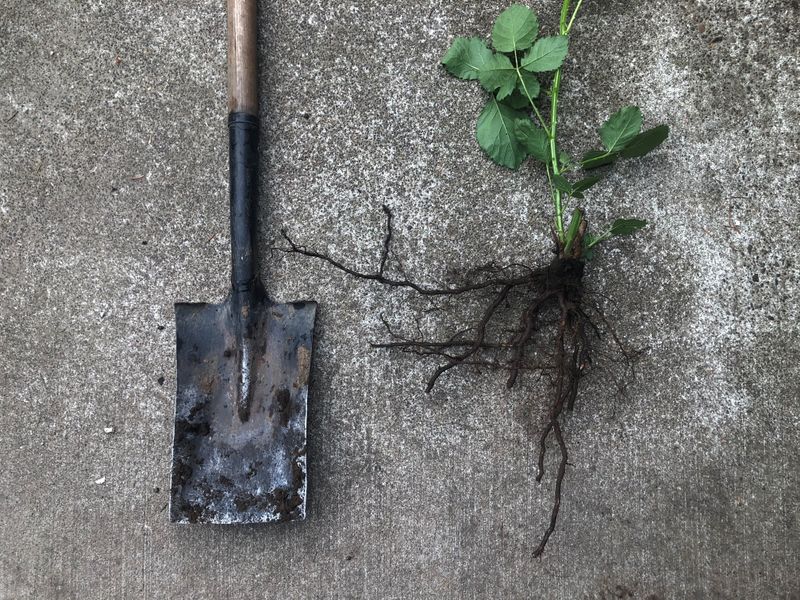
Every experienced land manager in the Pacific Northwest will tell you the same thing: if you only cut the canes, you are wasting your time. The root crown is where the plant stores all of its energy reserves.
Leave it in the ground and new canes will sprout back within a few weeks, sometimes dozens of them at once.
Root crowns on mature plants can be surprisingly large. Some are the size of a football or bigger, sitting just a few inches below the soil surface.
They are tough, woody, and do not come out easily. A sharp spade, a digging bar, and some patience are your best tools for this part of the job.
After cutting the canes low to the ground, locate the base of the plant. The crown sits right at or just below the soil line.
Dig around it in a circle, loosening the soil on all sides before trying to pry it out. Pulling too hard before loosening the soil usually breaks the crown apart, leaving pieces behind that will resprout.
Even getting out 70 to 80 percent of the crown makes a big difference. Smaller fragments left in the ground will still resprout, but the new growth will be much weaker and easier to manage.
Repeated digging over two or three seasons can fully exhaust even a well-established crown. Skipping this step means starting the whole process over every year.
4. Dry Weather Makes Canes Easier To Handle
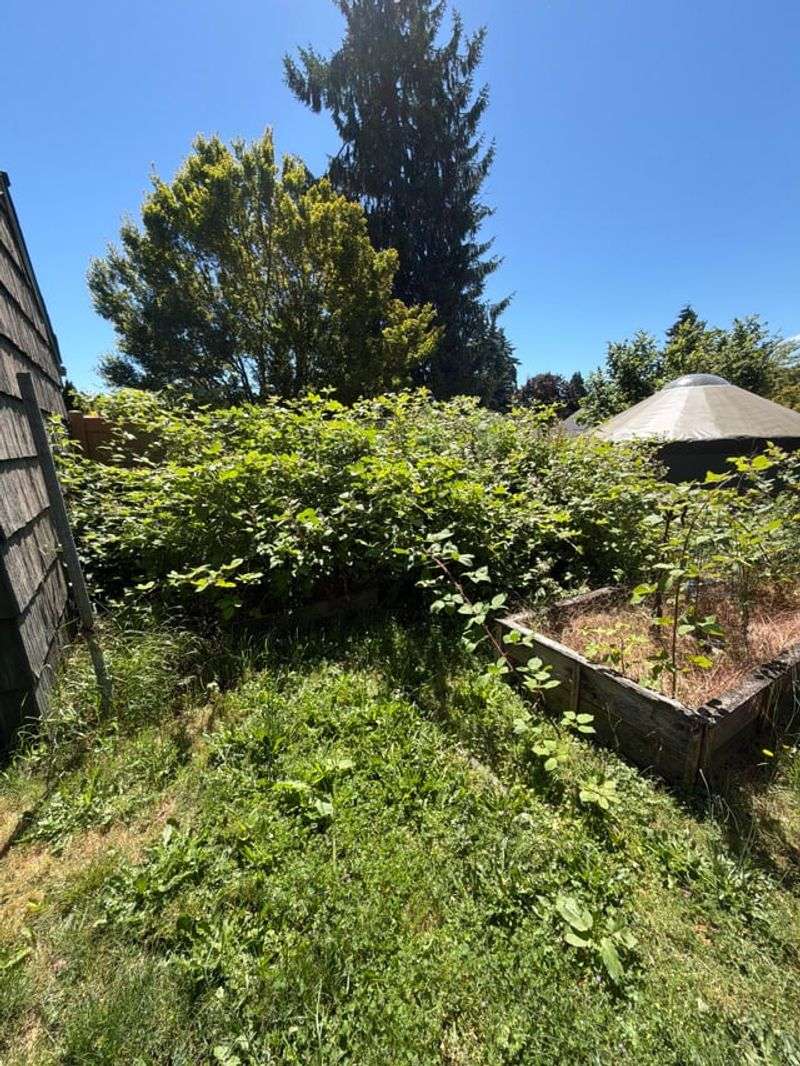
Anyone who has tried pulling blackberry canes out of wet Pacific Northwest soil in winter knows how miserable that experience can be.
Mud clings to your boots, roots slip from your grip, and the whole process takes twice as long. Late summer removes that problem almost entirely.
By August and September, most of western Oregon and the Willamette Valley have gone weeks without significant rain. The soil is firm and dry, which actually helps in several ways.
Canes are lighter and less flexible, making them easier to cut and stack. The drier conditions also mean fewer insects and less mud to deal with while you work.
Dry soil does make root crown removal slightly harder since wet soil loosens more easily around roots. However, the tradeoff is worth it.
You can work faster, stay cleaner, and handle far more material in a single session than you could in wet winter or spring conditions. A long-handled hoe or digging bar helps break up any compacted dry patches around the crown.
Watering the area lightly the night before you plan to dig can soften the soil just enough to make root removal easier without turning your work area into a muddy mess. About an inch of water applied the evening before is usually enough.
It softens the top layer without saturating the ground. This small trick makes a noticeable difference when you are trying to pry out deep, stubborn crowns in the heat of late summer.
5. Fall Follow-Up Stops Fast Regrowth
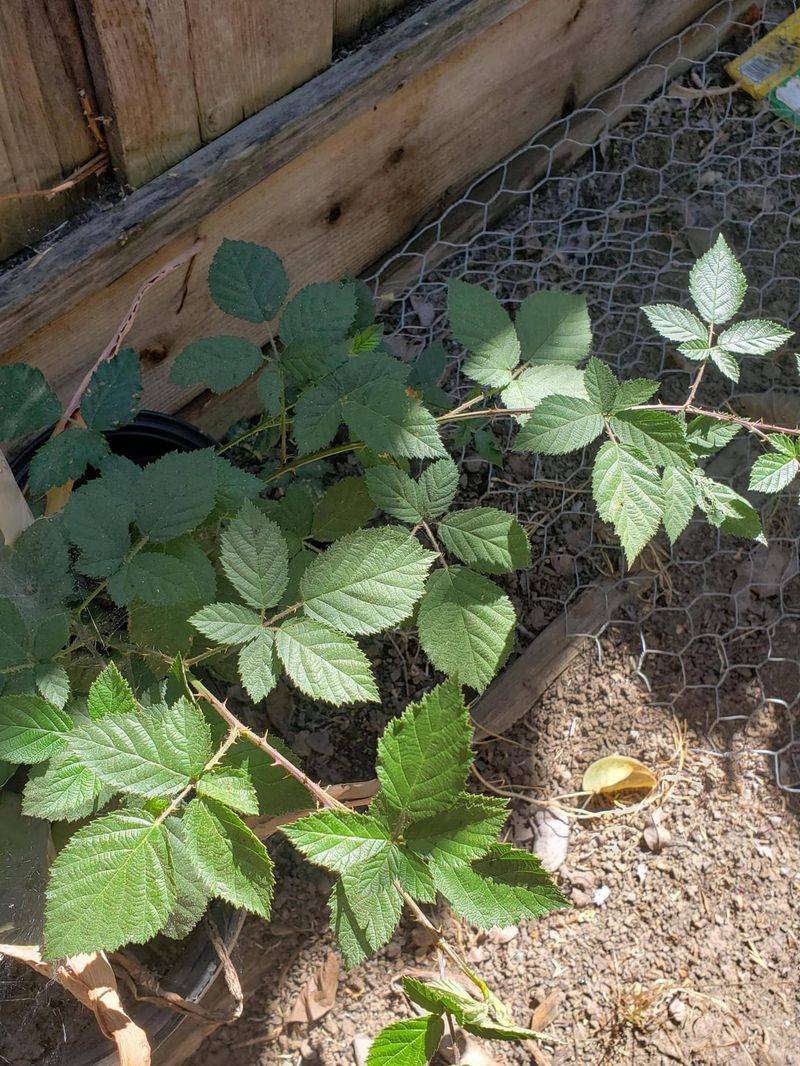
One round of removal is never enough, and that is not a failure. It is just how this plant works.
After you cut and dig in late summer, plan to come back in October and November for a follow-up pass. New sprouts will emerge from any root fragments left behind, but they will be small and easy to pull by hand.
Fall is perfect for this second visit because the soil is usually still workable before the rains turn everything soft.
New growth from root fragments will be young and shallow-rooted, meaning you can often pull it out with your hands or a small hand trowel without much effort.
Getting these sprouts early prevents them from storing energy over winter.
A blackberry plant that cannot store energy reserves through fall and winter comes back much weaker the following spring. Repeated follow-up visits essentially starve the root system over time.
Some land managers call this the exhaustion method, and it works well when done consistently over two to three growing seasons.
Set a reminder on your phone for early October and again for early November. A 30-minute walk through the cleared area can catch dozens of new sprouts before they become a problem.
The work at this stage is much lighter than the initial clearing, which makes it easy to stay on top of things. Consistency during fall is what separates gardeners who win this battle from those who fight it forever.
6. One Cutting Never Finishes The Job
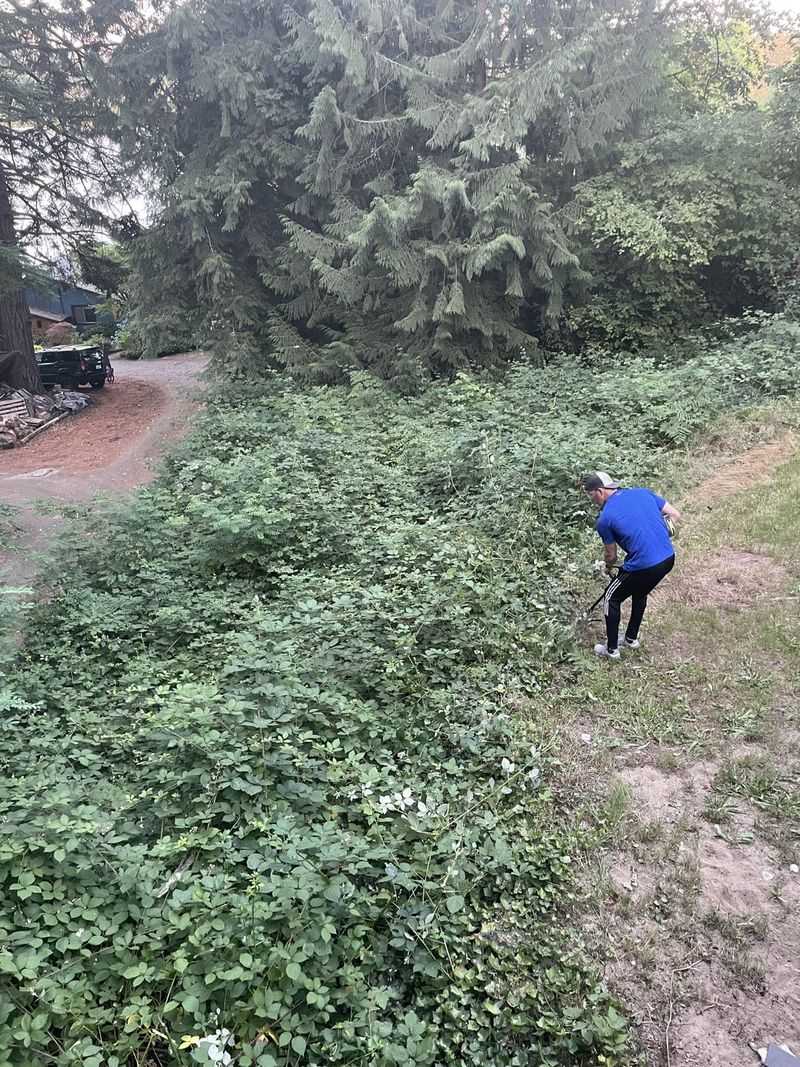
There is a common frustration among gardeners who tackle blackberry for the first time. They spend a full weekend clearing a patch, feel great about it, and then watch in disbelief as the whole thing comes back within a month.
This is not bad luck. It is just the biology of a plant that evolved to survive repeated disturbance.
Himalayan blackberry has been spreading across the Pacific Northwest for well over a century. It has had a long time to develop tough survival strategies.
The root crown can hold enough stored energy to send up new canes multiple times even after severe cutting. A single removal event barely puts a dent in that reserve.
Think of the process more like a multi-season campaign than a single battle. The first year, you are reducing the size and energy of the patch.
The second year, you are weakening what is left. By the third year, most gardeners start to see real and lasting results.
Expecting success after one pass sets you up for disappointment.
Keeping a simple log of when and where you worked each season helps you track progress and stay motivated. Take before and after photos if that helps.
Progress can be hard to see in the moment, but photos from year one compared to year three often show dramatic changes. Patience and consistency matter far more than any single tool or technique in this process.
7. Dig Crowns While Soil Still Gives
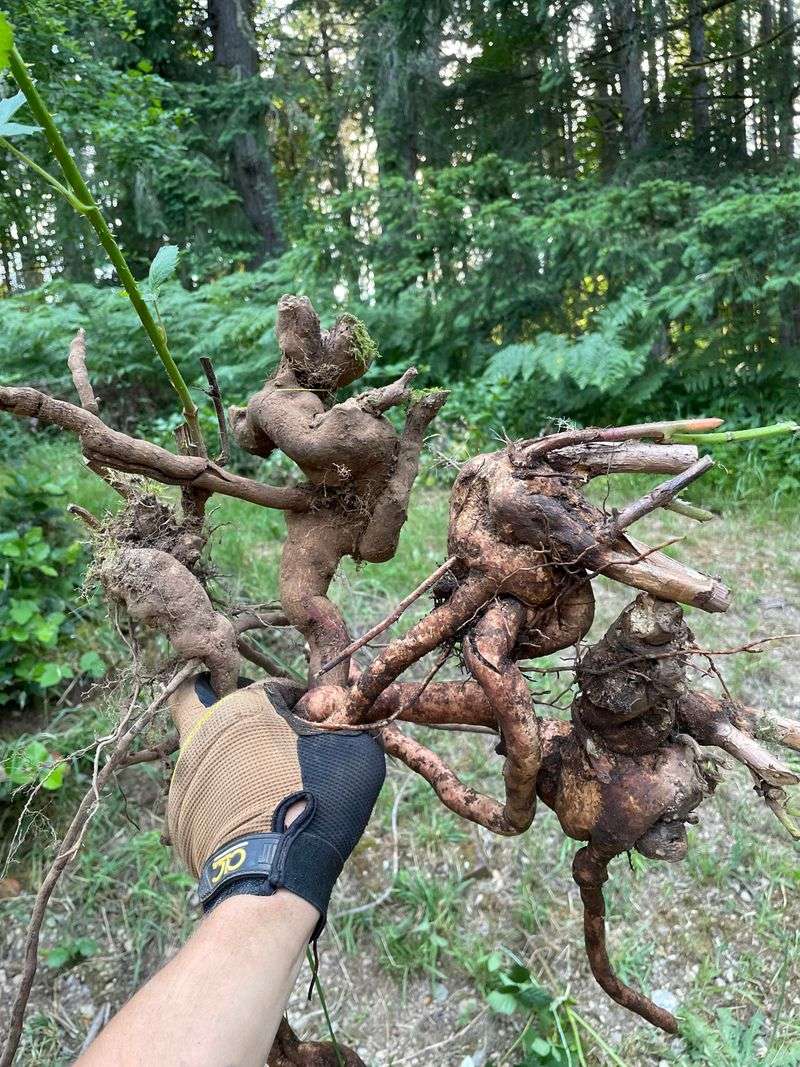
Timing root crown removal correctly is almost as important as doing it at all. Wait until winter rains have fully arrived and the soil becomes waterlogged and heavy.
At that point, digging is exhausting and the roots slip around in the mud rather than coming out cleanly. Late summer and very early fall hit a sweet spot that most gardeners overlook.
The soil in August and early September in Oregon is firm but not concrete-hard in most areas. A sharp, full-sized spade is your best tool for this work.
Step on the blade with your full weight to drive it deep, then use the handle as a lever to break up the soil around the crown. Work in a circle before attempting to lift anything out.
Large crowns may need a digging bar to break up compacted soil or to sever deep tap roots. Do not be surprised if a single crown takes 10 to 15 minutes of focused digging to fully remove.
That time investment is worth it. A crown left in the ground will regrow. A crown fully removed is one less problem you will deal with next year.
Pile the crowns away from the cleared area immediately after removing them. Even a crown sitting on top of the soil can reroot if it gets rained on before you dispose of it.
Letting them dry out completely in a sunny spot for several days before bagging or burning them is the safest approach.
8. Bag Canes Before They Root Or Tangle
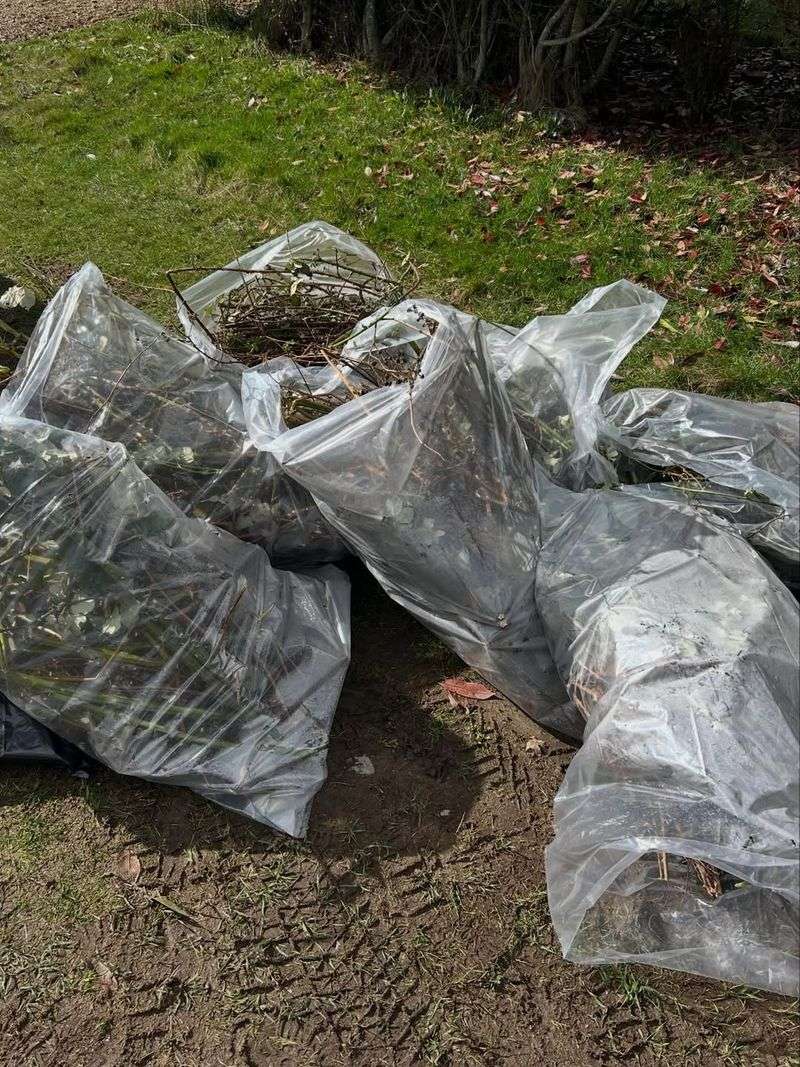
Cut canes are sneaky. Leave them on the ground for a few weeks and they can actually take root at the nodes, especially if fall rains arrive.
What was supposed to be cleared debris turns into a new planting if you are not careful. Getting canes into bags or a debris pile quickly is a step that is easy to skip but important to follow through on.
Heavy-duty yard waste bags work well for smaller canes. For larger loads, a tarp is easier to drag to a central pile.
Wear thick gloves when handling cut canes because the thorns do not get any less sharp once the cane is cut.
Many people actually find cut canes harder to handle than living ones because they are stiffer and less predictable.
Check with your local waste management service before bagging everything. Some counties in Oregon accept blackberry canes in yard debris bins.
Others require you to dispose of them separately because of concerns about seeds and root fragments spreading through compost systems. Calling ahead saves you the headache of a rejected bin on pickup day.
If you have the space and the right conditions, burning dry canes in a legal burn pile is very effective. Dry late-summer canes catch quickly and burn completely, leaving no viable plant material behind.
Always check local burn regulations before lighting anything. Some Oregon areas have seasonal burn restrictions that apply even in dry weather.
9. Don’t Leave Bare Soil Behind
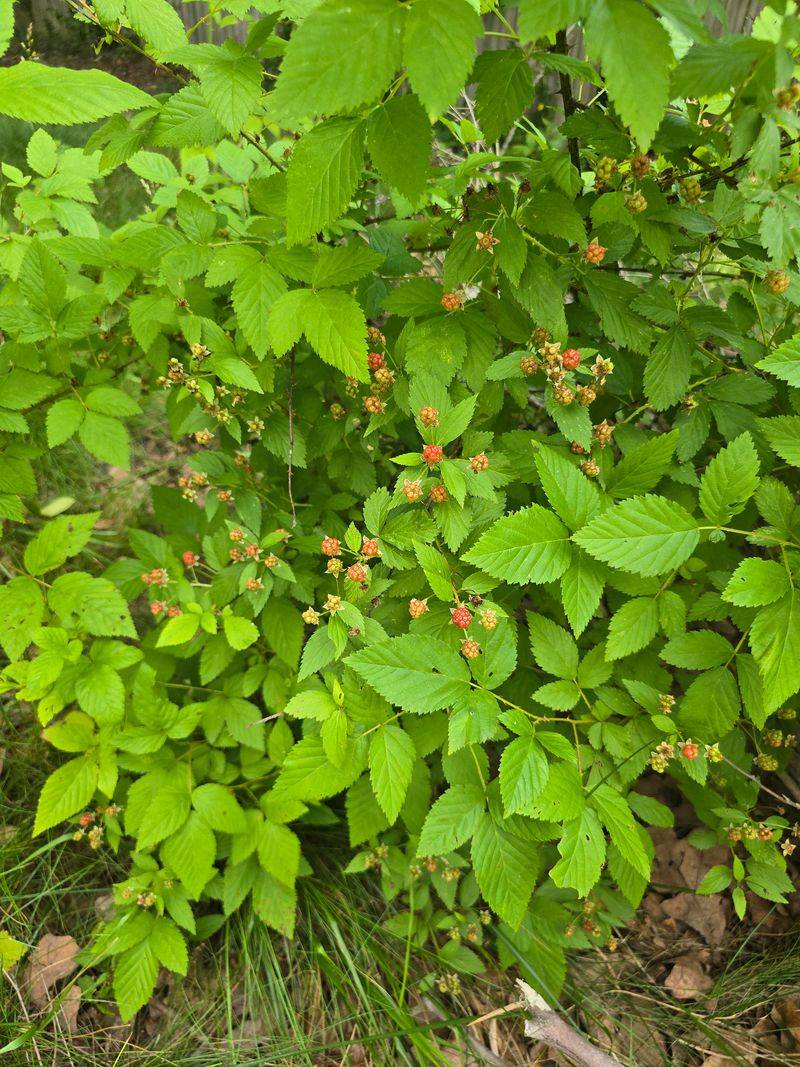
Clearing a blackberry patch and walking away from bare soil is one of the most common mistakes gardeners make after all that hard work.
Bare soil is an open invitation, not just for blackberry regrowth, but for other weeds to move in and fill the space just as aggressively. Nature does not leave gaps for long.
Covering cleared areas with a thick layer of wood chip mulch, at least 4 to 6 inches deep, suppresses regrowth and protects the soil while you decide what to plant permanently. Cardboard layered under the mulch adds another barrier.
This approach, often called sheet mulching, is widely used by restoration groups across the Pacific Northwest and works well in home gardens too.
Planting native groundcovers or shrubs into the cleared area gives desirable plants a head start over any returning blackberry shoots.
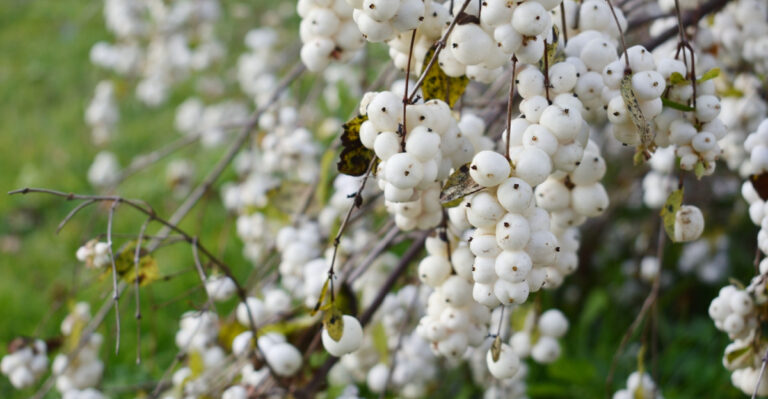
Good options for Oregon include red flowering currant, native sword fern, Oregon grape, and snowberry. These plants establish quickly and crowd out weeds once they get going.
Even a temporary planting of fast-growing cover crops like buckwheat or clover helps hold the soil and block light from reaching any sprouting blackberry fragments below.
The key idea is to replace the blackberry with something intentional rather than leaving a vacuum.
Every cleared patch is an opportunity to grow something better, and filling that space quickly is one of the smartest moves you can make after a successful removal effort.