The Most Underrated Georgia Native Shrub That Helps Create A Tick-Resistant Yard Border
Stop overlooking the quiet plants that often do the hardest work in a landscape. The best yard border is not always the one with the brightest flowers or the fastest growth.
Sometimes the smartest choice quietly solves more than one problem at once.
One native shrub deserves far more attention in Georgia because it helps create a border that is less inviting to ticks while adding beauty and habitat for local wildlife.
Pair it with good maintenance, keep tall weeds under control, and avoid overcrowded edges. Those simple steps work together to make the landscape feel cleaner and more comfortable through the growing season.
Give this overlooked shrub a chance before reaching for another ordinary hedge. It may become the hardest working plant along your property line this year alone.
1. American Beautyberry Is The Hidden Gem
Nobody talks about American Beautyberry the way they should. Walk through any garden center in the Southeast and you will find rows of boxwoods and azaleas, but Beautyberry sits quietly in the corner, if it is there at all.
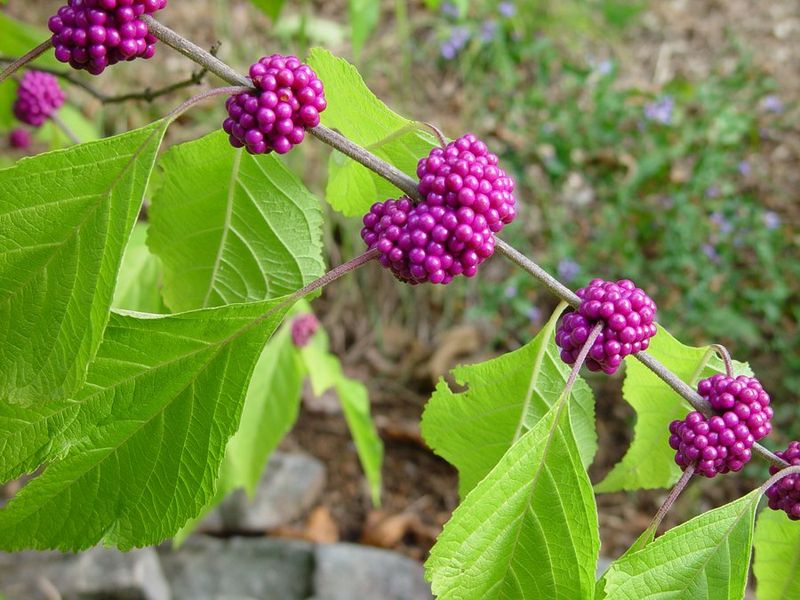
Callicarpa americana is its scientific name. It is a deciduous shrub native to the southeastern United States, growing naturally along woodland edges, roadsides, and forest understories.
In Georgia, it thrives without much fuss.
What makes it special is not just its looks. The leaves naturally contain compounds that have been shown to repel ticks and mosquitoes, giving this shrub a practical benefit that most ornamental plants simply do not have.
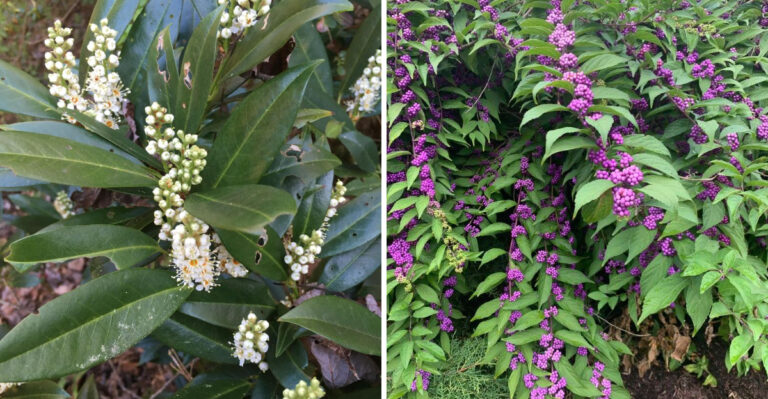
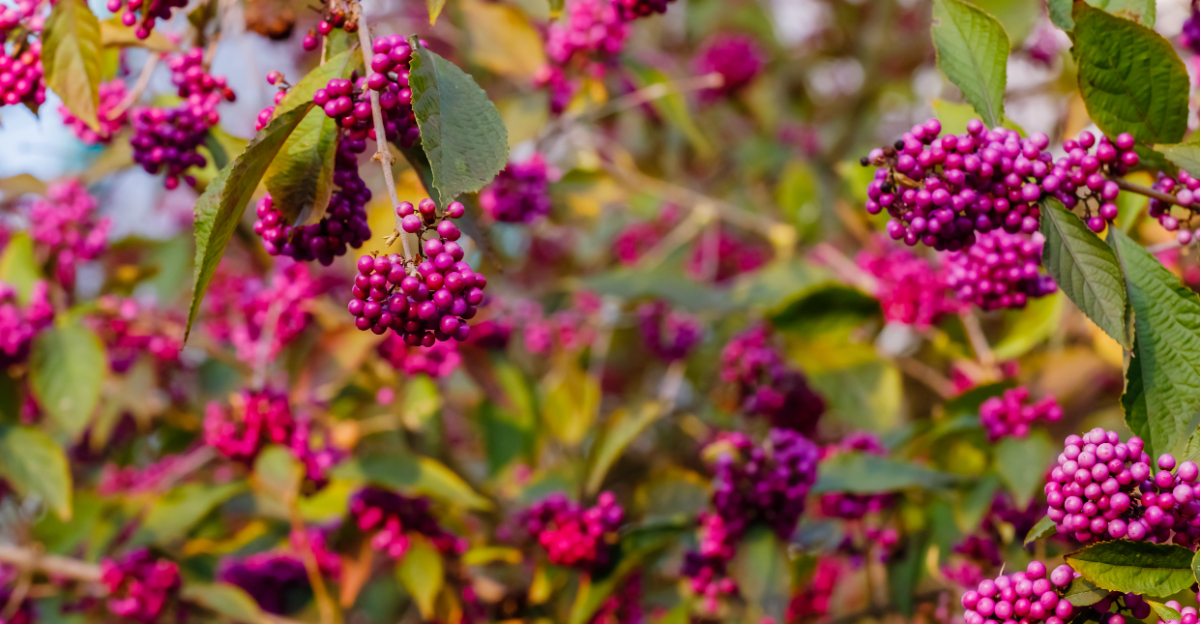
Beautyberry typically reaches six to eight feet tall and wide at maturity. It produces small pink flowers in summer, followed by tight clusters of bright purple or white berries in late summer through fall.
Birds love those berries, so your yard becomes a habitat as well as an attractive landscape feature.
Planting it along a yard border creates a natural buffer zone. Ticks prefer to travel through tall grass and leaf litter toward hosts.
A dense Beautyberry border may help discourage ticks while also creating a more wildlife-friendly landscape.
2. Choose A Spot With Sun Or Partial Shade
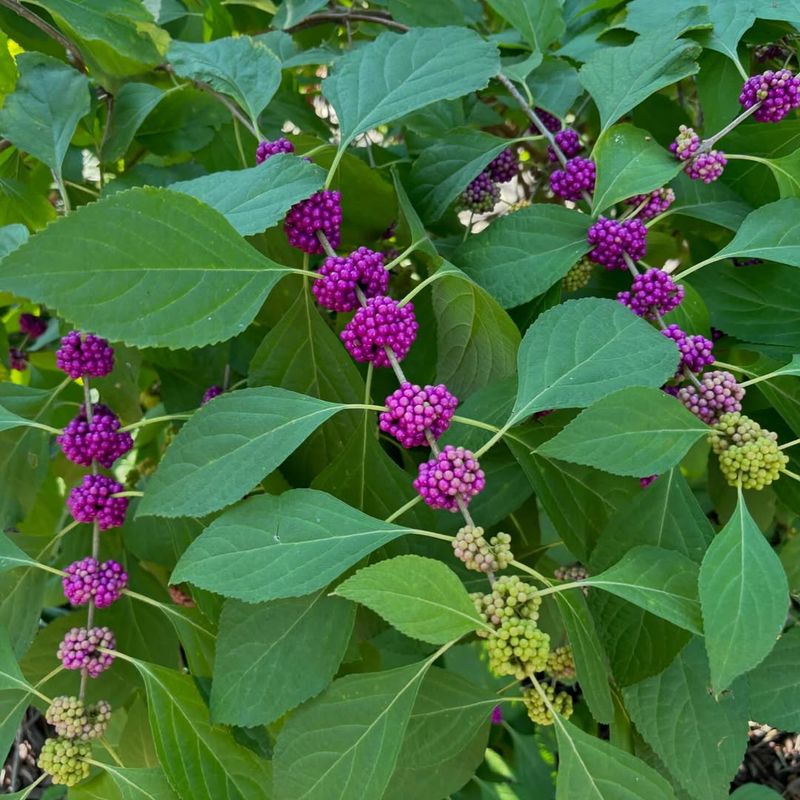
Picking the right spot makes a bigger difference than most people expect. American Beautyberry is flexible, but it performs best when you match its natural habitat as closely as possible.
Full sun works well if your soil holds some moisture. Partial shade is actually where Beautyberry tends to look its best, producing fuller foliage and heavier berry clusters.
In very deep shade, berry production drops noticeably and the plant stretches toward light, becoming leggy and open.
Aim for a spot that gets at least four to six hours of direct sunlight daily. Morning sun with afternoon shade suits it well, especially in hotter inland areas where summer heat is intense.
That combination reduces leaf scorch while still supporting strong growth.
Yard borders along fence lines, woodland edges, or the transition zone between lawn and trees are ideal placements. Beautyberry naturally grows at forest margins, so replicating that light condition gives it the environment it already knows.
Your Georgia Garden Changes Every Week. Your Plan Should Too.
Gardening in Georgia changes quickly throughout the season. Every Friday you’ll receive a simple weekly plan showing exactly what to plant, prune, fertilize, harvest, and protect so you never miss the right timing.
Avoid planting it directly beneath dense tree canopies where light barely reaches the ground. Root competition from large trees can also stress young plants during establishment.
A bit of open sky overhead goes a long way.
Good light placement also matters for tick control. Ticks tend to stay in cool, shaded, humid spots.
3. Grow It In Moist Well-Drained Soil
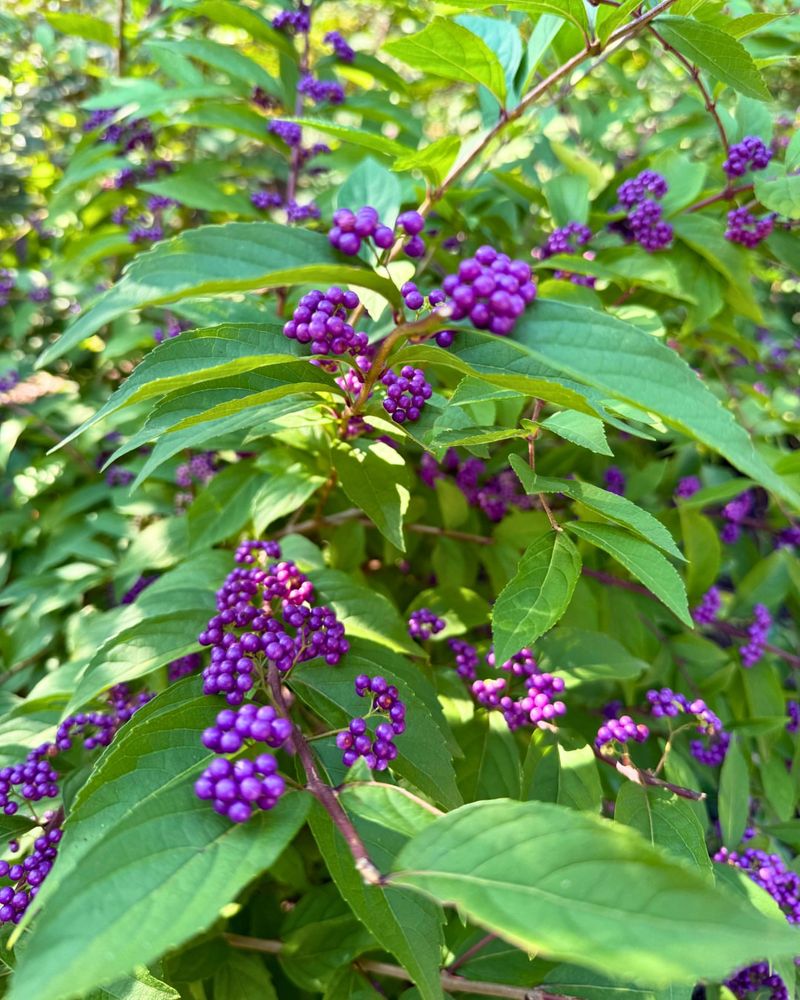
Soil quality matters more than most gardeners realize when it comes to shrub establishment. American Beautyberry is adaptable, but it has clear preferences worth respecting.
It prefers moist, well-drained soil with a slightly acidic pH, somewhere between 5.5 and 6.5. That range matches naturally well with the sandy loam and clay soils common across much of the Southeast.
If your soil drains poorly and stays waterlogged after rain, root health can suffer over time.
Heavy clay soils benefit from amendment before planting. Work in compost or aged pine bark to improve drainage and add organic matter.
A two to three inch layer mixed into the top twelve inches of soil makes a noticeable difference in how quickly young plants establish.
Sandy soils drain fast, which can stress plants during dry spells. Adding organic matter helps sandy ground retain just enough moisture between rain events.
Mulching over the root zone also slows moisture loss significantly.
Beautyberry does not demand rich, fertilized soil. In fact, overly fertile soil can push excessive leafy growth at the expense of berry production.
Moderate soil nutrition suits it better than heavily amended garden beds loaded with fertilizer.
Checking your soil before planting takes only a few minutes with an inexpensive pH test kit.
4. Water Young Plants During Dry Periods
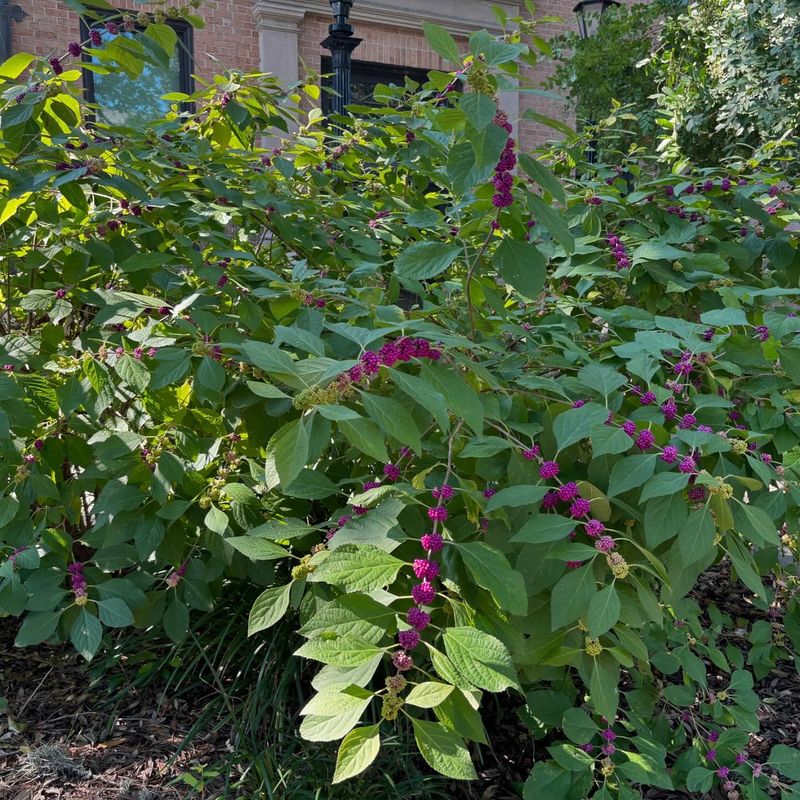
Watering newly planted shrubs is one of those tasks that feels simple but gets skipped more often than it should. Young Beautyberry plants need consistent moisture during their first one to two growing seasons while roots are still developing.
Right after planting, water deeply two to three times per week if rain is not providing adequate moisture. Deep watering encourages roots to grow downward rather than staying shallow near the surface.
Shallow roots make plants more vulnerable during drought stretches.
Once established, American Beautyberry becomes notably drought-tolerant. Mature plants handle dry periods well without regular irrigation in most years.
Getting through that first establishment window is the critical part.
Mulching around the base of each plant helps retain soil moisture between waterings. Apply two to three inches of shredded wood mulch or pine straw, keeping it a few inches away from the main stem to prevent moisture buildup against the bark.
Watch for wilting leaves during hot, dry stretches in summer. Slight wilting in the hottest part of the afternoon is normal, but wilting that persists into the evening suggests the plant needs water.
That visual cue is often more reliable than a fixed watering schedule.
Avoid overwatering just as much as underwatering. Soggy soil around the root zone creates conditions where root health declines.
5. Trim Branches To Maintain Shape
Left completely on its own, American Beautyberry can get a little wild. It grows with a loose, arching habit that looks natural in woodland settings but can feel out of place in a maintained yard border.
Light trimming keeps it looking intentional without fighting its natural form.
Summer pruning should stay minimal. Removing damaged or crossing branches is fine, but heavy cutting during the growing season reduces the berry clusters that form on new growth.
Those berries are part of what makes the plant valuable both visually and functionally.
Shaping is mostly about managing width and height relative to your border space. If branches are reaching too far into a walkway or lawn area, trim them back to a natural fork or side branch rather than cutting straight across.
That approach maintains the plant’s layered, open look.
Do not obsess over perfect symmetry. Beautyberry has a relaxed growth habit, and trying to force it into a tight, formal shape takes constant effort and reduces its effectiveness as a natural border plant.
Work with its natural silhouette rather than against it.
After trimming, clear away any cut material from around the base of the plant. Piled-up debris near the border can create humid, sheltered spots that ticks find attractive.
6. Allow Space For Natural Spreading
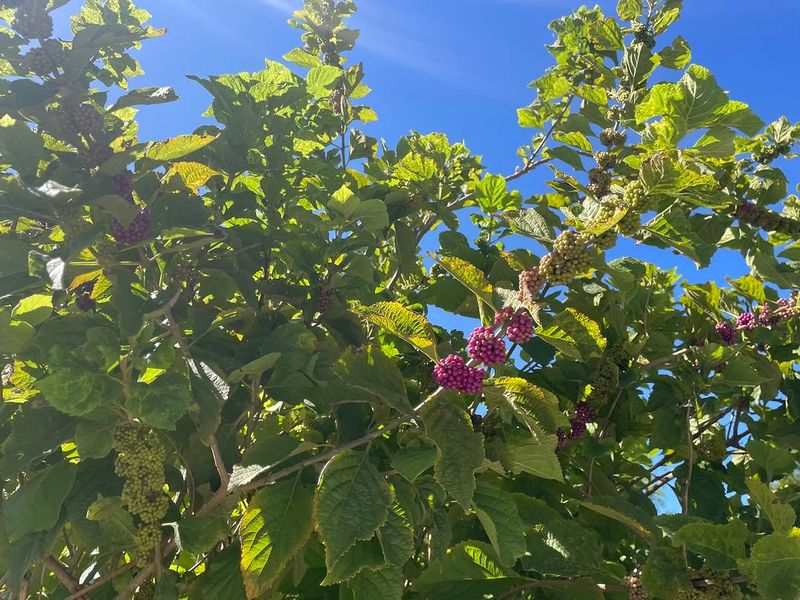
Crowding Beautyberry is one of the most common mistakes new growers make. It looks small at the nursery, but give it two to three years and it fills out significantly.
Mature plants regularly reach six to eight feet wide, sometimes more in ideal conditions.
Spacing plants four to six feet apart when planting a border row allows enough room for each shrub to reach its natural size. Closer spacing causes competition for light and air circulation, which can lead to weaker growth and reduced berry production over time.
American Beautyberry also spreads through root suckers and self-seeding. Birds eat the berries and drop seeds nearby, so seedlings may pop up around the base of established plants.
Pulling unwanted seedlings early keeps the border tidy without much effort.
Root suckers can be dug up and transplanted if you want to expand your border line at no extra cost. That natural spreading habit is actually an advantage when you are trying to build a longer yard barrier over time.
Let the plant do some of the work for you.
Giving each shrub enough space also supports better air movement around the foliage. Good airflow reduces the risk of fungal issues in humid southeastern summers.
Proper spacing is not just about looks; it directly affects plant health across multiple growing seasons.
Plan your border layout before planting.
7. Prune In Late Winter Before Spring Growth
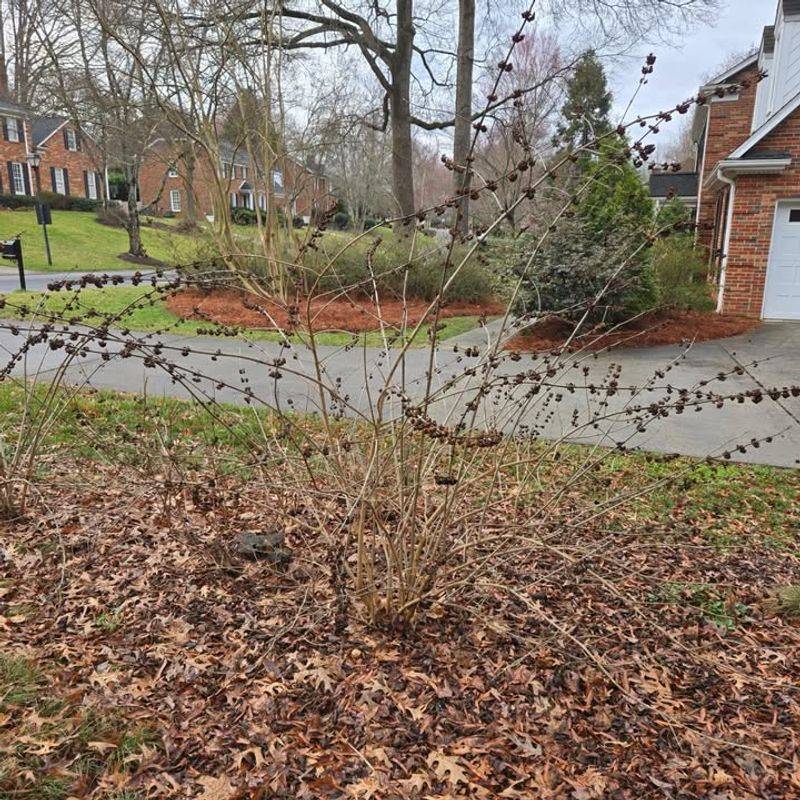
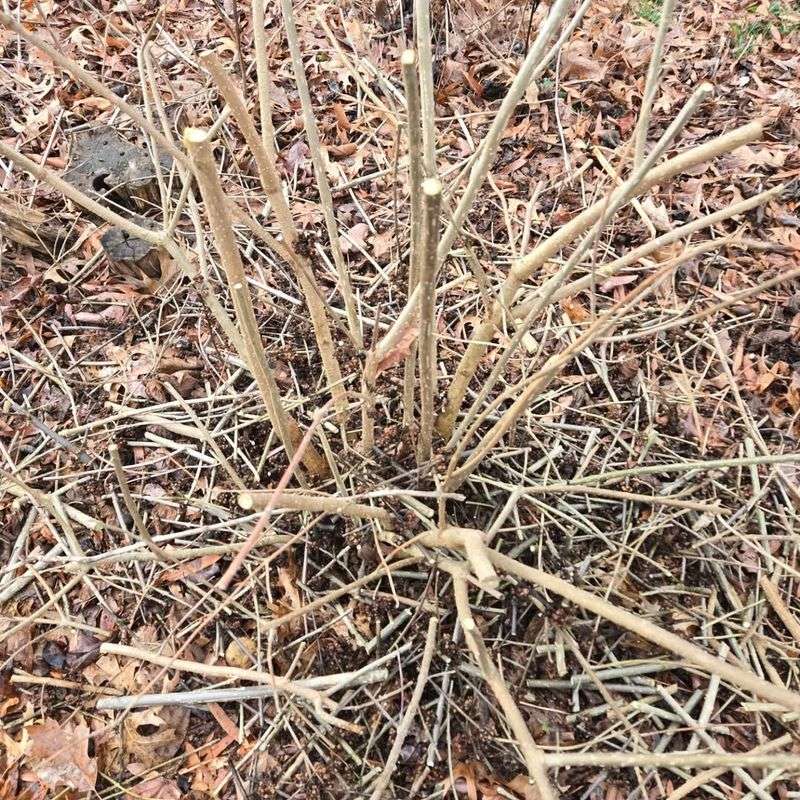
Late winter is the best time to do your heaviest pruning on American Beautyberry, and most gardeners in Georgia wait until late February or early March before new growth emerges.
Pruning while the plant is still dormant makes the work easier and causes far less stress to the shrub.
Beautyberry blooms and produces berries on new wood grown in the current season. Cutting it back hard in late winter does not reduce berry production; it actually encourages vigorous new shoots that carry the heaviest berry clusters.
That is the opposite of how many flowering shrubs work.
Cut plants back to about twelve to eighteen inches from the ground if you want to refresh an overgrown specimen. Healthy Beautyberry bounces back quickly from hard pruning, pushing out fresh, strong growth once temperatures warm.
Results vary depending on plant age, soil health, and how harsh the previous winter was.
Lighter annual pruning, removing about one-third of the oldest stems each year, keeps the plant productive without the shock of a full cutback. Both approaches work; the choice depends on how established and overgrown your plants are when you start.
Clean your pruning tools before and after each plant to avoid spreading any potential disease between shrubs. Sharp, clean cuts heal faster than torn or ragged ones.