Who Is Responsible When A Shared Fence Falls Down In Indiana

Splintered boards are scattered across the yard, and your neighbor hasn’t said a word yet, just crossed arms and a long stare at the mess. That silence usually means one thing: someone’s about to ask who’s paying for this.
Indiana law actually answers that question, though most homeowners never look it up until a storm forces the issue. Property surveys, old deeds, and sometimes a county ordinance decide the outcome before any conversation even starts.
A fence built exactly on the boundary line often makes both sides responsible, but one built two feet onto your property changes everything. Read this before your neighbor brings it up first.
Indiana Law Splits Responsibility Between Neighboring Property Owners
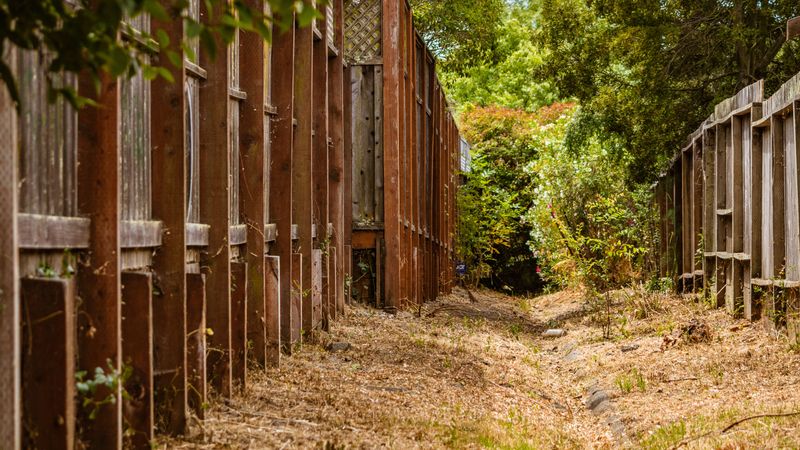
Your fence fell, and suddenly everything feels awkward. Indiana follows what many call the “partition fence” doctrine, and it shapes how neighbors share costs.
Under Indiana Code 32-26-9, adjoining agricultural landowners share equal responsibility for boundary fences. Residential fences fall outside this chapter and follow local ordinance or informal agreement instead.
That sounds simple, but the law gets nuanced fast. Responsibility can shift based on agreements, land use, and how the fence was originally built.
If one neighbor uses the fence more, say for livestock, that person may owe a larger share. The law accounts for benefit when splitting costs.
Many homeowners don’t realize this law exists until something breaks. Knowing it upfront gives you a real advantage in any repair conversation.
The key takeaway is that Indiana doesn’t automatically assign full blame to one party. Shared fences typically mean shared costs, and that principle guides most disputes.
A written agreement between neighbors overrides the default statute completely. If a previous owner signed a fence agreement years ago, that document still binds the current property owners today.
Local ordinances can add another layer of rules on top of state law. Some counties require specific fence heights or materials near shared boundaries, and ignoring these details can complicate cost-splitting even further.
When a shared fence falls down in Indiana, both neighbors are usually expected to step up. Knowing the law before the argument starts changes everything.
Property Lines Decide Fence Ownership In Indiana
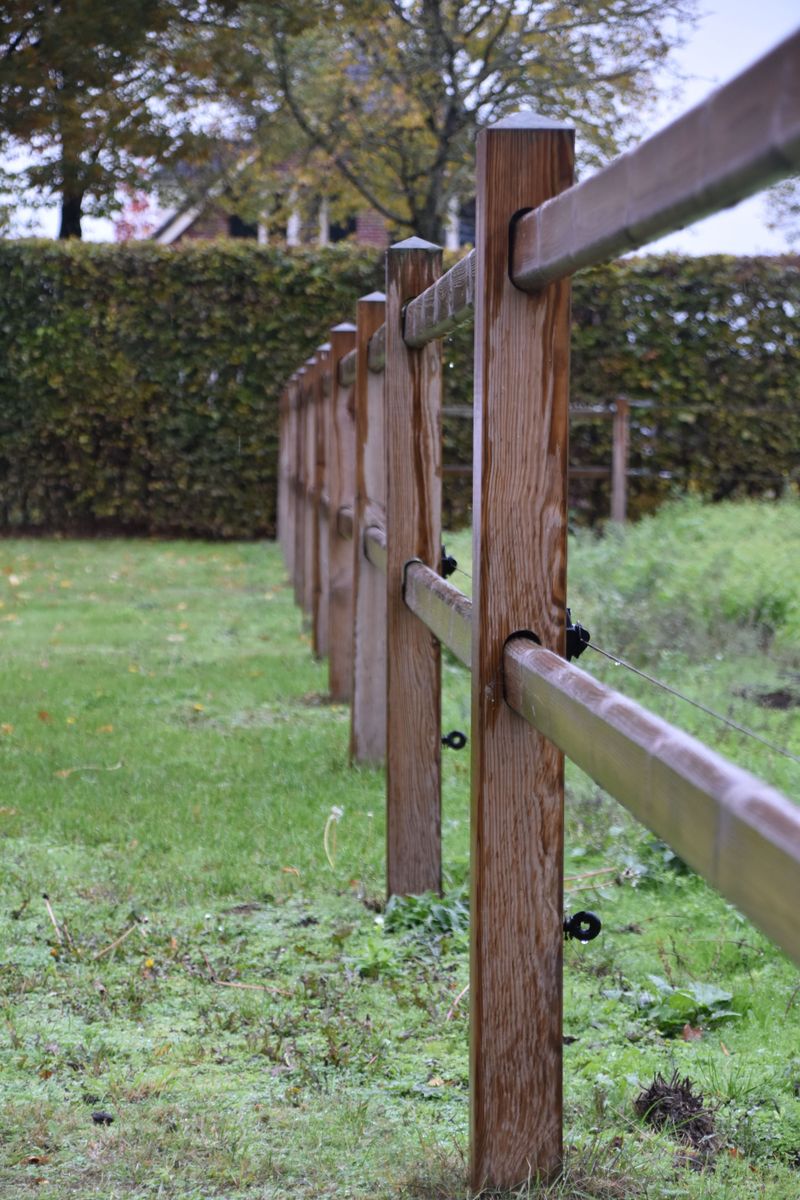
Not every fence sits exactly where people think it does. Property lines and fence lines often don’t match, and that gap creates big legal questions.
If a fence stands entirely on one owner’s land, that person likely owns it outright. The neighbor may have no legal obligation to help pay for repairs.
Getting a professional survey done removes all the guessing. A licensed surveyor can tell you precisely where the boundary falls relative to the structure.
Surveys cost money, but they’re far cheaper than a lawsuit. Many homeowners skip this step and spend years arguing over something that could be resolved in an afternoon.
Sometimes fences are built inches inside one property to avoid boundary disputes entirely. That choice, while practical, means the builder assumes full ownership and full repair costs.
Your Indiana Garden Changes Every Week. Your Plan Should Too.
Gardening in Indiana changes quickly throughout the season. Every Friday you’ll receive a simple weekly plan showing exactly what to plant, prune, fertilize, harvest, and protect so you never miss the right timing.
Deeds and plat maps can also reveal useful boundary information. Your county recorder’s office keeps these records, and many are now available online for free.
An old fence built without a survey can end up several feet off the actual boundary. Over time, that gap can even raise adverse possession questions if nobody addresses it.
If your neighbor disagrees with a new survey’s findings, they can commission their own for comparison. Two conflicting surveys usually push the matter toward a formal boundary resolution instead of a quick fix.
When a shared fence falls down in Indiana, the first smart move is confirming where the line actually sits. Ownership follows the boundary, and the boundary follows the survey.
No Written Agreement Still Leaves Rules In Place

Handshake deals feel fine until the fence falls over. Without a written agreement, both parties are left guessing about who promised what years ago.
Indiana courts look at past behavior when no contract exists. If both neighbors have historically shared repair costs, that pattern can be used as evidence of an informal agreement.
Verbal agreements are hard to prove and easy to dispute. Memories fade, stories change, and suddenly two reasonable people are describing different versions of the same conversation.
The best protection is a simple written document signed by both parties. It doesn’t need to be drafted by a lawyer to be legally useful.
A basic fence agreement should include the boundary location, cost-sharing terms, and maintenance responsibilities. Keep a copy somewhere safe, not just in a junk drawer.
Neighborhood associations sometimes have guidelines that fill in the gaps. Check your HOA rules or community covenants before assuming Indiana state law is your only reference point.
Text messages and emails can serve as informal proof if a written agreement never existed. Courts often accept these records as evidence of what both neighbors understood at the time.
A verbal handshake might work fine between friendly neighbors for years. The trouble surfaces the moment one person moves out and a new owner has no idea an agreement ever existed.
Going forward without paperwork is a gamble most homeowners lose eventually. A one-page agreement today can prevent a thousand dollars in legal fees tomorrow.
Storm Damage, Age, And Wear Determine Fence Responsibility

A tornado-level windstorm knocked your fence flat. Does it matter that nature caused the damage, or are the same rules still in play?
In Indiana, the cause of fence damage generally doesn’t change the shared responsibility rule. Wind, rot, or age can all bring a fence down, and the shared obligation typically stays the same regardless of cause.
However, homeowner’s insurance can change the financial picture significantly. If the fence falls due to a covered storm event, your policy may pay for repairs on your side.
Age and neglect are trickier. If one neighbor ignored obvious deterioration for years, a court might assign more of the cost to that party.
Document everything when damage occurs. Take photos with timestamps, note the weather conditions, and save any communication with your neighbor about the fence’s condition.
Insurance adjusters will ask questions about maintenance history. A fence that clearly wasn’t maintained may receive less coverage than one that was regularly inspected and repaired.
Some homeowners assume a natural disaster erases all fence responsibility automatically. That assumption can lead to unpleasant surprises when a neighbor still expects half the repair bill.
Photograph the fence’s condition periodically, even before damage happens. A dated record showing good maintenance can matter later if a dispute over neglect ever comes up.
Cause matters more for insurance claims than for legal responsibility. Between neighbors, the shared fence doctrine still applies regardless of what brought the structure down.
Steps To Take Before Repairing Or Replacing A Shared Fence
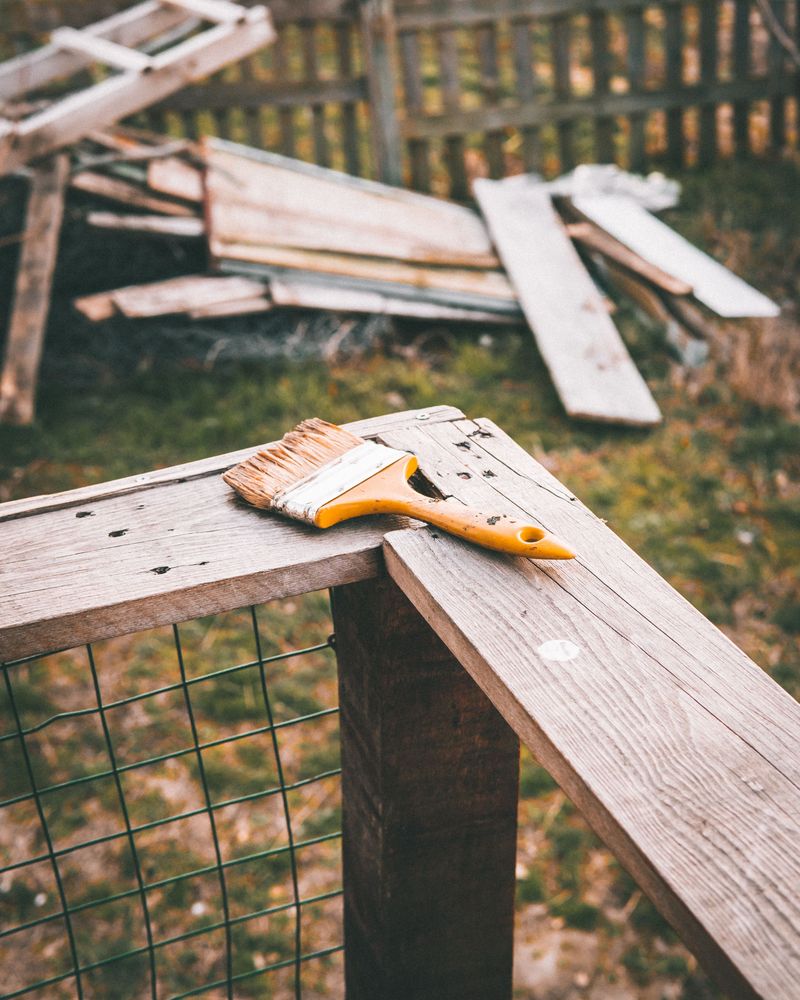
Jumping straight into repairs without talking to your neighbor is a mistake most people regret. Acting unilaterally can actually hurt your chances of getting reimbursed later.
Start by documenting the damage thoroughly. Photograph every broken panel, leaning post, and rotted section from multiple angles before anything is moved or touched.
Next, send your neighbor a written notice about the damage. A simple text or email works, but certified mail creates a legal paper trail that proves they were informed.
Get at least two or three contractor estimates before committing to any work. Sharing these quotes with your neighbor shows good faith and gives you a basis for cost discussions.
Check your local municipality’s permit requirements before replacing a fence. Some Indiana cities and counties require permits for fence replacement, and skipping this step can create headaches later.
Agree on the style, height, and material before any contractor starts the work. Disagreements about what gets built can unravel a cost-sharing deal quickly.
Bring in a neutral third party if the conversation stalls before repairs even begin. A local contractor’s honest assessment can sometimes settle disagreements faster than either neighbor expects.
Put the final agreement in writing, even if it’s just a short email confirming the split. That small step protects both sides if a disagreement resurfaces after the work is finished.
Taking these steps when a shared fence falls down in Indiana protects your wallet and your relationship. Preparation isn’t just smart, it’s the difference between a smooth fix and a messy dispute.
Resolving Disputes When A Neighbor Refuses To Pay
Your neighbor won’t chip in, and the fence is still lying on the ground. Frustrating doesn’t begin to cover it, but you have real options here.
Start with a formal written demand letter. Outline the damage, the estimated repair cost, and the legal basis for shared responsibility under Indiana law.
Many neighbors back down once they see a written demand. The combination of legal language and a clear dollar figure often motivates action faster than any conversation.
If the letter doesn’t work, Indiana’s small claims court handles disputes up to ten thousand dollars. Filing fees are low, and you don’t need an attorney to participate.
Mediation is another path worth exploring. Community mediation centers across the state offer low-cost services designed to help neighbors reach agreements without courtroom drama.
Document every attempt to resolve the issue peacefully. Judges and mediators respond well to parties who clearly tried to work things out before escalating.
Small claims court rulings are enforceable, but collecting payment sometimes takes extra steps. A judgment gives you legal standing, though you may need to pursue wage garnishment or a lien if payment doesn’t follow.
Keep the relationship in mind even while pursuing a legal remedy. Many neighbors reconcile faster once the financial dispute resolves through a fair, documented process.
When a shared fence falls down in Indiana and your neighbor refuses to act, the legal system gives you real recourse. Use it calmly, use it strategically, and the outcome is usually in your favor.