7 Fast-Growing Shade Trees North Carolina Homeowners Plant Near Patios Without Wrecking The Foundation
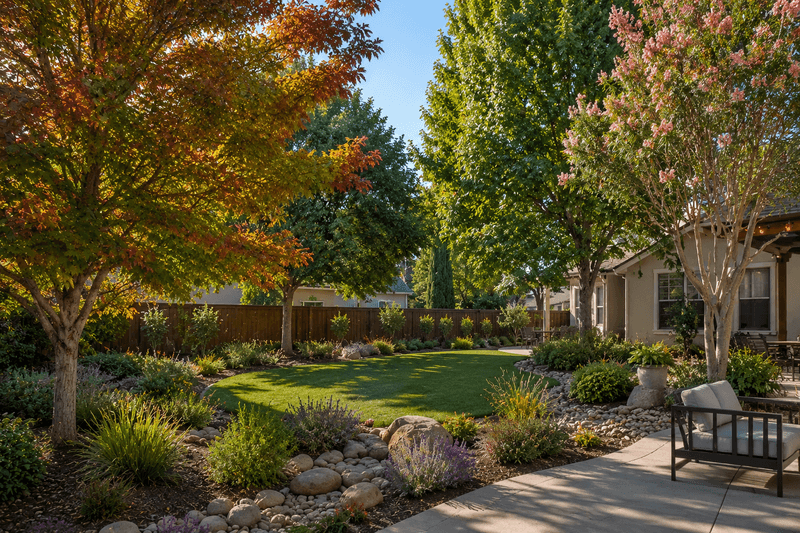
You drag your patio chair into the one sliver of shade at 3 p.m., the concrete radiating heat through your flip-flops, and you think the same thing every July. This spot needs a tree. But the last thing any North Carolina homeowner wants is a root the width of a fire hose lifting the patio slab or sneaking toward the foundation. The good news is that the tree that shades your cookout does not have to be the tree that cracks your walkway.
Pick one with roots that behave, plant it the right distance out, and you get relief in a handful of summers instead of a decade.
1. Red Maple That Colors Up Before Halloween
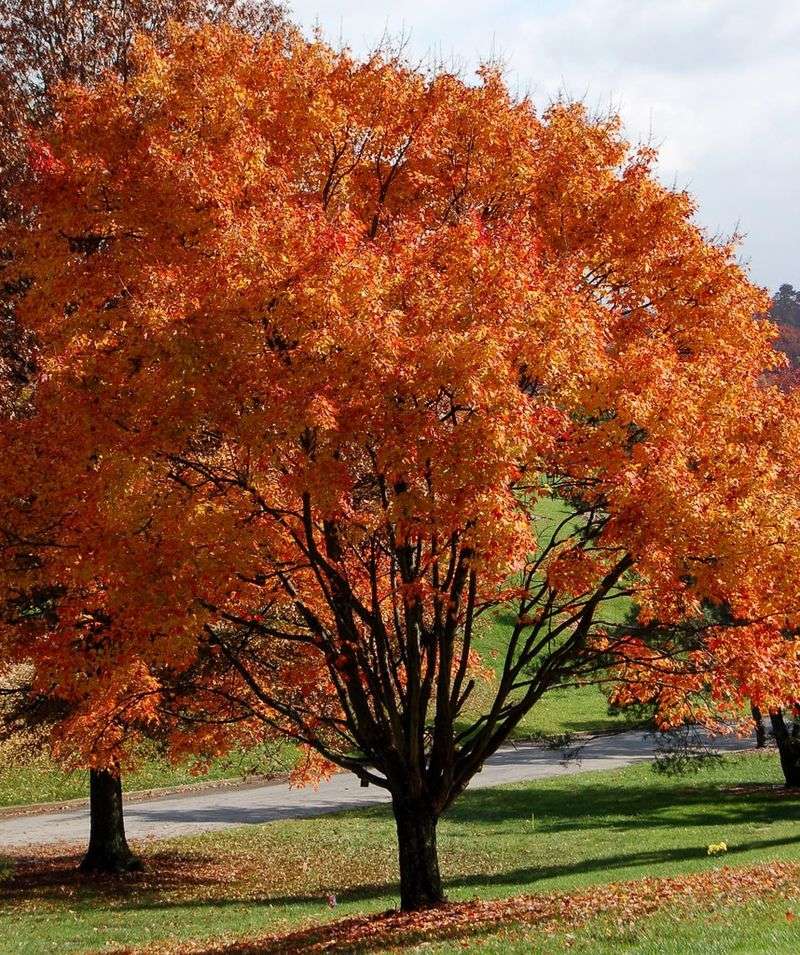
Drive any Piedmont neighborhood in late October and half the fiery trees you admire are red maples, Acer rubrum. They grow fast, often 2 to 3 feet a year once settled in, and they hand you real shade in five or six seasons.
Here is the honest catch. Red maple roots run shallow and wide, and planted too close they will hunt for water under a slab. So give them room. NC State Extension guidance leans toward keeping a tree this size at least 20 feet from the house and any hard patio edge.
Plant a container tree in fall, dig the hole twice as wide as the rootball but no deeper, and water 10 gallons a week through the first dry summer. Mulch a wide ring, never a volcano against the trunk.
What you get is a tree native to our red clay that shrugs off wet spots and turns your backyard scarlet right when the monarchs are drifting south. Your patio stays flat, your fall photos get better.
2. Tulip Poplar Racing Skyward In A Hurry
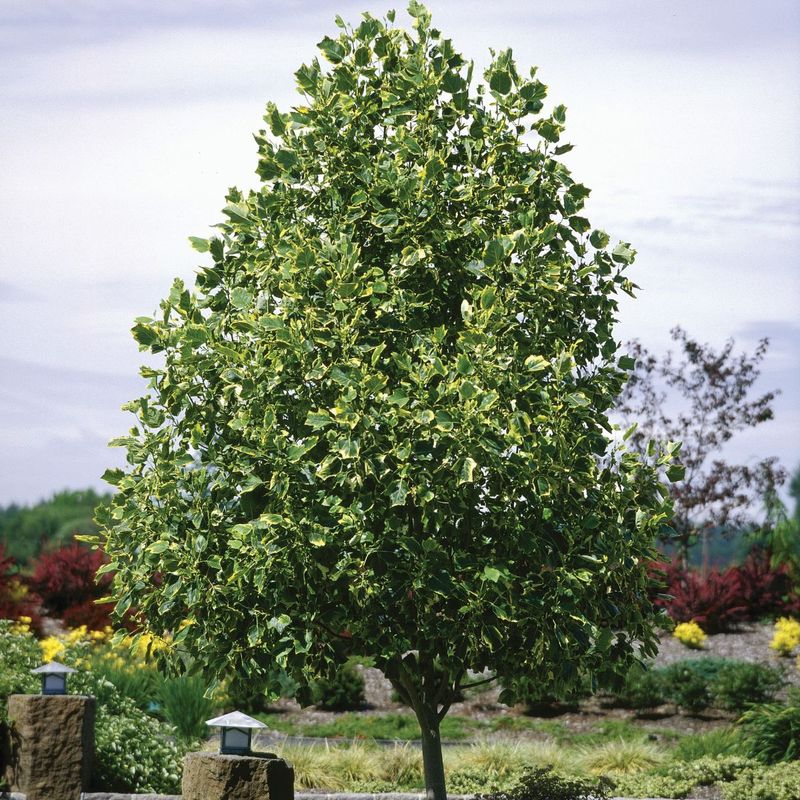
Few trees stretch for the sky like the tulip poplar, Liriodendron tulipifera, the state tree of Tennessee that grows all over our mountains and Piedmont. Young ones can add 3 feet a year, sometimes more in good soil, so patience is barely required.
The surprise most folks miss is the flower. Come May, the canopy fills with greenish-orange tulip-shaped blooms that bees work like a diner at breakfast rush.
Because a tulip poplar wants to get tall, 60 to 80 feet at maturity, keep it well back, roughly 25 to 30 feet from the patio and foundation. Its roots are deep-reaching rather than surface-buckling, which is why it stays friendly to concrete.
Set one out in early spring while the ground is still cool, stake it only if the site is windy, and soak it deeply during our muggy dry spells. It rewards the distance with a high, airy shade that cools the whole yard instead of just one chair.
3. River Birch With Peeling Bark And Deep Roots
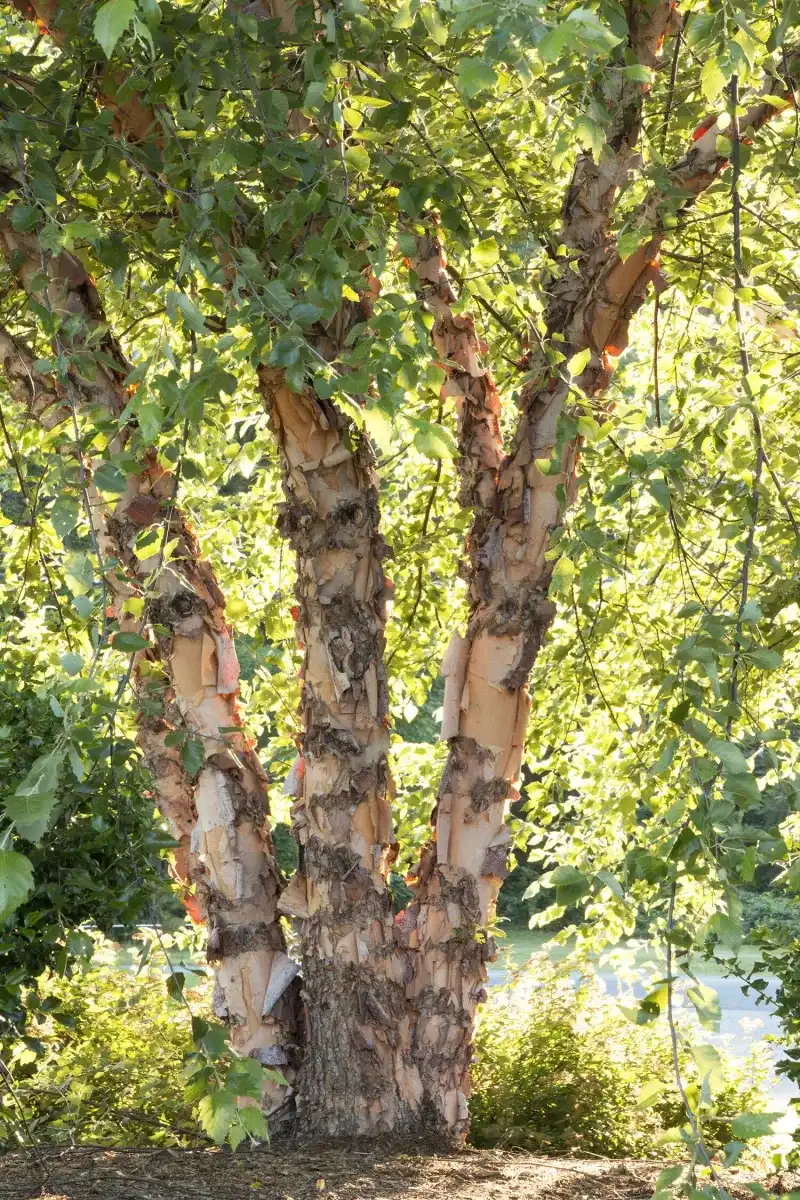
Peel back a strip of that papery cinnamon bark and you understand why river birch, Betula nigra, sells out at nurseries every spring. It is genuinely one of the best-behaved fast growers for a patio, adding 1.5 to 2 feet a year.
Most birches sulk in our summers, but this one is a Southern native built for hot, wet ground. It laughs off the soggy corner of the yard where nothing else thrives.
Your North Carolina Garden Changes Every Week. Your Plan Should Too.
Gardening in North Carolina changes quickly throughout the season. Every Friday you’ll receive a simple weekly plan showing exactly what to plant, prune, fertilize, harvest, and protect so you never miss the right timing.
The roots grow deep and fibrous rather than muscling upward, so a river birch planted 15 to 20 feet out rarely threatens a slab. Choose a multi-trunk clump for the prettiest bark show and dappled shade.
Plant it in fall or early spring, keep it watered its first two years since it drinks heavily, and expect a little leaf drop in a drought as it protects itself. Songbirds pick through the seed catkins in winter, so you get shade in summer and a bird feeder that fills itself the rest of the year.
4. Willow Oak That Behaves Better Than You Think
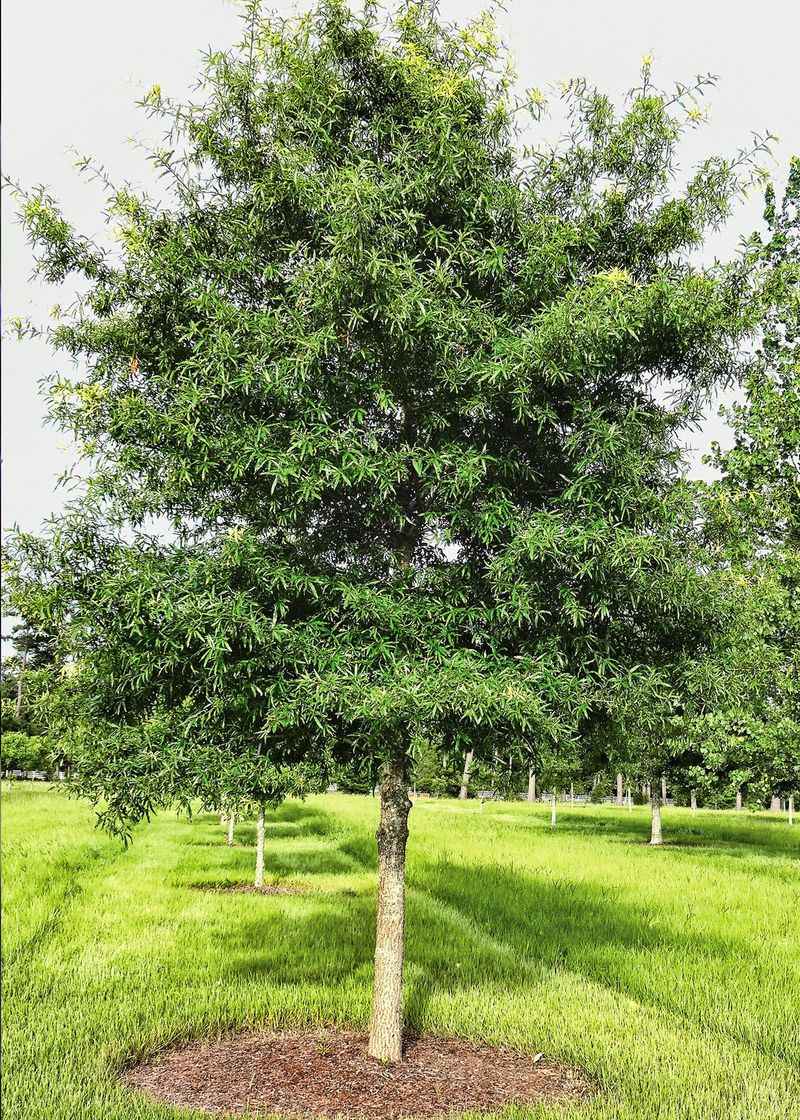
People hear oak and picture a hundred-year monster cracking the driveway. Willow oak, Quercus phellos, quietly breaks that reputation.
Its narrow willow-like leaves give it a soft, fine texture, and it grows faster than most oaks at around 2 feet a year. Towns across the Coastal Plain and Piedmont line whole streets with them because the roots tend to dive down instead of surfacing.
You will want space, since a willow oak can reach 40 to 60 feet, so plant it 25 feet or more from the house. That distance is not a suggestion with any large shade tree, it is cheap insurance against a repair bill.
Fall is the moment to plant, watering 15 gallons weekly the first season. The small leaves rake up easily, and the acorns feed everything from squirrels to wintering ducks near the coast. Give it a decade and you own the coolest yard on the block, the kind of high canopy that turns an August porch evening genuinely pleasant.
5. American Hornbeam Sized Right For Small Yards
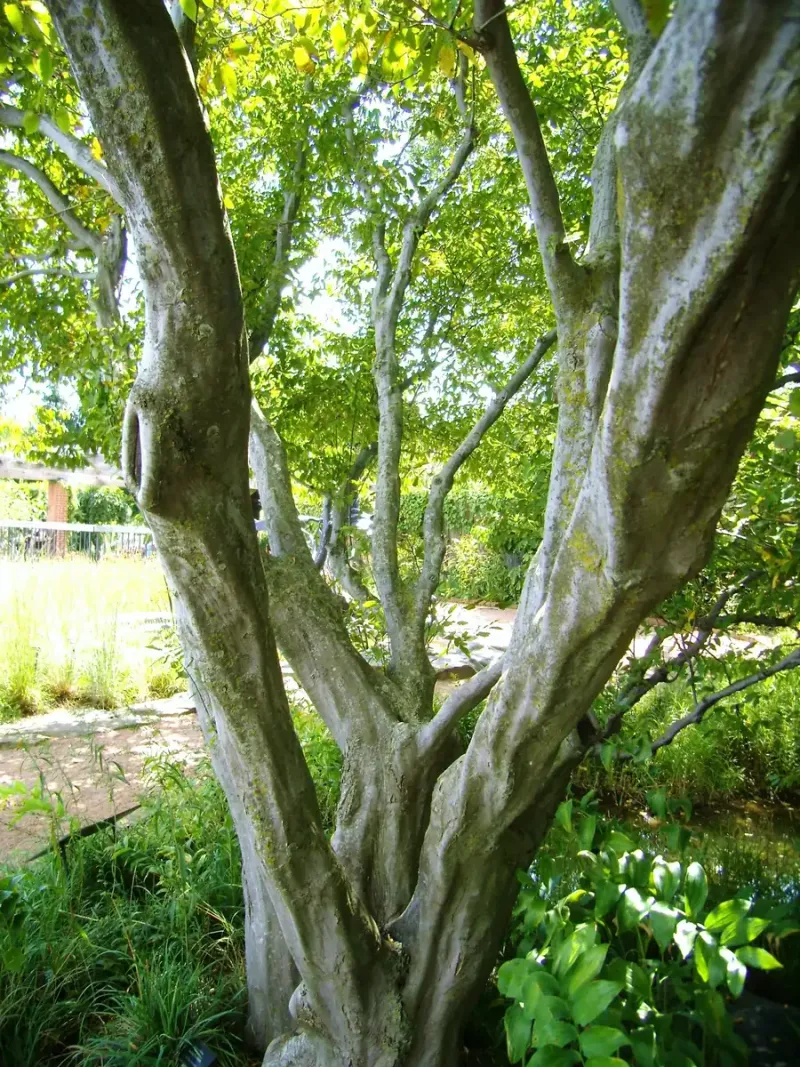
Not everybody has 30 feet of clearance behind the patio, and that is exactly where American hornbeam, Carpinus caroliniana, earns its keep. Also called musclewood for its smooth, rippled gray trunk, it tops out around 20 to 30 feet.
Growth is moderate rather than blistering, but the compact size means you can plant it just 12 to 15 feet from a slab without losing sleep over the foundation.
A Carolina native of shady creek bottoms, it takes part shade the fussier trees refuse, so it fits that tight north side of the house. The roots stay modest and mannerly.
Set one out in fall, mulch a 3-foot ring, and water through the first dry stretch. Fall brings orange and red leaves, and the little nutlets draw finches and cardinals. For a courtyard patio or a townhouse lot in Charlotte or Raleigh, it is the rare shade tree that fits the space instead of fighting it.
6. Bald Cypress That Handles Wet Ground And Wind
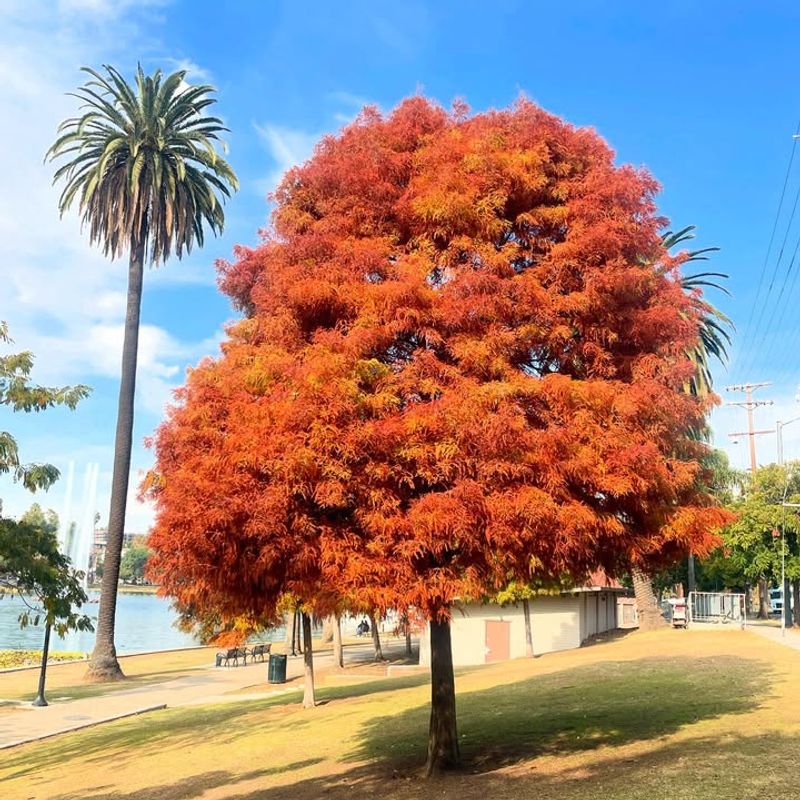
Think a cypress belongs only in a swamp, and a bald cypress, Taxodium distichum, will change your mind fast. It grows 1.5 to 2 feet a year and takes both soggy Coastal Plain soil and ordinary Piedmont clay in stride.
Here is where it gets tricky. In standing water it can send up those famous knobby knees, but planted in a normal yard 20 feet from the patio, knees almost never appear and the roots stay well below the surface.
Its feathery needles turn a warm rusty orange before dropping, which is unusual for a conifer and a real showstopper in November. Because the wood is tough and flexible, it holds up to hurricane-season gusts better than most fast growers.
Plant in fall or spring, water deeply the first summer, and skip the fertilizer the first year. You end up with a tough, storm-tested shade tree that shrugs off the wet corner and never bullies your concrete.
7. Chinese Pistache For The Toughest Spots
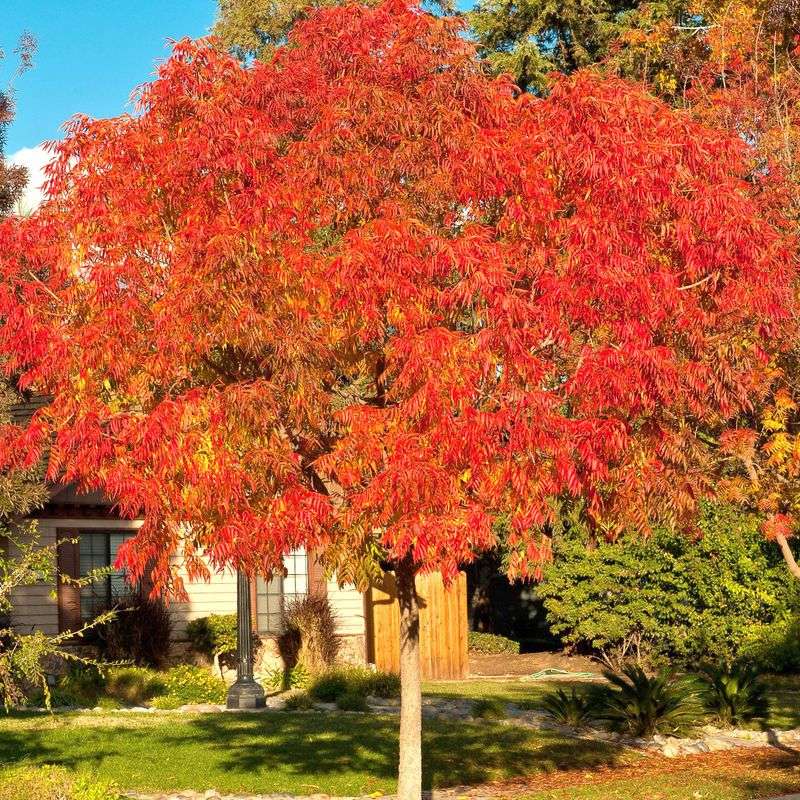
Bake a corner of the yard in full afternoon sun with lousy clay and no irrigation, and most trees quit. Chinese pistache, Pistacia chinensis, just settles in and grows, roughly 2 feet a year once established.
It is not a native, so treat it as a supporting player rather than the ecosystem star, but for a brutal hot patio edge it is hard to beat. The roots grow deep and are widely considered non-invasive, which is exactly the trait you want near a slab.
Give it about 15 to 20 feet of space, plant in fall, and once the first year passes it needs almost no babying, a friend to anyone tired of the water bill climbing every July.
The fall color is the payoff, a blaze of orange, red, and scarlet that rivals any maple, and it holds up under our surprise cold snaps down to zone 7. Drought-tough, pest-light, and easy on the concrete, it closes out the list as the low-maintenance workhorse that finally makes that hot corner usable.