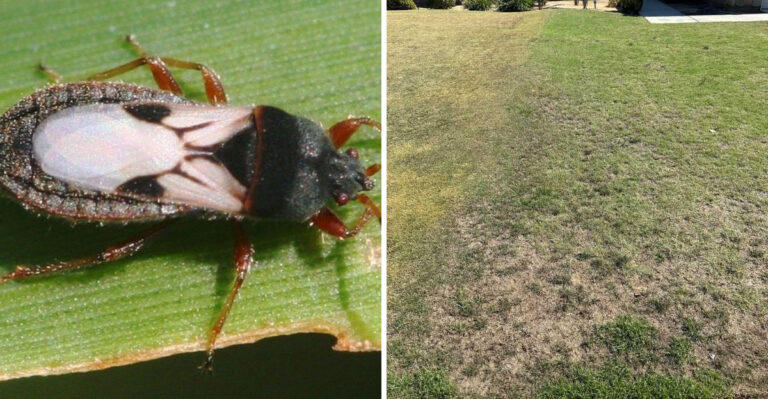
What It Really Means When Your Texas Soil Stays Soggy Before A Major Heatwave
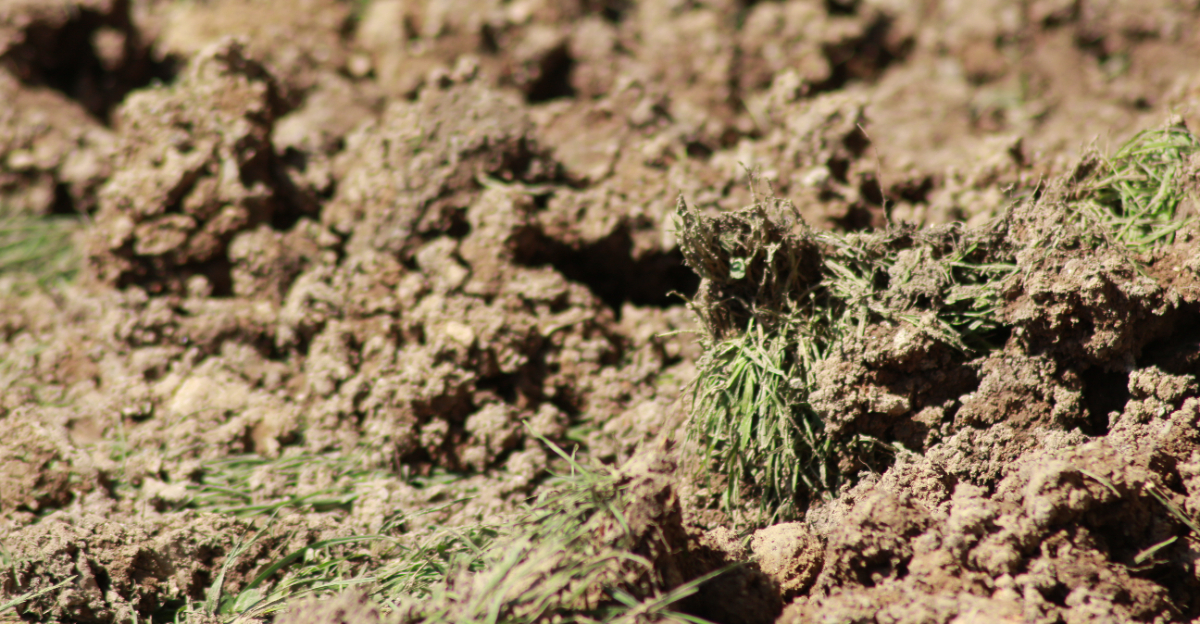
Your boots sink half an inch with every step, and that squelch under the grass shows up right before the forecast turns brutal. A Texas lawn holding water like a soaked towel rarely stays quiet for long once the heat locks in.
Puddles that linger for hours, grass blades pressed flat long after you’ve walked past, a shovel that slides in without resistance. These are the tells that something underneath your yard needs attention now, not later.
The stakes climb fast once triple digits hit. A lawn that looked fine last week can turn patchy, stressed, or scorched within days.
Here’s what’s actually going on beneath your feet, and the exact steps to turn things around before the heat does its worst.
Soggy Soil Before A Heatwave Signals Poor Drainage Or Compaction
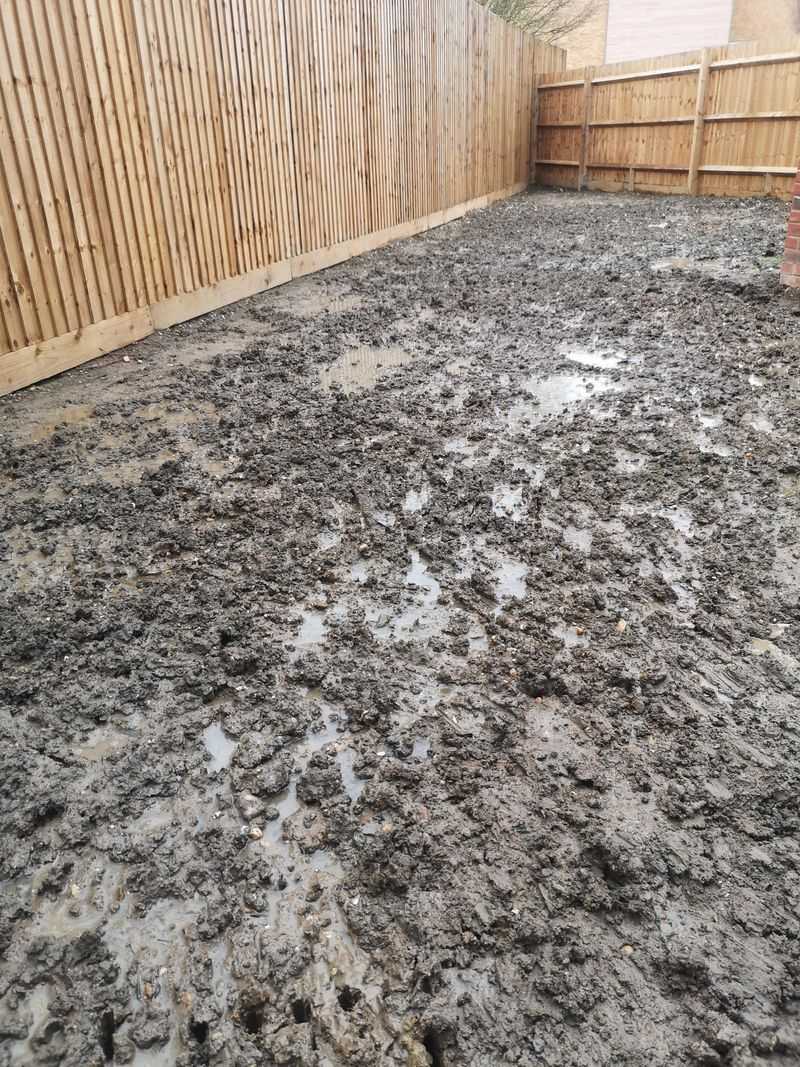
Your yard is sending an SOS. When Texas soil stays soggy before a heatwave, poor drainage or soil compaction is almost always to blame.
Compacted soil has particles packed so tightly together that water cannot move through. Rainwater or irrigation just sits on top, turning your lawn into a muddy mess.
Poor drainage works differently but causes the same problem. Water has nowhere to go because the soil layers below are blocking its path.
Compaction often happens from foot traffic, heavy lawn equipment, or years of neglect. Over time, soil loses its natural ability to breathe and absorb moisture properly.
Here is why this matters before a heatwave: soggy soil might seem like a blessing when heat is coming. But standing water near plant roots actually creates oxygen-starved conditions underground.
When the heatwave hits, that trapped moisture evaporates fast from the surface. The soil then swings from waterlogged to bone-dry in just days.
That dramatic shift shocks plants and grass in ways that are hard to recover from. Roots that were already struggling from oxygen loss now face sudden drought stress.
Testing for compaction is simple. Push a standard screwdriver into moist soil, and if it resists after six inches, your ground is compacted.
Identifying soggy soil before summer heat arrives gives you a real chance to act. Fixing drainage now protects your lawn when temperatures climb past 100 degrees.
Clay Content Traps Moisture Longer Than Sandy Soil
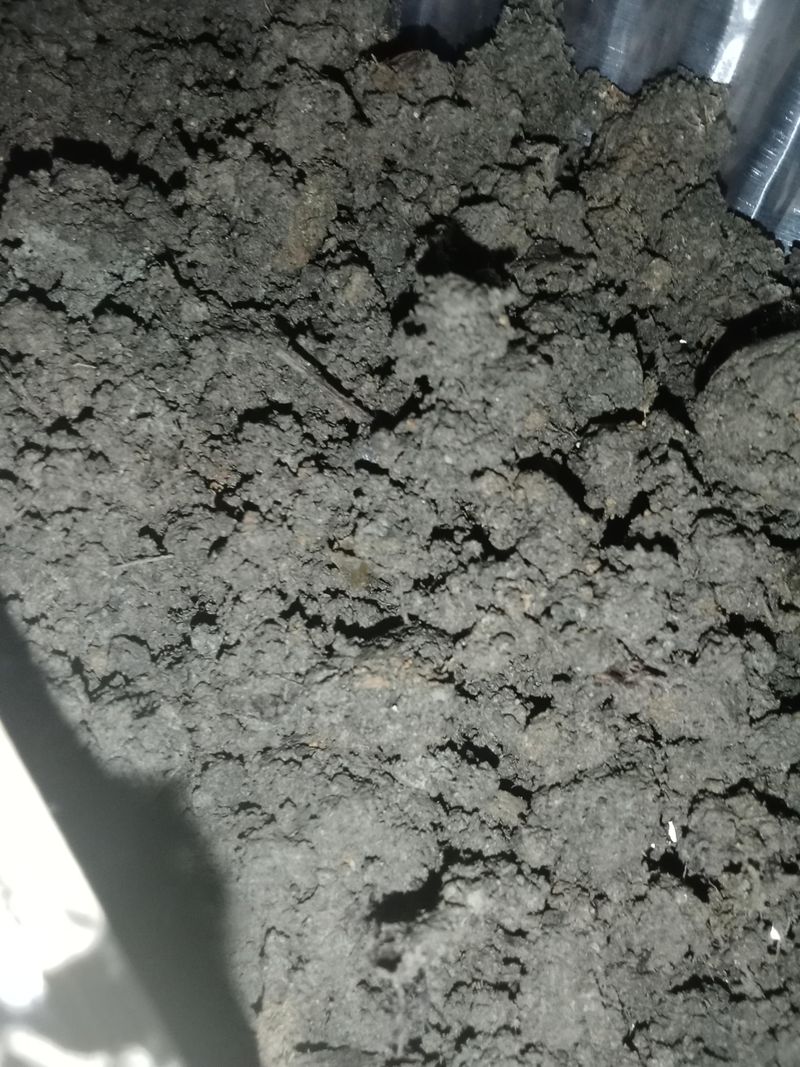
Squeeze a handful of wet Texas soil and it holds its shape like modeling clay. That stickiness is your first clue about what is going on underground.
Much of Texas sits on heavy clay-based soil, especially in the central and eastern regions. Clay particles are incredibly fine and pack together tightly, leaving almost no room for water to drain through.
Sandy soil, by contrast, has larger particles with gaps between them. Water moves through sandy ground quickly, sometimes too quickly for plants to absorb enough moisture.
Clay soil holds onto water like a sponge that never fully wrings out. Before a heatwave, that means your yard stays soggy for days or even weeks after rain.
This prolonged moisture sounds helpful, but it creates a false sense of security. The moment surface water evaporates under intense sun, the clay hardens into a dense crust.
Your Texas Garden Changes Every Week. Your Plan Should Too.
Gardening in Texas changes quickly throughout the season. Every Friday you’ll receive a simple weekly plan showing exactly what to plant, prune, fertilize, harvest, and protect so you never miss the right timing.
That hardened crust blocks most future rainfall from penetrating. Water then runs off the surface instead of soaking in, leaving roots dry and desperate below.
Gardeners dealing with clay soil benefit from adding organic matter like compost. Compost improves soil structure and helps water move more evenly through the ground.
Gypsum is another popular amendment for breaking up clay in Texas lawns. It helps separate clay particles without changing the soil’s pH balance significantly.
Knowing your soil type is the first step toward smarter watering decisions. Clay content explains a lot about why your yard stays soggy before summer heat arrives.
Waterlogged Roots Struggle Once Temperatures Spike
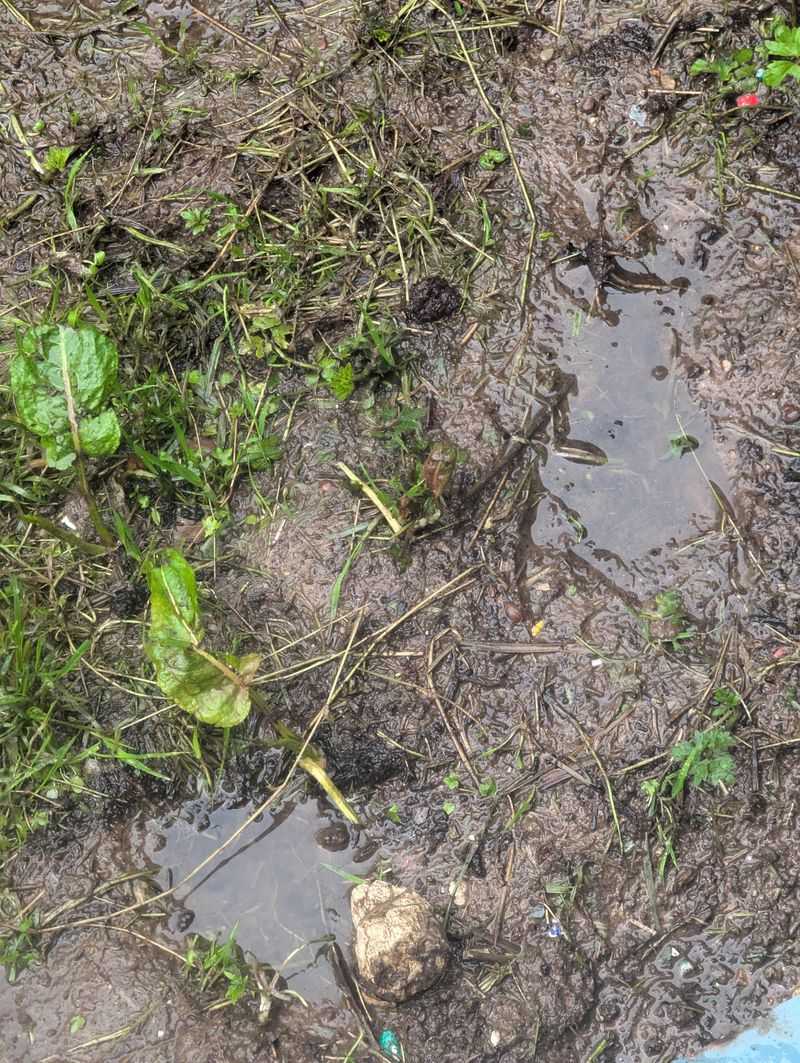
Roots need two things to survive: water and oxygen. Waterlogged soil robs them of one while delivering too much of the other.
When soil stays soggy, air pockets between soil particles fill with water, leaving little room for air. Roots sitting in that saturated zone lose access to oxygen almost entirely.
Stressed roots are already weakened before the heatwave even begins. Once temperatures spike past 95 degrees, those compromised roots face an entirely new level of stress.
Heat accelerates evaporation from both the soil surface and plant leaves. Plants with damaged roots cannot pull up water fast enough to keep pace with that loss.
Wilting is often the first visible sign of root stress during a heatwave. Homeowners sometimes water more when they see wilting, which only worsens the root situation.
Grass is equally vulnerable when its roots have been sitting in soggy conditions. Turfgrass roots become shallow and weak after prolonged waterlogging, leaving them exposed to heat damage.
Bermuda grass, which is common across Texas, can handle drought better than most. But even Bermuda struggles when its roots have been oxygen-deprived before summer heat hits.
Checking root depth is a useful diagnostic step. Healthy grass roots should extend at least four to six inches into the soil for good heat resistance.
Protecting your roots before a heatwave is one of the smartest moves you can make. Healthy underground systems give your lawn its best shot at surviving scorching summer days.
Signs Your Yard Has A Drainage Problem
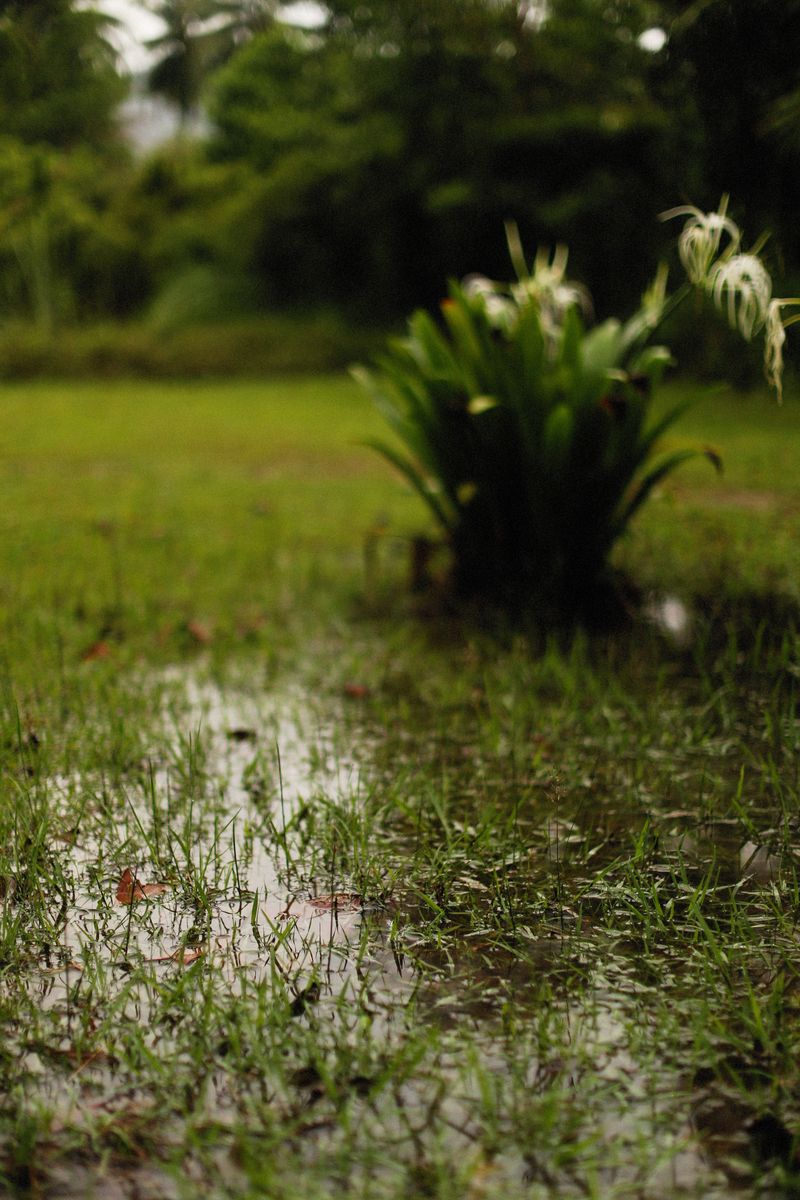
Standing water after rain is the most obvious red flag. If puddles linger in your yard for more than 24 hours, your drainage system is failing you.
Soggy patches that rarely seem to fully dry out are another clear signal. These low spots collect water and stay saturated long after the surrounding lawn dries out.
Yellowing grass in specific areas often points to waterlogged roots below. Grass that looks yellow or pale despite regular watering is usually oversaturated, not thirsty.
Moss or algae growing in your lawn is a strong indicator of chronic moisture. These organisms thrive in wet, poorly drained areas where grass struggles to compete.
Soil that feels spongy when you walk on it deserves serious attention. A lawn that squishes underfoot even days after rain is holding far more water than it should.
Water pooling near your home foundation is especially urgent to address. Soggy soil next to a foundation can lead to structural issues over time.
Gutter downspouts that empty directly onto the lawn often create drainage hot spots. Redirecting downspouts away from problem areas can make an immediate difference in soggy soil conditions.
Erosion channels or bare patches where grass refuses to grow are also warning signs. These areas often indicate that water is moving fast across the surface instead of soaking in.
Recognizing these signs early gives you time to act before summer heat arrives. Your yard is constantly communicating, and learning its language puts you ahead of the problem.
Fixing Compacted Soil Before Summer Heat Arrives
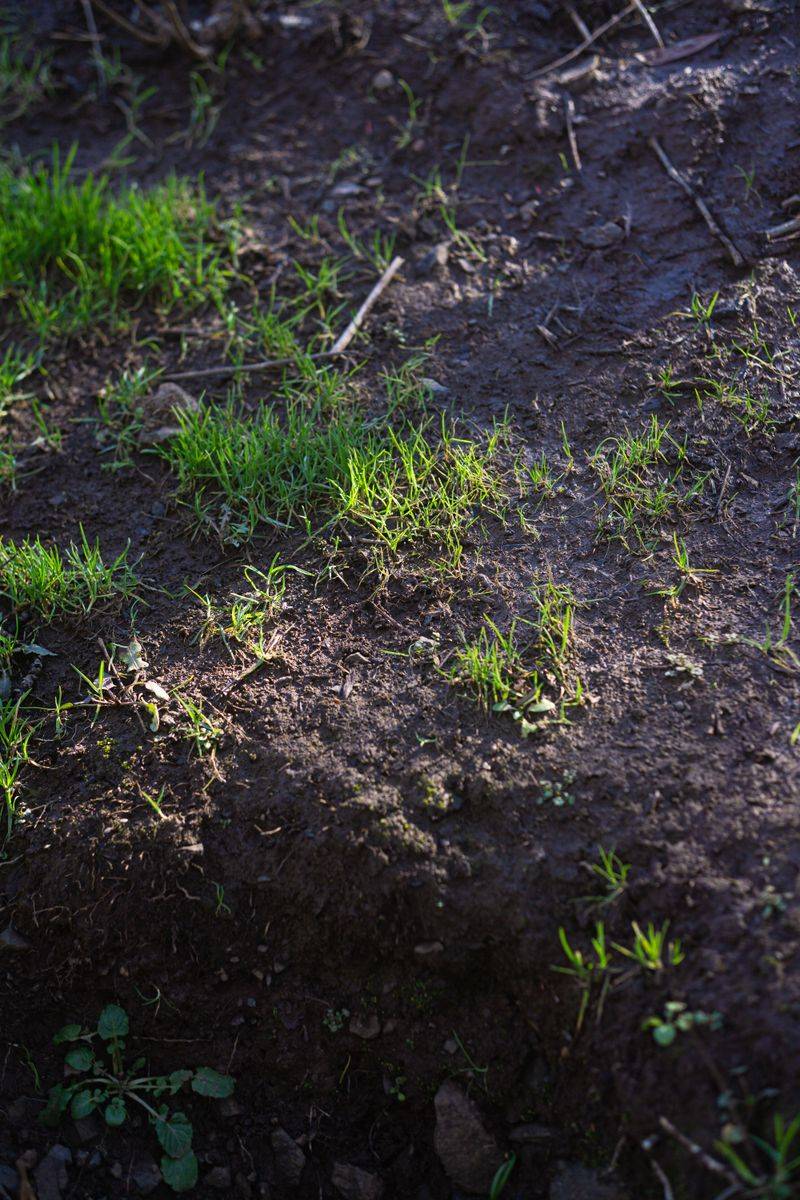
Aeration is one of the most effective fixes for compacted soil. The process pulls small plugs of soil out of the ground, creating channels for air, water, and nutrients to flow through.
Core aerators are available at most hardware stores for rent. Running one across your lawn before summer gives roots the breathing room they desperately need.
The best time to aerate warm-season grasses in Texas is late spring. Aerating too early in cool weather can stress grass that has not fully come out of dormancy yet.
After aerating, top-dress your lawn with a thin layer of compost. Compost works its way into the newly created channels and dramatically improves soil structure over time.
Topdressing with compost also introduces beneficial microbes into the soil. Those microbes break down organic material and help loosen compacted layers naturally.
Spike aerators, which simply poke holes without removing plugs, are far less effective. Invest in a core aerator for results that actually make a difference before heat arrives.
Liquid aeration products are marketed as an easier alternative, though their results are less consistently proven than mechanical aeration. These solutions contain compounds intended to help break apart soil particles when applied as a spray.
Deep watering after aeration helps the soil settle and begin recovering quickly. Watering deeply encourages roots to follow moisture downward, building stronger and deeper root systems.
Fixing compacted soil now is one of the best investments in your lawn. A healthier soil structure means your yard handles both soggy conditions and searing heat far better.
Best Practices For Watering Texas Lawns In Heatwave Conditions
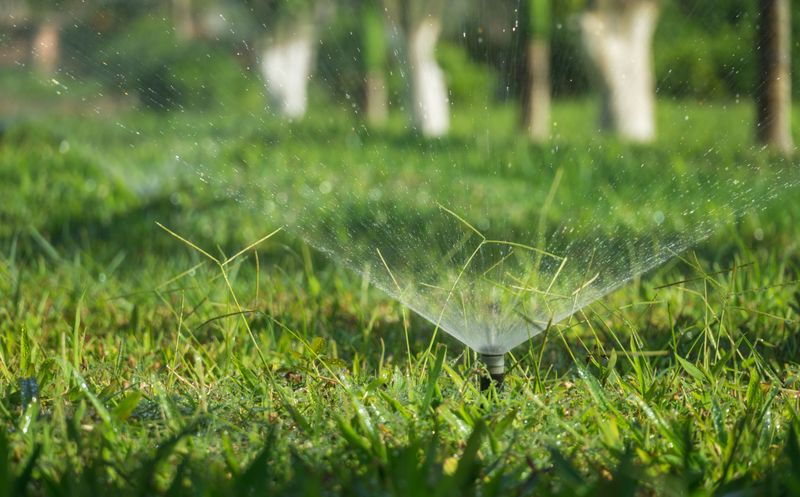
Watering at the wrong time wastes water and weakens your lawn. During a heatwave, timing your irrigation correctly can mean the difference between a thriving yard and a scorched one.
Early morning watering, between 4 a.m. and 9 a.m., is widely considered the gold standard. Moisture soaks into the soil before intense heat causes rapid evaporation from the surface.
Avoid watering in the evening whenever possible during hot stretches. Wet grass overnight creates conditions where fungal diseases spread quickly across the lawn.
Deep, infrequent watering builds stronger root systems than shallow daily watering. Watering deeply once or twice a week encourages roots to grow downward toward stable moisture reserves.
A simple tuna can placed on the lawn helps measure irrigation output accurately. When the can collects about an inch of water, your lawn has received enough for the session.
Drip irrigation is an excellent choice for garden beds and shrubs during heatwaves. Drip systems deliver moisture directly to root zones, cutting waste and improving plant health significantly.
Smart irrigation controllers that adjust based on weather data are worth every penny. These systems automatically reduce watering when rain is forecasted, preventing the soggy soil problems that plague many yards.
Mulching around trees, shrubs, and garden beds slows moisture evaporation dramatically. A two-to-three-inch layer of mulch keeps soil cooler and more consistently moist during peak summer heat.
Watering smarter, not harder, is the key to protecting your lawn during extreme heat. Good irrigation habits paired with healthy soil give your yard a fighting chance all summer long.