This Native North Carolina Plant Keeps Goldfinches Fed All Summer Long
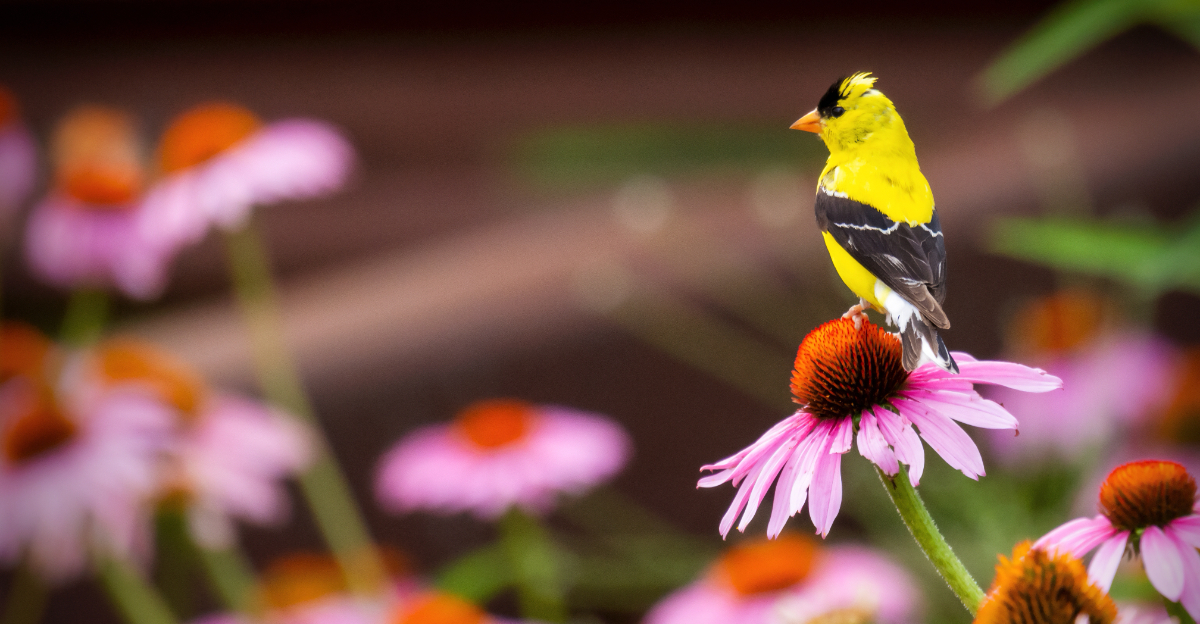
A single blossom can turn a quiet backyard into a runway for wildlife most people never plan for. This wildflower draws goldfinches, bees, and butterflies to its spiky orange center like it’s the only show in town.
It isn’t fussy about soil, and it shrugs off drought that would leave other garden favorites wilting by noon. Gardeners across North Carolina plant it for the color, but the real payoff shows up in late summer.
That’s when finches perch on the dried seed heads, working through them one bite at a time. This tough perennial handles heat, poor soil, and neglect without missing a beat.
No Feeder Needed When This Perennial Does The Work
Forget the feeder. Purple coneflower does the heavy lifting so you can put the seed tube away for good.
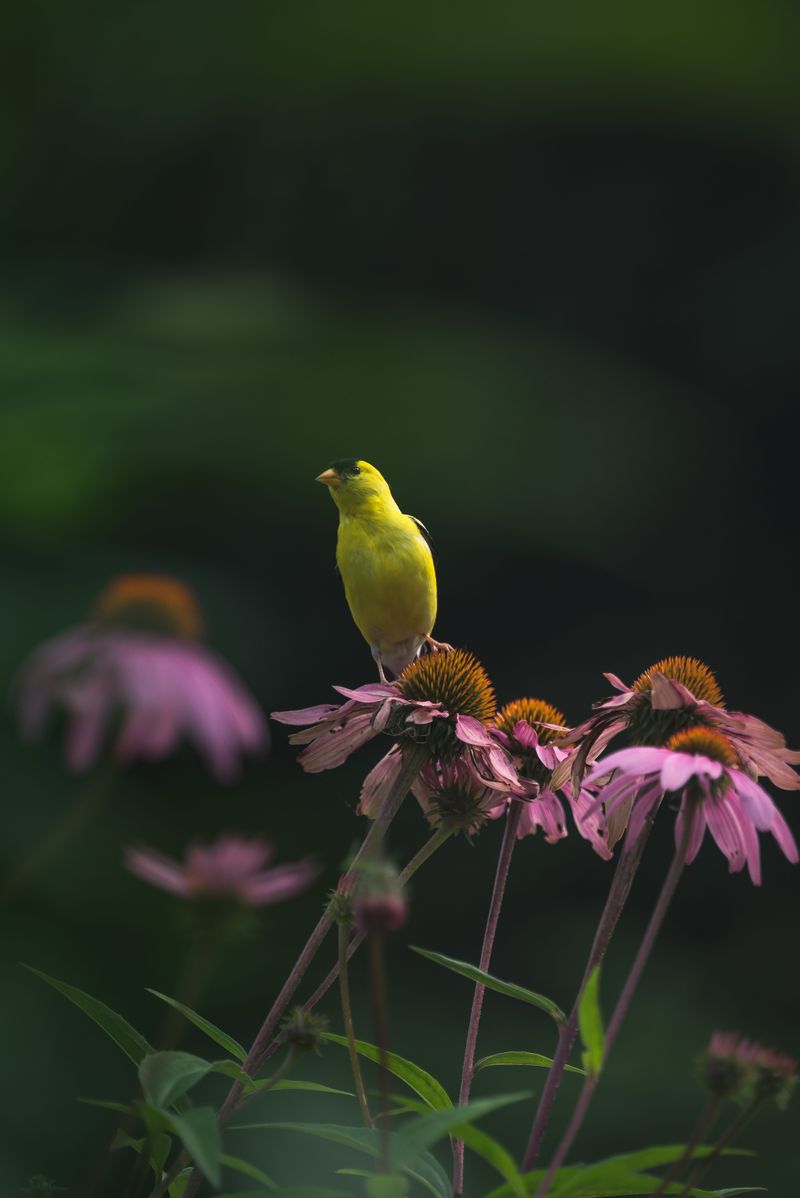
Goldfinches are seed eaters by nature, and they are remarkably good at finding wild sources. A clump of coneflowers in your yard becomes a natural buffet from midsummer straight through early fall.
The plant produces dense, spiky seed heads that hold dozens of tiny seeds. Each seed head is basically a free meal waiting for any goldfinch that happens to fly overhead.
You do not need fancy equipment, special feeders, or a particular brand of nyjer seed. The plant handles everything once it is established in your garden.
Perennials like purple coneflower return every single year without replanting. That means your investment of time and money shrinks significantly after the first season.
Many North Carolina gardeners are surprised to learn that native plants outperform feeders in some ways. Birds that forage naturally tend to spend more time in your yard, giving you longer, better views.
The coneflower also blooms for weeks at a stretch, so the feeding window stays open far longer than a single feeder filling. Watching goldfinches cling to those spiky heads feels more rewarding than watching them eat from plastic.
There is something deeply satisfying about building a yard that feeds wildlife on its own terms. Skip the feeder this summer and let the garden do what nature intended.
Purple Coneflower Produces The Seed Heads Goldfinches Crave
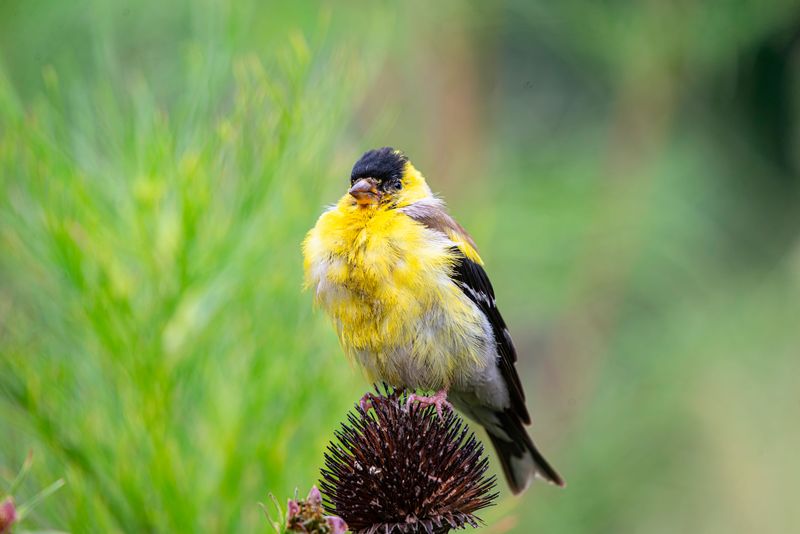
That spiky brown cone in the center of a coneflower is not just decoration. It is packed with tiny seeds that goldfinches target with laser-like focus every single summer.
Purple coneflower seed heads form right after the petals fade. The seeds mature slowly through July and August, giving birds a steady, reliable food source at exactly the right time.
Goldfinches time their breeding season to match peak seed availability in the wild. Purple coneflower fits neatly into that schedule, making it one of the more valuable plants you can grow for these birds.
Each mature seed head can hold dozens of individual seeds. For a small bird that weighs around half an ounce, that is a substantial meal packed into one tidy package.
The seeds are rich in fat and protein, which goldfinches need to fuel their active summer lives. Growing chicks especially benefit from the nutrition these seeds provide.
Your North Carolina Garden Changes Every Week. Your Plan Should Too.
Gardening in North Carolina changes quickly throughout the season. Every Friday you’ll receive a simple weekly plan showing exactly what to plant, prune, fertilize, harvest, and protect so you never miss the right timing.
You might notice goldfinches hanging upside down to reach seeds on the underside of a cone. Their feet are built for exactly that kind of acrobatic foraging.
Planting several coneflowers rather than just one dramatically increases the food supply available to your local flock. A mass planting of ten or more plants can support multiple birds feeding at once.
Purple coneflower keeps goldfinches fed all summer long, and watching them work those seed heads up close never gets old.
Leaving Spent Blooms Standing Matters More Than Removing Them
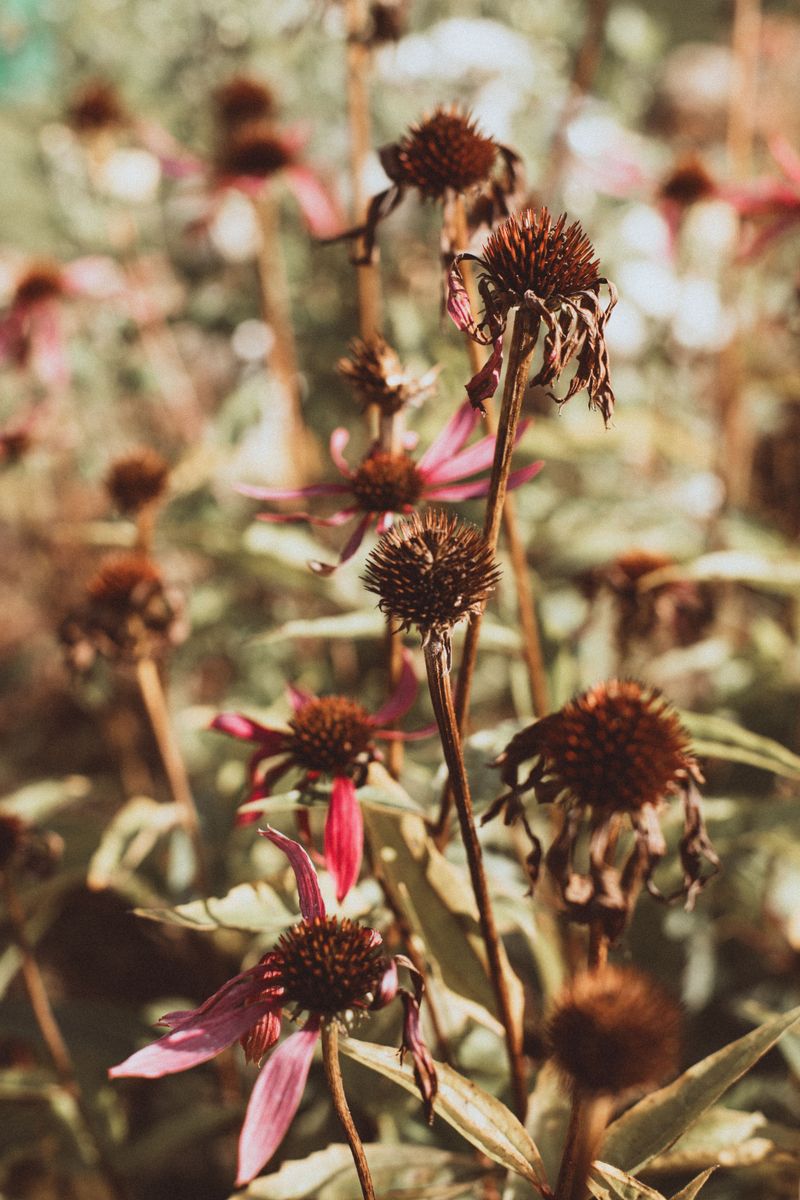
Most gardeners are taught to remove spent flowers to keep beds looking tidy. With purple coneflower, that habit works directly against the birds you are trying to feed.
Cutting back spent blooms removes the seed head before it matures. Skip that step and the seed heads dry out untouched, leaving goldfinches to search elsewhere for their next meal.
Leaving spent blooms standing takes almost no effort on your part. You simply resist the urge to snip, and the plant rewards you by becoming a neighborhood bird restaurant.
The seed heads also add visual interest to the garden well into autumn. Their dark, textured forms look striking against ornamental grasses or late-blooming perennials nearby.
Beyond goldfinches, other songbirds like chickadees and nuthatches will visit standing seed heads once goldfinches move on. A single plant can serve multiple species across several months.
This approach echoes the leave the stems movement, which has gained serious popularity among native plant gardeners. The movement encourages homeowners to see dried plant material as habitat rather than mess.
Neighbors who see your coneflowers standing through fall may ask why you left them up. That becomes a great chance to share the story of how native plants support birds with very little extra work.
This Plant Thrives In North Carolina Heat With Little Water
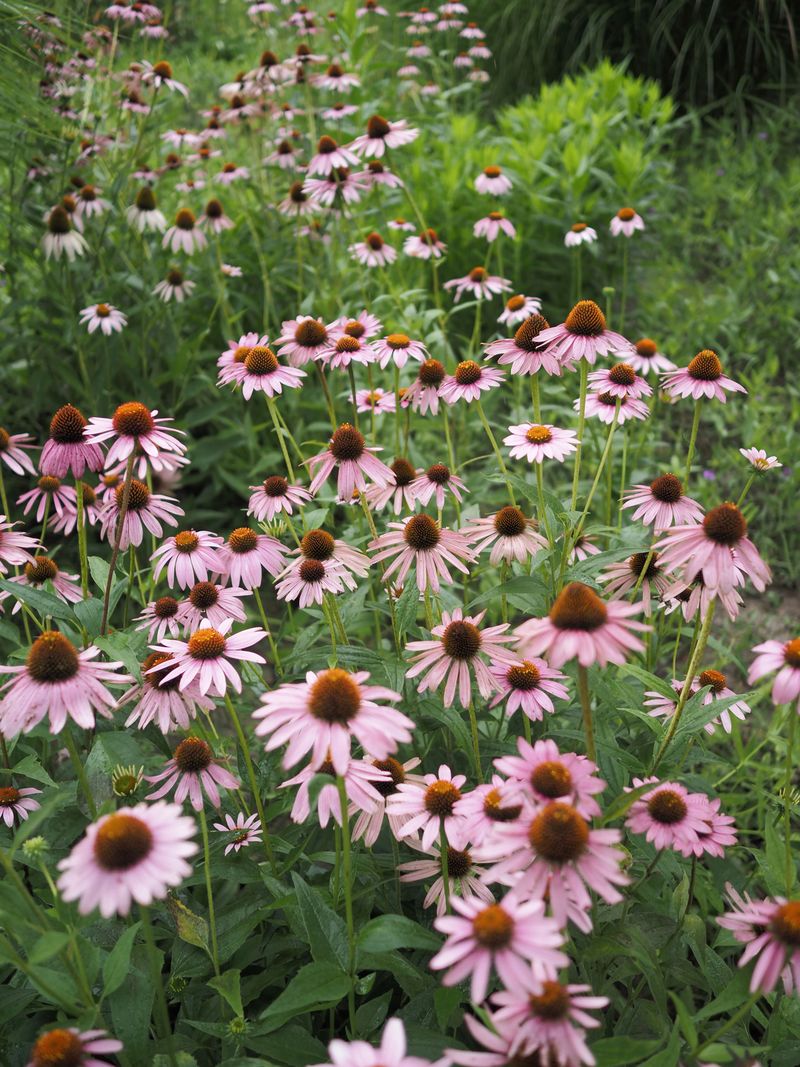
Summers in North Carolina are brutal, and most garden plants make you pay for that heat with constant watering. Purple coneflower laughs at drought and keeps blooming anyway.
This plant is native to the eastern and central United States, where it evolved to handle long stretches of heat and dry soil. Its deep taproot pulls moisture from far below the surface when the top layers bake dry.
Once established, purple coneflower needs almost no supplemental watering in most years. A good soaking during the first season helps roots anchor deeply, and after that the plant handles itself.
Clay soil, sandy loam, rocky hillsides, this plant grows in all of them without complaint. That adaptability makes it a go-to choice for North Carolina gardeners who want results without constant maintenance.
Full sun is where coneflower performs best, producing the most blooms and the densest seed heads. A spot that gets at least six hours of direct sunlight daily keeps the plant happy and productive.
You will not need to fertilize heavily either. Rich, over-amended soil actually causes coneflower to flop and produce fewer blooms than plants grown in leaner conditions.
The toughness of this plant is part of what makes it so effective for attracting goldfinches reliably. A plant that struggles rarely produces the seed abundance birds depend on through summer.
Tough conditions build tough plants, and tough plants feed birds when other sources run dry.
Goldfinches Return To The Same Seed Heads Through Late Summer
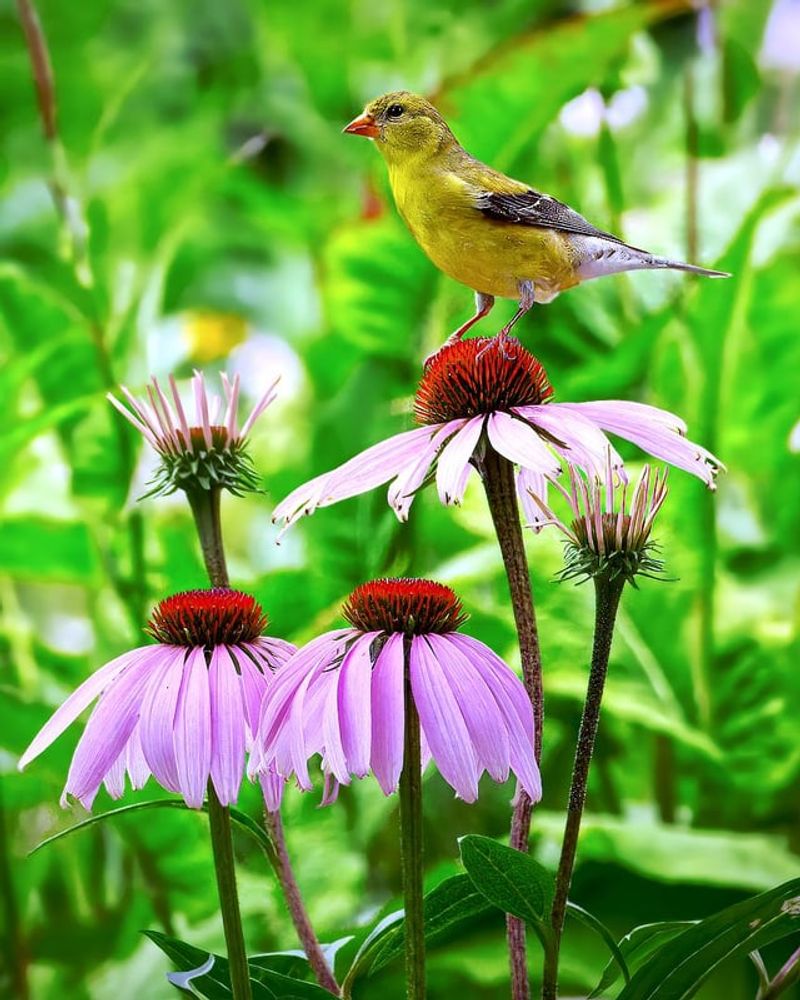
Once goldfinches find a reliable food source, they come back to it again and again. Plant coneflowers this year and you may see the same birds returning to the same stalks for weeks.
Late summer is when goldfinch activity around coneflowers peaks. The seeds are fully ripe, the flock sizes grow as juveniles join adults, and the yard fills with cheerful, chattering yellow birds.
Male goldfinches in summer plumage are impossibly bright against the purple and brown of the flower heads. Few garden moments are more photogenic or more satisfying to stumble upon.
Female goldfinches, which are a softer olive yellow, are equally active at the seed heads during this period. Watching a pair forage together on the same cone is a small, lovely thing.
The window of peak feeding can last six to eight weeks if you have enough plants. Staggering your planting times slightly can extend that window even further across the season.
Some North Carolina gardeners report goldfinches visiting their coneflower patches from first light until dusk on productive days. The birds are efficient, methodical, and largely unbothered by human observers nearby.
Building that kind of consistent wildlife activity in your yard starts with one simple choice. Plant purple coneflower, and the goldfinches will handle the rest of the schedule.
Growing Purple Coneflower Alongside Other Bird Friendly Natives
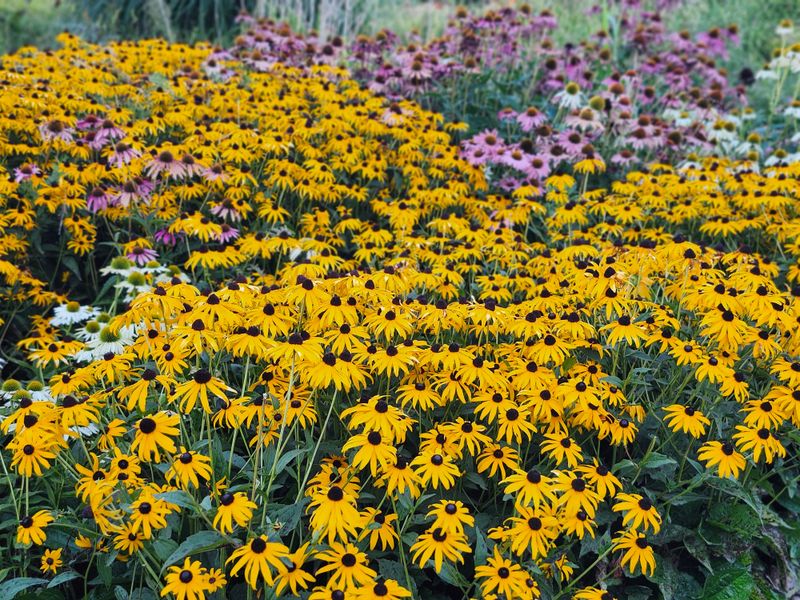
Purple coneflower plays well with others. Pairing it with complementary native plants creates a layered habitat that supports goldfinches and dozens of other species simultaneously.
Black-eyed Susan is a natural companion plant that blooms on a similar schedule. Its seed heads attract the same birds, extending the feeding season and adding bright yellow color to the garden palette.
Native grasses like little bluestem and switchgrass provide cover and additional seeds that goldfinches and sparrows enjoy. Tall grasses also give birds a safe perch between feeding sessions on the coneflower heads.
Rattlesnake master, a native prairie plant, adds bold architectural texture while supporting pollinators that also benefit the broader garden ecosystem. Pairing it with coneflower creates a visually striking and ecologically rich planting.
Bee balm attracts hummingbirds and butterflies while coneflower handles the goldfinch crowd. Together they make a garden that buzzes and flutters from morning until evening all summer.
Dense plantings of natives also reduce weeding because they outcompete most common lawn weeds once established. Less weeding means more time sitting outside watching the birds you worked to attract.
Native plant combinations mimic the meadow edges where goldfinches naturally forage in the wild. Recreating that habitat in your yard invites birds to behave naturally and stay longer.
A well-planned native garden becomes self-sustaining over time, asking less of you each year while giving more to local wildlife. That trade is hard to beat in any season.