Pennsylvania Gardeners Are Quietly Planting This Native Shrub Instead Of Hydrangeas
Hydrangeas have had a long and well deserved run as one of Pennsylvania’s most loved garden shrubs. The blooms are spectacular, the presence is undeniable, and they’ve earned their place in countless Pennsylvania gardens over the years.
But a quiet shift is happening among gardeners who have started asking a different question.
Not just what looks beautiful, but what actually belongs here and what gives back more than it takes. There’s a native Pennsylvania shrub that is becoming the answer to that question.
It blooms generously, offers multi season interest, and delivers visual impact that stands up to any hydrangea variety in the garden center. But it does something hydrangeas simply cannot.
It supports native bees, birds, and butterflies in ways that are deeply connected to the local ecosystem, because this shrub evolved alongside Pennsylvania wildlife and fills ecological roles that no imported ornamental can replicate.
Gardeners who have made the switch describe it as one of the best planting decisions they’ve made.
Here’s the native shrub Pennsylvania gardeners are quietly choosing over hydrangeas this season.
Common Ninebark Delivers A Large Flowering-Shrub Look With Pennsylvania Roots
Long before hydrangeas became the star of every suburban yard, common ninebark was already thriving in Pennsylvania’s forests, stream banks, and rocky hillsides.
This deciduous shrub is native to Pennsylvania and eastern North America, which means it evolved right here in conditions that many imported ornamentals struggle to handle. That kind of deep local connection is something no fancy hybrid can replicate.
The plant grows in an upright, arching form that creates a full, rounded silhouette. Most gardeners describe it as having a substantial presence, the kind that anchors a garden bed and makes the whole space feel intentional.
The straight species can reach anywhere from 5 to 12 feet tall, giving it the same bold scale that people love about large hydrangea varieties.
If your planting space is smaller, compact cultivars like “Tiny Wine” or “Little Devil” stay under 4 feet and fit neatly into tighter spots. You can use ninebark in mixed borders, informal hedges, rain gardens, and naturalized landscapes with equal success.
It blends beautifully with ornamental grasses, native perennials, and other woodland shrubs.
For Pennsylvania gardeners who want a plant with real regional character, ninebark delivers on every level.
It does not need to be coddled, does not require special soil amendments, and does not demand the kind of fussy attention that some hydrangeas require.
Choosing a plant that belongs in your region is one of the smartest gardening decisions you can make, and ninebark makes that choice an easy and rewarding one for both you and local wildlife.
Its Rounded White Flower Clusters Create An Early-Summer Display
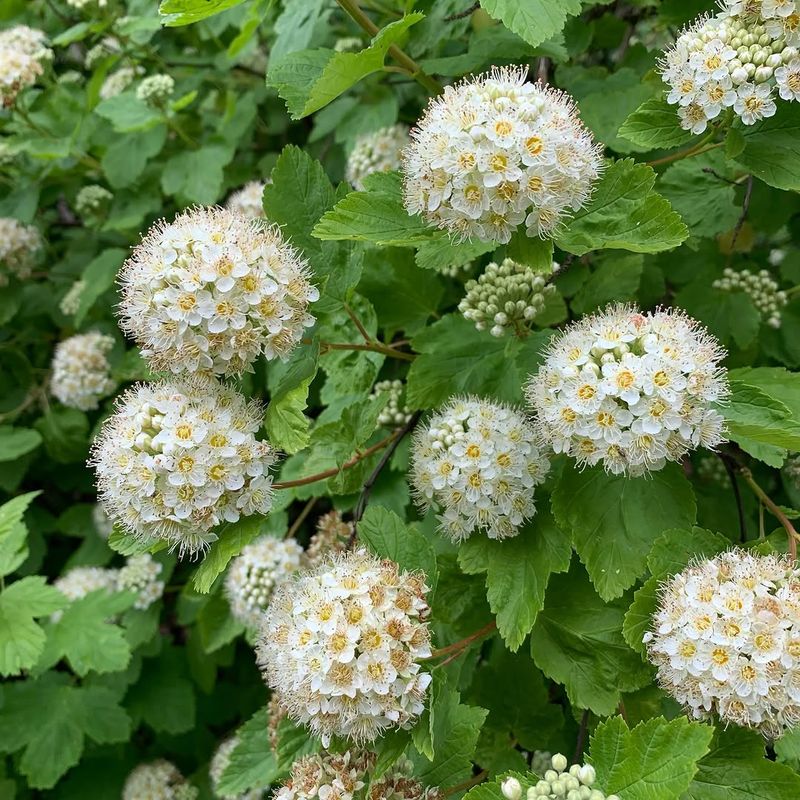
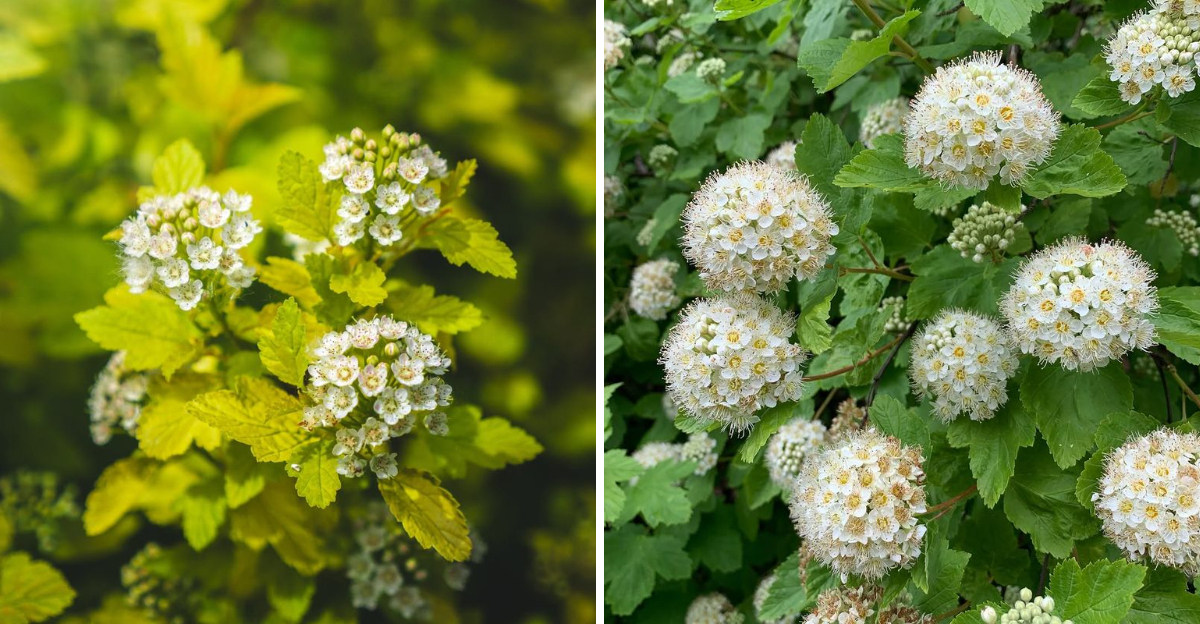
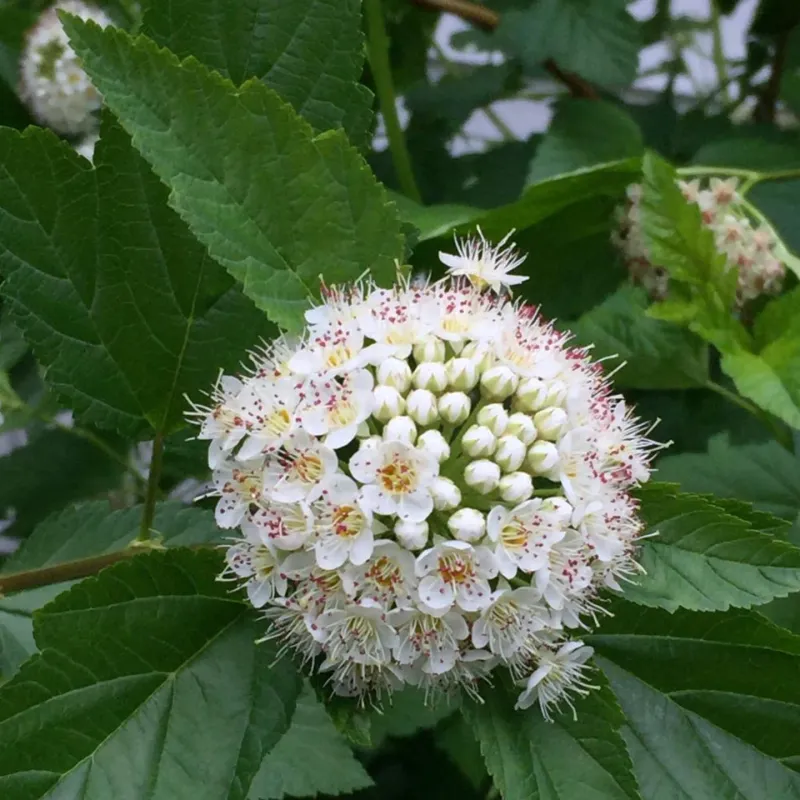
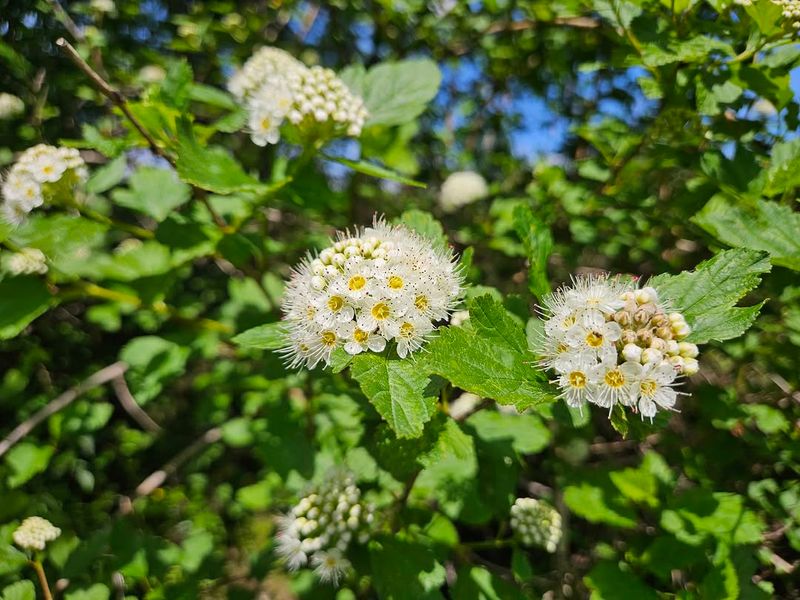
Picture a shrub absolutely covered in fluffy, rounded clusters of white flowers on a warm June morning. That is exactly what ninebark delivers when it reaches peak bloom.
The flowers appear in late spring to early summer, creating a soft, airy display that catches the eye from across the yard. Each cluster is made up of many tiny individual flowers packed tightly together, giving the whole plant a frothy, celebratory look.
Your Pennsylvania Garden Changes Every Week. Your Plan Should Too.
Gardening in Pennsylvania changes quickly throughout the season. Every Friday you’ll receive a simple weekly plan showing exactly what to plant, prune, fertilize, harvest, and protect so you never miss the right timing.
The rounded flower heads remind many people of hydrangeas at first glance, which is a big part of why gardeners are making the switch.
While individual ninebark flower clusters are smaller than the famous mophead hydrangea blooms, the sheer number of clusters spread across the whole shrub creates a similarly impressive effect. Pink-tinged cultivars add an extra layer of color to the display.
One major difference worth knowing is timing. Ninebark typically blooms earlier in the season than most hydrangeas, which means it fills that late spring gap when many summer shrubs have not yet gotten started.
For gardeners who want continuous color from spring through fall, ninebark pairs beautifully with later-blooming plants to keep the show going.
Native bees absolutely love these flowers. Honey bees, bumblebees, and smaller native bee species visit the blooms regularly, making ninebark a genuinely productive plant for your local ecosystem.
After the flowers fade, small reddish seed capsules develop and add another layer of seasonal interest. The blooming period may be shorter than some hydrangeas, but the ecological value and visual charm make every single day of it count.
Colorful Foliage And Peeling Bark Extend The Show Beyond Blooming
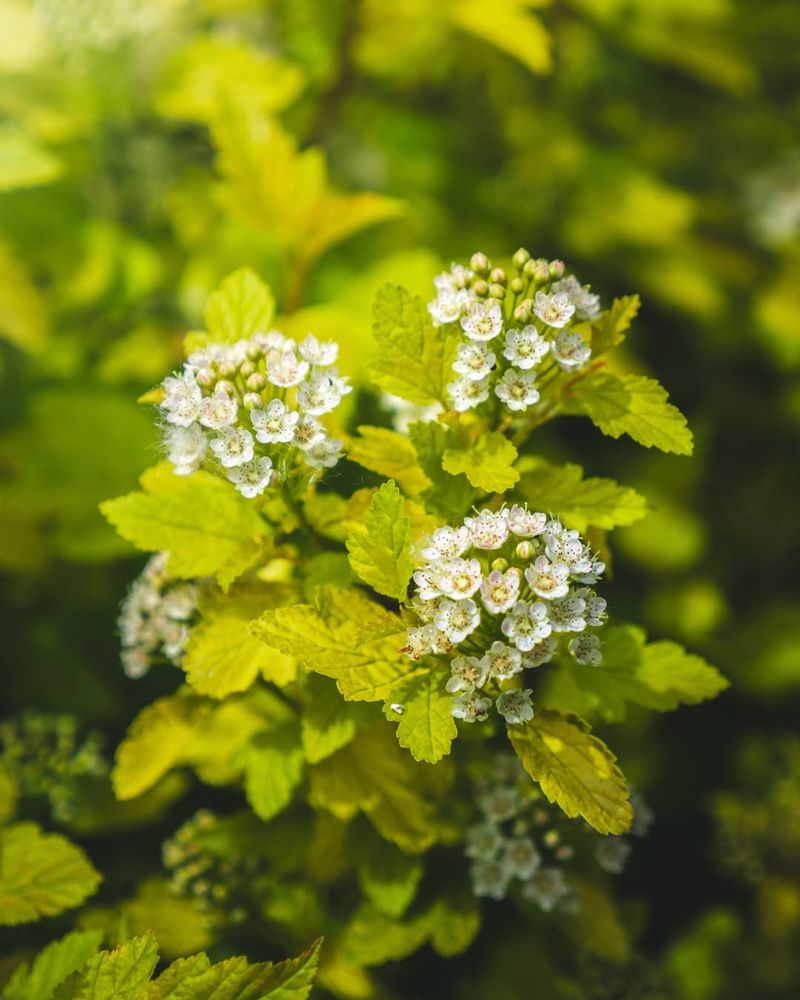
Most flowering shrubs have one big moment and then fade into the background for the rest of the year. Ninebark refuses to follow that pattern.
Long after the flower clusters have come and gone, this shrub keeps delivering visual interest through two of its most distinctive features: colorful foliage and peeling bark that looks like it belongs in an art gallery.
The straight native species carries green, deeply lobed leaves that look attractive throughout the growing season. But the cultivated selections are where things get really exciting.
Varieties like “Coppertina” show off warm copper and orange tones, “Diablo” produces rich, deep purple leaves, and “Dart’s Gold” lights up a shaded corner with bright yellow-green foliage.
These colored leaf options let you use ninebark as a foliage plant first and a flowering shrub second.
Then there is the bark. Mature ninebark branches develop peeling, shredding layers that peel away in thin strips, revealing lighter inner wood beneath.
This is exactly how the plant earned its quirky name, though the actual number of bark layers is more of a poetic exaggeration than a precise count.
The effect is genuinely beautiful, especially in winter when bare branches catch the low light of a January afternoon.
This combination of seasonal interest makes ninebark one of the hardest-working shrubs in any Pennsylvania garden.
Spring brings fresh foliage, early summer delivers the flowers, fall offers warm leaf color in some cultivars, and winter reveals that striking exfoliating bark.
Very few ornamental shrubs offer that kind of four-season performance, and that is a big reason gardeners keep coming back to it.
Ninebark Tolerates Conditions That Can Challenge Hydrangeas
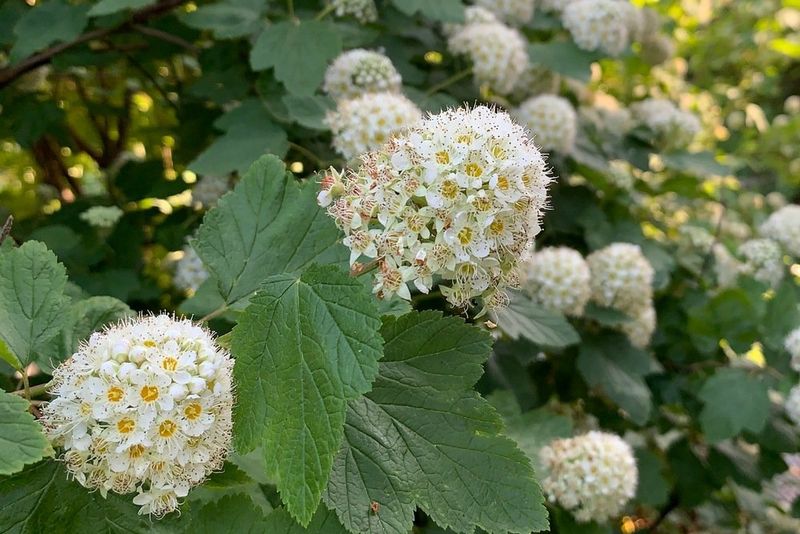
Hydrangeas can be demanding. They want the right soil pH, consistent moisture, protection from harsh afternoon sun, and sometimes even specific fertilizer to bloom their best.
Ninebark, on the other hand, seems almost unfazed by the kinds of conditions that send other shrubs into a sulk. That adaptability is one of the biggest reasons Pennsylvania gardeners are paying attention to it right now.
Established ninebark handles a surprisingly wide range of soil-moisture conditions. It can grow in periodically wet ground near downspouts or rain gardens, and it can also push through dry spells once its root system is fully settled in.
Penn State Extension actually includes ninebark among its heat- and drought-tolerant plant recommendations, which is a meaningful endorsement for gardeners dealing with Pennsylvania’s sometimes unpredictable summer weather.
Rocky, clay-heavy, or less-than-perfect soil? Ninebark can work with all of that.
It grows in full sun to partial shade, although flowering is strongest and foliage color is most vivid when the plant gets plenty of direct sunlight each day. A spot with at least six hours of sun will bring out the best in purple-leaved cultivars especially.
New plants still need regular watering during their first growing season while their roots spread out and establish. That early investment of attention pays off quickly.
Once ninebark settles in, it asks for very little in return. No special soil prep, no pH adjustments, no fussing over bloom color the way you might with bigleaf hydrangeas.
For busy gardeners or anyone working with challenging planting sites, that low-maintenance reliability is genuinely refreshing and hard to beat.
Native Bees And Birds Gain More Than An Ornamental Flower Display
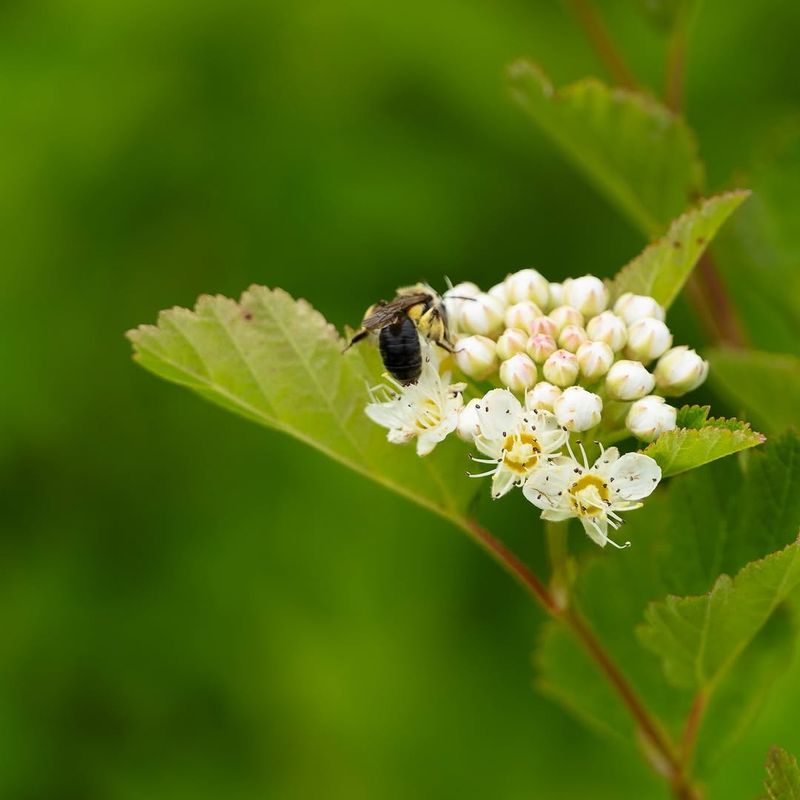
A garden that feeds and shelters wildlife is a garden doing something truly meaningful. Ninebark earns high marks in this category, and Penn State has specifically identified it as a valuable resource for both native bees and honey bees.
When a land-grant university that studies Pennsylvania ecosystems singles out a plant for its pollinator value, that is worth taking seriously.
The flowers open at a time when many early-season native bees are actively foraging and building their colonies. Providing that food source right when pollinators need it most makes ninebark more than just a pretty shrub.
It becomes a functioning piece of the local food web. Small native bees, bumblebees, and even some butterfly species visit the blooms regularly during the flowering period.
Beyond the flowers, ninebark’s dense, branching structure provides shelter and nesting support for birds and small wildlife. The shrub creates the kind of layered, textured habitat that wildlife-friendly gardeners work hard to build into their landscapes.
Planted alongside other native species, it contributes to a connected web of resources that supports biodiversity at the neighborhood level.
For homeowners who have been replacing nonnative ornamental shrubs with plants that actually give something back to the ecosystem, ninebark fits that mission perfectly. It is not just filling a visual gap left by a hydrangea.
It is actively improving the ecological health of the yard. That is a shift in how many Pennsylvania gardeners are thinking about their outdoor spaces, and ninebark is one of the plants leading that conversation forward in a real and practical way.
Ninebark Is Tough, But It Is Not A Perfect Hydrangea Substitute
Honesty matters when you are making decisions about your garden, so here is the straightforward truth: ninebark is not a hydrangea lookalike, and pretending otherwise would set you up for disappointment. The enormous, long-lasting flower heads that make bigleaf and panicle hydrangeas so popular are simply not what ninebark produces.
Its flower clusters are smaller, the blooming window is shorter, and the overall effect is wilder and more naturalistic than formal or cottage-garden hydrangea displays.
Full-size ninebark plants can also get surprisingly large and wide. An unpruned specimen in a small foundation bed will quickly outgrow its space and start looking unkempt.
Choosing a compact cultivar from the beginning is the smartest move when space is limited. “Little Devil,” “Tiny Wine,” and “Center Glow” are popular options that stay more manageable without losing the plant’s best qualities.
Pruning approach matters too. Ninebark responds well to rejuvenation pruning, where you cut older stems down close to the ground every few years to encourage fresh, vigorous growth.
Repeated shearing with hedge trimmers, though, will destroy the plant’s graceful arching form and reduce flowering significantly. Let it grow naturally whenever possible.
The best reason to plant ninebark is not because it looks exactly like a hydrangea. Choose it for its native roots, its adaptability to Pennsylvania soils and weather, its wildlife value, its stunning foliage options, and its year-round bark interest.
When you plant it with those qualities in mind rather than as a hydrangea copy, ninebark will exceed your expectations every single season without fail.