The Meaning Behind Seeing A Red-Bellied Woodpecker In Your Connecticut Yard
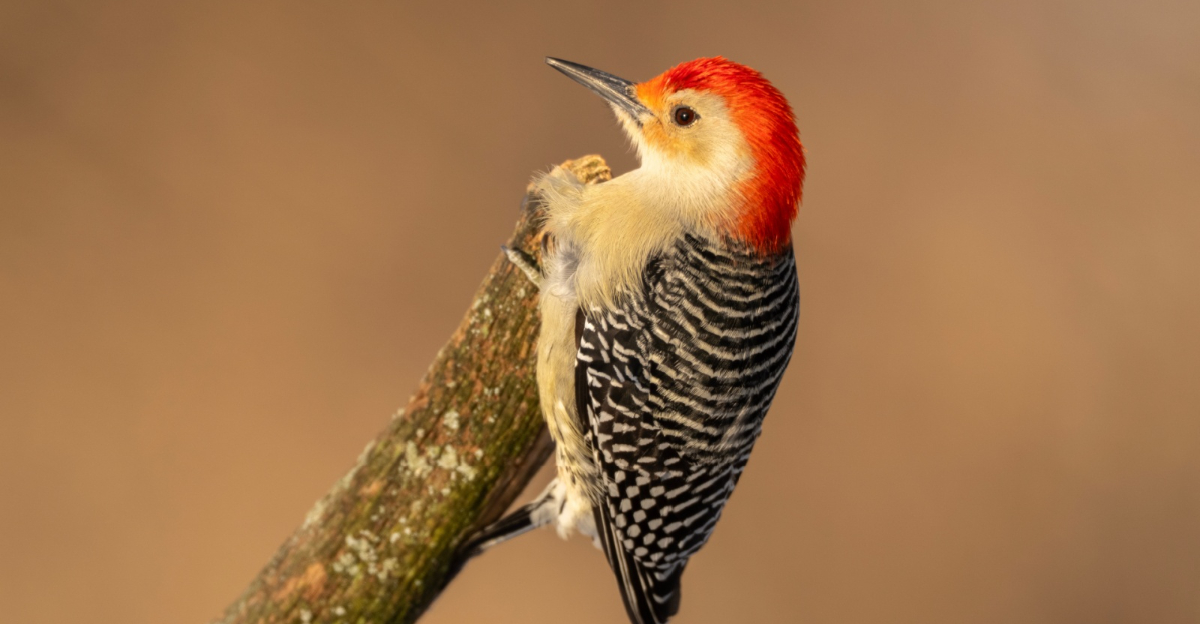
A sharp, rolling cry cuts through your morning silence. Red and black flash quickly across your porch rail before you even register the movement.
Suddenly your whole morning shifts direction. Connecticut backyards rarely announce visitors this boldly. That sharp call belongs to a bird built for attention.
Watch closely and you notice a soft pale wash across its belly, barely there. Behind that subtle marking hides something sharper than most woodpeckers show. Few visitors carry this much presence without trying.
Bold instincts drive every move this bird makes near houses. Local yards across Connecticut increasingly draw them in, closer than most people expect. Curiosity pulls you toward the window again.
Questions start forming immediately: why here, why now, and why you. Everything about this bird demands closer attention.
Nothing about this strange encounter feels ordinary or forgettable. You will not want to look away once you understand what happens next.
Spotting A Red-Bellied Woodpecker In Connecticut Backyards
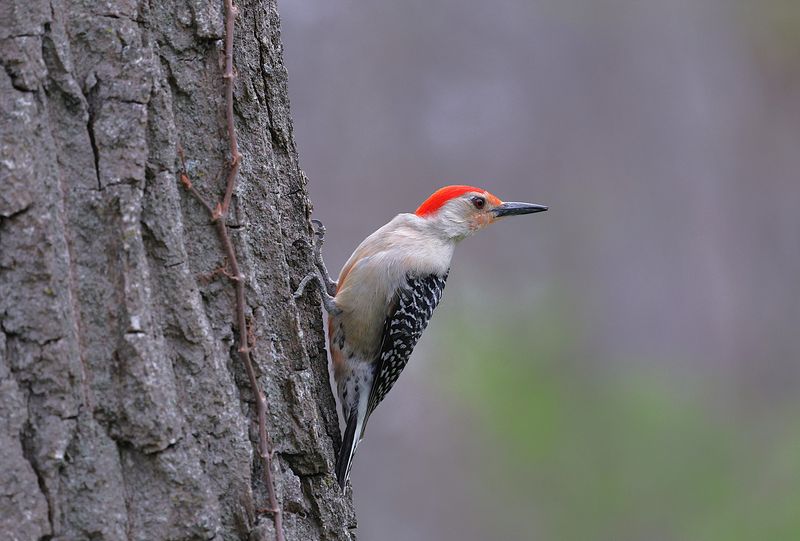
That flash of red against a gray winter sky is easy to spot. The red-bellied woodpecker is one of the most striking birds you can find in a Connecticut backyard, and once you see one, you will not forget it.
Many people assume these birds are rare in New England. That assumption is wrong. Over recent decades, their range has expanded steadily northward, and Connecticut now sees them year-round.
The name can throw people off at first. You might expect a bright red belly, but the red patch is actually quite faint.
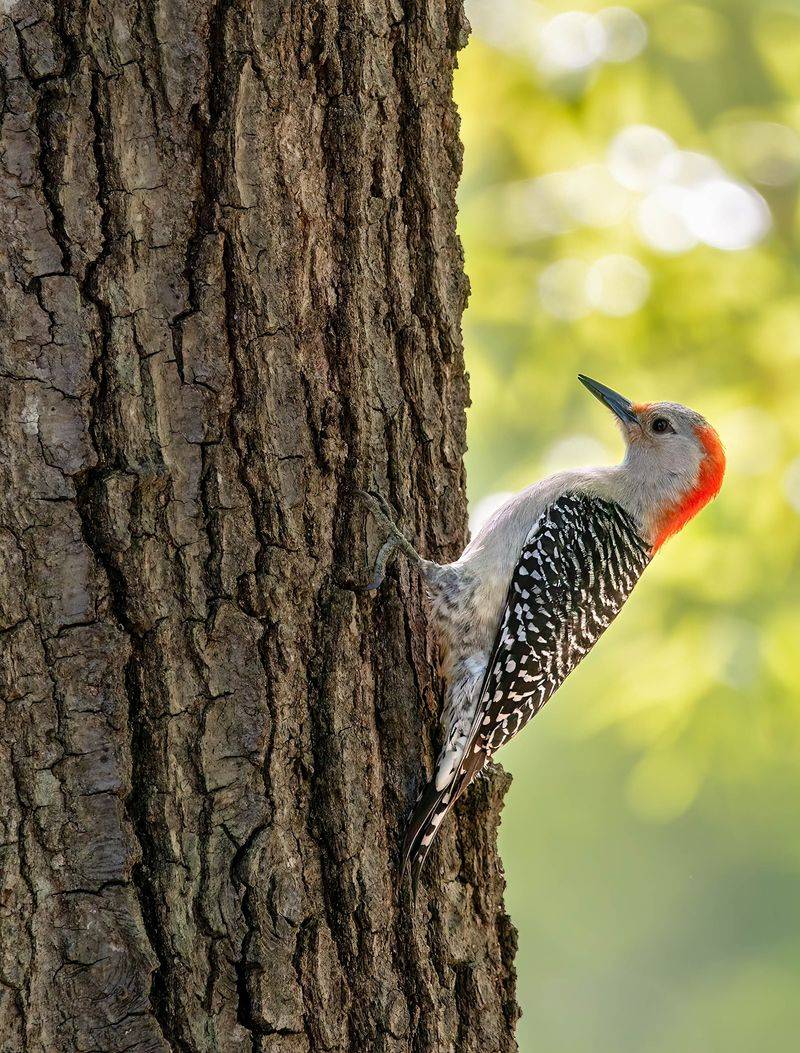
The real showstopper is the vivid red cap running from the bill to the back of the neck on males.
Females wear a slightly more modest version, with red only on the back of the head. Both sexes share the same bold black-and-white barred back that makes them instantly recognizable at a feeder or on a tree trunk.
Backyards near wooded edges are prime territory for these birds. If your property borders any mature trees, especially oaks or hickories, your chances of a visit go up significantly.
Seeing one in your yard is not just a cool moment. It signals that your outdoor space offers something valuable: food, shelter, or both.
Pay attention to where the bird goes first, because that clue tells you exactly what drew it in.
Key Features That Set This Bird Apart
Bold patterns and a confident manner make this bird easy to notice. The red-bellied woodpecker carries itself with a kind of assertive presence that smaller backyard birds simply do not have.
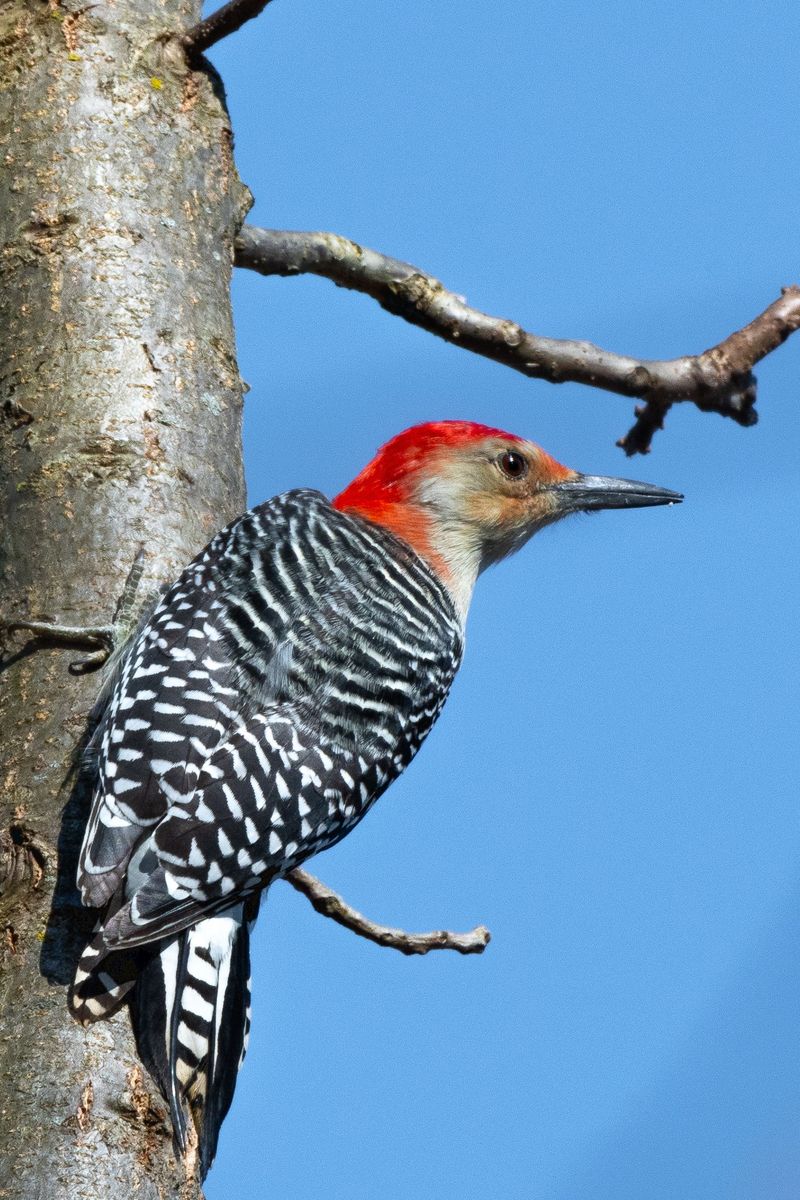
Start with that back. The tight black-and-white barring runs from the base of the neck all the way down to the tail.
No other common Connecticut woodpecker wears that pattern quite so sharply. The red cap is the feature most people mention first. On males, it stretches from the forehead all the way to the nape.
On females, only the back portion of the head shows red, leaving the forehead a clean pale gray.
Your Connecticut Garden Changes Every Week. Your Plan Should Too.
Gardening in Connecticut changes quickly throughout the season. Every Friday you’ll receive a simple weekly plan showing exactly what to plant, prune, fertilize, harvest, and protect so you never miss the right timing.
Now about that belly. The reddish wash that gives this species its name is subtle and easy to miss in the field. You almost need the bird to turn just right in good light to catch it.
Size-wise, these birds fall in the medium range for woodpeckers. They are noticeably larger than a downy woodpecker but smaller than the dramatic pileated woodpecker you might spot in deeper forest areas.
Their call is another giveaway. A loud, rolling churr sound announces them before they even come into view.
Once you learn that call, you will start hearing red-bellied woodpeckers everywhere you go outdoors.
That combination of looks and sound makes identification surprisingly easy. Even beginners pick up on this species fast, which is part of what makes spotting one so satisfying.
Why Feeders And Suet Attract It So Easily
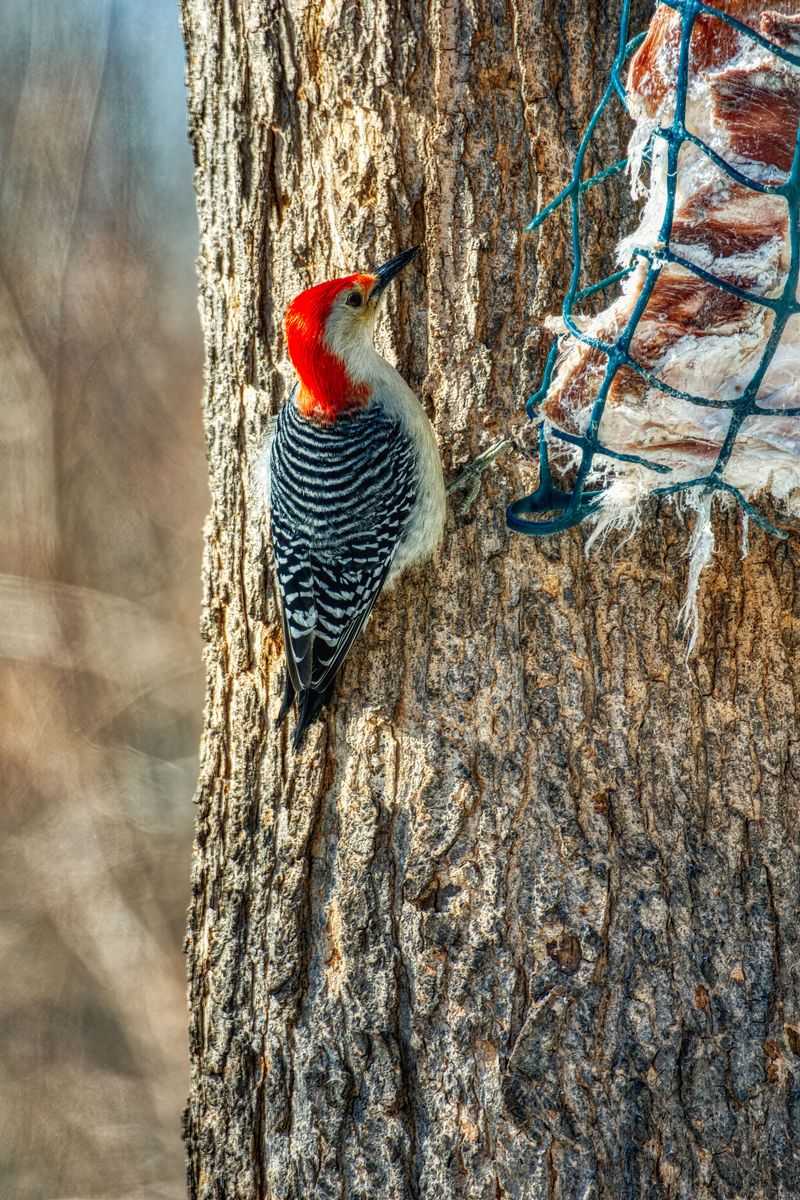
Suet provides a high-calorie, easily accessible food source for woodpeckers. The red-bellied woodpecker has a strong preference for high-fat foods, which makes suet one of the most reliable ways to bring one to your yard.
Plain suet cakes work well, but peanut-flavored or berry-infused varieties tend to pull in these birds even faster. The scent and calorie density are hard for them to pass up, especially in colder months.
Beyond suet, these birds go wild for whole peanuts and sunflower seeds. A tray feeder or a hopper-style feeder stocked with either of those options can become a regular stop on their daily route.
One thing that sets them apart from many feeder birds is their boldness. A red-bellied woodpecker will not scatter when you step outside.
It often holds its position and watches you right back. Placement matters more than most people realize. Mounting feeders near or on a tree trunk mimics natural foraging conditions.
These birds feel safer when they can grip bark or a nearby branch while eating. Keep feeders clean and filled consistently.
If a red-bellied woodpecker discovers your setup and returns to find it empty twice in a row, it may shift its route to a more reliable yard nearby.
Consistency is the real secret to keeping them around. A well-stocked, well-placed feeder can turn a one-time sighting into a daily visitor you look forward to every single morning.
Sightings Tend To Rise During Certain Seasons
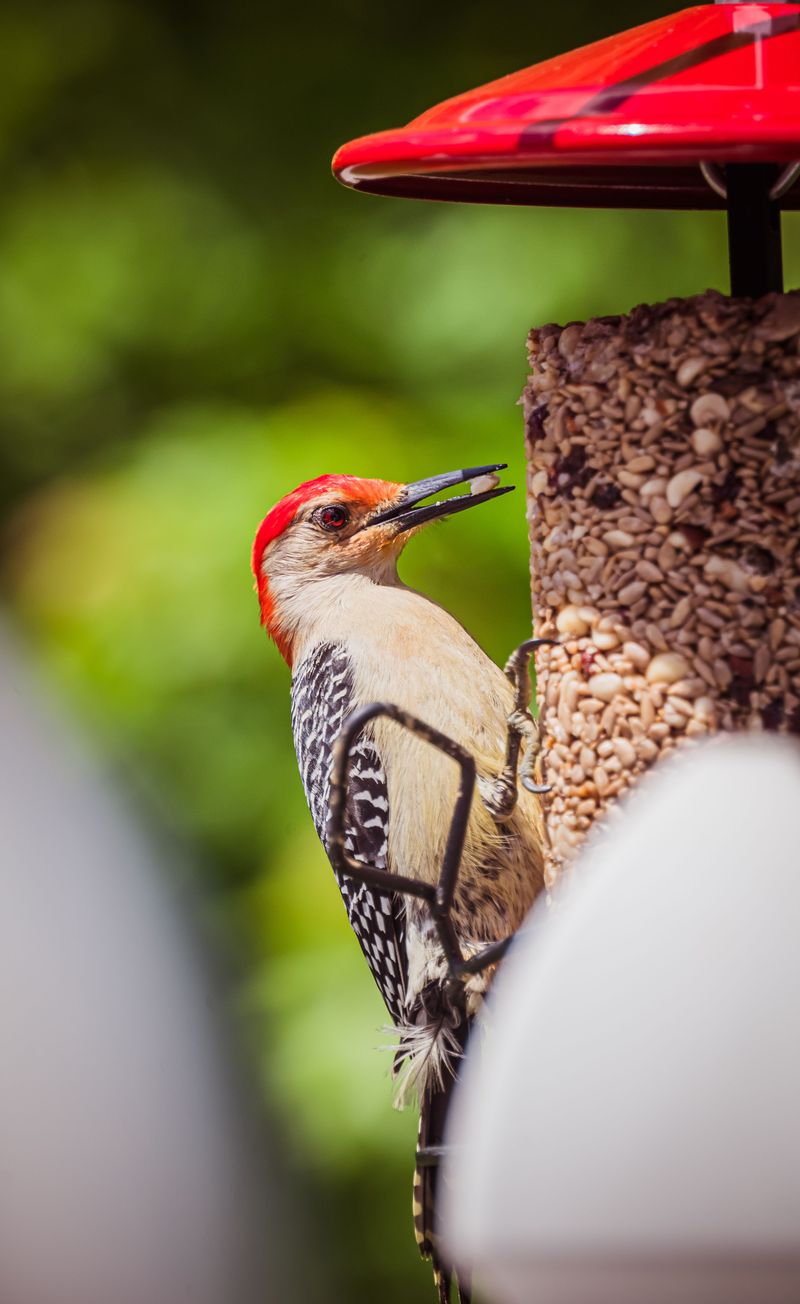
Winter changes everything about backyard bird activity. When natural food sources freeze over or disappear, the red-bellied woodpecker starts showing up in places it ignored all summer long.
Late fall through early spring is prime time for sightings in Connecticut yards. As berries drop and insects go dormant, these birds push closer to neighborhoods in search of reliable calories.
Summer sightings happen too, but they tend to be briefer. During breeding season, these woodpeckers focus more on foraging in wooded areas and spend less time at feeders stocked by humans.
Early morning is almost always the best window for a sighting. These birds are active shortly after sunrise and tend to make their rounds before midday, then slow down as afternoon heat sets in.
Migration plays a smaller role here than you might expect. Unlike many songbirds, red-bellied woodpeckers are largely non-migratory. The ones you see in January are likely the same individuals you spotted back in October.
That resident status means seasonal spikes in sightings are driven by food pressure, not movement patterns. When a cold snap hits Connecticut, activity at feeders often jumps noticeably within just a day or two.
Tracking those patterns in a simple notebook or birding app can be surprisingly fun. Over a season or two, you will start to predict exactly when your regular visitor is about to show up again.
Habitat Shifts Bringing It Closer To Neighborhoods
Something has been shifting quietly in Connecticut woodlands for years. The red-bellied woodpecker, once considered a bird of the mid-Atlantic and southeastern states, has been steadily moving north.
Several factors are behind that story. Milder winters, along with expanding suburban feeders and maturing shade trees, have made it easier for these birds to survive year-round in states like Connecticut, Massachusetts, and Rhode Island.
Forest fragmentation plays a role too. As large wooded areas get broken up by development, many bird species adapt by moving into suburban edges. The red-bellied woodpecker handles that transition better than most.
Mature shade trees lining neighborhood streets or standing in backyards act as corridors. These birds follow the trees, and where the trees lead, the woodpeckers eventually follow.
Decaying or weakened trees are especially attractive to them. Snags, as birders call them, offer both foraging spots full of insects and potential nesting cavities. Leaving a standing snag in your yard, if it is safe to do so, sends an open invitation.
Suburban yards often offer something dense forests cannot: a reliable mix of feeders, fruiting shrubs, and open foraging space all within a small area. That combination is hard for a hungry woodpecker to resist.
The red-bellied woodpecker is essentially telling you that your neighborhood has grown into real habitat. That is a positive sign for local habitat health, and one worth supporting with thoughtful landscaping choices.
Simple Ways To Keep One Coming Back
Getting a red-bellied woodpecker to visit once is exciting. Getting it to come back every day is a whole different level of backyard birding satisfaction.
Start with suet. A basic wire suet cage costs just a few dollars and can be mounted on any tree trunk or post.
Swap out the cakes every week or two to keep things fresh and appealing. Add a source of whole peanuts nearby. A peanut feeder or a simple platform tray works well.
These birds will carry off full peanuts in their bill and cache them for later, which is a behavior worth watching.
Water is often overlooked but genuinely powerful. A heated birdbath or a simple dripper attachment keeps water available even during freezing temperatures. Moving water attracts more birds than a static basin ever will.
Native plants pull serious weight in any wildlife-friendly yard. Planting native berry producers like winterberry holly or native dogwoods gives the woodpecker a natural food source that no feeder can fully replace.
Try to leave some bark on older trees intact. These birds probe and peel bark in search of beetle larvae and other hidden insects.
Every small step you take adds up to a yard that feels like home to this species. The meaning behind seeing a red-bellied woodpecker again and again is simple: you built something worth returning to.