What To Do With Your Florida Clusia In July Before Rainy Season Peaks
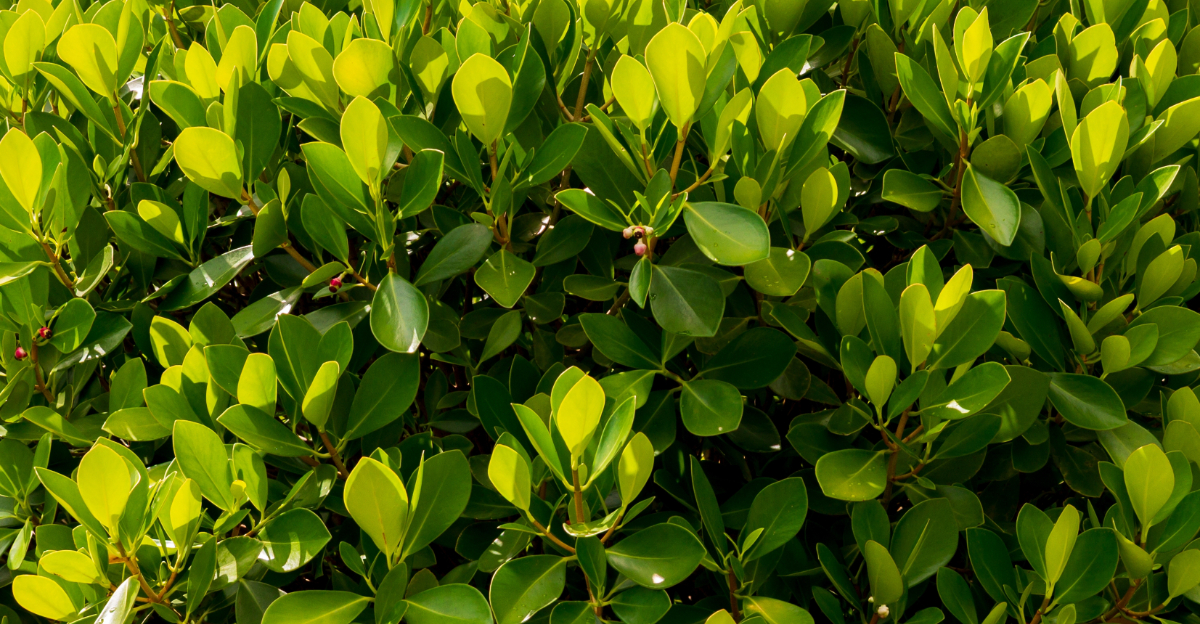
Clusia in Florida earns its reputation as a tough, low maintenance shrub, and through most of the year that reputation holds without much help from anyone. July is where that hands-off approach starts costing something.
The rainy season is building toward its peak. Clusia that goes into that stretch without the right preparation tends to come out the other side looking worse than it went in.
Most Florida homeowners treat clusia like it can handle anything indefinitely. It can handle a lot.
But July creates a specific set of conditions: sustained moisture, reduced airflow, and accelerating growth. Those conditions benefit from one targeted task before the heaviest weeks of rain arrive.
Done now, before rainy season peaks, that task keeps clusia dense, healthy, and well-structured through the back half of summer. Left until later, the window closes and the shrub makes its own decisions about where to go from here.
1. Check Drainage Before The Storms Stack Up
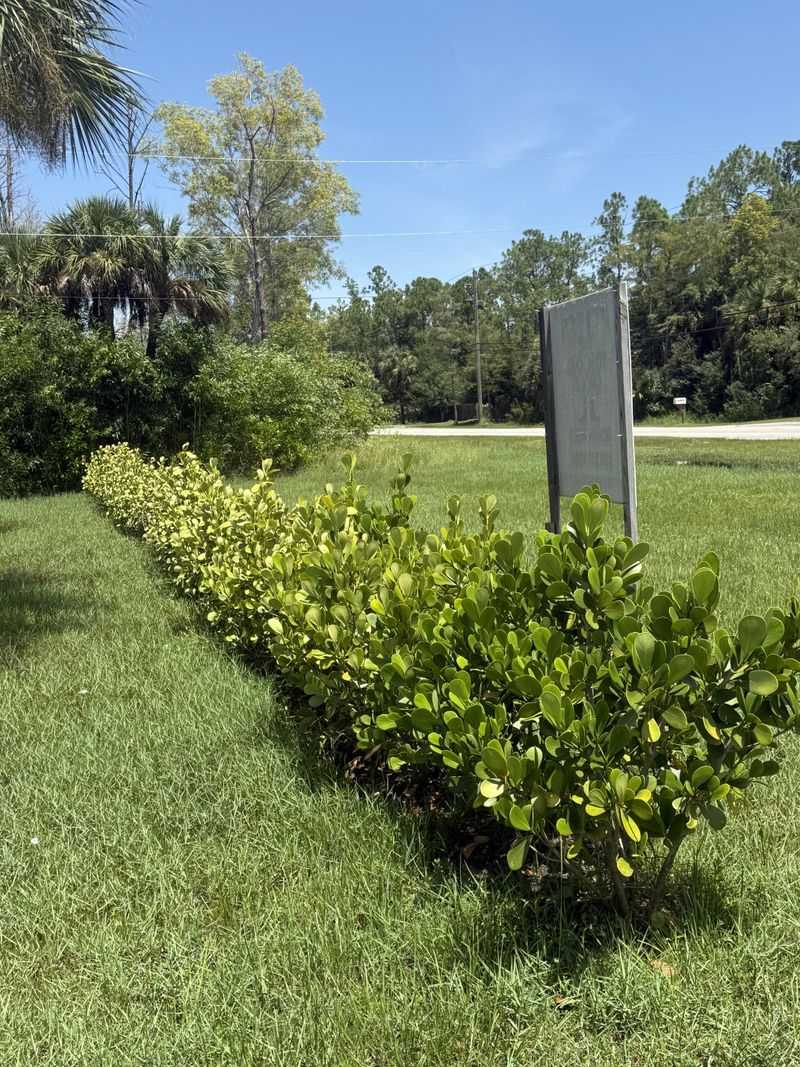
Standing water after a Florida summer storm is one of the clearest warning signs your clusia bed needs attention before rainy season builds further.
Clusia may handle heat, salt air, and coastal exposure well in the right setting, but wet roots sitting in poorly draining soil can create real stress over time.
July is a good month to check low spots, compacted areas, and beds that stay soggy long after rain clears.
Walk your hedge line about an hour after a heavy shower. If water is still pooling near the base, that area deserves a closer look.
Clogged drains, downspout runoff aimed at the bed, and sunken soil sections can all funnel stormwater directly into the root zone.
Do not dig deeply around roots or make drastic changes while the plant is already under pressure. Instead, clear debris from nearby drains, redirect downspouts away from the hedge, and note where water collects longest.
Improving surface drainage before August storms stack up is far easier than fixing root stress after it sets in. If a low spot persists, a local UF/IFAS extension office can offer site-specific advice on drainage solutions that fit your yard without causing more harm.
2. Water Less Once Rain Does The Work
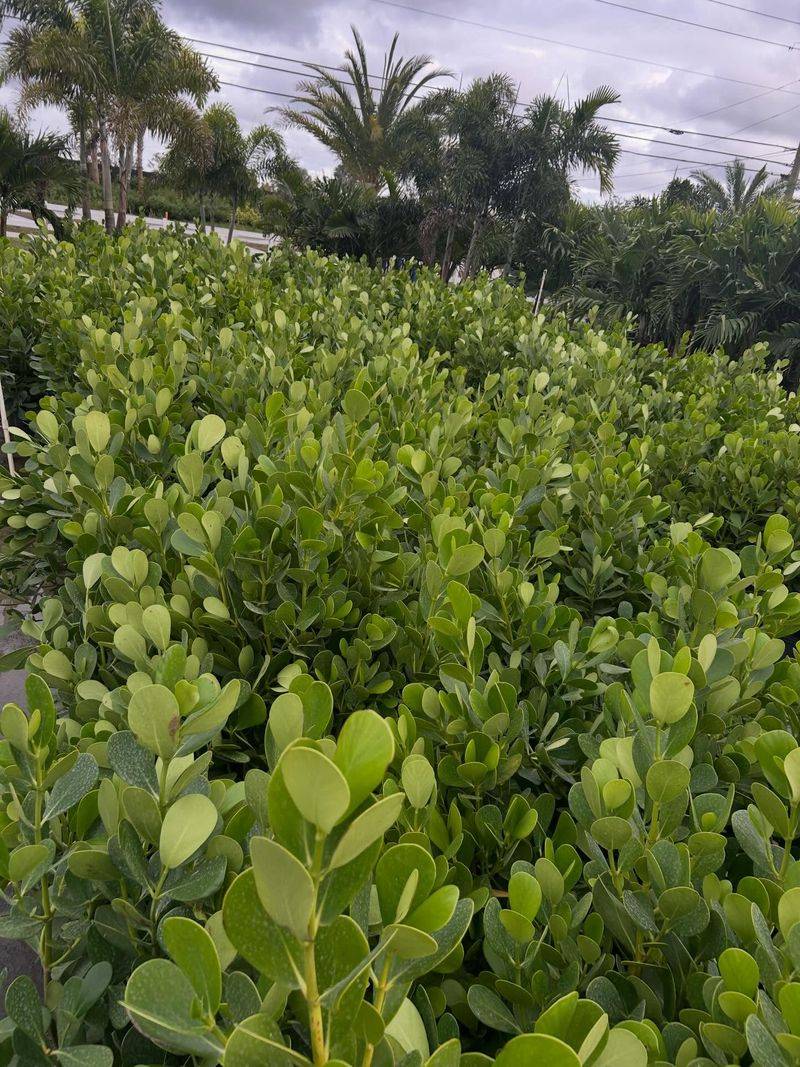
Automatic sprinklers do not know when it has already rained for three days straight. That is one of the most common watering mistakes Florida homeowners make once rainy season picks up in July.
Running irrigation on a fixed schedule while the soil stays wet from storms can keep roots constantly moist. Clusia does not need those conditions and should not have them for extended periods.
Before running any irrigation zone near your hedge, press a finger or a soil probe a few inches into the ground. If it comes back damp, skip that watering cycle.
Mature clusia hedges with established root systems can usually rely on natural rainfall during active rainy weeks without any supplemental watering needed.
Newly planted clusia is a different situation. Young plants may still need some establishment water even in summer, but the amount should be adjusted based on actual soil moisture, not a timer.
Your Florida Garden Changes Every Week. Your Plan Should Too.
Gardening in Florida changes quickly throughout the season. Every Friday you’ll receive a simple weekly plan showing exactly what to plant, prune, fertilize, harvest, and protect so you never miss the right timing.
Check whether your irrigation controller has a working rain sensor, and confirm it is properly calibrated. Local water management districts often have seasonal watering restrictions in effect during summer, so following those rules matters too.
Adjusting your system now, before the heaviest rain weeks arrive, keeps your hedge from getting too much of a good thing.
3. Thin Crowded Growth For Better Airflow
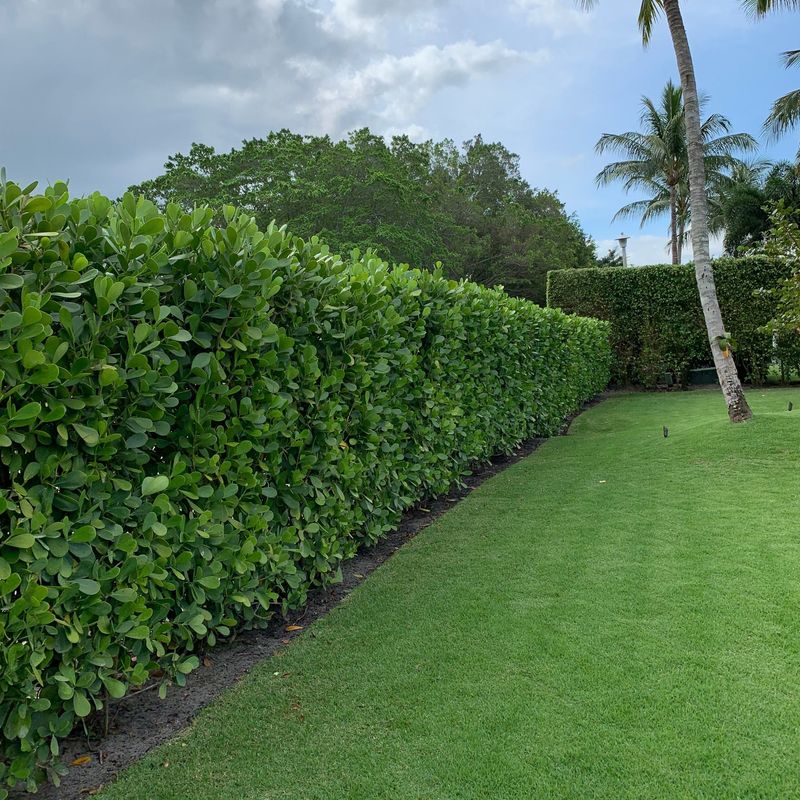
A thick clusia hedge looks impressive from the street, but inside that wall of leaves, humidity can build fast during rainy season. When branches grow too close together and foliage stays packed tight, moisture from rain and morning dew has nowhere to go.
That trapped humidity creates conditions where fungal issues and other stress signs can develop more easily.
Selective thinning is different from shearing the entire surface flat. The goal is to open up the interior of the hedge by removing crossing branches, crowded stems, and shoots growing inward rather than outward.
Thinning lets air move through the plant so leaves dry faster after rain. That helps reduce the kind of wet, stagnant environment that causes problems during humid months.
Work carefully and remove only what is clearly crowded or rubbing. Avoid cutting back so aggressively that you expose bare interior wood or leave the hedge looking stripped.
A breathable hedge still looks full from the outside. For tall privacy screens and foundation plantings, even modest thinning in the interior can make a noticeable difference by August.
If you are unsure how much to remove, err on the side of less. A little airflow improvement goes a long way when summer storms roll through week after week.
4. Prune Lightly Before Branches Get Too Heavy
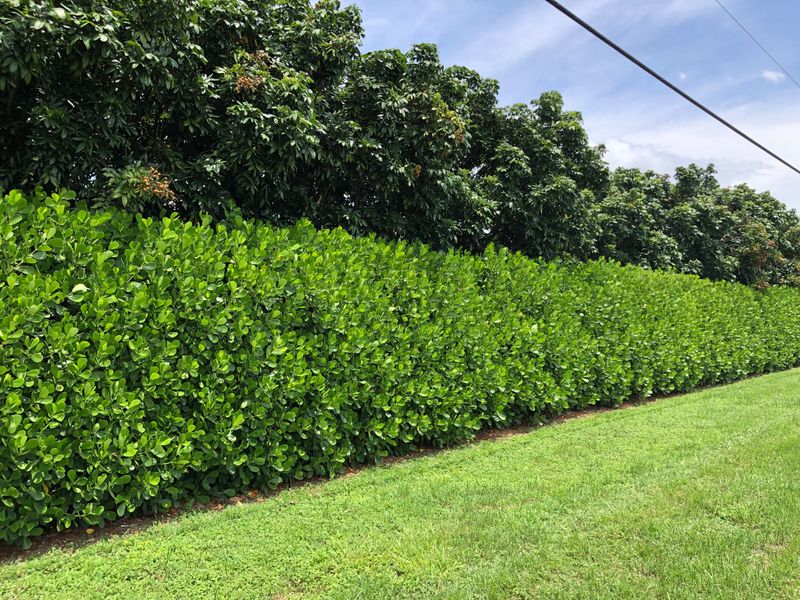
Fast summer growth can catch a clusia hedge off guard, so to speak. Long shoots push out quickly in warm, wet conditions.
By mid-July, some branches may already be leaning into walkways, pressing against fences, or rubbing along a roofline or wall.
Light pruning before rainy season fully peaks can help manage shape, reduce unnecessary weight, and keep the hedge from becoming a liability during strong storms.
Keep the pruning modest and purposeful. Focus on stems that are clearly out of place, long growth that throws off the hedge line, or branches that press against structures.
Avoid cutting back the entire hedge severely in July heat, especially if the plant is already managing storm stress or wet soil conditions. Severe reduction during peak summer is harder on the plant and not necessary for most routine maintenance situations.
Clean your pruning tools before you start. Wiping blades with a disinfectant solution between cuts, as recommended by UF/IFAS extension guidance, helps reduce the chance of spreading any issues between stems.
Try to work in the cooler parts of the morning rather than midday when heat is most intense. Light, targeted pruning done thoughtfully in early July gives the hedge time to settle before the heaviest rain weeks arrive later in the month and into August.
5. Keep Mulch Back From The Stems
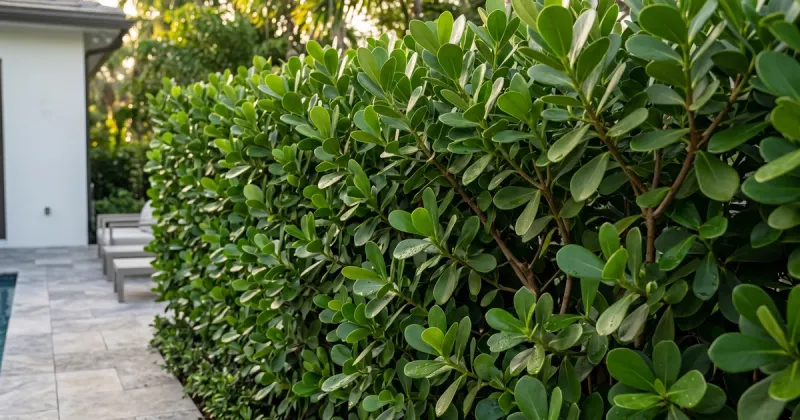
Mulch is genuinely helpful in a Florida landscape bed. It slows moisture loss, moderates soil temperature, and keeps weeds from taking over.
The problem shows up when mulch gets piled too deep or pushed directly against clusia stems, especially heading into weeks of heavy rain.
Wet mulch pressed against the base of a shrub holds moisture right where stems meet soil. During rainy season, that area can stay damp for extended periods, creating conditions that stress the plant at ground level.
Pulling mulch back a few inches from stems is a simple adjustment that makes a real difference during wet months.
Check the depth of your mulch layer too. Around two to three inches is generally recommended for landscape beds in warm climates, according to Florida-Friendly Landscaping guidance.
Piles deeper than that can hold too much moisture and restrict airflow near the soil surface. After storms, leaf litter and debris often collect in mulched beds, so clearing that material out keeps things from getting soggy and stagnant.
You do not need to remove mulch from the bed entirely. Just keep it moderate in depth, clear of stems, and free of debris piles after heavy rain.
That small adjustment protects the base of your hedge through the wettest part of summer.
6. Watch Yellow Leaves Before Blaming Fertilizer
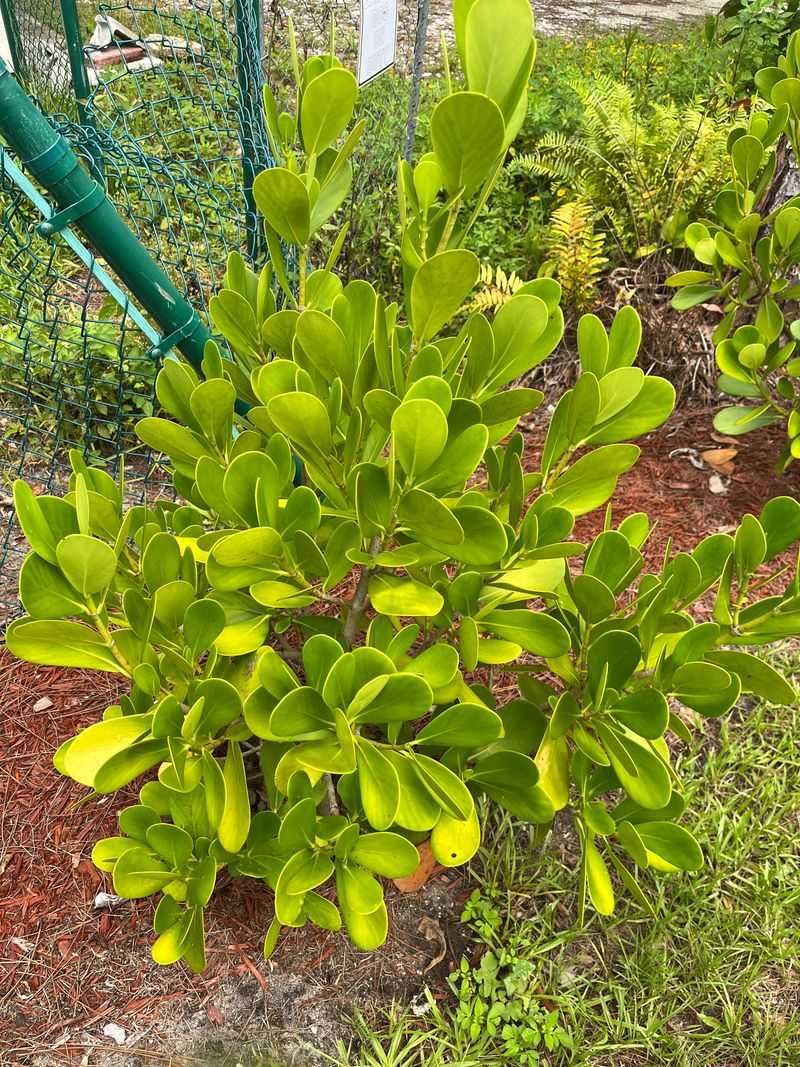
Yellow leaves on clusia get blamed on nutrient deficiency more often than they deserve. Reaching for a fertilizer bag is a natural first instinct.
But in July, yellow leaves can point to several different causes. Applying fertilizer before identifying the real problem can sometimes make things worse rather than better.
Start by observing the pattern. Are yellow leaves scattered randomly or concentrated in one area near the base?
Do they appear on older interior growth or on newer tips? Is the soil in that spot staying wet longer than other areas?
Overwatering, poor drainage, compacted roots, or even normal leaf turnover can all produce yellowing that looks like a nutrient issue but is not.
Check for pest signs too, since sap-feeding insects can cause discoloration that mimics nutrient stress. If drainage and moisture levels look fine, and no pests are present, consider a soil test through your local UF/IFAS extension office.
It can clarify whether a real nutrient gap exists before you apply anything. Rainy season leaches some nutrients from sandy soils, so mild deficiencies do occasionally occur.
However, applying fertilizer to a plant already stressed by wet soil or root pressure rarely solves the problem and can add more stress. Observe first, then act with accurate information in hand.
7. Check For Scale After Humid Weeks
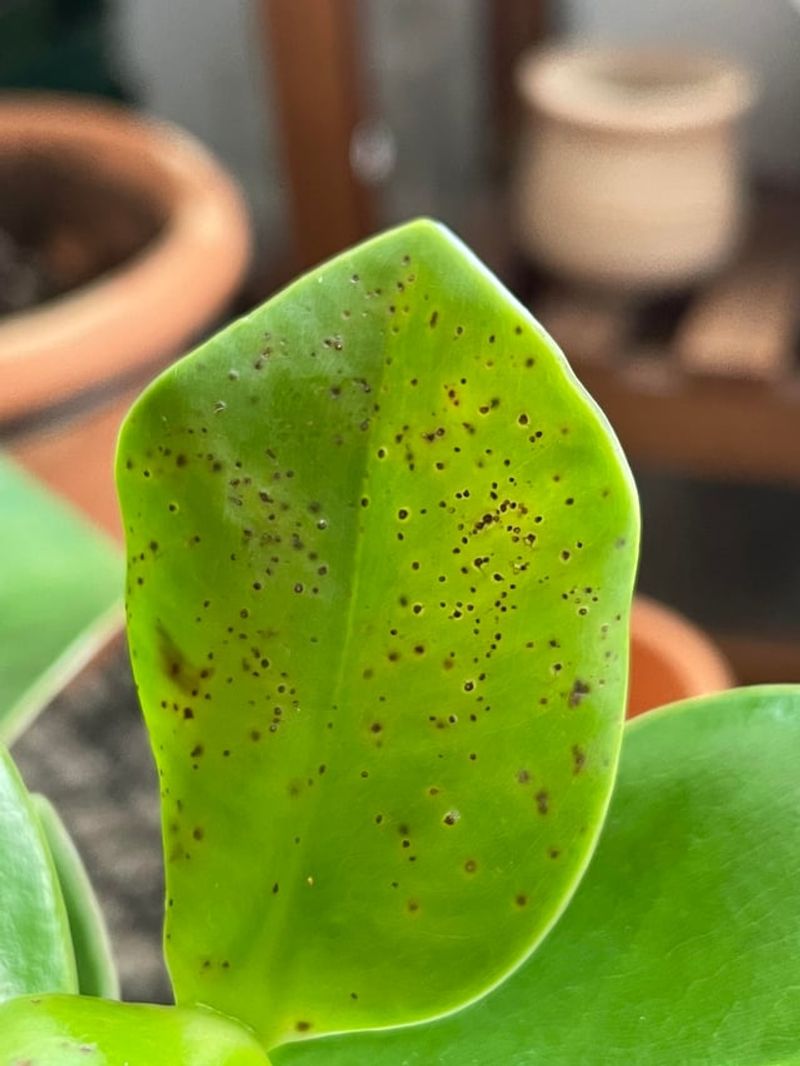
Humid stretches in early July can create favorable conditions for certain sap-feeding insects, including scale.
Scale insects on clusia can be easy to miss at first because they look more like small bumps or crusty patches on stems and leaf undersides than like a typical pest.
By the time the damage becomes obvious, a population may have been building for several weeks.
After a run of wet, overcast days, take a few minutes to inspect your hedge up close. Check along stems, at branch junctions, and on the undersides of leaves.
Sticky residue on leaves or nearby surfaces can be a warning sign. Trails of ants moving up the stems or a dark sooty coating on foliage can also mean something is feeding on the plant.
That sooty mold grows on honeydew left behind by sap-sucking insects, so seeing it means the pest source should be identified before anything else.
Avoid spraying random products without a confirmed identification. Pruning out small, lightly affected sections can help when the problem is limited.
For larger infestations or uncertain identification, UF/IFAS extension resources and county extension agents can help you confirm what you are dealing with. They can also help you choose a label-directed approach that fits the situation.
Acting early, before populations grow through August, makes management much more manageable.
8. Help The Hedge Breathe Before August
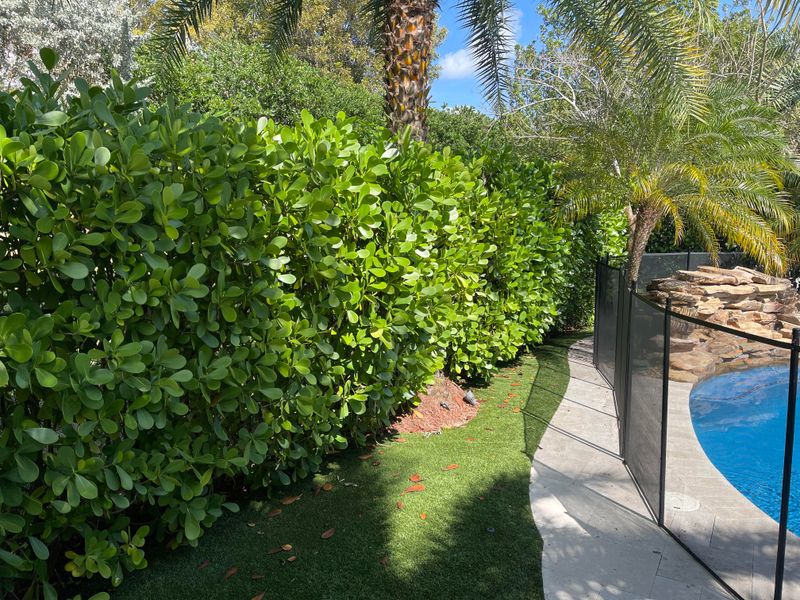
July sits right at the edge of the most intense part of rainy season. August and September typically bring the heaviest storm activity, the most sustained humidity, and the longest stretches of wet soil.
Getting your clusia hedge into a steady, low-stress condition before that stretch arrives is the whole point of July care.
Think of it as creating breathing room rather than forcing growth. Focus on drainage that moves water away quickly and irrigation adjusted to match real soil moisture.
Thin interior branches for airflow, prune lightly for shape, keep mulch off stems, diagnose yellow leaves accurately, and check for scale before populations build.
None of those steps alone is dramatic, but together they reduce the number of stress points the plant carries into the heaviest weeks.
Clusia is a tough, adaptable shrub that performs well in warm coastal and inland landscapes when sited correctly and maintained thoughtfully. July care is not about pushing the hedge to grow faster or look more impressive.
It is about keeping the root zone, stems, and canopy in a position where the plant can handle what August brings without struggling. Walk your hedge line this month and make the small adjustments that fit your specific site.
Give your clusia the room it needs to stay resilient through the rest of the season.