Why A Chipmunk Might Suddenly Disappear From Your Massachusetts Garden
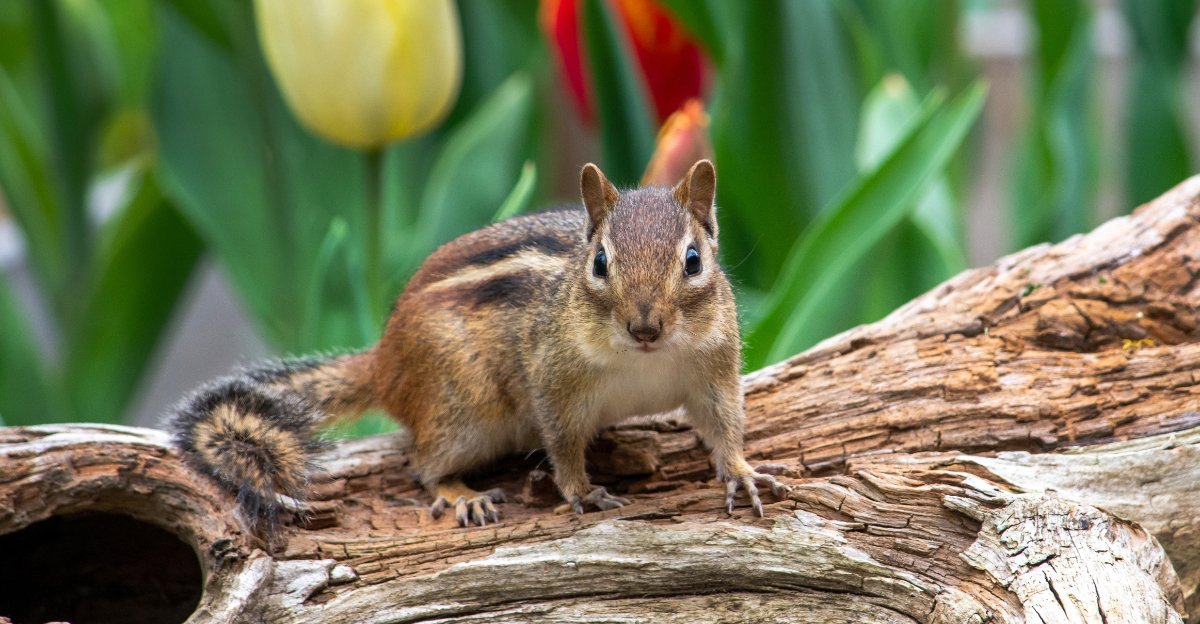
Your backyard chipmunk just vanished, and the silence feels louder than the chatter ever did. One week your garden buzzed with tiny footsteps and quick dashes between the woodpile and the flower bed, and now there’s nothing.
Massachusetts yards go through this shift every year, and most homeowners never see the cause coming. A chipmunk’s daily routine depends on temperature, food supply, and threats you probably never noticed circling above.
Something changed, and that change usually points to a specific trigger rather than random bad luck.
Predators Are The Most Common Cause
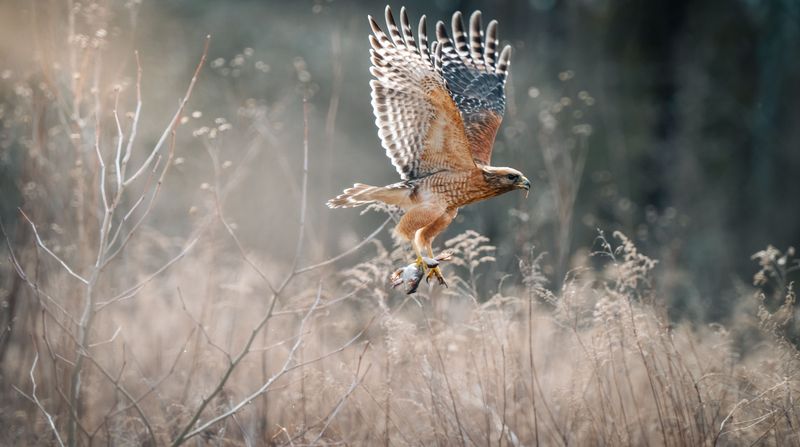
Your garden went quiet overnight, and a predator is probably why. Chipmunks are small, fast, and often on alert because something bigger may be watching them.
Hawks, foxes, weasels, and even raccoons actively hunt chipmunks across New England. When a predator moves into a territory, chipmunks respond immediately by going underground.
A single red-tailed hawk perching near your yard can cause chipmunks to vanish within hours. Their survival instinct is powerful, and they do not take chances.
Foxes are especially effective hunters in suburban Massachusetts neighborhoods. They patrol quietly and strike fast, often leaving no visible trace behind.
Raccoons are opportunistic hunters that will raid a burrow if the chance presents itself. Their sharp claws and nocturnal habits make them a real threat once darkness falls.
Weasels are another serious threat that most homeowners overlook completely. They are slim enough to follow chipmunks directly into burrow entrances.
Even the scent of a predator can be enough to drive chipmunks away from a familiar area. They rely heavily on smell to detect danger before they ever see it.
If chipmunks have suddenly disappeared from your Massachusetts garden, start by looking up. A circling hawk or a perched owl nearby is often the first clue.
Predator pressure does not always mean the chipmunks are gone for good. Once the threat moves on, they often return to their usual spots within days.
Hawks And Owls Hunt Chipmunks Regularly
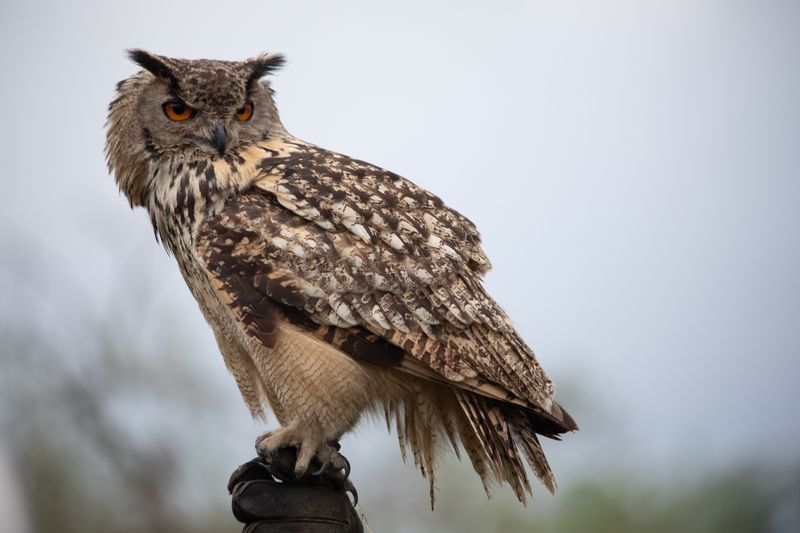
Something moved in the treetops, and your chipmunks noticed before you did. Birds of prey are among the most efficient hunters in any suburban Massachusetts neighborhood.
Red-tailed hawks and Cooper’s hawks are active during daylight hours across the state. They circle high above yards, scanning the ground for any small movement below.
Chipmunks are perfectly sized prey for these birds, making them a frequent target. A hawk can swoop down and snatch one before it reaches the safety of a burrow.
Great horned owls take over after dark, patrolling the same gardens at night. They are silent fliers, giving chipmunks almost no warning before it happens.
Barred owls are also common in wooded Massachusetts suburbs and hunt near dawn. Their broad range of prey includes chipmunks, mice, and other small ground animals.
When aerial predators are active nearby, chipmunks dramatically reduce their surface time. They may only emerge briefly to grab food before retreating underground again.
You might notice fewer chipmunks during peak hawk migration seasons in fall and spring. Those are the times when raptor activity in the region spikes noticeably.
Your Massachusetts Garden Changes Every Week. Your Plan Should Too.
Gardening in Massachusetts changes quickly throughout the season. Every Friday you’ll receive a simple weekly plan showing exactly what to plant, prune, fertilize, harvest, and protect so you never miss the right timing.
Installing a motion camera near your garden can reveal exactly which predator is visiting. Knowing what you are dealing with helps you understand the disappearance from your Massachusetts garden more clearly.
Outdoor Cats Pose A Serious Threat
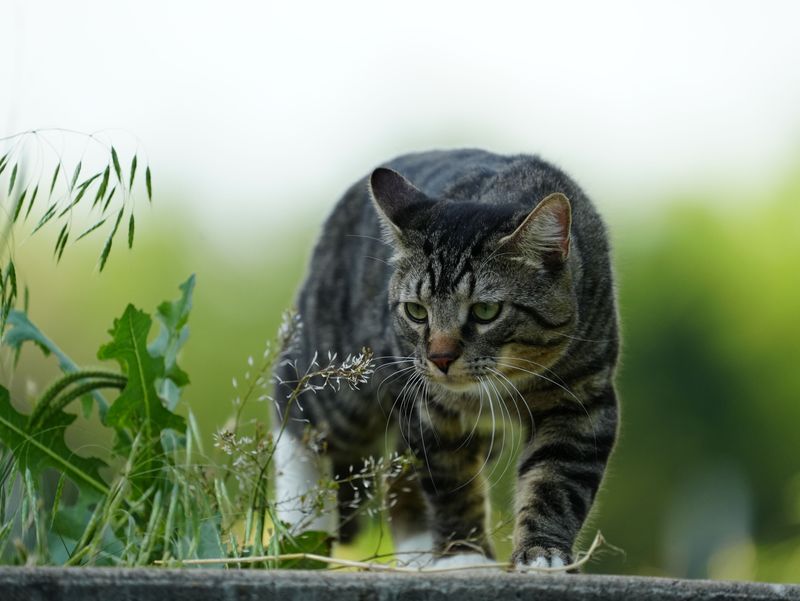
Your neighbor’s cat looks harmless napping on the porch, but outside it becomes a skilled predator. Domestic cats are one of the leading causes of small wildlife loss in American suburbs.
A single outdoor cat can patrol a surprisingly large territory every day. Gardens, flower beds, and brushy fence lines are exactly the hunting zones cats prefer.
Chipmunks spend a lot of time foraging on the ground, which makes them easy targets. Cats are patient stalkers and can wait near burrow entrances for extended periods.
Even if a cat does not catch a chipmunk every time, the presence alone causes stress. Chipmunks will abandon feeding areas where they detect regular feline activity.
Cats also leave scent markers around the yard as they patrol their routes. Chipmunks pick up on these chemical signals and treat the area as unsafe.
You may notice your chipmunks disappearing during morning and evening hours specifically. Those are the times when cats are most active and most likely to be hunting.
If a neighbor’s cat is regularly visiting your yard, a gentle conversation can help. Many cat owners are unaware of how far their pets actually roam each day.
Motion-activated sprinklers are an effective and humane deterrent for cats in gardens. Keeping cats out often means your chipmunks from your Massachusetts garden will return on their own.
Seasonal Burrowing Reduces Visible Activity
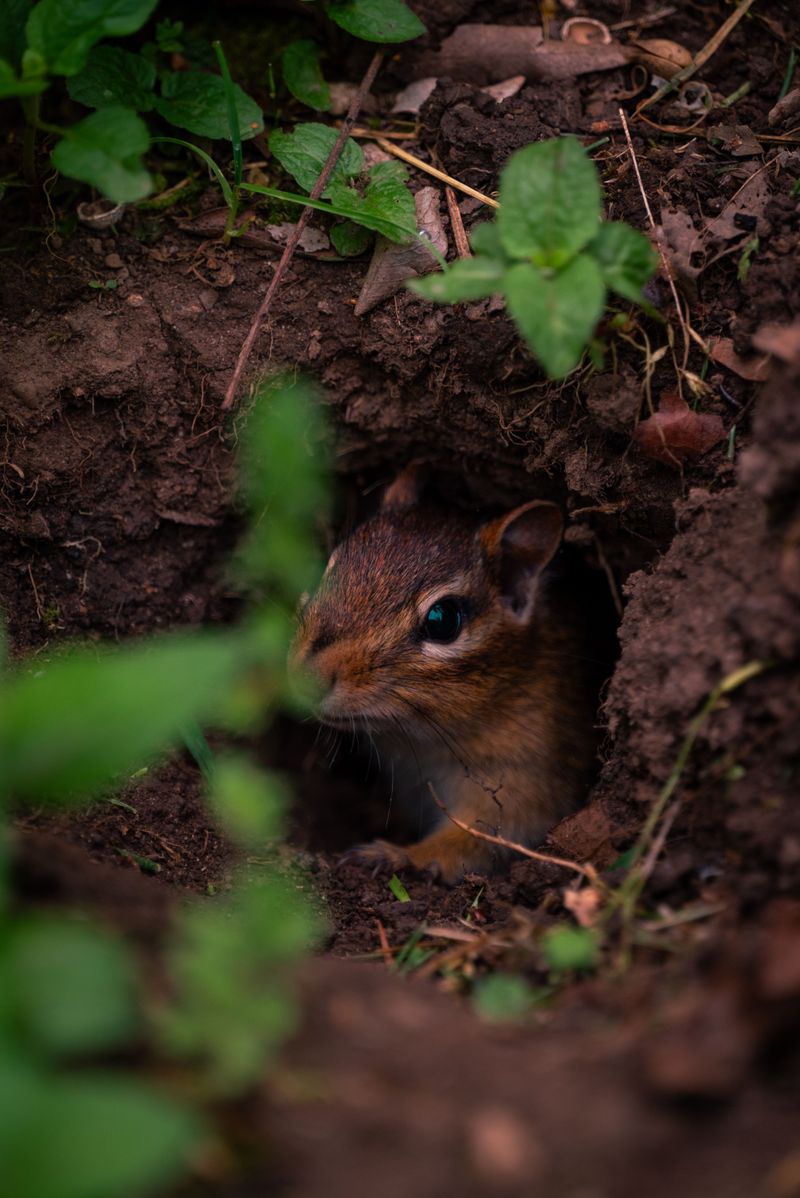
Not every disappearance means something went wrong in your yard. Sometimes chipmunks simply go underground, and the garden feels emptier without them.
In Massachusetts, chipmunks begin preparing for winter as early as late September. They spend less time above ground and more time storing food deep inside their burrows.
A single chipmunk can gather several thousand seeds and nuts before the first cold snap arrives. This stockpile is what keeps them fed through the quiet stretches of winter without ever needing to forage outside.
Unlike true hibernators, chipmunks enter a state called torpor during the coldest months. They wake occasionally to eat from their stored food cache but rarely come outside.
By November, most chipmunks in the region are out of sight. A garden that was lively in September can feel abandoned by the first frost.
This seasonal retreat is normal and rarely signals a problem. Homeowners who are new to watching wildlife often worry unnecessarily during this period.
Chipmunks also reduce activity during summer heat waves or after heavy rainstorms. Extreme weather pushes them underground temporarily, even in warmer months.
Their burrow systems are surprisingly complex, with separate chambers for sleeping and food storage. A single chipmunk can dig tunnels stretching up to thirty feet beneath your yard.
When spring arrives and temperatures climb back up, chipmunks typically reemerge on their own. If your Massachusetts garden chipmunk vanished in late fall, patience is probably all you need.
Food Sources Nearby Can Draw Them Away
Chipmunks are not loyal to one spot when better food is available somewhere else. They follow resources with impressive efficiency, shifting their range based on seasonal availability.
A neighboring yard with a bird feeder, oak tree, or berry bush can pull chipmunks away fast. They will relocate their foraging activity to wherever calories are most accessible.
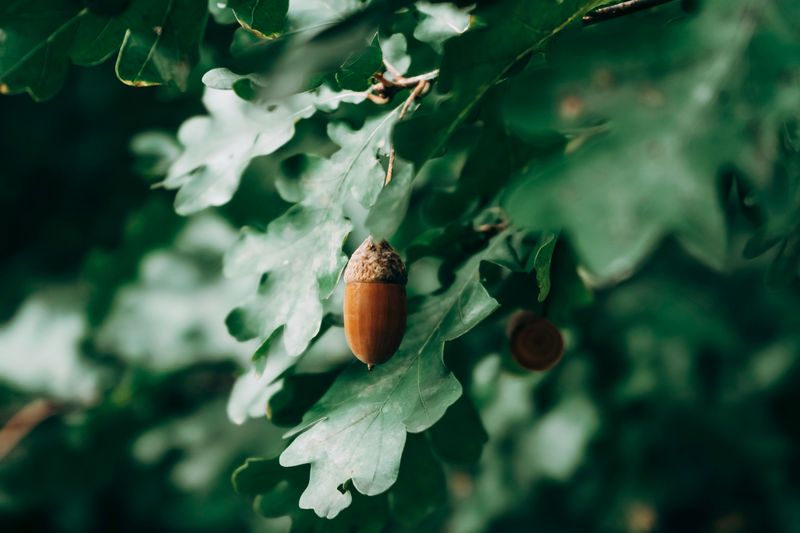
Mast years, when oak trees produce enormous quantities of acorns, dramatically shift chipmunk behavior. The animals concentrate in wooded areas and spend less time in open garden spaces.
If someone nearby recently set up a bird feeder loaded with sunflower seeds, that is a powerful draw. Chipmunks are highly attracted to seeds and will travel further than expected to reach them.
Gardens that are heavily mulched or recently cleared offer fewer hiding spots for foraging. Chipmunks prefer areas with ground cover, rocks, or brush piles nearby for quick escape routes.
A change in your own yard can also push them to search elsewhere. Removing a brush pile, trimming dense shrubs, or cleaning up leaf litter reduces their sense of security.
Chipmunks operate on a risk-versus-reward calculation each time they leave a burrow. If your yard no longer offers enough reward, they simply shift their territory a little.
Adding natural food sources back to your Massachusetts garden can encourage them to return. A small rock pile or native plant border gives chipmunks the shelter they need to stay.
Signs A Predator Has Been Active
Something feels off in the garden, and the clues are already there if you know what to look for. Predator activity leaves behind specific signs that most homeowners walk right past.
Scattered fur near a burrow entrance is one of the clearest indicators of recent predator activity. Small tufts of reddish-brown fur caught on roots or stones are hard to miss once you look closely.
Disturbed soil around burrow openings can mean a predator tried to dig something out. Weasels and foxes will scratch and dig aggressively when they detect an animal underground.
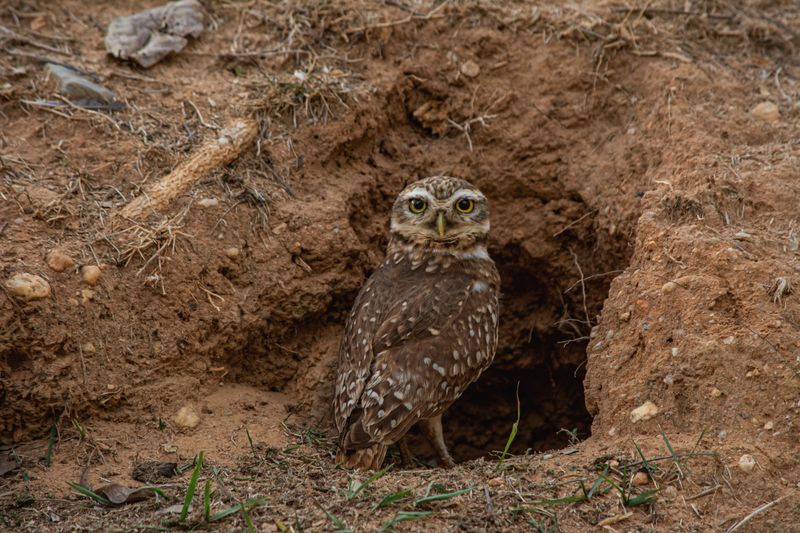
Bird feathers near the area may point to a hawk or owl that has been hunting nearby. Raptors sometimes pluck their prey right where they land, leaving a mess behind.
Overturned rocks, displaced mulch, and scattered leaf litter are also worth noting in your yard. These signs suggest a predator has been moving through and searching actively.
Motion-activated trail cameras are one of the best tools for identifying what visited overnight. Placing one near a known burrow entrance can reveal the culprit within a night or two.
You might also notice other small animals behaving differently when a predator is active. Birds alarm-calling repeatedly from low branches is a strong signal that something dangerous is nearby.
Recognizing these patterns helps you understand why chipmunks have vanished from your Massachusetts garden. Once the predator moves on, your familiar garden visitors will likely return before long.