Why Late July Is When Smart Texans Start Their Fall Tomato Transplants
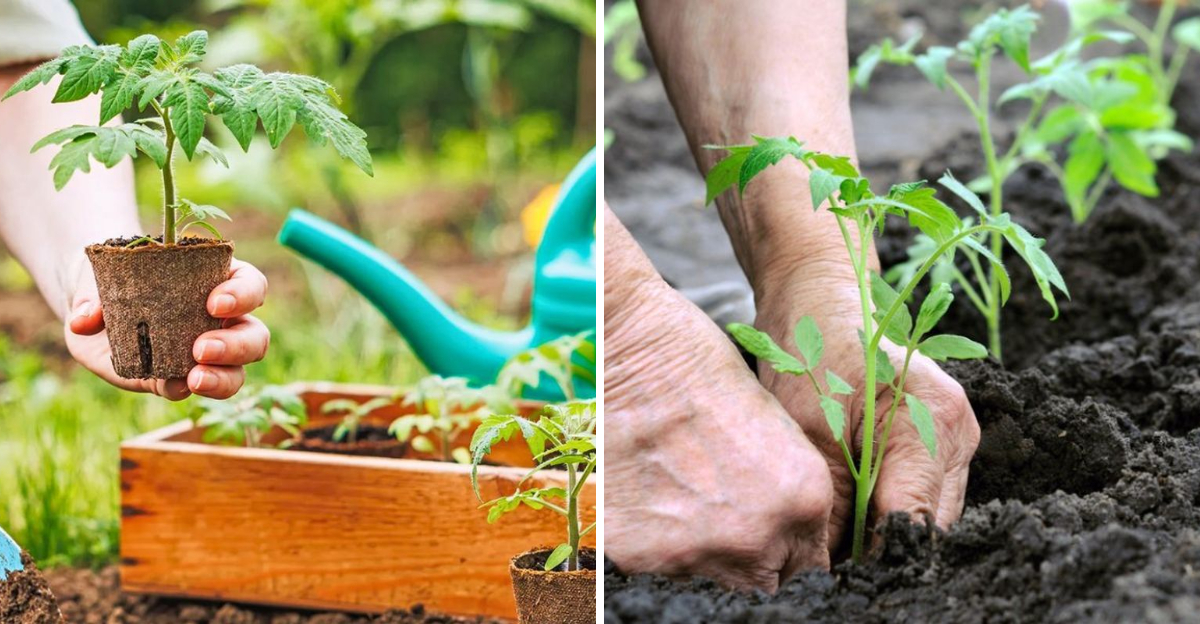
Most Texas gardeners think of tomatoes as a spring crop and leave it at that. When the summer heat shuts production down, they accept it and move on.
But experienced Texas gardeners know something that beginners often take a full season or two to discover.
Texas has a second tomato season, and the gardeners who start their fall transplants in late July are the ones who get to enjoy it. The timing feels counterintuitive. Late July in Texas is brutal.
But that’s exactly the point. Tomato transplants started now will be establishing through August and early September, reaching productive maturity right as temperatures begin to ease in October.
The fall tomato harvest in Texas can be extraordinary, with cooler nights bringing out flavor and color that the relentless summer heat rarely allows.
The window for starting fall tomato transplants is narrow, and late July is right in the middle of it. Start too late and the plants won’t mature before the first cold front arrives.
1. Fall Tomatoes Need A Long Head Start Before The First Freeze
Tomatoes are not the kind of plant you can rush. They take their sweet time going from a small transplant to a vine loaded with ripe, red fruit, and that timeline does not shrink just because the calendar says fall is coming.
Most tomato varieties need somewhere between 60 and 80 days after transplanting before they produce fruit you can actually pick and eat.
In Texas, the first freeze typically shows up anywhere from late October to mid-November, depending on where you live. That means your tomatoes have a firm deadline they cannot ignore.
If you count backward from that first freeze date, you quickly realize that late July is the last reasonable window for getting transplants into the ground and expecting a real harvest.
Planting even two weeks late can make a huge difference. A plant put in the ground in mid-August is already behind schedule, and one planted in September is almost certainly going to run out of time before the fruit ripens.
The math is simple but easy to overlook if you are not paying attention. Think of late July as your launch date. Every day you plant earlier gives your tomatoes one more day to develop, flower, and ripen before cold weather arrives.
Experienced Texas gardeners treat this window seriously because they have learned from seasons where they waited too long and ended up disappointed.
Getting your transplants in the ground by the end of July is not just a suggestion, it is the foundation of a successful fall tomato harvest in Texas.
2. The Plants Grow Through Summer And Set Fruit As Temperatures Moderate
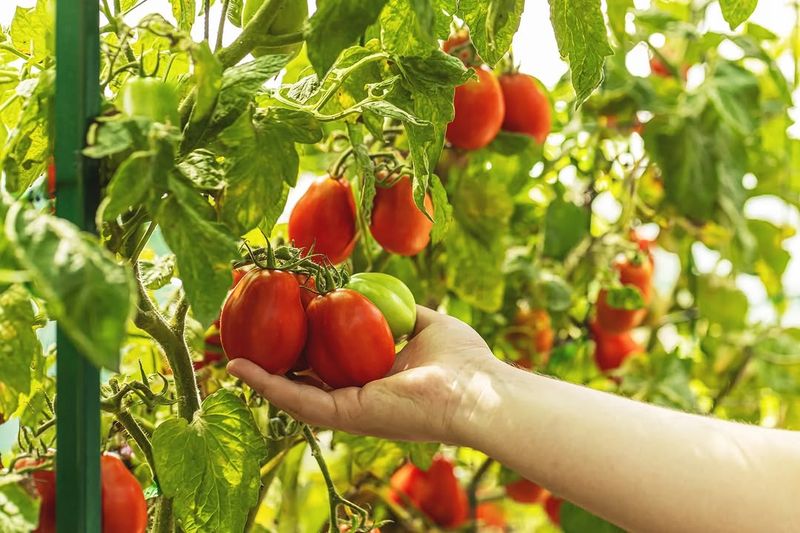
Here is something clever about late-July planting that not everyone realizes right away. When you put your transplants in the ground during late July, they spend August doing the hard, unglamorous work of growing roots and building up strong foliage.
August in Texas is brutally hot, often too hot for tomatoes to set fruit reliably anyway, so this timing actually works in your favor.
Your Texas Garden Changes Every Week. Your Plan Should Too.
Gardening in Texas changes quickly throughout the season. Every Friday you’ll receive a simple weekly plan showing exactly what to plant, prune, fertilize, harvest, and protect so you never miss the right timing.
Tomatoes struggle to pollinate and set fruit when daytime temperatures consistently climb above 95 degrees Fahrenheit. During the hottest weeks of August, your plants are not expected to be producing fruit.
Instead, they are quietly building the strong root systems and leafy structure they will need when conditions improve.
Then something wonderful happens in September. Temperatures start to ease up, nights get cooler, and the air feels a little less like standing inside an oven.
Your plants, which have spent weeks getting strong and established, are suddenly in perfect shape to start flowering heavily and setting fruit. They are not scrambling to survive anymore because they already handled that part in August.
This is the real genius of late-July planting. You are essentially syncing your plants growth schedule with Texass natural weather rhythm.
By the time the weather becomes genuinely favorable for fruit production, your transplants are mature enough to take full advantage of those better conditions.
Gardeners who plant in September miss this window entirely because their plants are still in the early growth stage when the best fruit-setting weather arrives.
Timing your planting with the seasons rhythm is one of the smartest moves you can make in a Texas fall garden.
3. Waiting Until September Leaves Too Little Time For Ripening
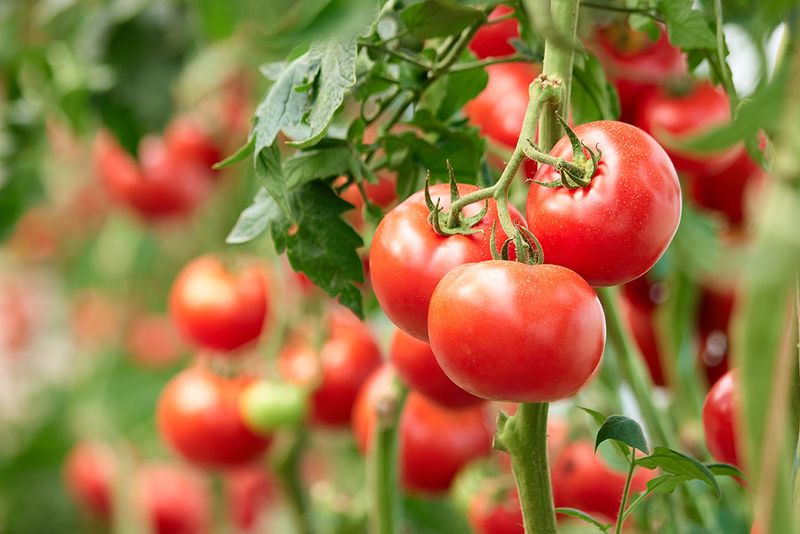
Imagine spending weeks caring for your tomato plants, watering them through the heat, staking them up as they grow, and then watching the first freeze arrive before a single tomato turns red.
That is exactly what happens to gardeners who wait until September to put their transplants in the ground, and it is a frustrating experience that is entirely avoidable.
Most popular tomato varieties, including favorites like Celebrity, Roma, and Better Boy, need at least 70 days from transplanting to produce ripe fruit. Some varieties push closer to 80 or even 85 days.
If you plant in early September, you are asking your tomatoes to ripen by mid to late November. In most parts of Texas, that is asking for a miracle because the first freeze often arrives well before then.
The result is vines that look healthy and even produce plenty of fruit, but the tomatoes stay stubbornly green because the plant simply did not have enough warm days to finish the job.
You can pick green tomatoes and ripen them indoors on a countertop, but they never taste quite as good as vine-ripened ones.
All that garden effort deserves better than a plate of pale, flavorless tomatoes that ripened in your kitchen instead of in the sunshine.
Late-July planting sidesteps this problem completely. Your plants get the full 70 to 80 days they need, plus a little extra buffer in case of an early cold snap.
That extra cushion of time is what separates a gardener who brags about their fall harvest from one who is quietly disappointed every November. Planning ahead pays off in a big way when tomatoes are involved.
4. Transplants Save Weeks Compared With Directly Sowing Seeds
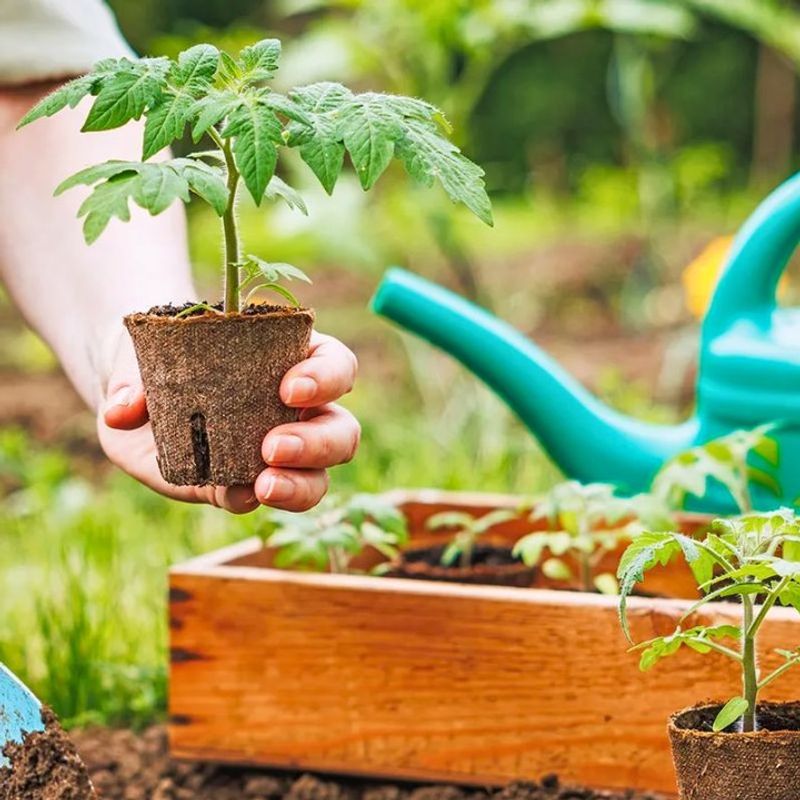
Starting from seed sounds appealing, and in the spring it works out just fine because the growing season is long enough to give seeds plenty of time to sprout and mature. Fall is a completely different story.
The fall growing window in Texas is tight, and every single week matters when you are racing against the first freeze.
When you direct sow tomato seeds into the garden, you are adding roughly two to three weeks of germination time before the plant even begins to grow as a seedling.
Then you wait through the slow early seedling stage before the plant is big enough to really take off. All of that time adds up fast when your deadline is a November freeze.
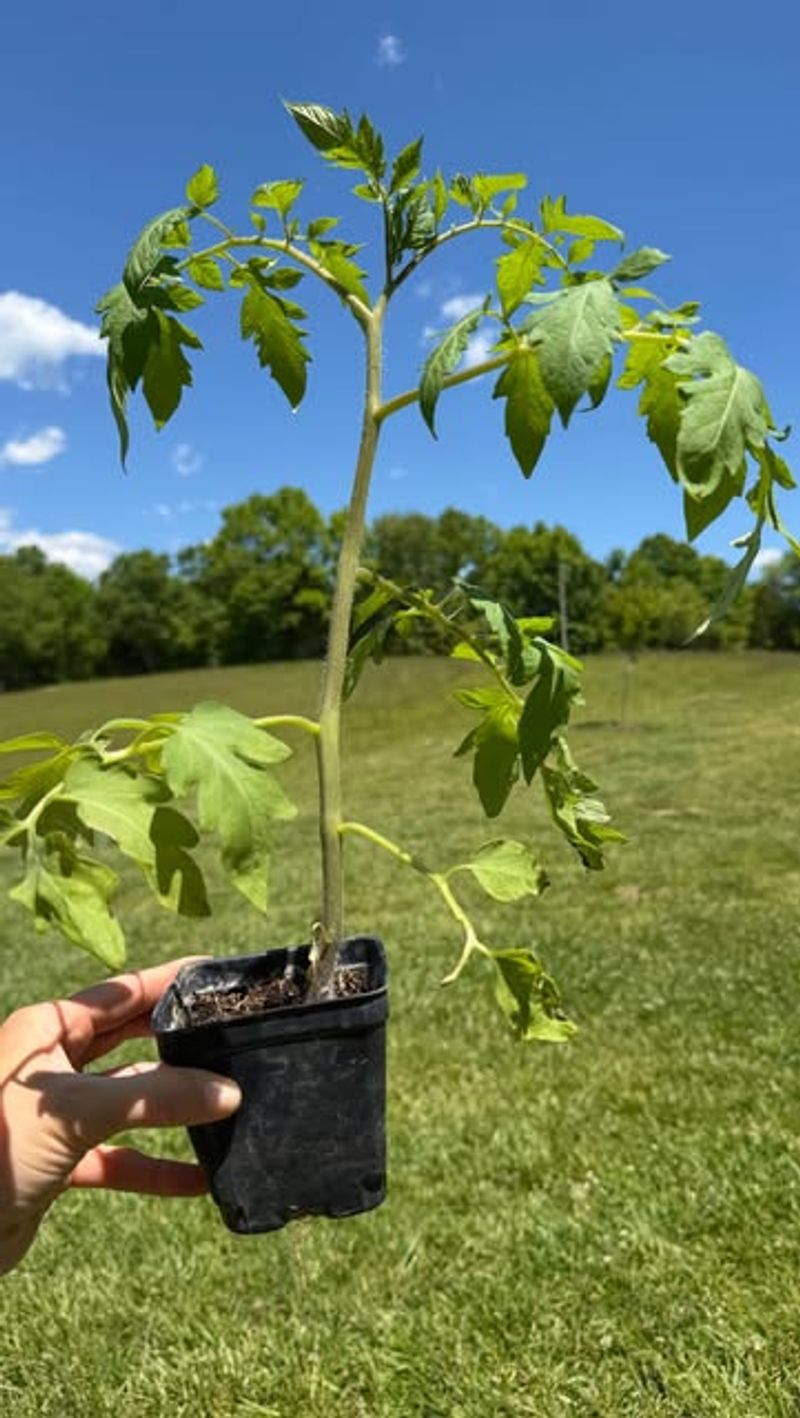
Transplants skip all of that early waiting. A healthy six-inch transplant from a nursery or one you started indoors a few weeks earlier is already past the fragile baby stage.
It has a developing root system, several sets of true leaves, and the strength to handle being moved into the garden and getting established quickly.
You are essentially giving yourself a two to three week head start compared to a gardener who is dropping seeds directly into the soil.
In a season where 70 to 80 frost-free days is the goal, a two-week head start is not a small thing. It can be the difference between a basket full of ripe tomatoes and a garden full of green ones.
Smart Texas gardeners either buy transplants from a local nursery in late July or start their own seeds indoors in late June, so they have strong transplants ready to go right when the planting window opens. Using transplants is simply the smarter play for fall gardening.
5. Late July Allows Roots To Establish Before Fall Production Begins
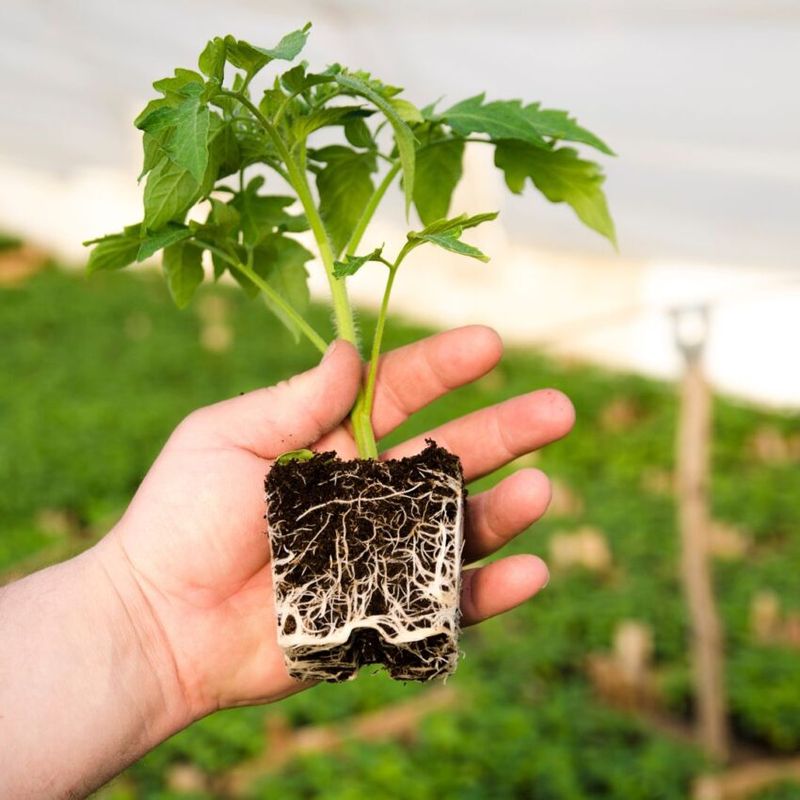
A tomato plant is only as productive as its root system. Above the soil, you see the leaves, flowers, and fruit, but below the surface is where the real action happens.
Roots are responsible for pulling up water and nutrients that fuel every part of the plants growth, and a weak root system simply cannot support a heavy load of fruit.
When you plant in late July, your tomato transplants have several weeks to push their roots deeper and wider into the soil before they are asked to support flowers and developing fruit.
August, even with its intense heat, is actually a good time for root development as long as you keep the plants watered consistently.
The soil is warm, which encourages roots to spread, and the plant is focused on getting established rather than producing fruit.
By the time September rolls around and temperatures moderate, a late-July transplant has a well-developed root system ready to support serious production.
When flowers appear and fruit begins to set, the plant can handle that demand because its foundation is already strong.
A plant that was put in the ground in September is still in the root-building phase right when it should be producing.
Think of it like building a house. You would not skip the foundation and jump straight to the roof.
Tomatoes work the same way. The stronger and deeper the roots are before production begins, the more fruit the plant can support and the healthier it stays through the fall season.
Giving your transplants those extra weeks in July and August to build a solid underground foundation is one of the best investments you can make in your fall garden.
6. The Correct Planting Date Depends On Your Texas Region
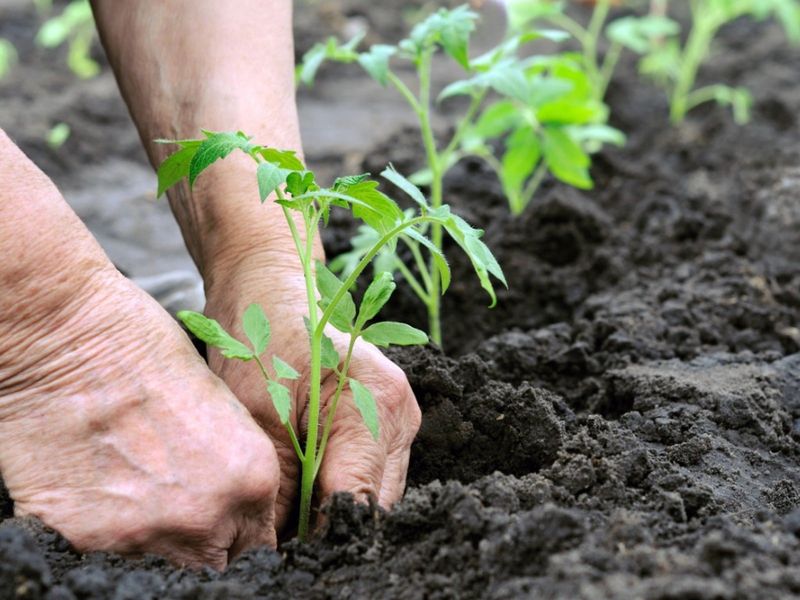
Texas is a genuinely enormous state, and the weather in El Paso has almost nothing in common with the weather in Beaumont or Amarillo. That regional variety means there is no single planting date that works perfectly for every Texas gardener.
Late July is a solid general guideline, but smart gardeners always adjust based on where they actually live.
Central Texas, including cities like Austin and San Antonio, is where late July planting works most reliably.
Gardeners in the Dallas and Fort Worth area can also follow the late-July rule with confidence, though they should be aware that North Texas can see earlier freezes than areas farther south.
Planting a few days earlier in late July rather than waiting until the very end of the month gives North Texas gardeners a little extra cushion.
Gardeners in the Panhandle and higher elevation areas of West Texas face a shorter growing season and colder fall temperatures.
Those growers often need to plant in mid-July or even early July to have any realistic chance of a good fall harvest before freezing temperatures arrive.
South Texas is the opposite situation. Gardeners in places like Corpus Christi, McAllen, and Laredo enjoy a later first freeze, sometimes not arriving until December.
Those growers can afford to push their planting date into early August and still get a full harvest. The key for every Texas gardener is to look up the average first freeze date for your specific city and count backward about 80 days to find your ideal planting window.
That simple calculation, adjusted for your region, is the most reliable way to nail your fall tomato timing every single season.