The Invasive Pest Quietly Destroying Pennsylvania Tulip Poplar Trees Before Most Homeowners Notice The Damage
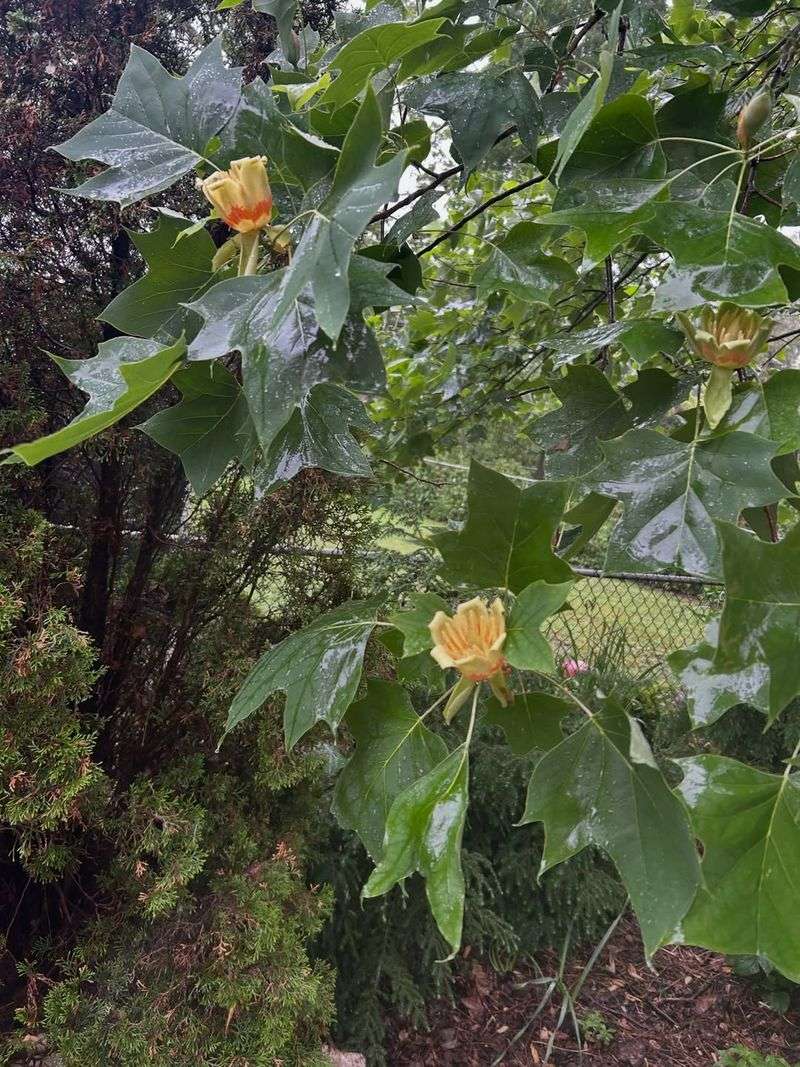
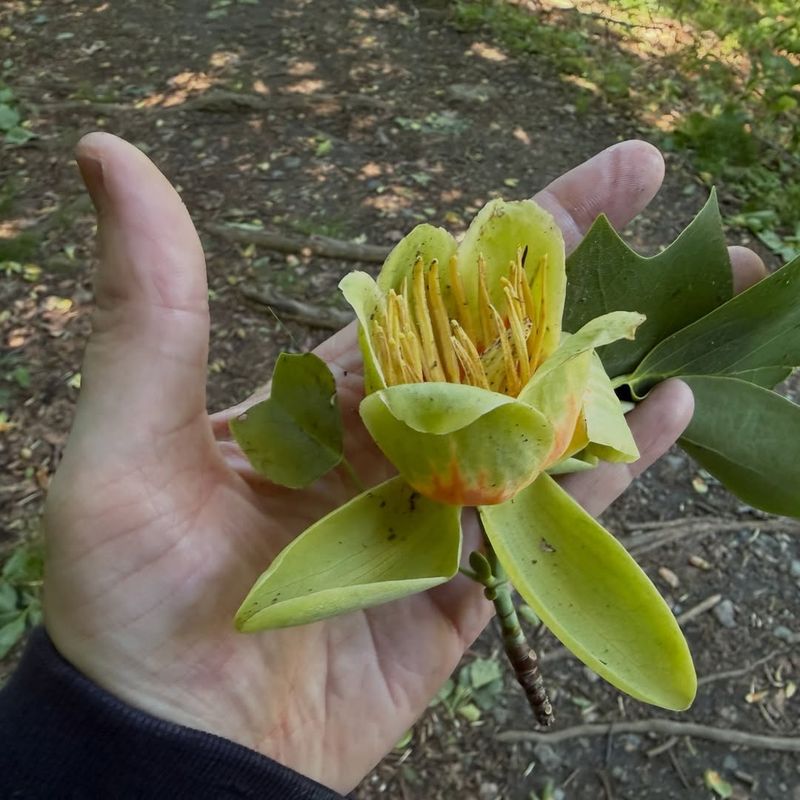
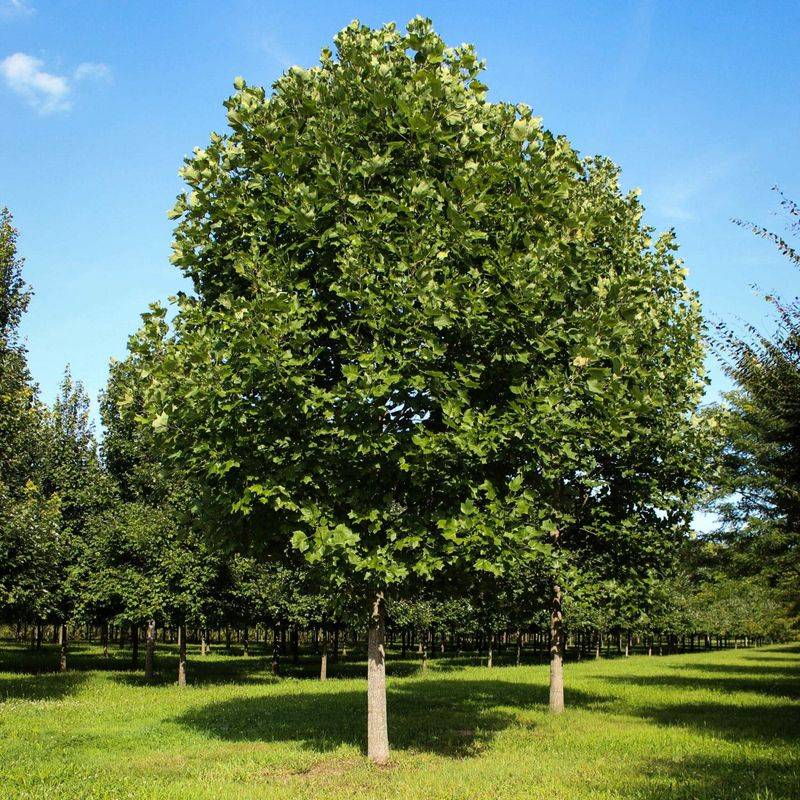
Tulip poplars are one of Pennsylvania’s most beloved native trees. Tall, elegant, and striking in bloom, they’re a familiar presence in woodlands, parks, and residential yards across the state.
But an invasive pest has been quietly moving through Pennsylvania tulip poplar populations, doing significant damage before most homeowners have any idea something is wrong.
That delayed awareness is part of what makes this pest so destructive. It works in ways that don’t trigger obvious alarm bells in the early stages.
The signs are subtle at first, easy to attribute to seasonal stress or weather, and by the time the damage becomes unmistakable, the infestation is usually well established and the tree has been weakened for far longer than anyone realized.
Pennsylvania forestry experts and arborists have been tracking the spread of this pest with increasing concern, and residential trees are just as vulnerable as those in managed forests and public spaces.
If you have tulip poplars on your property, knowing what to look for right now could make a genuine difference in whether your trees can be saved.
Meet The Pest Hiding On Tulip Poplar Branches
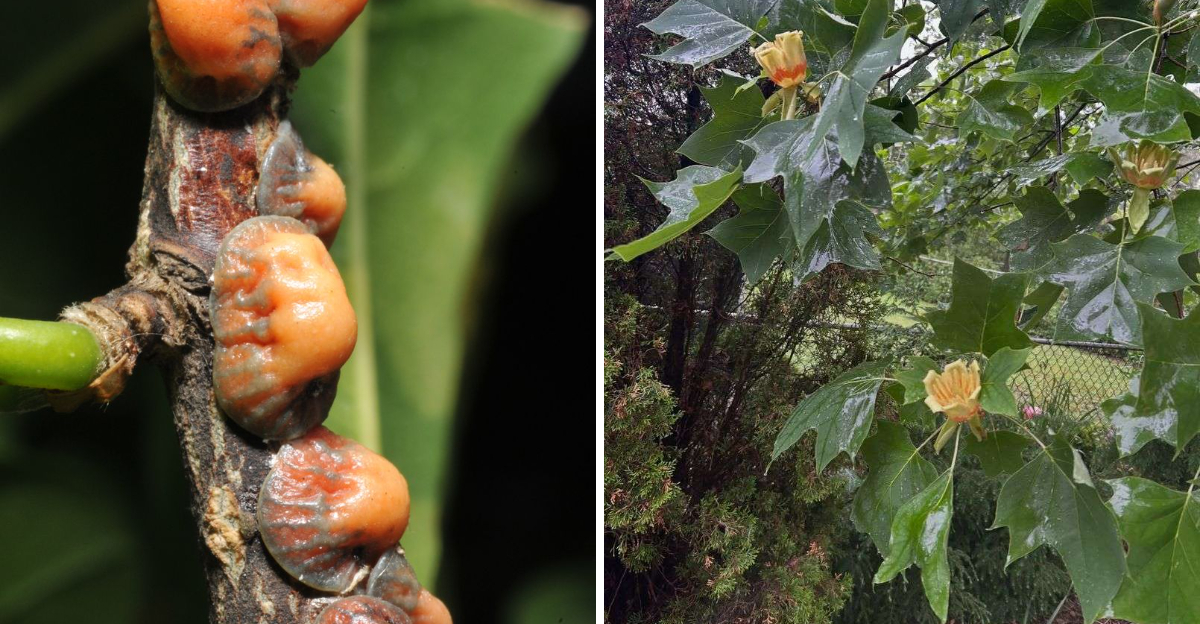
Tucked along the bark of tulip poplar branches, one of North America’s largest soft scale insects has been quietly spreading across Pennsylvania landscapes.
Tuliptree scale, known scientifically as Toumeyella liriodendri, is a significant pest of tulip poplar, which is also commonly called yellow-poplar.
Many homeowners have never even heard of it, yet it can cause serious harm to otherwise healthy trees.
Tulip poplars are not the only trees at risk. Tuliptree scale can also infest magnolias and occasionally other tree species in the surrounding landscape.
So if you have magnolias growing near your tulip poplar, it is worth keeping a close eye on both.
What makes tuliptree scale especially troublesome is how quickly populations can build up when left unchecked. Dense groups of these insects can cover entire twigs and branches, essentially taking over large sections of a tree before the damage becomes obvious.
A single overlooked infestation can spread across multiple limbs within a season or two. Knowing what this pest is and where it prefers to hide gives homeowners a real advantage.
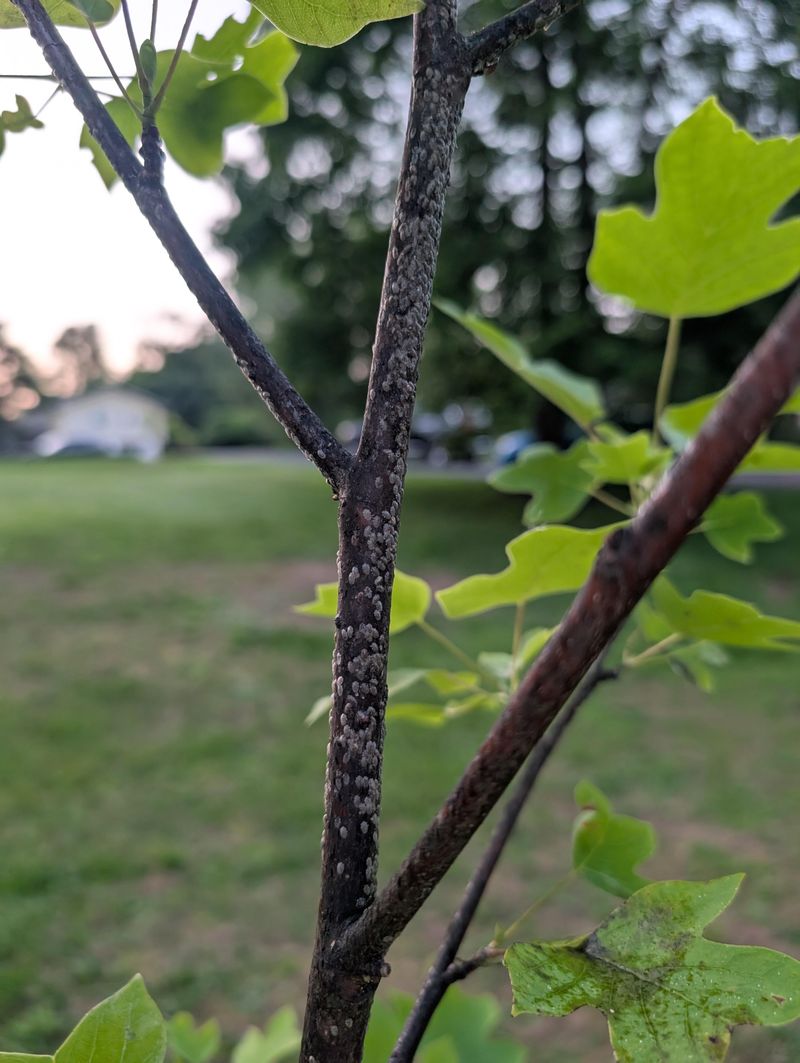
Tuliptree scale tends to cluster on younger twigs and smaller branches rather than the thick trunk.
Inspecting those areas regularly, especially during late summer and early fall, is one of the smartest habits a tree-loving homeowner can develop. Early awareness is everything when it comes to protecting your tree from this persistent and damaging pest.
Why Homeowners Often Overlook It
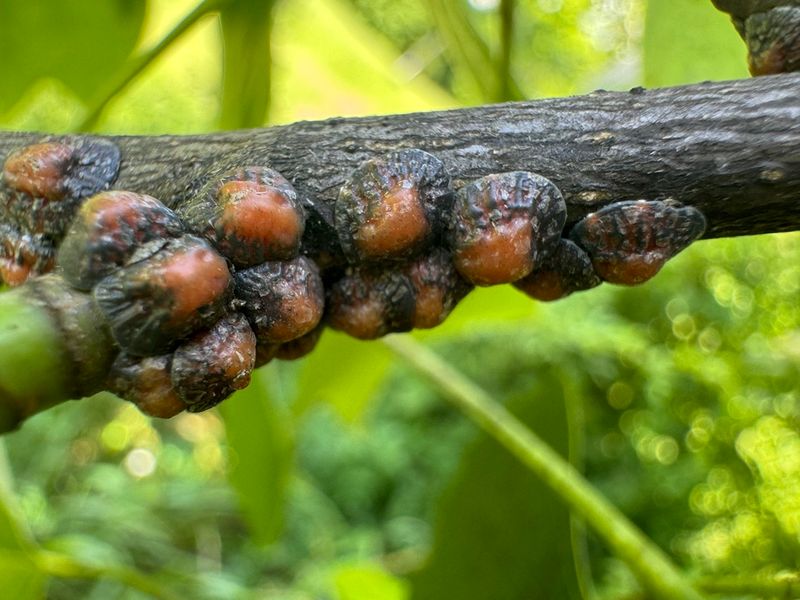
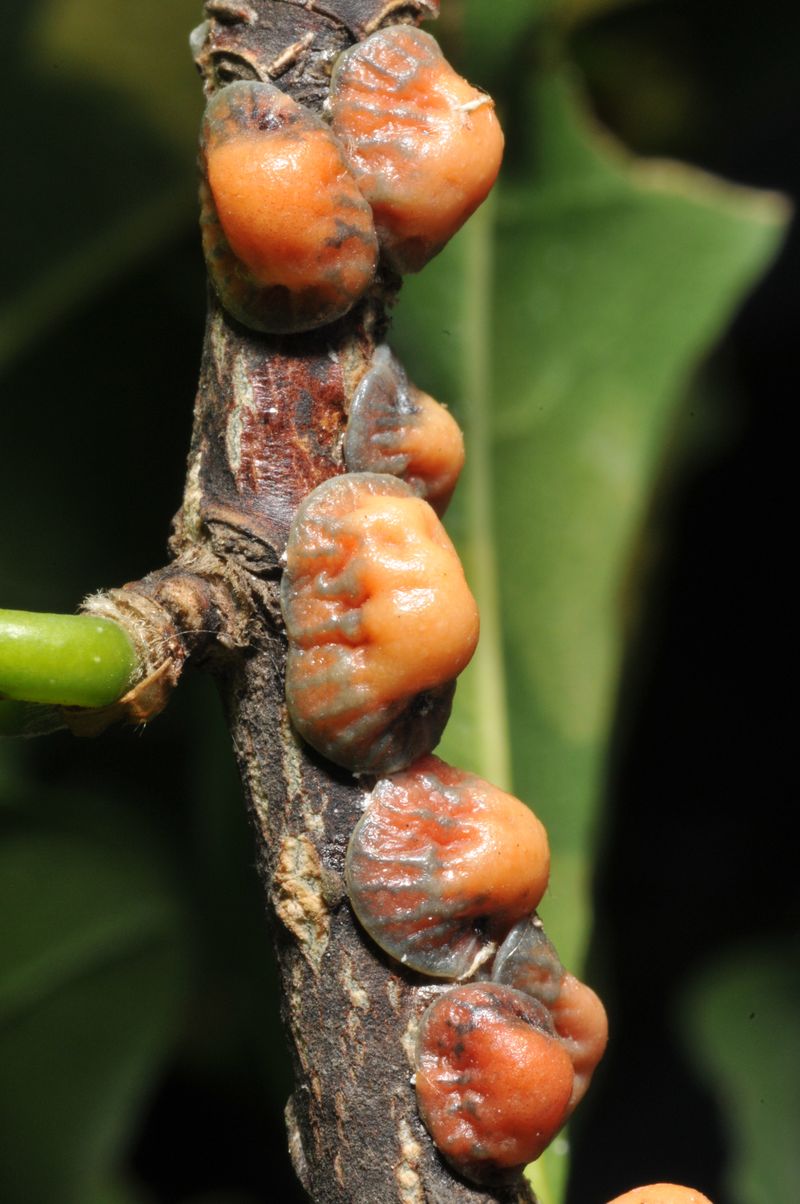
At first glance, tuliptree scale does not look like an insect at all. Mature females look like small, rounded, warty bumps on the bark.
They blend in so naturally with the texture of a branch that even observant homeowners often mistake them for a normal part of the tree. That built-in disguise is one of the main reasons infestations grow so large before anyone notices.
Part of what makes these insects so hard to manage is the protective waxy coating that covers their bodies. That coating acts like a shield, making it harder for contact pesticides to reach them directly.
Your Pennsylvania Garden Changes Every Week. Your Plan Should Too.
Gardening in Pennsylvania changes quickly throughout the season. Every Friday you’ll receive a simple weekly plan showing exactly what to plant, prune, fertilize, harvest, and protect so you never miss the right timing.
By the time most people realize something is wrong, the infestation has already expanded across multiple branches.
The youngest stage of tuliptree scale, called the crawler, is even harder to spot. These tiny crawlers are only about half a millimeter long, which is smaller than a pinhead.
Without getting very close to the branch and looking carefully, a person can easily miss them entirely. They are the most vulnerable stage of the insect’s life cycle, which is why timing treatments to target crawlers is so important.
Understanding why this pest is so easy to overlook helps homeowners become better observers.
Simply taking a few minutes each season to examine smaller branches with fresh eyes, rather than assuming everything looks fine from a distance, can lead to much earlier detection.
A small magnifying glass can also be a surprisingly helpful tool when doing these routine checks. Spotting trouble early gives you far more options for protecting your tree.
The Earliest Warning Signs Around The Tree
Before you ever spot the actual insects, your surroundings will often tell you something is wrong. One of the first and most noticeable clues is a sticky, sugary coating called honeydew.
Tuliptree scale insects feed on plant fluids and excrete this sticky substance, which falls onto everything beneath the tree, including leaves, branches, patio furniture, vehicles, and nearby plants.
If your car parked under a tulip poplar suddenly feels tacky or strangely grimy, that is worth investigating. Ants and wasps are also reliable warning signals.
Both insects are strongly attracted to honeydew as a food source, so a sudden spike in ant or wasp activity near your tree is a clue that something is producing a lot of that sweet substance overhead.
Black sooty mold is another early indicator that many homeowners notice before anything else. Sooty mold is a fungus that grows on honeydew deposits, and it can coat leaves, bark, and nearby surfaces with a dark, dusty-looking layer.
While the mold itself does not directly harm the tree, it can block sunlight from reaching leaves, which interferes with the tree’s ability to produce energy.
Looking closely at the twigs is also revealing. Branches that are infested with tuliptree scale often begin to look rough, swollen, or oddly bumpy along their length.
These changes can be subtle at first, but they become more pronounced as populations grow. Walking around your tree and looking up into the canopy from different angles gives you a much better chance of catching these early warning signs before the infestation grows larger.
How Tuliptree Scale Gradually Weakens The Tree
Tuliptree scale does not cause damage all at once. Instead, it works slowly and steadily, making it easy for homeowners to miss the gradual changes happening in their tree over weeks and months.
The insects use piercing-sucking mouthparts to tap directly into the tree’s vascular tissue and remove plant fluids. Imagine thousands of tiny straws draining away the energy your tree needs to grow and thrive.
Heavy feeding pressure over time leads to a range of visible symptoms. Foliage may start to look pale or yellowish rather than its usual rich green.
Growth slows down noticeably, and the overall canopy begins to look thin and sparse compared to previous years.
Individual branches may stop producing new leaves, a condition known as branch dieback, which becomes more obvious as the season progresses.
Young trees and those already under stress from drought, poor soil, or compacted roots are especially vulnerable to rapid decline. A tree that is already struggling has fewer reserves to draw on when scale insects are also draining its resources.
Stressed trees can deteriorate much faster than healthy, well-established ones facing the same level of infestation.
Recognizing these symptoms as connected to a scale infestation, rather than blaming drought or disease alone, is a critical step. Many homeowners water or fertilize a declining tree without ever addressing the actual pest causing the problem.
Taking a closer look at the branches before assuming another cause is always the smarter first move. Addressing the root cause early gives the tree the best possible chance of recovering its full strength and vitality.
How To Confirm An Infestation
Suspecting a problem is one thing, but confirming it takes a little hands-on investigation. Start by examining smaller twigs and branches throughout the tree, since that is where tuliptree scale tends to cluster most heavily.
Look for groups of oval, convex bumps attached firmly to the bark. Unlike loose debris or natural bark texture, these bumps will not brush off easily when touched.
Mature female tuliptree scales have a distinctive appearance that makes identification easier once you know what to look for. They can range in color from gray-green to pinkish orange, often with irregular dark mottling across their surface.
Their size is roughly comparable to a small apple seed, which makes them visible to the naked eye once you know where to look and what you are seeing.
Check whether the sticky honeydew residue and black sooty mold are also present alongside the bumps. When all three signs appear together, a tuliptree scale infestation becomes much more likely.
That combination of physical bumps, sticky deposits, and mold is a reliable pattern that sets this pest apart from other potential causes of tree stress.
It is also worth knowing how to avoid misidentification. Tuliptree scale can be confused with aphids, plant galls, or magnolia scale.
One helpful distinction is that magnolia scale feeds exclusively on magnolias and will not be found on tulip poplar.
If you are still uncertain after inspecting your tree, reaching out to your local Penn State Extension office can provide expert guidance and help you confirm exactly what you are dealing with before taking any action.
What Pennsylvania Homeowners Should Do
Once you have confirmed a tuliptree scale infestation, taking thoughtful and well-timed action is the most effective approach. Start by walking around the affected tree and carefully assessing how much of the canopy and branch structure shows signs of stress.
Knowing the full extent of the problem helps you decide whether a do-it-yourself approach is realistic or whether professional help is needed. Dormant horticultural oil is one of the most practical options available to homeowners.
Applied according to label directions in early spring, after the danger of freezing temperatures has passed but before new growth begins, this oil can help smother overwintering scale insects.
Always read the product label carefully and follow all application instructions to protect both the tree and the surrounding environment.
Timing is especially important for targeting the crawler stage, which is the most vulnerable point in the insect’s life cycle. In Pennsylvania, treatments aimed at crawlers are generally most effective when applied between mid-August and mid-September.
Missing this window significantly reduces the effectiveness of any spray treatment, so marking your calendar in advance is a smart habit to build.
For large trees or those showing significant canopy decline, calling a certified arborist is strongly recommended. Arborists have the training and equipment to safely apply pesticides at the right concentrations and at the right time.
They can also assess whether the tree has the strength to recover or whether structural concerns need to be addressed.
Acting early, staying informed, and working with qualified professionals when needed gives your tulip poplar the strongest possible chance of bouncing back healthy and full.