Why Florida Hedges That Looked Full In Spring Always Have Gaps By August
Florida hedges know how to fake confidence in spring.
In April, they look thick, green, and polished. The outer leaves shine. The shape looks clean. The view of the neighbor’s yard disappears exactly the way a hedge is supposed to make it disappear.
Then August arrives and ruins the illusion.
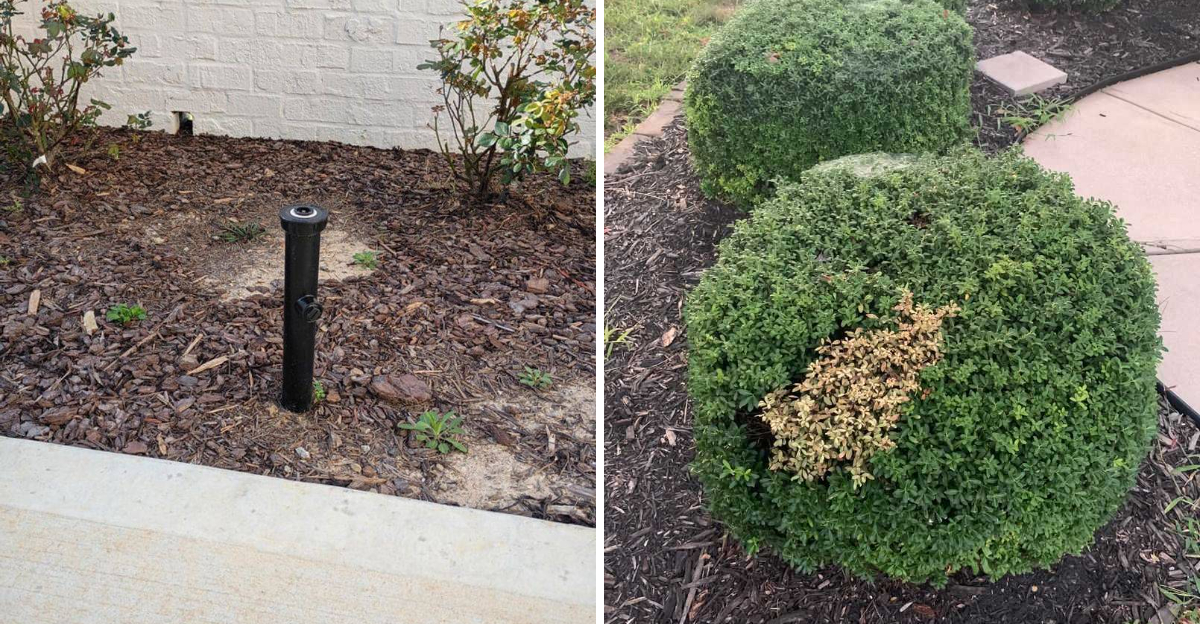
Suddenly, there are brown patches, bare stems, thin spots, and awkward gaps that make the whole hedge look like it forgot half its job.
The heat gets blamed first, but summer is usually only the moment the hidden problems become visible.
Spring growth can cover a lot.
Bad pruning, weak roots, poor airflow, missed irrigation, pests, crowding, and the wrong shrub in the wrong place can all hide behind a fresh flush of leaves. By late summer, those shortcuts start showing through.
So why do Florida hedges look full in spring, then open up by August?
Start by looking past the green shell. The real problem is often inside the hedge, near the roots, or built into the way the plants were shaped years ago.
1. Shearing Made A Green Shell
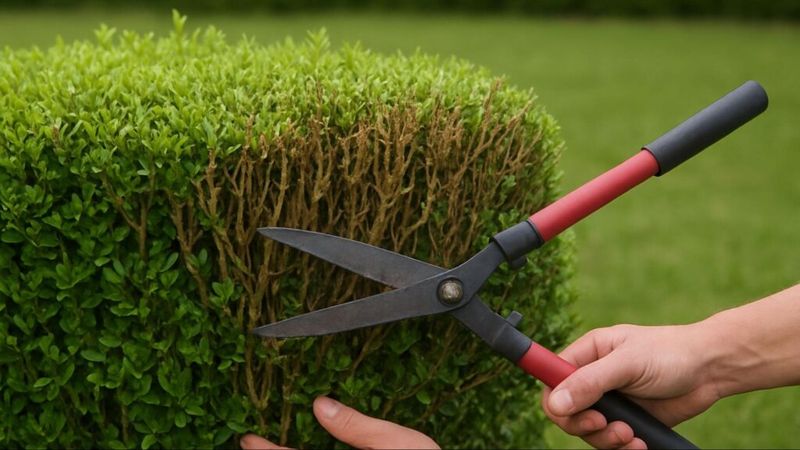
A sheared hedge can look perfect from the street.
Inside, it may be nearly hollow.
Repeated flat trimming encourages dense growth only on the outer surface. That green shell blocks sunlight from reaching the interior branches. Over time, the inside loses leaves, weakens, and turns woody.
Spring hides this beautifully.
Fresh outer growth fills in fast during mild weather, so the hedge looks lush. By August, heat and stress thin that surface layer, and the bare interior finally shows through.
Electric trimmers make this easy to create.
They cut everything at the same outer line, which gives a crisp shape but does not improve the plant’s structure. The more often the hedge is sheared flat, the denser the outside becomes and the darker the inside gets.
Thinning cuts work better.
Instead of clipping only the surface, remove selected branches back to a side branch or junction. That lets light and air move deeper into the plant, helping interior growth stay alive.
The goal is not a wild hedge.
It is a healthier hedge with depth. A slightly looser surface often stays fuller longer than a tight green wall that is secretly empty.
A hedge should not be all frosting and no cake.
By August, Florida heat will probably reveal the missing cake.
2. Lower Branches Lost Light
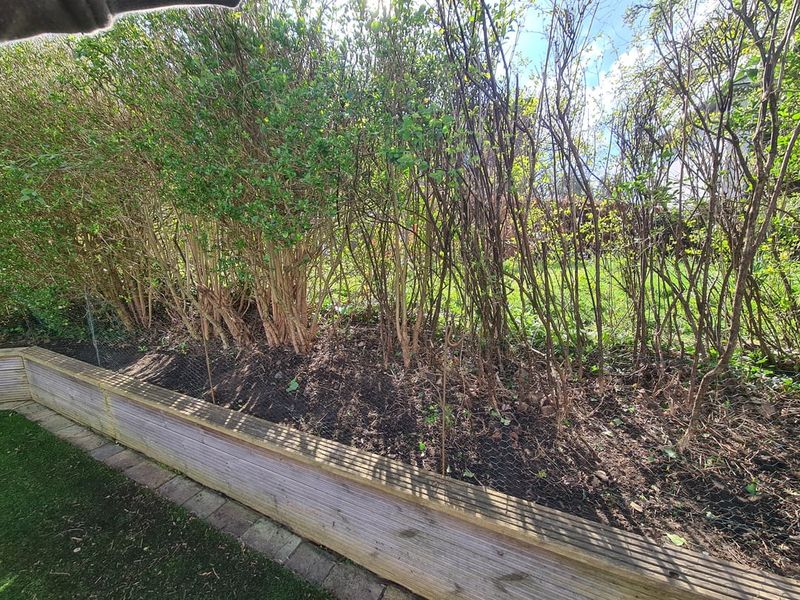
A hedge that is green on top and bare below is usually shading itself.
This happens when the upper growth becomes wider, thicker, or heavier than the base. Sunlight hits the top, but the lower branches sit in shade day after day. Eventually, those lower branches stop holding leaves.
Florida shrubs need light through the whole structure.
Cocoplum, viburnum, clusia, ligustrum, and many other hedge plants can thin at the base when the top blocks too much sun. The result is that classic late-summer gap line near the bottom, right where you wanted privacy most.
The shape matters.
Your Florida Garden Changes Every Week. Your Plan Should Too.
Gardening in Florida changes quickly throughout the season. Every Friday you’ll receive a simple weekly plan showing exactly what to plant, prune, fertilize, harvest, and protect so you never miss the right timing.
A hedge trimmed perfectly vertical, or wider at the top than the bottom, creates its own shade problem. The better shape is slightly wider at the base and narrower at the top. That allows light to reach lower foliage.
It may look subtle, but it works.
The hedge still reads as neat, but the lower branches get a fighting chance. This shape is especially helpful in tight side yards, along fences, and anywhere the sun angle already limits light.
Selective thinning in the upper canopy also helps.
Removing a few crowded branches lets filtered light reach the interior and lower stems. Do this gradually, not as one harsh chop.
Once the bottom is bare, it can be slow to recover.
That is why prevention matters. Give the lower branches light before they quit the team.
A hedge cannot stay full where the sun never reaches. Even privacy plants have lighting needs.
3. Spring Growth Used The Reserves
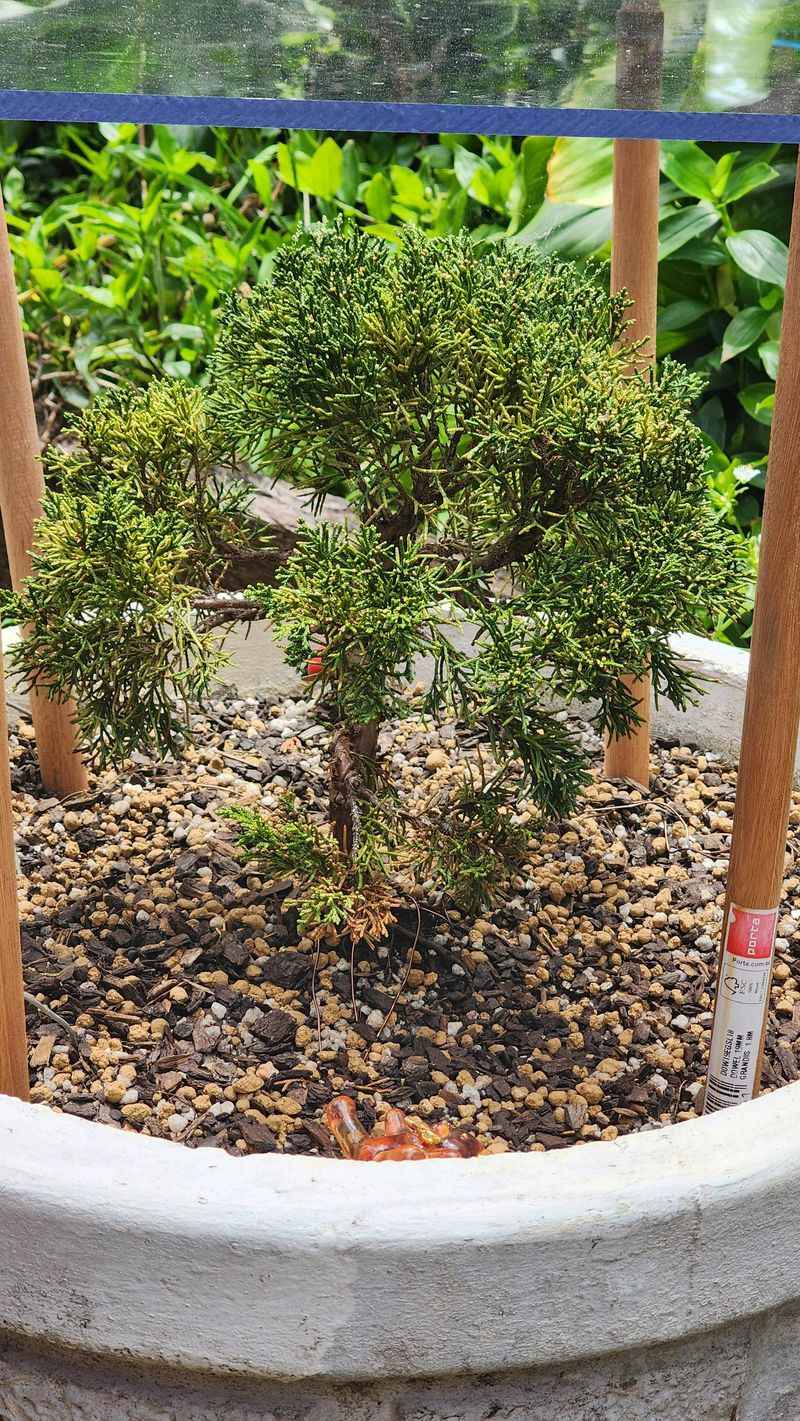
Spring makes hedges look rich. It also makes them spend energy.
Florida’s mild spring weather encourages a strong flush of fresh leaves and stems. That new growth looks beautiful, but it uses stored reserves from roots and woody tissue. By early summer, the hedge may have spent a lot of its savings.
Then the hard season begins.
Heat rises. Humidity hangs. Rain becomes uneven. Storms drench one week and skip the next. The hedge that looked unstoppable in April may reach August with fewer reserves and more stress than anyone realized.
This is why weak spots suddenly appear.
A plant can cover gaps with spring growth when conditions are easy. Once summer pressure builds, the weakest branches lose ground first. The hedge begins dropping leaves, browning at the edges, or opening in the same thin areas year after year.
Good care before the flush matters.
A healthy root system supports strong spring growth without draining the plant too heavily. Mulch, proper watering, and appropriate fertilization before peak stress can help the hedge enter summer with better reserves.
Avoid hard pruning right before or during the main spring push.
Heavy cutting forces the plant to replace lost foliage while it should also be building root strength. That can leave it more vulnerable later.
Spring fullness is not always proof of health.
Sometimes it is a hedge spending everything it has before August sends the bill.
4. Summer Heat Exposed Weak Roots
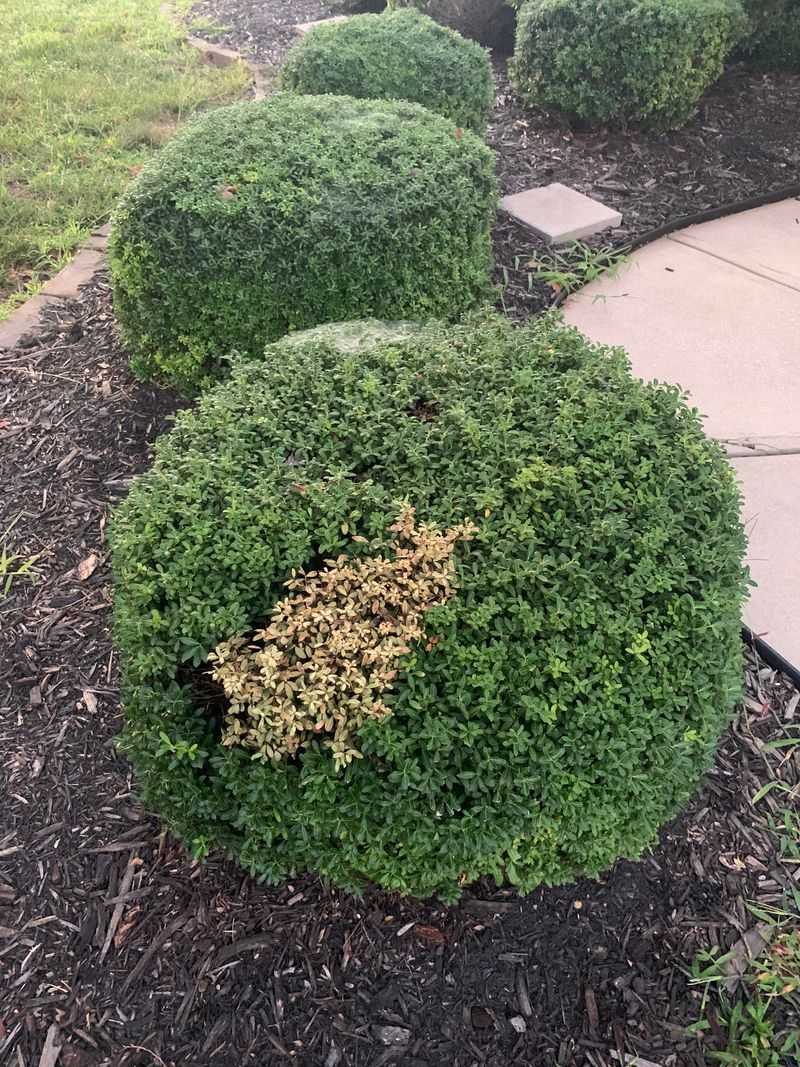
By August, weak roots stop being a hidden problem.
Florida heat pushes root systems hard. Shallow roots sit near the hottest, driest part of the soil. When summer arrives with hot days, warm nights, and uneven rain, those roots struggle to keep the canopy supplied.
The hedge shows it as gaps.
Branches with weaker root support may yellow, brown, or drop leaves while stronger sections stay green. From a distance, it looks random. Underground, the roots are explaining exactly why the hedge thinned unevenly.
Compacted soil makes this worse.
Foot traffic, mower wheels, construction, and years of surface watering can press soil tight around hedge lines. Compacted soil holds less air, drains poorly in some places, and makes root growth harder.
Sandy soil brings another challenge.
Water can move through quickly, leaving roots dry soon after irrigation. A hedge may receive water but fail to hold it long enough for steady uptake.
Mulch helps both problems.
A two to three inch layer of organic mulch keeps soil cooler, slows moisture loss, and improves soil structure as it breaks down. Keep it a few inches away from stems so the base does not stay wet.
Water deeply along the root zone, not just the front edge.
Roots need moisture across the hedge line. Hot leaves cannot stay full when the underground system is running on fumes.
August gaps often start below ground months earlier.
The heat just makes them visible.
5. Irrigation Missed The Middle
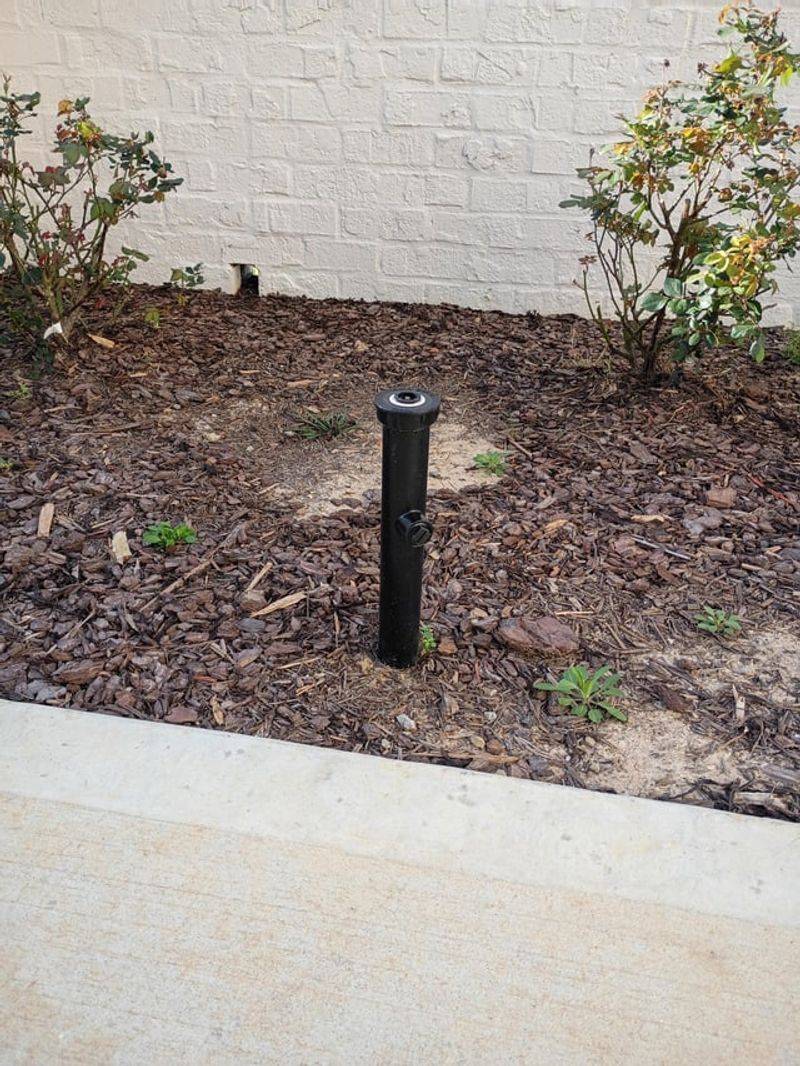
A sprinkler can wet the lawn and miss the hedge.
That happens constantly in Florida yards. Many irrigation systems are designed around turf first. Hedge roots sit behind, beneath, or inside the shrub line, where spray may not reach well.
The front looks watered.
The middle stays dry.
By spring, rain and mild temperatures may hide the problem. By August, the missed root zone shows up as thinning, browning, and gaps through the hedge. The plant is not being dramatic. It is unevenly watered.
Check coverage instead of guessing.
Place small cups, tuna cans, or shallow containers along the front, middle, and back of the hedge base during a normal irrigation cycle. Afterward, compare how much water each one collected.
The results can be surprising.
The grass may get plenty while the hedge gets almost nothing. Or the outer leaves may get sprayed while the soil under the canopy stays dry. Wet foliage is not the same as watered roots.
Drip irrigation or soaker hoses solve this better.
Place them along the base where roots can actually use the moisture. Long hedge rows often need multiple lines or careful emitter spacing so the entire root zone gets consistent water.
Adjust as plants grow.
A young hedge and a mature hedge do not use water in the same place. Roots spread, and irrigation should follow.
A hedge with gaps may not need more water everywhere.
It may need water in the right place for once.
6. Pests Worked Inside The Hedge
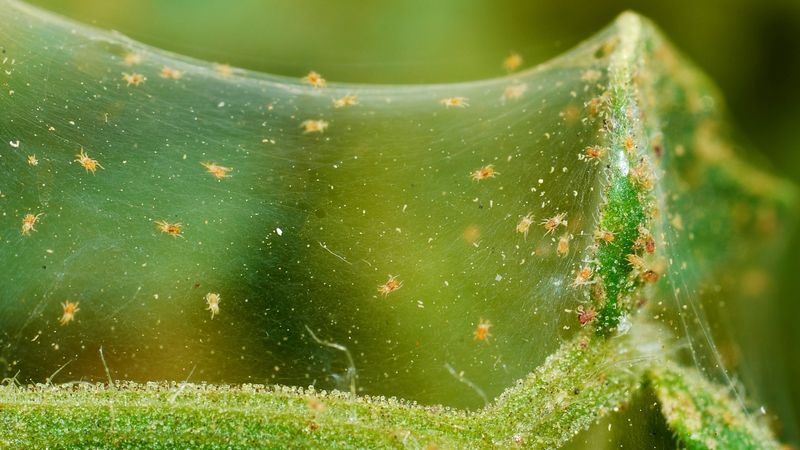
Dense hedges can hide pests beautifully.
Scale, whiteflies, mites, mealybugs, caterpillars, and other problems often begin inside the canopy, where shade, humidity, and still air give them cover. Homeowners may not notice until the outer leaves thin and the inner damage becomes visible.
By August, the secret is out.
Branches may yellow, drop leaves, or turn brown in patches. Sticky residue, black sooty mold, tiny bumps on stems, webbing, or distorted leaves can all point toward pest activity.
The inside of the hedge needs regular inspection.
Part the branches and look deep into the plant. Check stems, leaf undersides, branch joints, and the shaded interior. A quick glance at the outside only tells you what the hedge wants you to know.
Fungal issues can hide there too.
Crowded foliage holds moisture after rain or irrigation. Florida humidity does the rest. Leaf spots and interior defoliation often build slowly before the hedge suddenly looks open.
Do not spray before identifying the problem.
Different pests need different responses, and broad treatments can disrupt beneficial insects that help manage outbreaks.
Horticultural oils, soaps, pruning, and targeted treatments may help in some cases, but only after the culprit is clear.
Better airflow reduces future pressure.
Selective thinning opens the interior and makes the hedge less inviting to pests and disease problems.
A hedge can look calm outside while hosting a tiny convention inside.
By August, the convention starts billing you in bare stems.
7. Crowding Cut Off Airflow
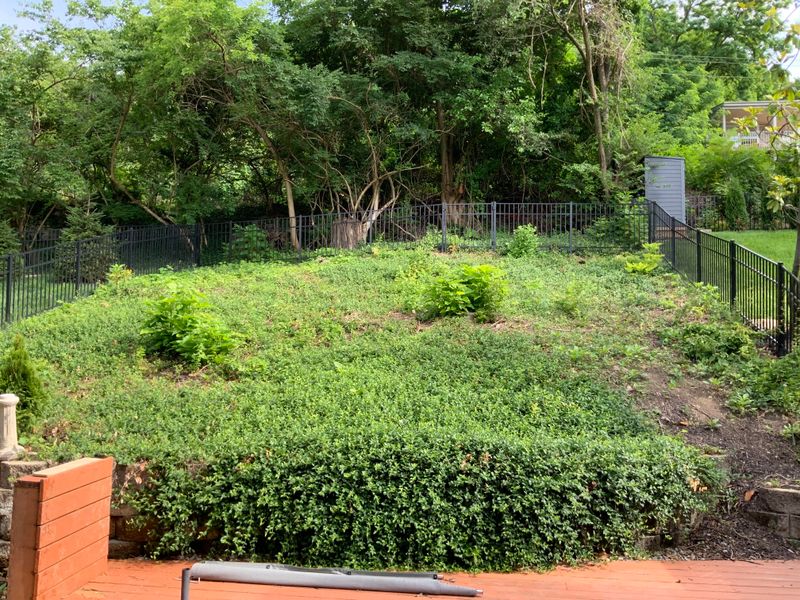
A tightly planted hedge fills in fast.
That is the appeal.
The trouble arrives later, when those shrubs reach mature size and realize nobody gave them enough room. Roots overlap. Branches press together. Air stops moving through the hedge. Moisture lingers. Weak plants lose the competition.
Florida humidity turns crowding into a bigger issue.
Dense, still interiors create perfect conditions for leaf problems and soft-bodied pests. The hedge may look beautifully full in spring, then thin hard in summer once heat and humidity raise the pressure.
Competition also shows up unevenly.
One shrub may dominate while the one beside it fades. That creates random gaps, especially in older hedge rows where spacing was based on nursery size instead of mature spread.
Spacing matters from the beginning.
A small plant in a pot does not show its adult width. Clusia, viburnum, cocoplum, buttonwood, and many other shrubs need room to develop without swallowing their neighbors.
Existing crowded hedges need hard decisions.
Selective thinning can help airflow, but severe overcrowding may require removing some plants. Taking out every other shrub can feel painful at first, but the remaining plants often fill better and stay healthier over time.
Do not judge the hedge immediately after thinning. Give the plants a season to adjust and rebuild.
A hedge should be a row of shrubs working together, not eight plants locked in a humid wrestling match. August gaps are often the referee.
8. Wrong Shrub Filled The Space
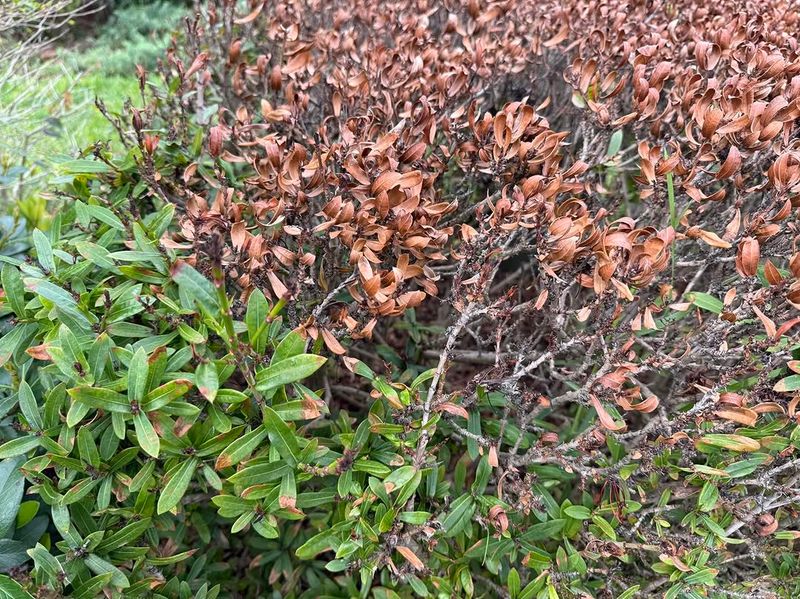
Some hedge problems started at the nursery.
A shrub can look perfect in a small pot and still be completely wrong for the job. It may grow too tall, too wide, too open, too fast, or too loosely for the space where it was planted.
That mismatch becomes obvious in summer.
A shrub constantly sheared to fit a tight area may develop a hollow shell. A naturally open plant may never form a dense privacy screen.
A sun-loving shrub in shade may thin out. A moisture-loving shrub in sandy, dry soil may struggle every August.
No amount of trimming fixes the wrong growth habit.
Some plants do not want to be formal hedges. They can be beautiful as loose screens, wildlife borders, or specimen shrubs, but forcing them into a tight green wall creates endless maintenance and weak structure.
Match the plant to the height you actually need.
A six-foot privacy hedge needs a different plant than a three-foot foundation hedge. A narrow side yard needs a different shrub than a wide back property line. Mature size matters more than the size on the sales bench.
Choose for Florida conditions too.
Heat, humidity, soil type, salt exposure, wind, and drainage all affect performance. The right shrub in the right place stays fuller with less drama.
Replacing a bad-fit hedge can feel like giving up.
It is often the smartest fix. Years of pruning, watering, spraying, and patching gaps may cost more than starting over with a plant that actually wants the job.
A good hedge begins before the first cut. By August, the wrong shrub usually tells the truth.