Skip Bare Soil Around North Carolina Shrubs, And Use This Living Groundcover Before Weeds Take Over
Bare soil has a short shelf life in a North Carolina garden. Give it a few warm weeks and something will move into that empty space, usually not the something you wanted.
Chickweed, henbit, or a stray vine can claim bare dirt under shrubs faster than most gardeners expect. A tidy bed turns into a patchwork of unwanted growth almost overnight.
Mulch helps for a season, then it thins out or washes downhill in a storm. A living groundcover skips that cycle, spreading low and steady until there is no room left for weeds to sprout.
This native plant does exactly that across the Piedmont, the mountains, and the coastal plain, staying green through mild winters. Here is how to put it to work under your shrubs before the weeds get there first.
A Low, Spreading Native Mat Does The Job Better Than Mulch
Mulch looks neat for a little while. Then it fades, shifts, and weeds punch right through it like nothing happened.
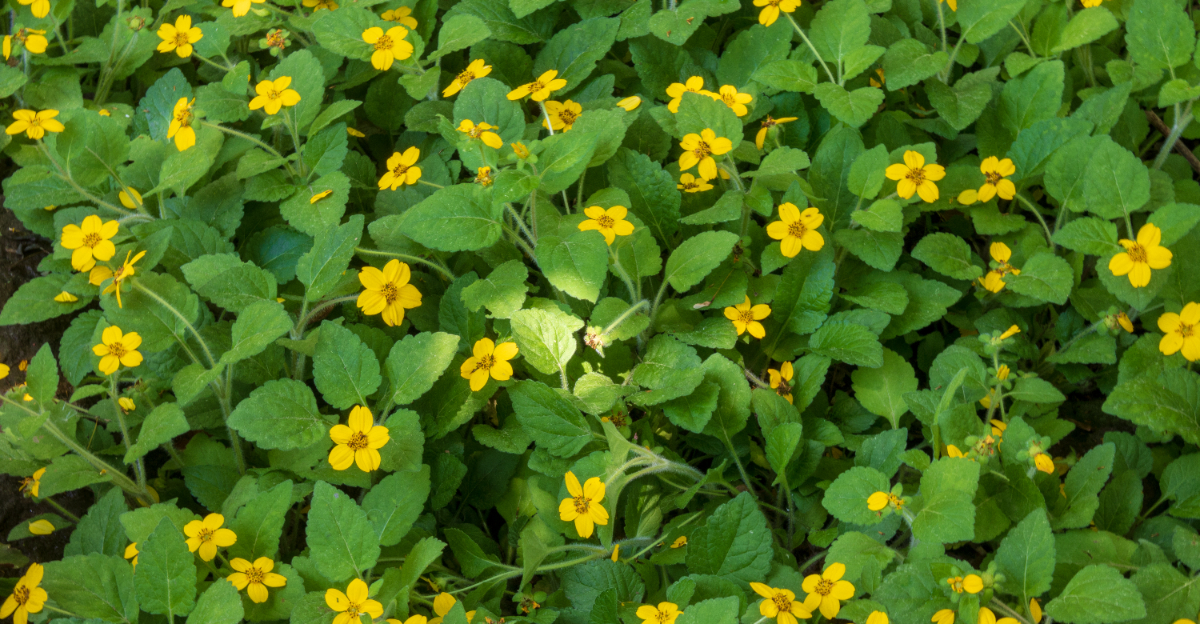
Living groundcover works differently because it holds its ground. A plant like Green and Gold creates a dense mat that physically blocks weed seeds from reaching soil.
Weeds need light and bare ground to germinate, and a solid mat of living leaves denies both. Bare soil around North Carolina shrubs is one of the most common gardening mistakes homeowners make.
It seems low-maintenance at first, but bare ground is never stable for long. Wind drops seeds, rain splashes them in, and suddenly you have a weed problem that takes hours to fix.
Green and Gold spreads by runners and slowly stitches itself together across the ground. Each plant sends out side shoots that root where they touch soil.
Give it a season or two, and a handful of starter plants can spread wide enough to close most gaps. Unlike mulch, a living mat improves the soil underneath it.
Roots break up compaction, and leaf litter adds organic matter over time. Your shrubs actually benefit from having this groundcover as a neighbor.
The foliage stays low and soft, usually just a couple of inches tall, with flower stems rising higher in spring. That keeps it from competing with shrubs for light or airflow. It simply carpets the ground below and lets your bigger plants shine above.
Choosing a living solution over a temporary one saves you time every single season going forward.
Bare Soil Under Shrubs Invites Weeds In The First Place
Soil never stays bare on its own for long. Nature abhors a vacuum, and open ground is nature’s favorite blank canvas to fill in fast.
Weed seeds are everywhere around your yard. They travel by wind, birds, and even on the bottom of your shoes. Once they land on bare soil under your shrubs, they have everything they need to take root quickly.
Sunlight hitting open ground is the biggest trigger for germination. Many weed seeds sit dormant in soil for years, just waiting for light to hit them.
Your North Carolina Garden Changes Every Week. Your Plan Should Too.
Gardening in North Carolina changes quickly throughout the season. Every Friday you’ll receive a simple weekly plan showing exactly what to plant, prune, fertilize, harvest, and protect so you never miss the right timing.
The moment you disturb soil or remove a plant, those seeds wake up and start growing immediately. Shrubs create a slightly sheltered microclimate underneath them.
That zone stays moist longer after rain and warms up earlier in spring. Those conditions sound ideal for your shrubs, but they are equally attractive to opportunistic weeds looking for an opening.
Bare soil around North Carolina shrubs also erodes more easily during heavy summer rains. Exposed dirt washes away and carries nutrients with it, leaving your shrubs with less to work with each season.
A living layer of groundcover holds everything in place during even the hardest downpours. Compaction is another issue that bare ground creates over time.
Foot traffic and rain pack the soil down, making it harder for shrub roots to expand. Groundcover plants loosen that zone naturally with their root systems every single year.
Stopping weeds means removing their opportunity before they even arrive.
Green And Gold Spreads And Fills Gaps On Its Own
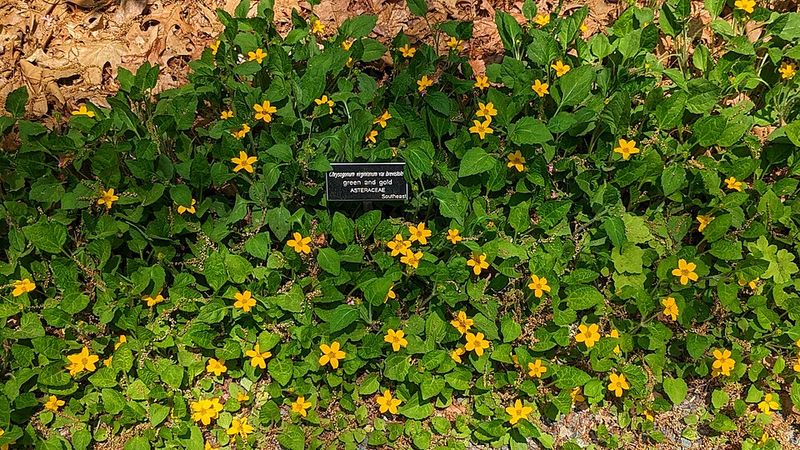
Watching Green and Gold spread is genuinely satisfying. You plant a few small plugs in spring and by fall you have actual coverage happening right before your eyes.
The plant spreads through two methods working at the same time. It sends out horizontal stems called stolons that creep along the soil surface and root wherever they make contact.
Meanwhile, the central plant also slowly expands outward from its crown each season. This dual spreading habit makes it unusually effective at filling gaps.
Some groundcovers rely on just one spreading method, while Green and Gold uses both at once. That means coverage happens faster and more evenly across the whole bed area.
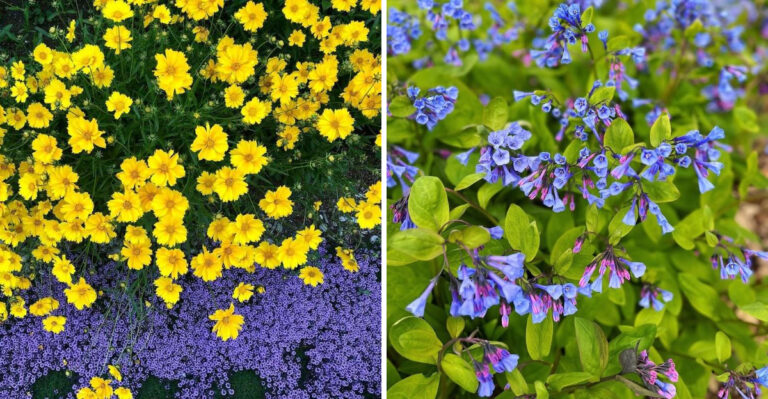
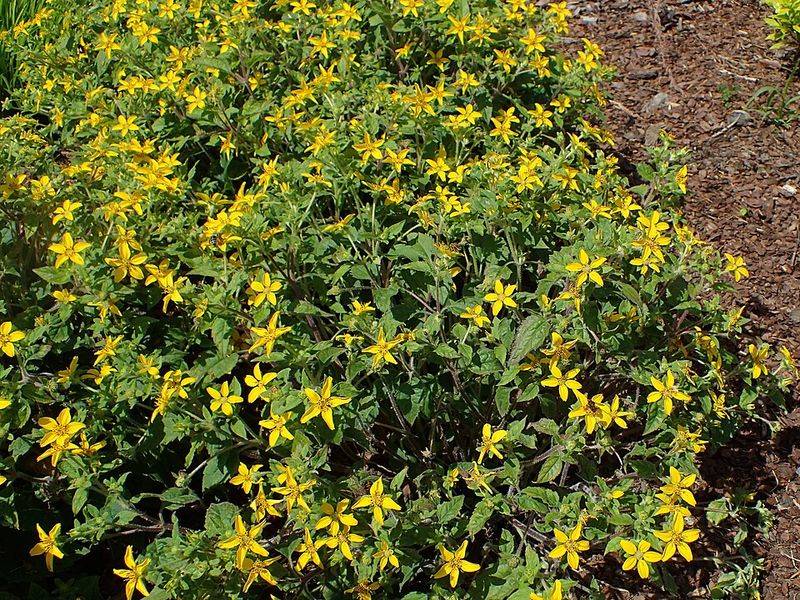
The yellow flowers are a bonus that most people do not expect from a groundcover. They bloom heavily in spring and then continue sporadically through summer and into fall.
Pollinators love them, which adds another layer of ecological value to your garden bed. Bare soil around North Carolina shrubs disappears gradually as the runners creep outward.
You can speed up coverage by planting more plugs closer together, or simply wait and let existing plants do the work. Either approach leads to the same weed-blocking result within a season or two.
The leaves stay semi-evergreen through mild winters in most parts of the state. That means your groundcover is working even when the garden looks dormant. You get year-round soil protection without any extra effort from you.
Planting Spacing And First-Summer Watering That Matter Most
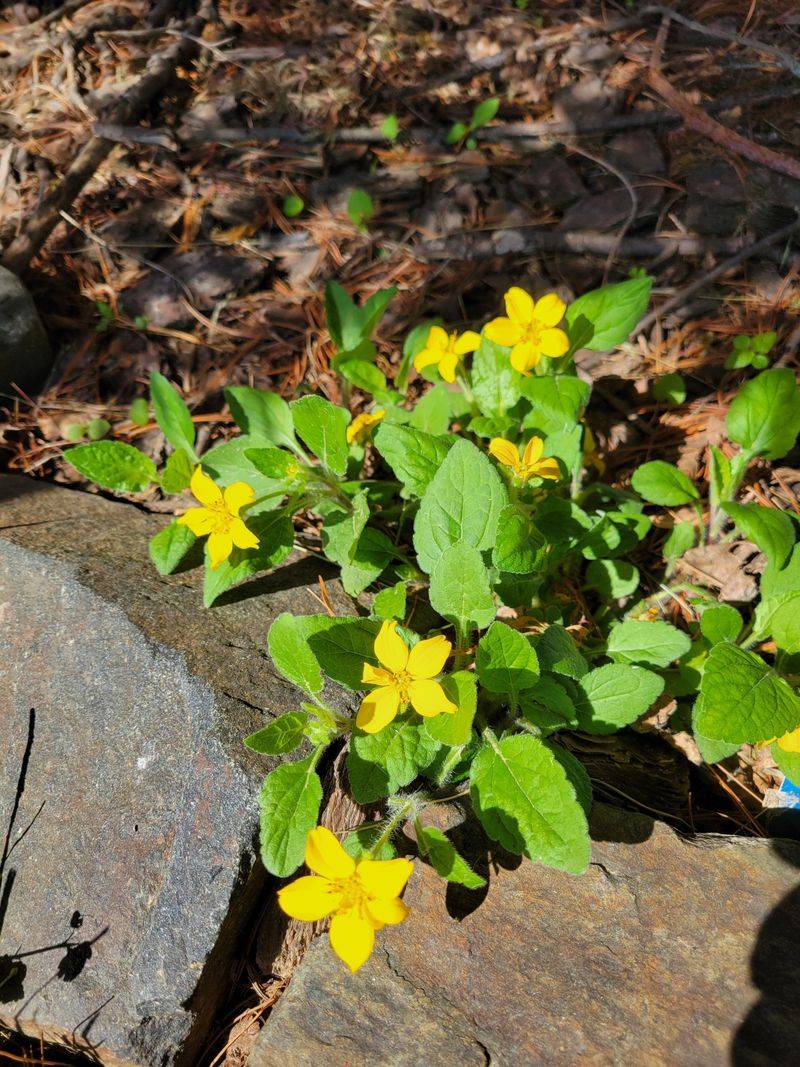
Spacing your plugs correctly at the start makes a massive difference in how fast coverage happens. Plant them too far apart and weeds fill the gaps before runners can bridge them.
For quick coverage, space Green and Gold plugs about eight to ten inches apart. That distance lets each plant spread without crowding its neighbors right away. If budget is a concern, you can stretch spacing to twelve inches.
Coverage will take an extra season, but the plants will still get there. Just be prepared to hand-pull a few weeds during that first gap-filling year.
Watering during the first summer is the single most critical factor for success. Newly planted groundcover needs consistent moisture while its roots establish in the soil.
Without that, plants stall out and runners stop spreading until conditions improve. Water deeply two to three times per week during dry spells in that first summer.
Shallow watering encourages shallow roots, which makes plants vulnerable to heat stress later. Deep watering trains roots to go down where moisture stays more stable through dry stretches.
Bare soil around North Carolina shrubs tends to dry out faster than open beds because shrub roots compete for moisture. That competition is manageable, but it means your groundcover needs a little extra attention during establishment.
After year one, supplemental watering becomes mostly unnecessary as roots settle in deeply. Get the first summer right and the rest takes care of itself beautifully.
The Shade And Soil Conditions Where It Performs Best
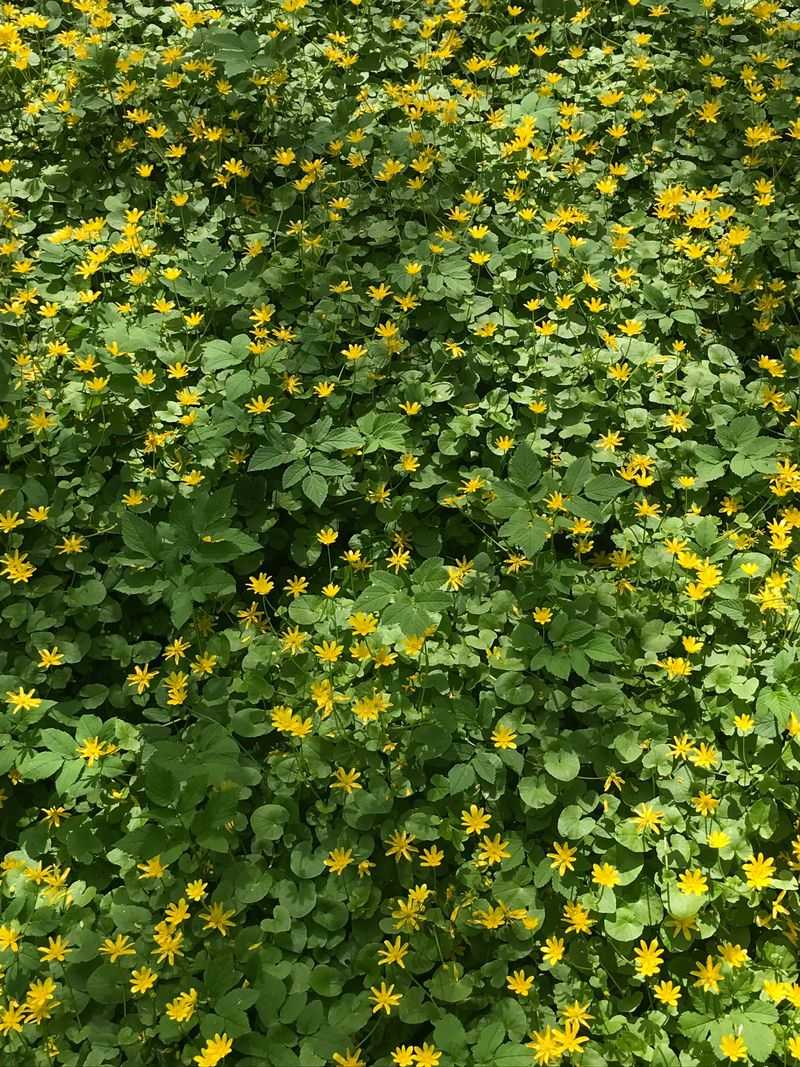
Green and Gold has a clear preference, and knowing it saves you a lot of frustration. Part shade to light shade is where this plant genuinely thrives and spreads with confidence.
Dappled light under deciduous shrubs is the sweet spot. Morning sun with afternoon shade also works beautifully for this groundcover.
Those conditions mimic the woodland edges where it grows naturally across the eastern United States. Soil quality matters more than most people expect with groundcovers.
Green and Gold prefers well-drained soil that holds some moisture without staying soggy. Heavy clay that puddles after rain is the one condition that will slow this plant down significantly.
If your soil is dense clay, amend planting areas with compost before installing plugs. A two-inch layer of compost worked into the top six inches of soil makes a noticeable difference in drainage and root development.
That small investment at planting time pays off for years afterward. Bare soil around North Carolina shrubs often has compacted, nutrient-poor conditions from years of foot traffic and erosion.
Green and Gold tolerates lean soil better than many plants, but it responds visibly to improved conditions. Better soil means faster spreading and more abundant flowering each spring.
Slightly acidic soil suits this plant well. Most native soils across the state are naturally slightly acidic, which is one reason this groundcover adapts so readily to local garden beds.
Match the conditions and this plant rewards you generously every single year.
Adjusting For A Spot That Gets More Sun Than Shade
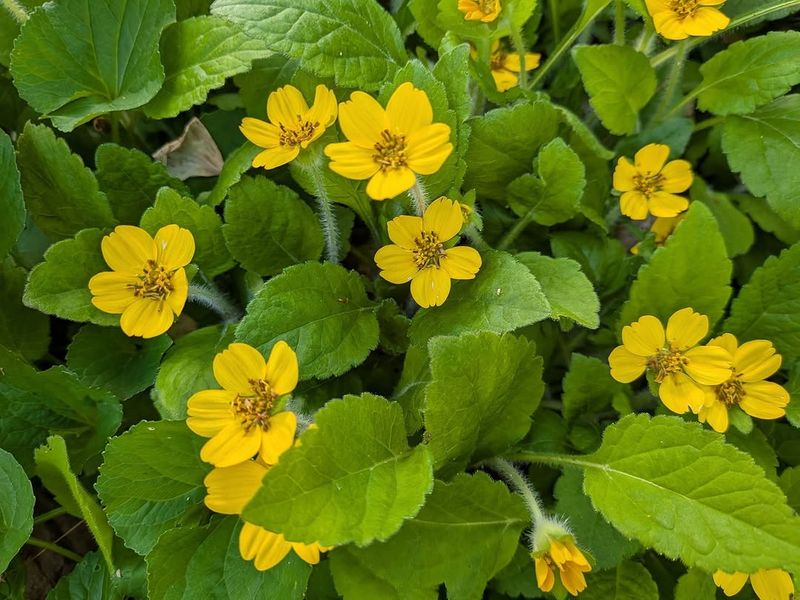
Not every shrub bed sits in the shade, and that is perfectly fine. You just need to adjust your approach slightly when sun is the dominant condition.
Green and Gold can handle more sun than most people expect, especially in the Piedmont and mountain regions. In those areas, morning sun with afternoon shade keeps the plant healthy and spreading steadily.
Coastal plain gardeners should be more cautious because summer heat there is genuinely intense.
In sunnier spots, moisture becomes more critical than it is in shaded areas.
Sun dries soil faster, and Green and Gold will slow down or look stressed without consistent moisture during summer. Mulching lightly between new plugs during the first season helps retain that moisture while plants establish their roots.
Bare soil around North Carolina shrubs in full sun is especially vulnerable to weed pressure. Sun-loving weeds like crabgrass and spurge take hold quickly when ground is open and warm.
Getting groundcover established quickly in these spots is even more urgent than in shaded beds. Creeping phlox is an excellent companion for sunnier beds where Green and Gold might struggle.
It handles full sun well and creates the same dense, weed-suppressing mat effect. Mixing the two plants lets you cover ground effectively regardless of how much light your bed receives.
Liriope is another tough option for full-sun spots with poor soil and irregular moisture. It spreads more slowly but tolerates conditions that would challenge most other groundcovers.
Choosing the right plant for your specific light situation makes living groundcover a long-term success story.