Missouri Gardeners Are Spotting More Of This Blue-Tailed Lizard This Summer
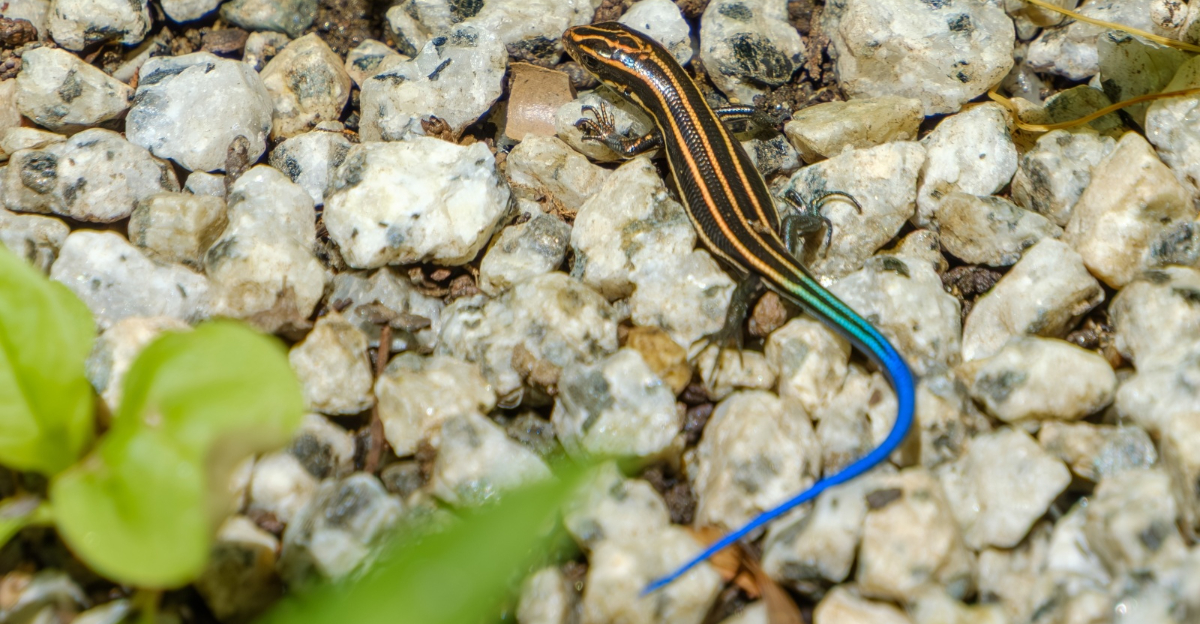
Blue lightning just crossed your garden bed. Nobody warned you about this flash under the mulch. Missouri backyards are suddenly hosting a secretive visitor.
Something quick and unnamed keeps appearing near porches and stone walls. Scales shimmer cobalt one moment, then disappear the next. Blinking won’t help you catch it again.
Chances are it already noticed you first. Gardeners throughout Missouri now trade quiet stories about these fleeting glimpses. Curiosity builds every time that streak passes by.
Questions pile up fast: where did it come from, why now, why here. Answers exist, and they genuinely surprise even careful observers. Nothing about this visitor behaves the way you’d expect.
Everything from its habits to its instincts defies easy assumptions. Understanding what’s truly moving beneath your flower beds changes how you see your garden. You won’t look at your yard the same way again.
Why Missouri Gardeners Are Spotting This Lizard More Often
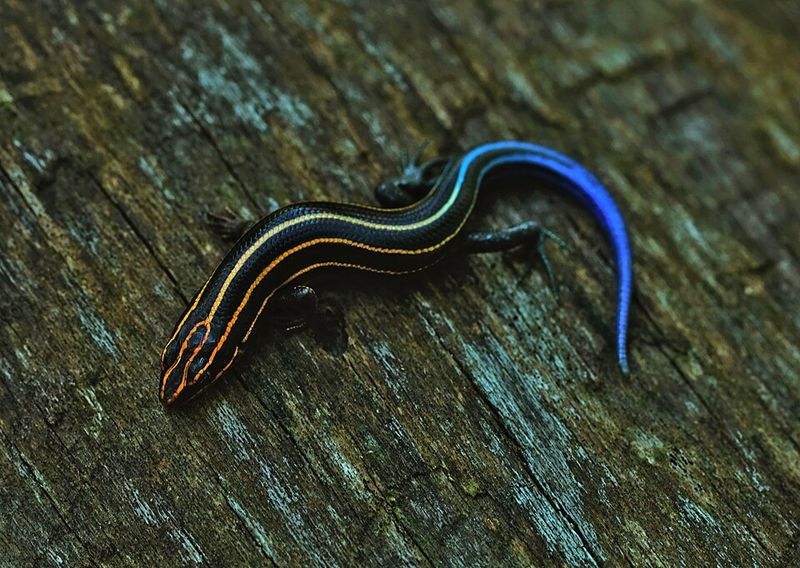
Gardens are buzzing with a new kind of visitor this season. The blue-tailed lizard, known formally as the Five-Lined Skink, is appearing more frequently in backyards across the state.
Warmer summers are creating ideal conditions for skink activity. These lizards thrive in heat, and longer warm seasons mean more time spent foraging in open garden spaces.
Habitat loss in surrounding wild areas is also pushing skinks closer to homes. As woodlands shrink, well-maintained yards with logs, mulch, and leaf piles become attractive alternatives.
Missouri gardeners are also becoming sharper observers. More people spend time outdoors tending raised beds and container gardens, which naturally leads to more wildlife encounters.
Native plant gardening is another big factor driving sightings. Dense ground cover, native shrubs, and layered plantings mimic natural forest edges that skinks absolutely love.
Bird feeders and compost bins attract insects, which attract skinks looking for an easy meal. Your yard may be unintentionally rolling out the welcome mat.
Citizen science apps like iNaturalist have made reporting sightings easier than ever. More documented observations may explain the rise in sightings, even if actual population numbers remain steady.
The truth is, skinks were always there, quietly living alongside you. Now, with better awareness and more eyes watching, the blue-tailed lizard is finally getting the attention it has always deserved.
The Five-Lined Skink Behind The Blue-Tailed Sightings
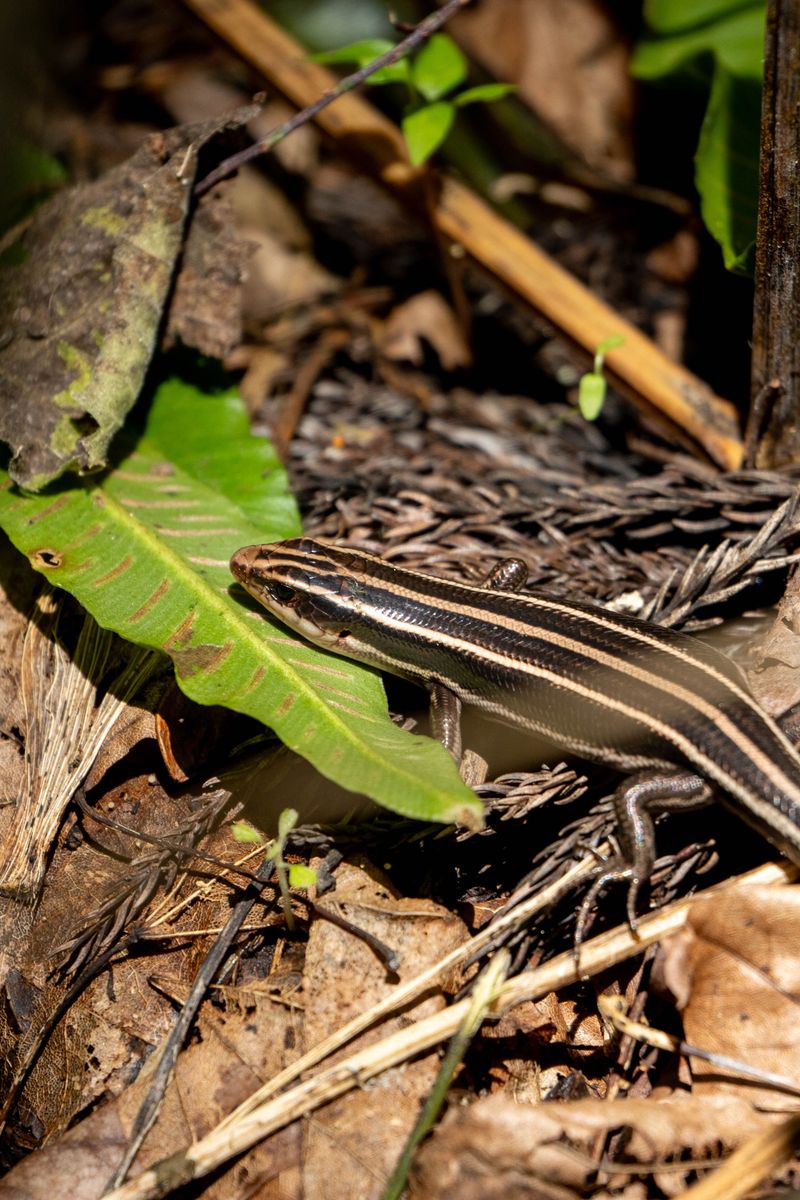
Meet the star of your garden this summer. The Five-Lined Skink, scientific name Plestiodon fasciatus, is one of the most common lizards found across the eastern United States.
Adult skinks typically grow to around five to eight inches long. Their sleek, smooth bodies are built for speed, and they can disappear under a rock before you even blink.
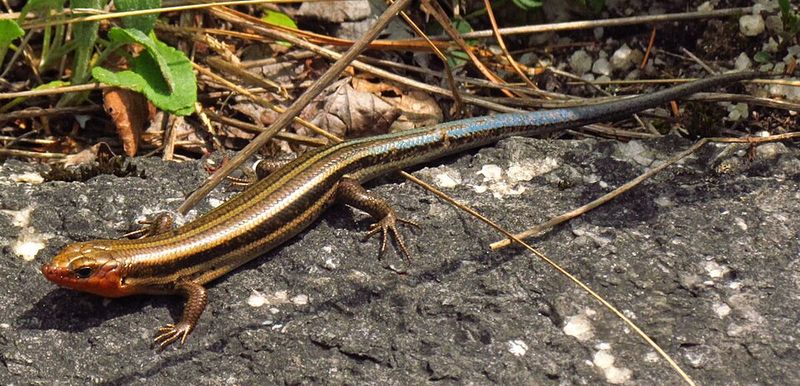
Young skinks are the ones with the famous electric-blue tails. As they mature, that brilliant color fades to a grayish-brown or copper tone, especially in males.
Males develop a striking reddish-orange head during breeding season. That bold coloring helps them attract females and warn off rival males during the warmer months.
Your Missouri Garden Changes Every Week. Your Plan Should Too.
Gardening in Missouri changes quickly throughout the season. Every Friday you’ll receive a simple weekly plan showing exactly what to plant, prune, fertilize, harvest, and protect so you never miss the right timing.
Females are more subtly patterned, often keeping faint stripes longer than males do. Both sexes are covered in smooth, overlapping scales that give them a polished, almost shiny appearance.
These lizards are entirely native to Missouri and surrounding states. They are not invasive, not dangerous, and not something to fear when spotted near your tomatoes.
Five-Lined Skinks are diurnal, meaning they are active during the day. You are most likely to spot them on sunny mornings when they bask on warm surfaces to raise their body temperature.
Getting familiar with this lizard changes how you see your garden. Once you know what you are looking at, every flash of blue feels like a small, exciting gift from the natural world.
Identifying Its Signature Blue Tail
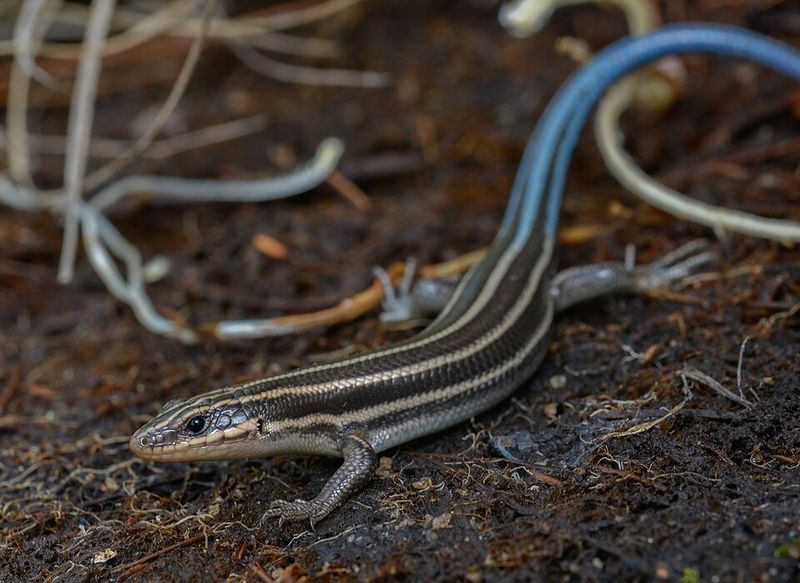
That tail stops you cold every time. The juvenile Five-Lined Skink sports a tail so intensely blue it almost looks painted on by someone with a flair for the dramatic.
The color comes from specialized pigment cells in the skin, which combine to produce that unmistakable blue hue.
The blue tail serves a clever survival purpose. When a predator strikes, it aims for the bright color, and the tail detaches cleanly, letting the skink escape unharmed.
That detached tail keeps wiggling after separation. The movement distracts the predator long enough for the skink to sprint away and hide under the nearest cover.
New tails grow back over several weeks, though the replacement is usually grayish and made of cartilage rather than bone. The regrown version lacks the original brilliant blue shade.
As skinks mature, the blue gradually fades. By adulthood, most have lost nearly all of that vivid color, replaced by copper or olive tones along the body.
Spotting a blue tail in your garden almost certainly means you have a juvenile nearby. That is actually great news, since it signals a healthy, reproducing local population.
Learning to recognize that tail at a glance makes you a sharper naturalist. Once you see it, you will never mistake the blue-tailed lizard for anything else again.
Favorite Hiding Spots In Your Garden
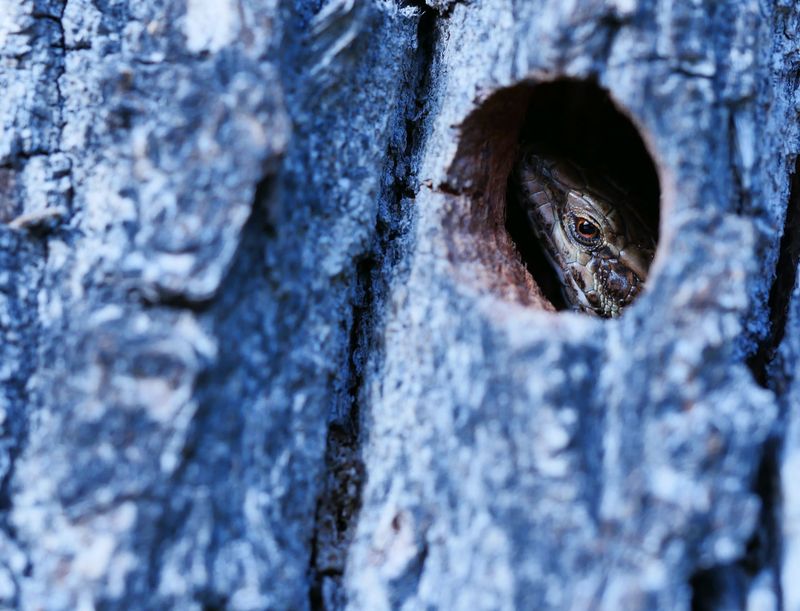
Skinks are masters of disappearing acts. One second they are basking in the sun, and the next they have disappeared into your garden like tiny blue-tailed magicians.
Rotting logs are their absolute favorite hideout. The soft, moist wood underneath provides insects to eat, cool shelter from heat, and a safe place to lay eggs.
Mulched garden beds are another top destination. Deep layers of wood chip mulch stay cool and damp, creating the perfect microhabitat for a skink to rest and hunt.
Rock walls and stone borders attract skinks for a different reason. Rocks absorb heat from the sun, and skinks press their bodies against warm surfaces to regulate their temperature.
Compost bins provide ideal shelter and foraging conditions for skinks. Decomposing organic material generates warmth and attracts a steady stream of beetles, grubs, and worms, all of which are skink favorites.
Dense groundcover plants like creeping thyme or pachysandra offer overhead protection. Skinks feel safest when they can move through vegetation without being fully exposed to aerial predators.
Stacked flower pots, garden debris piles, and old boards left on the ground all serve as skink shelters. Tidy gardeners may see fewer skinks simply because they remove all the good hiding spots.
Leaving a small wild corner in your yard is an open invitation. A pile of leaves, a mossy log, or a loose stone border could become prime real estate for your resident lizard.
Diet And Benefits For Your Yard
Your garden has a pest problem, and the skink is the solution. These small lizards are relentless hunters that patrol your yard from sunrise to late afternoon without ever asking for a paycheck.
Beetles are a top menu item for skinks. Both adult beetles and their soil-dwelling larvae get snapped up regularly, which helps protect plant roots from serious underground damage.
Grasshoppers are another frequent target. A single skink can eat a large number of these plant-munching insects each week, helping keep leaf damage on your vegetables lower.
Crickets, moths, and caterpillars also make the list. Essentially, if it moves, is small enough to swallow, and wanders into skink territory, it is fair game for a quick meal.
Spiders are occasionally eaten too, including some species that bite humans. Having a skink patrol your garden edges naturally reduces the number of unwanted eight-legged surprises.
Unlike chemical pesticides, skinks cause no collateral damage. They target individual prey with precision, leaving your beneficial pollinators like bees and butterflies completely untouched.
Skinks also aerate the soil slightly as they dig and burrow. Their activity near the surface loosens compacted areas, which can improve drainage around plant roots over time.
Welcoming skinks into your yard can be a practical, low-effort choice for many gardeners. Skinks act as a natural, low-maintenance form of pest control, and all you have to do is leave the logs alone.
Coexisting Safely With Five-Lined Skinks
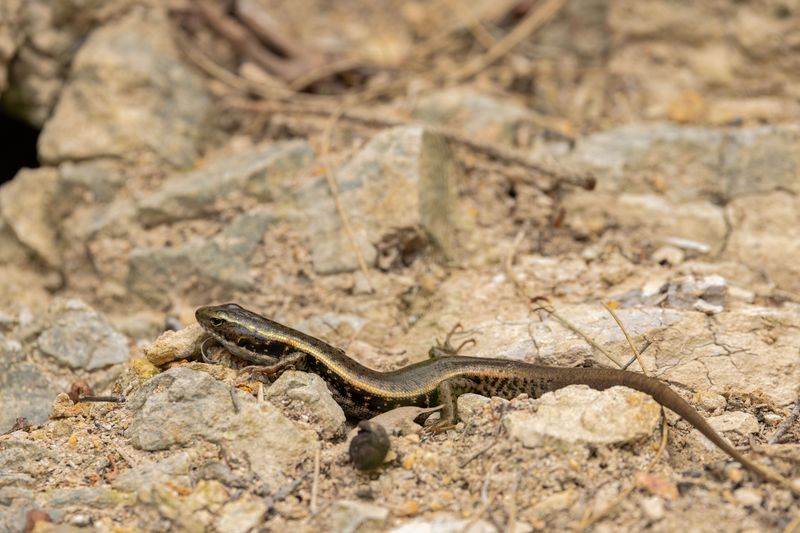
Sharing your garden with skinks is easier than you might think. These lizards want nothing to do with you and will sprint away long before you get anywhere near close enough to touch them.
Skinks are not aggressive toward humans. They have small teeth designed for gripping insects, not biting people, and they almost never make contact unless directly cornered or grabbed.
Keeping cats indoors or supervised outdoors makes a real difference. Domestic cats are widely considered a threat to skink populations in residential areas, even well-fed, gentle-seeming ones.
Avoid using broad-spectrum insecticides in your garden. Pesticides wipe out the insect prey skinks depend on and can poison the lizards directly through their food chain.
Children are naturally curious about these flashy lizards. Teach kids to observe from a respectful distance rather than chasing or catching, which stresses the animal unnecessarily.
If a skink ends up indoors, stay calm and do not panic. Guide it gently toward an open door using a piece of cardboard, and it will find its way out quickly.
Skinks sometimes shelter under garden tools or furniture left outside. Always check underneath before moving heavy items, just to avoid accidentally injuring a resting lizard.
Living alongside the blue-tailed lizard can be a rewarding part of gardening for many people. Once you stop seeing them as strangers and start seeing them as partners, your whole yard feels more alive.
How To Attract More Five-Lined Skinks To Your Garden
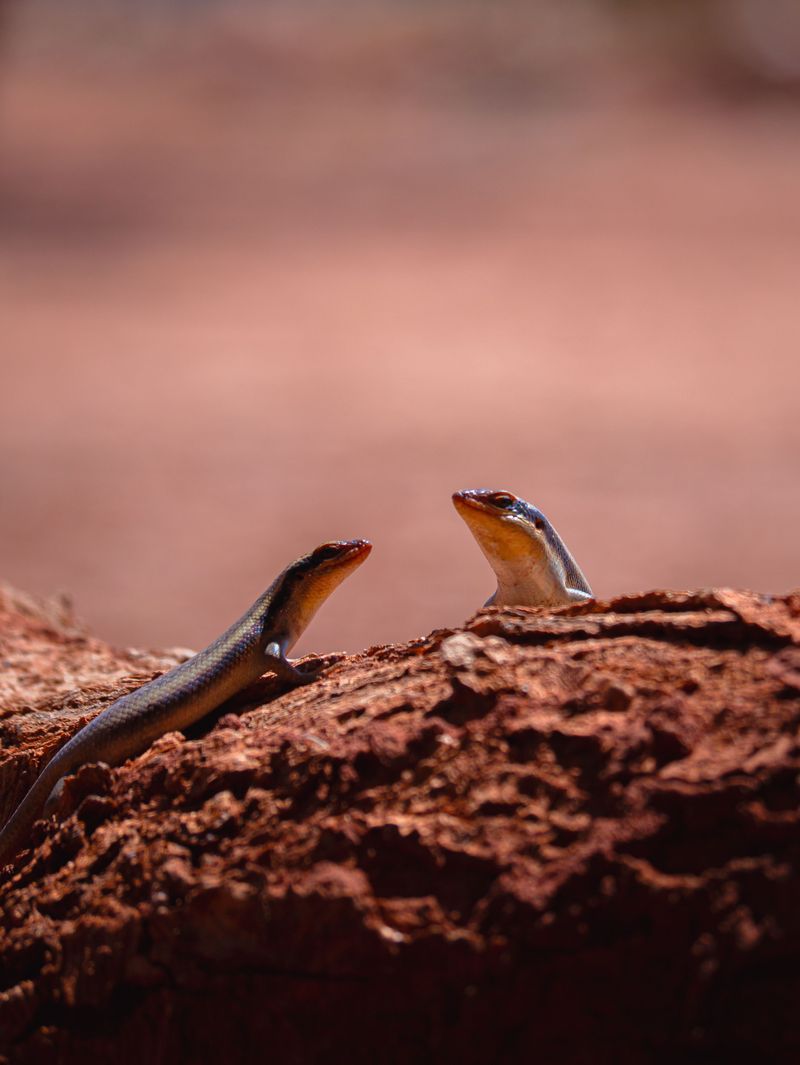
Want more of these blue-tailed beauties in your yard? A few simple changes to your garden setup can turn your outdoor space into a skink sanctuary without much effort at all.
Start by adding a log or two near a sunny garden border. Partially buried wood that is beginning to rot provides both shelter and a reliable food source in one convenient package.
Flat stones placed in sunny spots give skinks a dedicated basking area. Position them near low plantings so the lizards feel safe moving between sun and shade throughout the day.
Native plantings are a powerful attractant for any garden wildlife. Choose low-growing native groundcovers and shrubs that create dense, layered structure at the garden floor level.
Reduce your lawn footprint if possible. Turf grass offers almost nothing to a skink, while a mixed bed of native perennials and organic mulch creates a thriving micro-ecosystem they love.
Leaf litter is valuable habitat material for skinks. Instead of bagging every fallen leaf in autumn, leave a natural layer in garden beds where it can decompose and shelter overwintering lizards.
Water sources matter more than most gardeners realize. A shallow dish of fresh water near ground level, changed every few days, supports skinks and many other beneficial garden creatures.
Building habitat for the Five-Lined Skink means building a healthier garden for everything else too. When you invite one species in, the whole ecosystem around your home quietly improves.